


























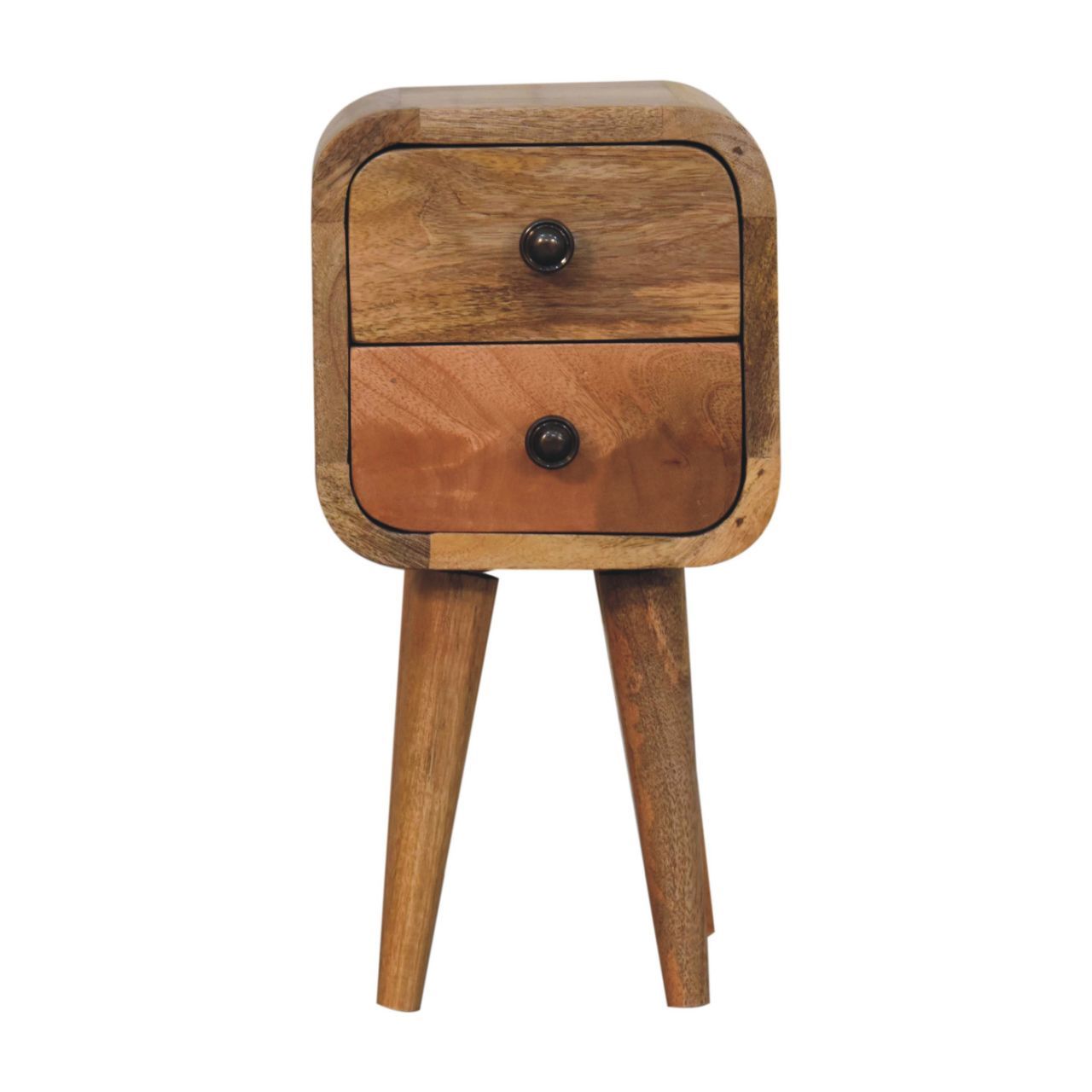


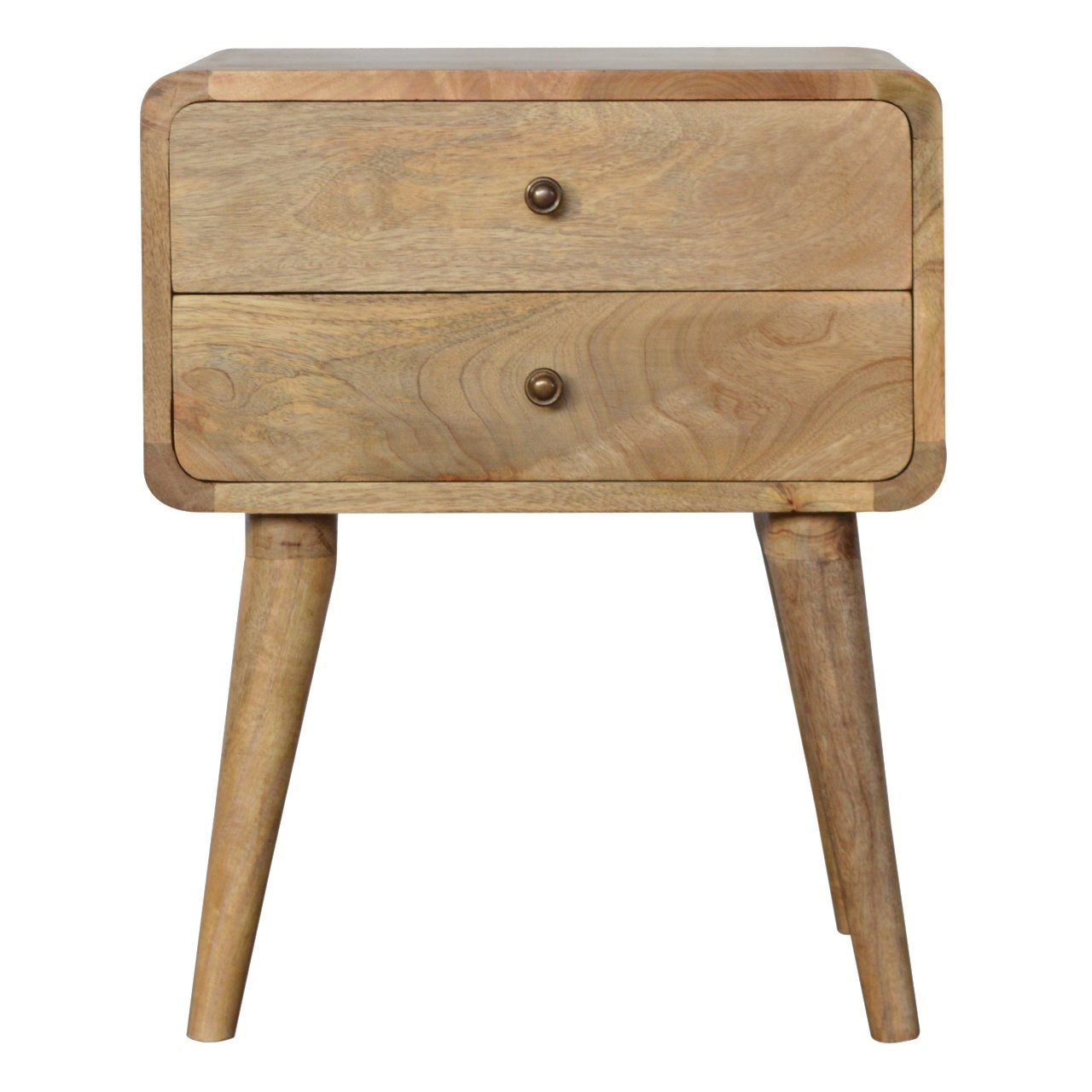
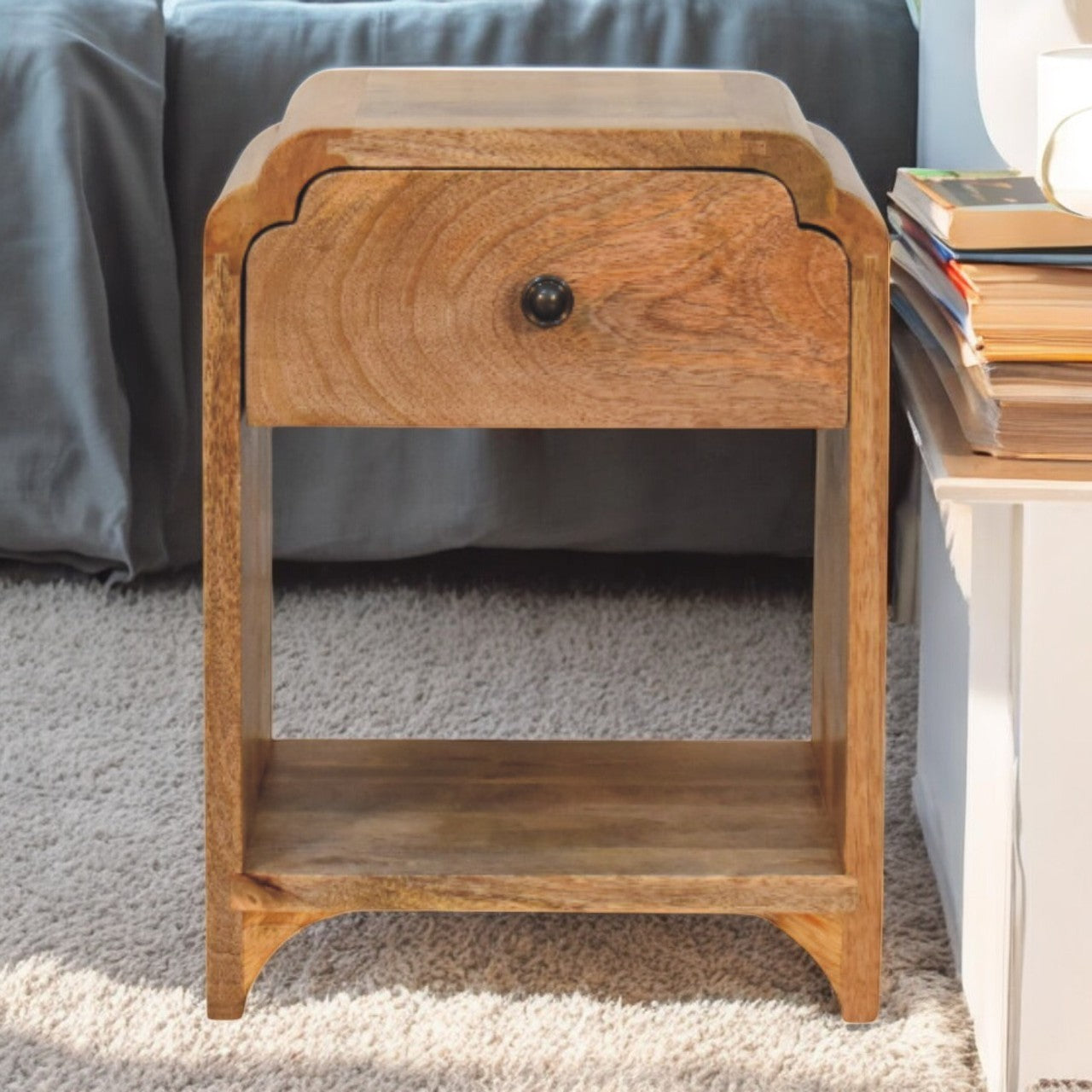
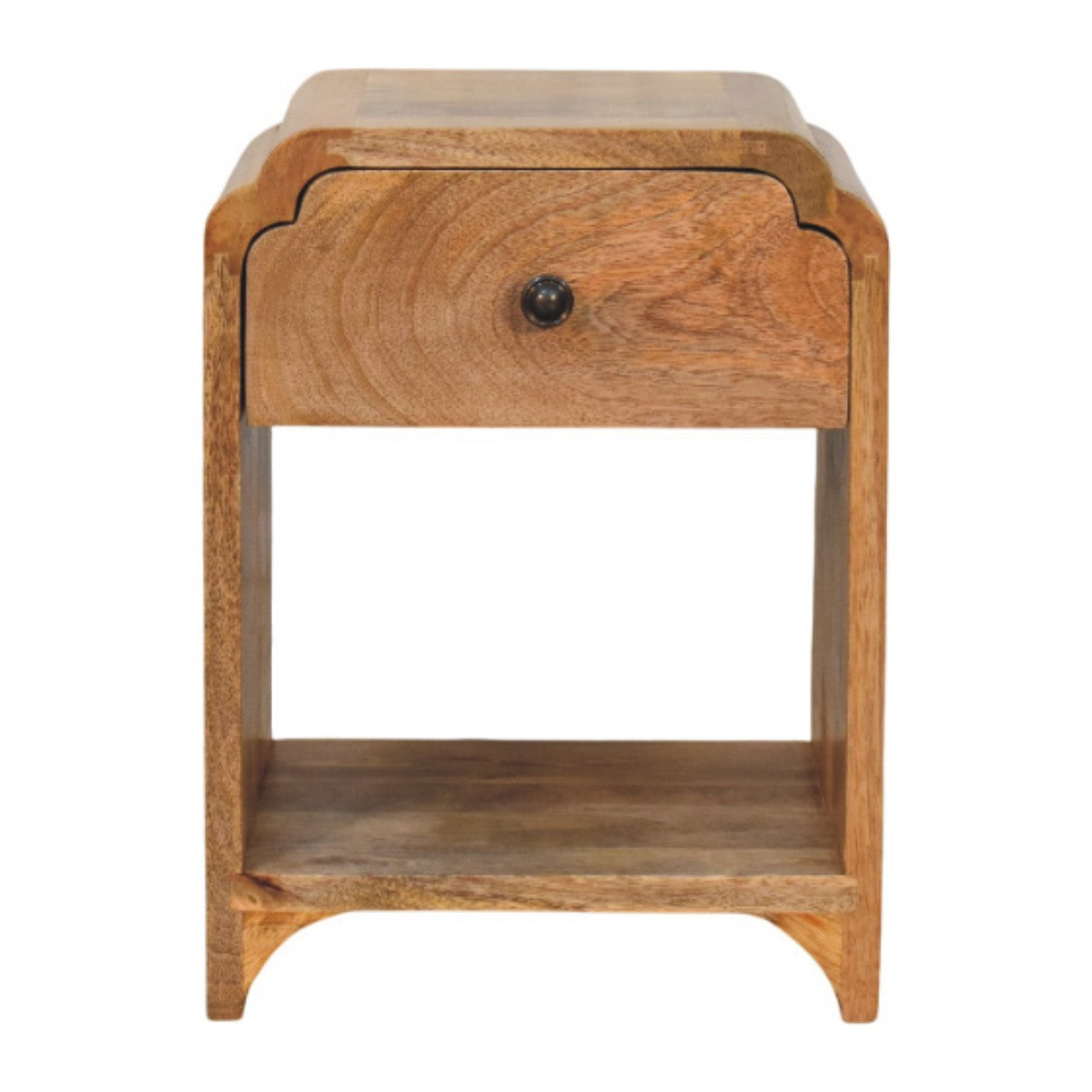





How to choose a nightstand, bedside table or bedside chest
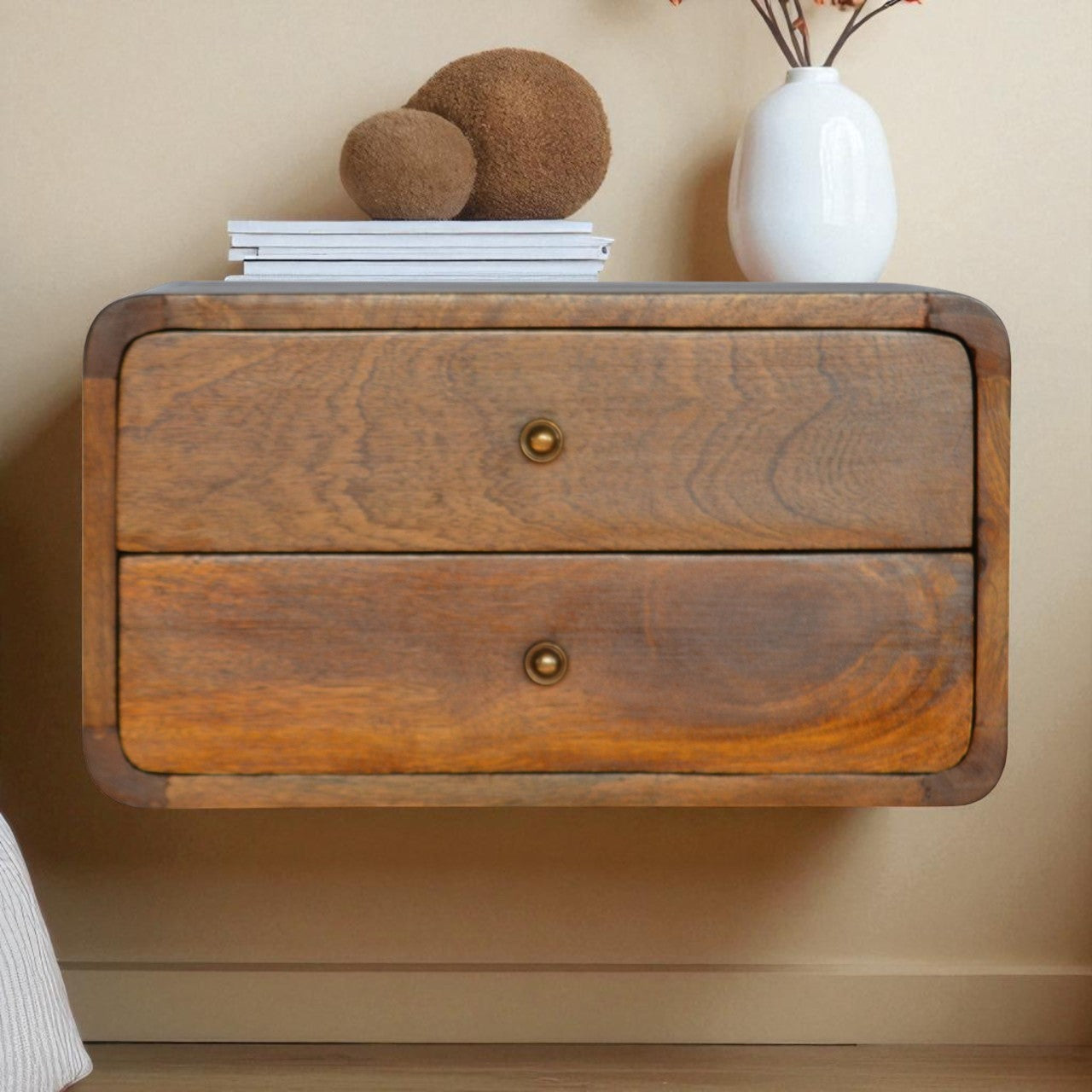
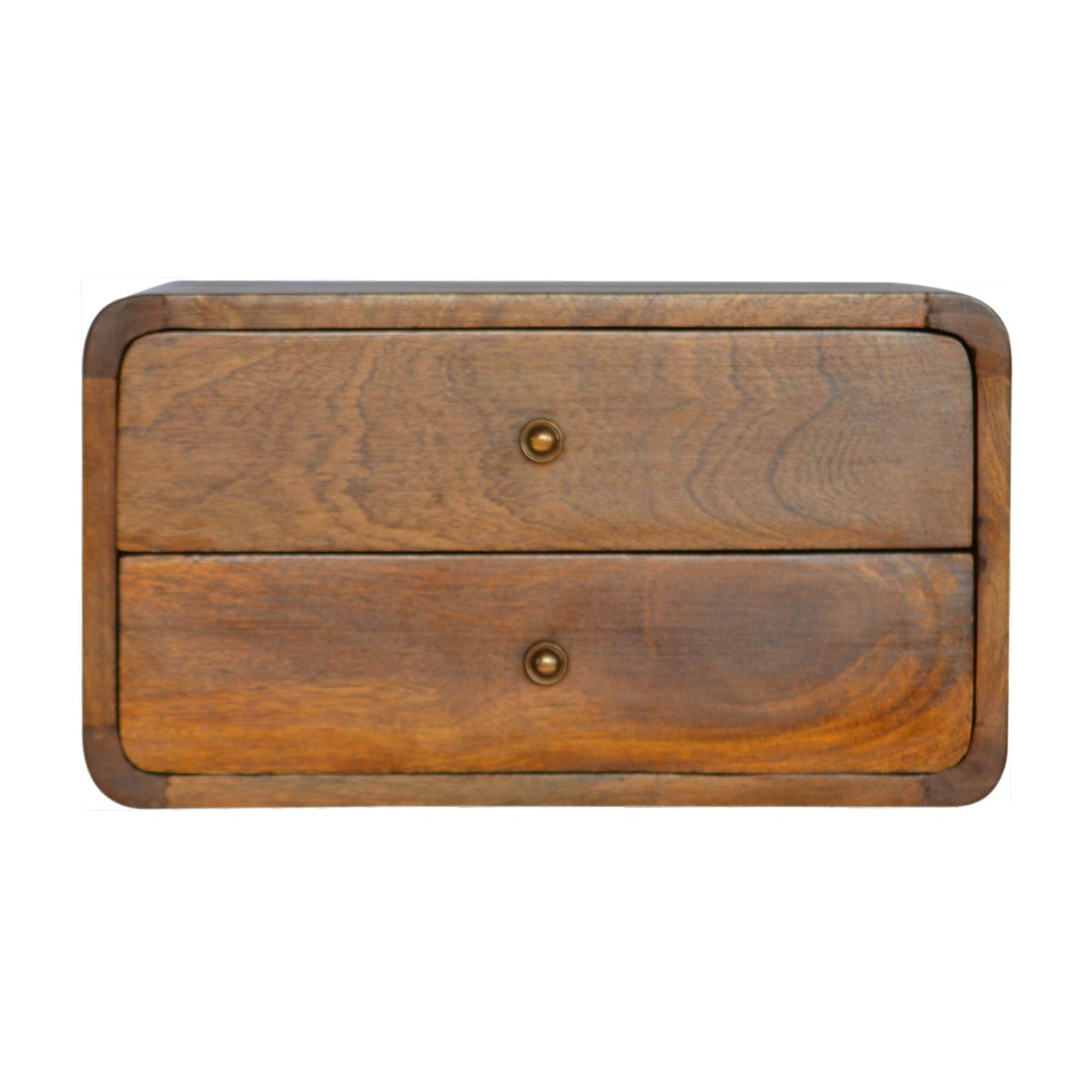
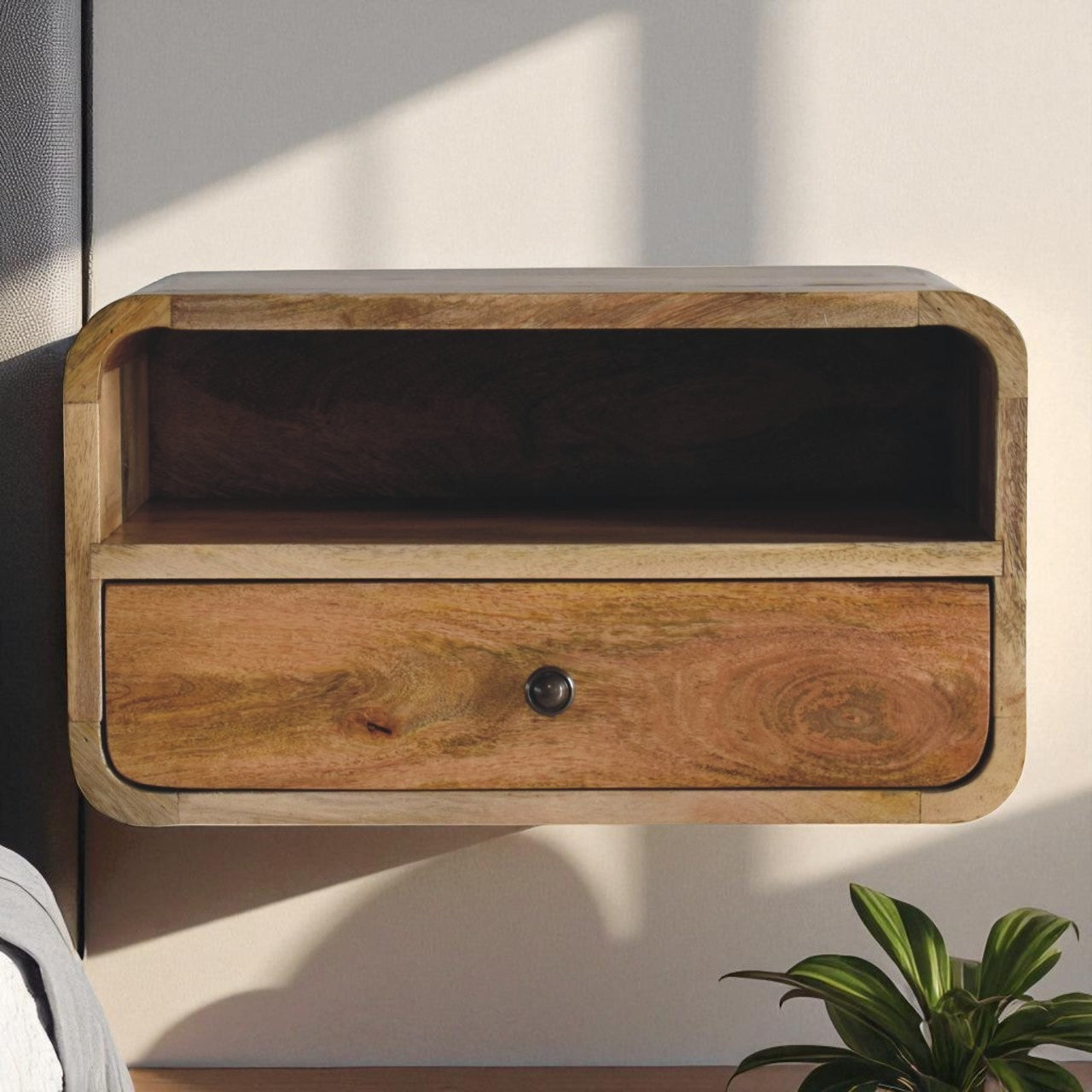
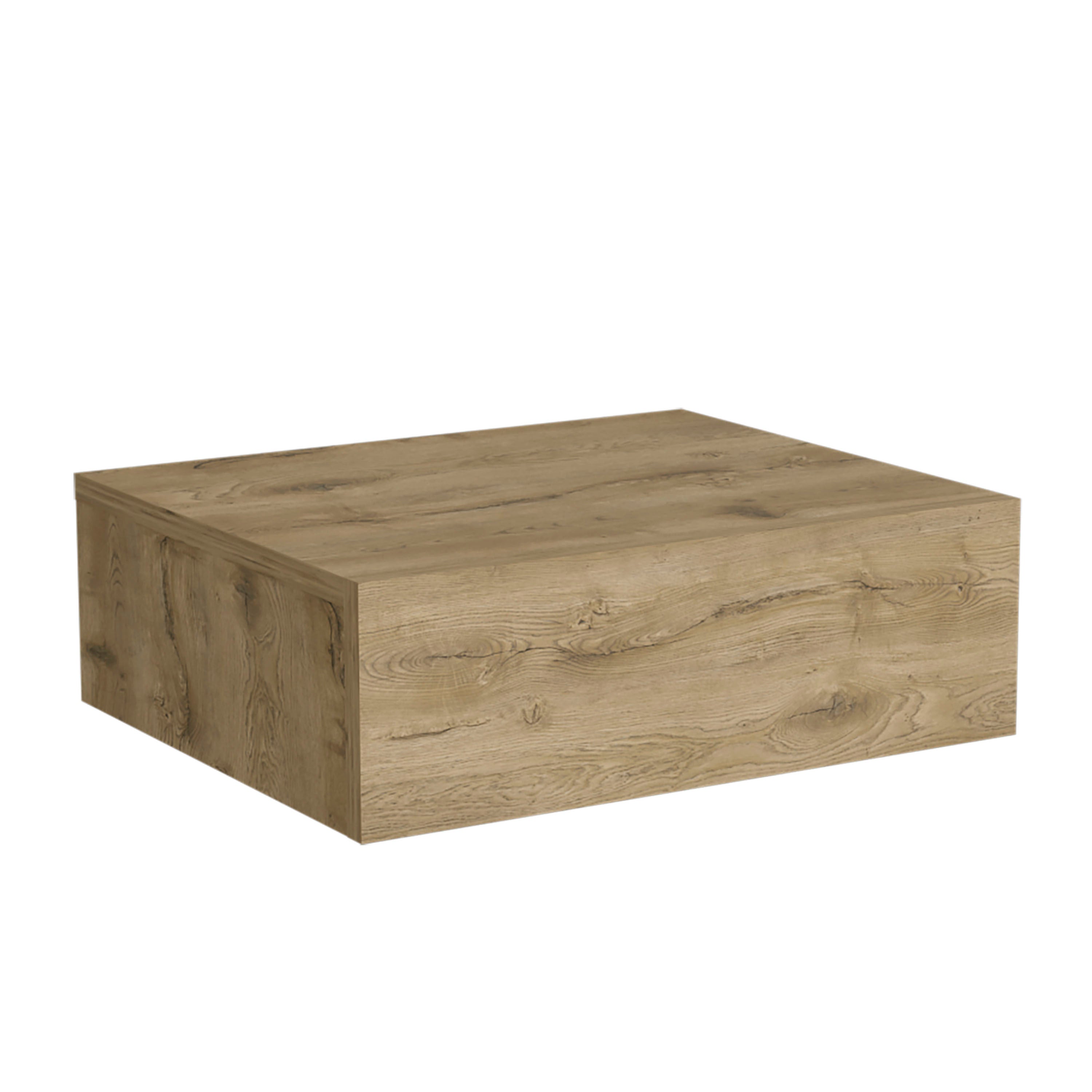
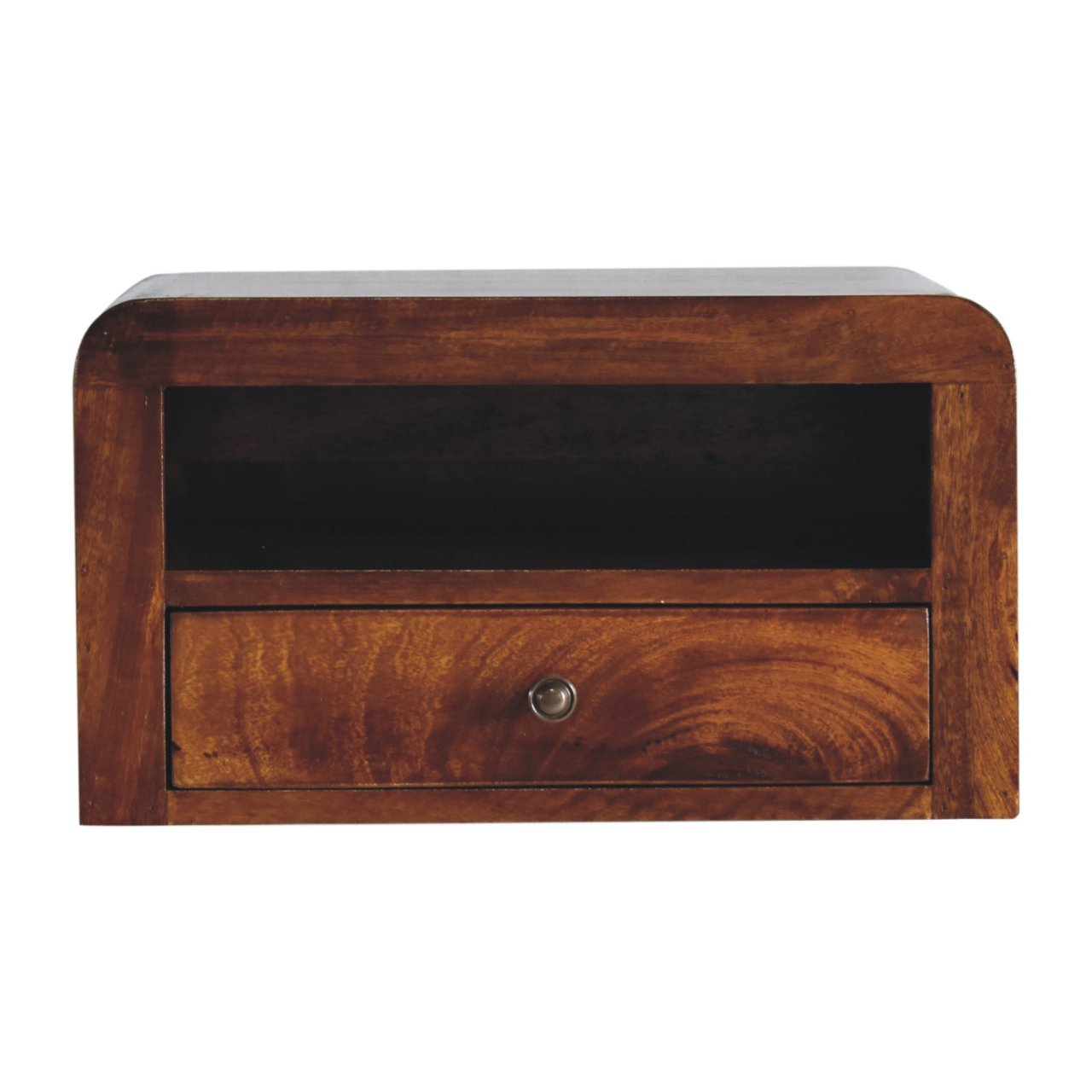
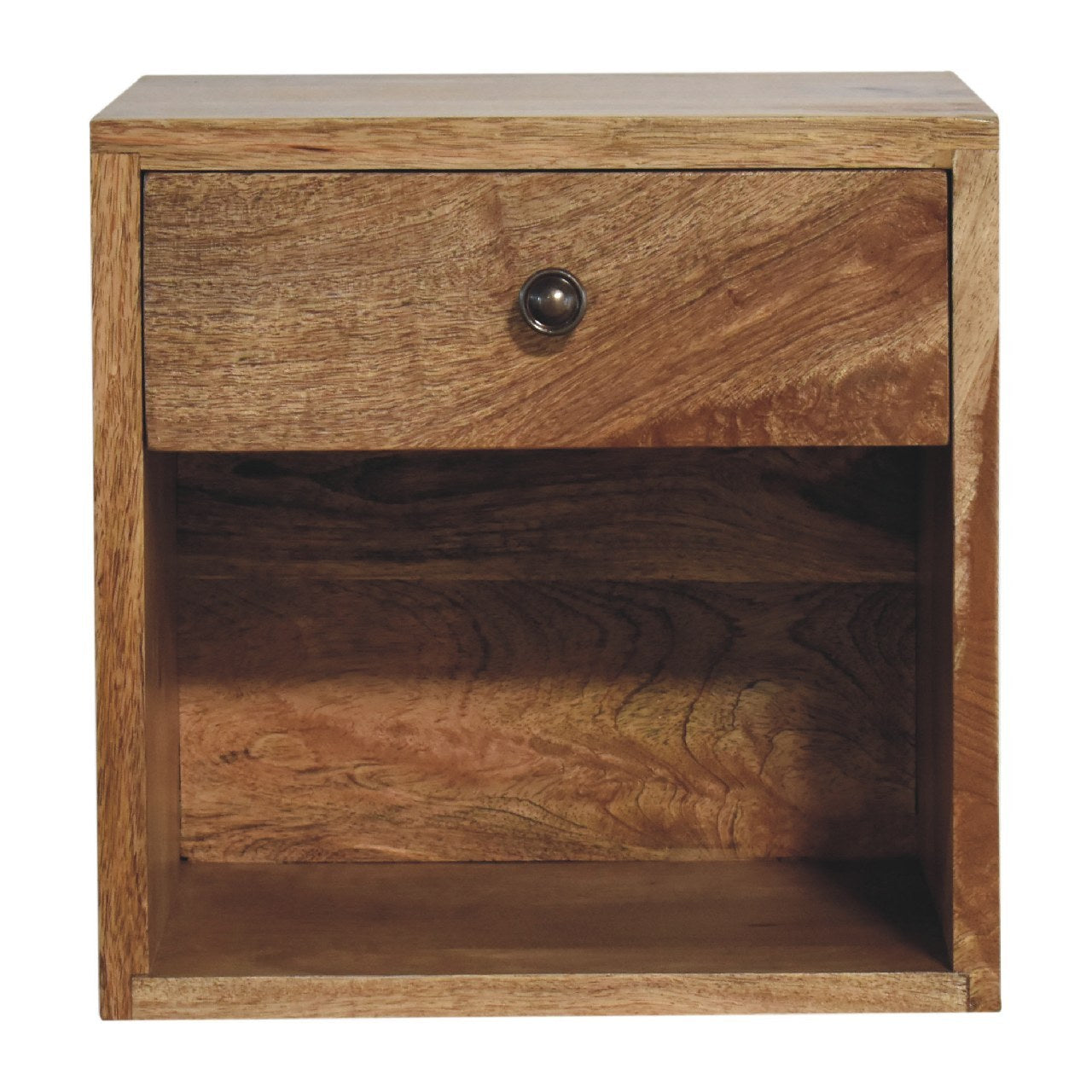
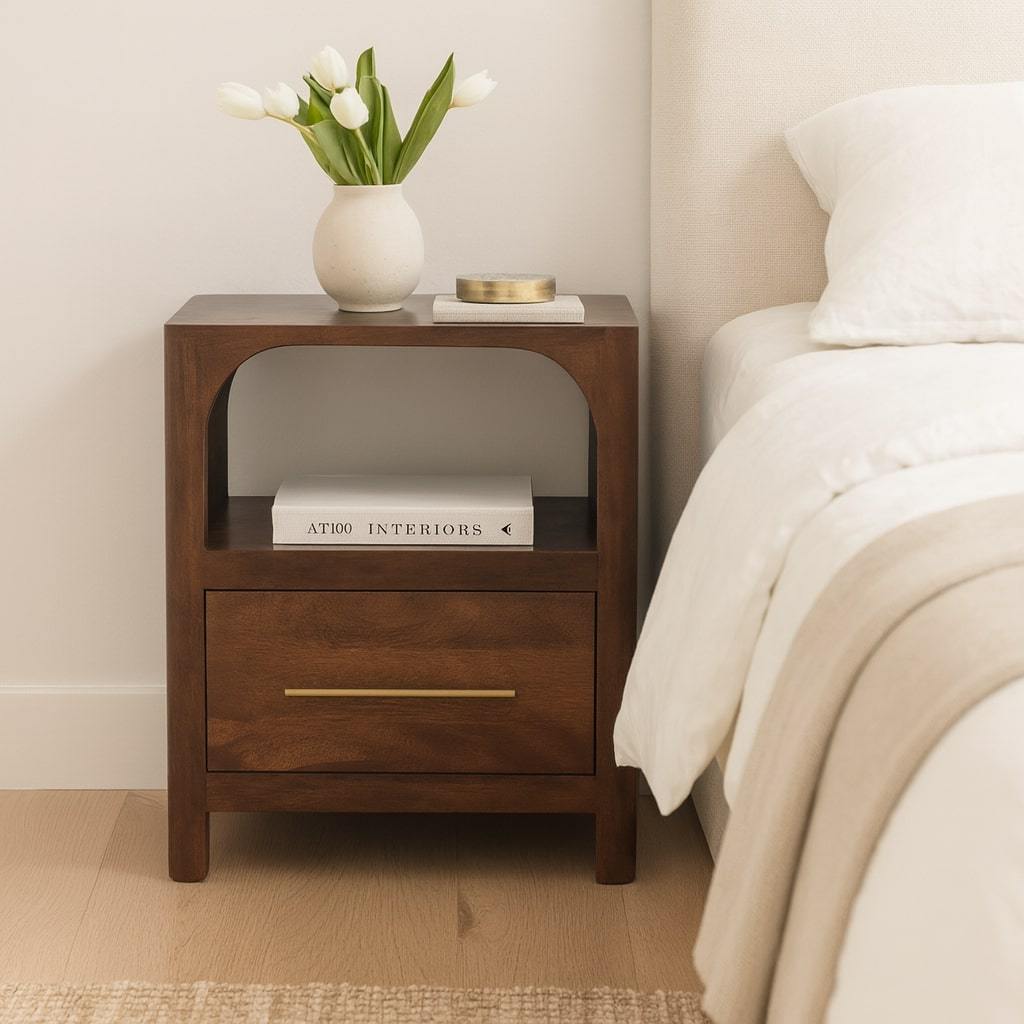
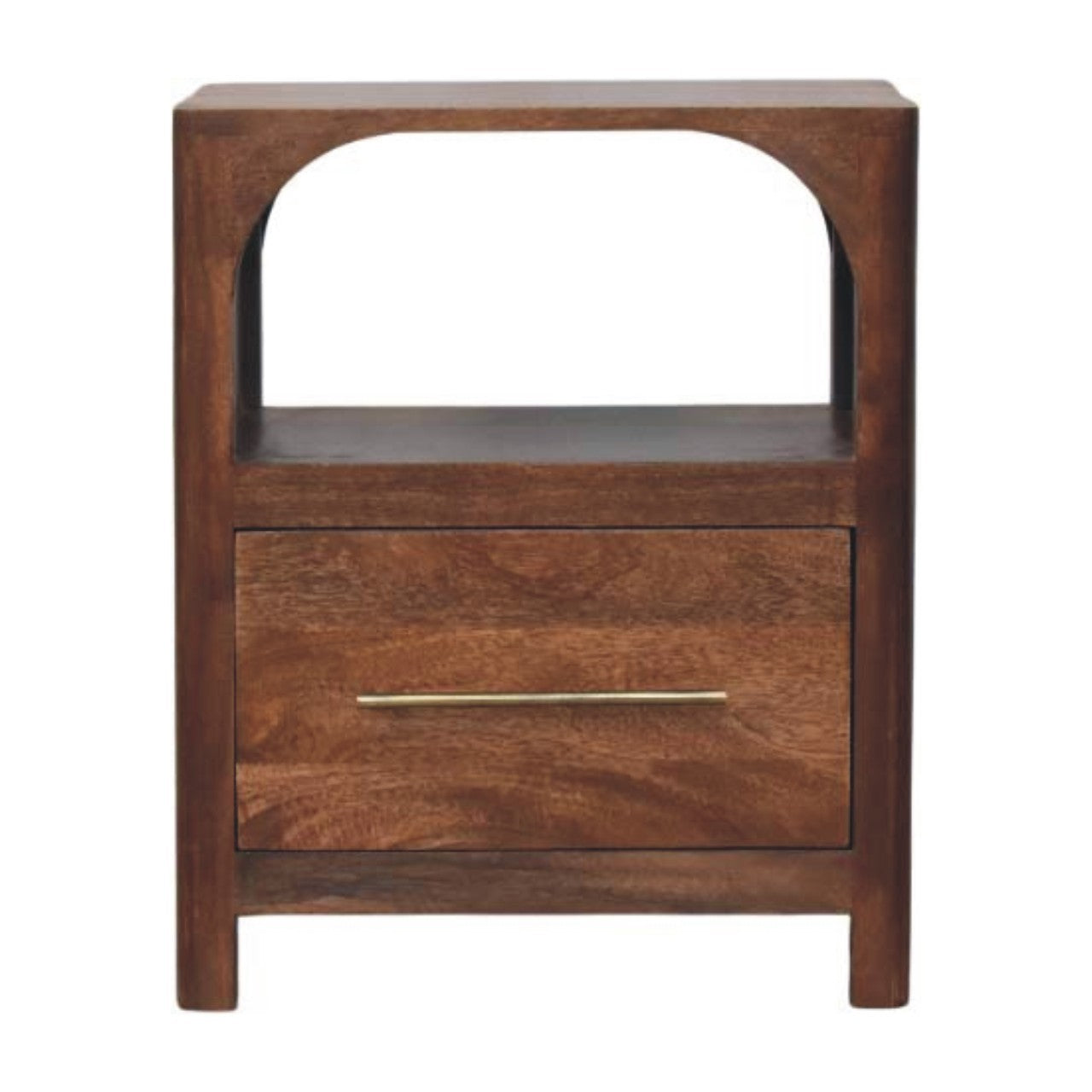
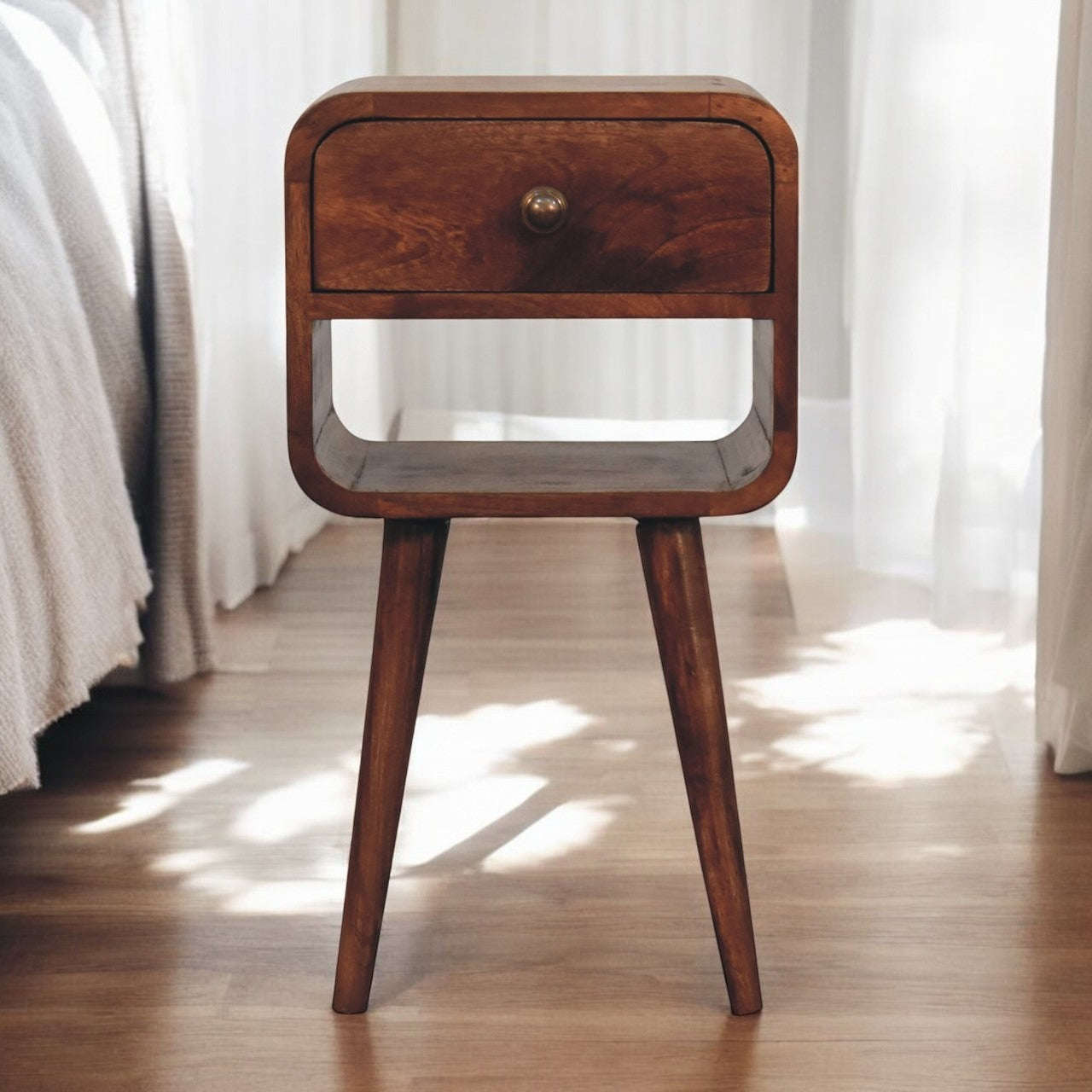
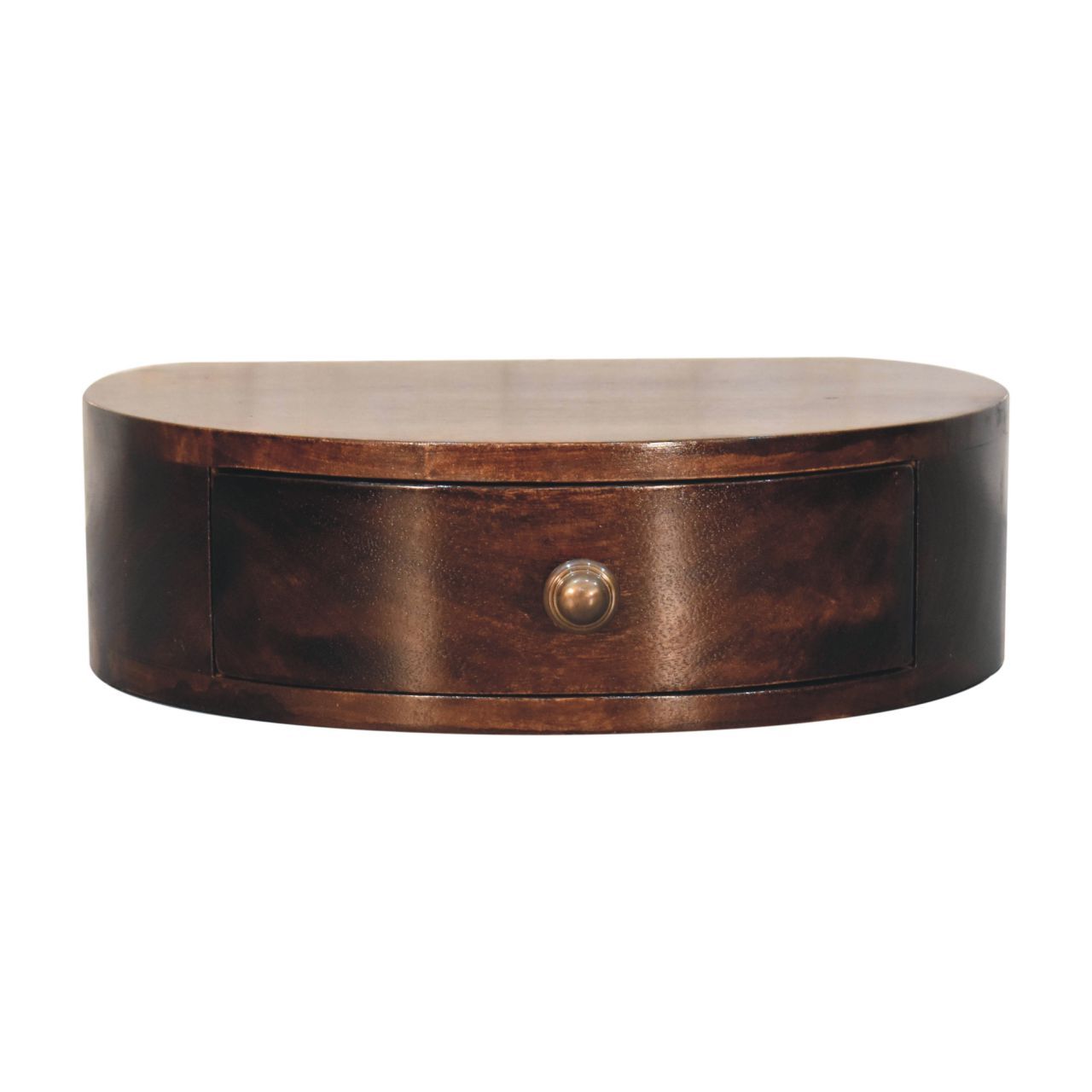
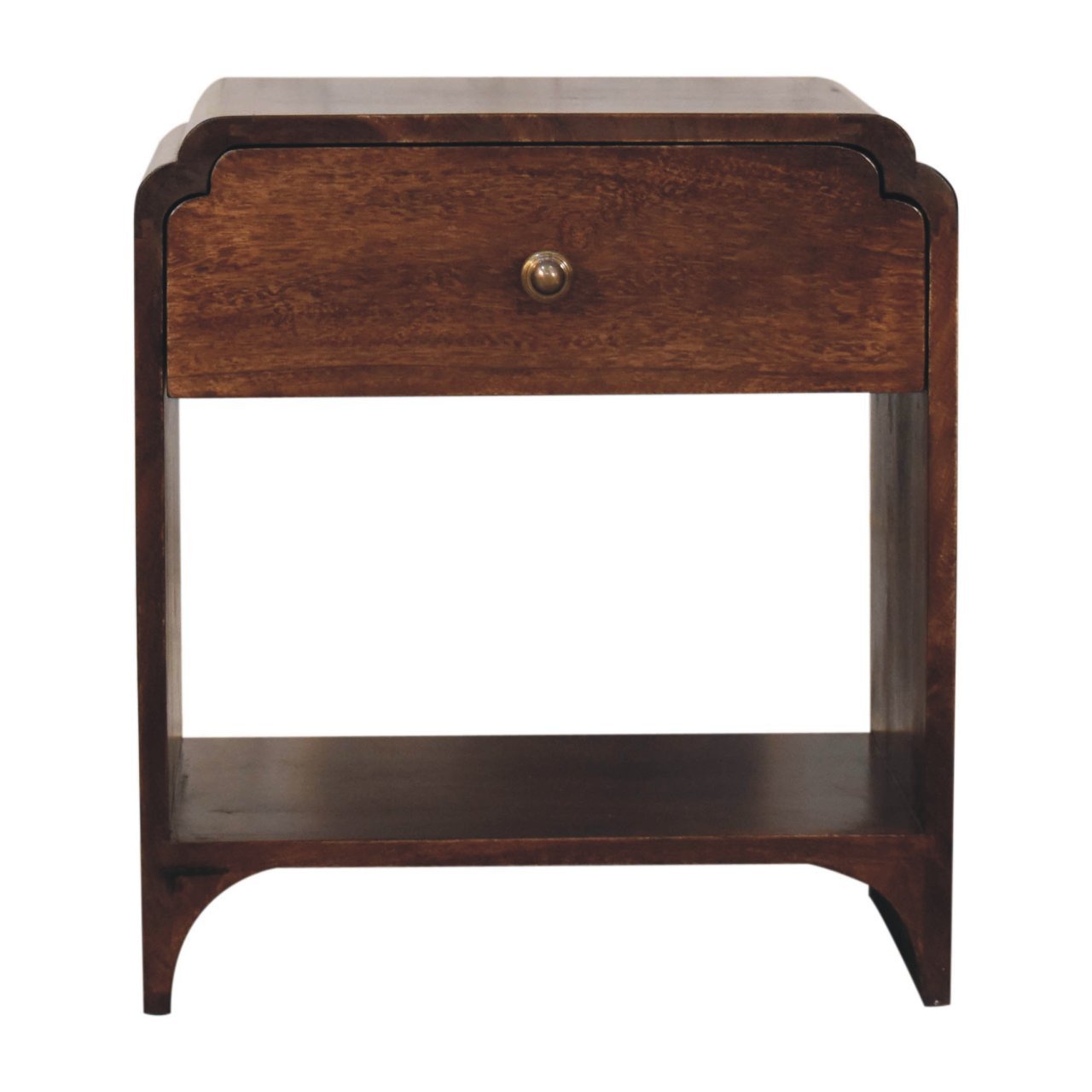
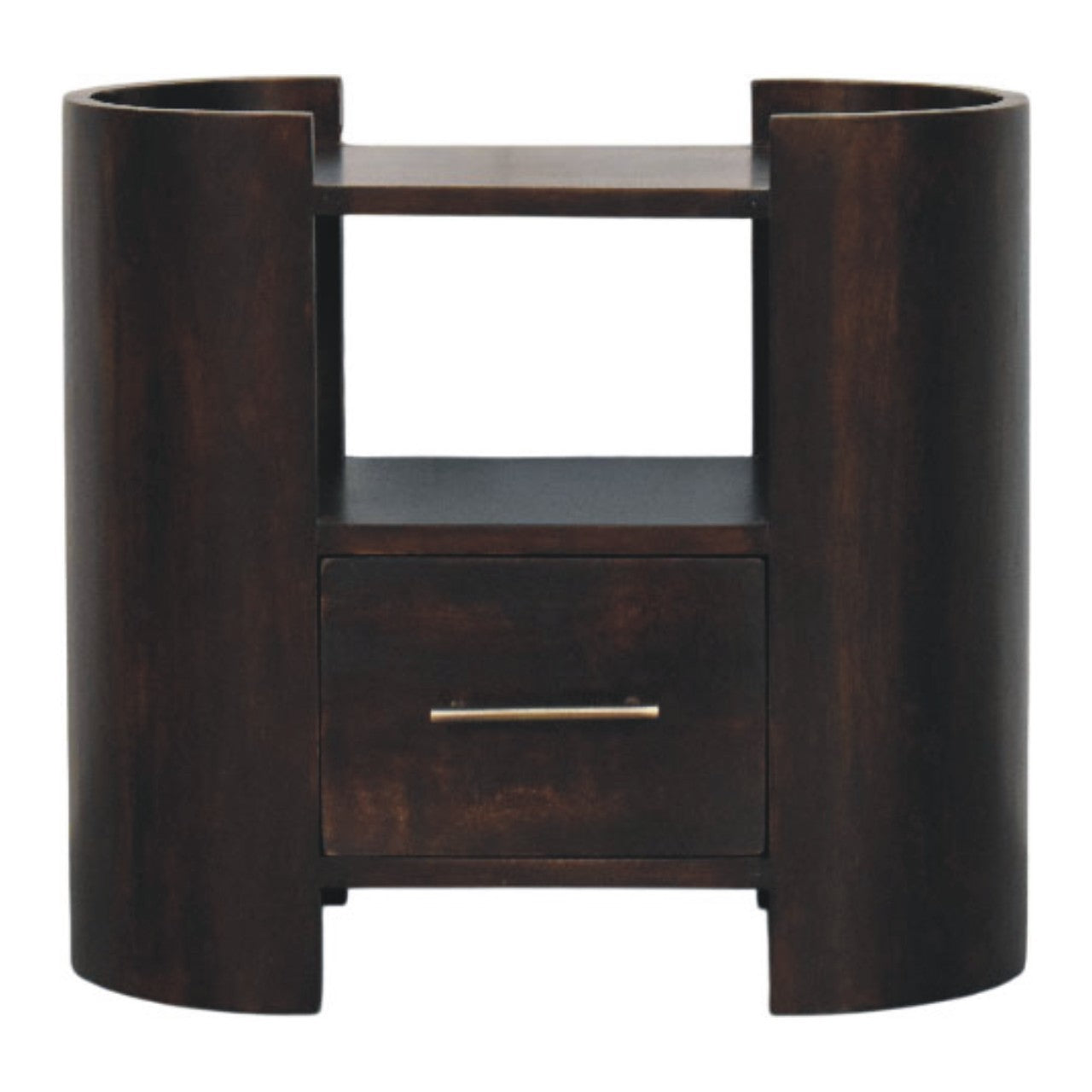
The range splits two ways before anything else. Freestanding nightstands sit on legs or a plinth and can be moved with the bed. Floating nightstands fix to the wall, leave the floor clear underneath and read as a shelf rather than a piece of furniture. Within both formats you will find one, two, three and four-drawer layouts, open slots for a book or a router, and a few with cabinet doors instead of drawers. Some are listed singly and some as a matched pair.
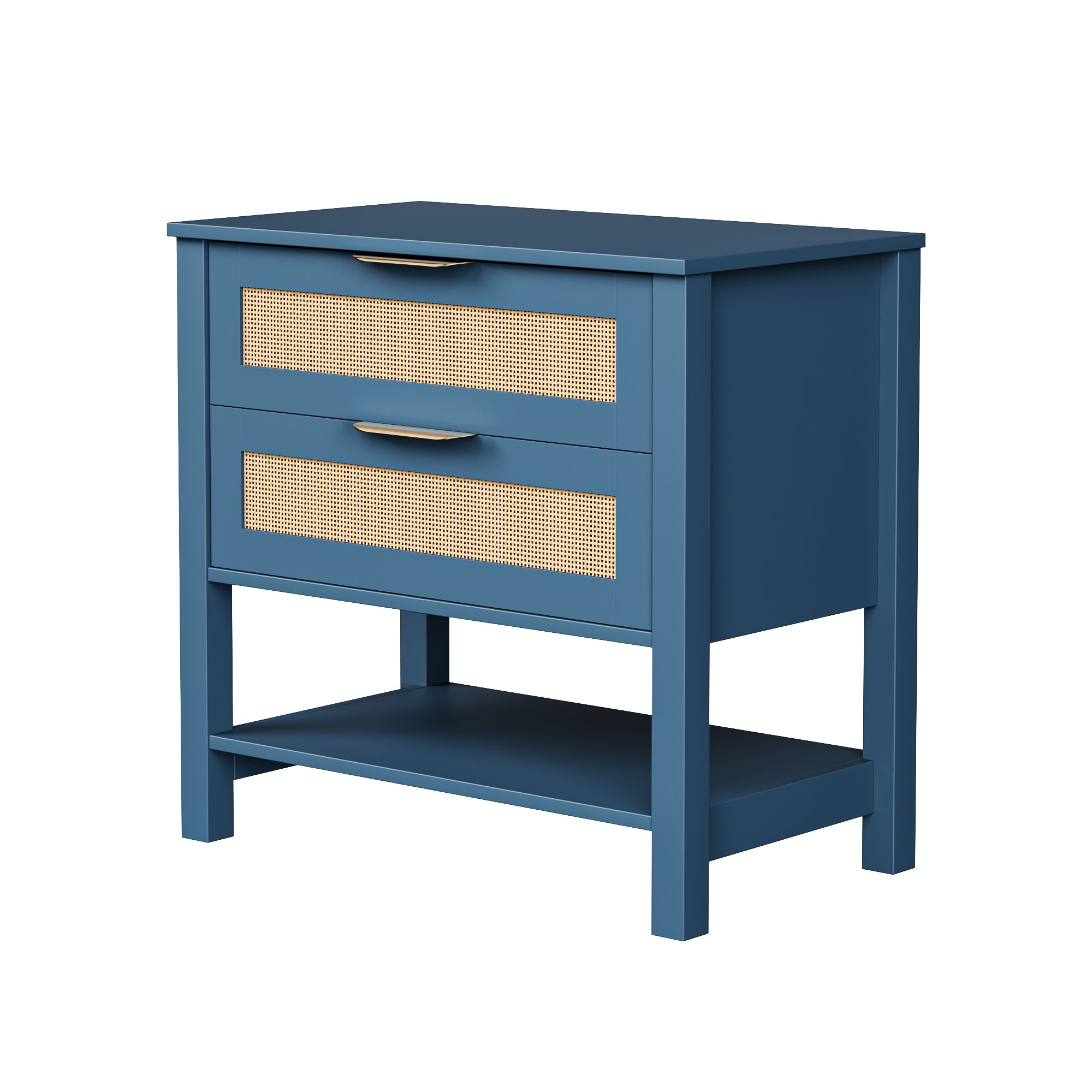
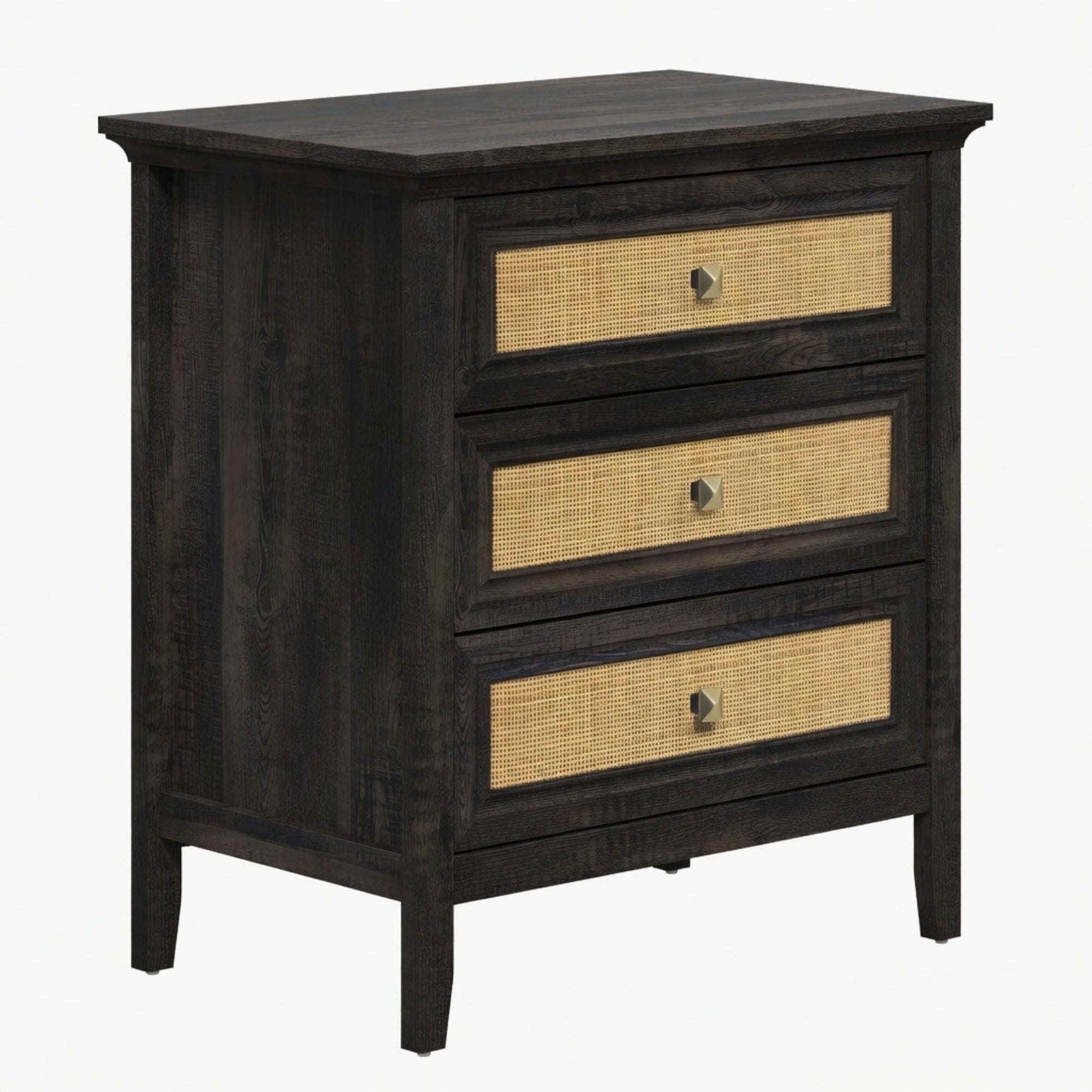
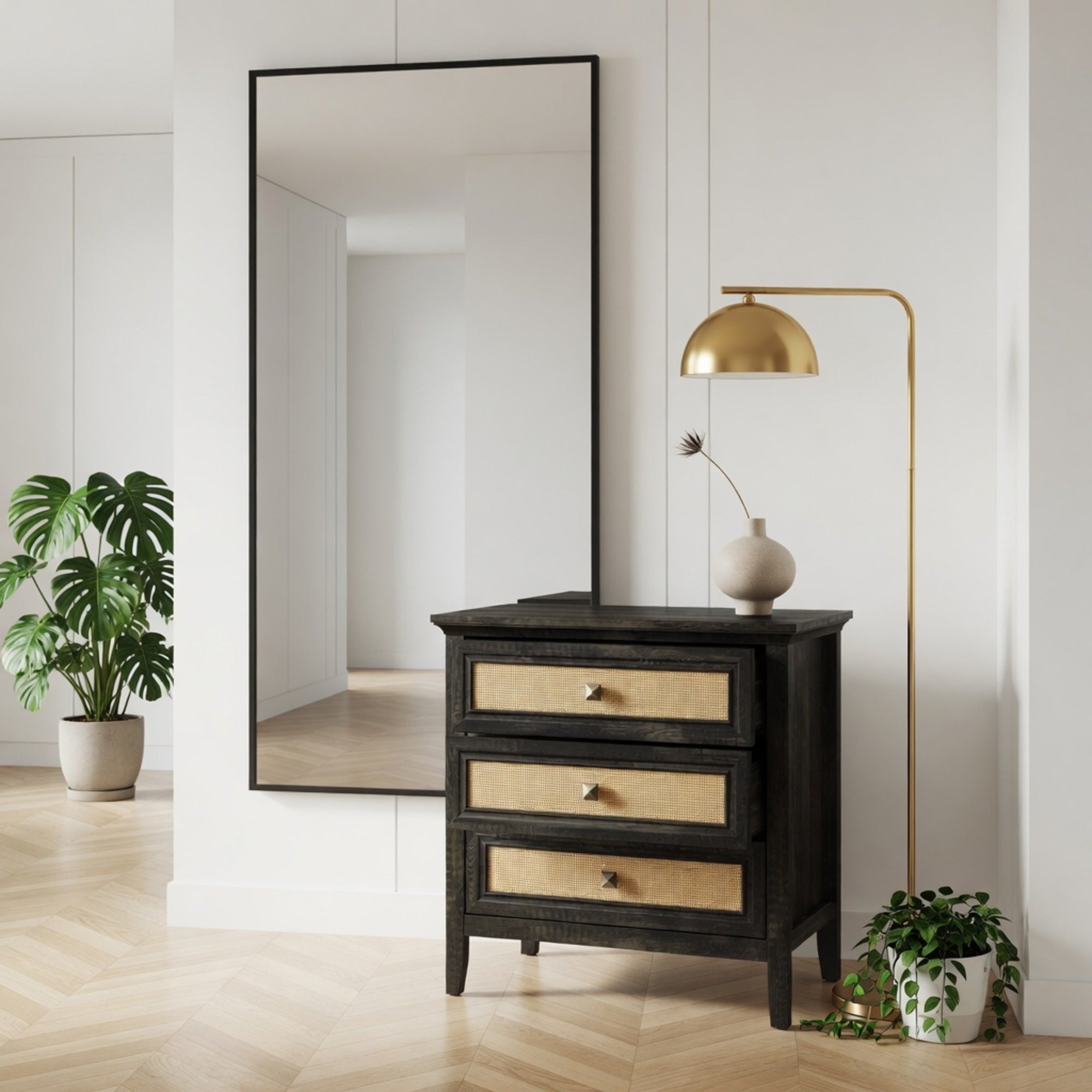
Materials. A large part of this range is solid wood, in oak, ash, mango and pine, finished natural, honey, chestnut, walnut, black or white. Rattan appears as woven drawer fronts and panels on the boho and coastal pieces. Metal shows up as legs and frames, and as hardware: brass and bronze pulls, nickel bars, plain round knobs. Every listing names the material it is actually built from, so you are never guessing from a photo.
Getting the height right. The usual guidance is to match the top of the nightstand to the top of your mattress, or sit it slightly above. Too low and you reach down for the alarm; too high and the drawer front crowds the bed. Measure from the floor to the top of your made mattress, then read the height on the listing. Floating models let you set that height exactly, which is why they suit tall beds, low platform beds and adjustable bases better than anything on fixed legs.
What the specs mean. Width is the number to check against the gap between your bed and the wall; depth decides whether a lamp base and a glass of water can share the top. Where a top weight rating is published, it is the load the surface is built to carry, which matters if you plan to stand a heavy lamp or a stack of books on it. Wall-mounted models need to go into studs or into anchors rated for the load, and the listing states which fixings are supplied. Assembly is usually limited to attaching legs or a back panel, and each listing says whether the piece arrives ready to place.
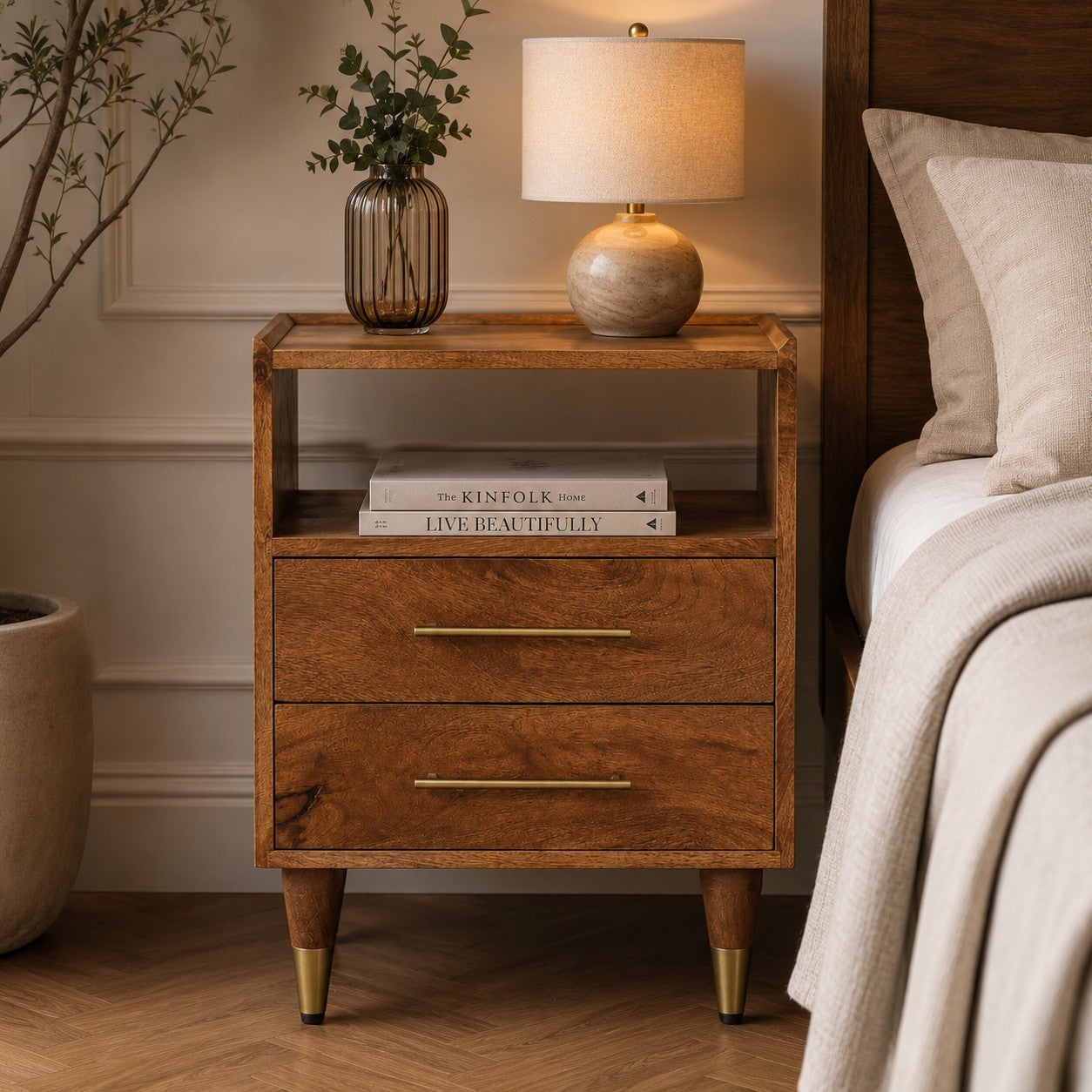
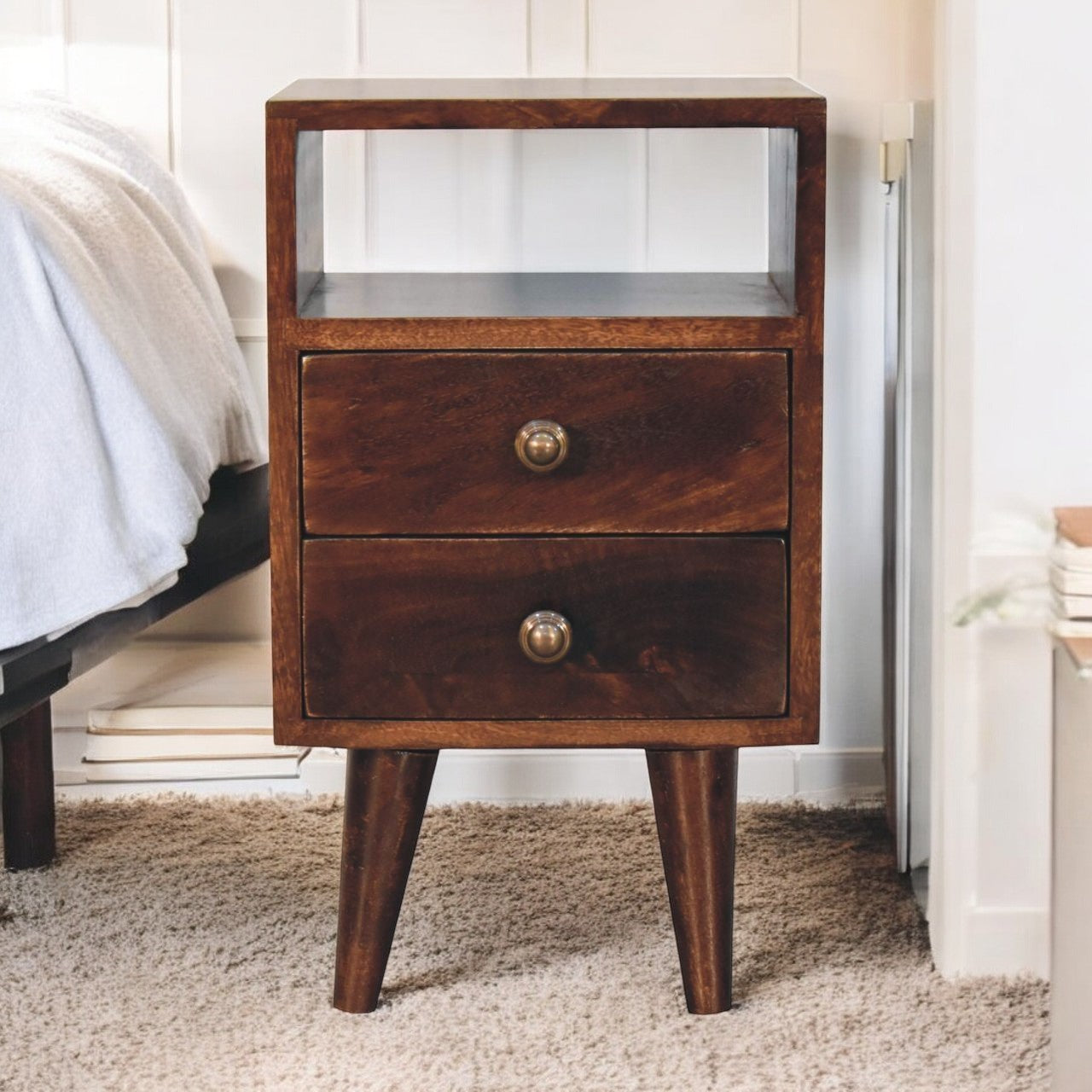
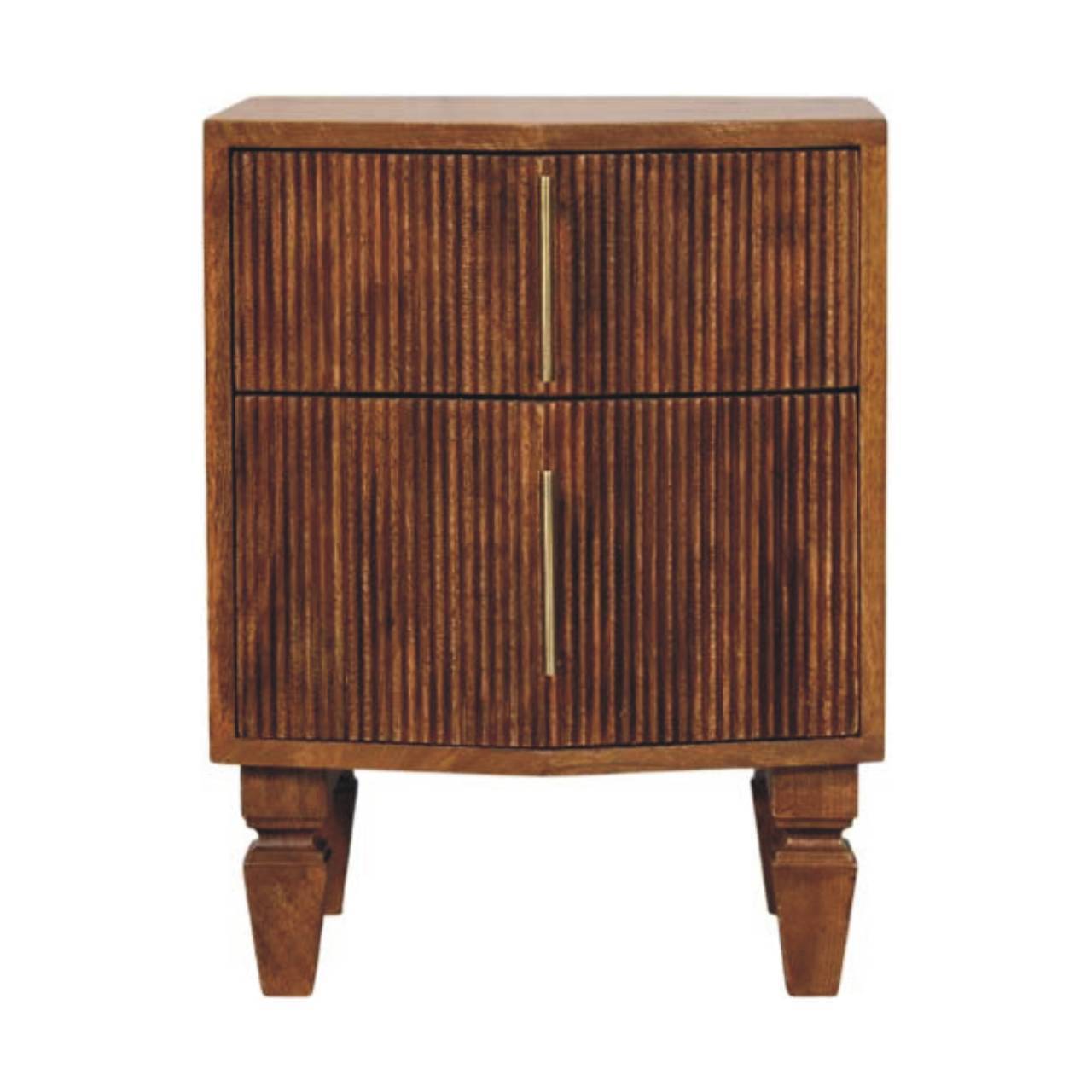
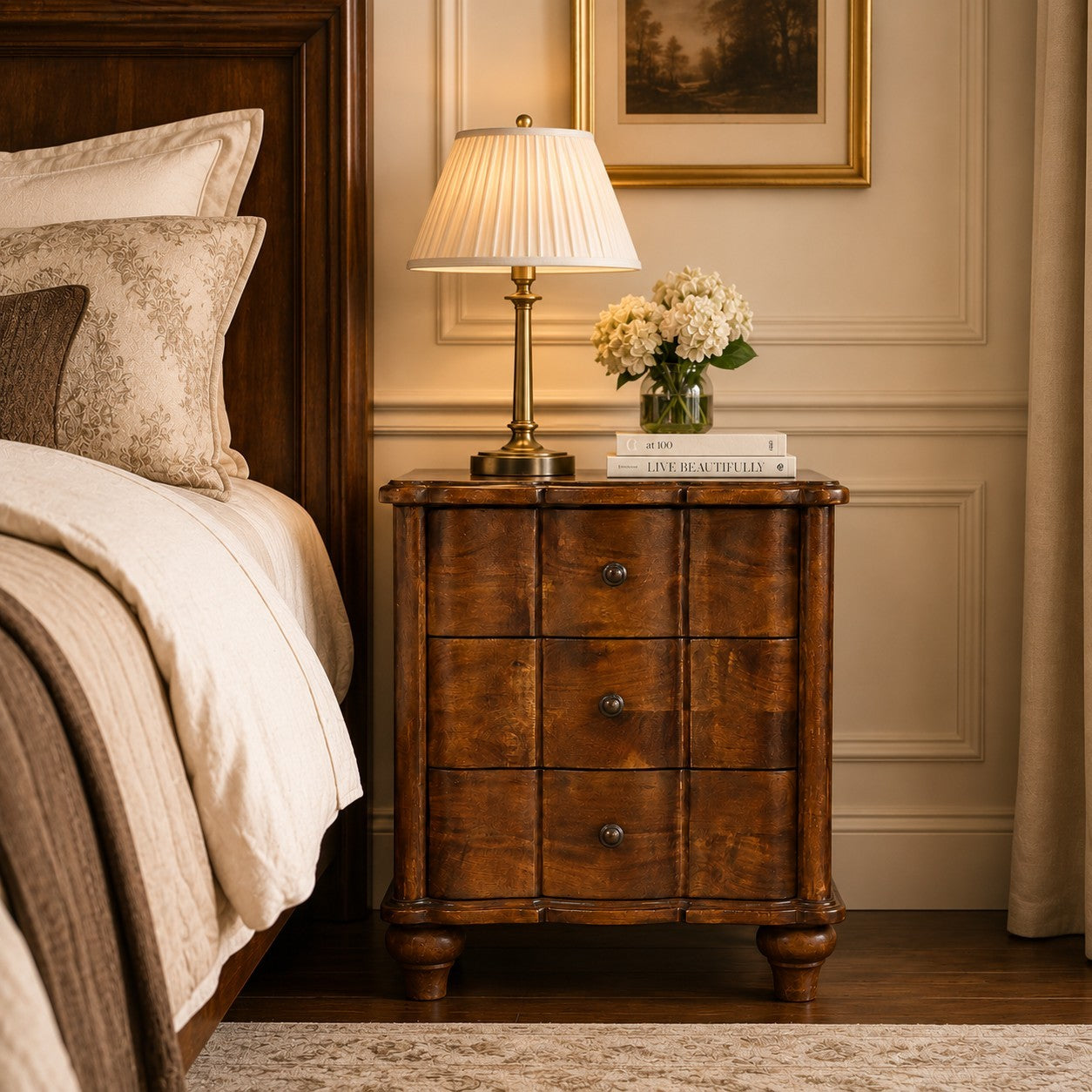
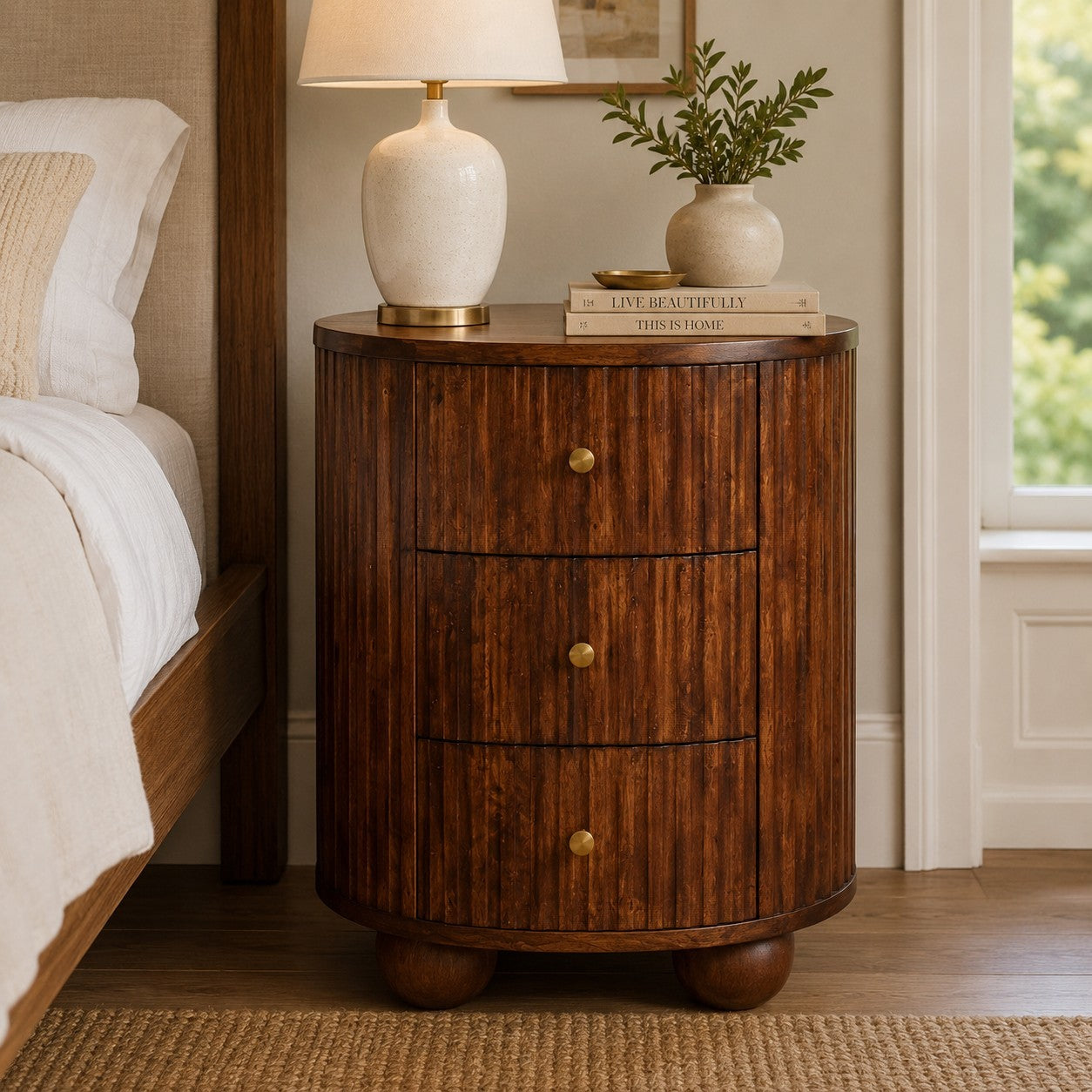
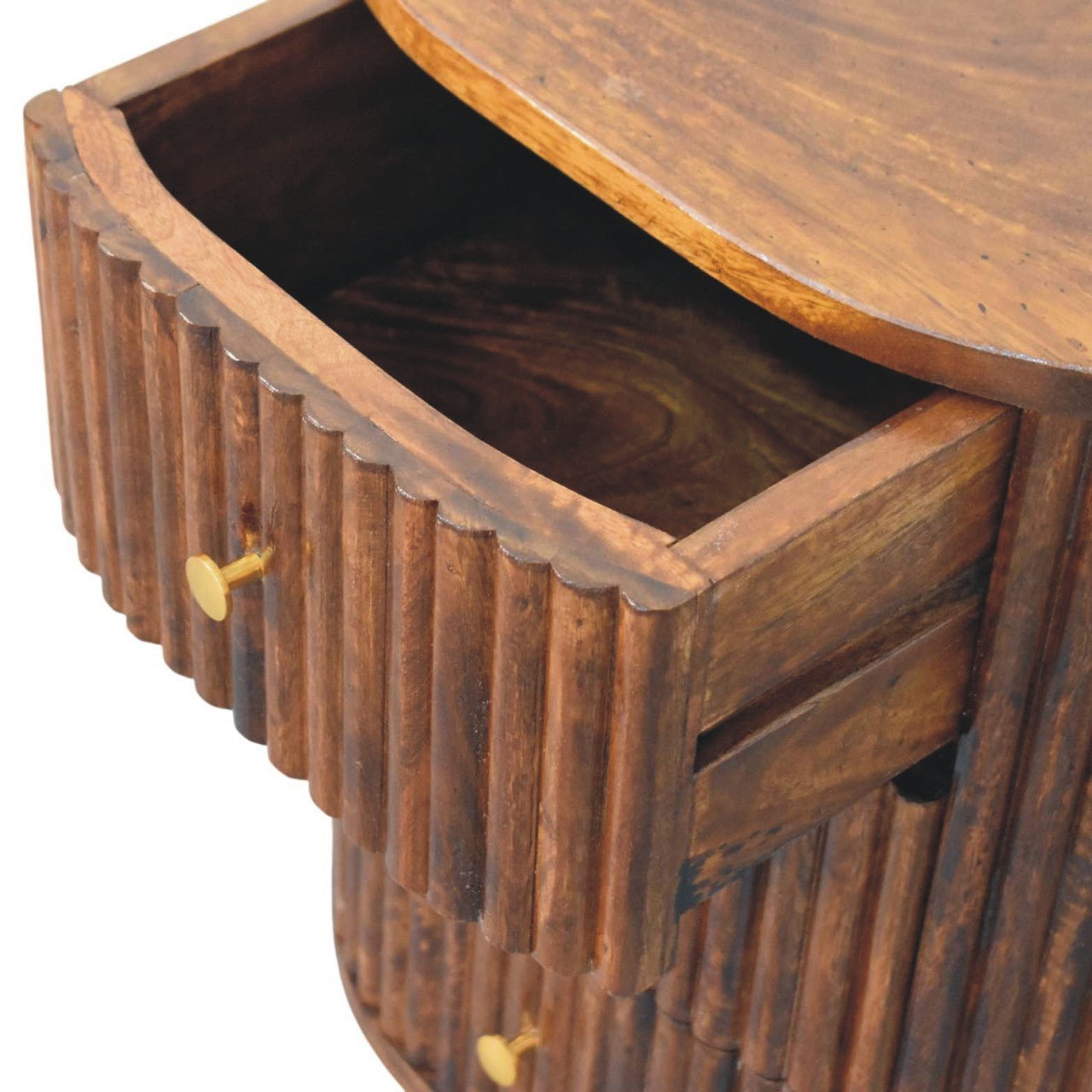
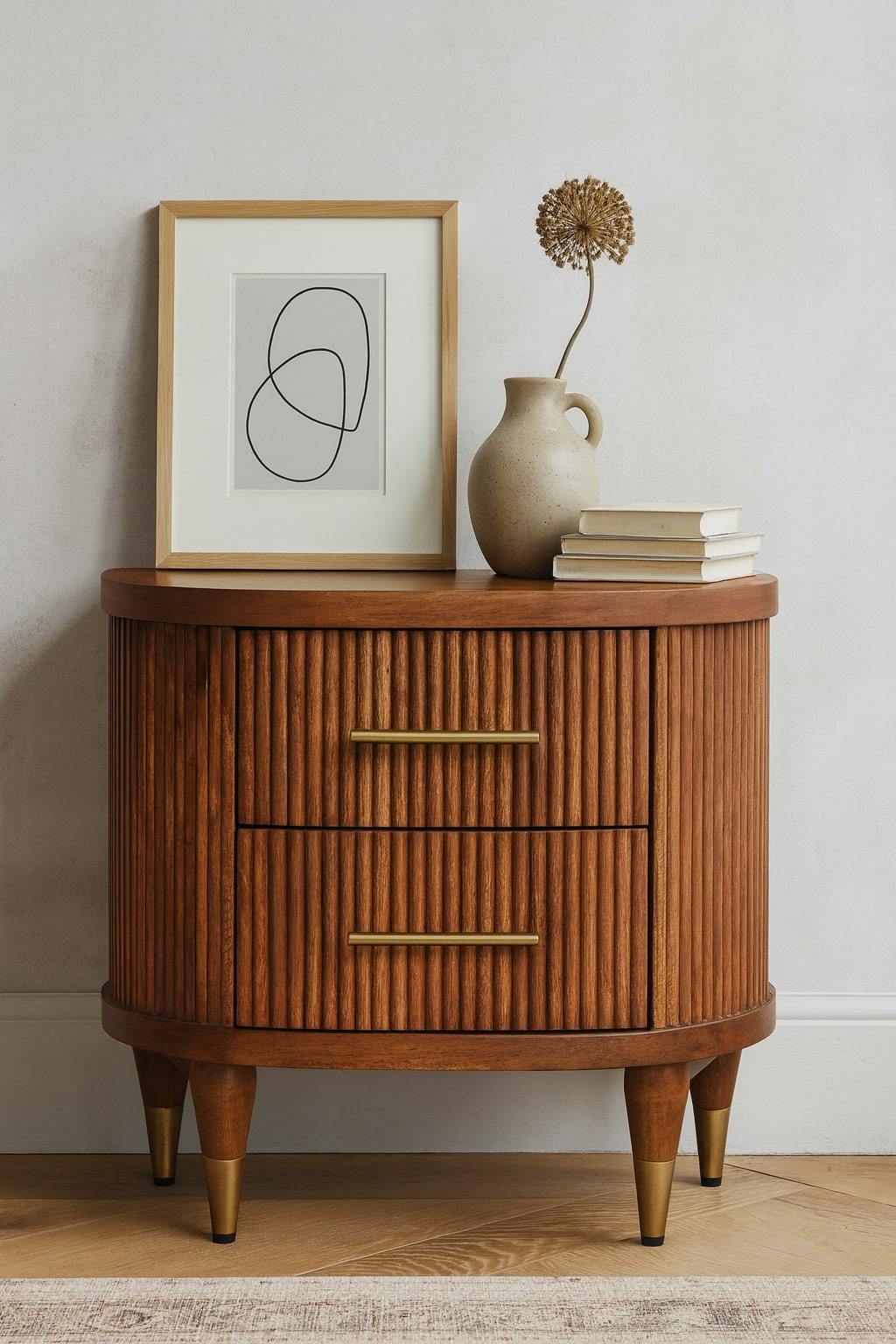
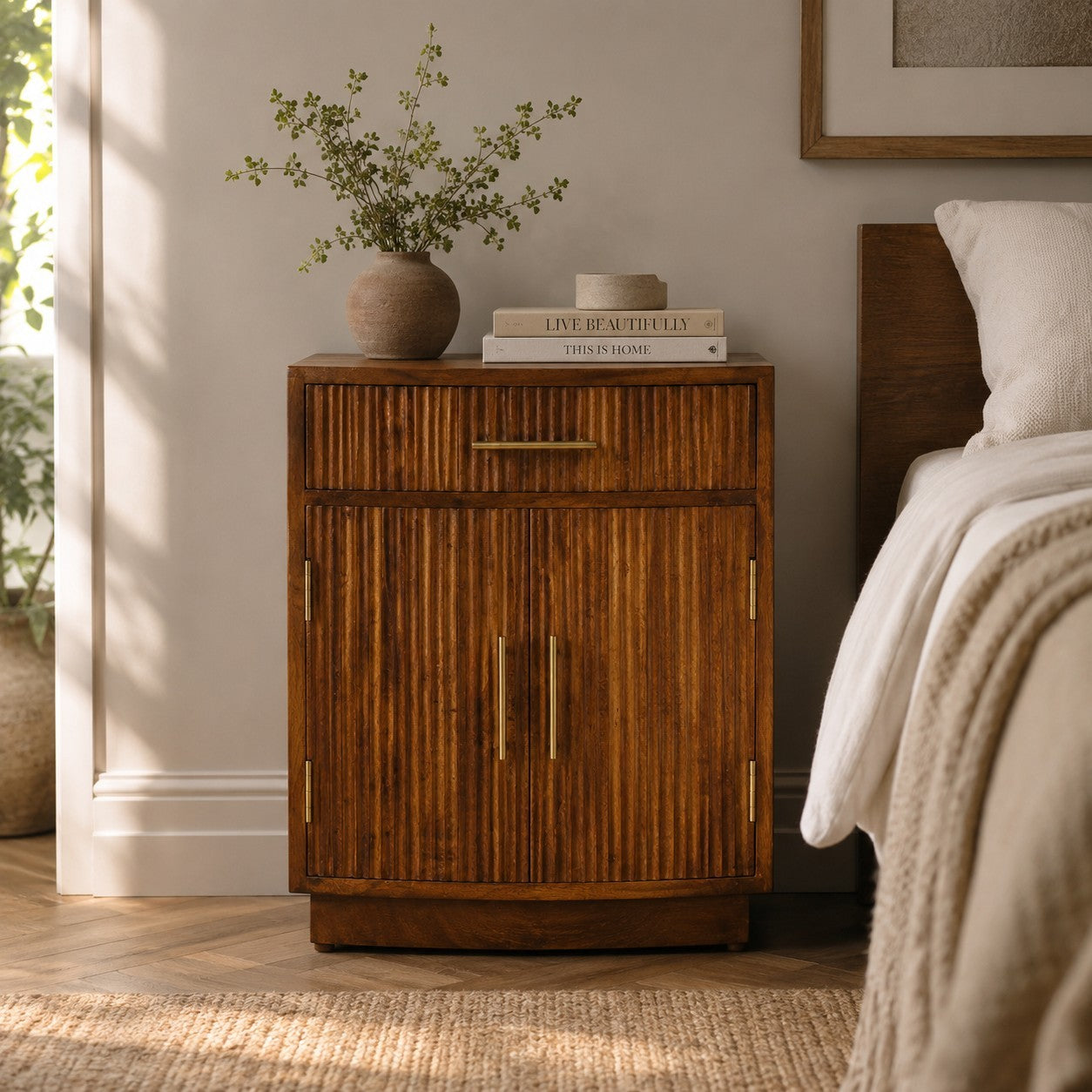
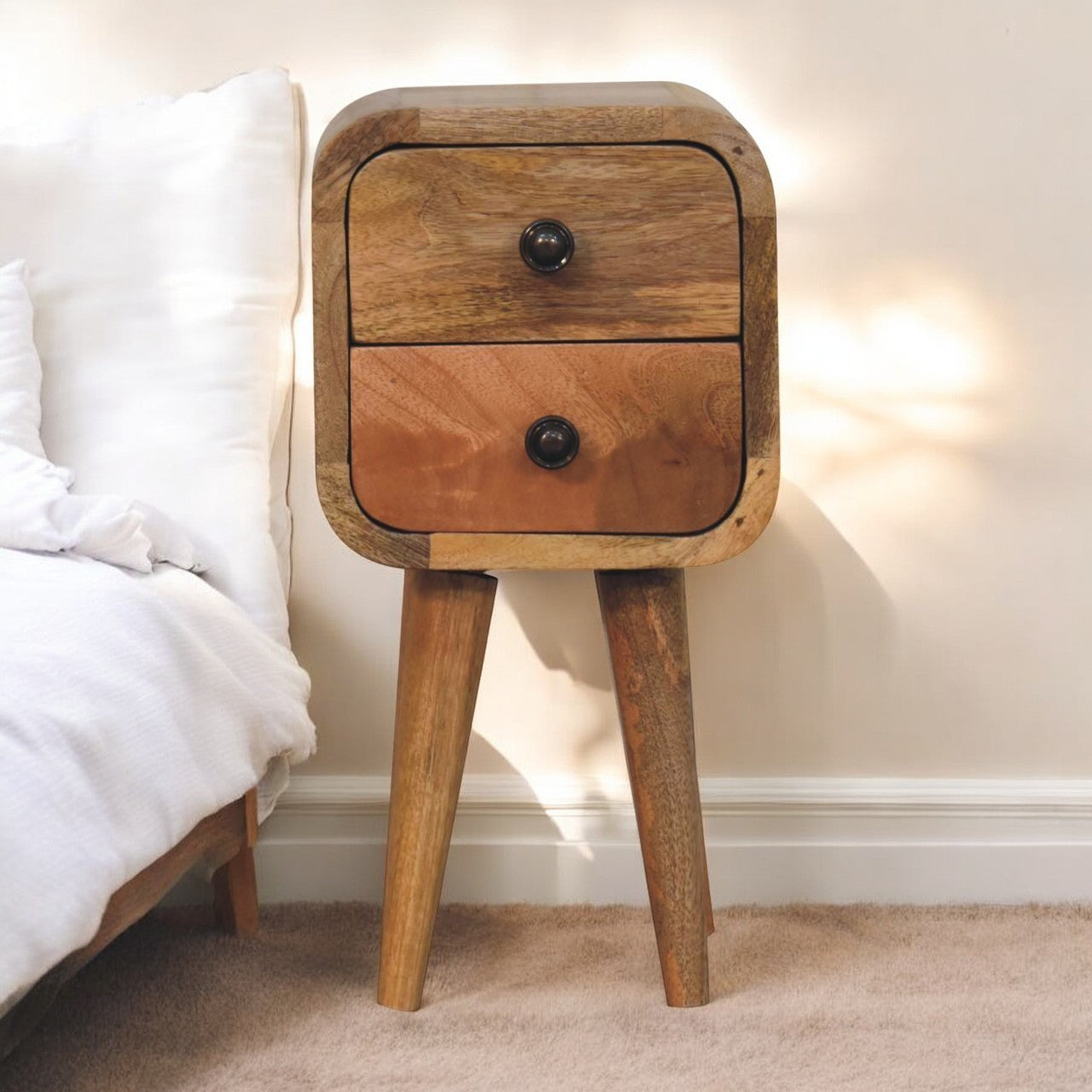
Matching a style. Tapered and angled legs read mid-century; slim nordic legs and curved edges suit lighter, more contemporary rooms. Fluted and ribbed fronts, and brass accents, work with traditional and glam bedrooms. Rattan and bamboo fronts go with natural-toned, coastal schemes. If you are pairing with a dresser, work from the finish family rather than an exact match: a walnut nightstand beside an oak dresser reads deliberate, while two near-identical browns rarely do.
More Nightstands
solid wood nightstand · floating nightstand · 3 drawer nightstand · 2 drawer nightstand · walnut nightstand · black nightstand · white nightstand · rattan nightstand · nightstand set of 2 · wood nightstand · fluted nightstand · 1 drawer nightstand · mid century nightstand · nightstand with charging station · farmhouse nightstand · cream nightstand
Specifications
- Product types
- nightstand, bedside table, bedside chest, floating nightstand
- Mounting
- freestanding, wall-mounted
- Drawer counts
- 1 drawer, 2 drawer, 3 drawer, 4 drawer
- Storage
- drawers, open shelf, cabinet door, drawers with open shelf
- Materials
- solid wood, rattan, metal, bamboo
- Wood types
- oak, ash, mango, pine
- Finishes
- natural, oak, honey, chestnut, walnut, black, white, gray
- Leg styles
- tapered, nordic, angled, bun, metal
- Styles
- mid-century modern, floating, fluted, curved, rattan, traditional
- Features
- sold singly or as a pair, USB ports on selected models, open slot or shelf on selected models
Good to know