Shop by Category


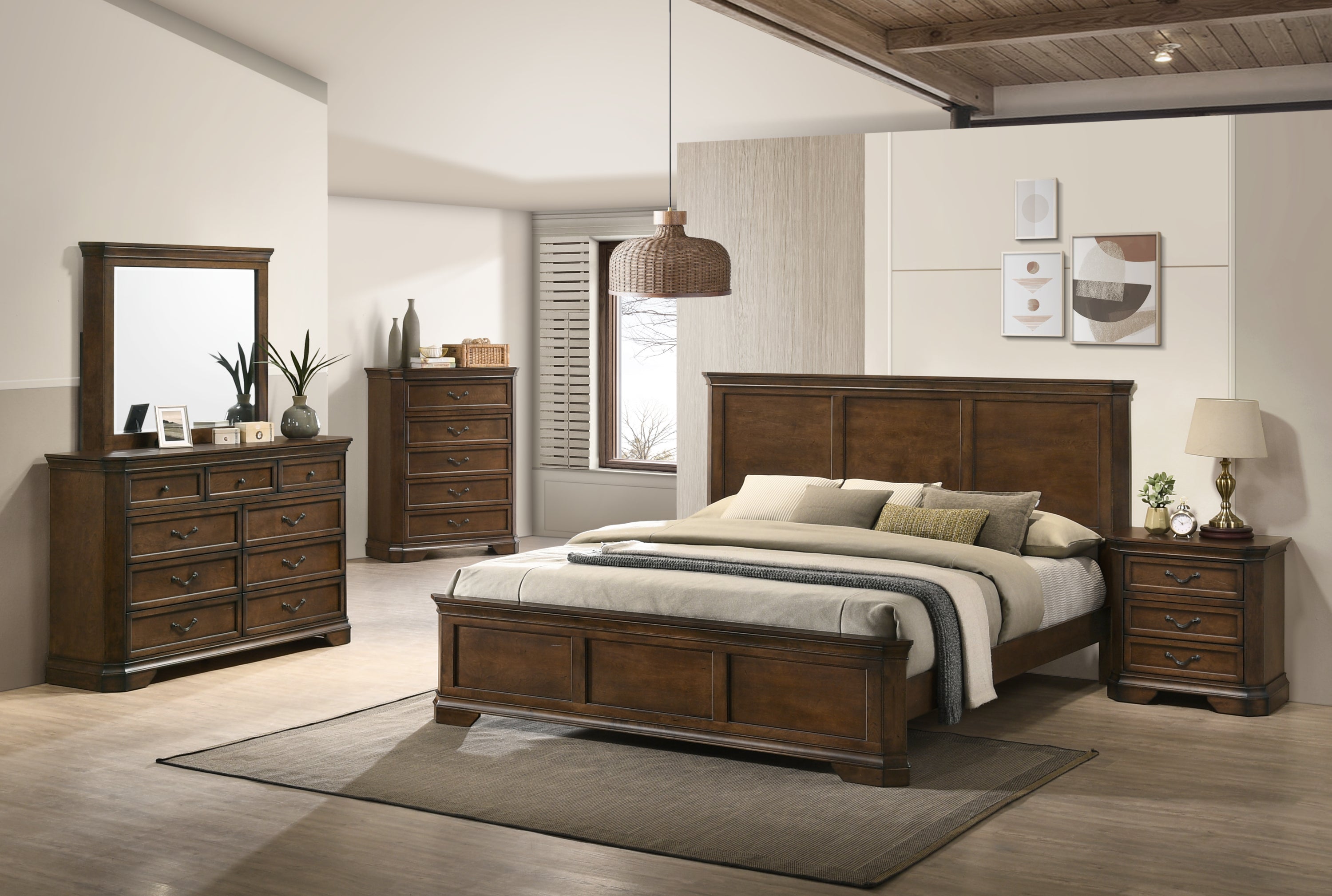
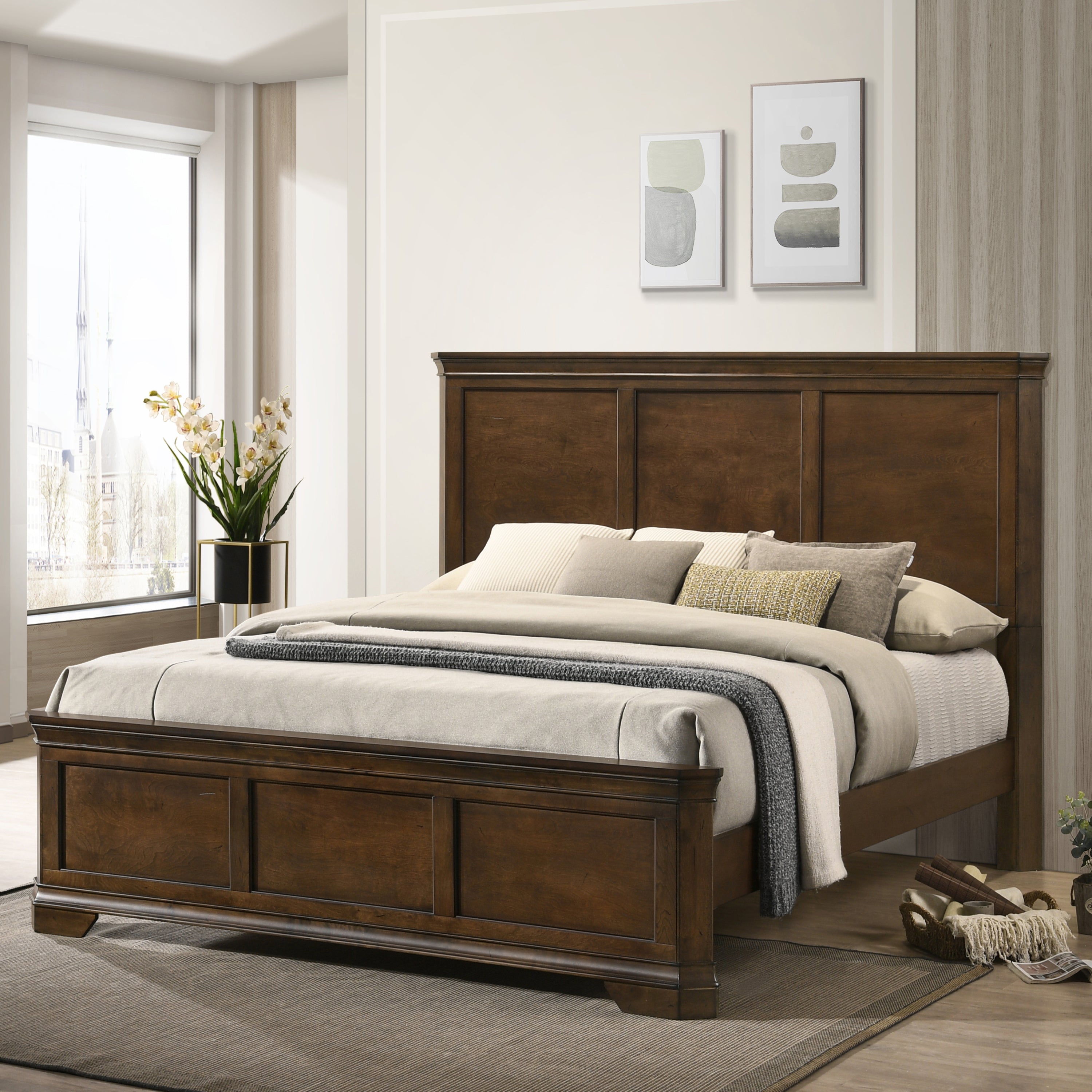


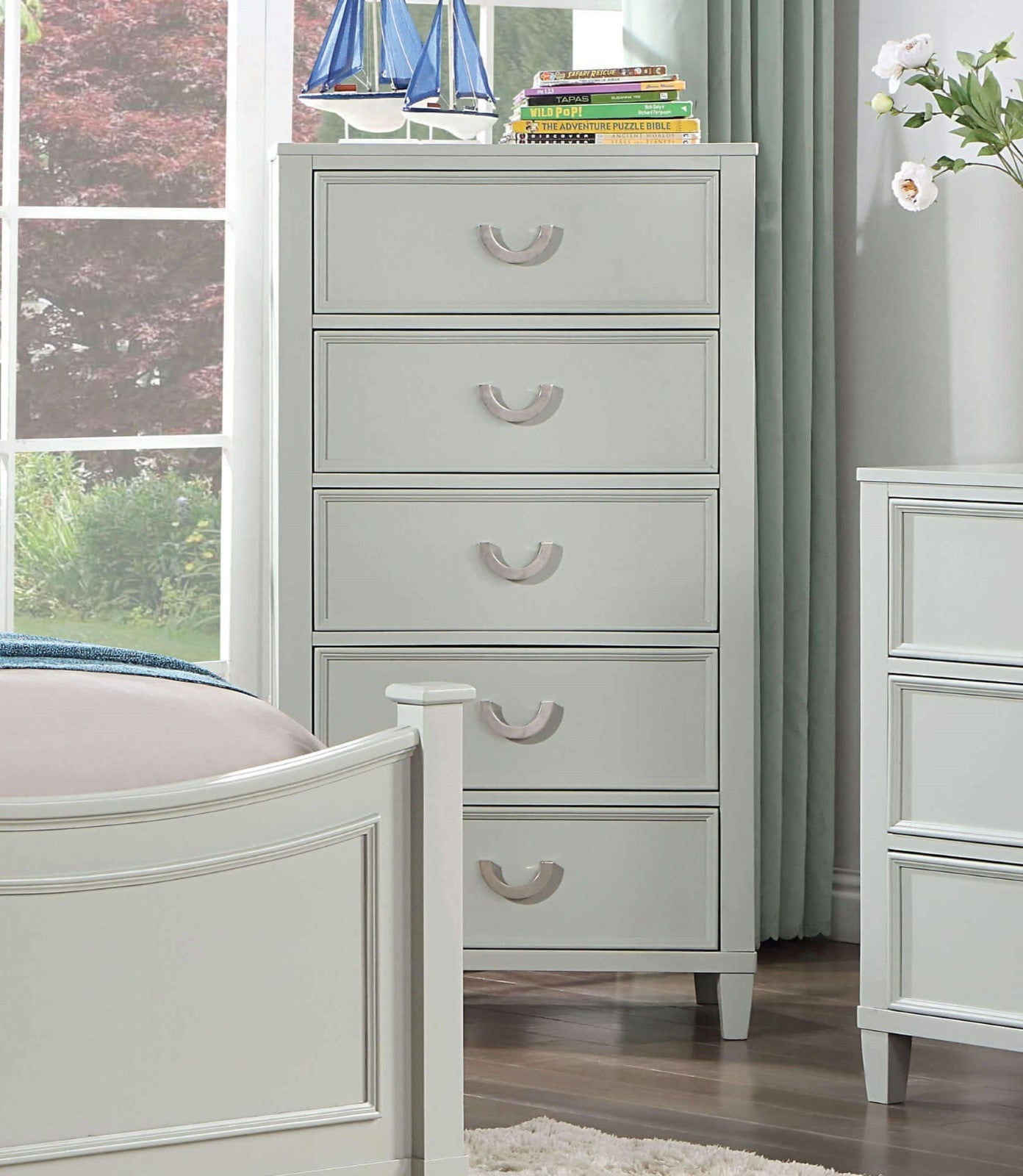
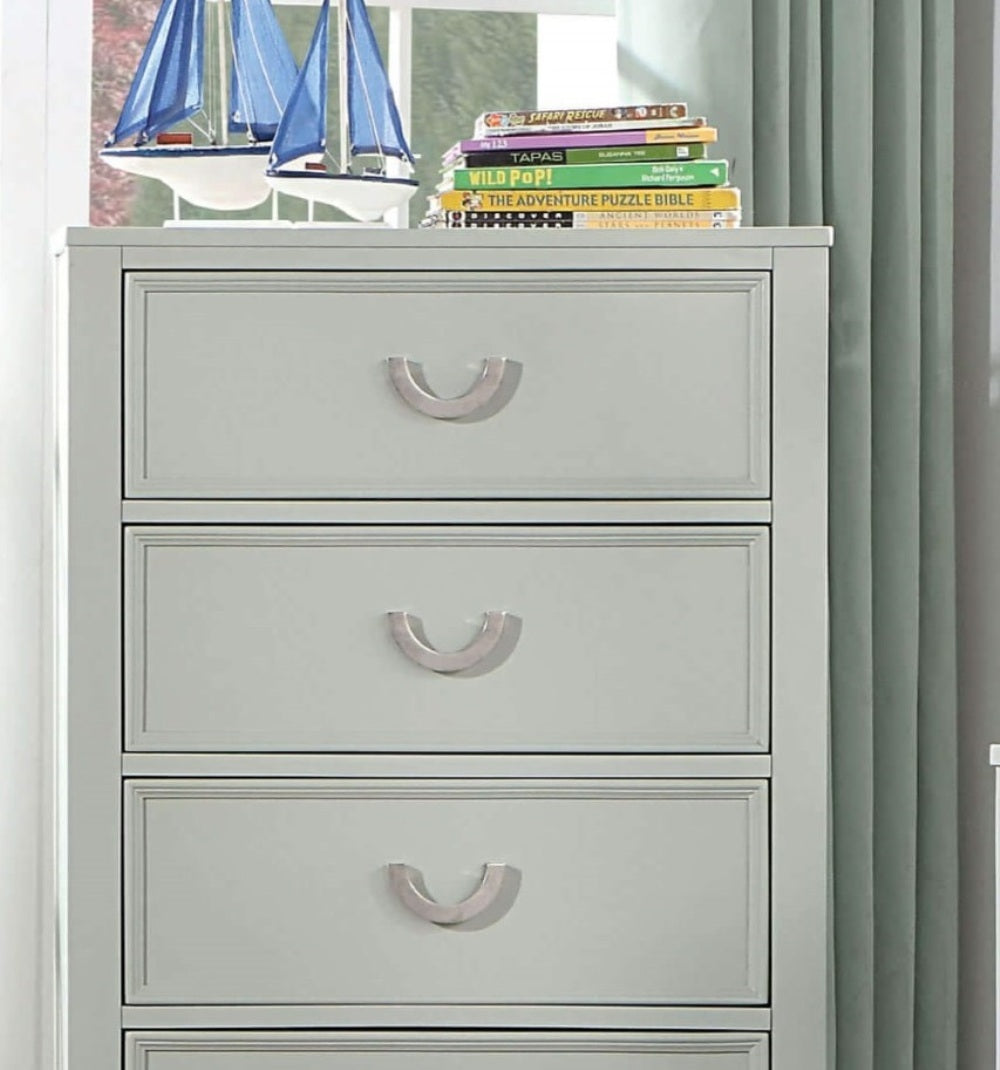
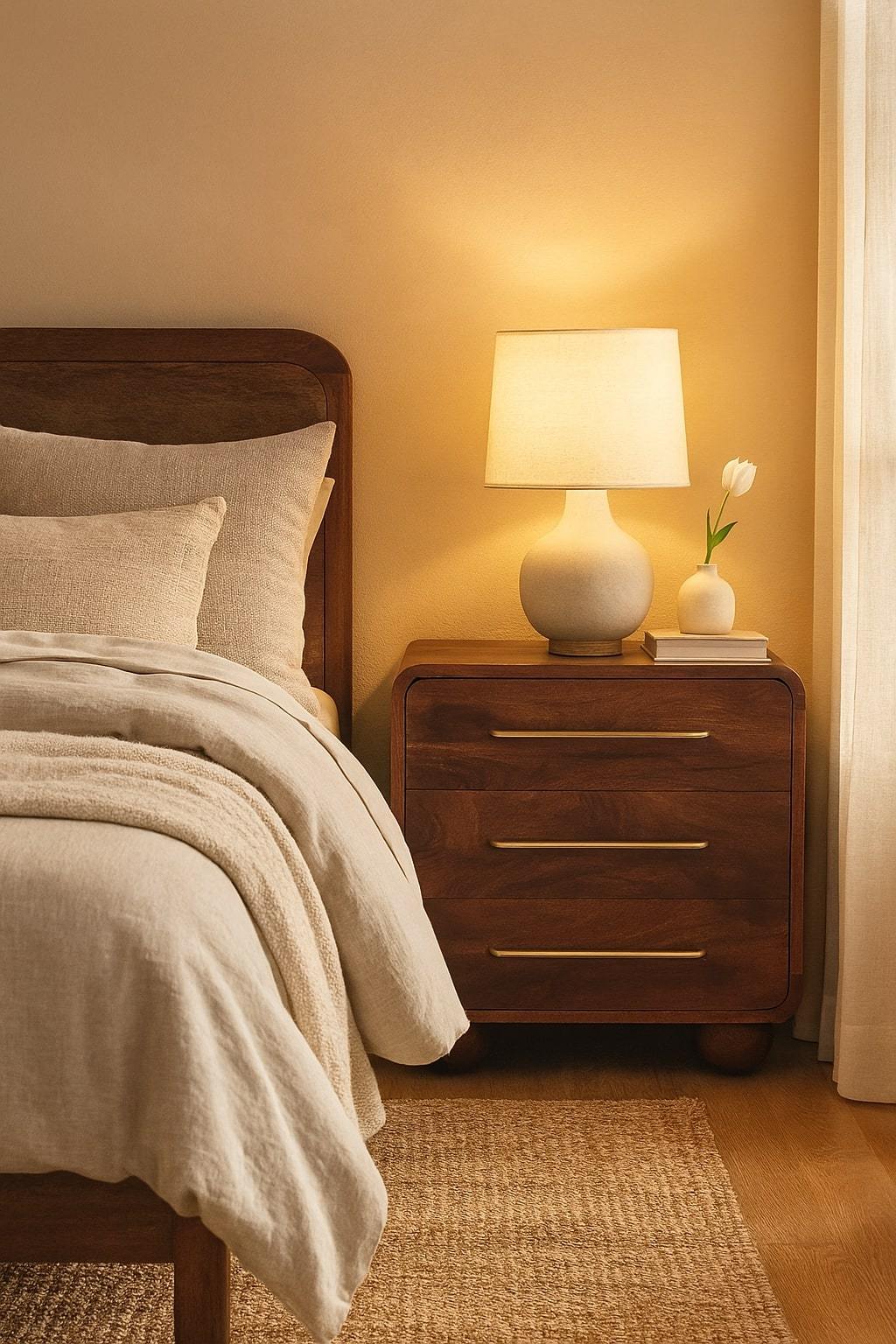

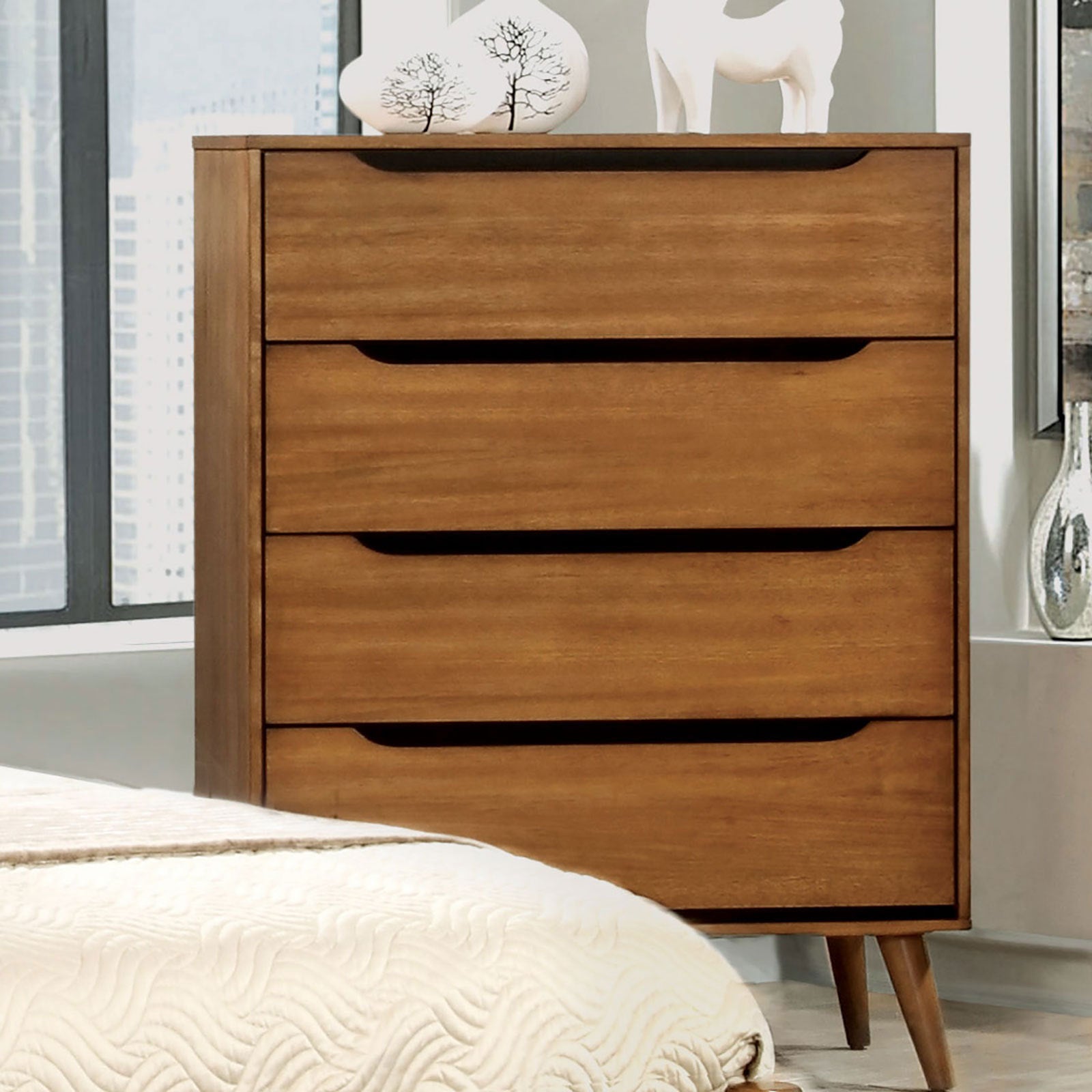

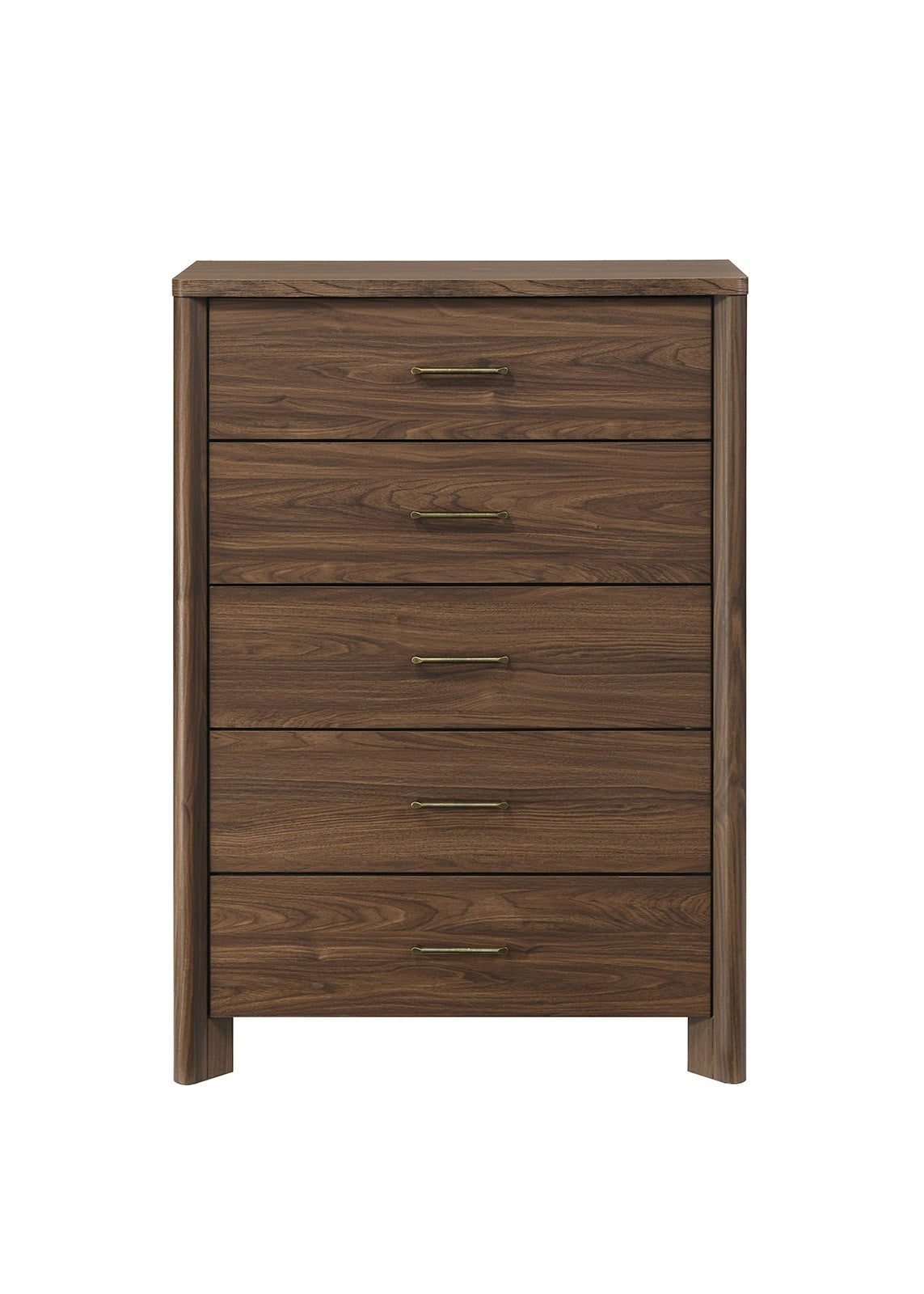
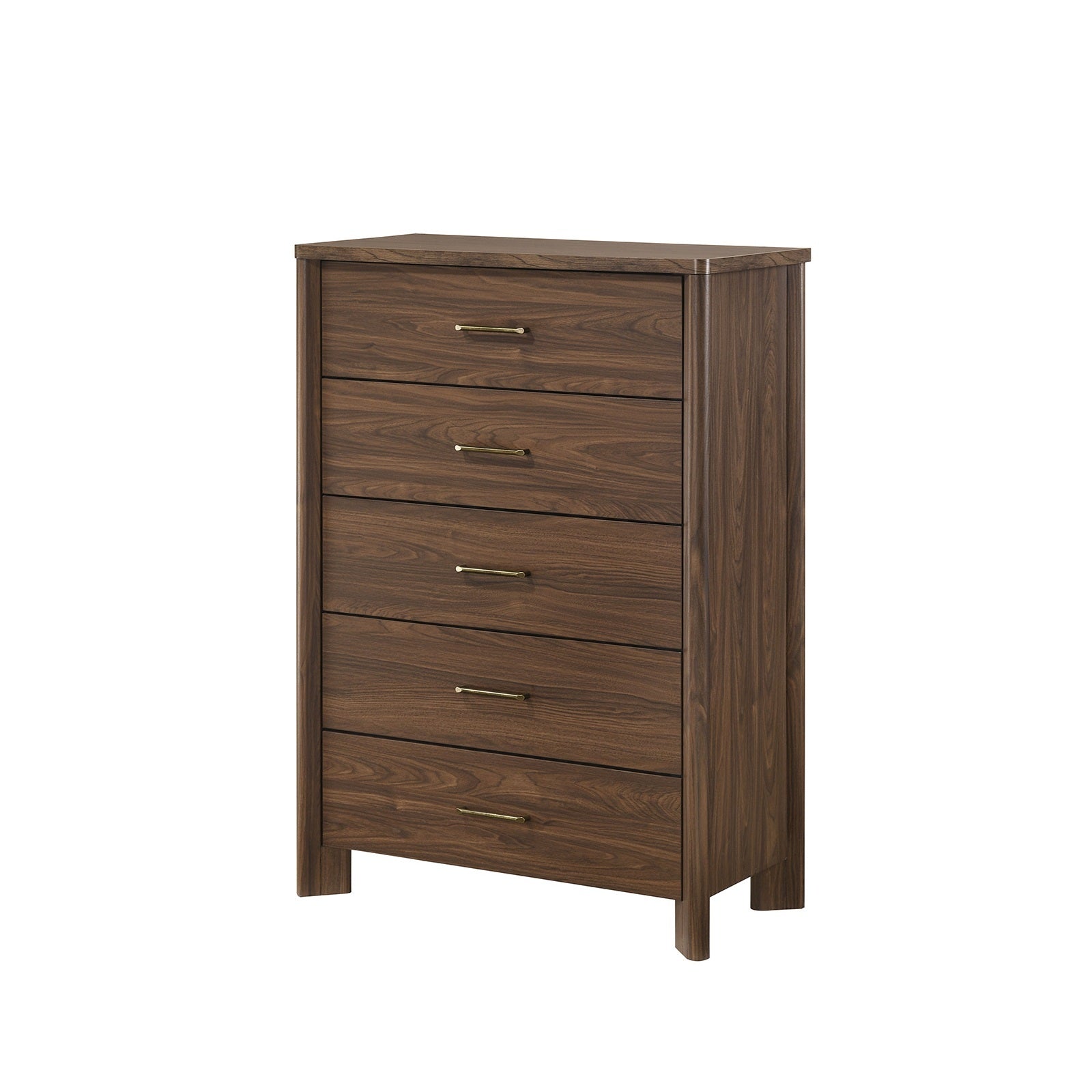
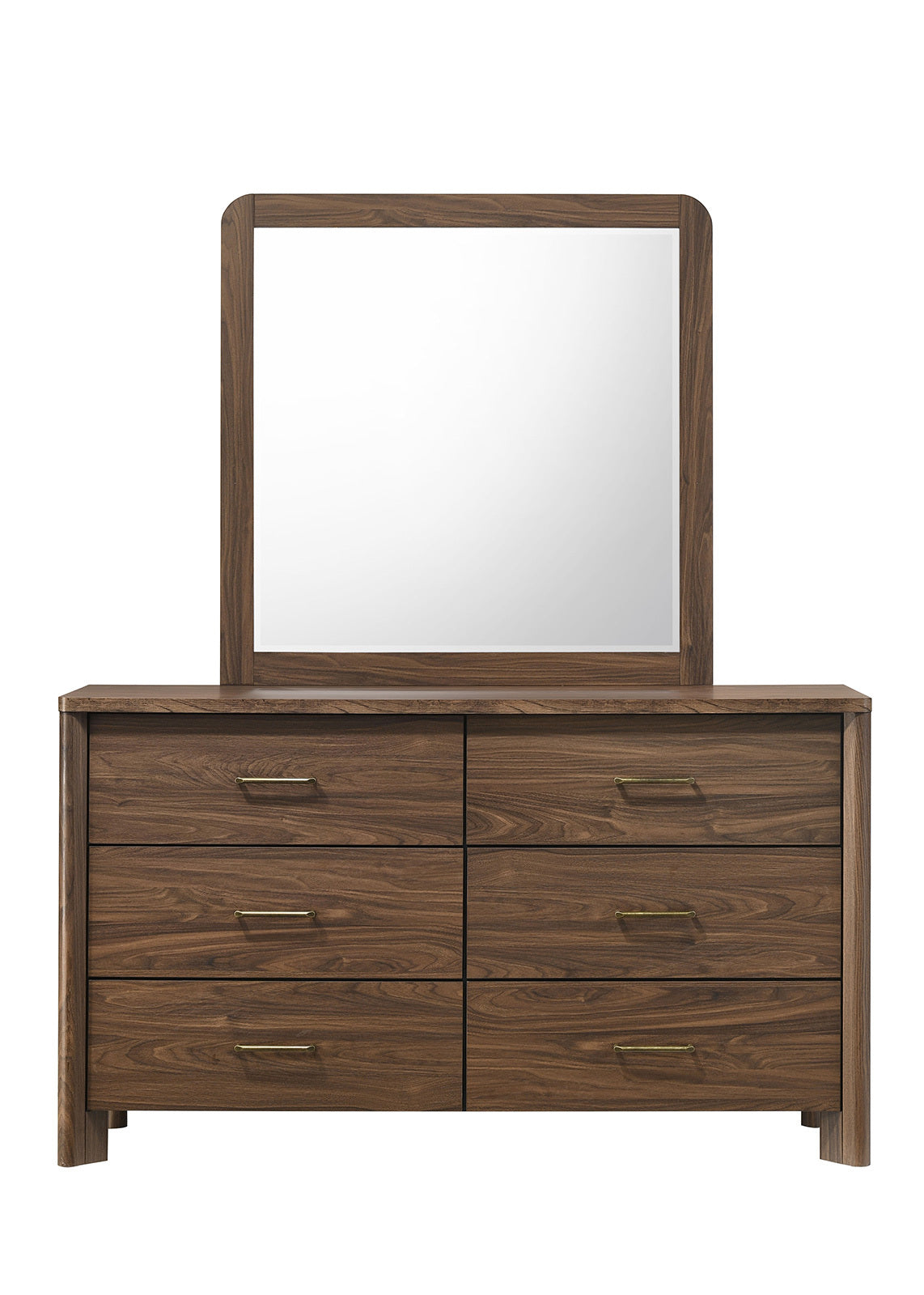
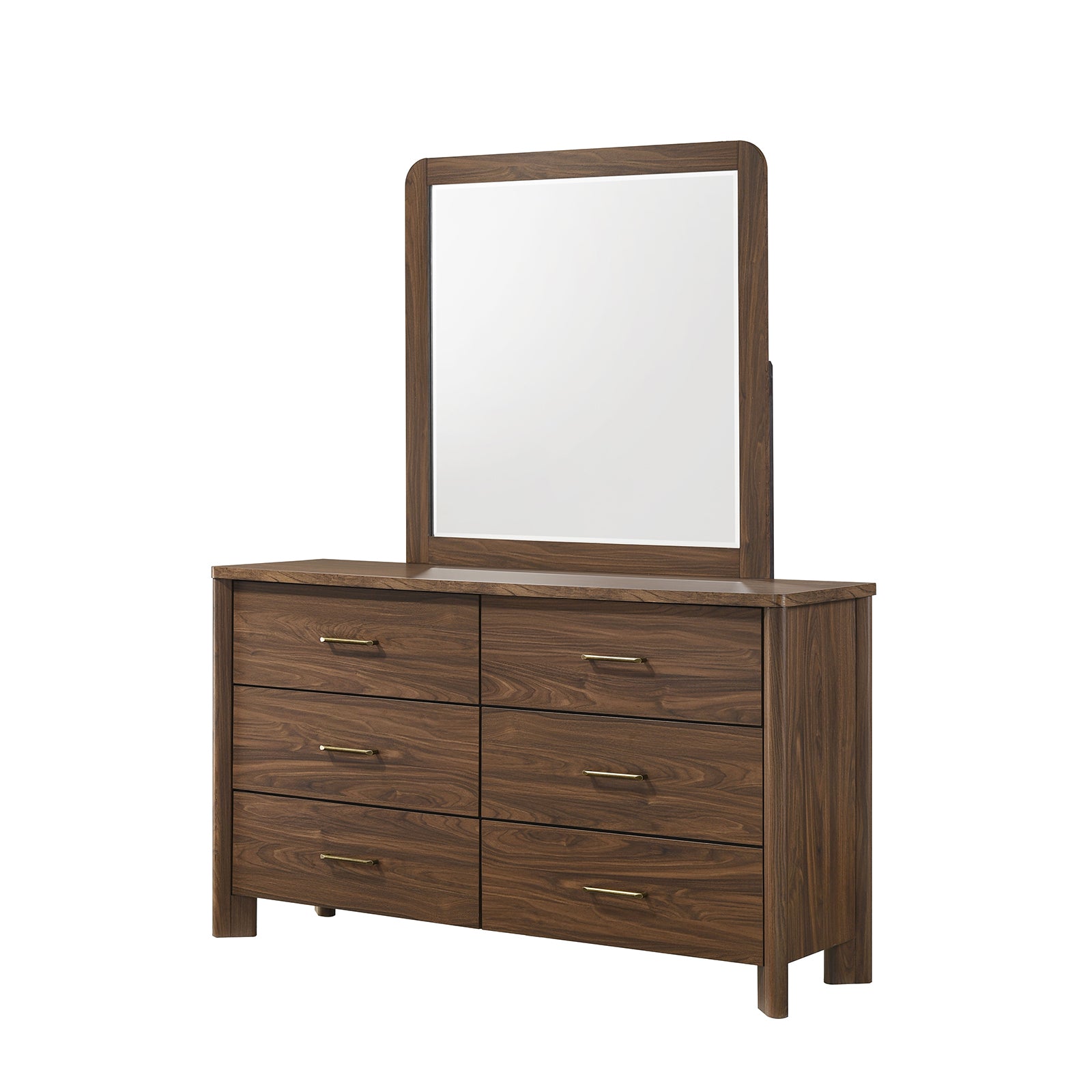
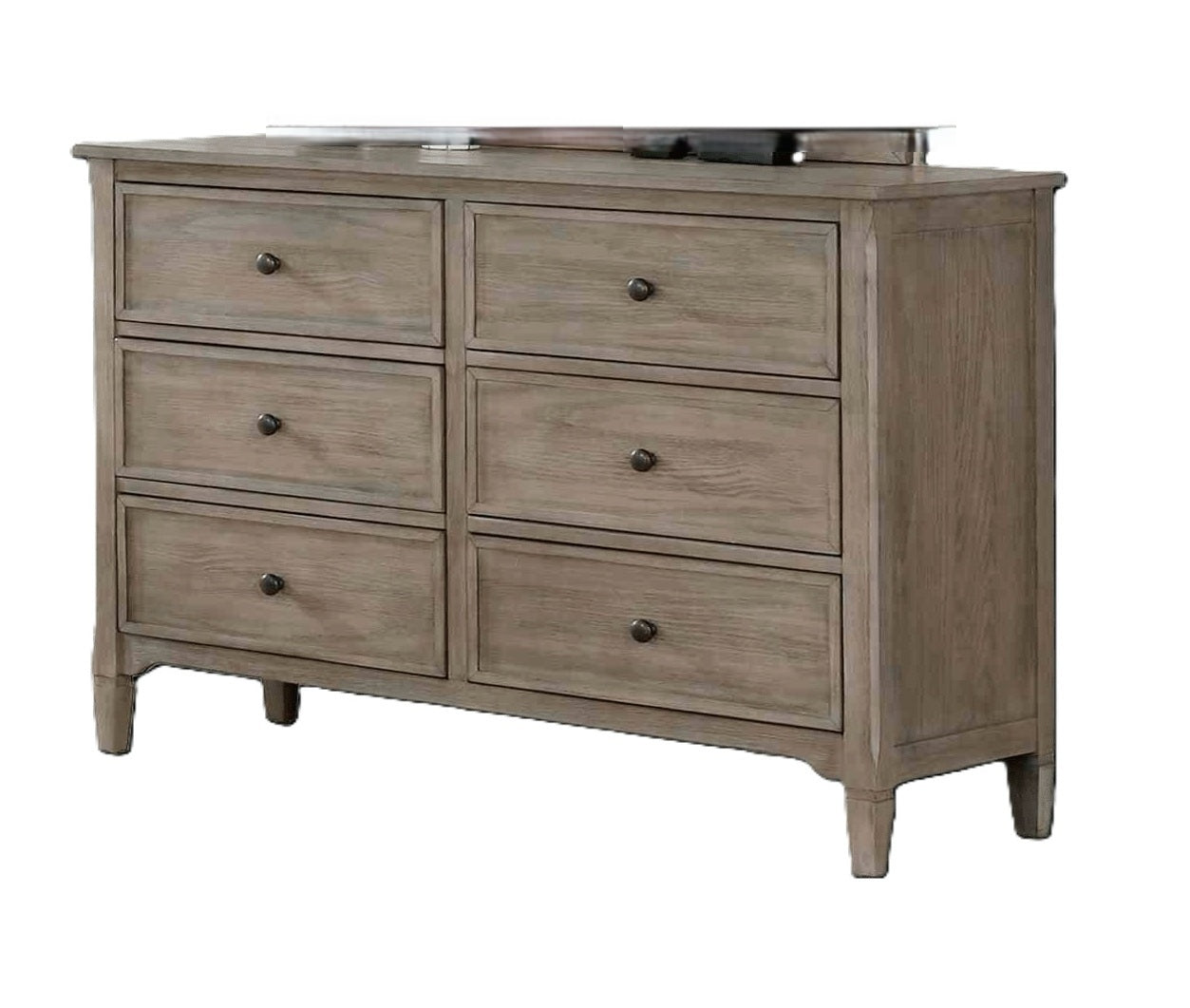
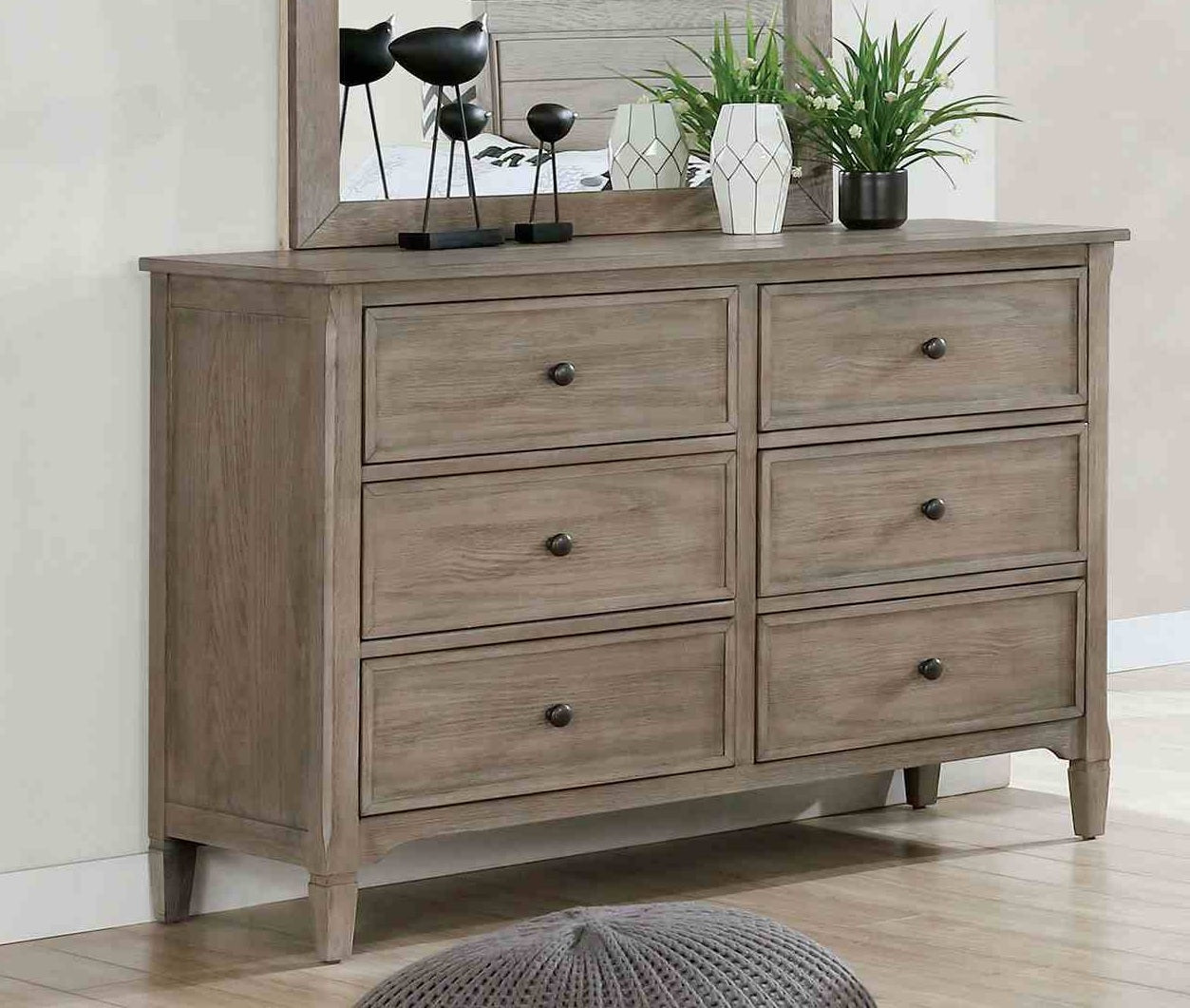
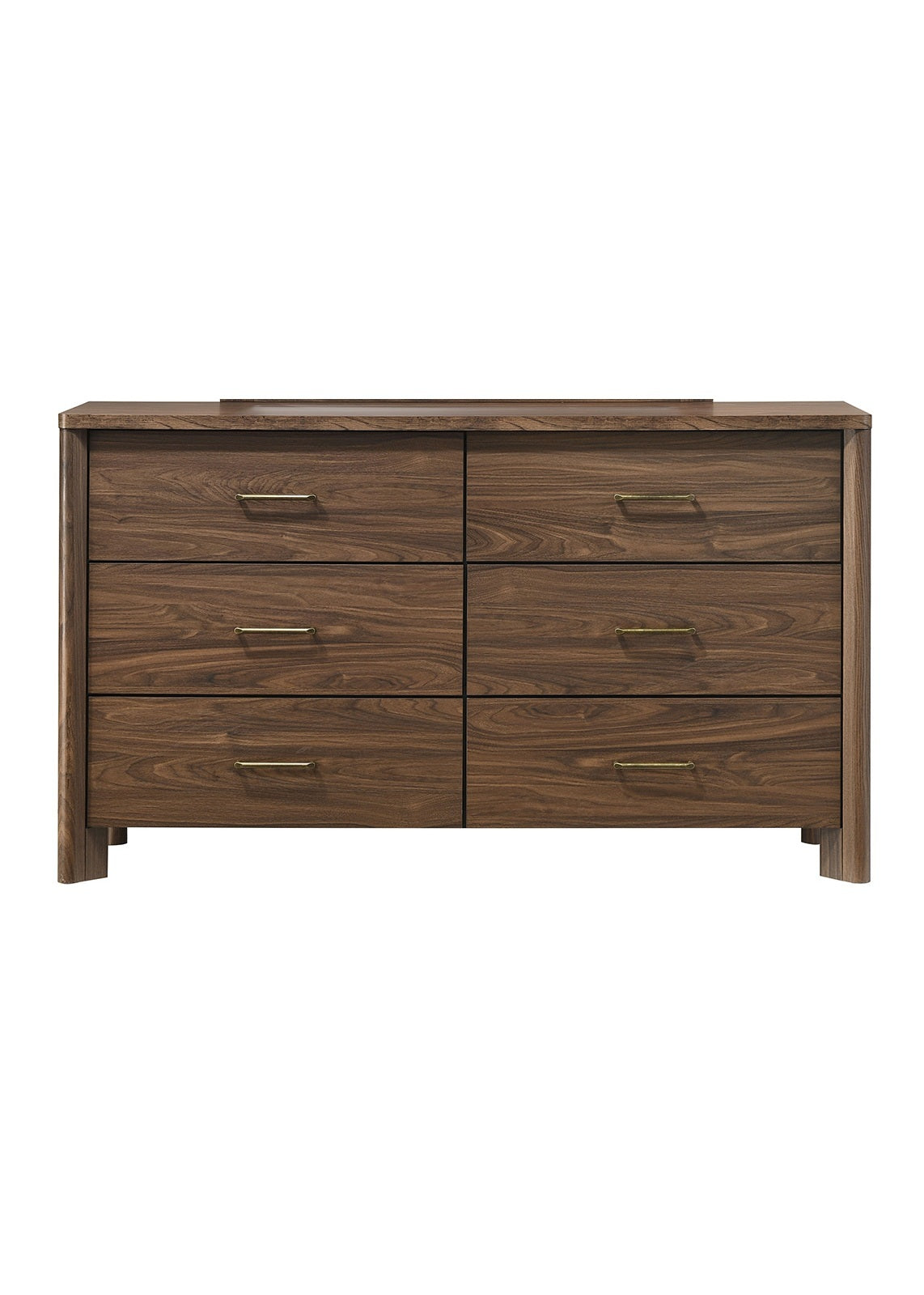
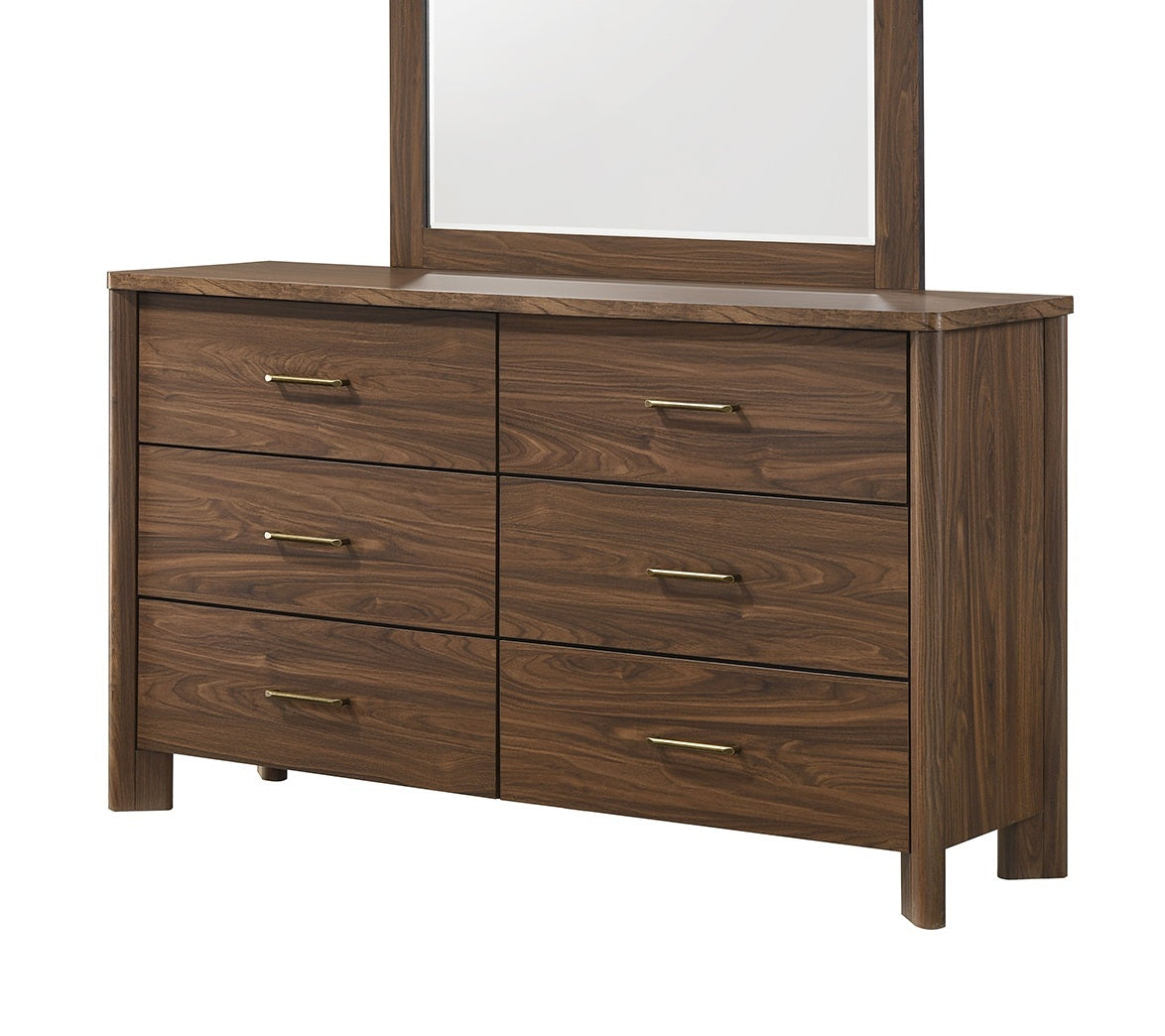
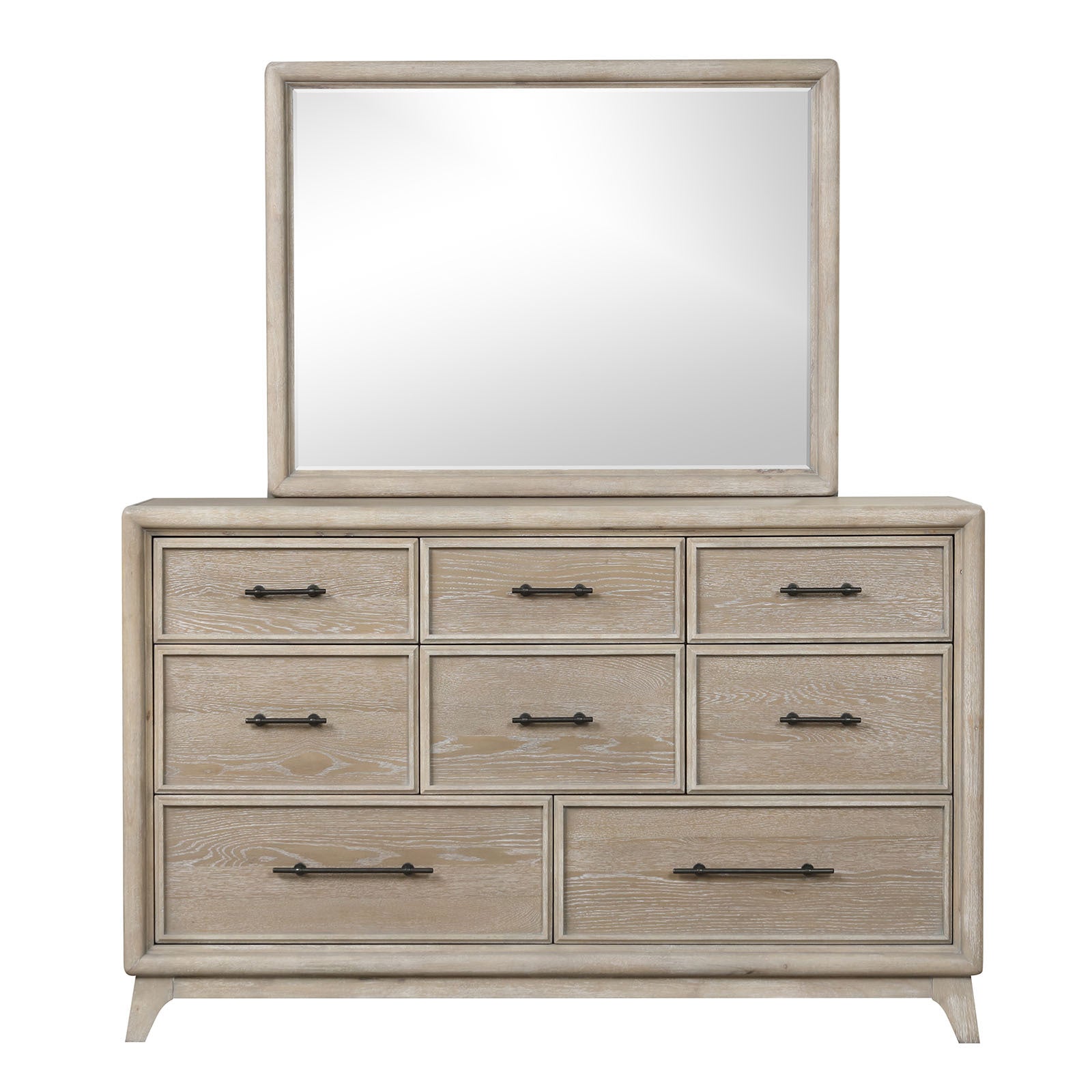
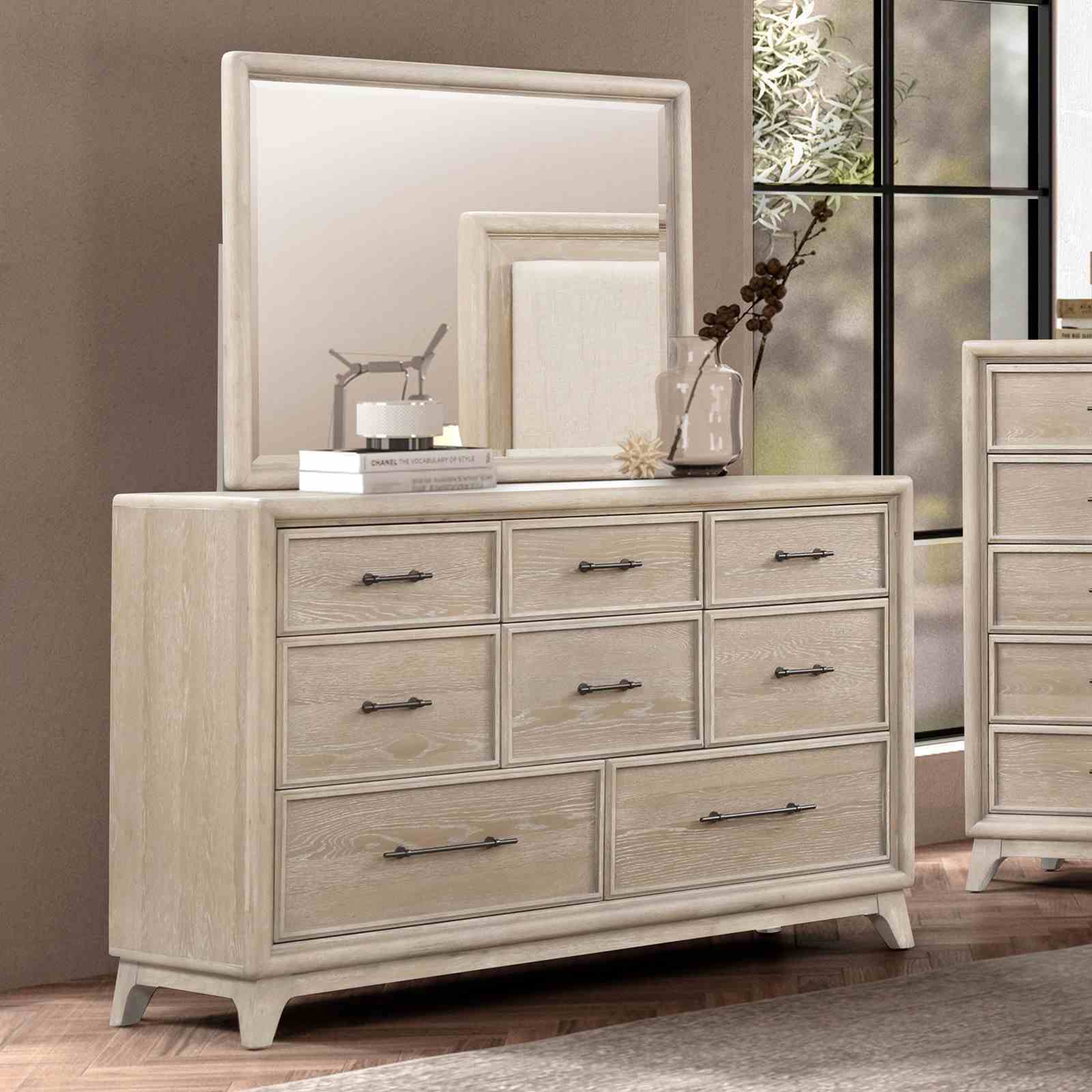
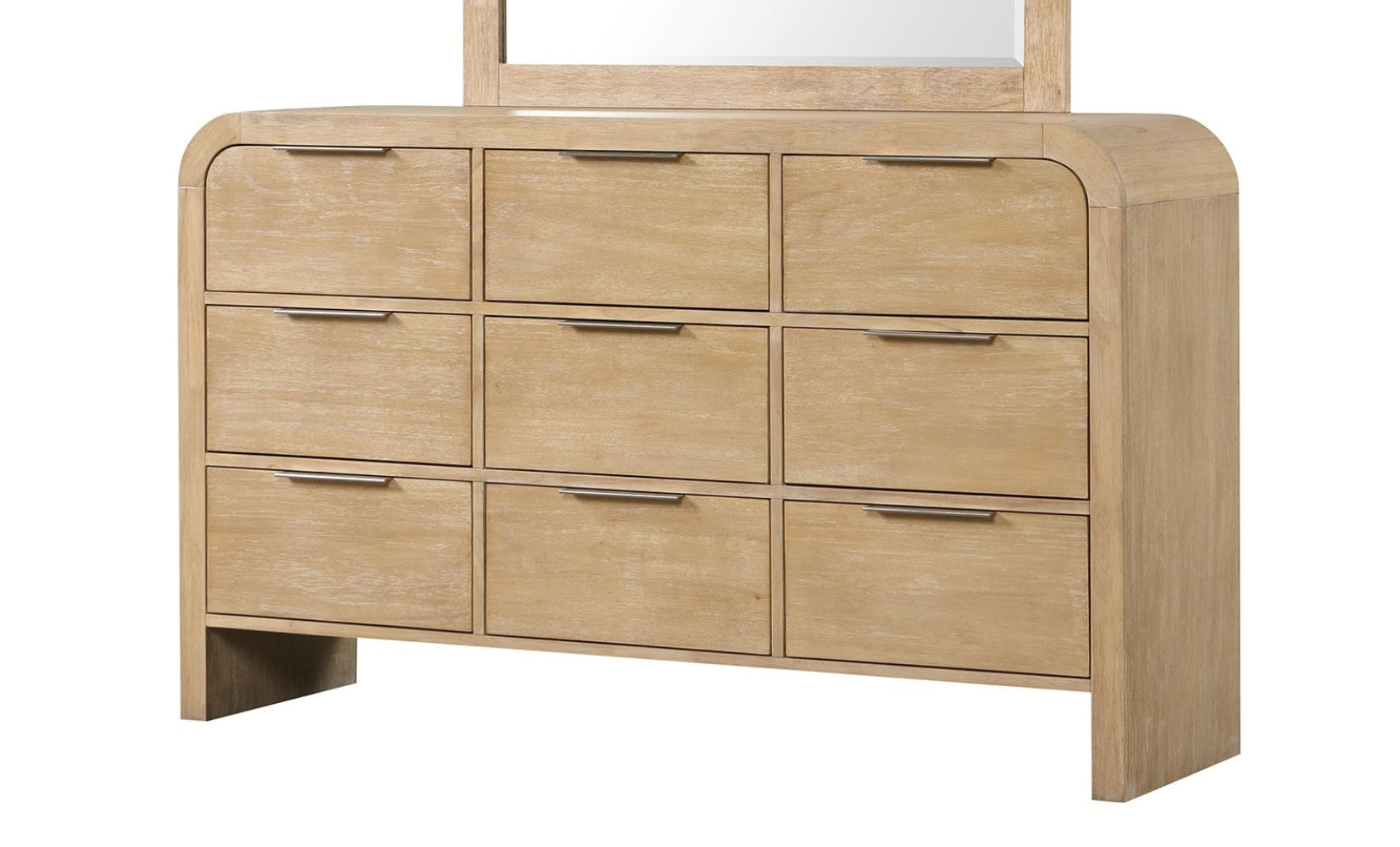
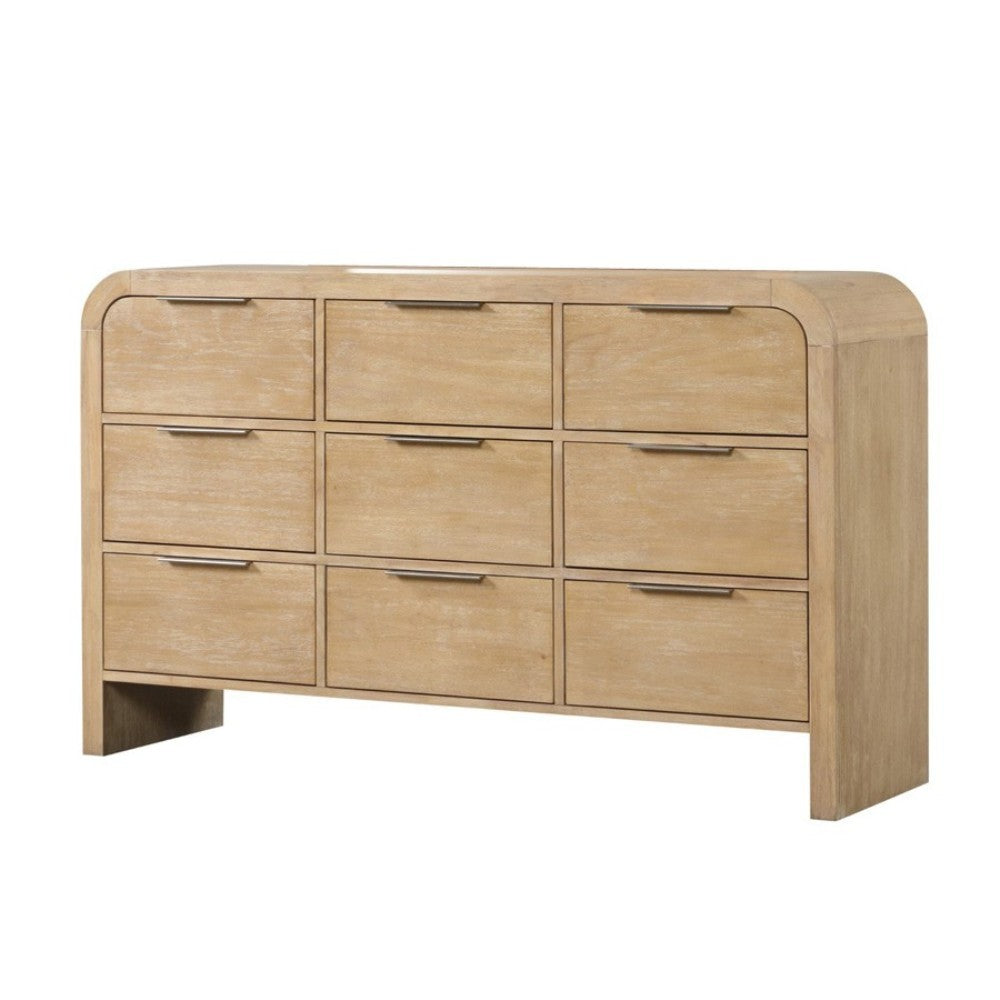
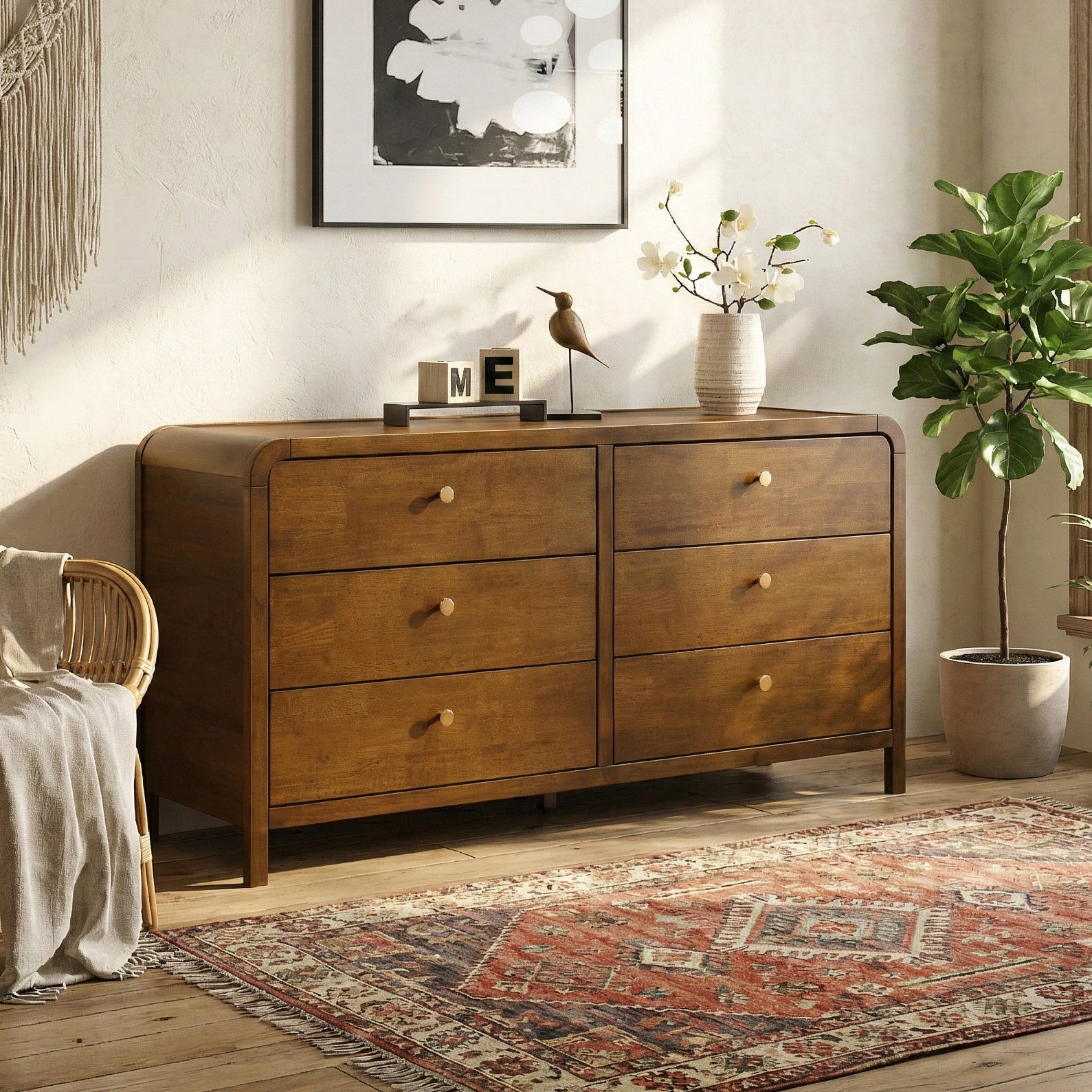
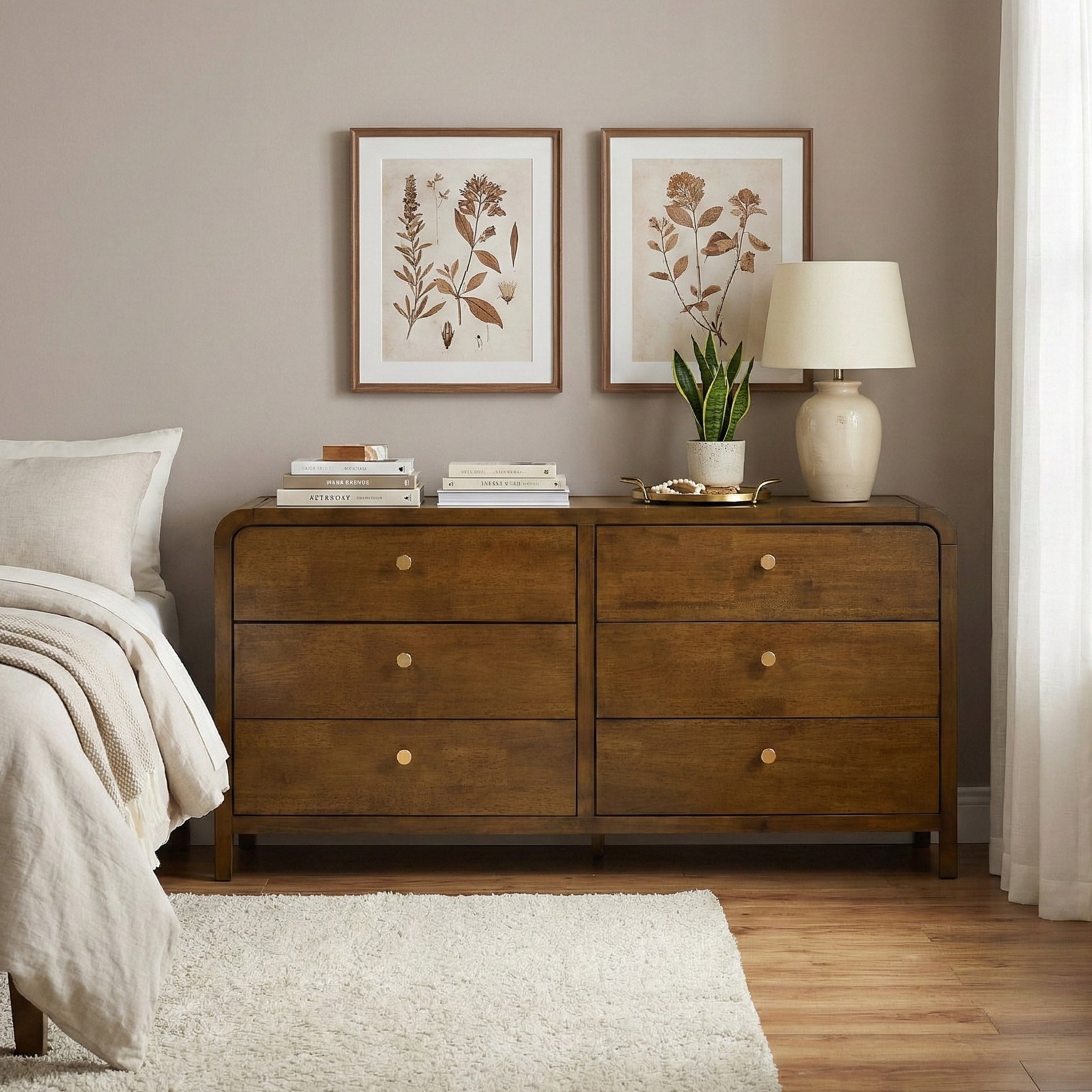
Dressers and chests of drawers: wide, tall, and how they differ
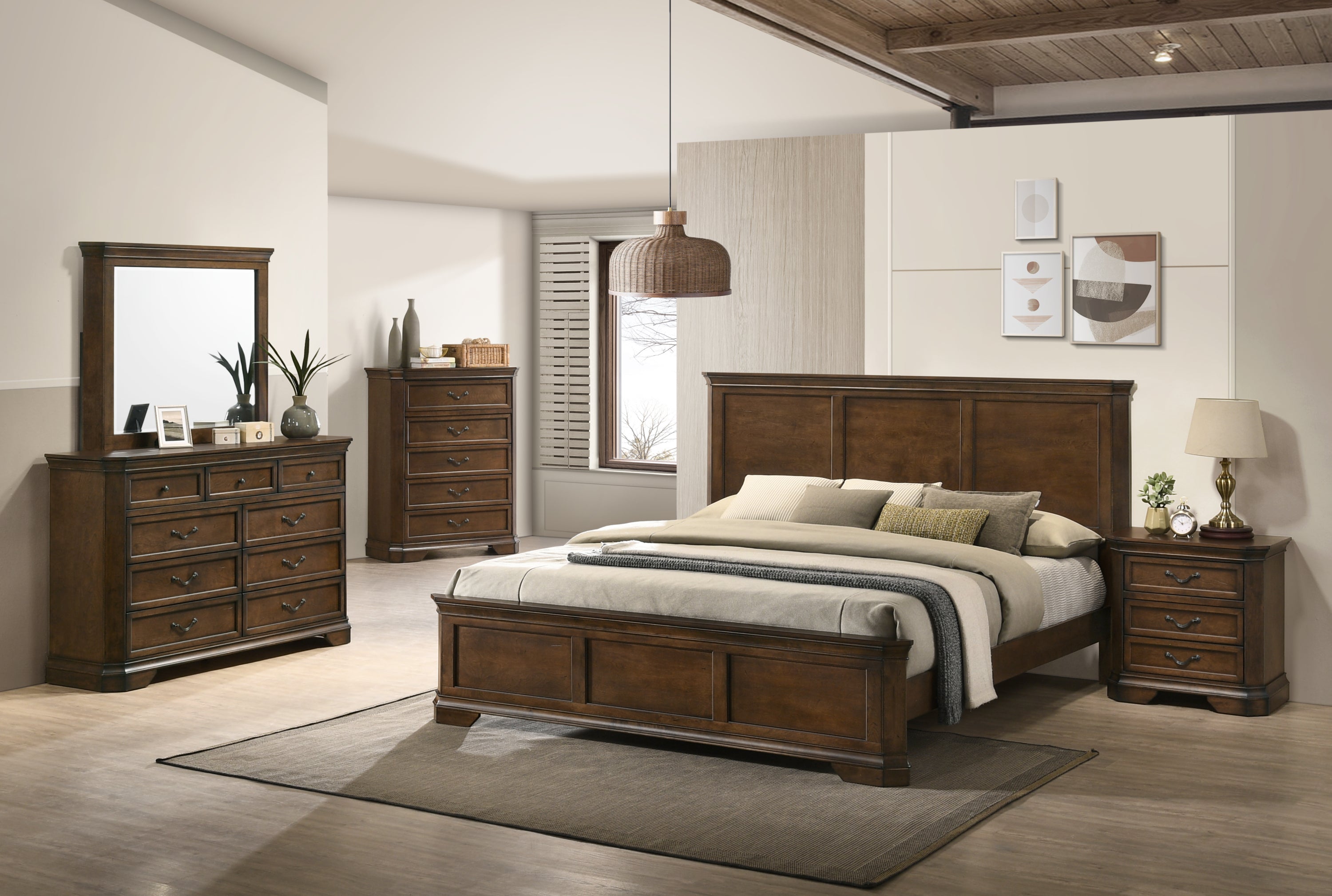
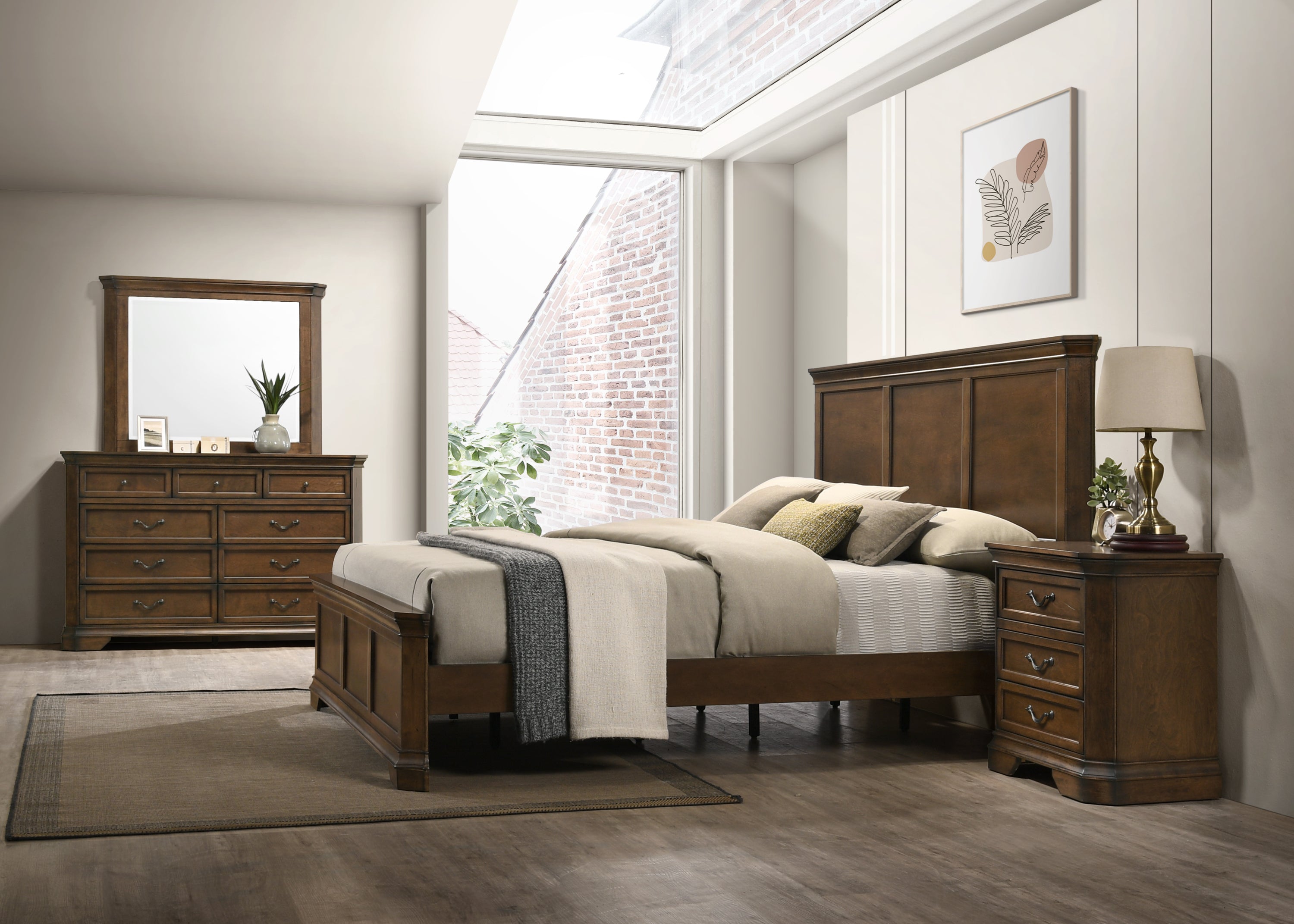
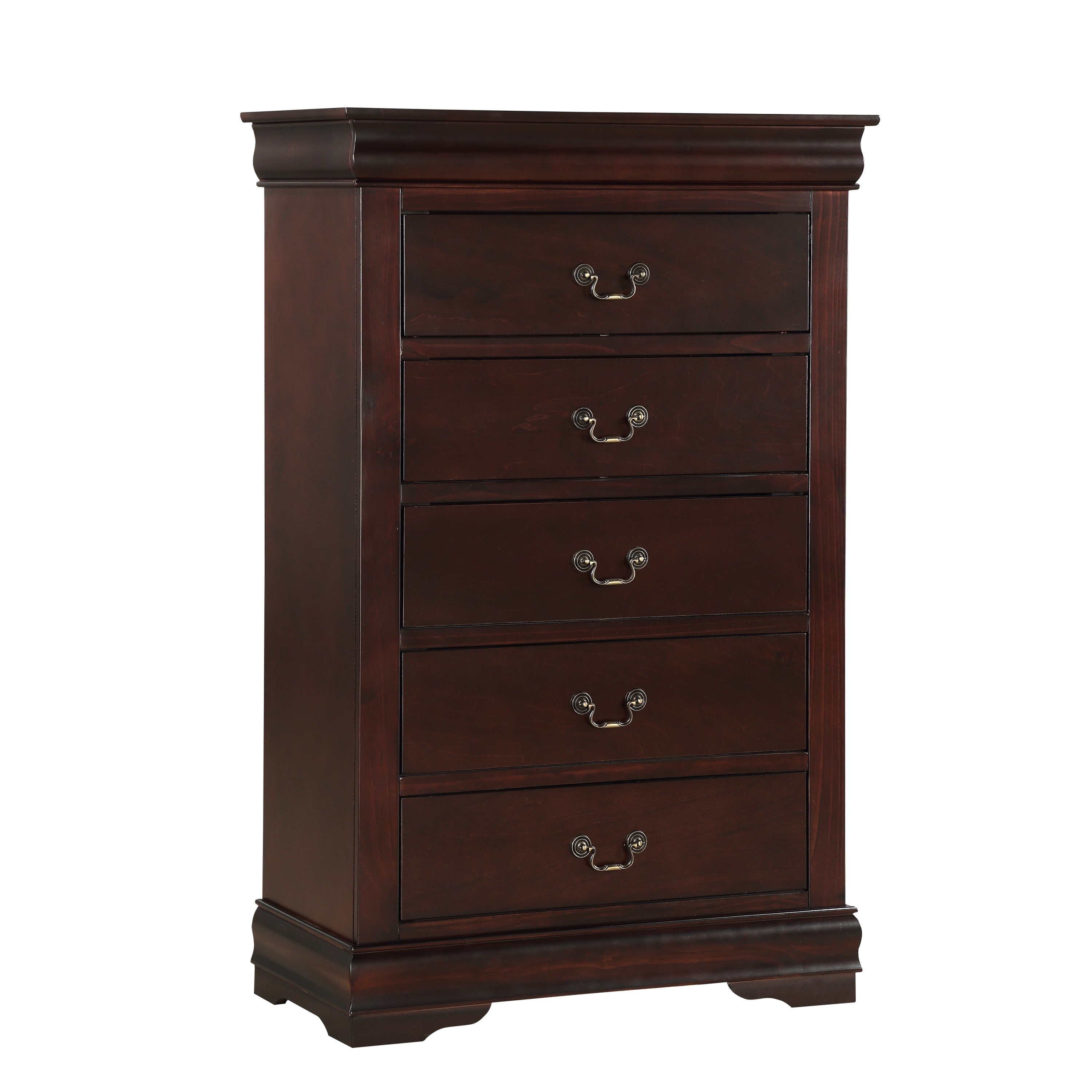
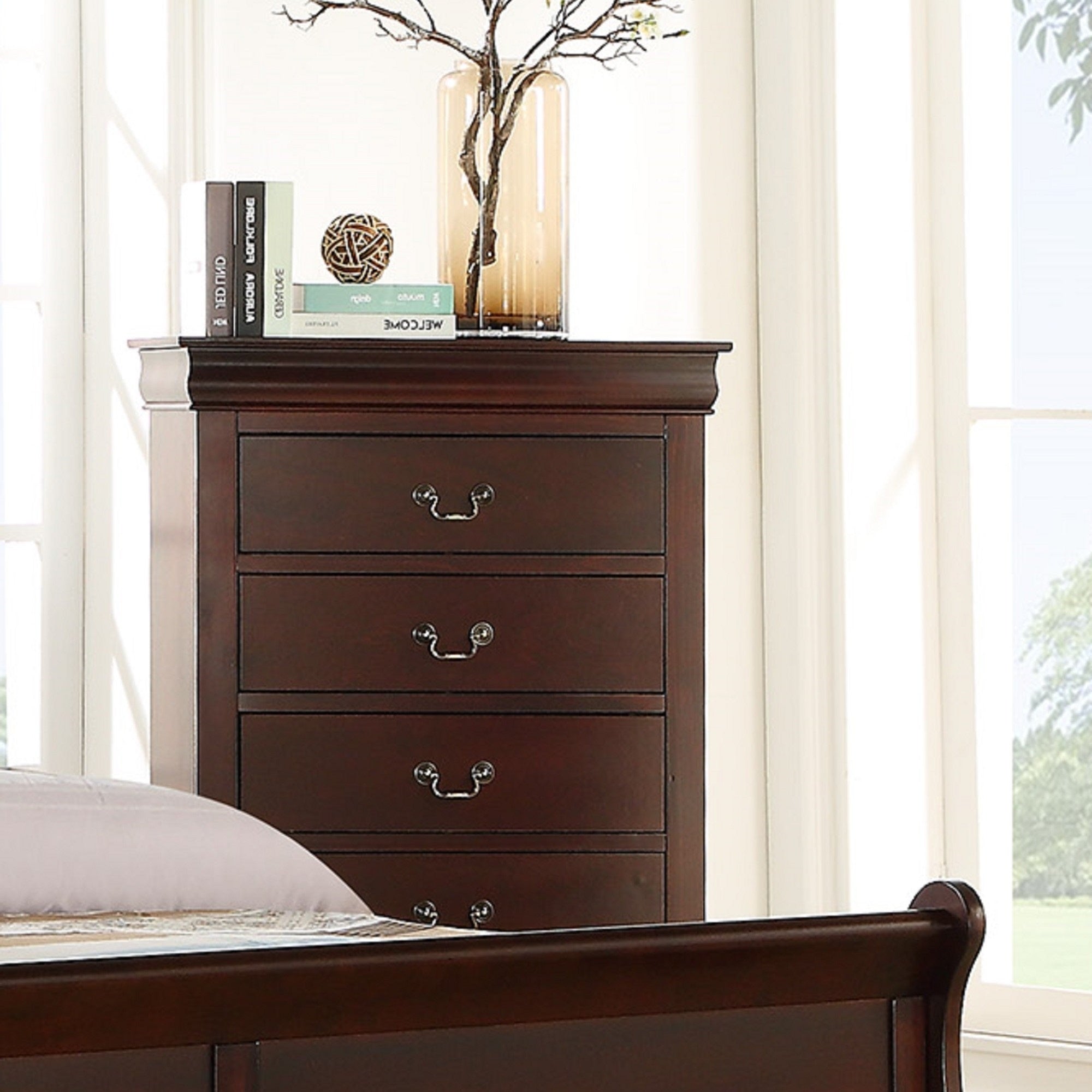
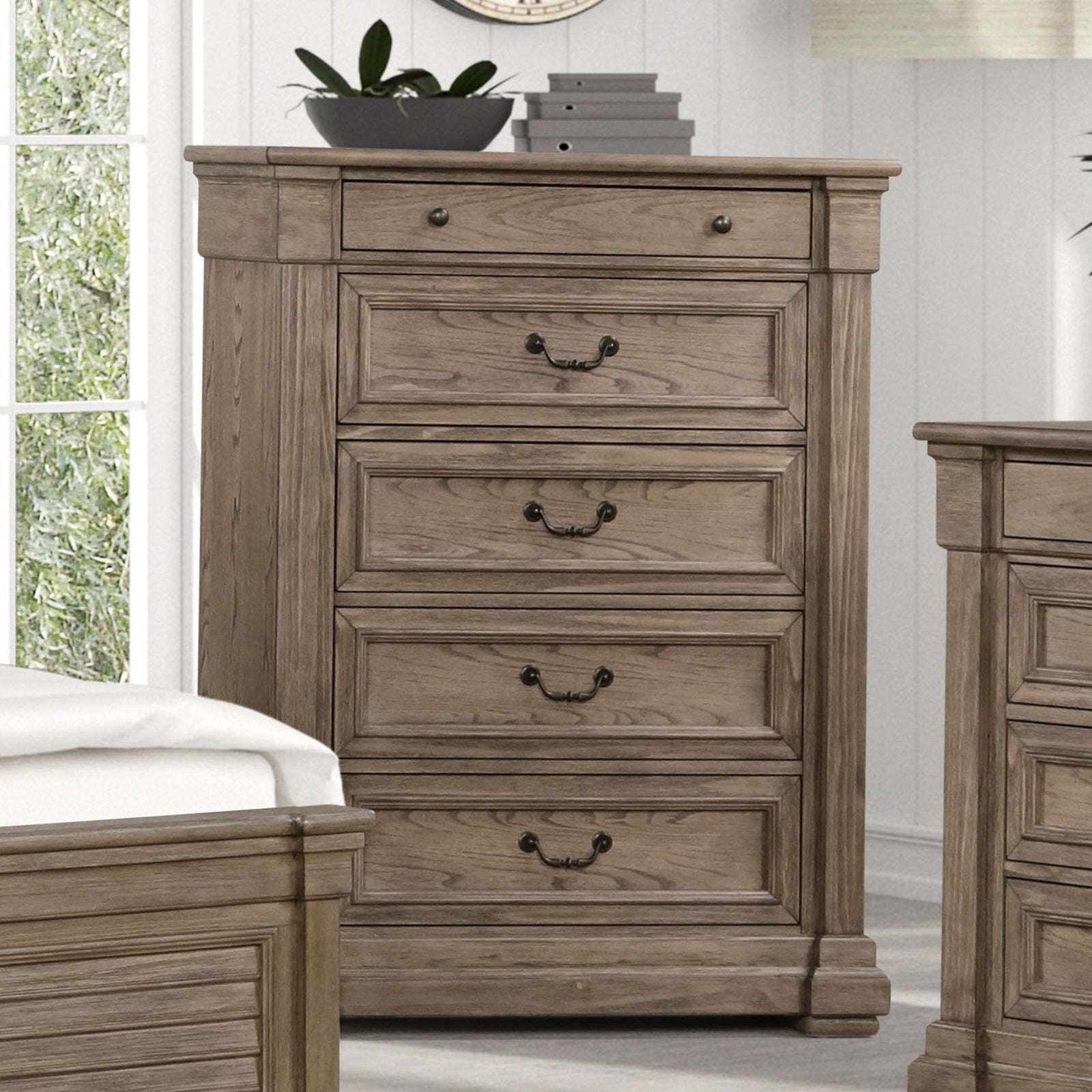
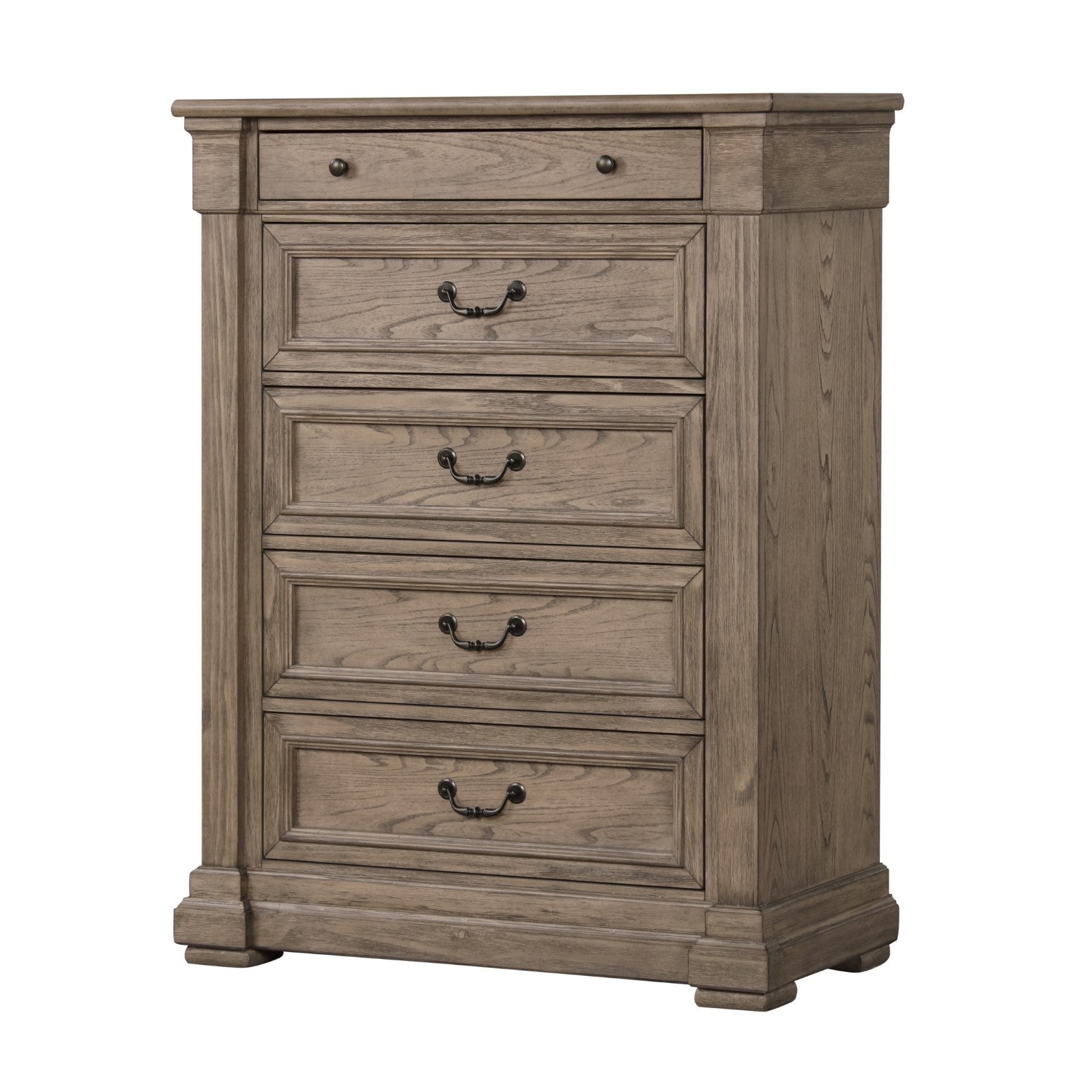
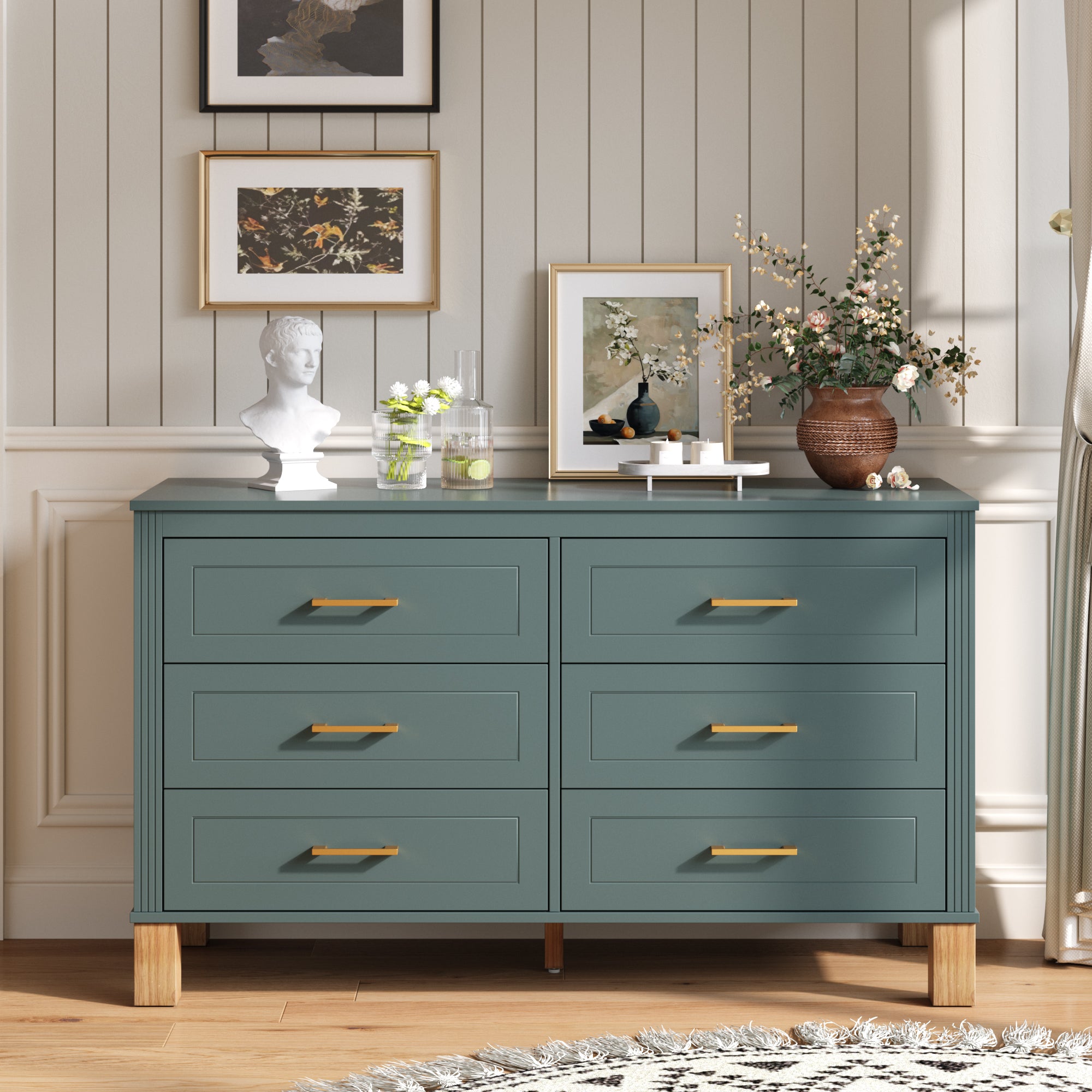
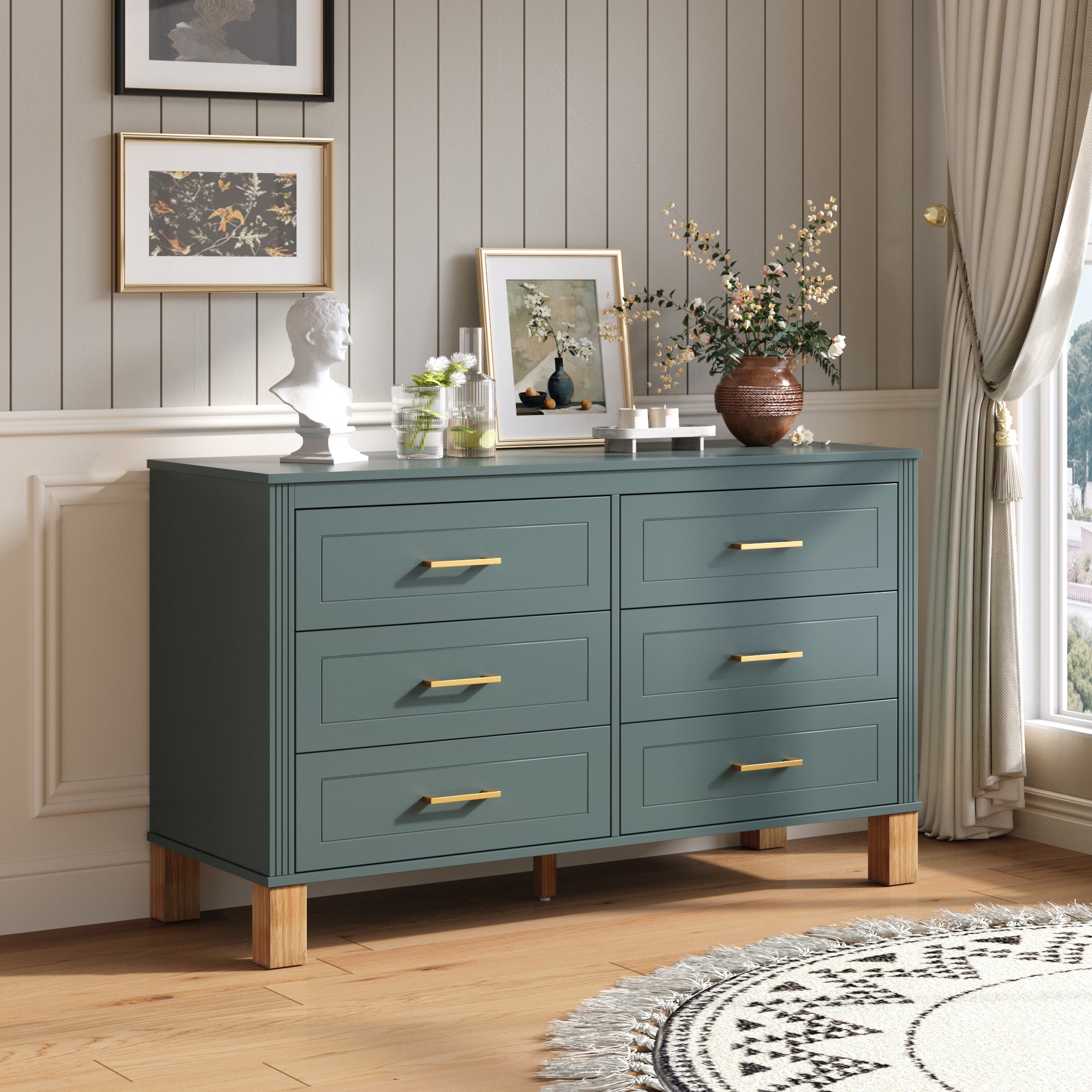
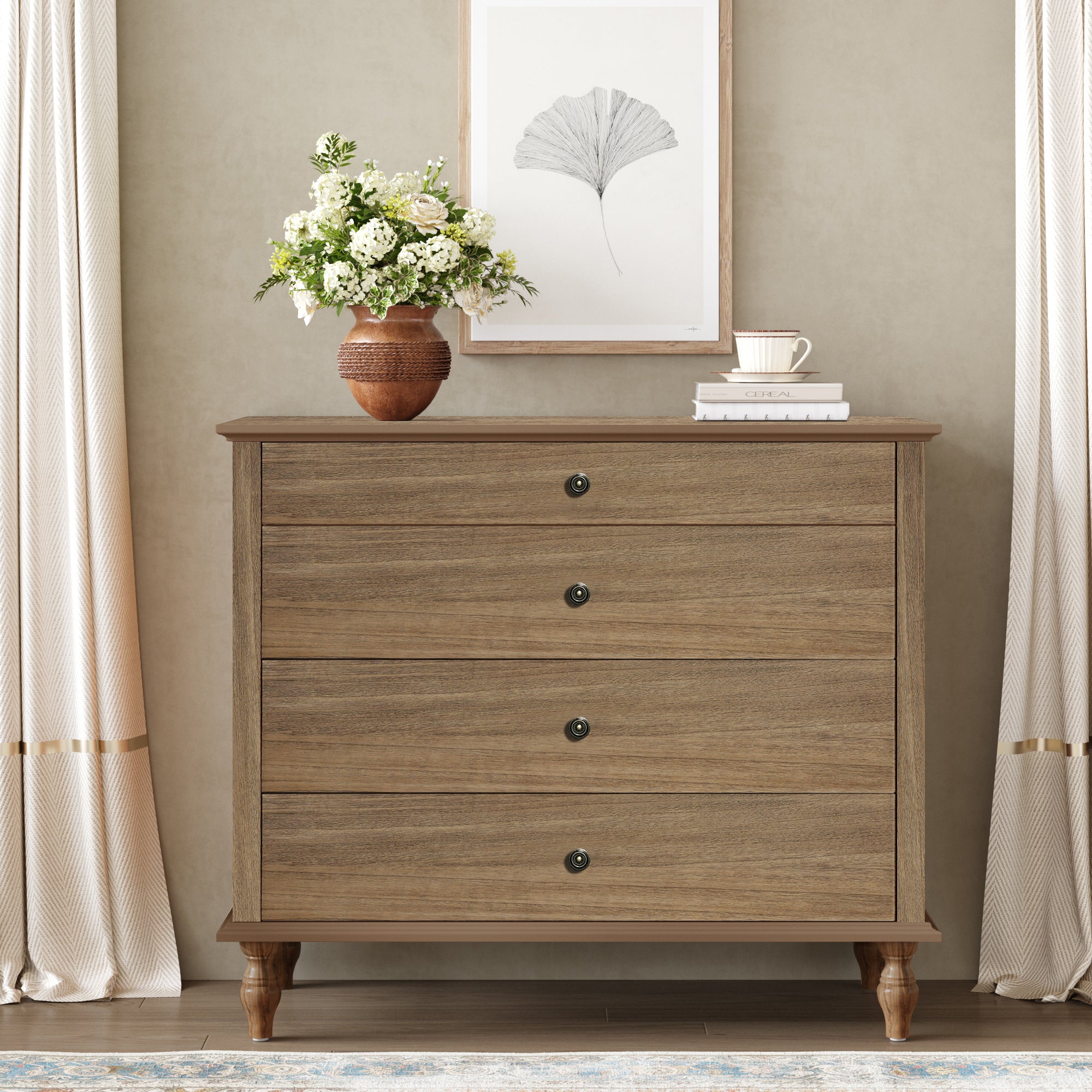
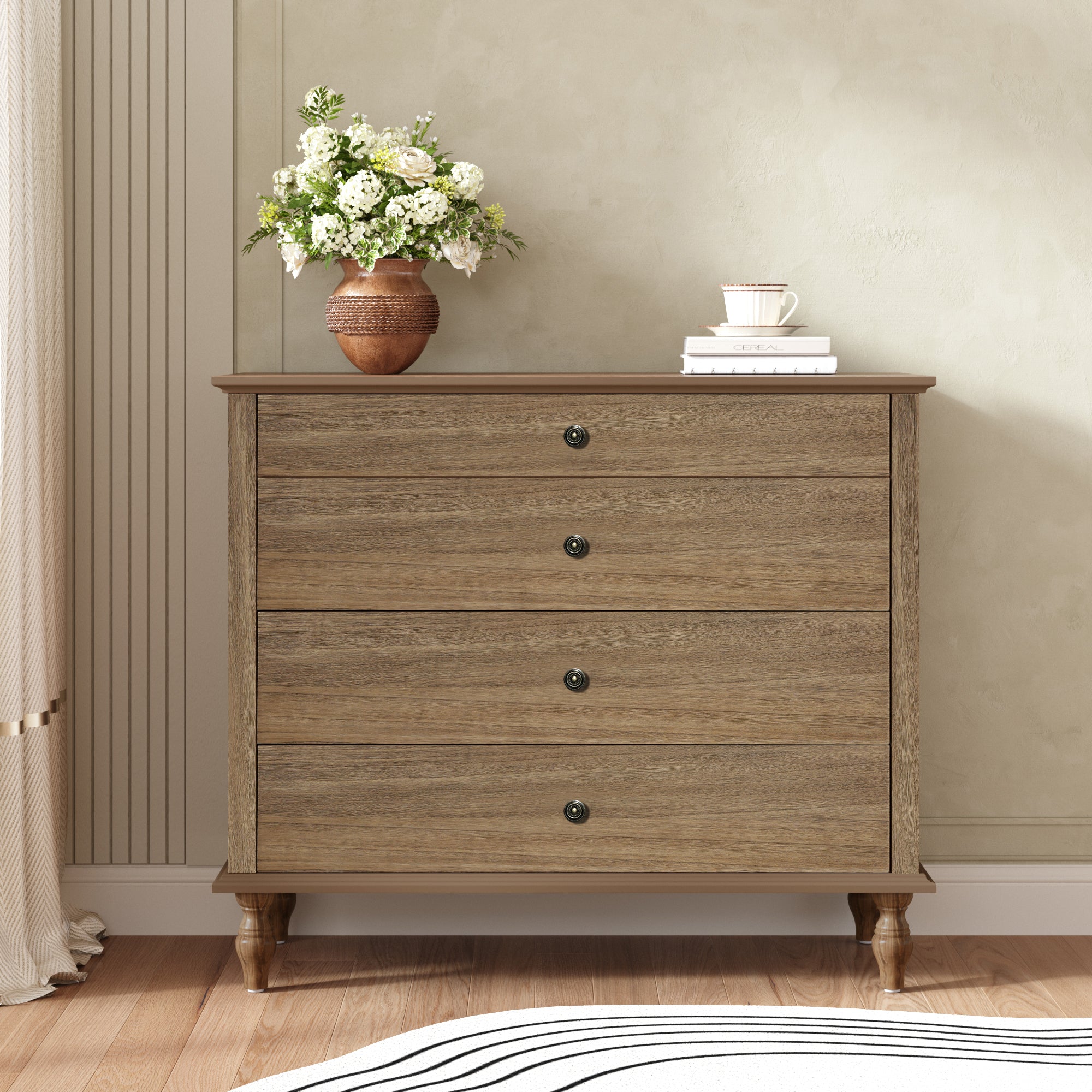
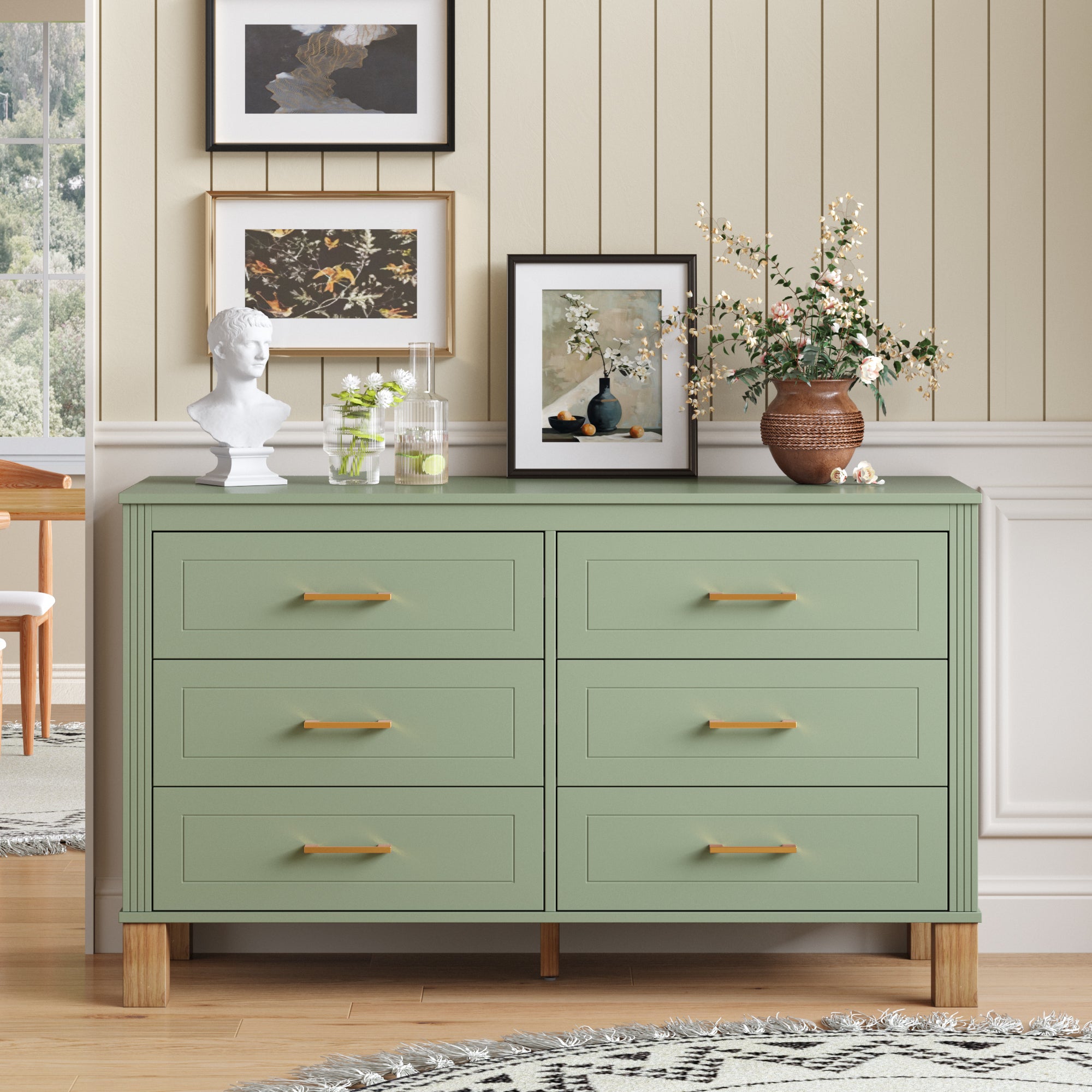
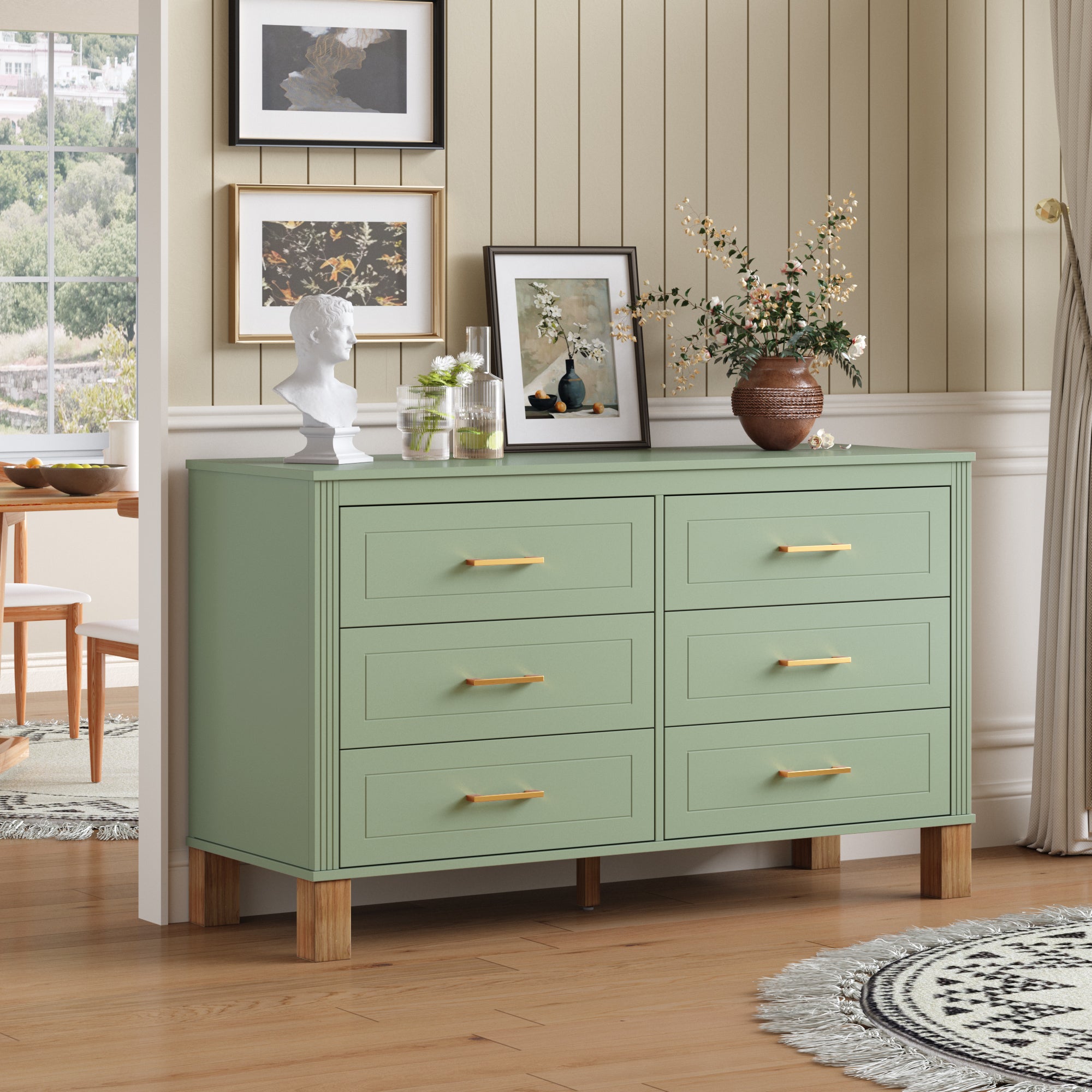
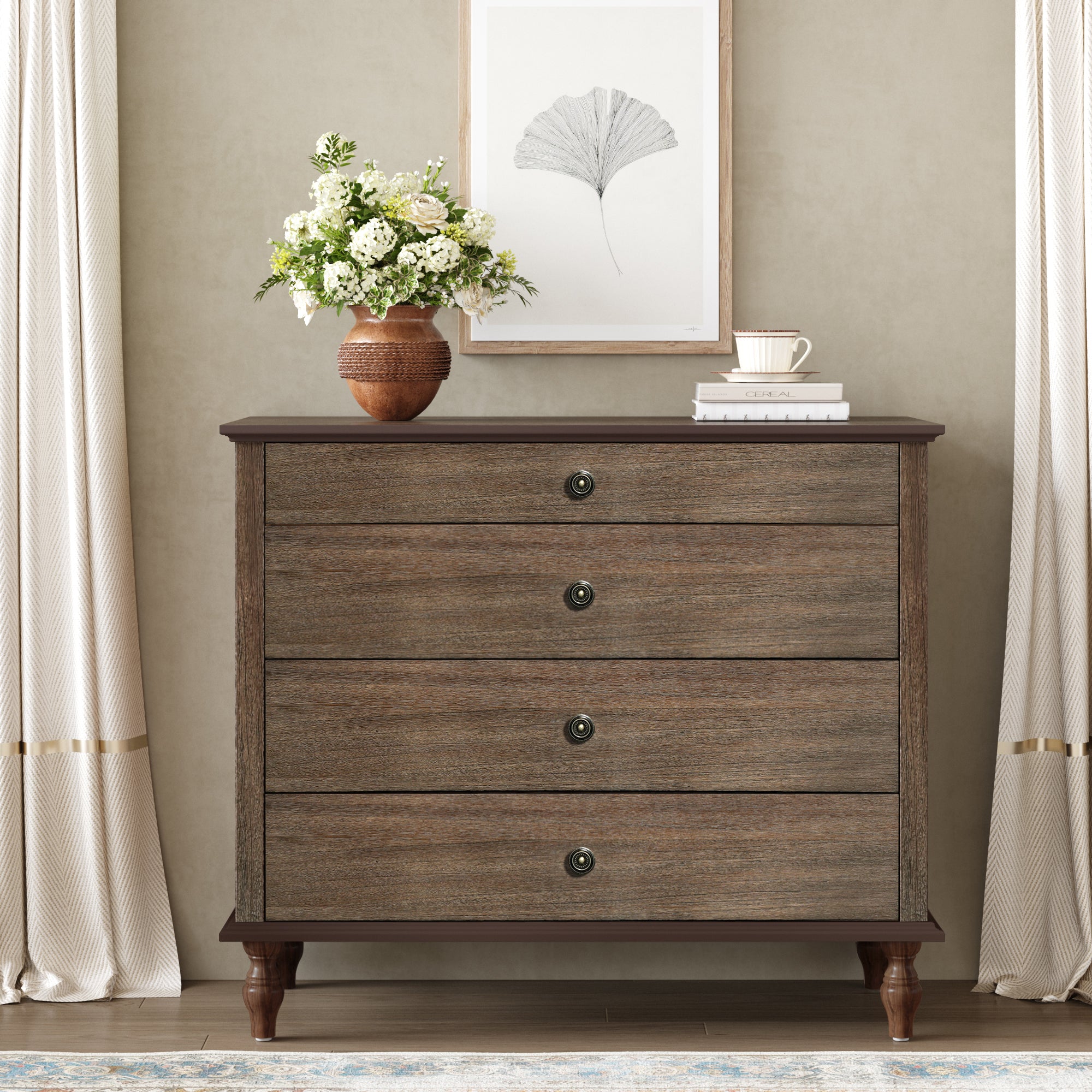
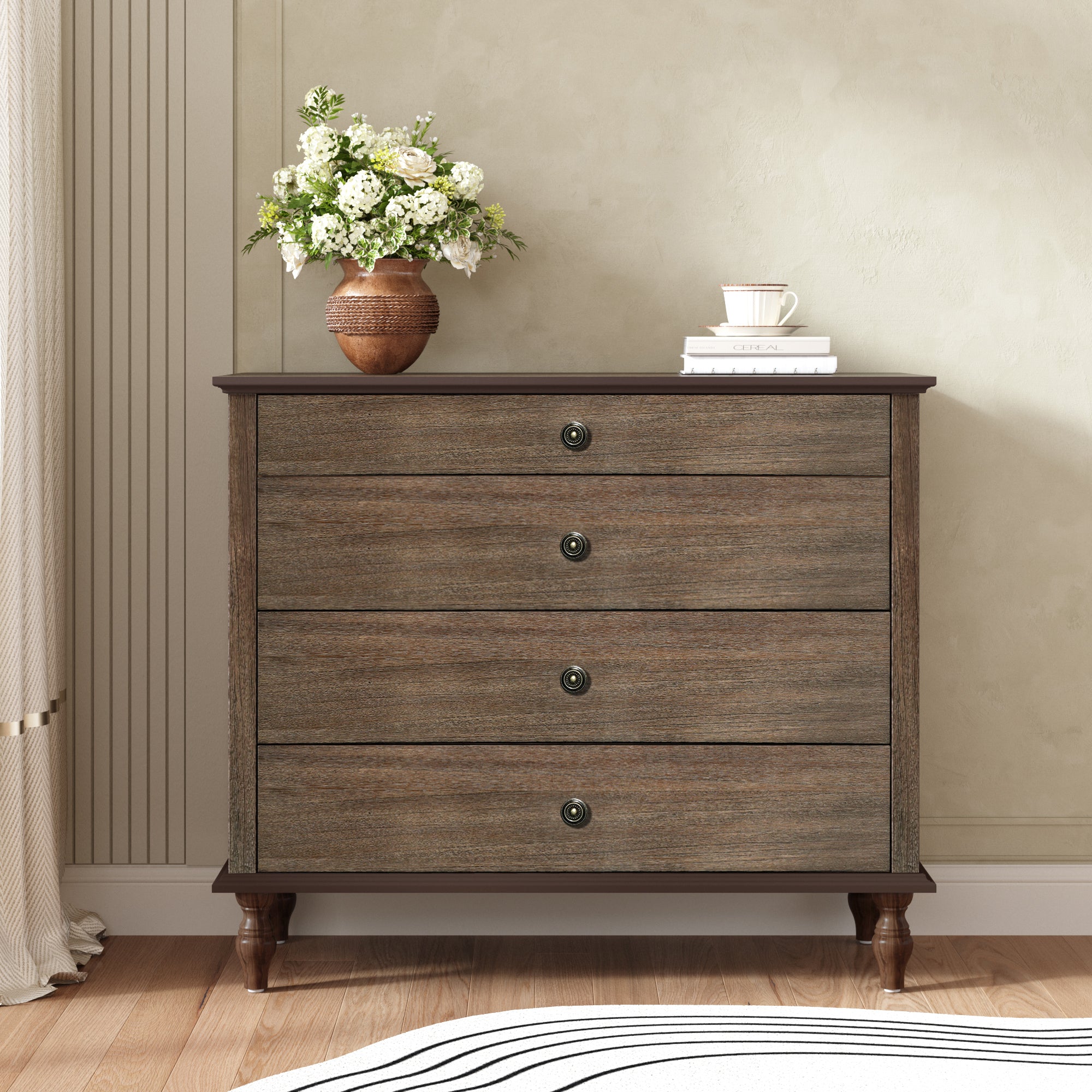
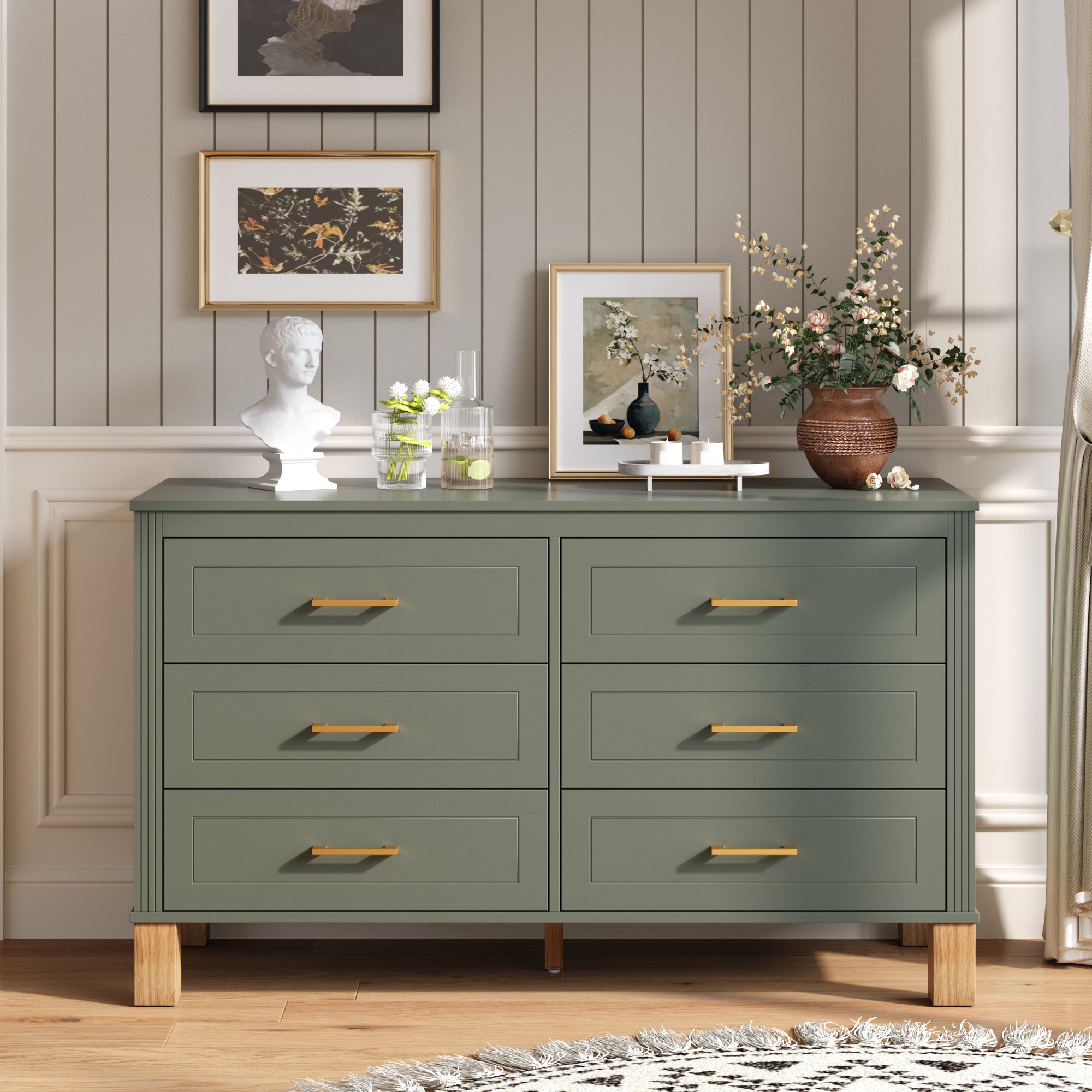
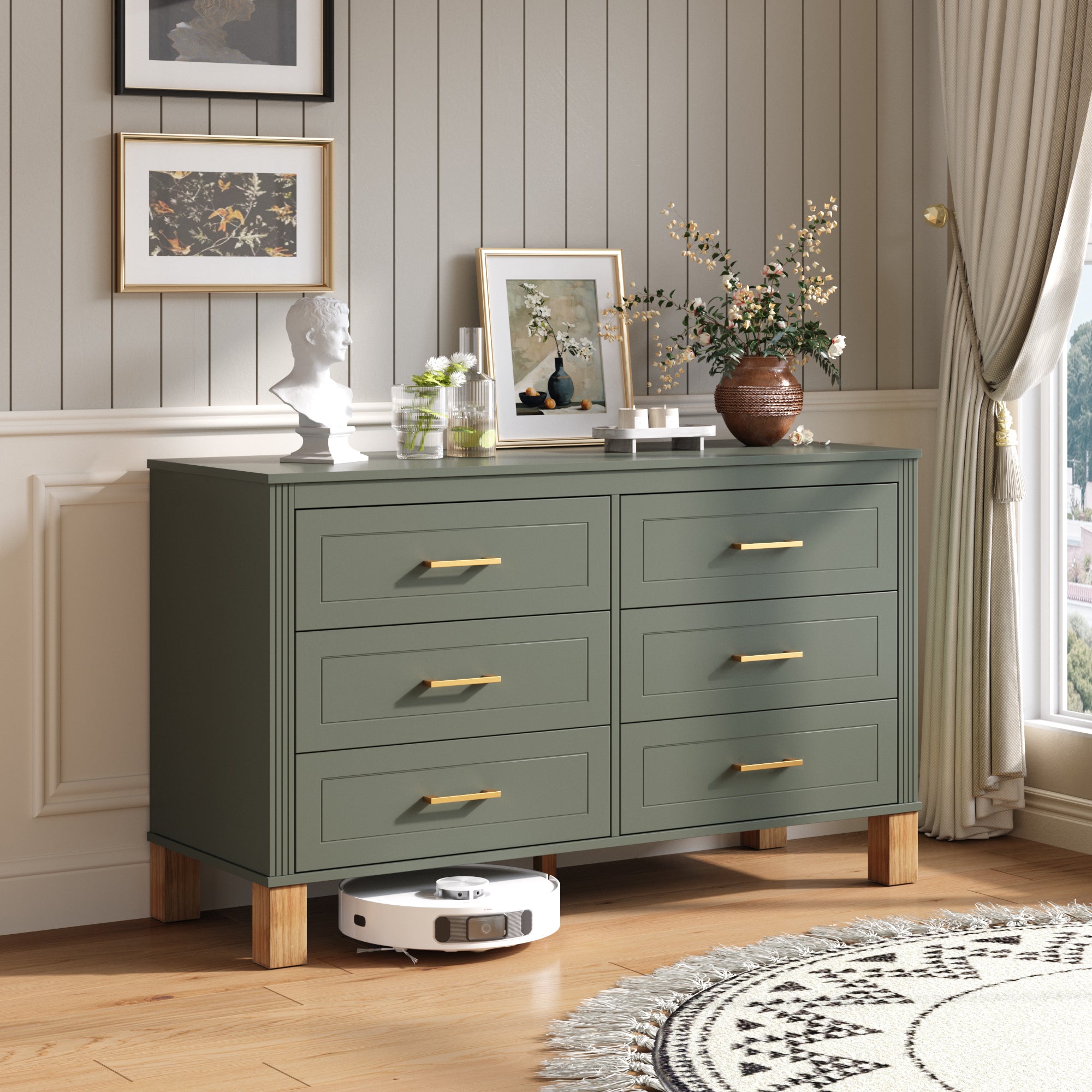
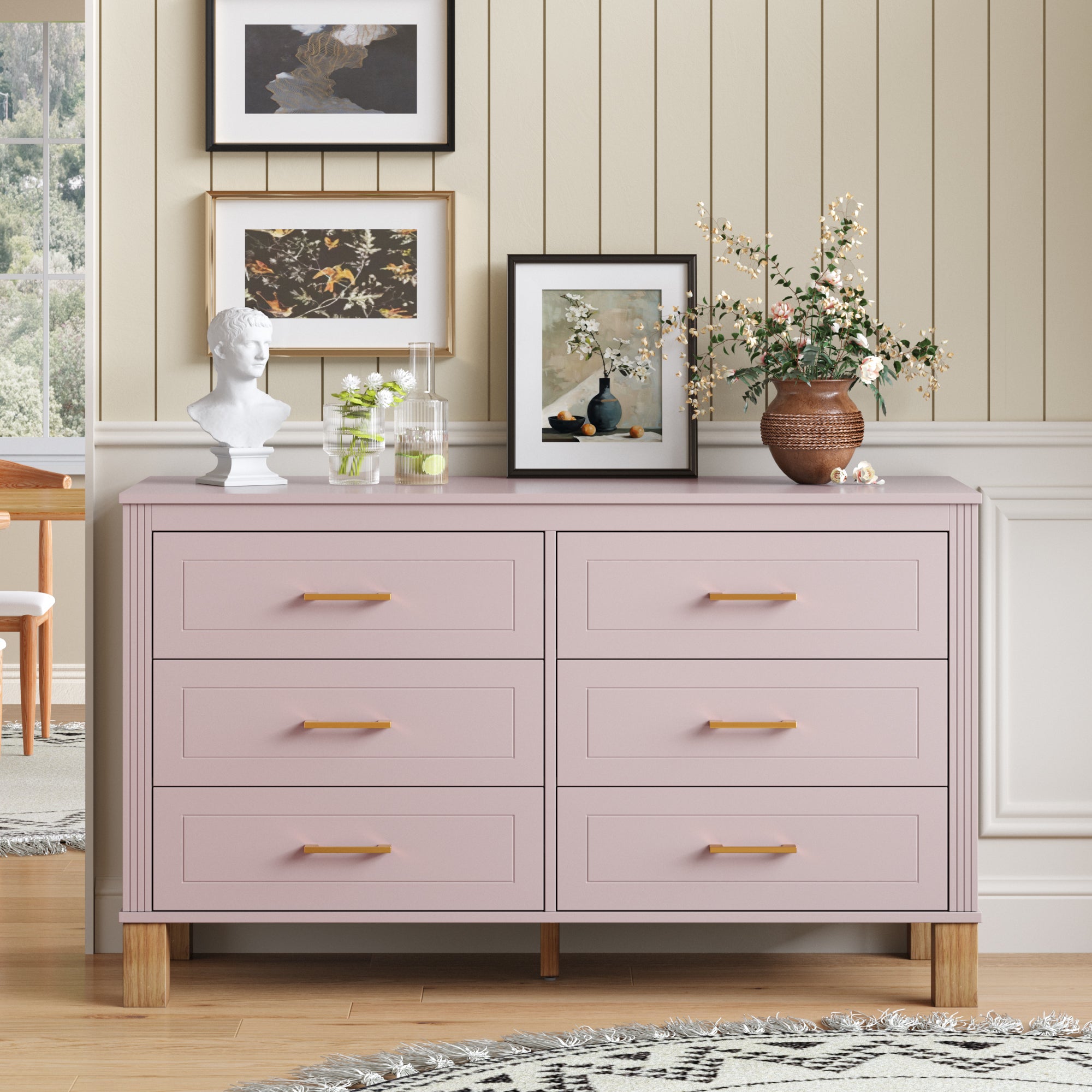
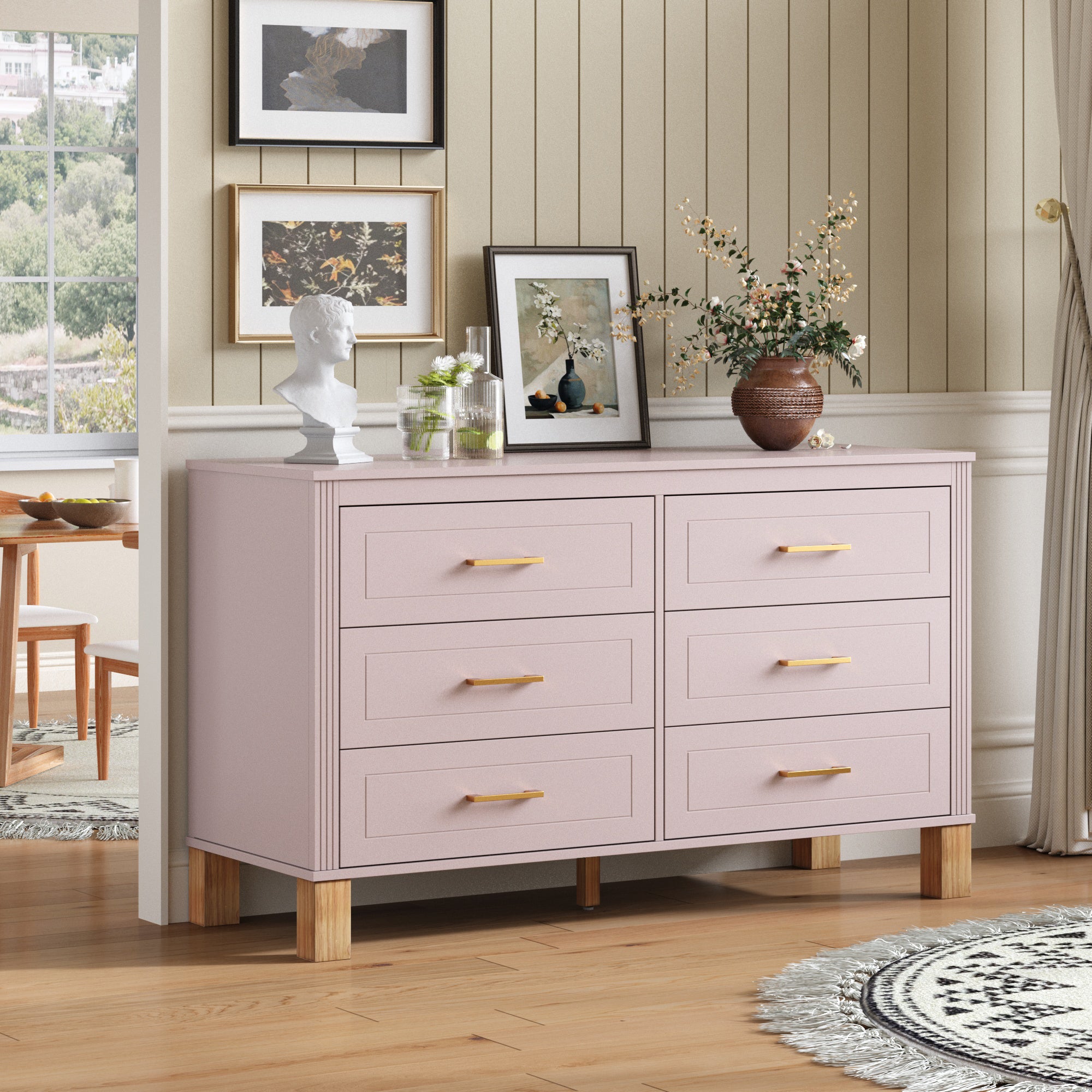
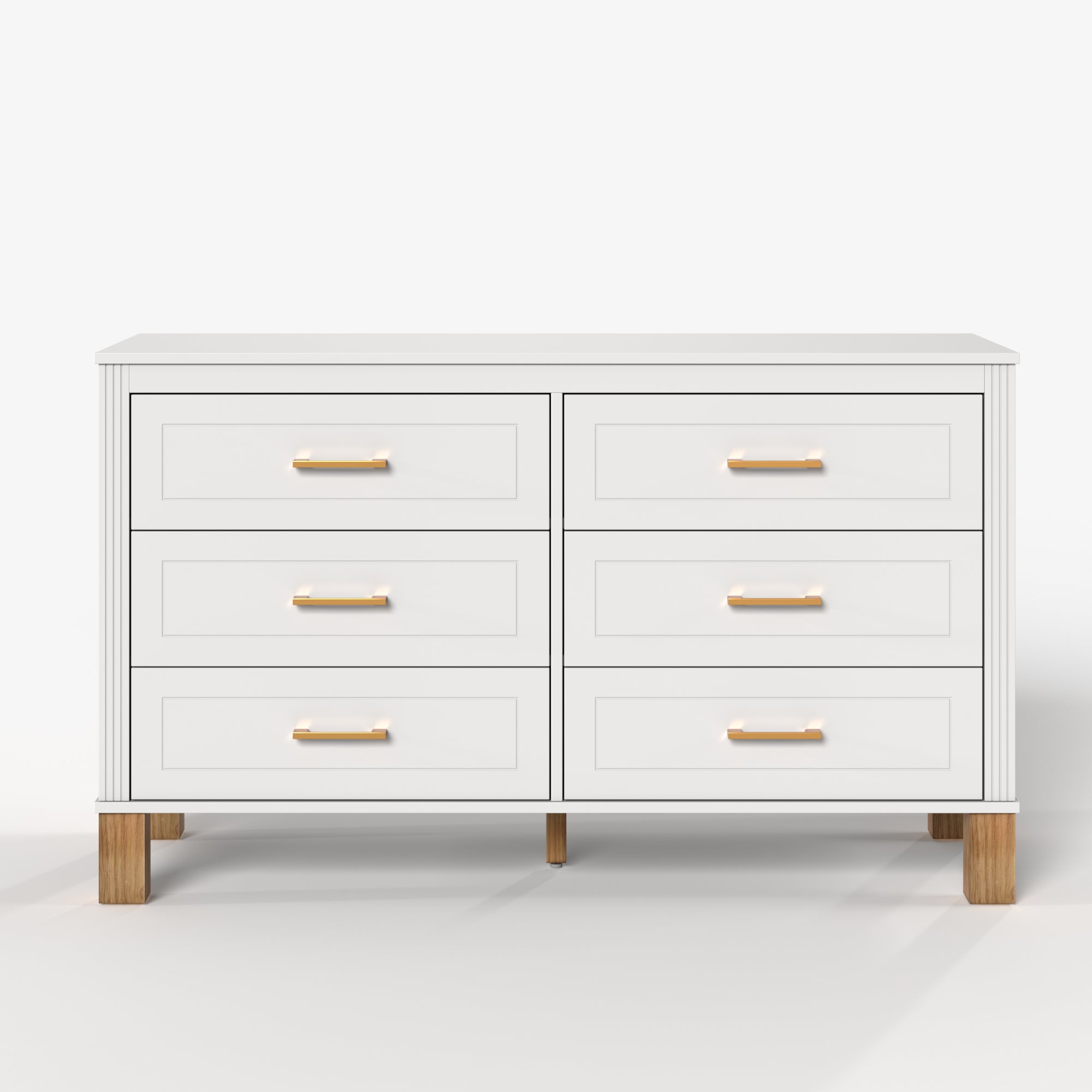
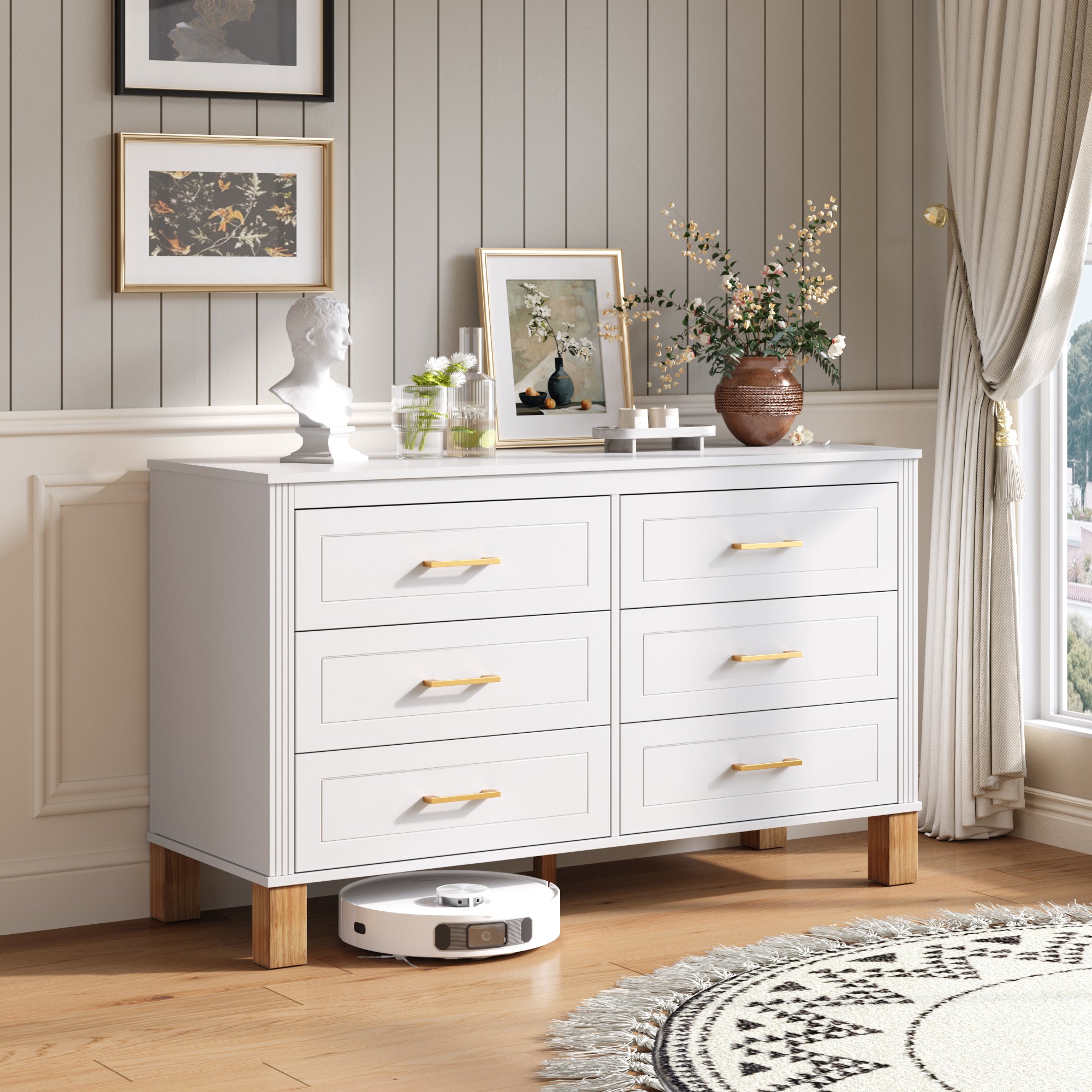
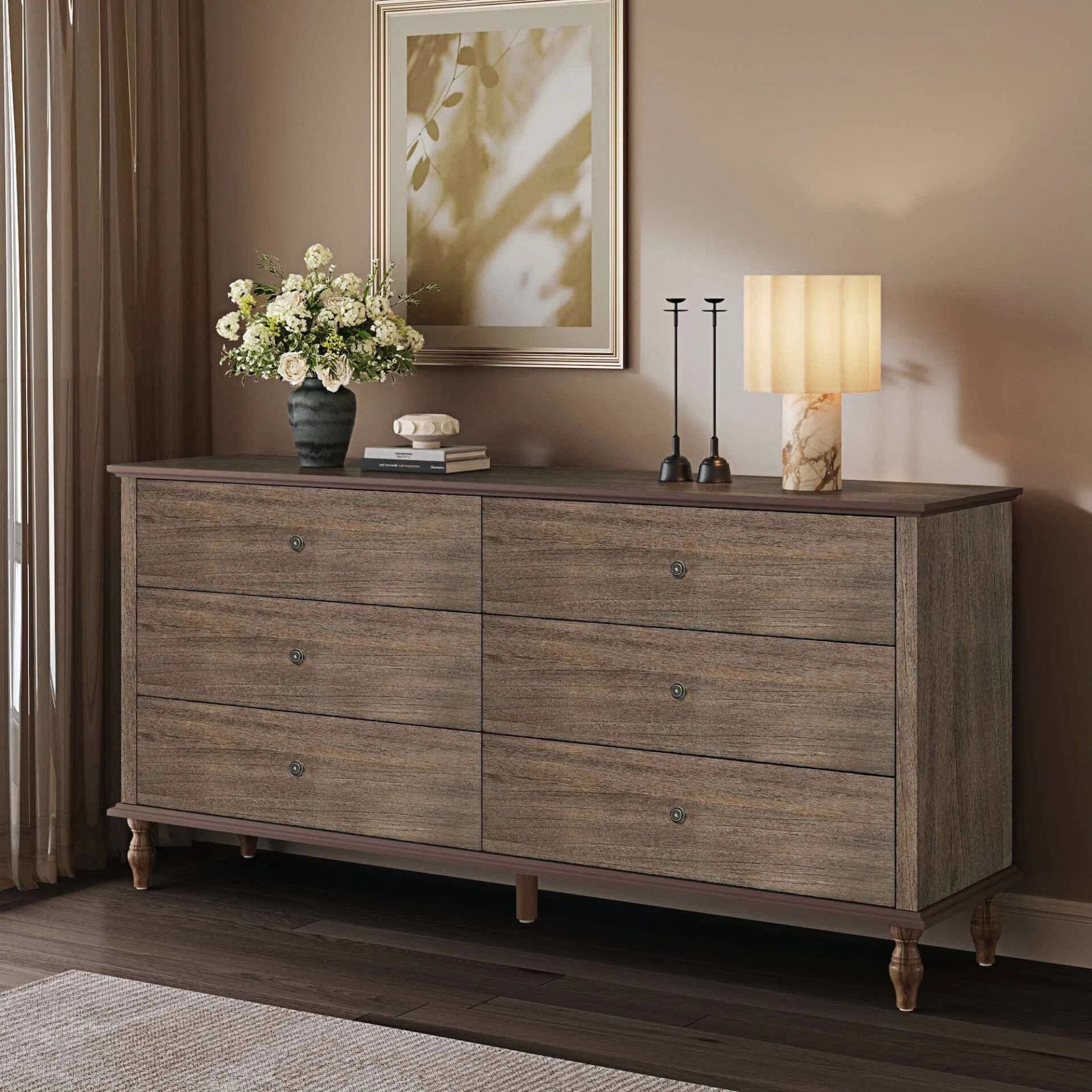
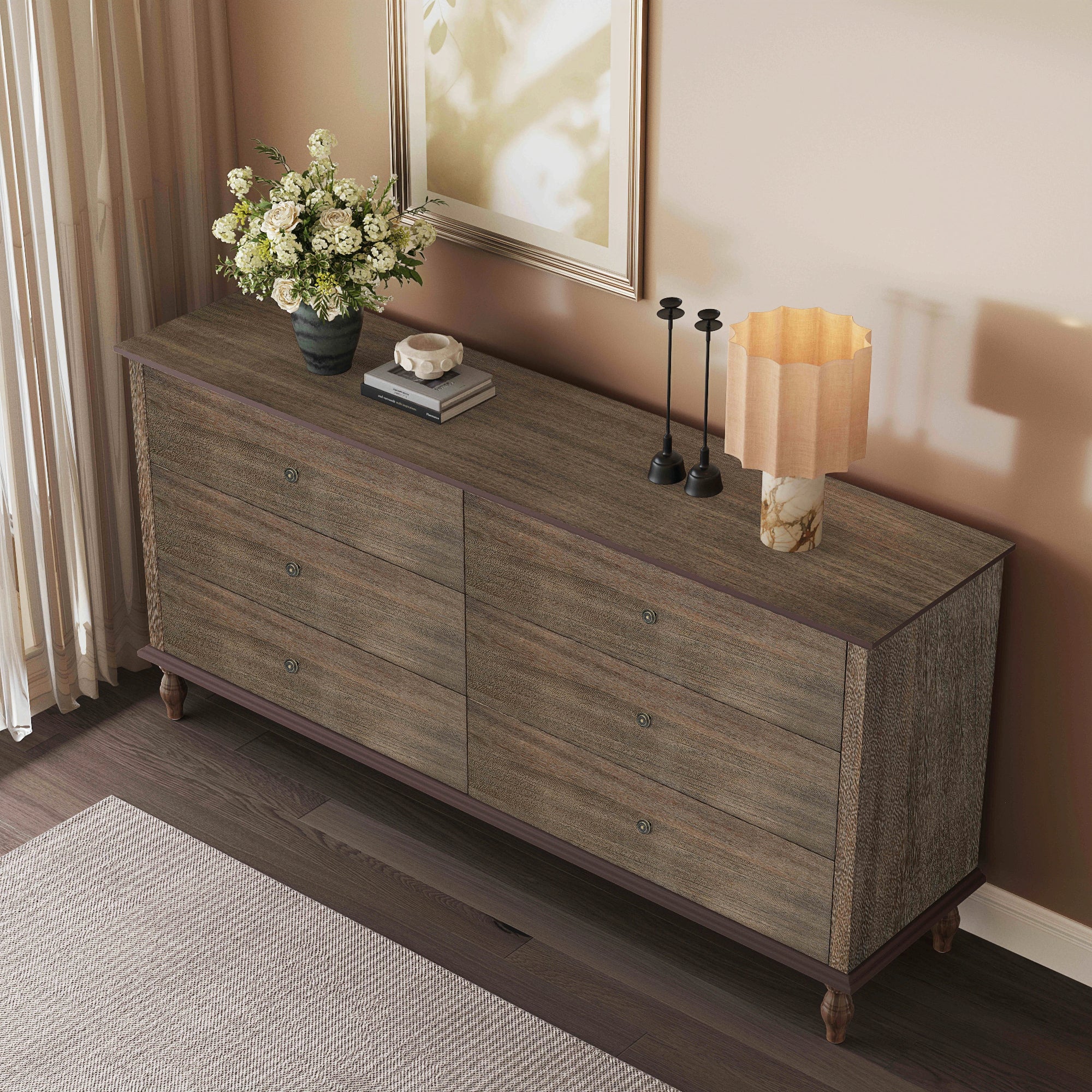
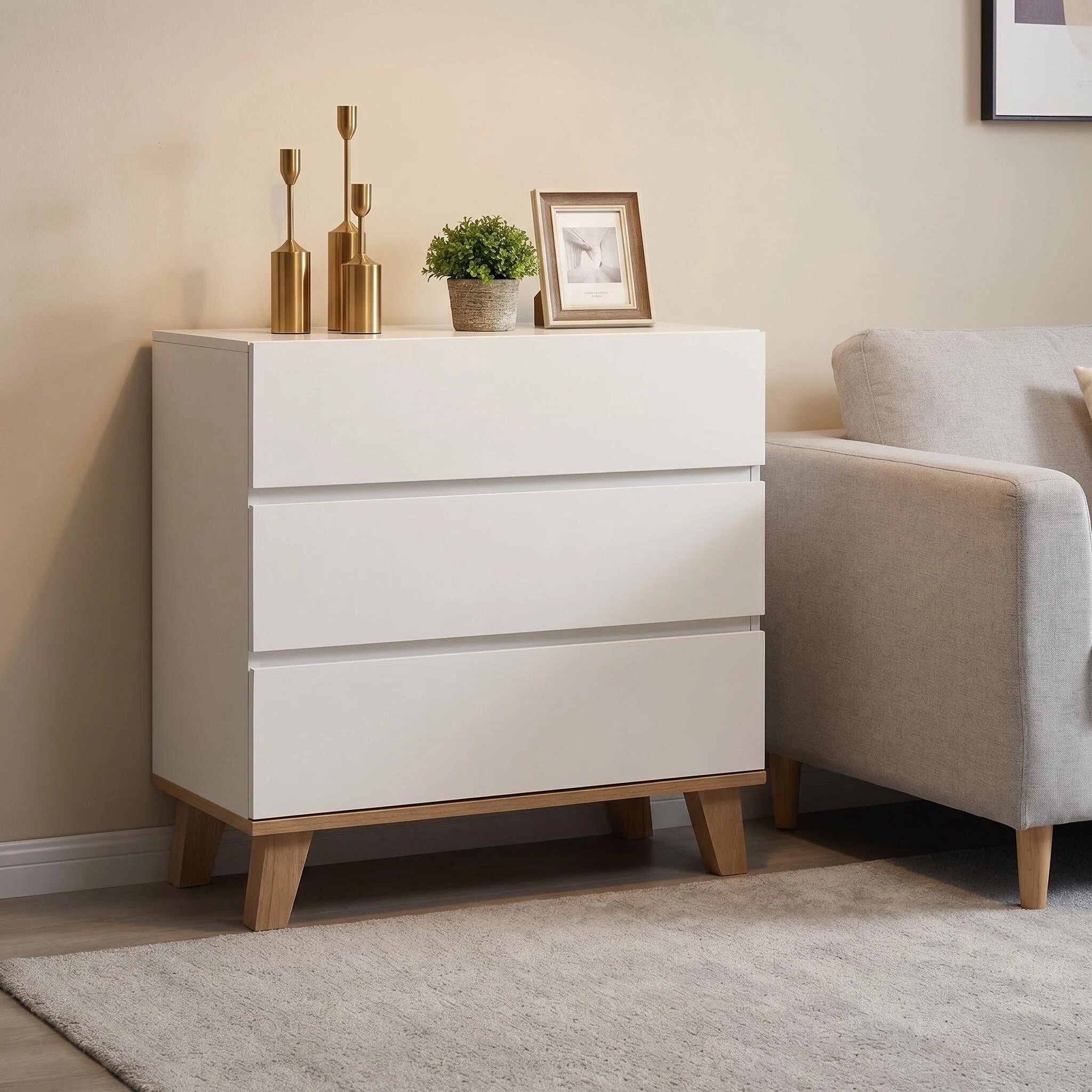
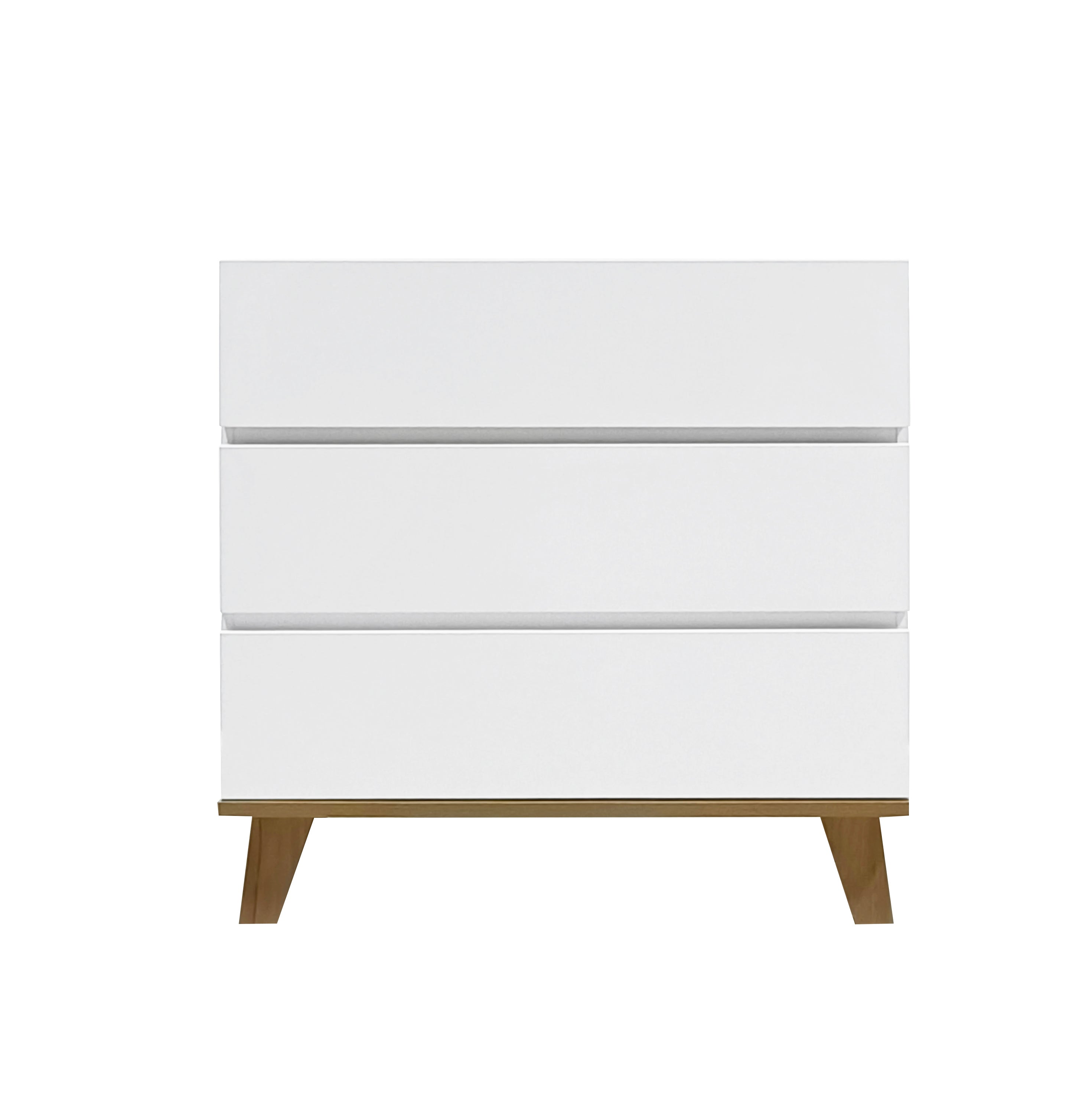
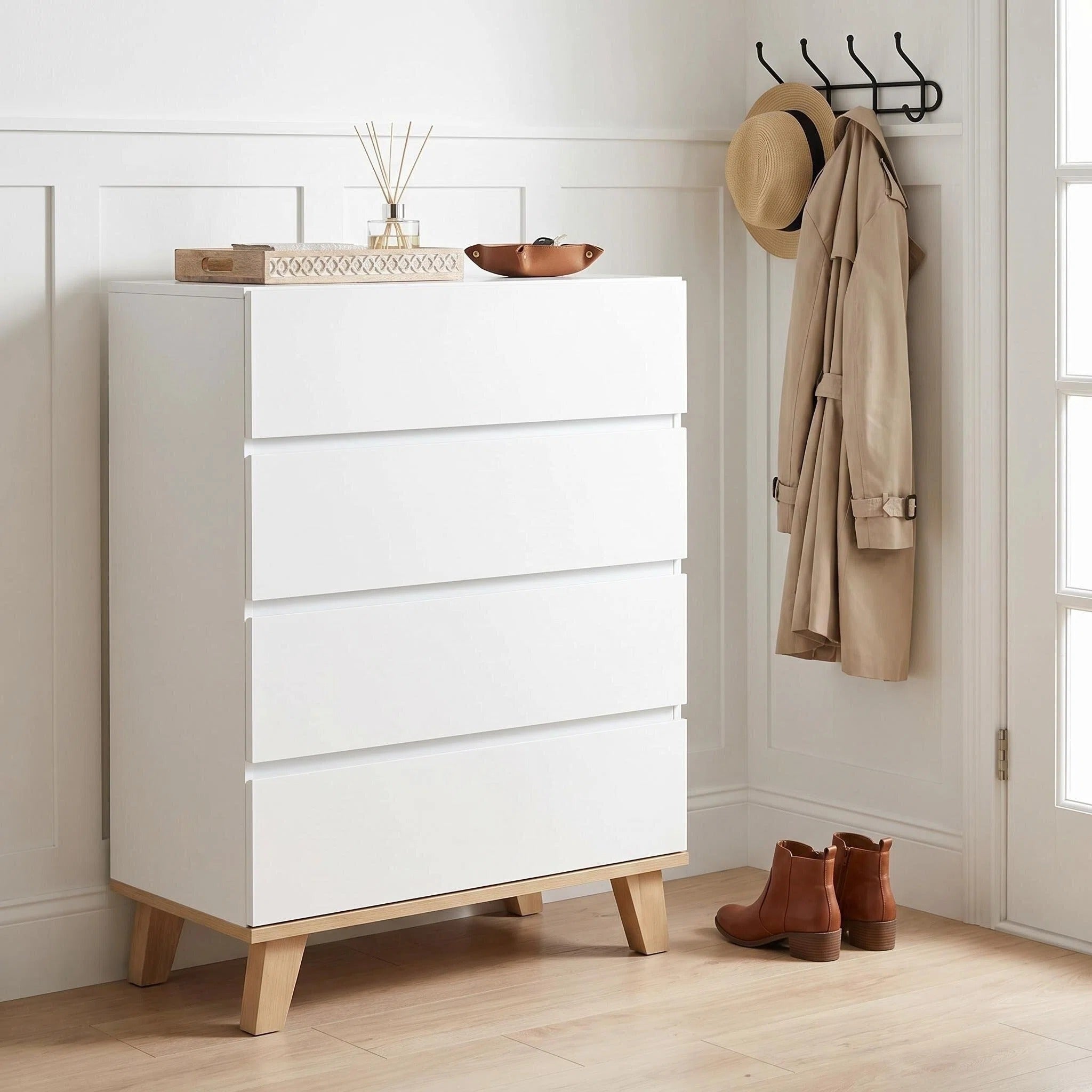
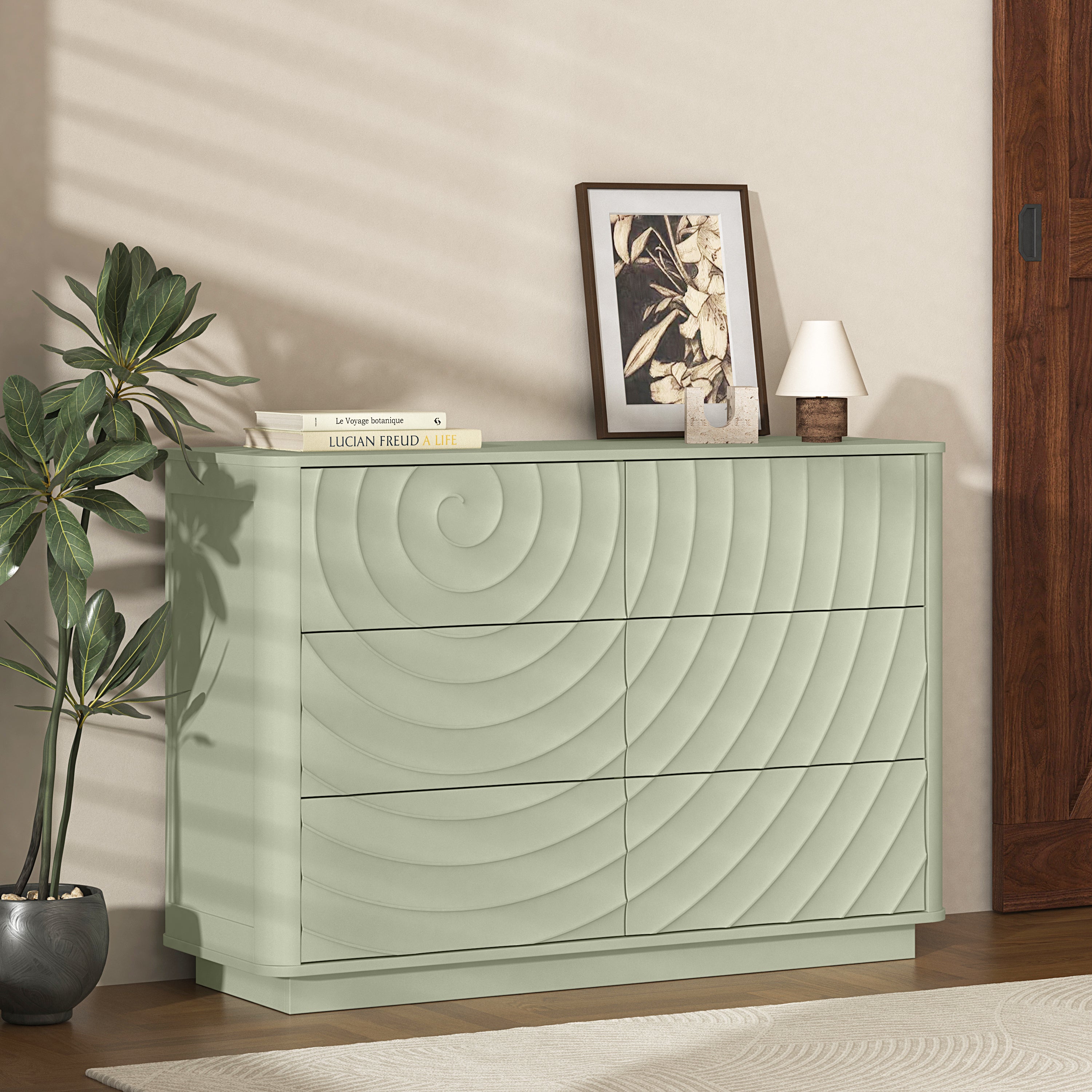
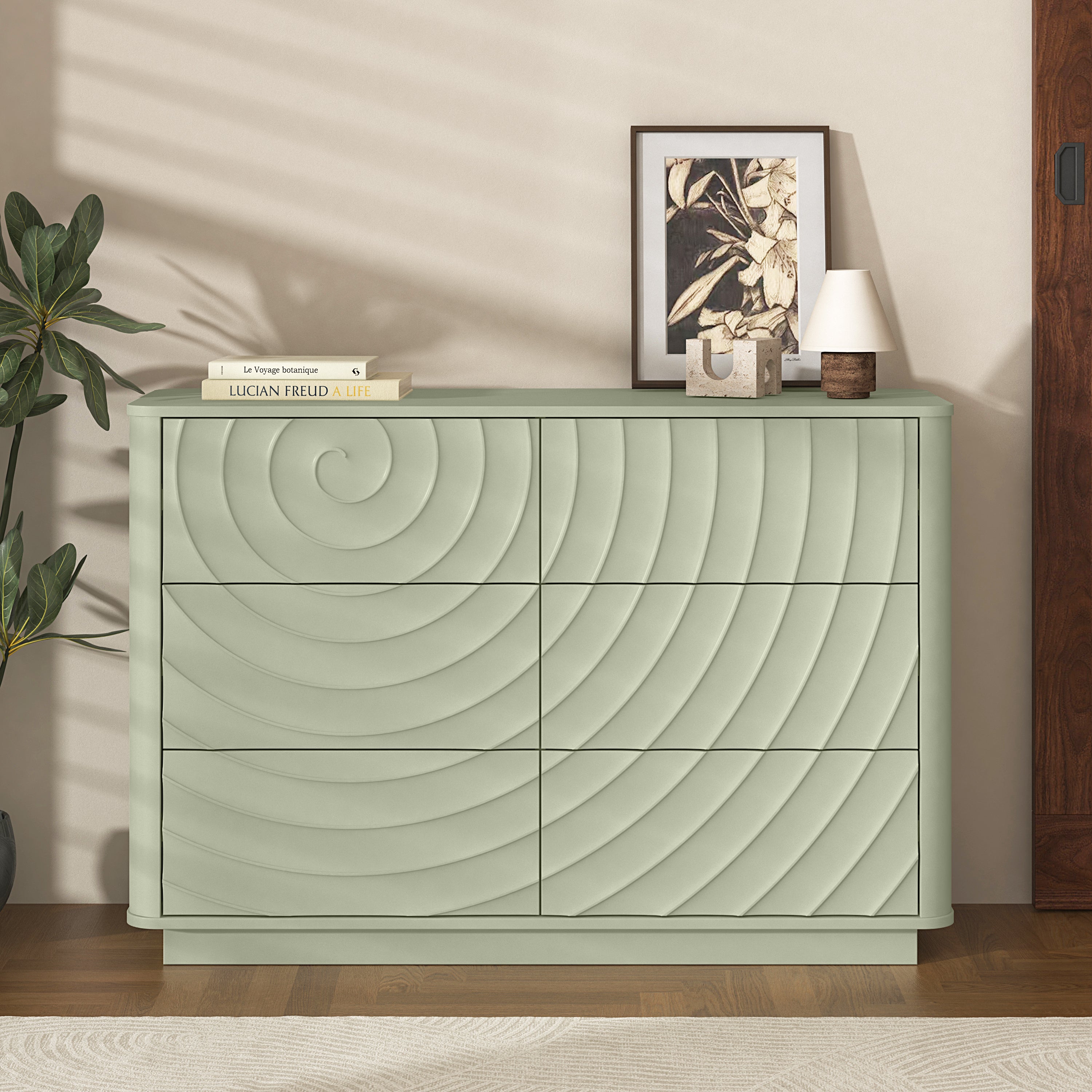
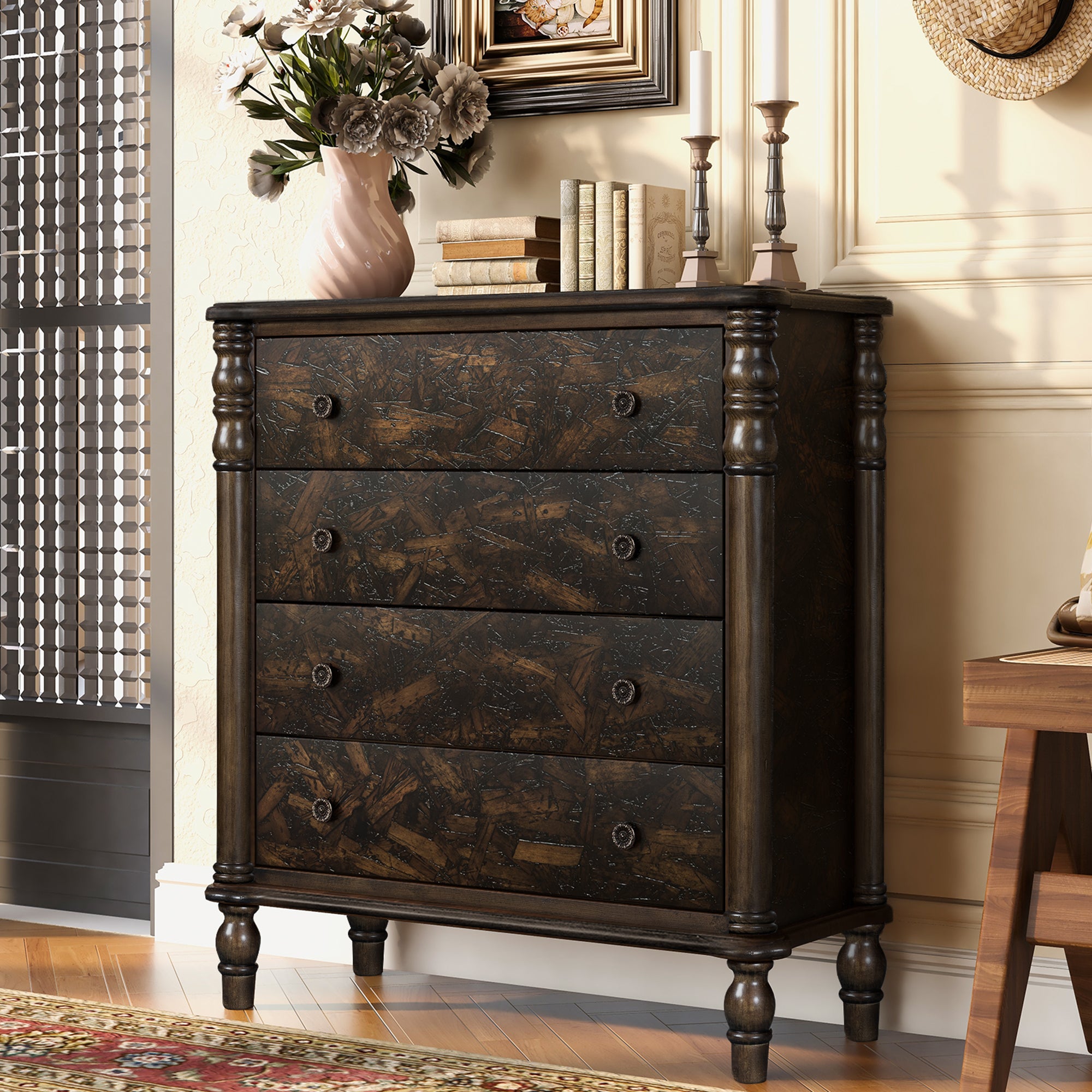
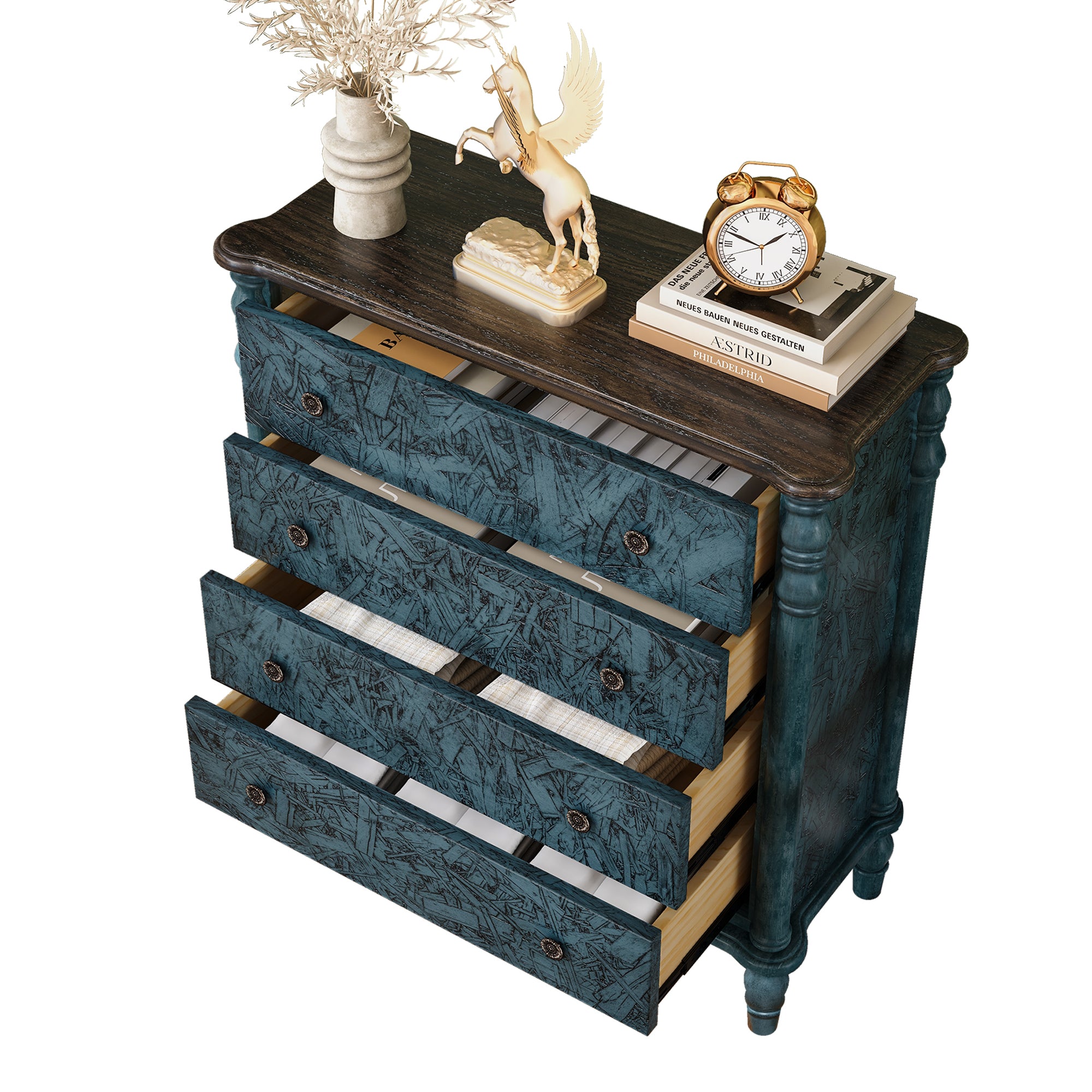
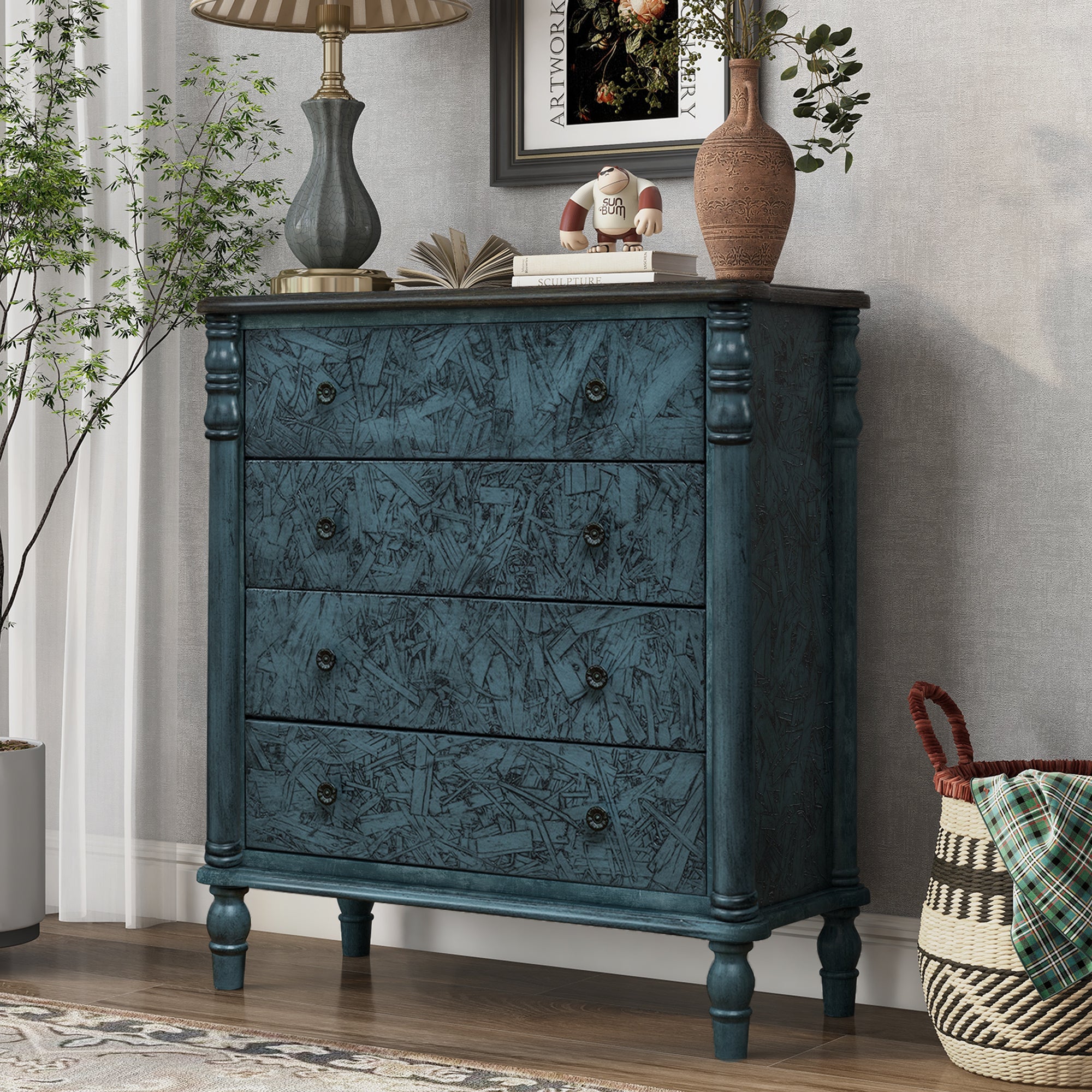
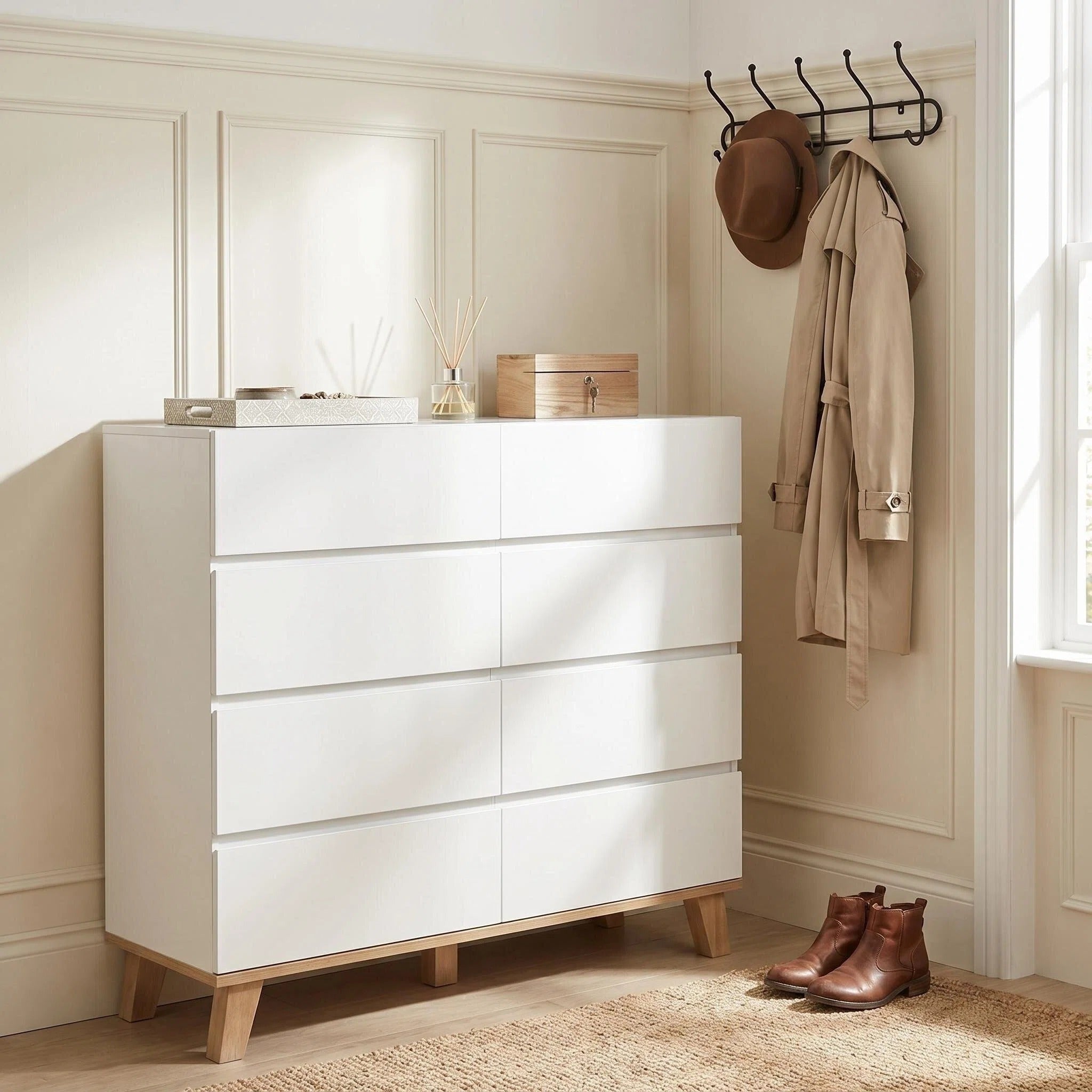
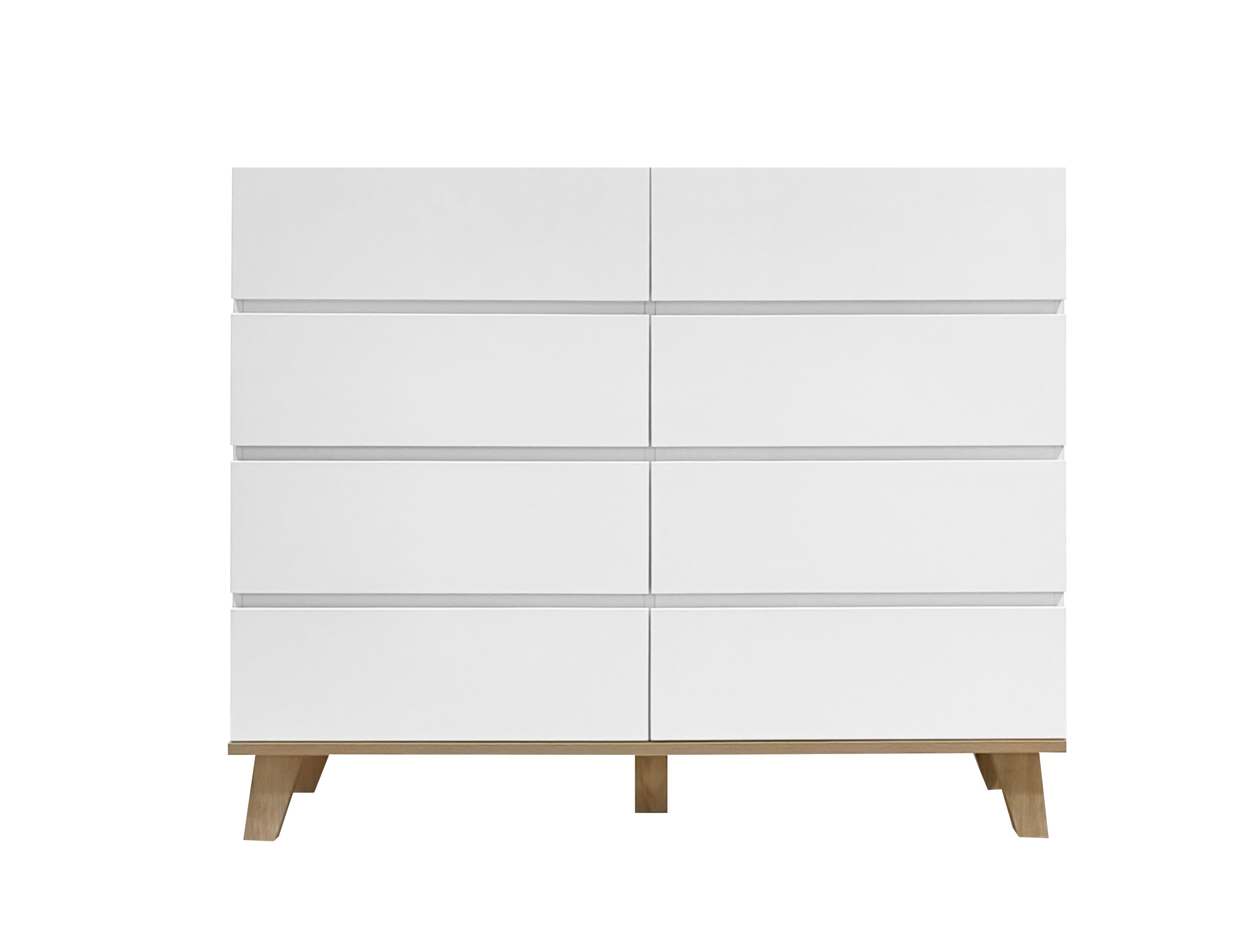
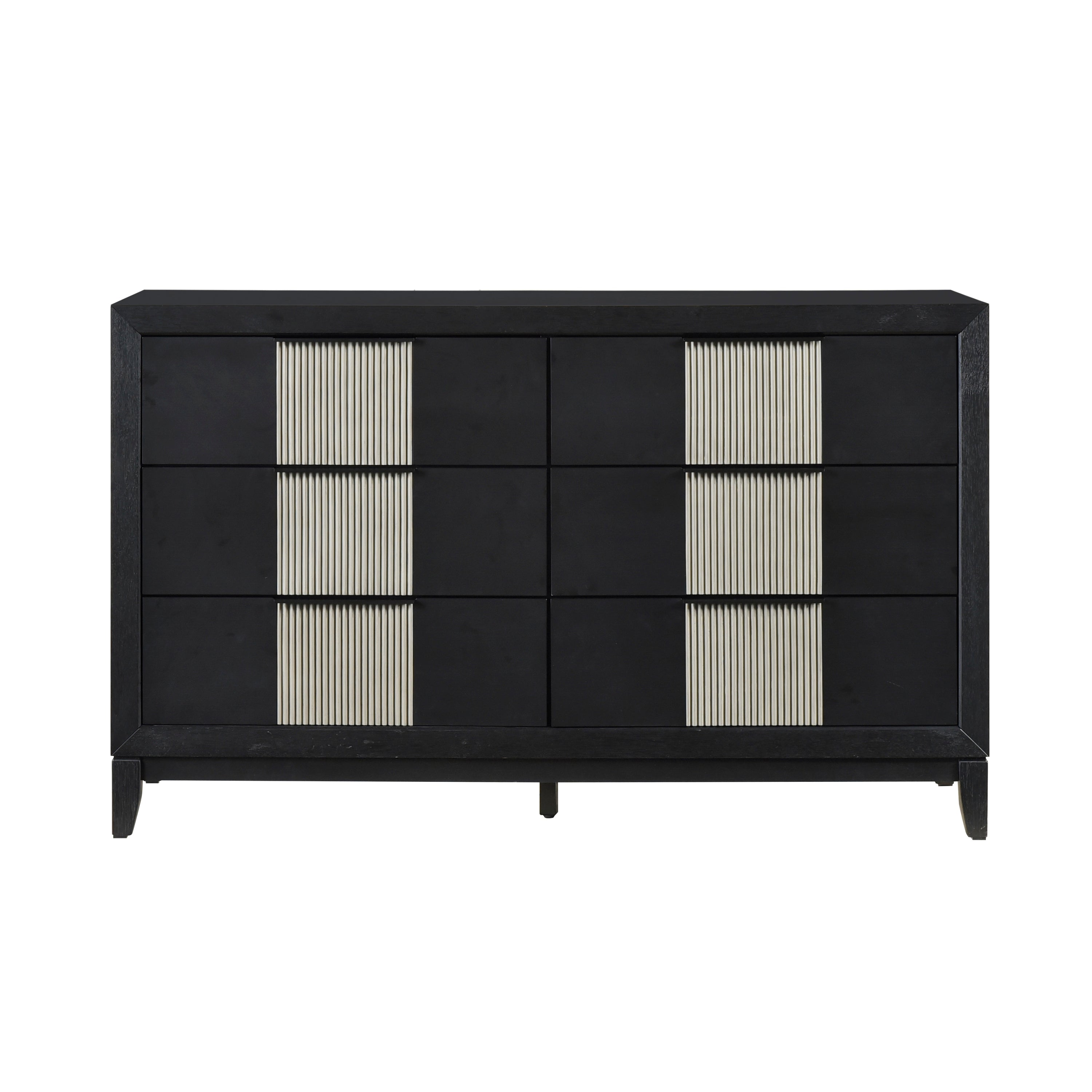
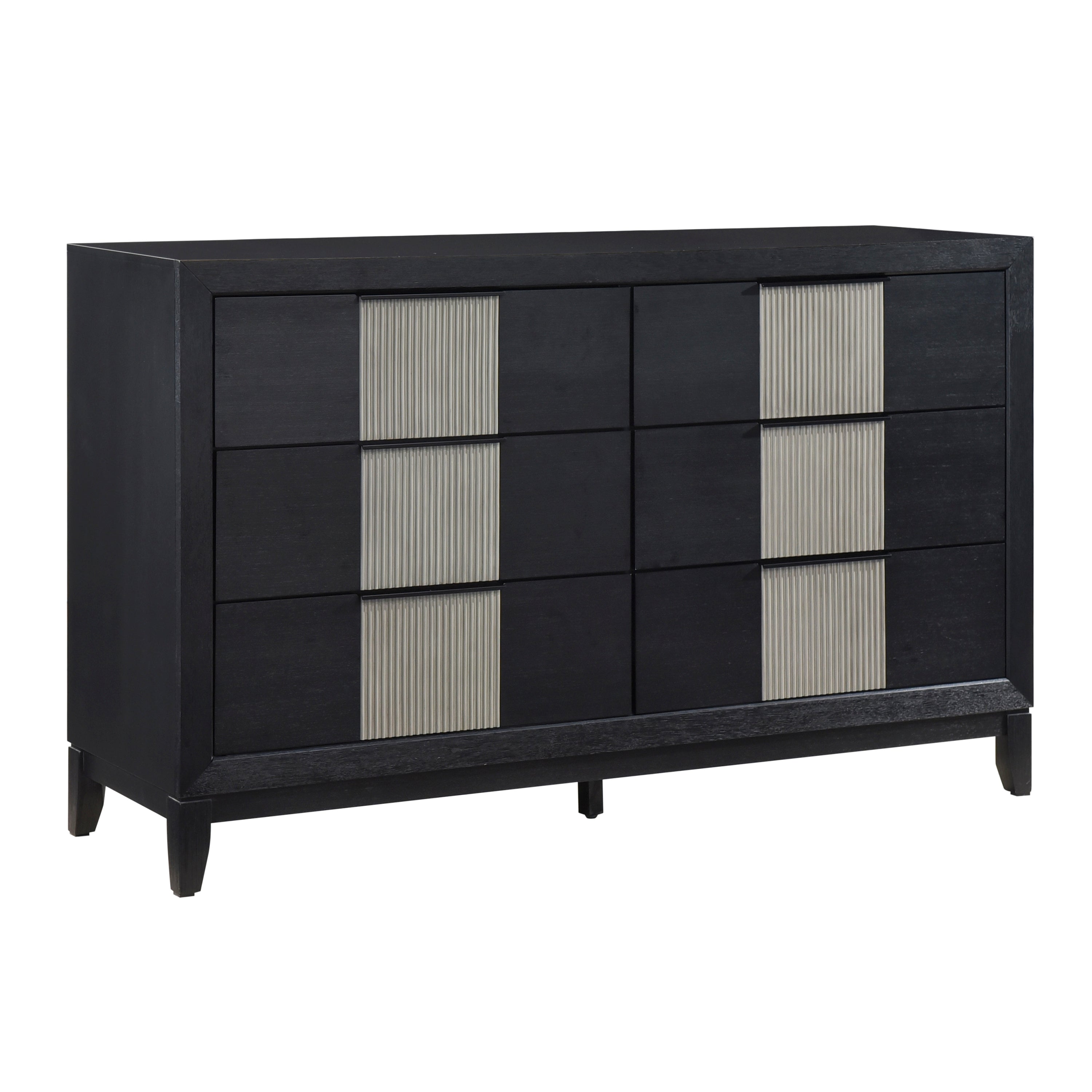
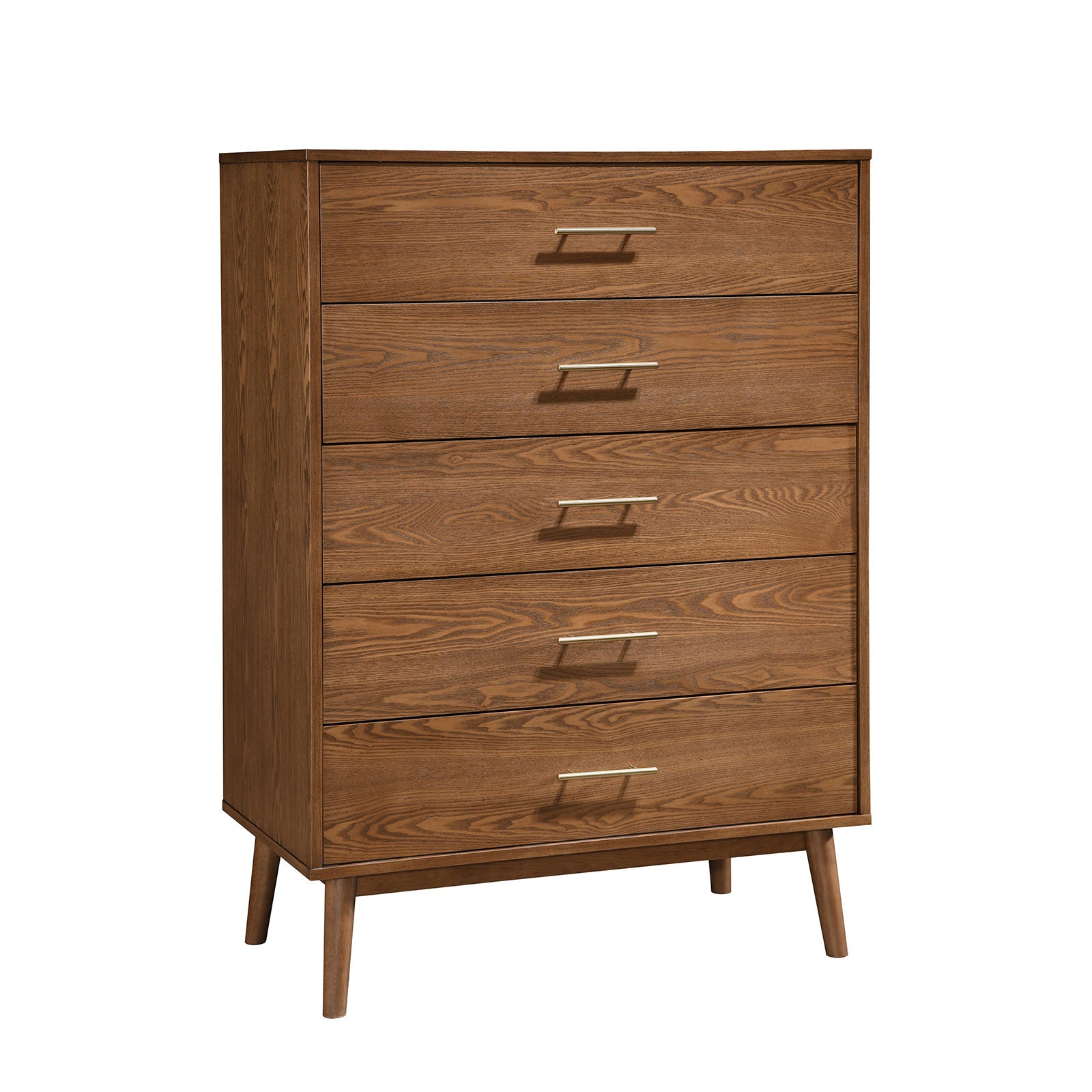
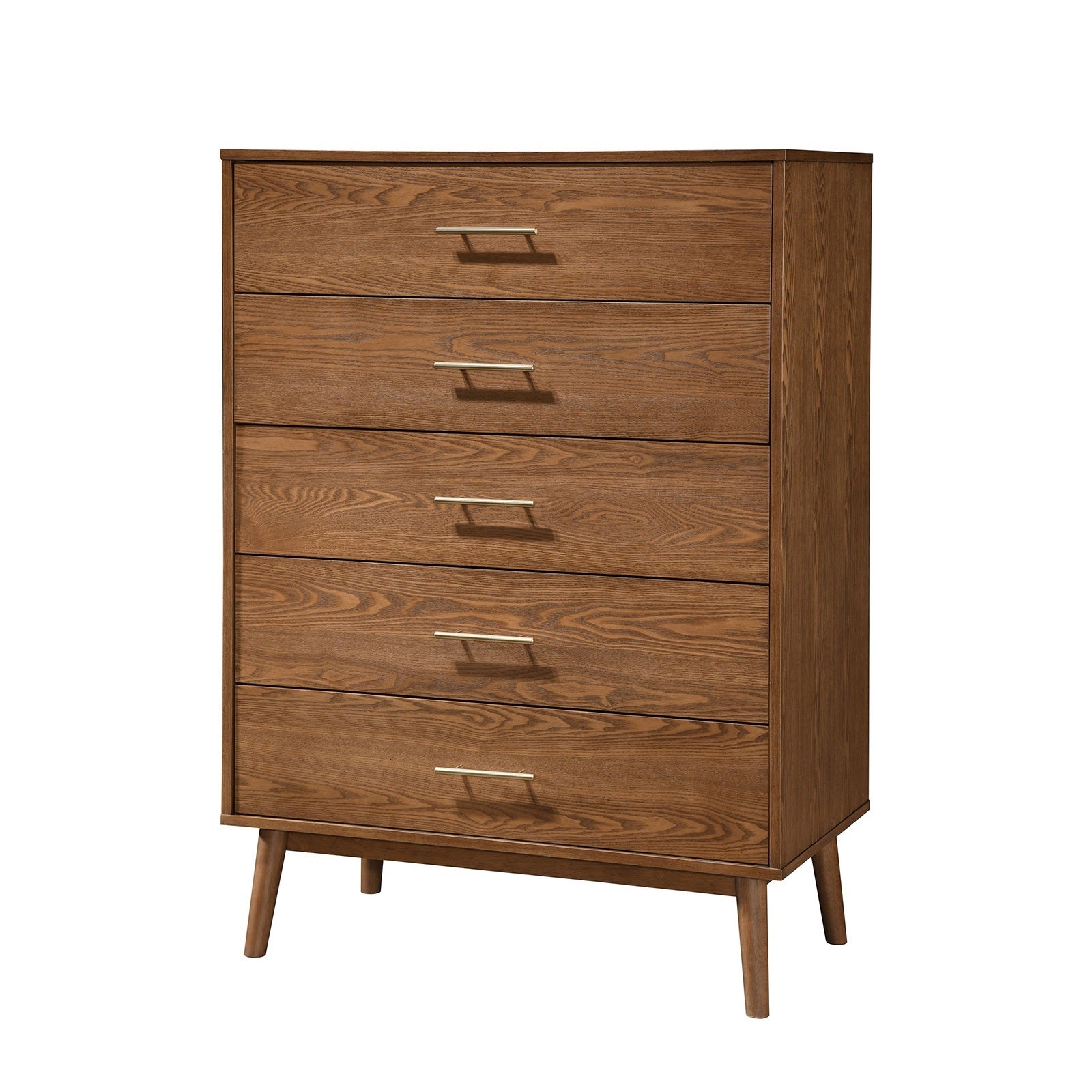
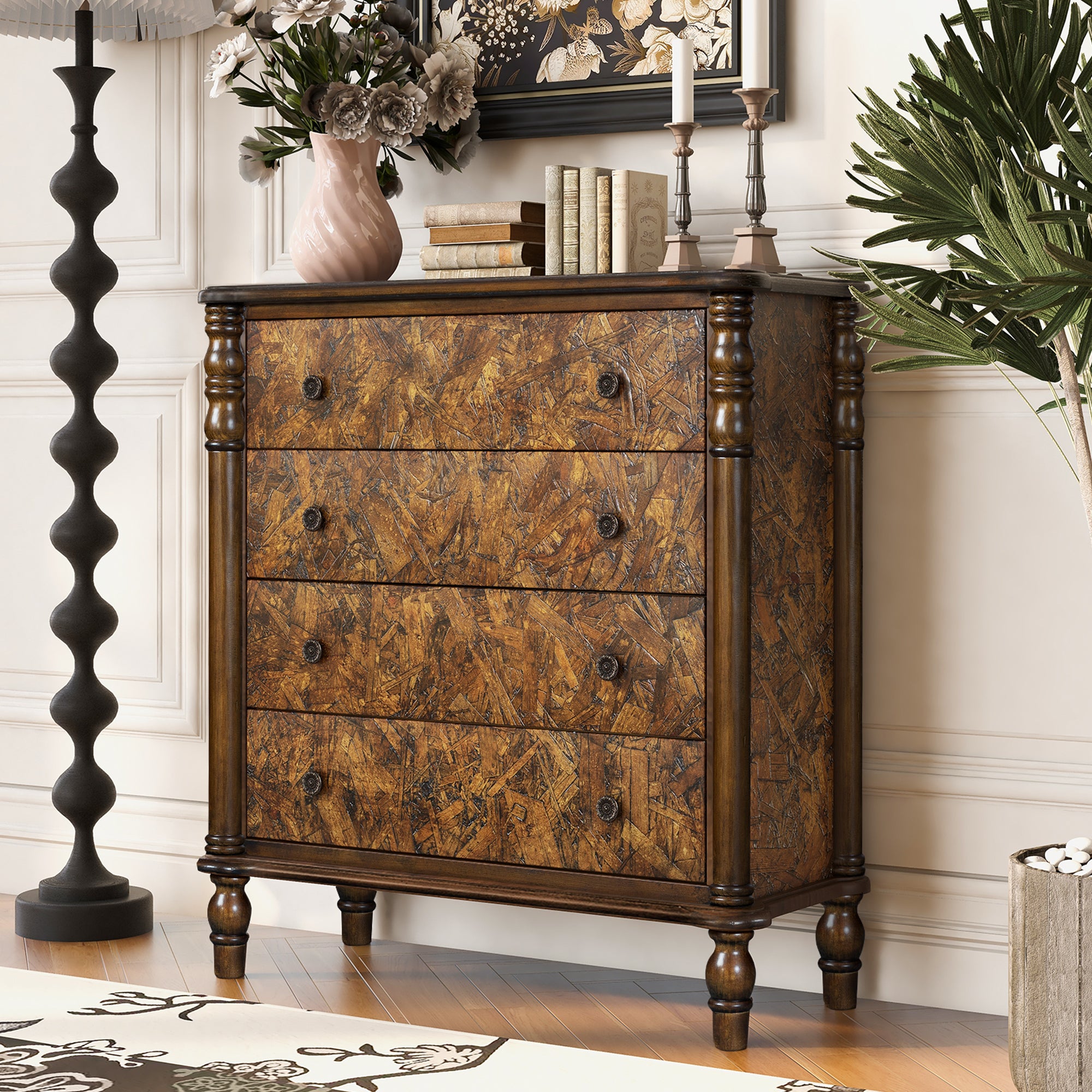
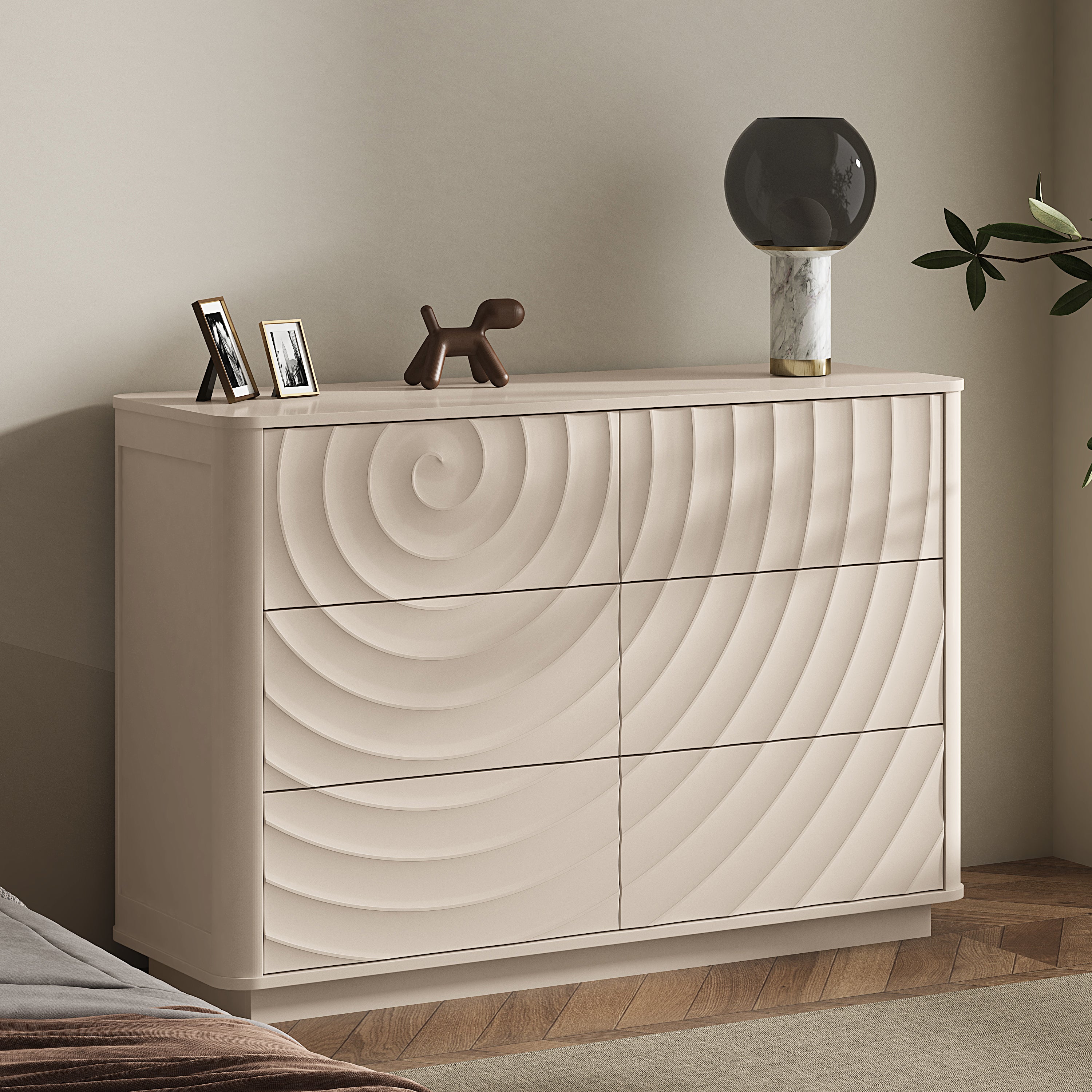
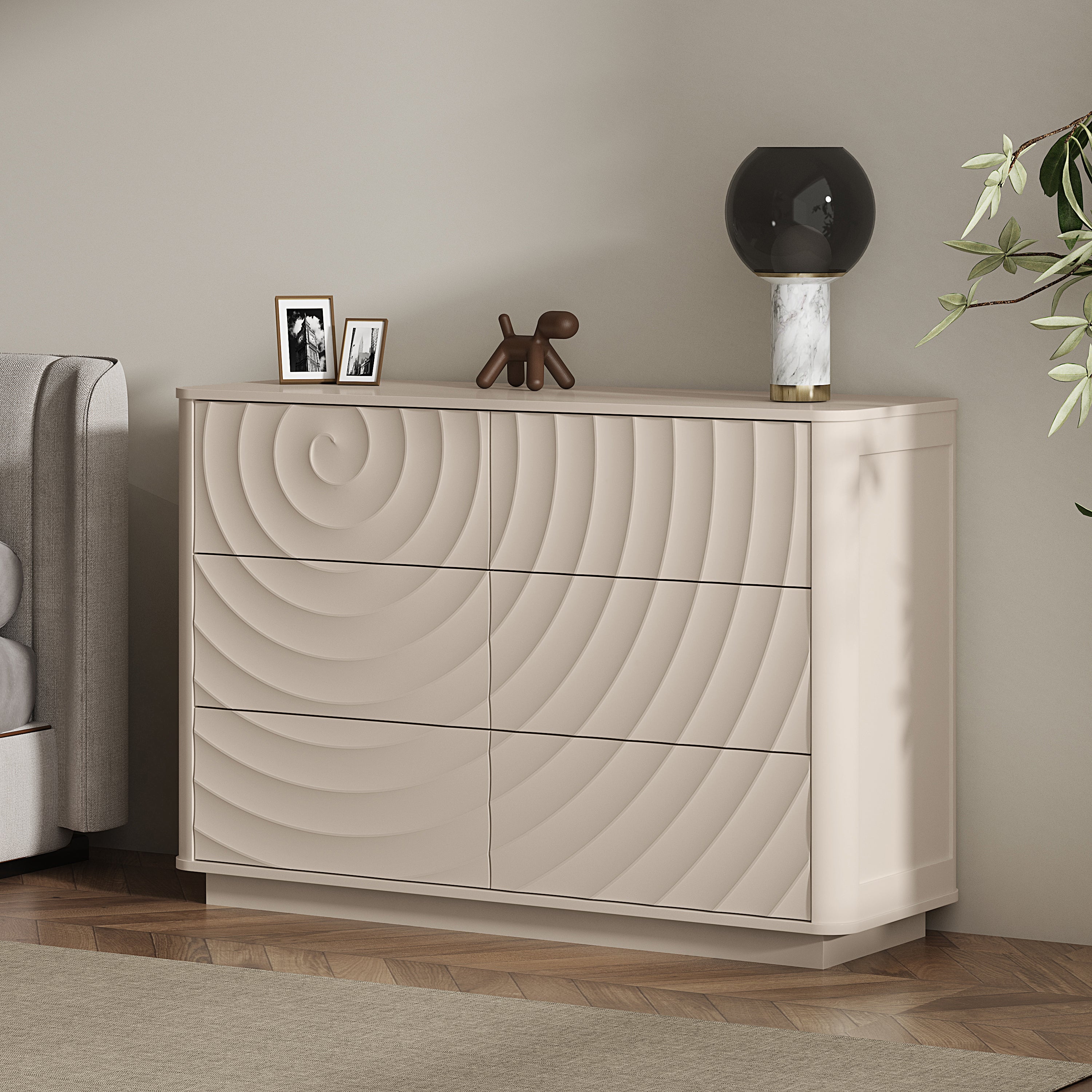
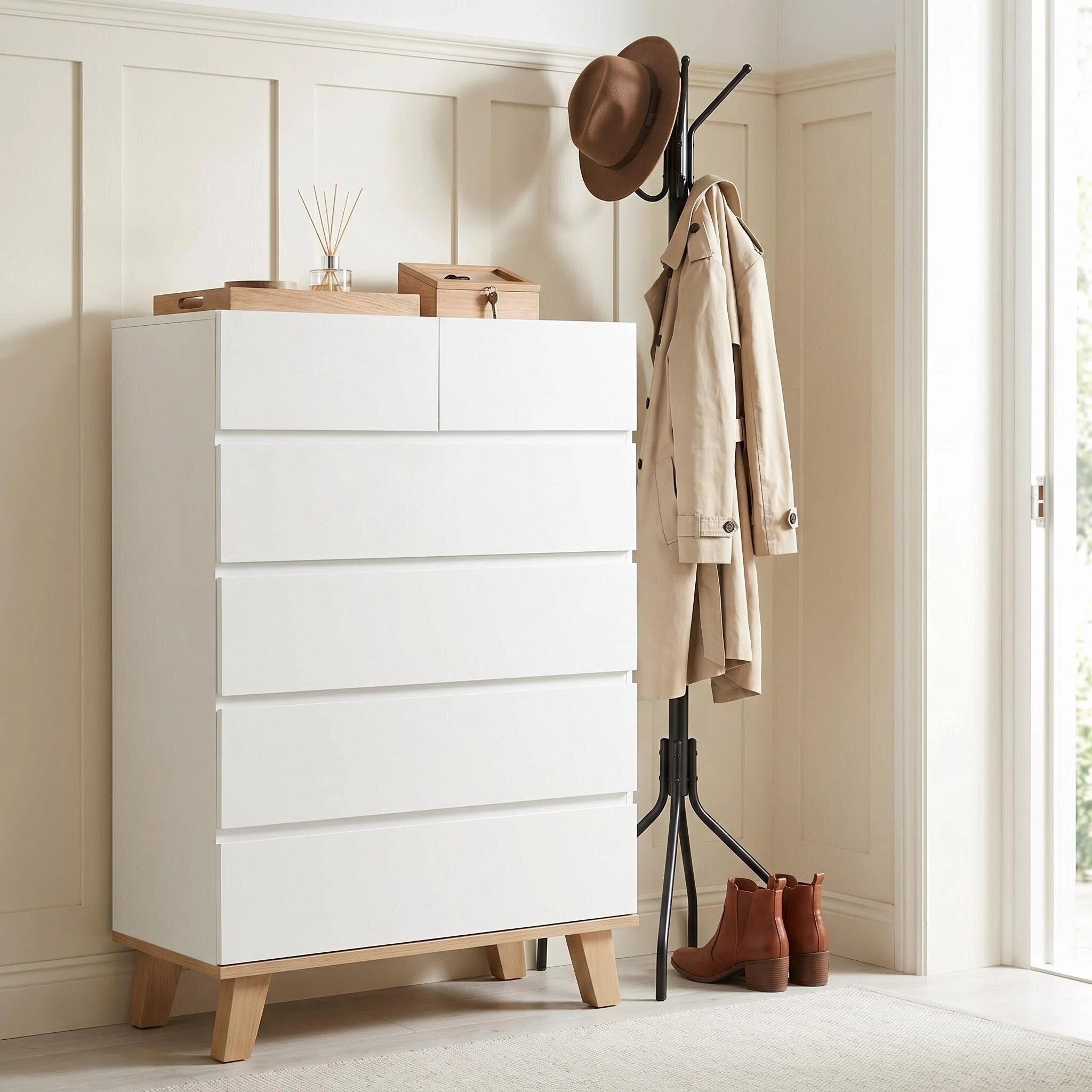
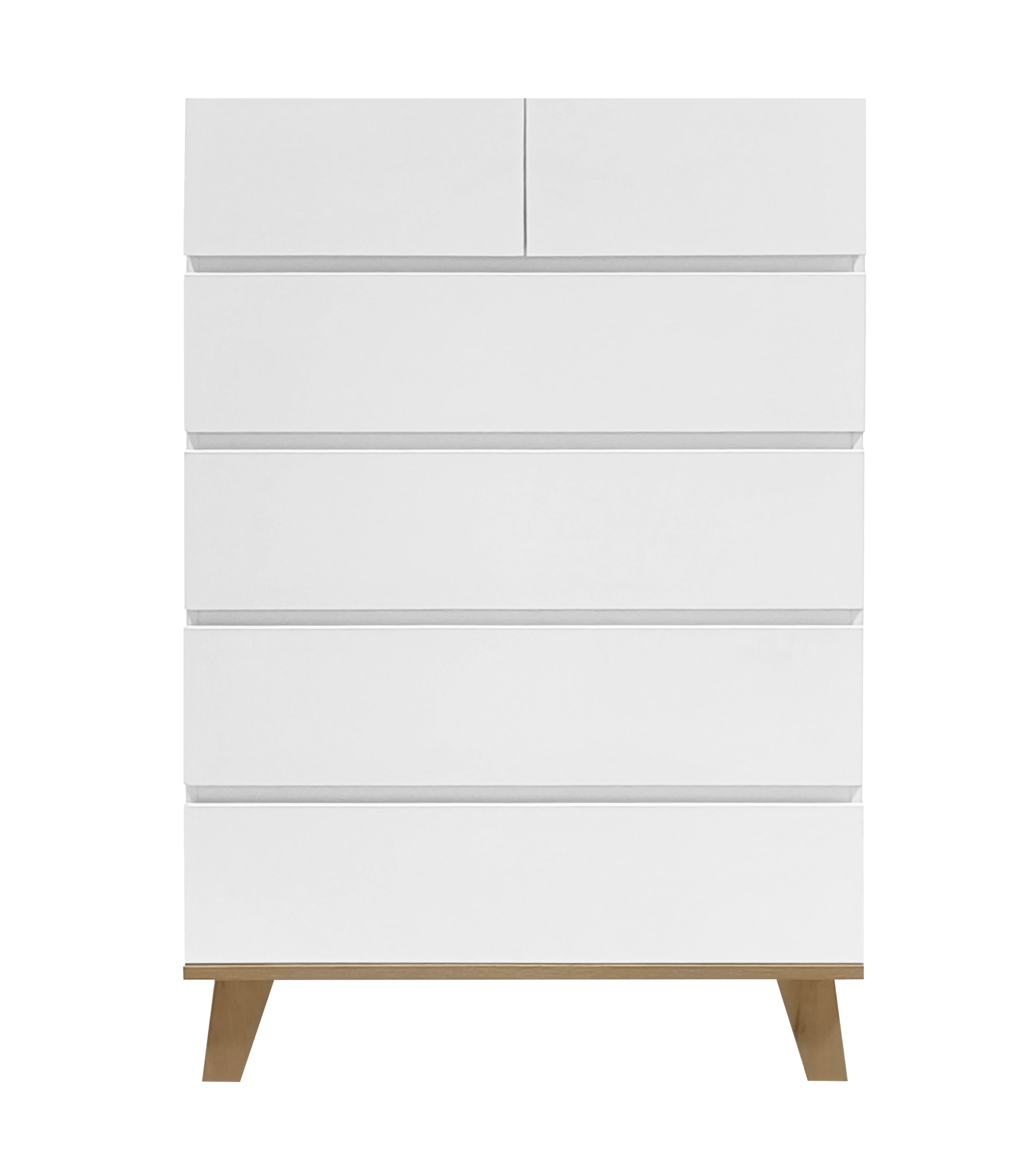
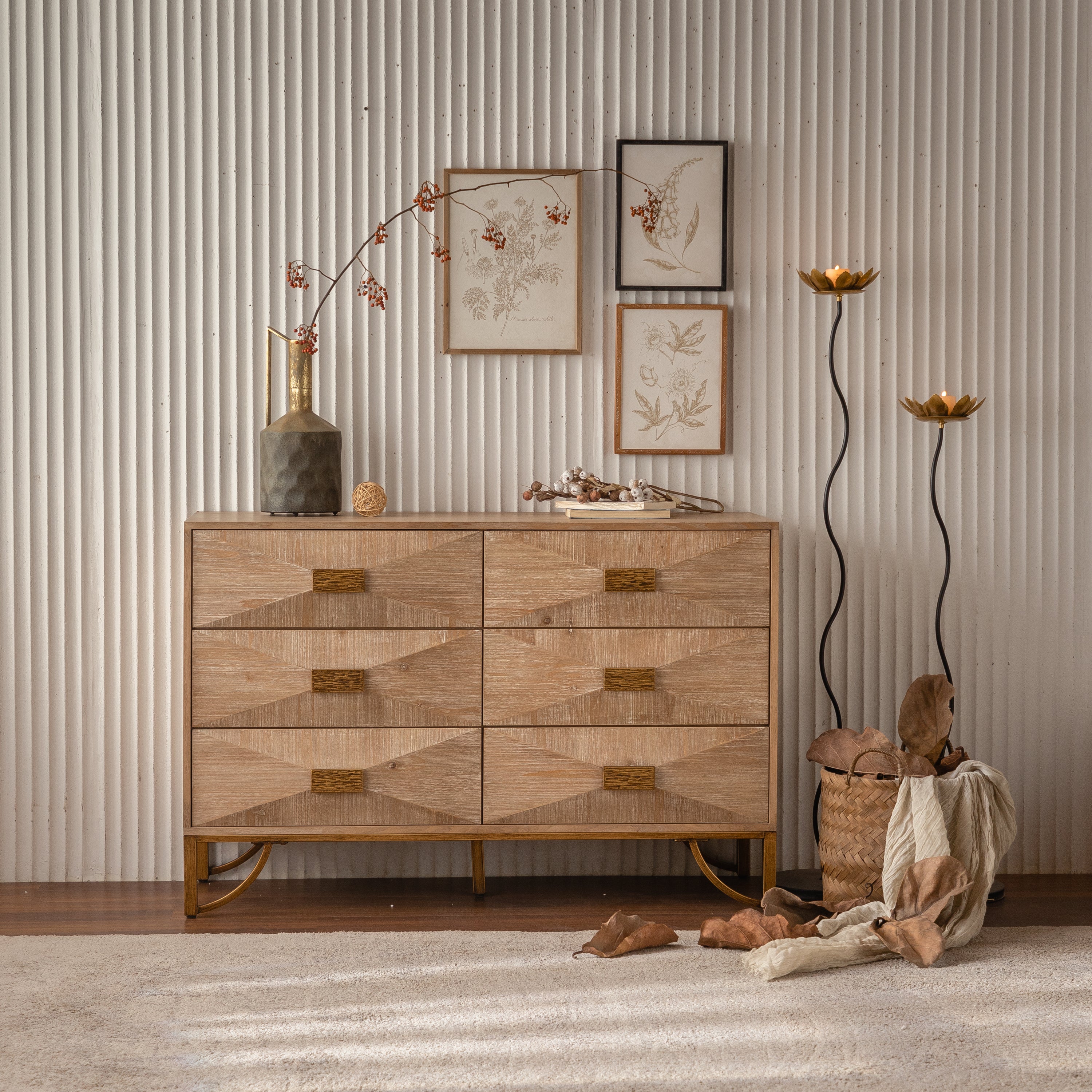
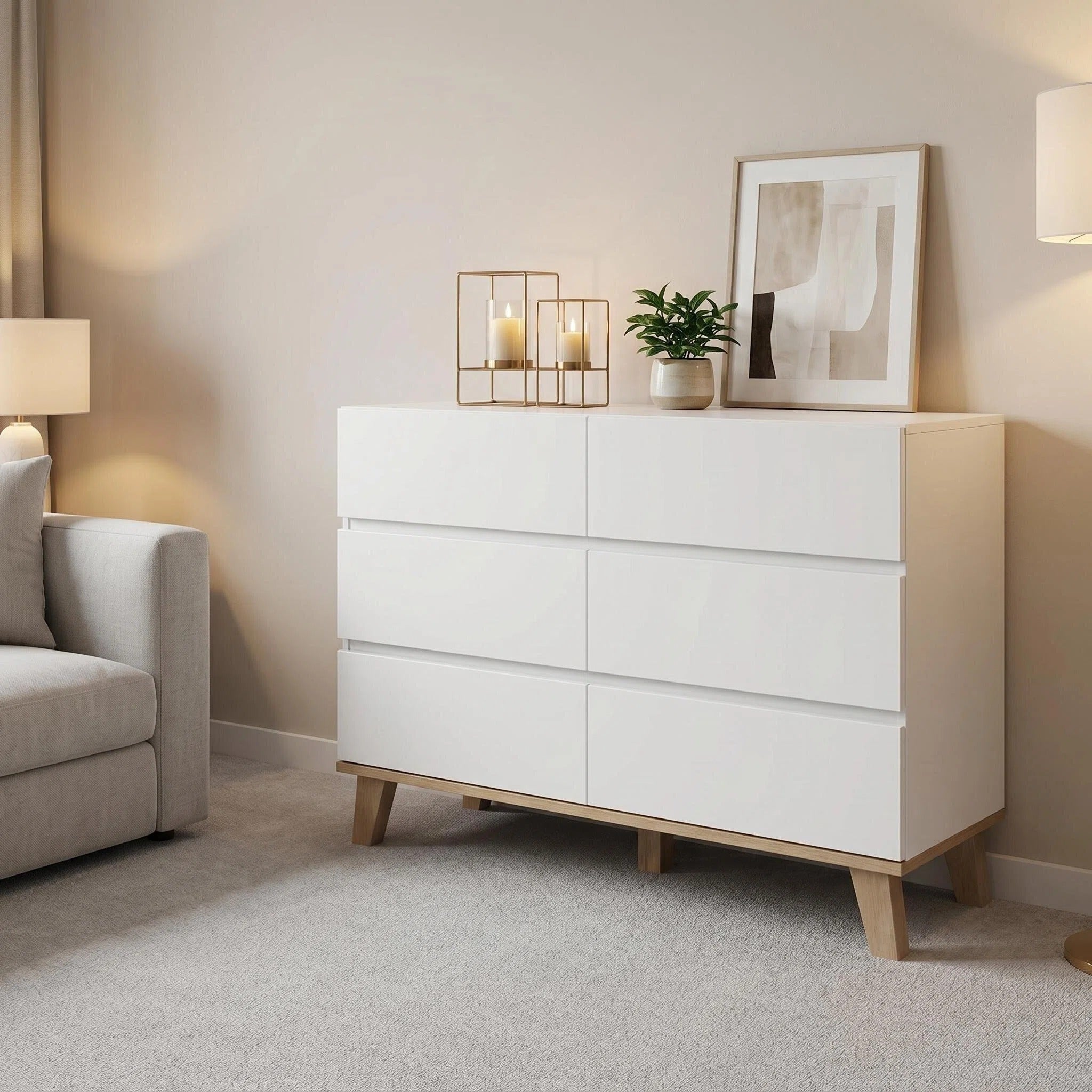
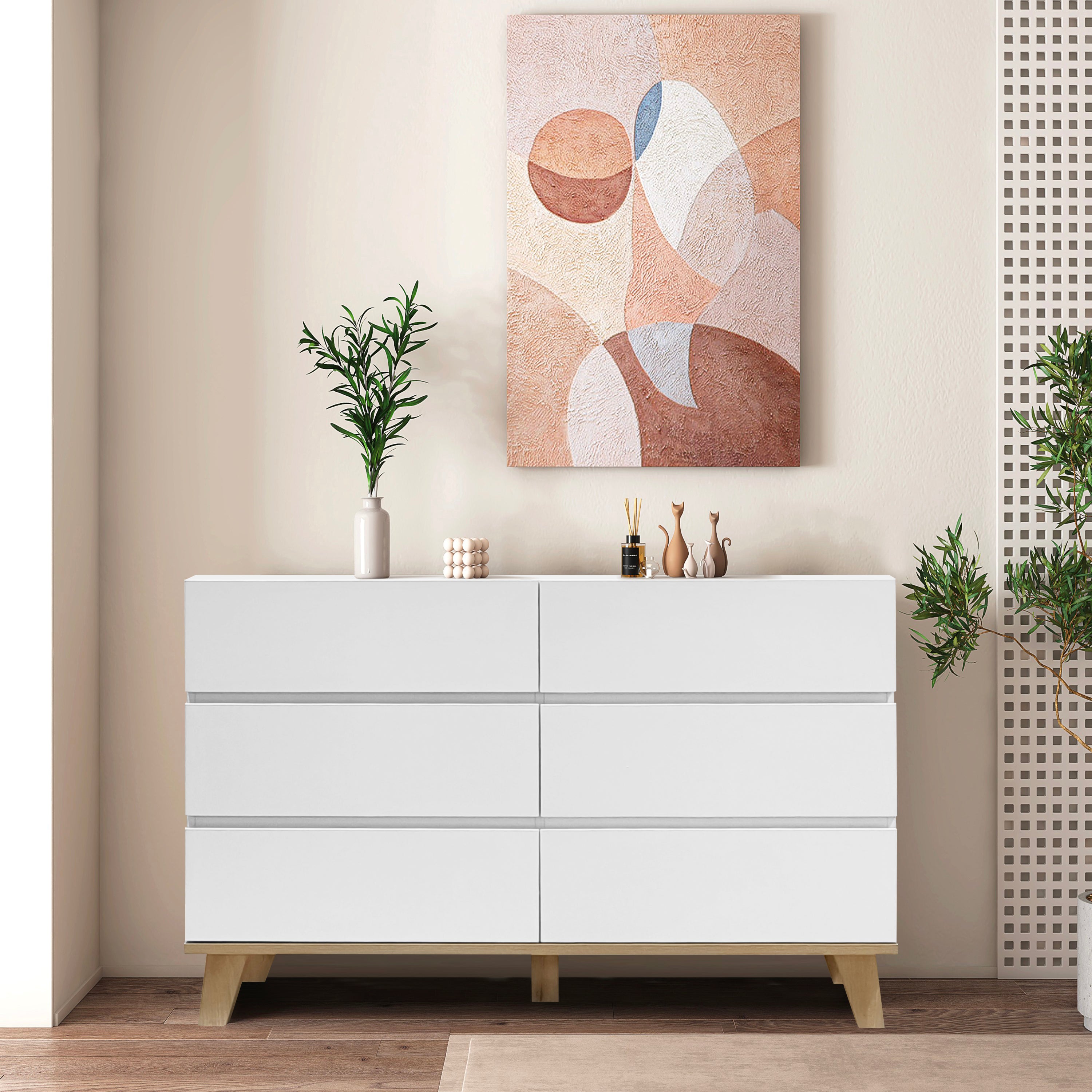
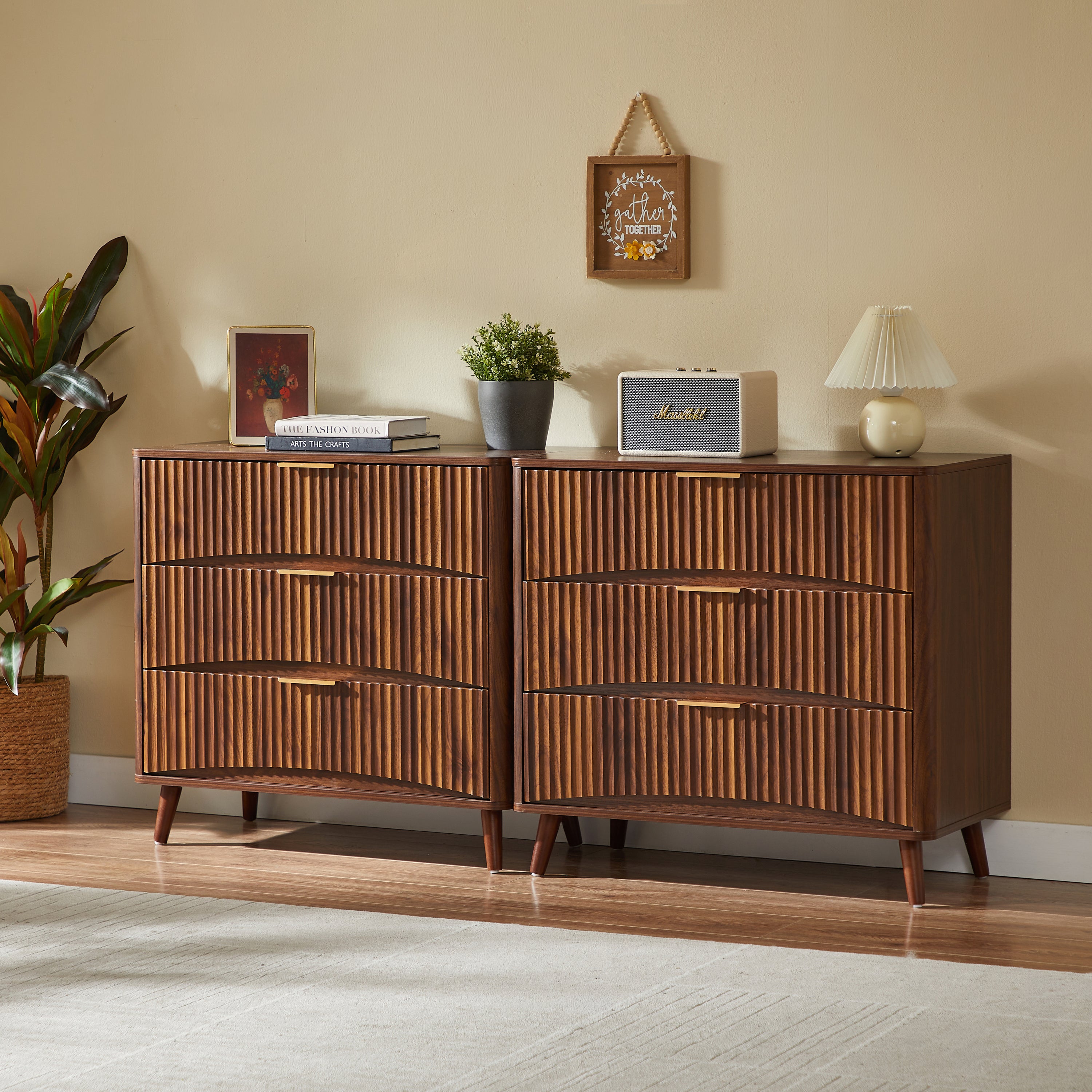
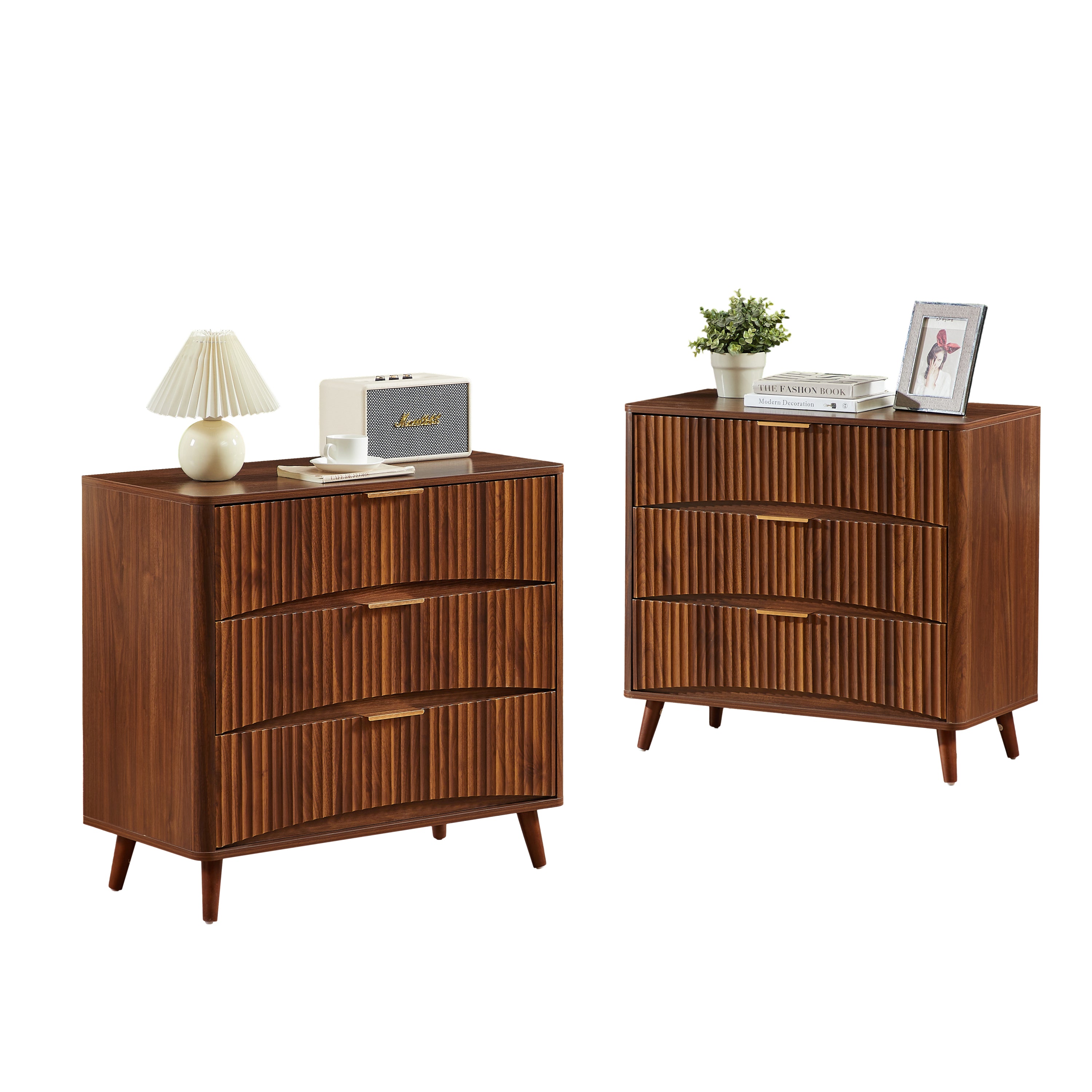
Width or height, pick one. A wide dresser, sometimes called a double dresser, runs low and long with drawers side by side. It gives you the largest usable top surface in the bedroom, which is why it is the piece people put a mirror or a television on. A tall chest of drawers stacks the same storage vertically and takes up far less wall. If you have wall to spare, go wide; if you are working around a door swing, a radiator or a window, go tall. Some models are offered as a matched pair of narrow chests, which lets you flank a bed or a window without one bulky piece.
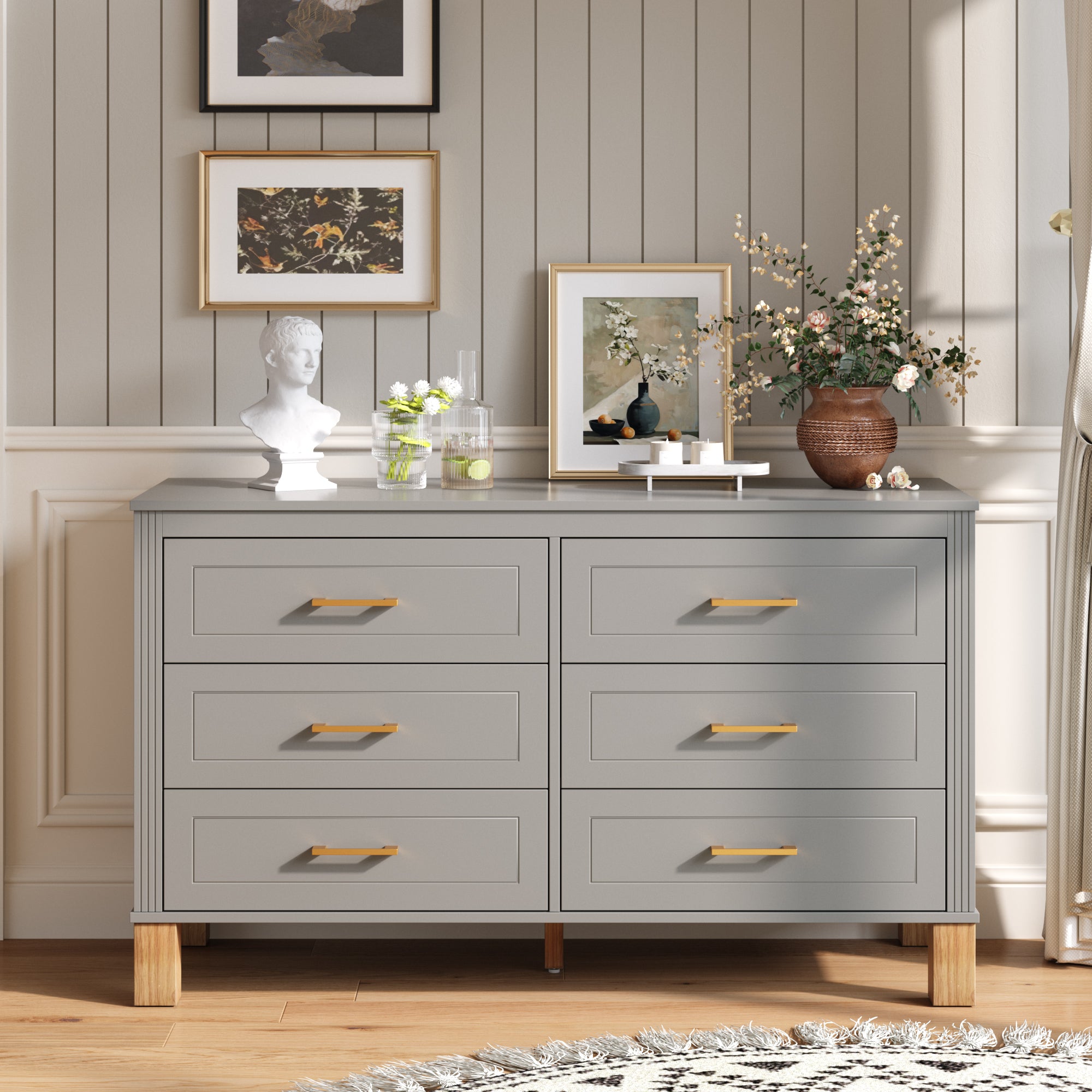
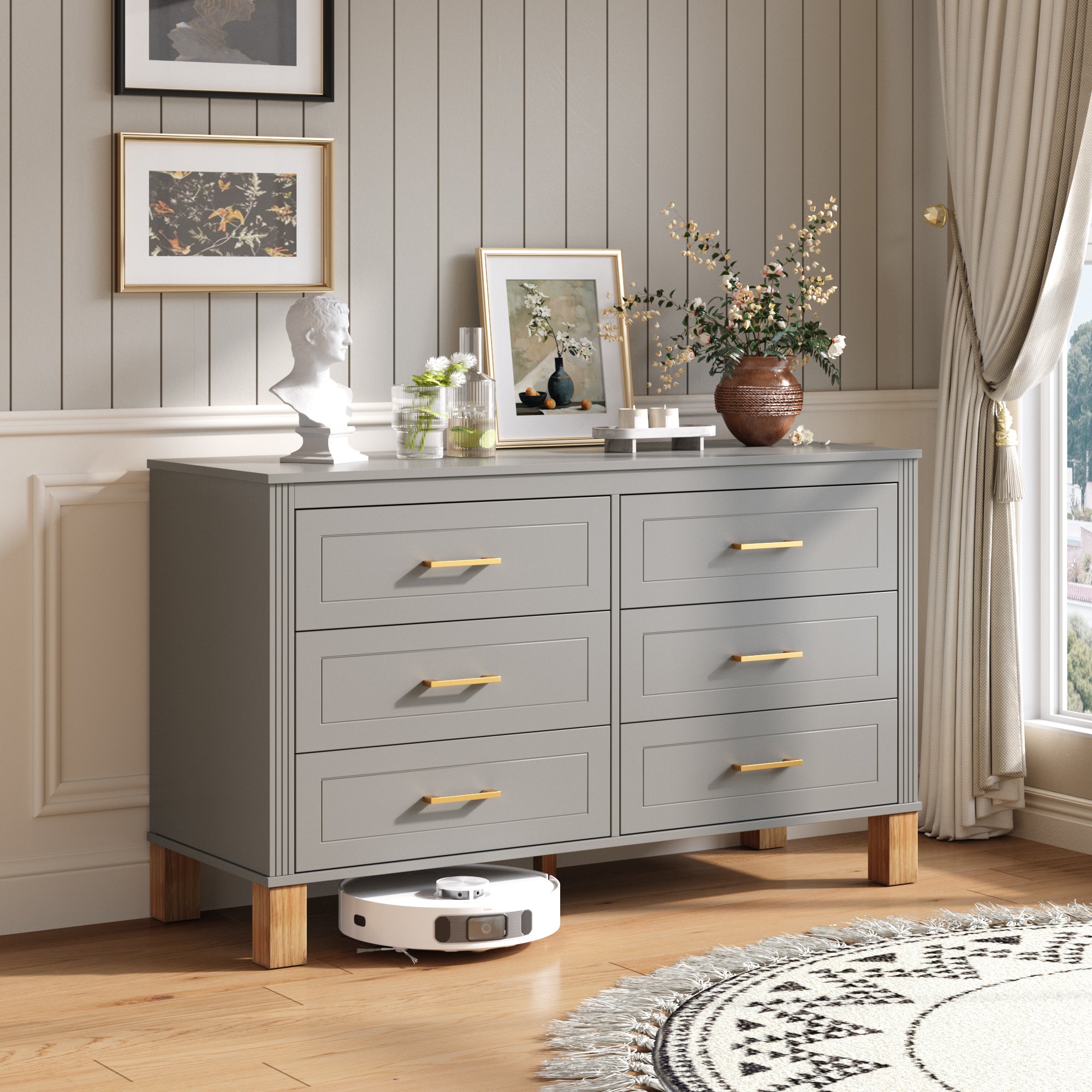
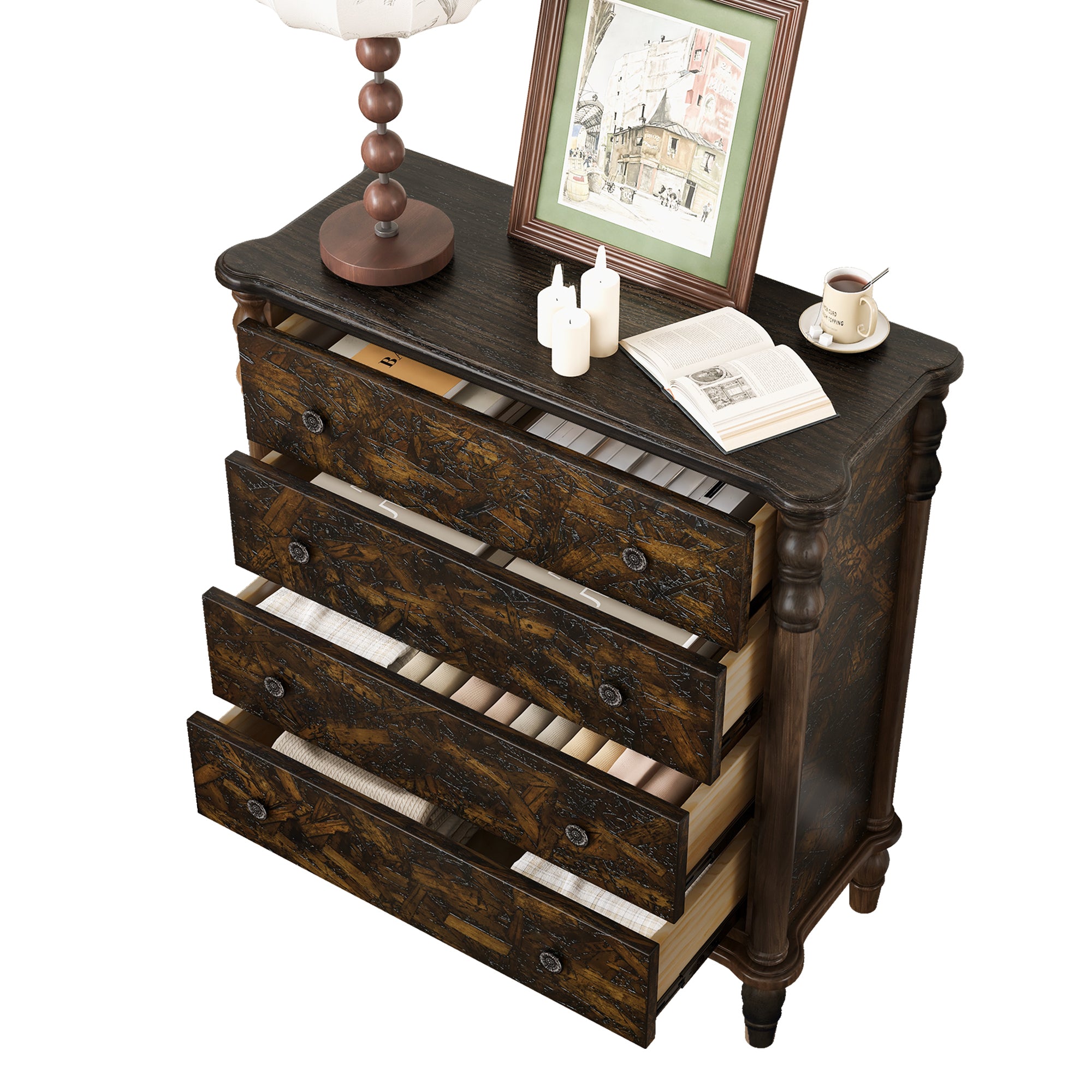
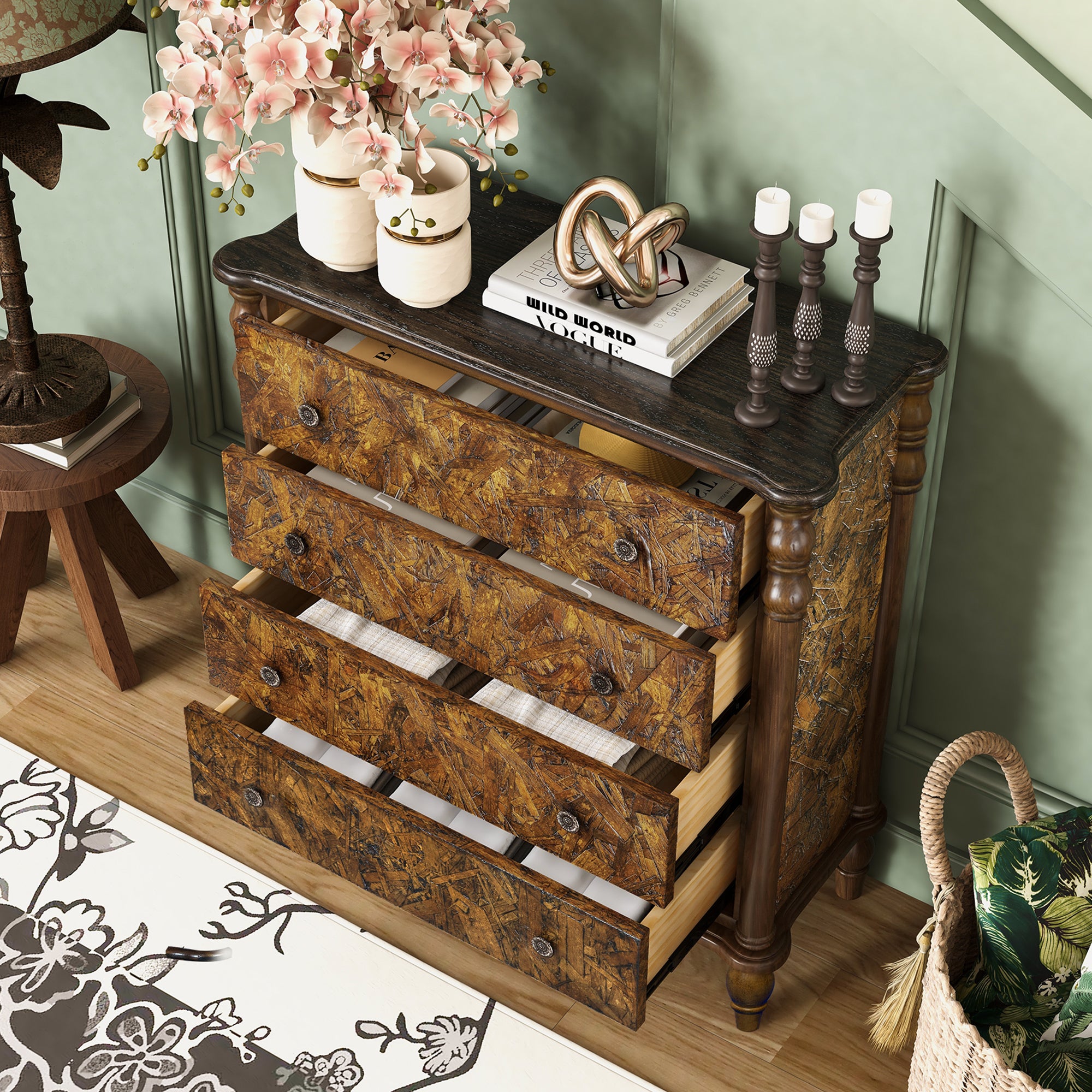
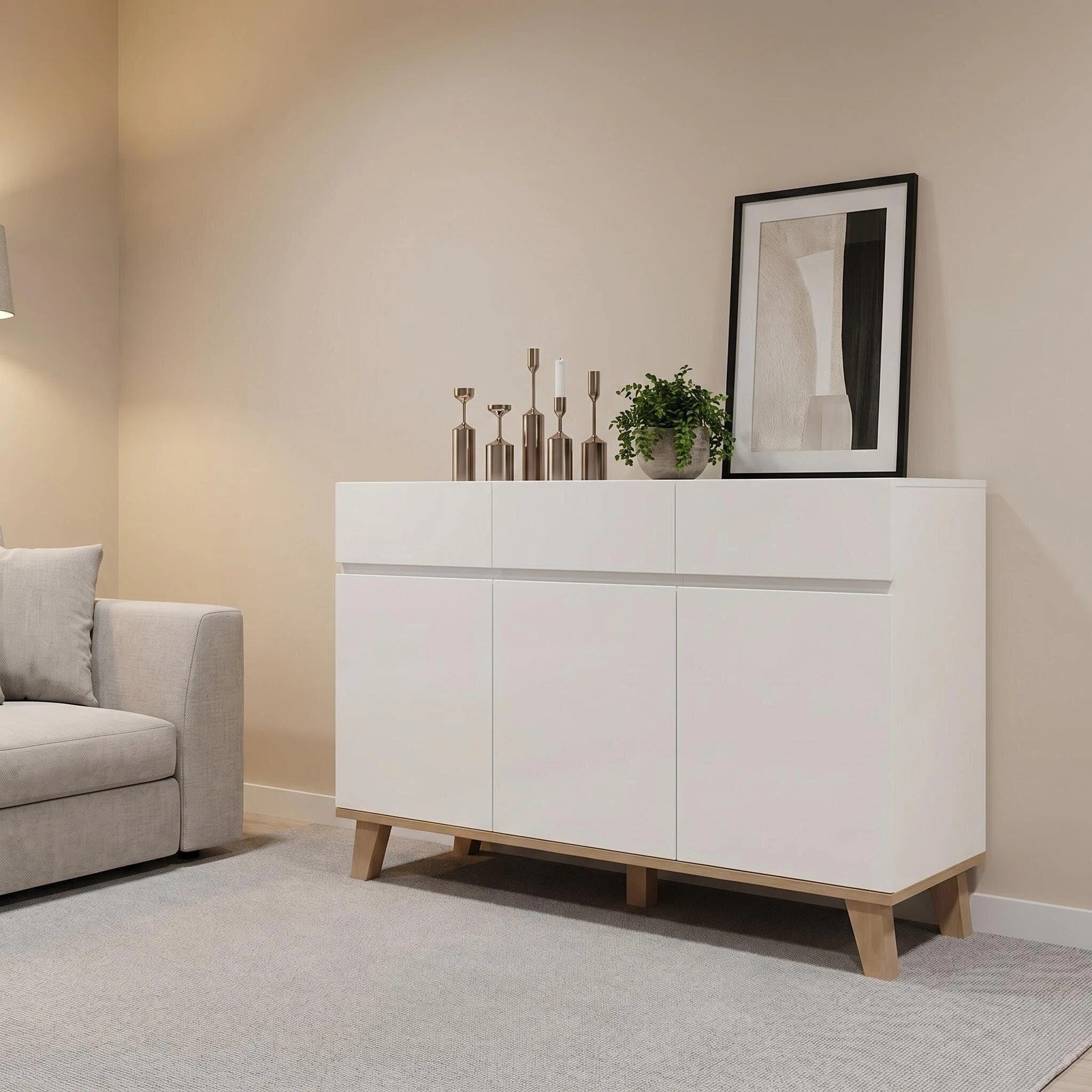
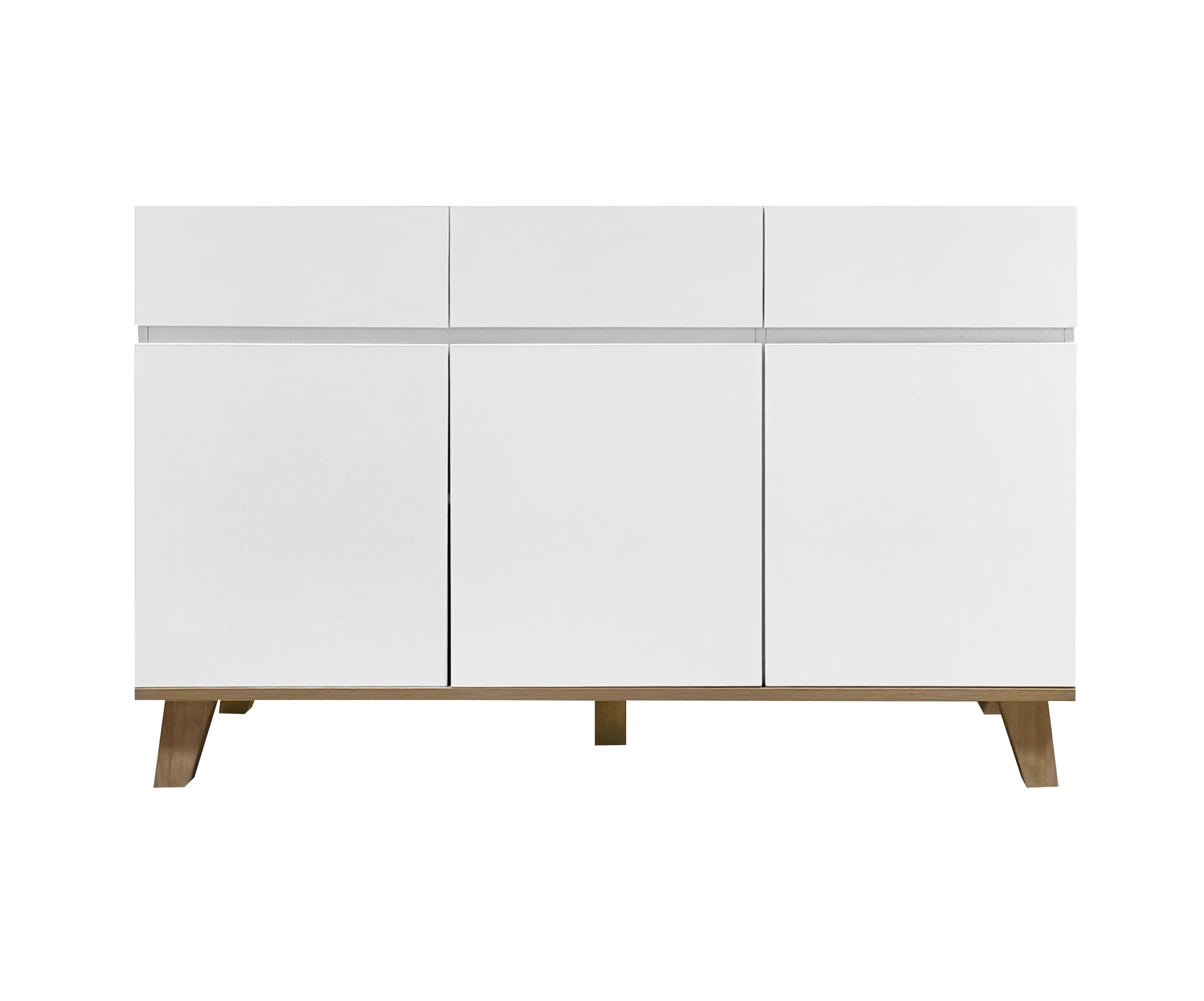
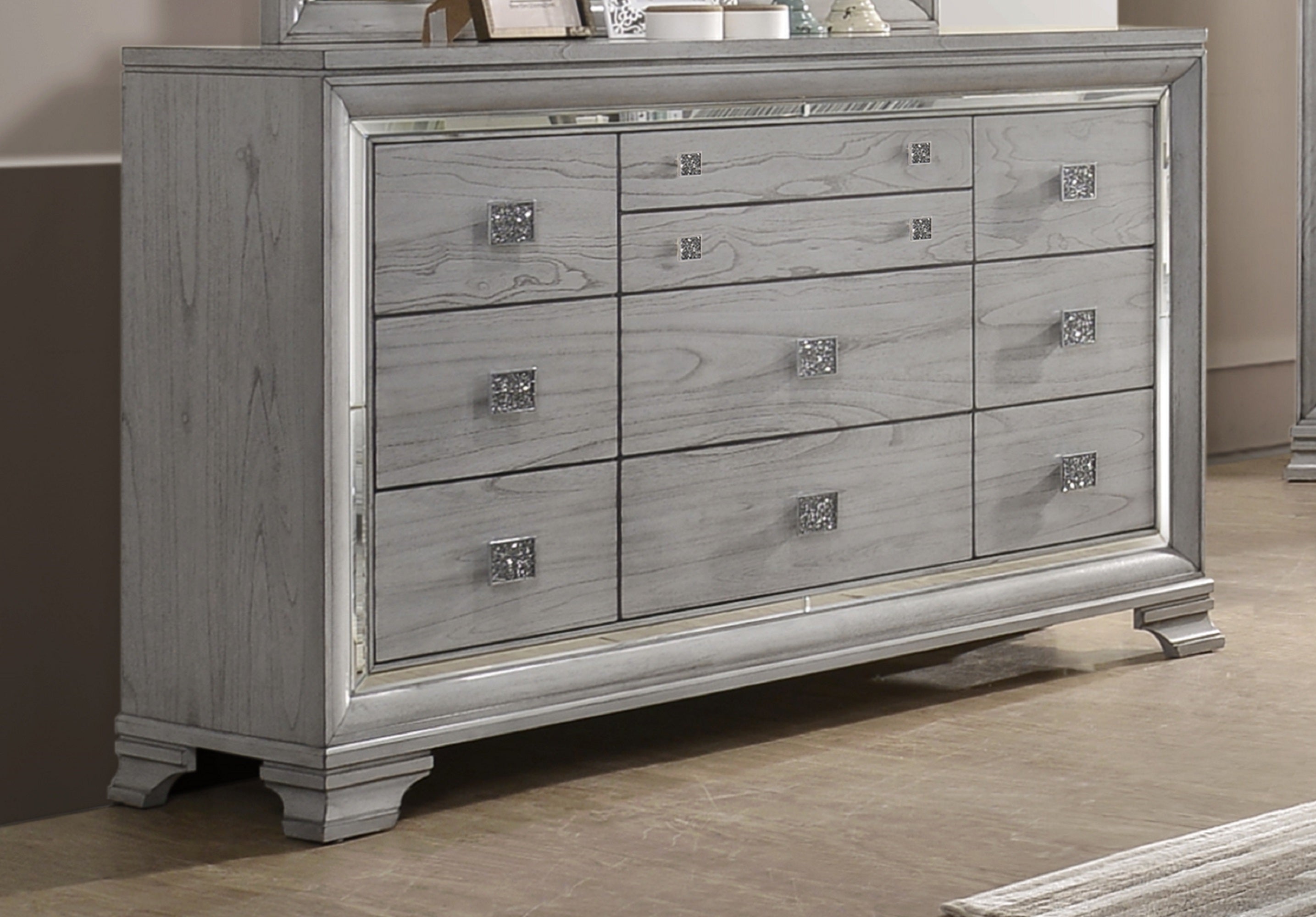
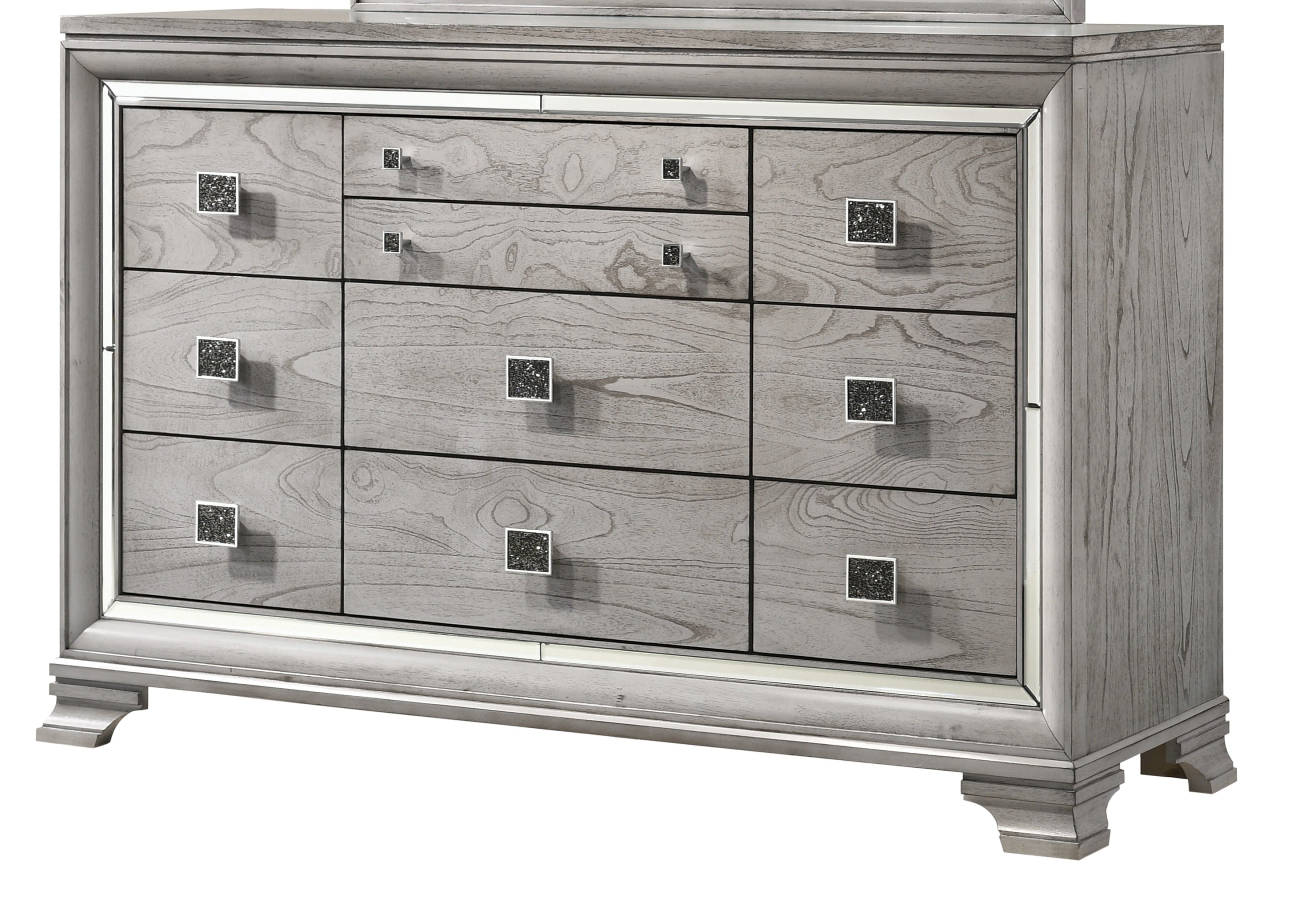
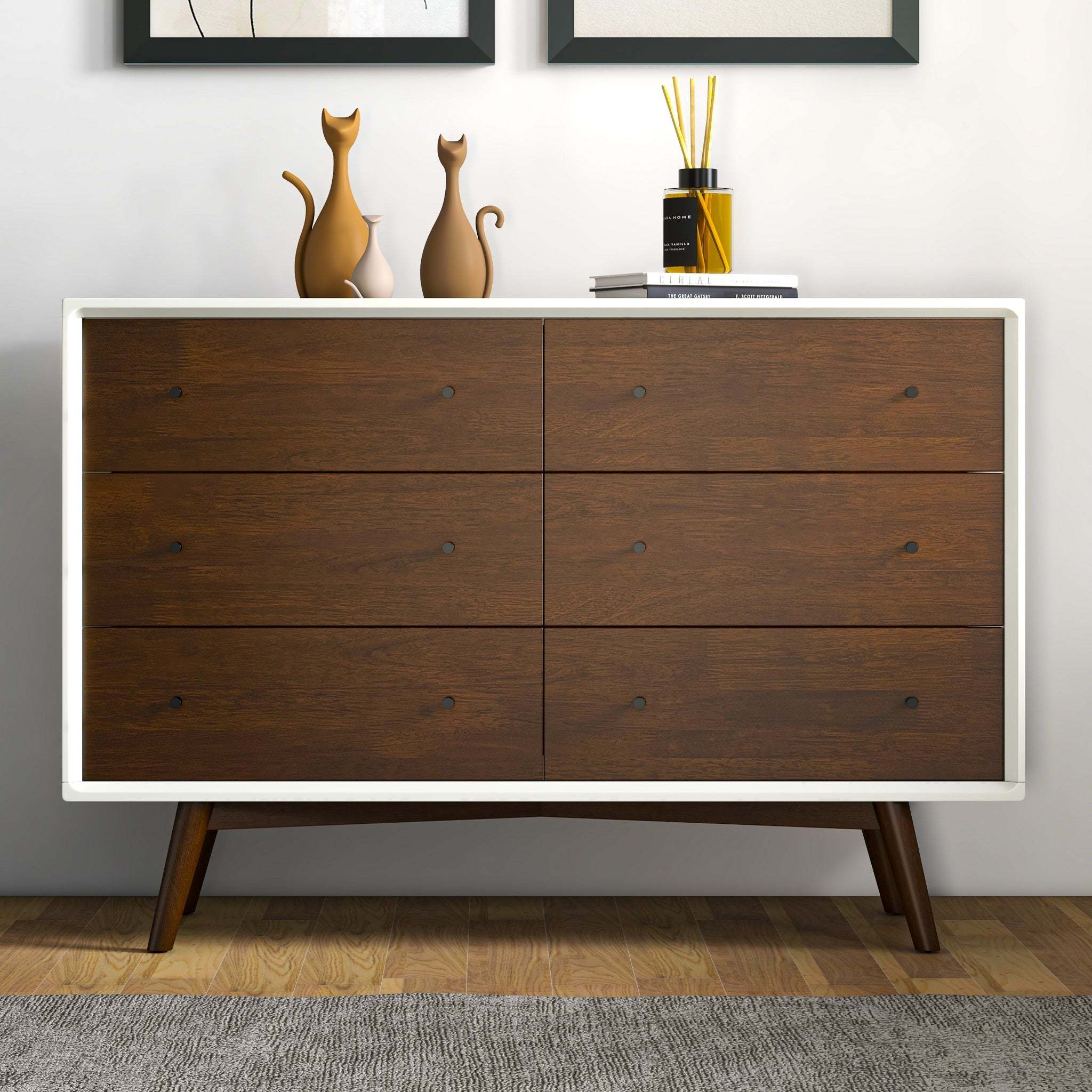
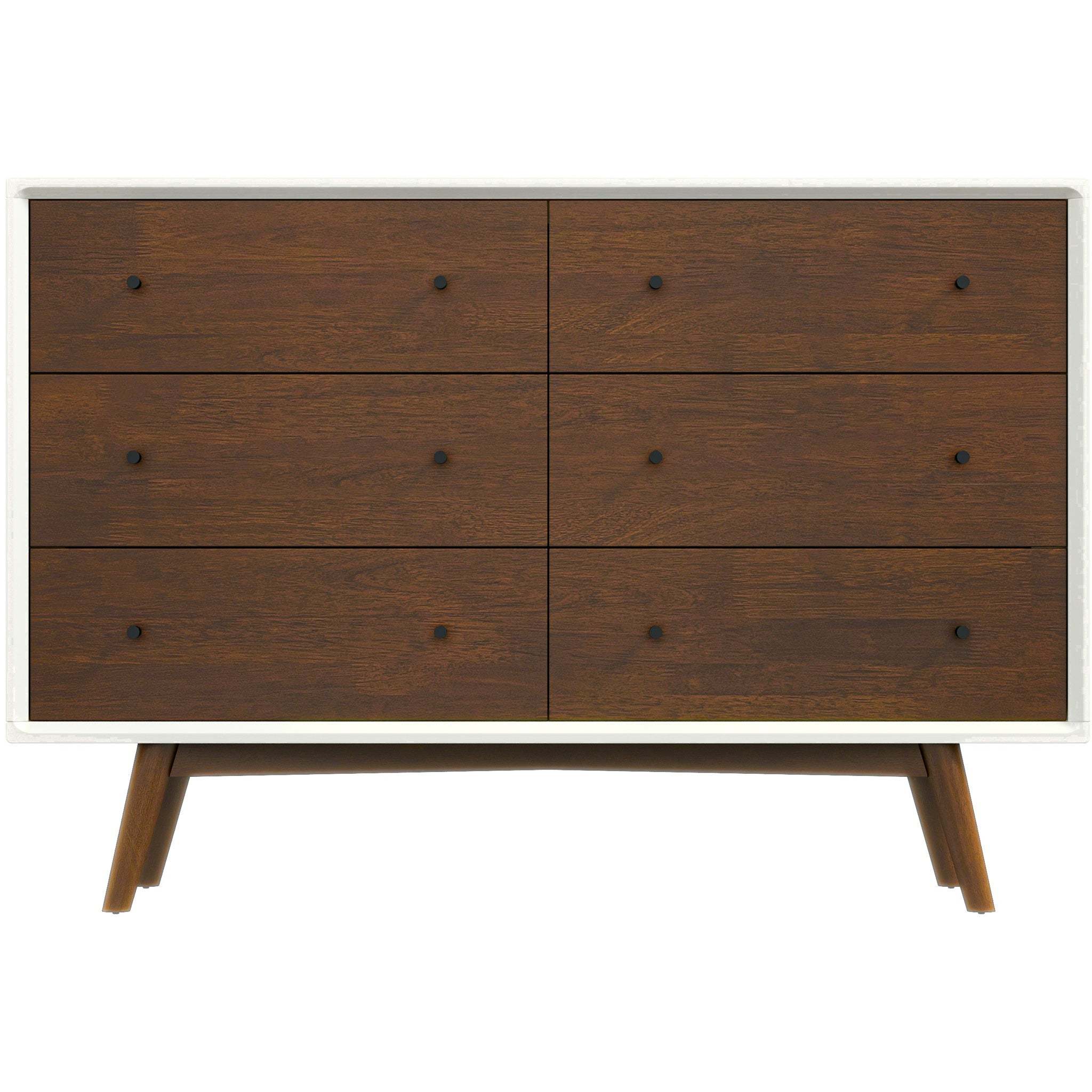
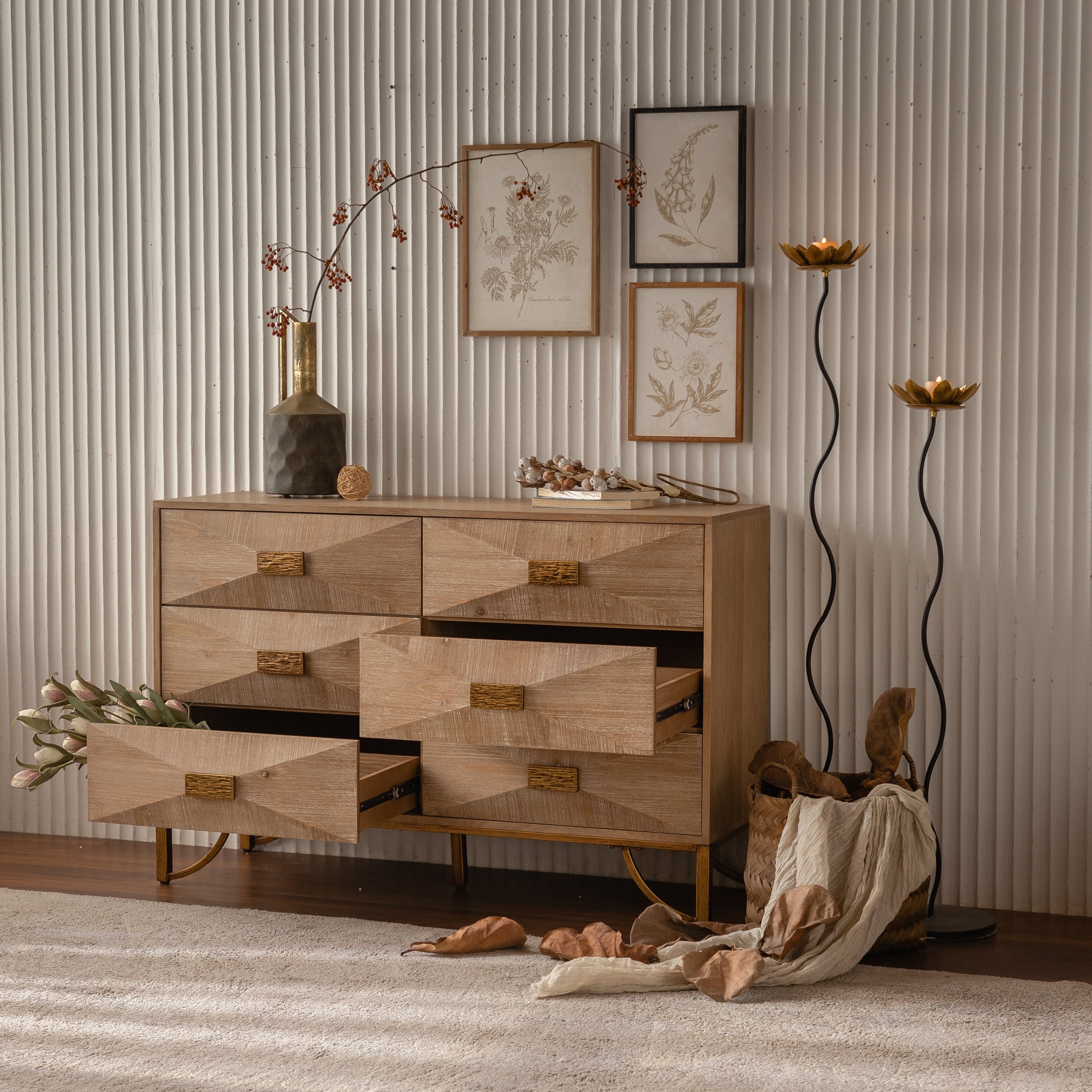
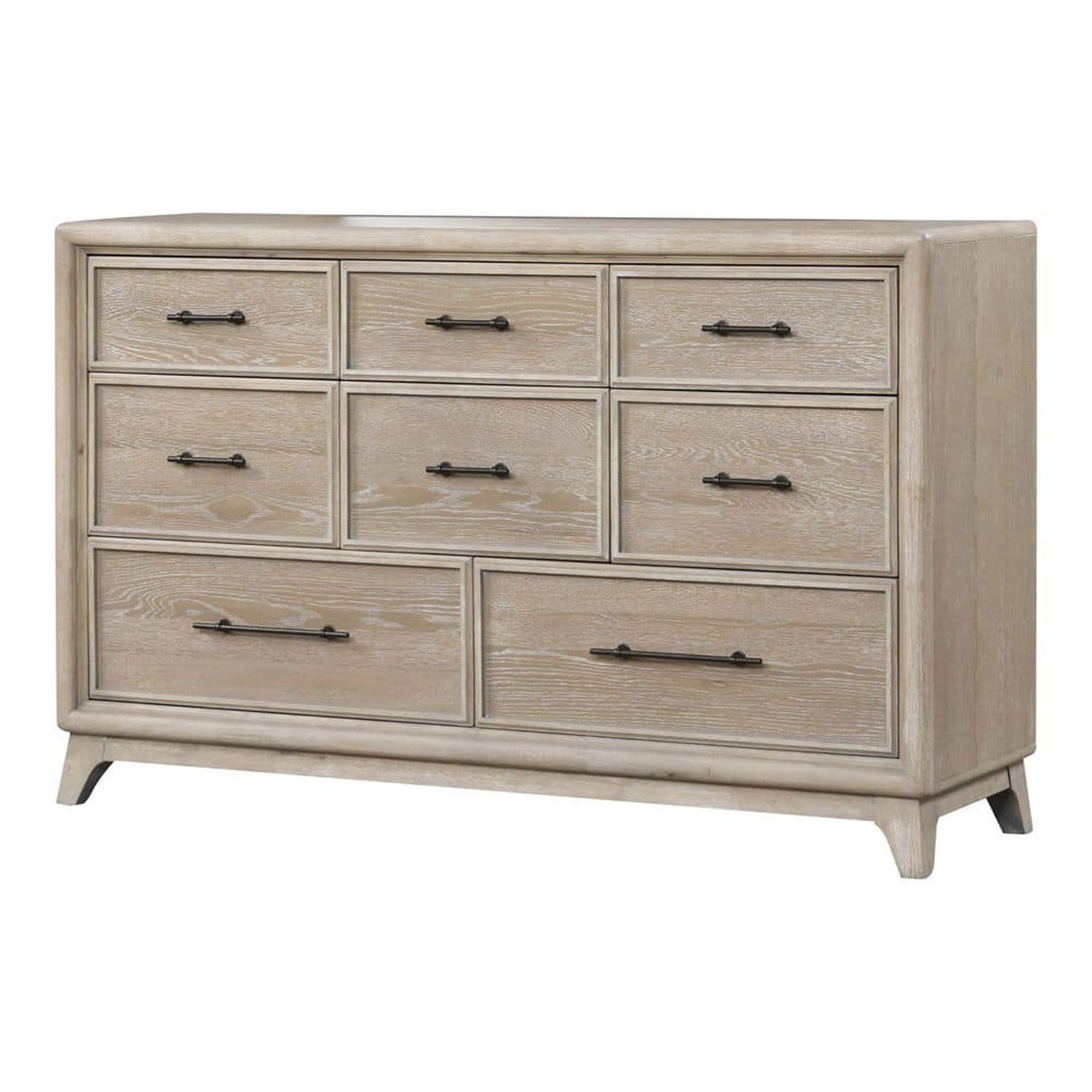
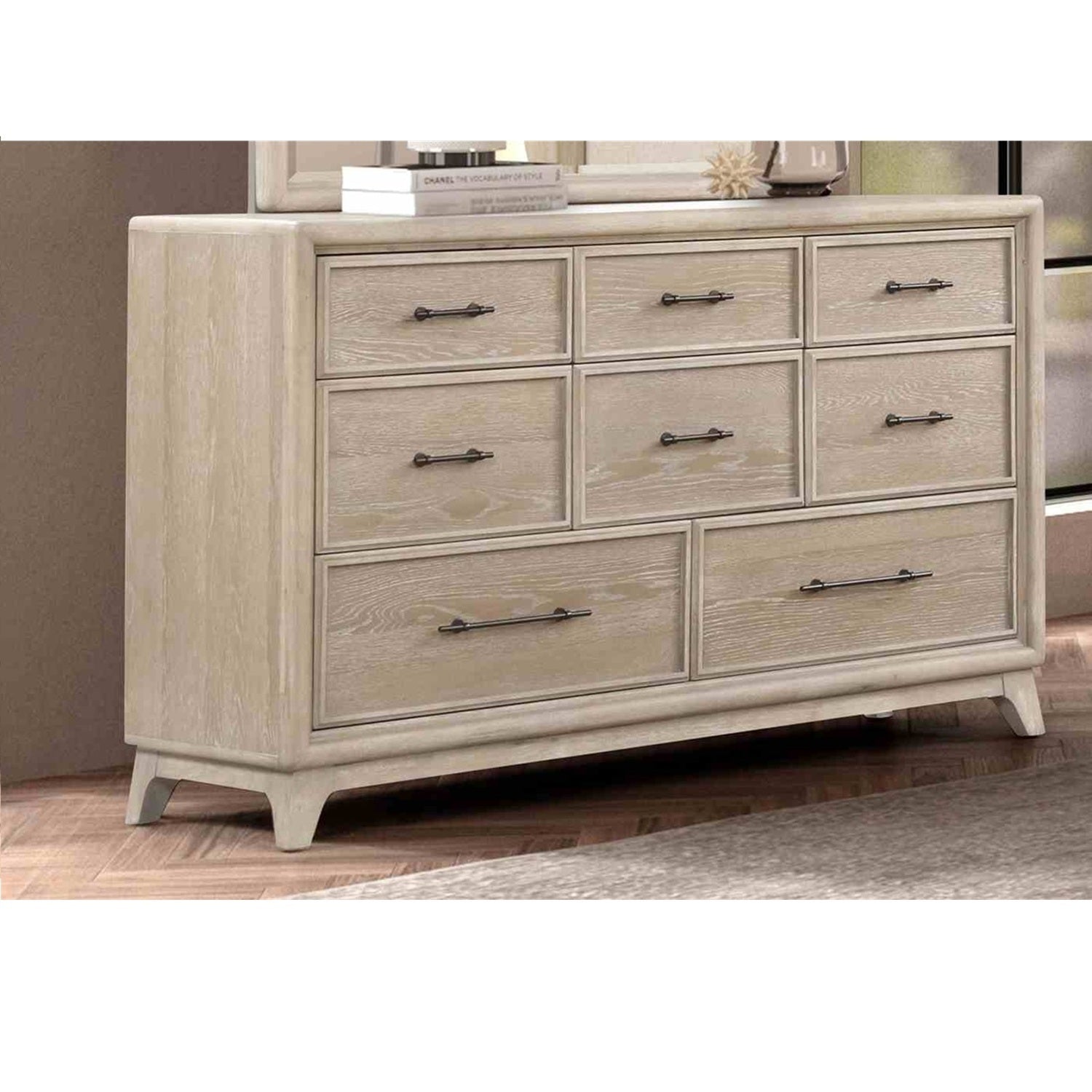
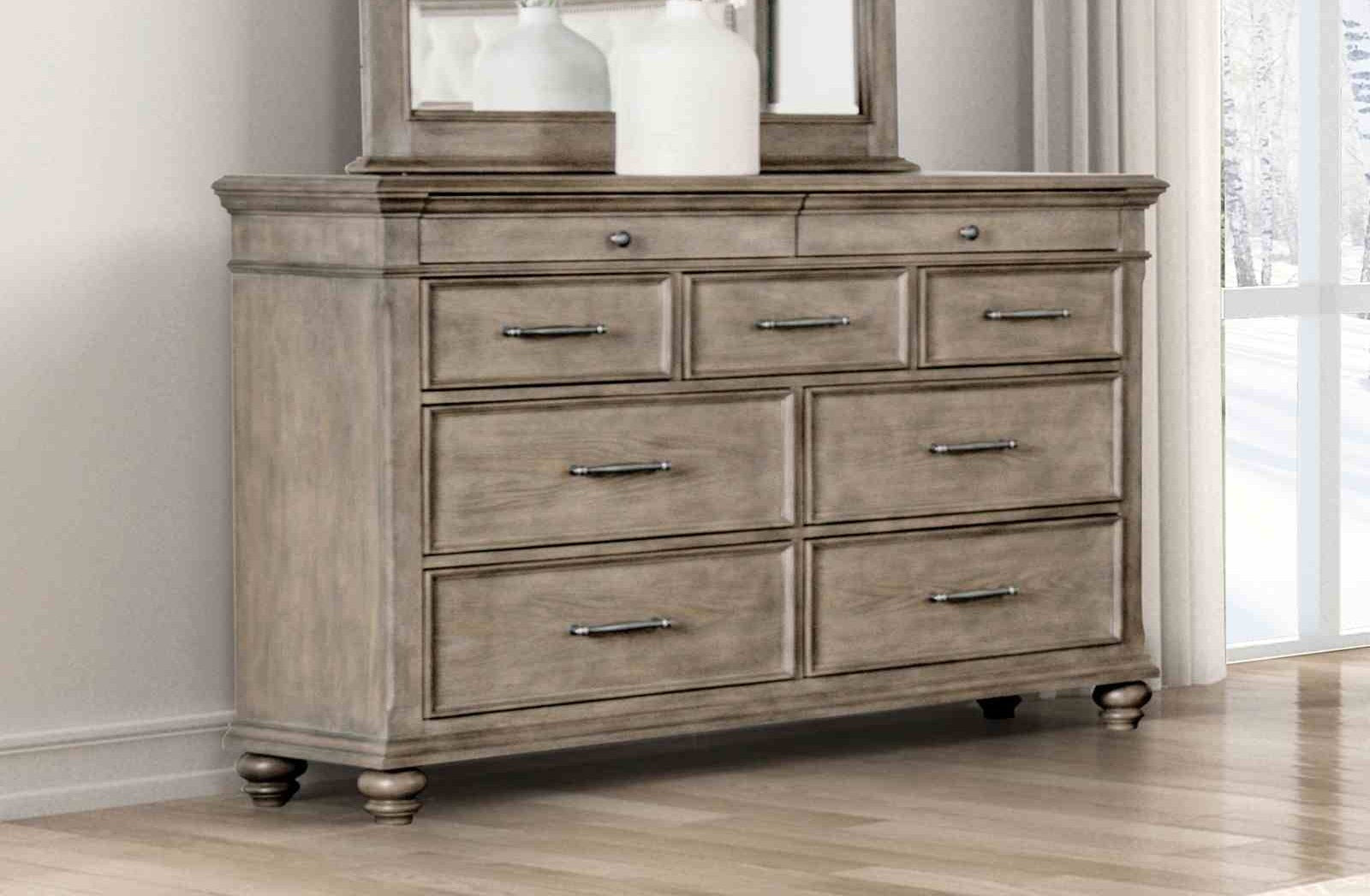
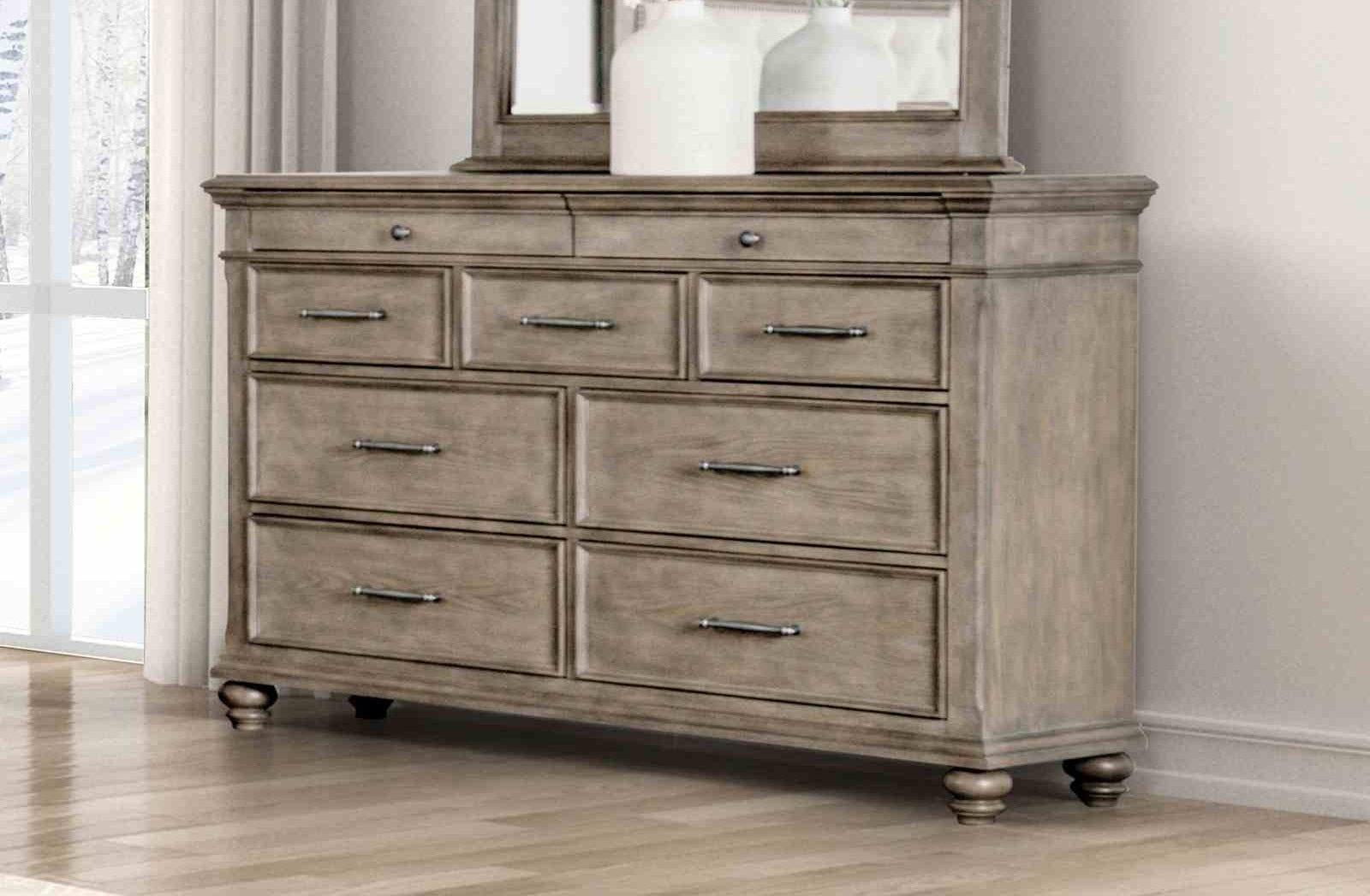
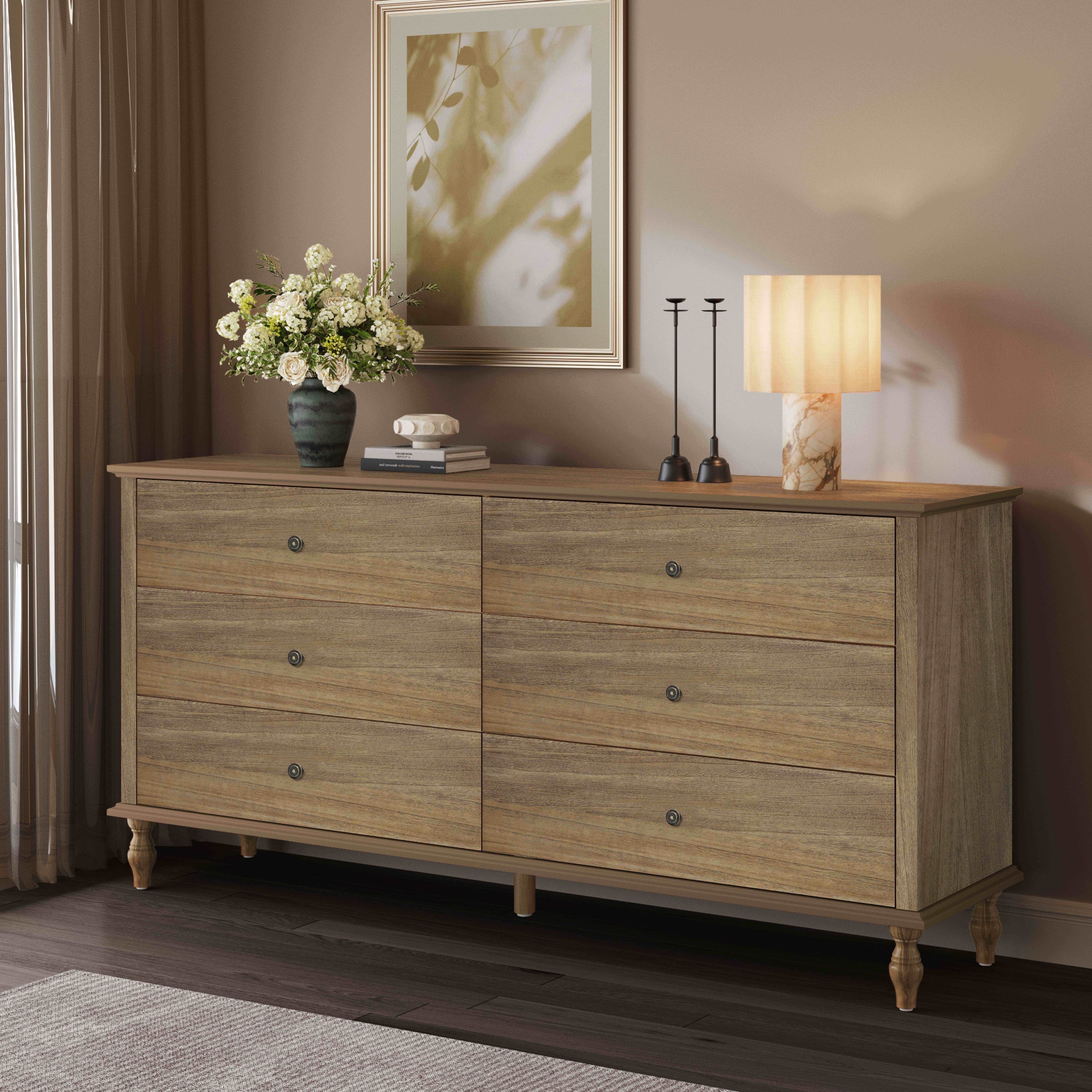
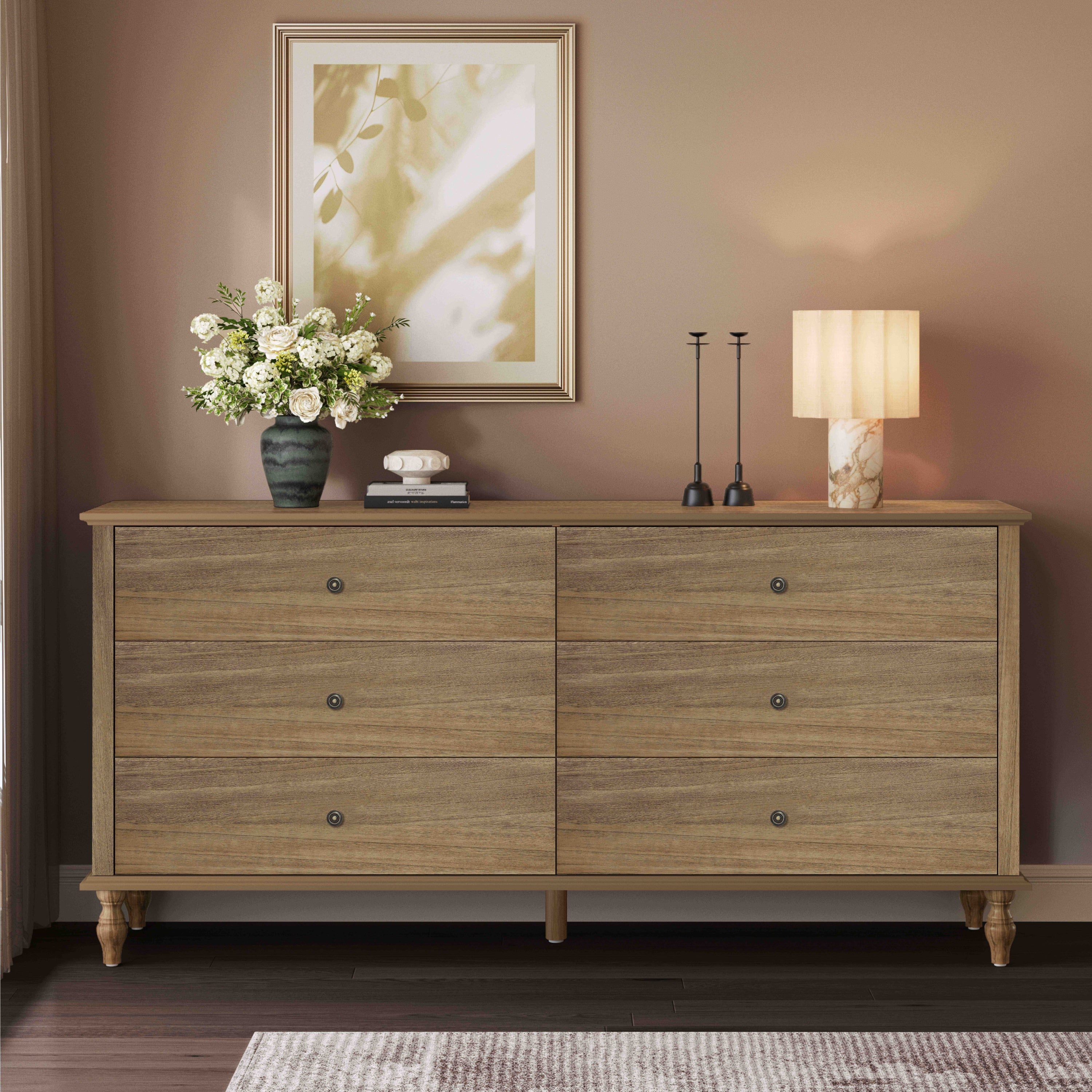
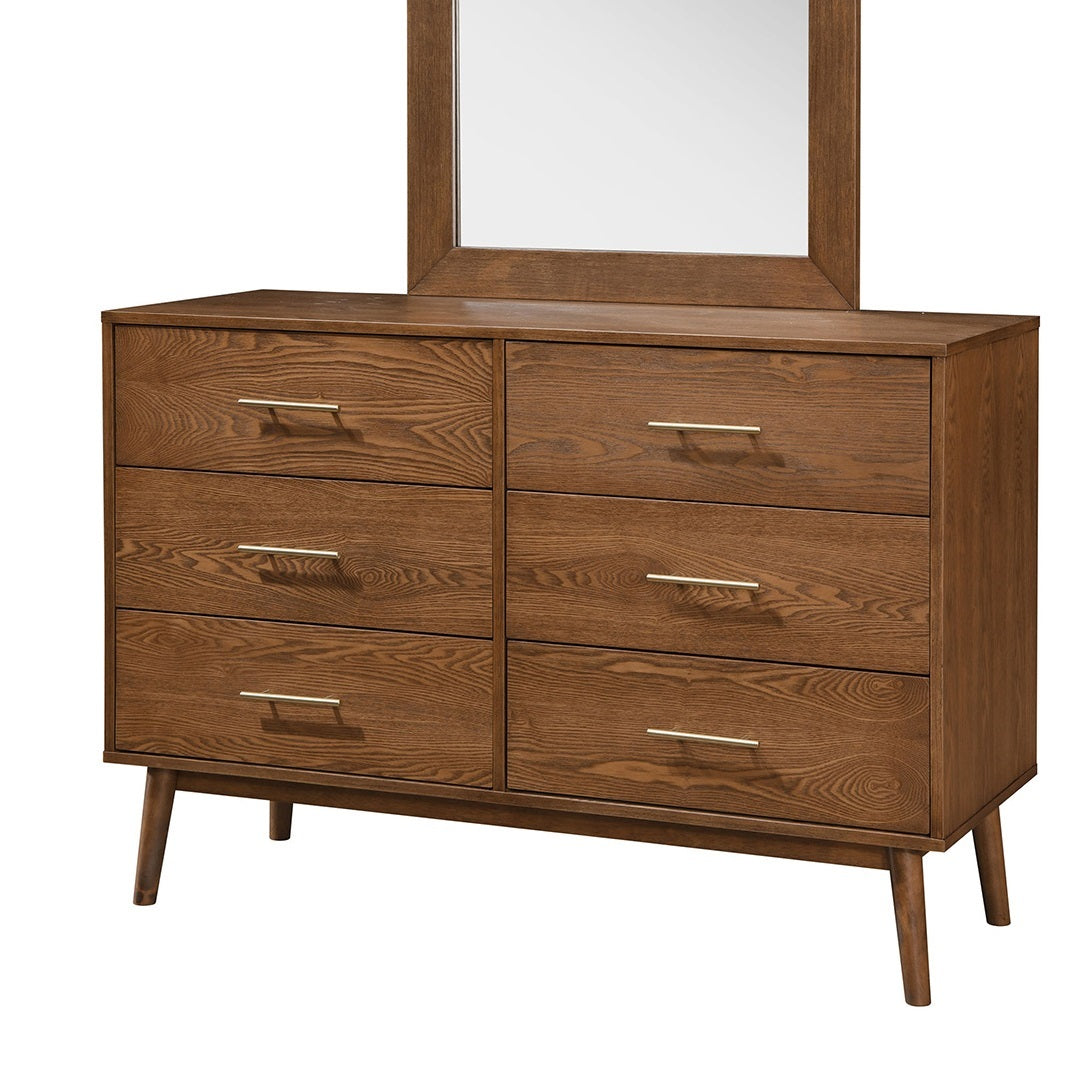
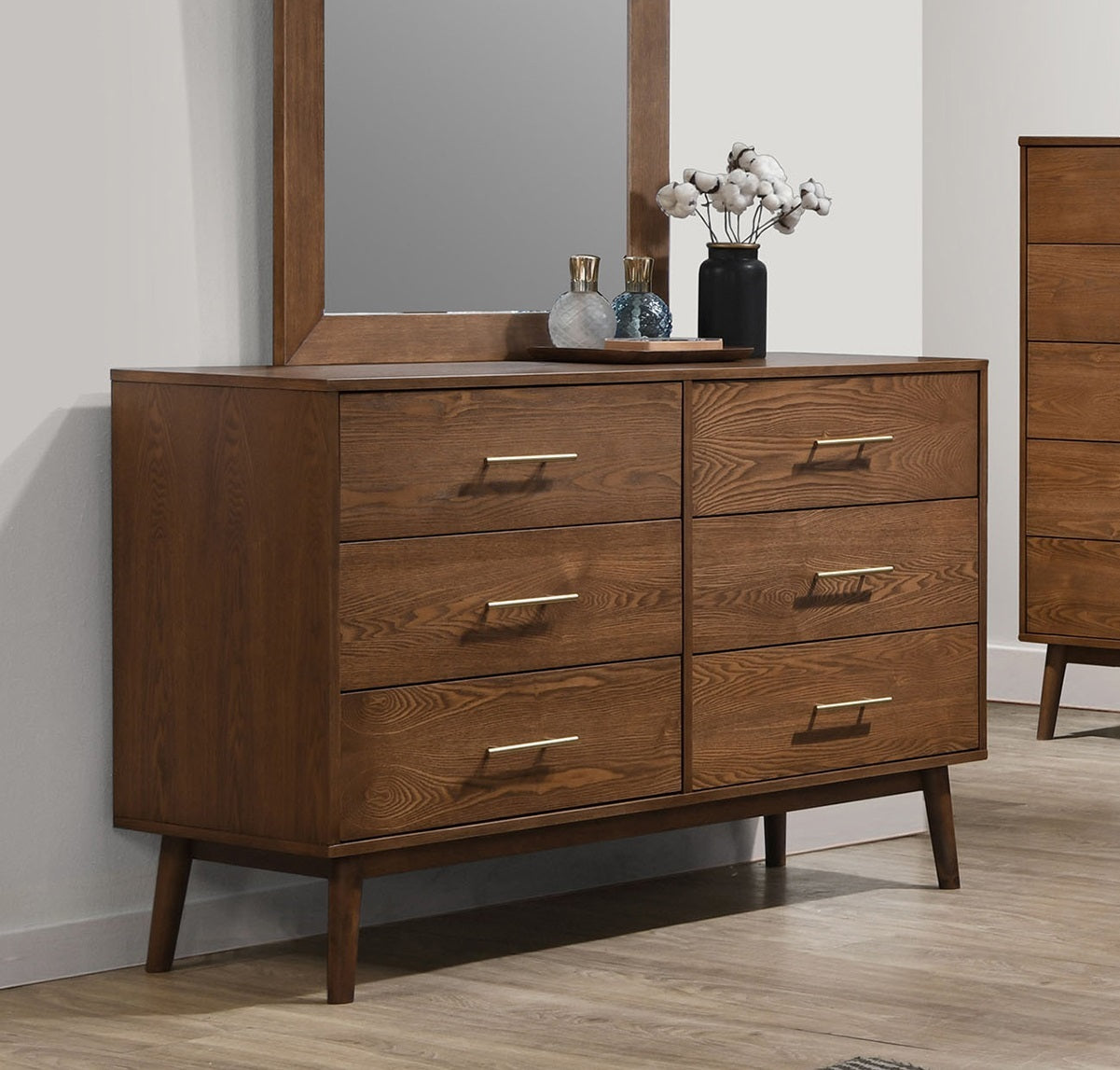
Drawer counts and layouts. Configurations here run from two drawers up to nine, and the arrangement matters as much as the number. Six-drawer double dressers usually give you two columns of three, which suits folded clothes. Nine-drawer models mix shallow top drawers for small items with deeper drawers below. Some layouts swap a bank of drawers for a cabinet door and internal shelves, which is more useful for bags, bedding and anything that will not fold flat. A few include a lined jewelry tray in the top drawer.
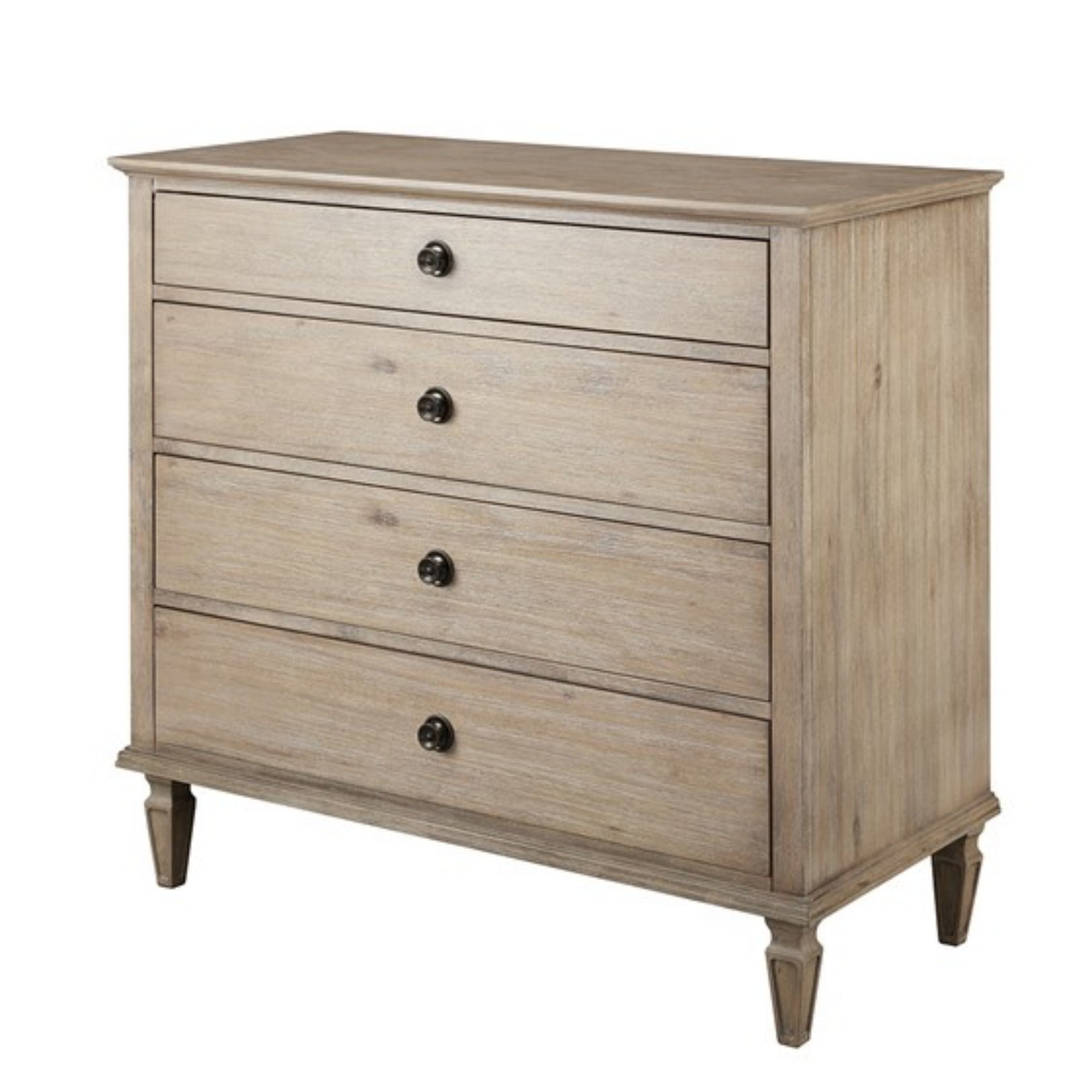
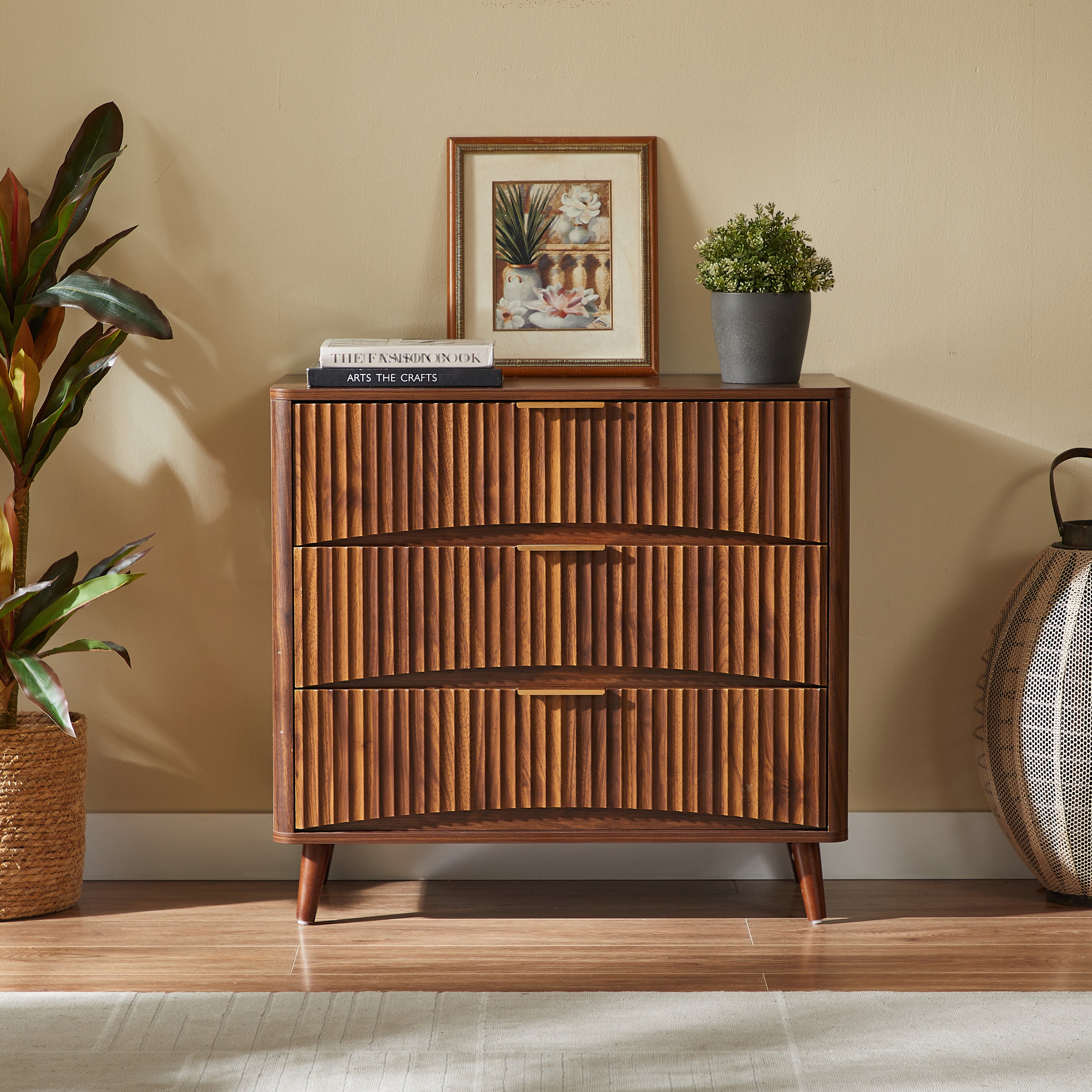
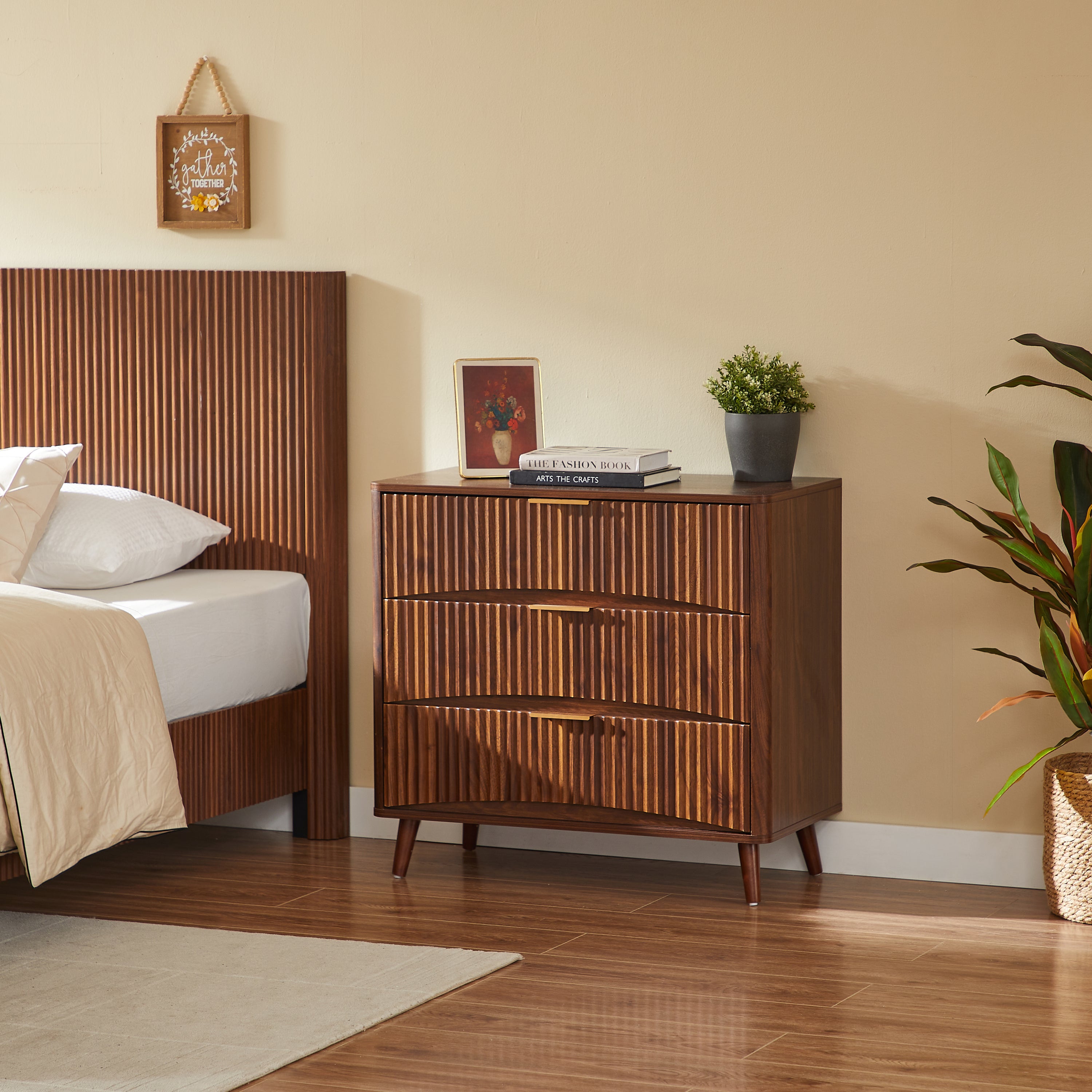
Materials. Solid wood is well represented, in solid wood, pine, fir and acacia, finished natural, oak, walnut, espresso, gray, white and black. Rattan appears as woven drawer fronts on the more relaxed designs. There is also a run of steel dressers, with metal frames and quiet-glide rails, which wipe clean and suit a more industrial or minimal room. Fluted and reeded fronts, ripple textures and handle-free push-open drawers give you the same storage in very different visual weights.
What the specs are telling you. Drawer construction is the honest indicator of how a dresser will age. English dovetail joints, ball-bearing slides and self-closing runners are called out in the listings that have them, and those are the details that keep a heavily loaded drawer running straight for years. Top weight ratings, where published, tell you what the surface is built to carry, which is the figure to check before putting a television on it. Anti-tip kits are included with several models, and fitting one is worth doing on any tall chest, particularly in a child's room. Assembly requirements are stated on each product page.
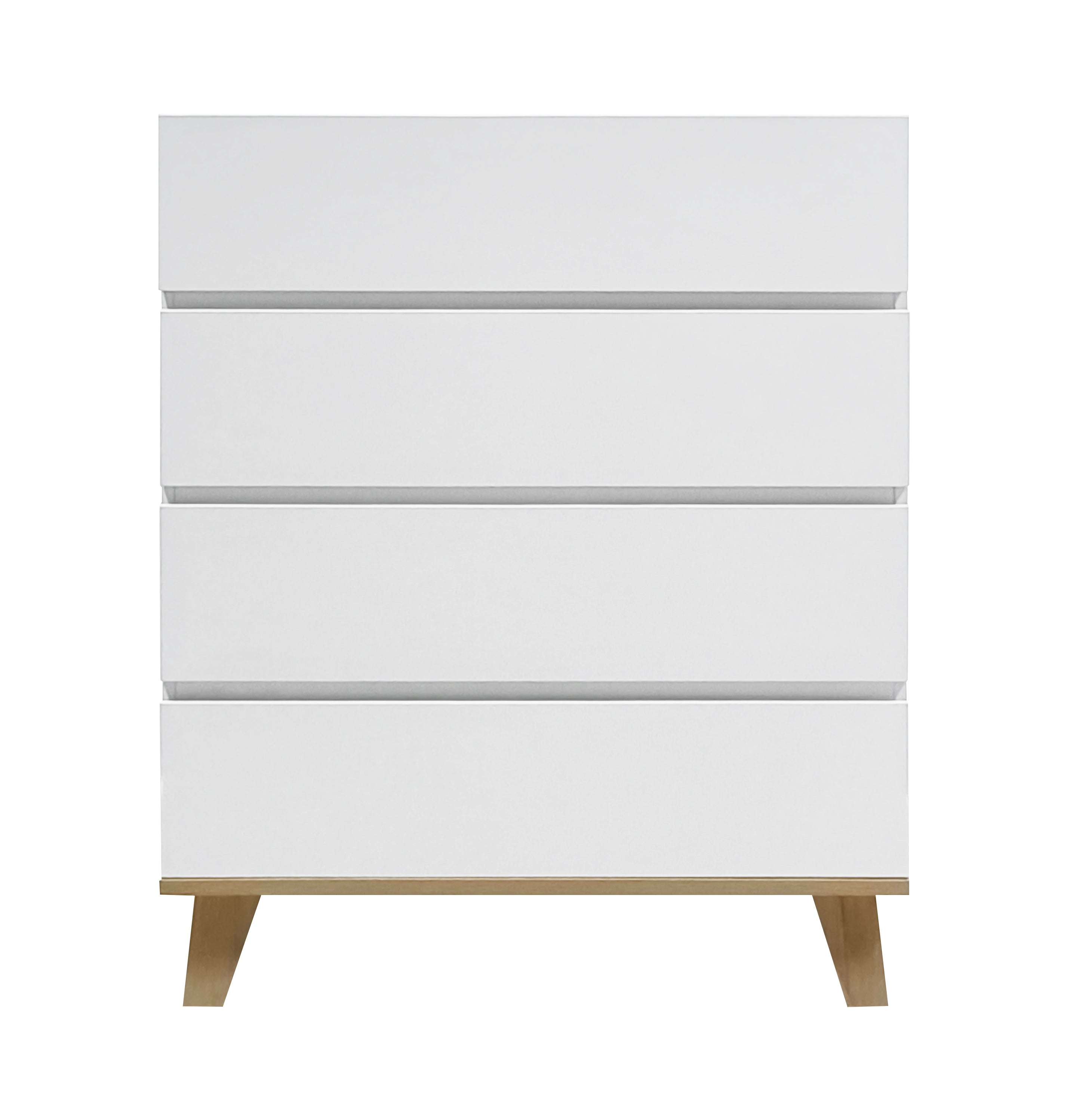
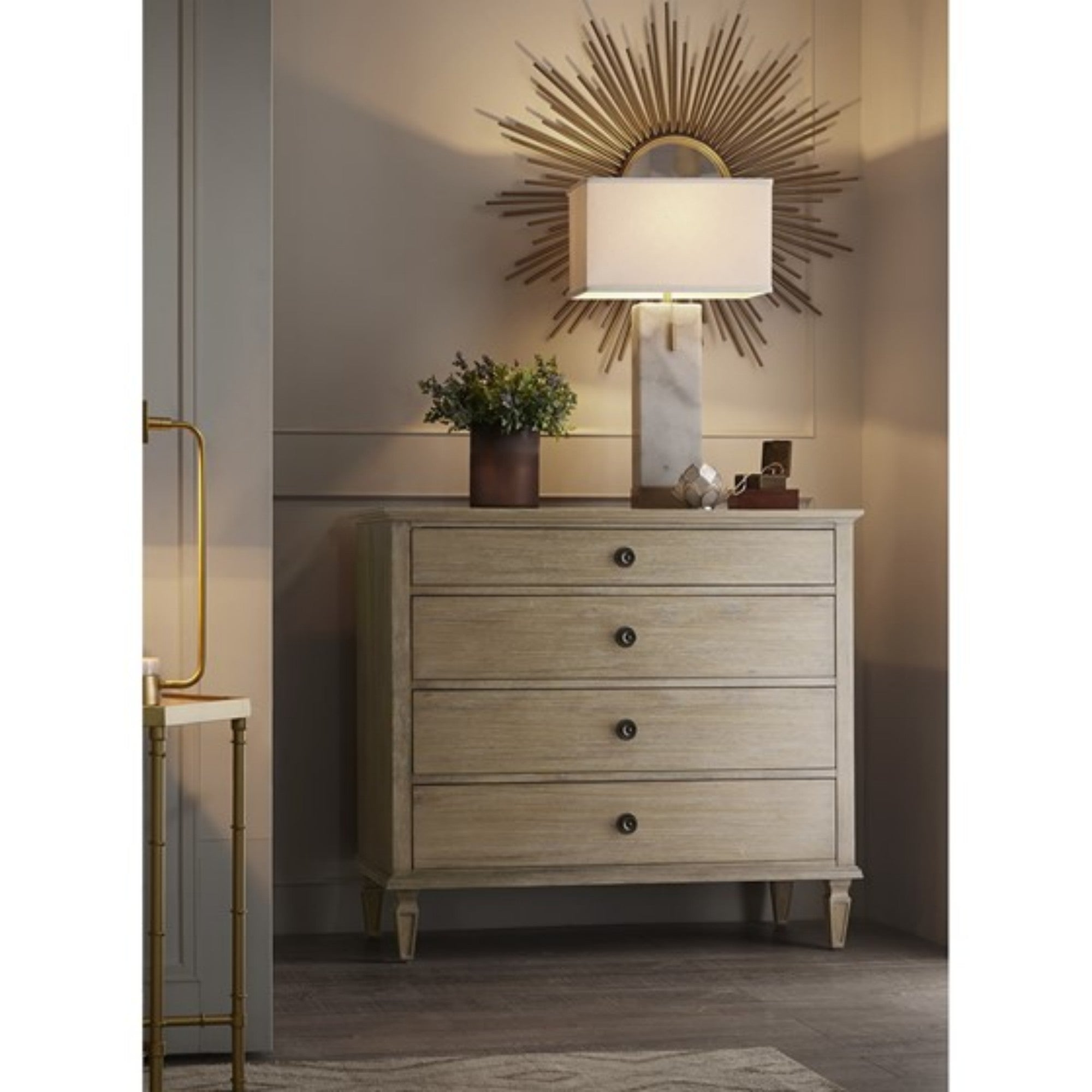
Choosing a style. Tapered and angled legs with a walnut or oak finish read mid-century. Bun feet, wire-brushed finishes and metal knobs read farmhouse and traditional. Fluted fronts and gold-capped legs sit with glam and contemporary schemes. Metal-framed chests suit industrial rooms and rental spaces where you want something easy to move and easy to clean. If you are pairing a dresser with a mirror, several models are listed as a dresser and mirror set, which saves matching finishes across two separate purchases.
More Dressers
solid wood dresser · white dresser · wood dresser · 9 drawer dresser · mid century dresser · dresser with mirror
Specifications
- Product types
- dresser, double dresser, tall chest of drawers, dresser and mirror set
- Drawer counts
- 2 drawer, 3 drawer, 4 drawer, 5 drawer, 6 drawer, 7 drawer, 8 drawer, 9 drawer
- Storage
- drawers, drawers with cabinet, jewelry tray on selected models
- Materials
- solid wood, rattan, steel, metal
- Wood types
- pine, fir, acacia
- Finishes
- natural, oak, walnut, espresso, white, gray, black
- Leg styles
- tapered, angled, bun, wooden, metal
- Styles
- mid-century modern, fluted, reeded, farmhouse, traditional, contemporary
- Drawer construction
- English dovetail joints, ball-bearing slides, self-closing slides, quiet-glide rails
- Features
- anti-tip kit on selected models, handle-free fronts on selected models, matching mirror on selected models
Good to know