Are Boneless Couches Good? An Honest Guide Before You Buy
Yes, boneless couches can be a very good idea if you want a soft, casual, sink-in sofa that is easy to move, easy to arrange, and made for relaxed everyday living. They are especially good for apartments, media rooms, family rooms, renters, and anyone who wants a couch that feels more like a lounge piece than a stiff formal sofa.
They are not the right fit for everyone, though. If you want a very firm, upright, traditional sofa with a rigid frame and a formal sit, a boneless couch may feel too relaxed. The best way to think about it is simple: a traditional couch asks you to sit a certain way. A boneless couch lets you settle in however you want.
At Two Seventy Nine, our Boneless Couch collection is designed to keep the best parts of the category, soft memory foam comfort, modular flexibility, and a sculptural modern look, while avoiding the biggest issue people worry about: feeling like they are sitting on the floor. Our Hudson Boneless Couch has a 17.7 inch seat height, and our Seneca Boneless Couch has a 17 inch seat height, which puts both close to standard couch seat height rather than the ultra-low floor cushion feeling some people associate with boneless sofas.
[Shop the Two Seventy Nine Boneless Couch Collection]
What is a boneless couch?
If you’re still getting familiar with the category, start with our guide to what a boneless couch is. It explains why these frame-free foam sofas have become so popular, especially for apartments, renters, and softer modern interiors.
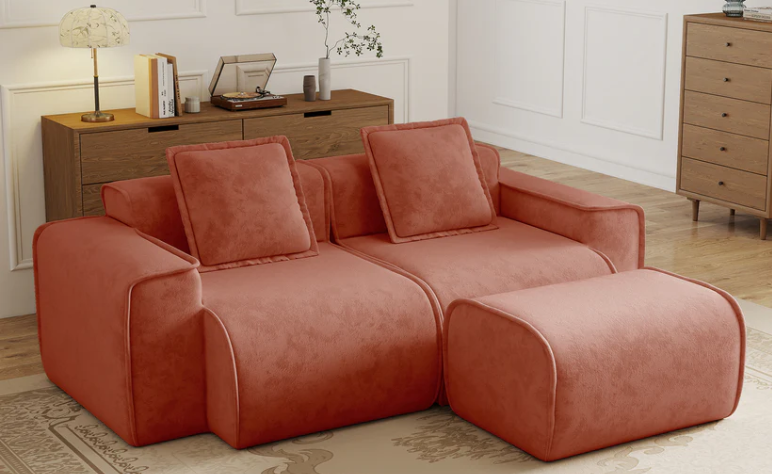
A boneless couch is a sofa built without a traditional wood or metal frame. Instead of relying on a rigid internal structure, it uses dense foam layers to create shape, softness, and support.
That is where the name comes from. There are no “bones” inside the couch. No wood frame, no metal frame, no hard skeleton. Just foam, fabric, shape, and modular comfort.
The result is a couch that feels different from a traditional sofa. It is softer, more flexible, easier to move, and usually more casual. Instead of sitting on top of a stiff frame, you sink into a cushioned structure that molds around the way you actually lounge.
Are boneless couches comfortable?
For most people who like soft seating, yes. Comfort is the main reason people buy boneless couches.
A good boneless couch should feel plush without collapsing. You should be able to sit down, feel the foam give slightly, and still feel supported. The goal is not to disappear into a pile of cushions. The goal is that relaxed, movie-night feeling where your couch feels easy to live on.
This is where foam quality matters. Low-quality foam can flatten too quickly, which is why some people are skeptical of the category. A better boneless couch uses supportive memory foam or high-resilience foam that gives you the soft landing without feeling flimsy.
Two Seventy Nine’s Boneless Couch collection is built around premium memory foam comfort. The feel is soft and lounge-friendly, but still substantial enough for everyday use.
The biggest benefits of a boneless couch
1. They are incredibly easy to live with
The first time you move a boneless couch, the appeal becomes obvious. Traditional sofas can be a nightmare in apartments, walk-ups, narrow hallways, elevators, and older homes. Everyone knows the feeling of measuring a doorway, turning the sofa sideways, and hoping the arms somehow clear the corner.
Boneless couches solve a lot of that. Because they do not have a rigid frame, they are easier to deliver, carry, position, and rearrange. That makes them especially appealing for city apartments, renters, and anyone who has had one too many bad furniture delivery experiences.
2. They are made for lounging
A boneless couch is not trying to be a stiff parlor sofa. It is made for watching movies, stretching out, reading, scrolling, napping, and hanging out.
The deep seating and foam construction make it especially good for people who like to sit cross-legged, curl up sideways, or use their couch like a casual daybed. If your living room is where you actually live, not just where you host once a month, this style makes a lot of sense.
3. They are modular and flexible
Most boneless couches are modular, which means you can build the layout around your space instead of forcing your room to work around one fixed sofa shape.
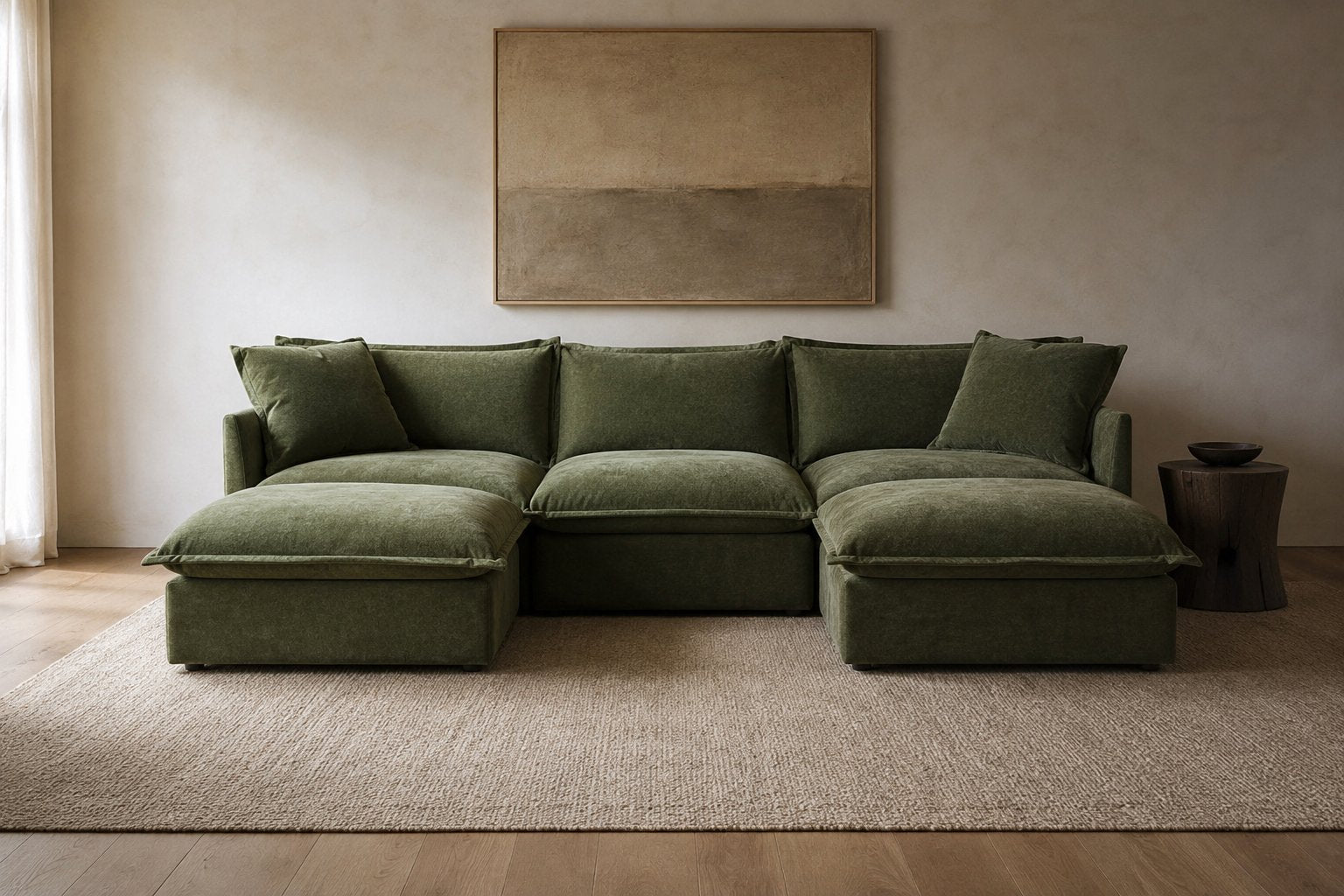
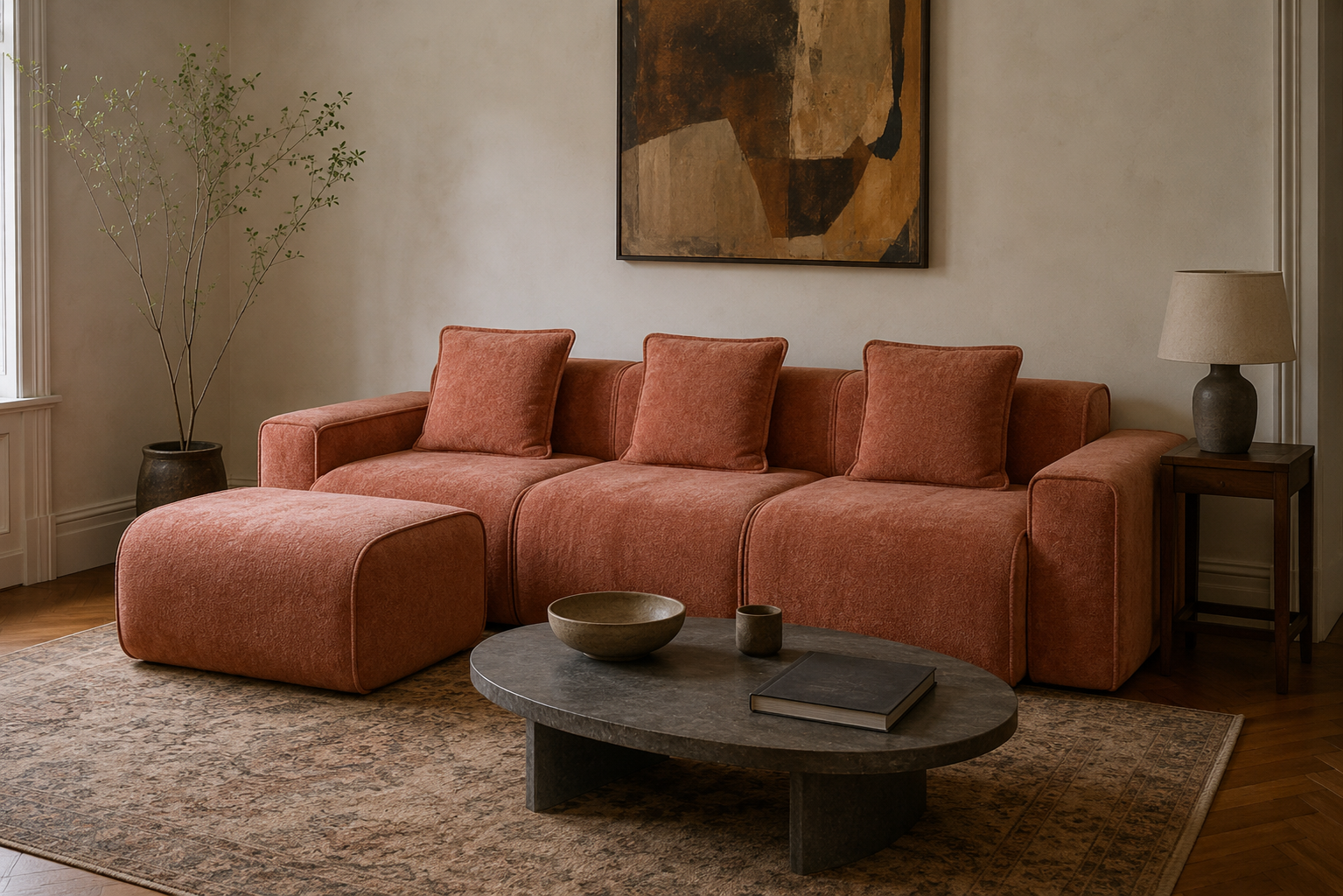
Start with a 2-seater for an apartment. Move up to a 3-seater for a living room. Add an ottoman if you want a chaise-style setup. Go larger if your room becomes more of a lounge or media space.
That flexibility is one of the reasons the category has grown so quickly. Homes change. People move. Families grow. A modular couch can adapt.
4. They have a softer, more modern look
Boneless couches tend to look relaxed, sculptural, and inviting. They work especially well in modern, organic, minimalist, cozy, and casual interiors.
They also photograph well because they have that soft, pillowy shape people associate with cloud couches and modern lounge furniture. The difference is that a boneless couch usually feels less precious and more livable.
What are the downsides of a boneless couch?
A good buying guide should be honest, so let’s talk about the tradeoffs.
They are softer than traditional couches
If you want a very firm couch for formal sitting, a boneless couch may not be your favorite. These are made for comfort and lounging first. You can still sit upright, especially with pillows and supportive back cushions, but the personality of the piece is relaxed.
Some boneless couches sit too low
This is one of the most common concerns, and it is fair. Many boneless couches are closer to the ground than standard sofas. That can look cool in photos, but it can be annoying if you do not want to feel like you are climbing out of your couch.
This is one of the reasons we are careful about seat height at Two Seventy Nine. The Hudson Boneless Couch sits at 17.7 inches, and the Seneca Boneless Couch sits at 17 inches. That places them much closer to a normal sofa seat height than the low floor-cushion versions people sometimes worry about.
So yes, boneless couches as a category are often lower profile, but ours are designed to feel like real living room sofas, not dorm furniture or oversized floor pillows.
Durability depends heavily on foam quality
With a traditional couch, the frame does a lot of structural work. With a boneless couch, the foam matters more. That means the quality of the foam, the density, the rebound, the fabric, and the stitching all matter.
A cheap boneless couch may feel great for a few months and then start to flatten. A better one should hold its shape and comfort much longer with normal use and basic care.
A simple rule: if the couch is made from quality memory foam, has a substantial shape, and uses durable upholstery, it is much more likely to feel like a real sofa rather than a temporary trend piece.
Do boneless couches have good back support?
They can, but they support you differently than a traditional framed sofa.
A traditional sofa often has a more upright back and firmer seat. A boneless couch usually has a softer seat, deeper lounge position, and pillows or cushioned back support. That makes it great for relaxed sitting, but less ideal for someone who wants a very firm, upright, desk-chair-like posture.
If back support is your top concern, look for three things:
- A seat height that is not too low
- A substantial back cushion or pillow setup
- Foam that gives support instead of collapsing
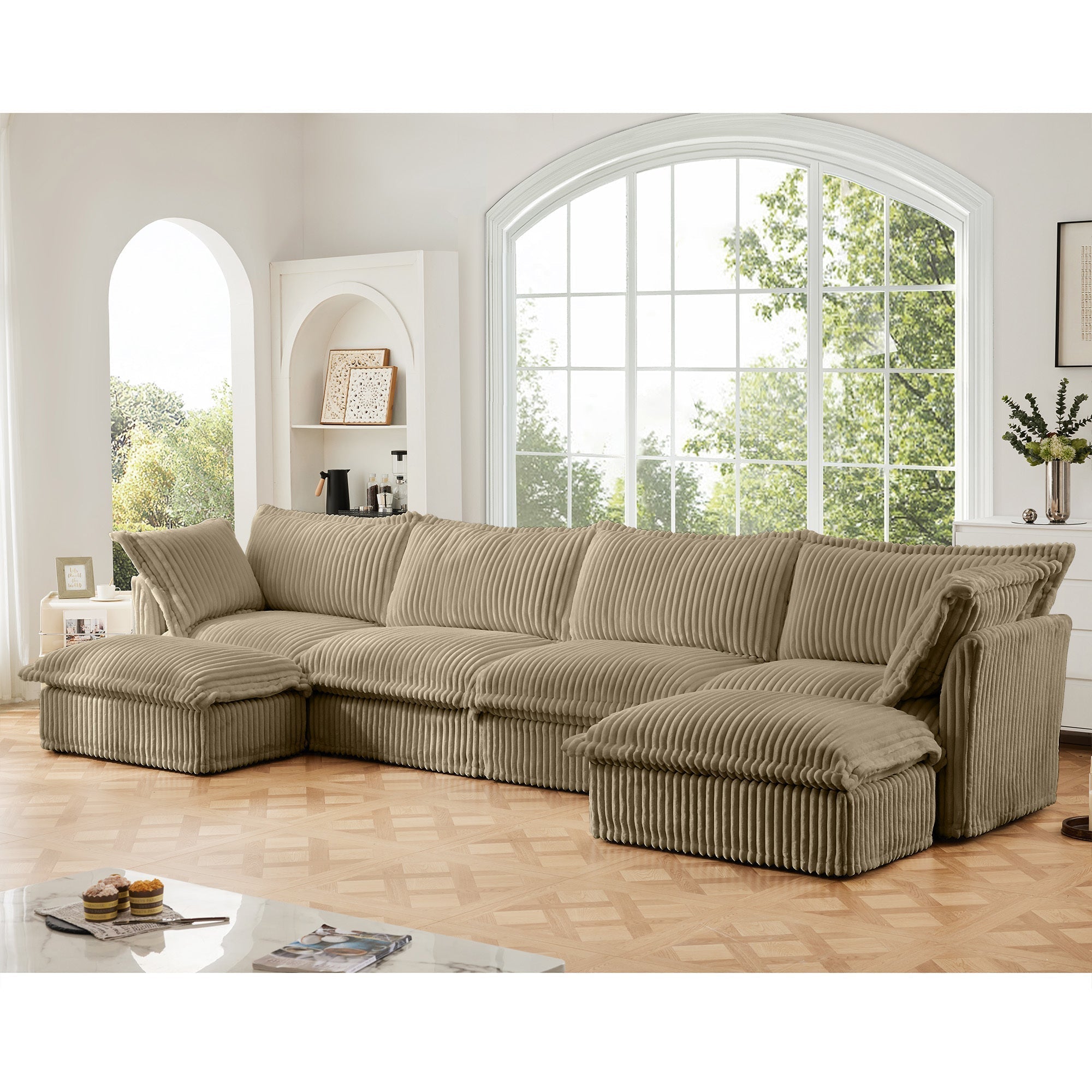
For Two Seventy Nine, the Hudson is the better choice if you want the more tailored, structured look. It has a cleaner, boxier silhouette and corduroy upholstery, which gives it a slightly more architectural feel.
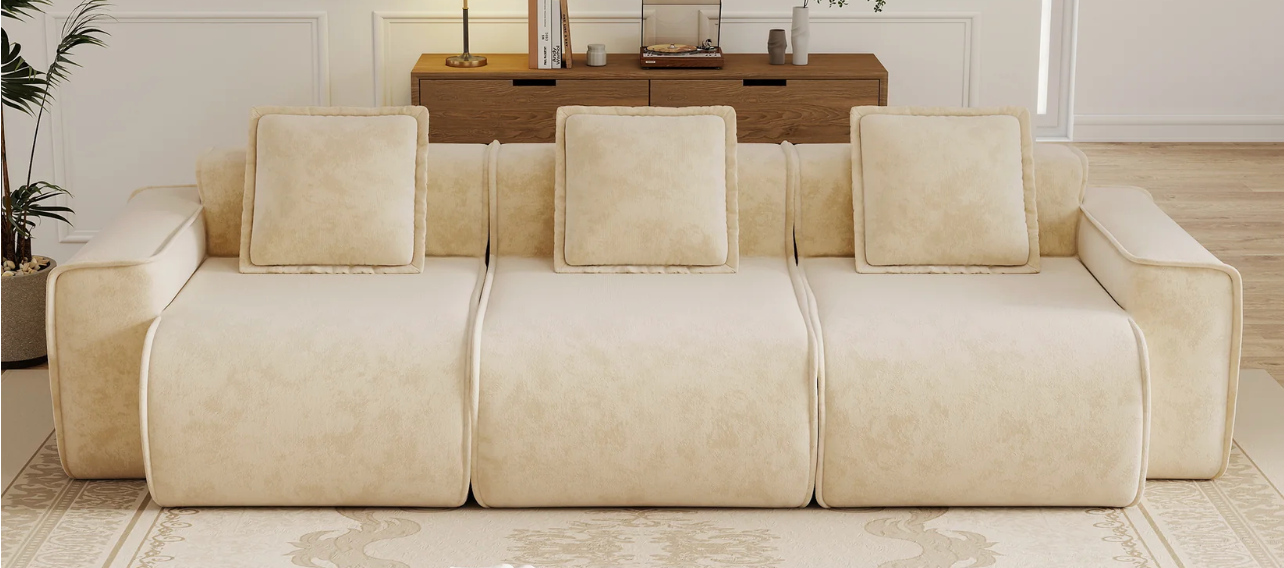
The Seneca is softer and more rounded, with a velvet finish and a more sculptural silhouette. It is the better choice if you want the couch to feel plush, curved, and relaxed.
Do boneless couches get moldy?
A boneless couch should not get moldy under normal indoor use. Mold is usually a moisture problem, not a boneless couch problem.
That said, any foam or fabric furniture can develop issues if it stays damp, sits directly on a wet surface, or traps moisture for long periods. This concern comes up because boneless couches often sit closer to the ground, and people wonder about airflow.
The practical answer is simple: keep it dry, clean spills quickly, avoid placing it on damp floors, and let the pieces breathe if they ever get wet. If you live in a humid space, using a rug underneath and occasionally shifting the modules can also help.
Think of it like a mattress, rug, or upholstered bed. Keep moisture out, and you should be fine.
Are boneless couches good for apartments?
Yes, apartments are one of the strongest use cases for a boneless couch.
They are easier to move through tight spaces, easier to reposition, and less visually bulky than many traditional sectionals. If you live in a walk-up, a studio, a rental, or a narrow brownstone-style apartment, that matters.
A 2-seater boneless couch works well in smaller spaces. A 3-seater can anchor a standard living room. A 4-seater or ottoman setup works better when you have room to create a lounge-style layout.
This is also where the Two Seventy Nine collection is useful because you can choose the shape and size that fits your actual space instead of buying one oversized sectional and hoping for the best.
Hudson vs Seneca: which boneless couch should you choose?
Two Seventy Nine carries two distinct boneless couch styles: Hudson and Seneca.
Choose Hudson if you want structure and texture

The Hudson Boneless Couch has a cleaner, boxier silhouette. It feels a little more tailored and architectural, while still giving you that soft memory foam comfort. The corduroy fabric adds texture, warmth, and a more designed look.
Hudson is the one I would recommend for someone who wants a boneless couch that still feels polished in a living room.
Best for:
Structured modern spaces
Corduroy texture
A more tailored look
People who want soft comfort without an overly rounded silhouette
Choose Seneca if you want softness and curves

The Seneca Boneless Couch has more rounded lines and a softer silhouette. It feels more sculptural and plush, with a velvet finish that gives it a smooth, refined look.
Seneca is the one I would recommend for someone who wants the couch to feel cozy, relaxed, and visually soft.
Best for:
Curved modern interiors
Velvet texture
A softer lounge look
People who want the most relaxed version of the boneless couch aesthetic
Are boneless couches good for families and pets?
They can be, especially if you choose the right fabric and keep up with basic cleaning.
The soft edges are nice for casual family spaces. The modular layout makes it easier to rearrange the room for kids, guests, movie nights, and everyday life. The comfort factor is also obvious. People naturally gather on soft furniture.
For pets, fabric choice matters. Textured fabrics like corduroy can help disguise everyday wear better than smoother fabrics. Velvet gives a more refined look, but may show direction and pressure marks more easily depending on the pile.
If you have pets or kids, I would lean toward Hudson in corduroy if you want more texture and a slightly more practical everyday feel. If your space is more design-forward and you love a soft, smooth finish, Seneca in velvet is the more elegant option.
How long will a boneless couch last?
A boneless couch can last for years if it is made with quality foam and cared for properly. The lifespan depends on foam quality, daily use, body weight, moisture exposure, and how often the same seat gets used.
To help it last longer:
Rotate cushions or modules occasionally
Do not leave it in damp conditions
Clean spills quickly
Use a rug underneath if your floors are cold or humid
Fluff and reshape cushions as needed
Avoid treating it like a trampoline
A boneless couch is not the same as a traditional heirloom sofa with a wood frame that can be reupholstered decades later. But that is not really the point. The point is comfort, flexibility, and ease of use. For many modern homes, that tradeoff is worth it.
So, are boneless couches actually a good idea?
Yes, boneless couches are a good idea if you want a sofa that is soft, modular, easy to move, and designed for real lounging. They are especially good for apartments, renters, casual living rooms, media rooms, and people who want a couch that feels cozy instead of stiff.
They are not the best choice if you want a very firm, upright, formal sofa or if you are looking for a traditional framed piece that you plan to reupholster twenty years from now.
The best boneless couches solve the common complaints. They use supportive foam, feel substantial, offer real seat height, and look intentional in a living room. That is exactly where Two Seventy Nine’s Hudson and Seneca collections are designed to sit: soft enough to sink into, structured enough to live with, and elevated enough to become the centerpiece of the room.
[Shop the Two Seventy Nine Boneless Couch Collection]
Quick FAQ
Are boneless couches a good idea?
Yes, if you want soft, casual, modular seating that is easy to move and great for lounging. They are less ideal if you prefer a very firm, upright, traditional sofa.
What is a boneless couch?
A boneless couch is a sofa made without a wood or metal frame. It uses dense foam and upholstery to create shape, softness, and support.
Why do they call it a boneless couch?
Because it does not have the rigid internal “bones” of a traditional couch. No wood frame, no metal frame, no hard structure.
Are boneless couches too low?
Some are, but not all. Many boneless couches sit close to the ground. Two Seventy Nine’s Hudson seat height is 17.7 inches, and Seneca is 17 inches, which keeps both much closer to standard couch height.
Do boneless couches get moldy?
Not under normal indoor use. Mold is usually caused by trapped moisture. Keep the couch dry, clean spills quickly, avoid damp floors, and allow airflow around the pieces.
Which Two Seventy Nine boneless couch is best?
Choose Hudson if you want a cleaner, boxier corduroy couch with a more structured look. Choose Seneca if you want a softer, rounded velvet couch with a more relaxed silhouette.