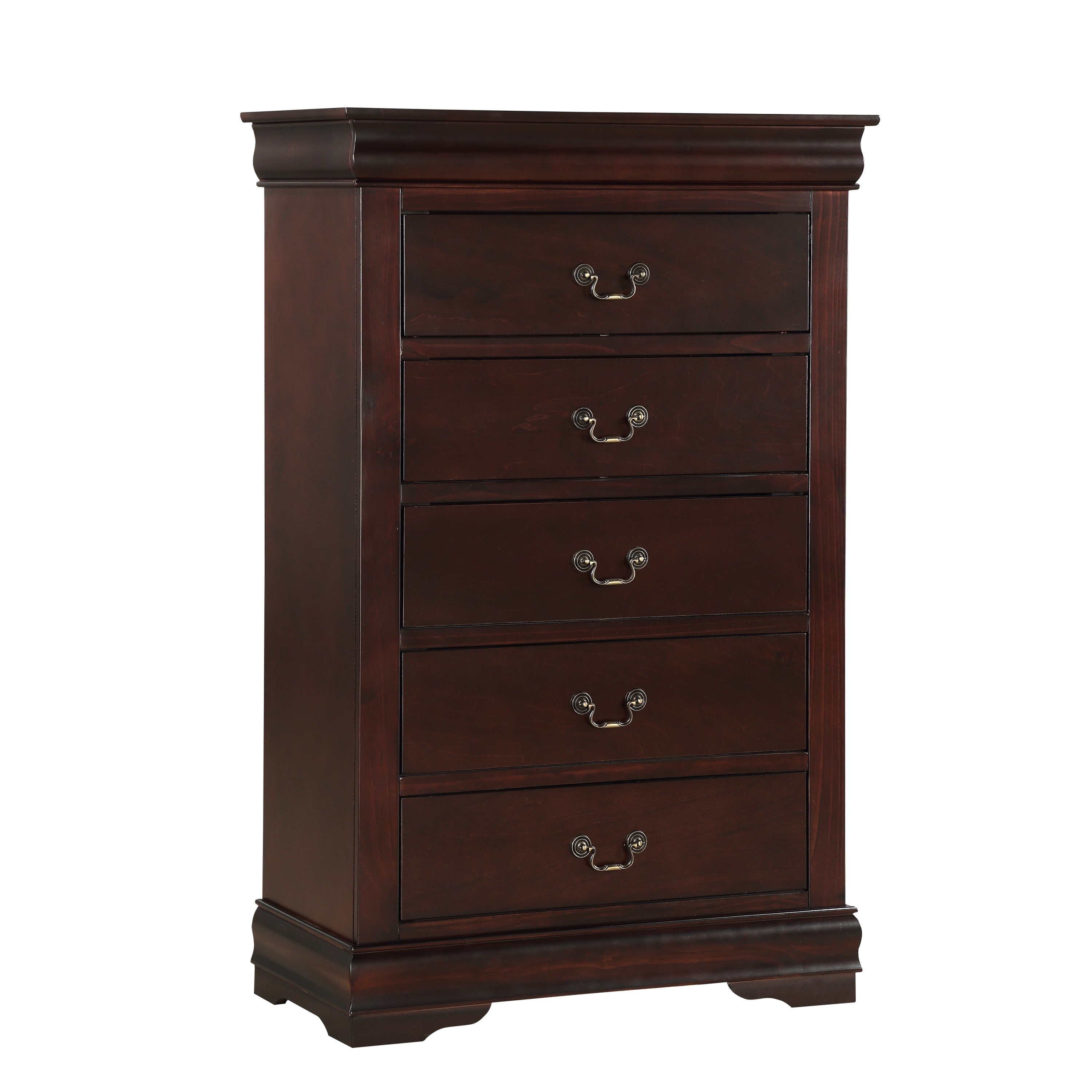
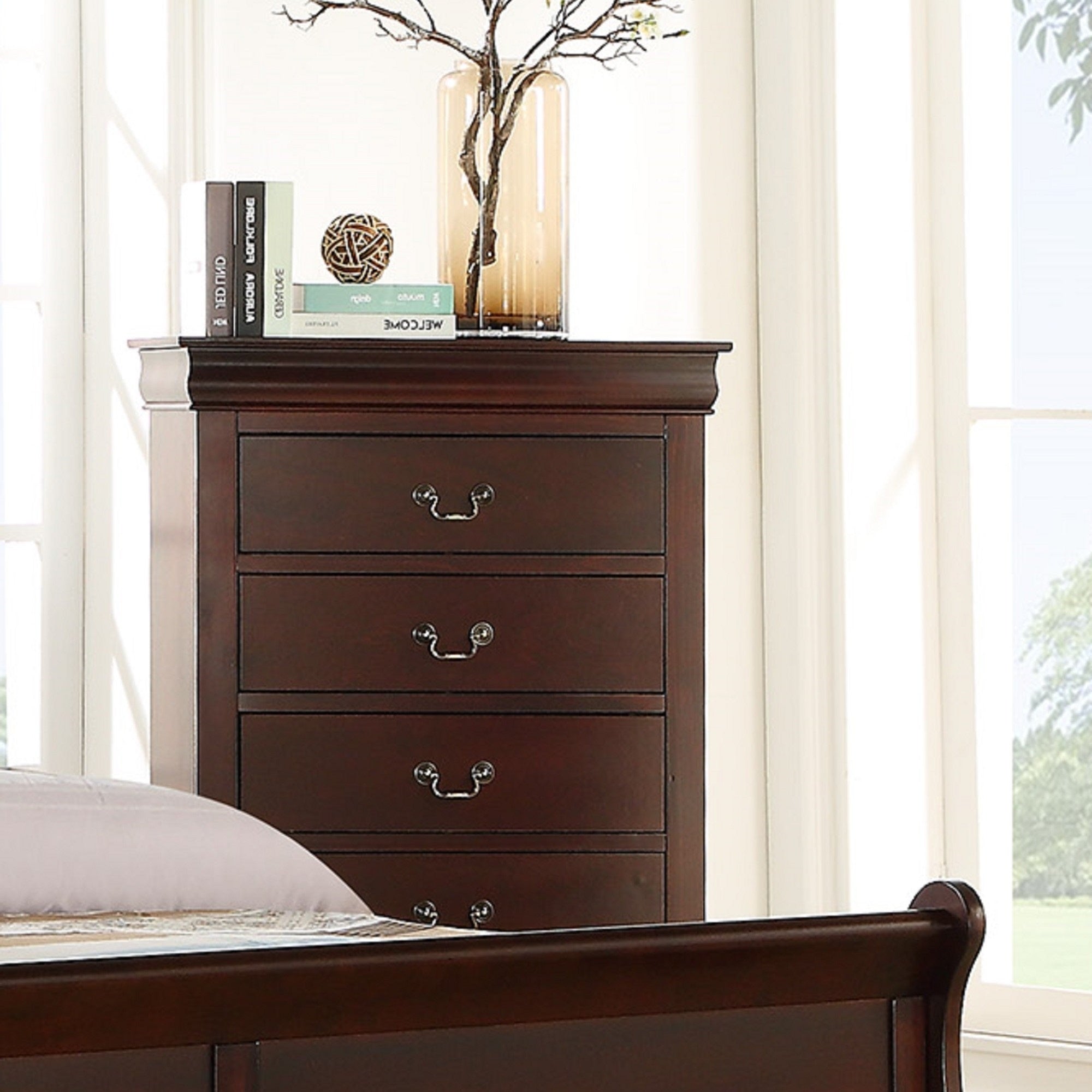
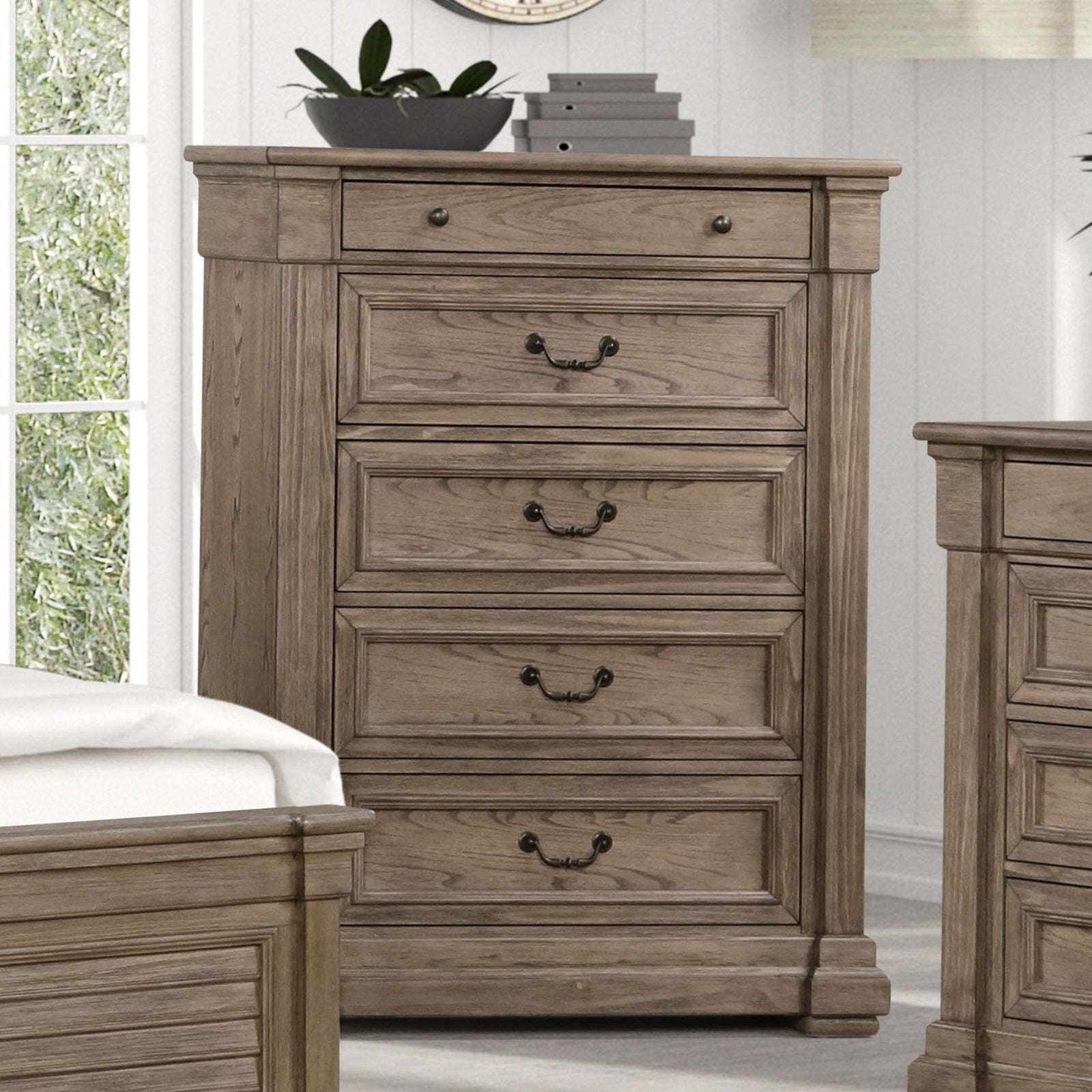
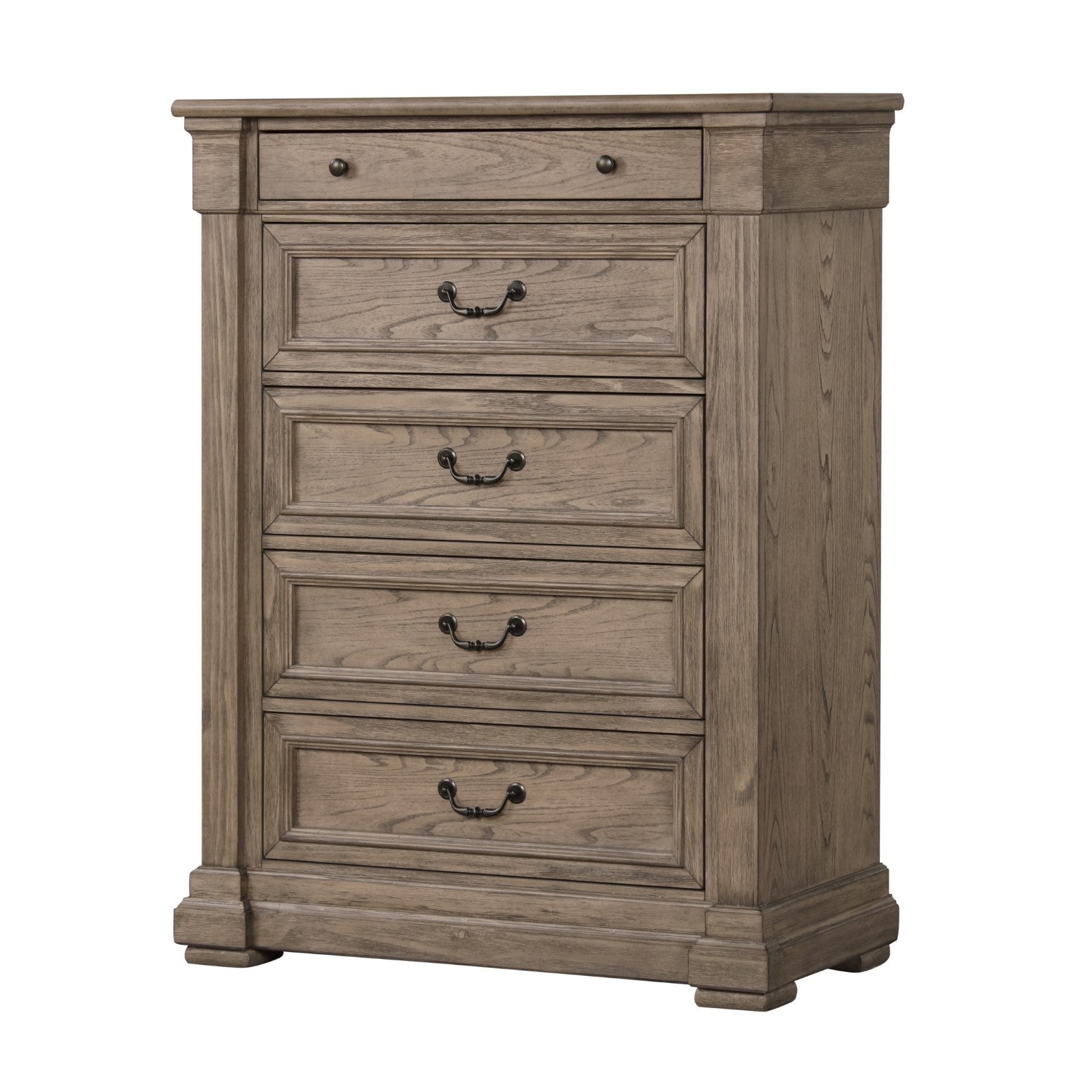

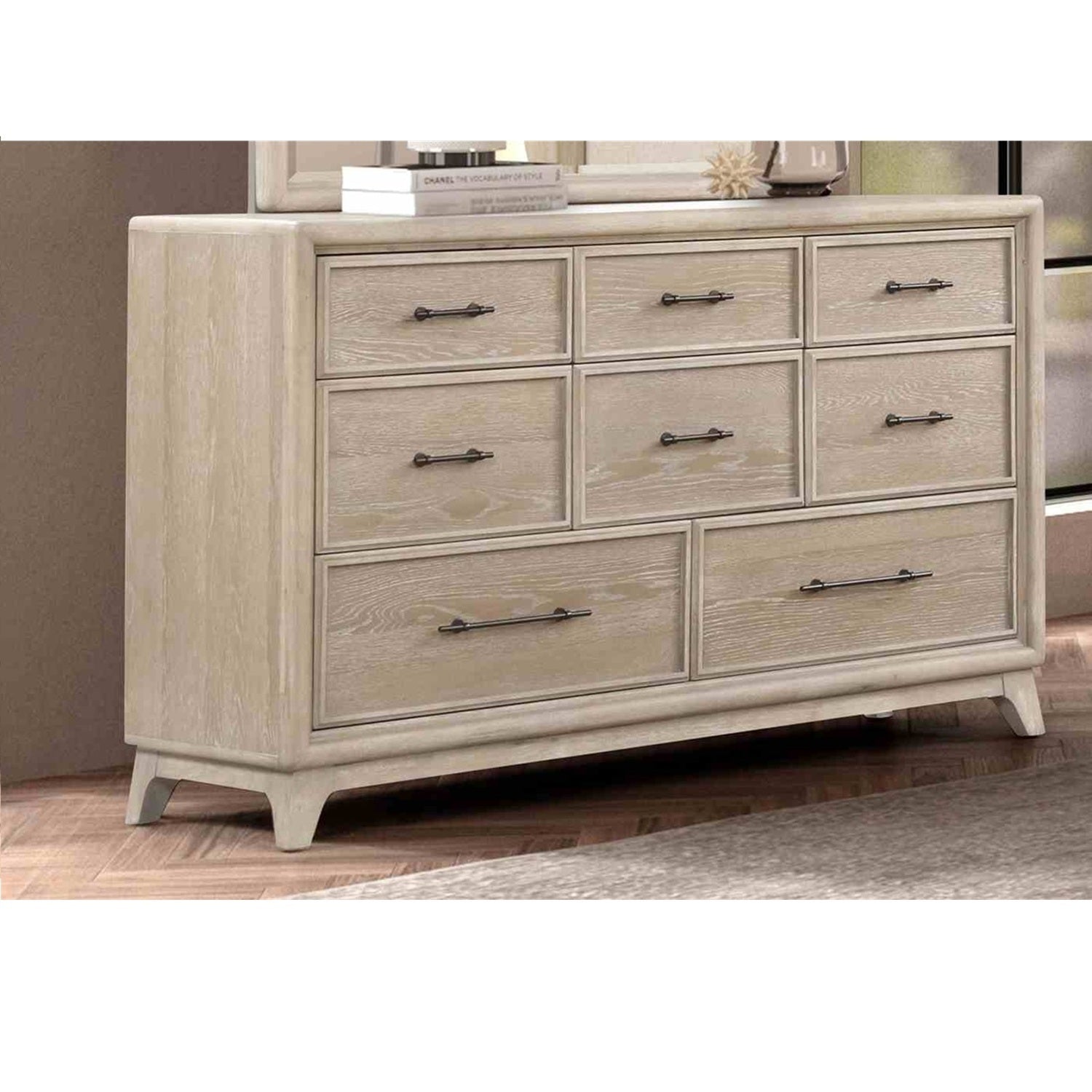
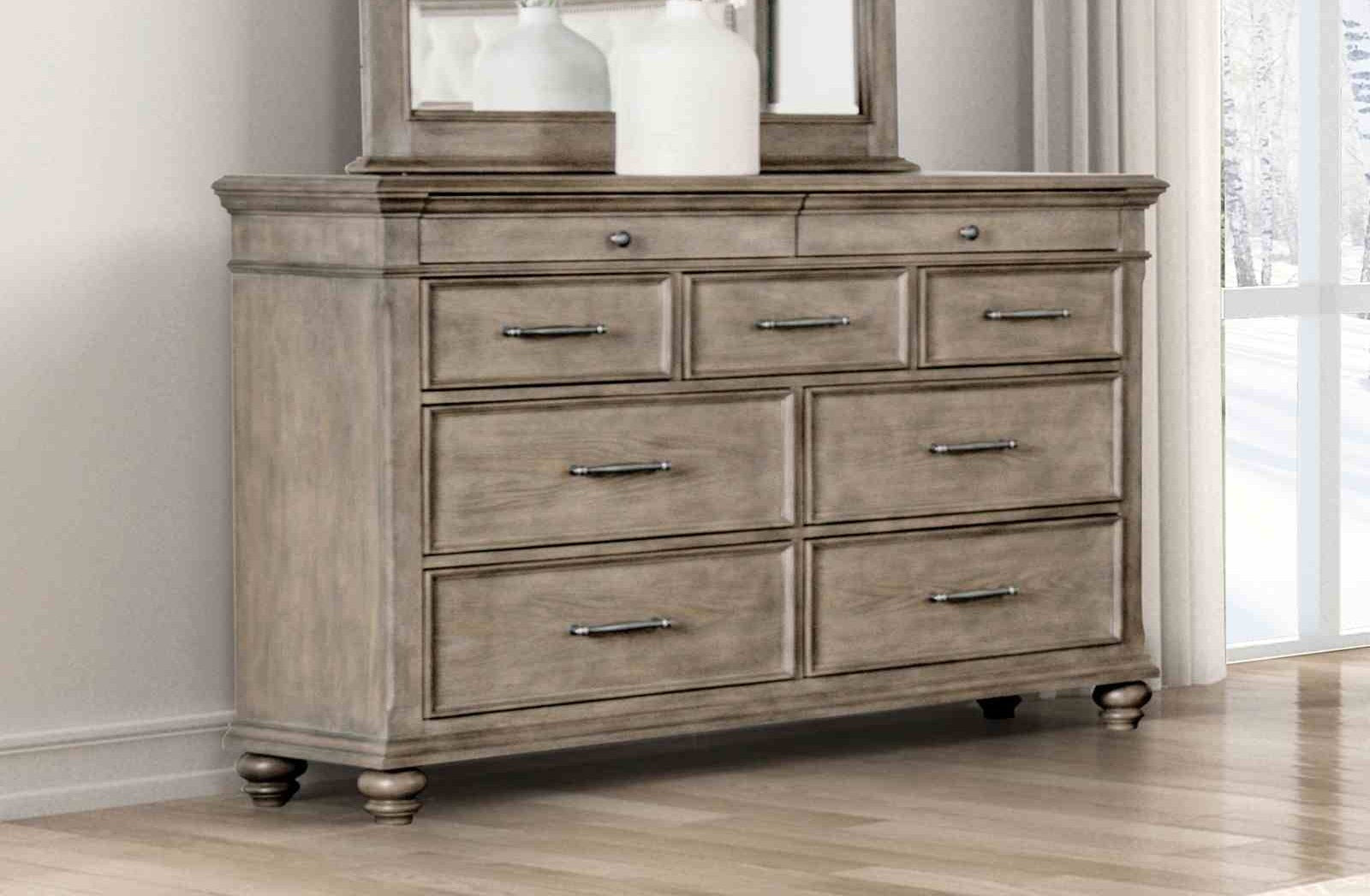
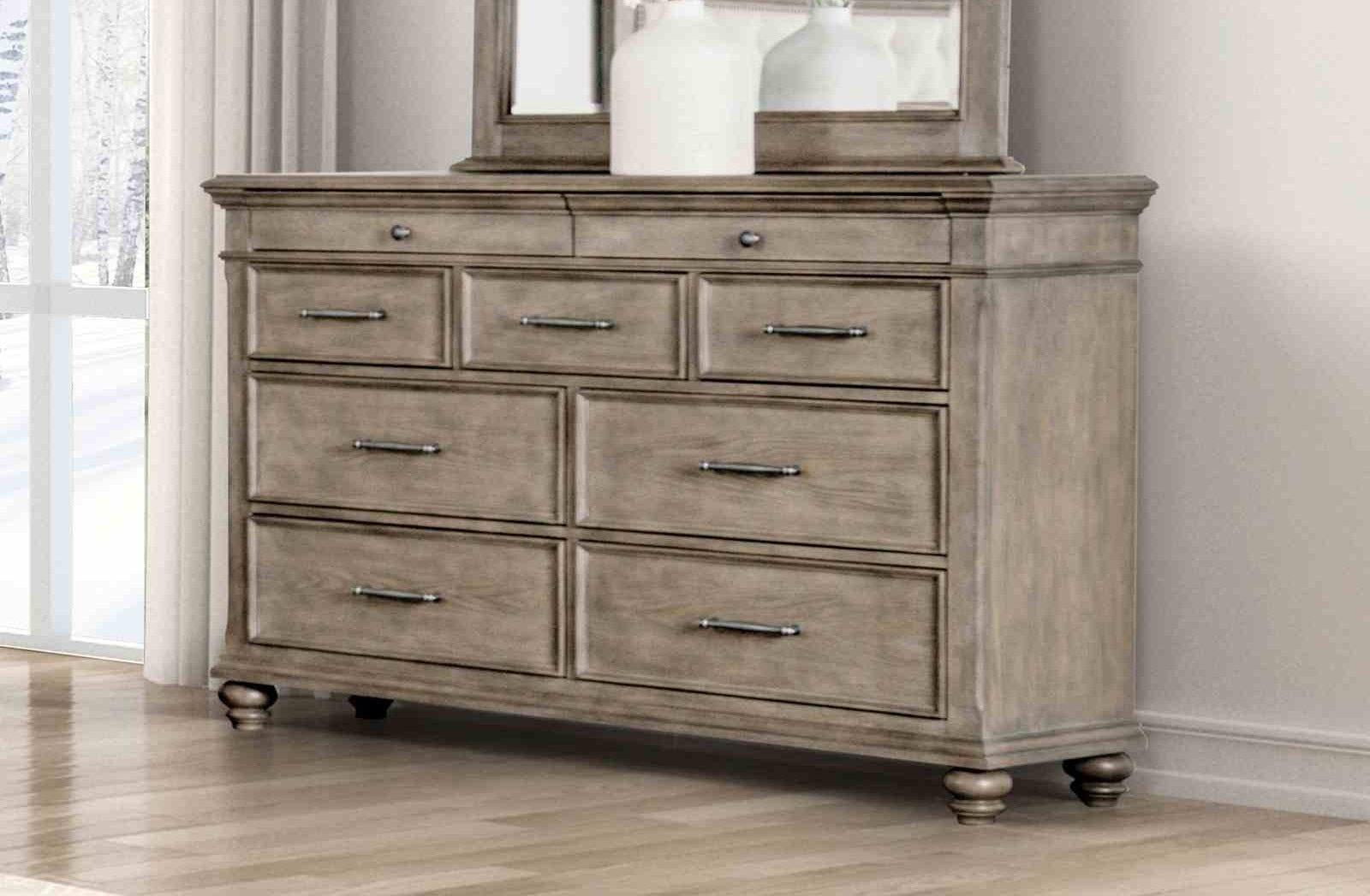
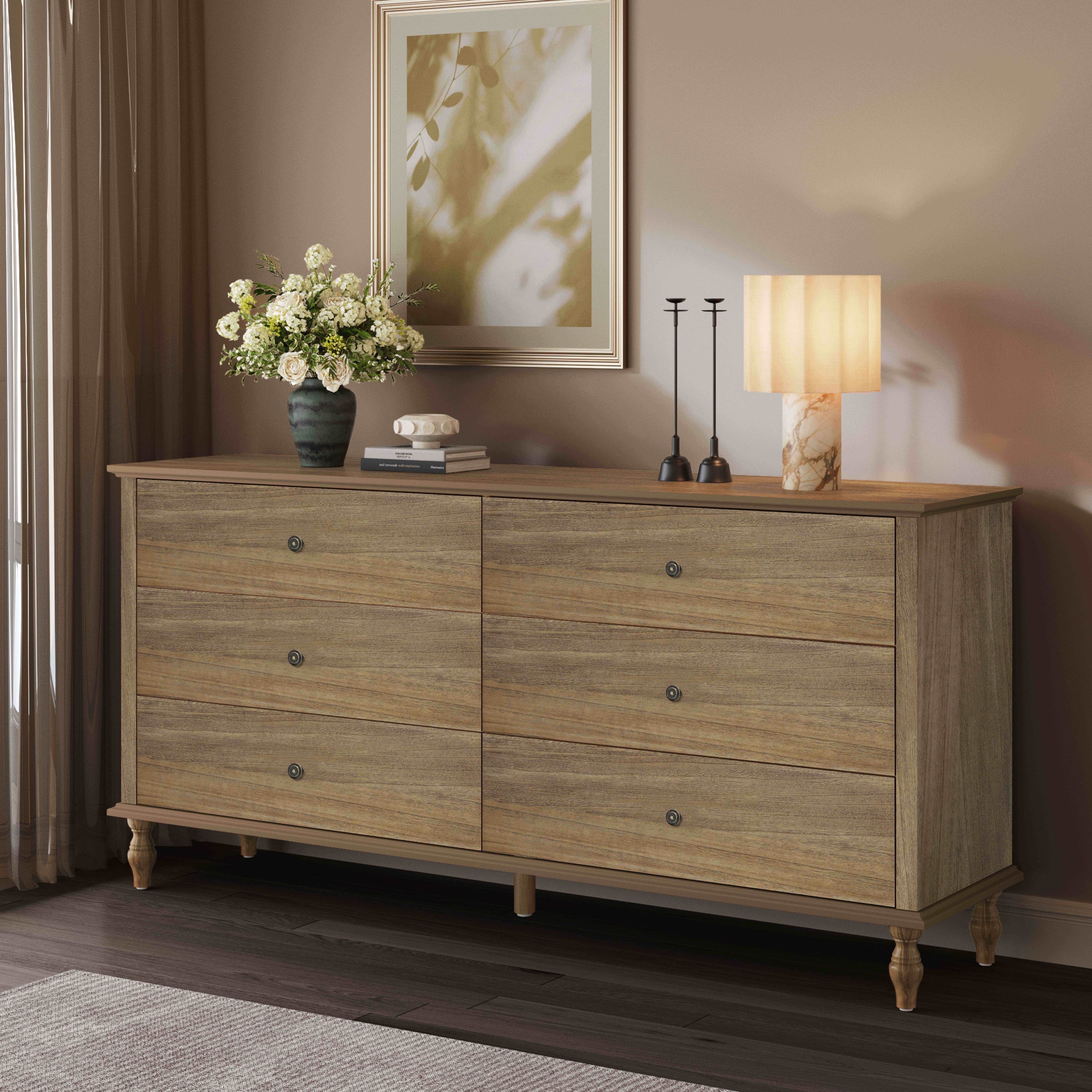
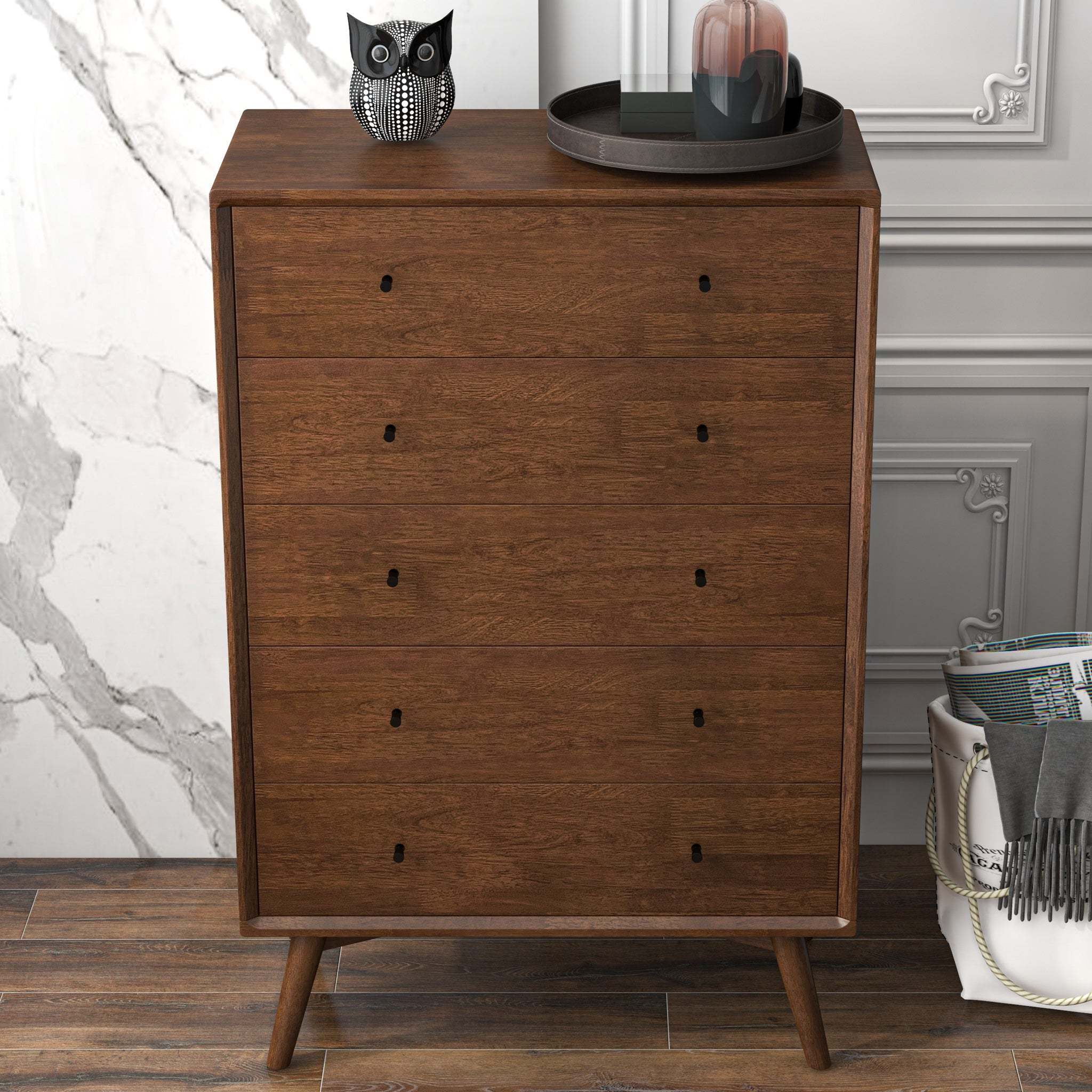
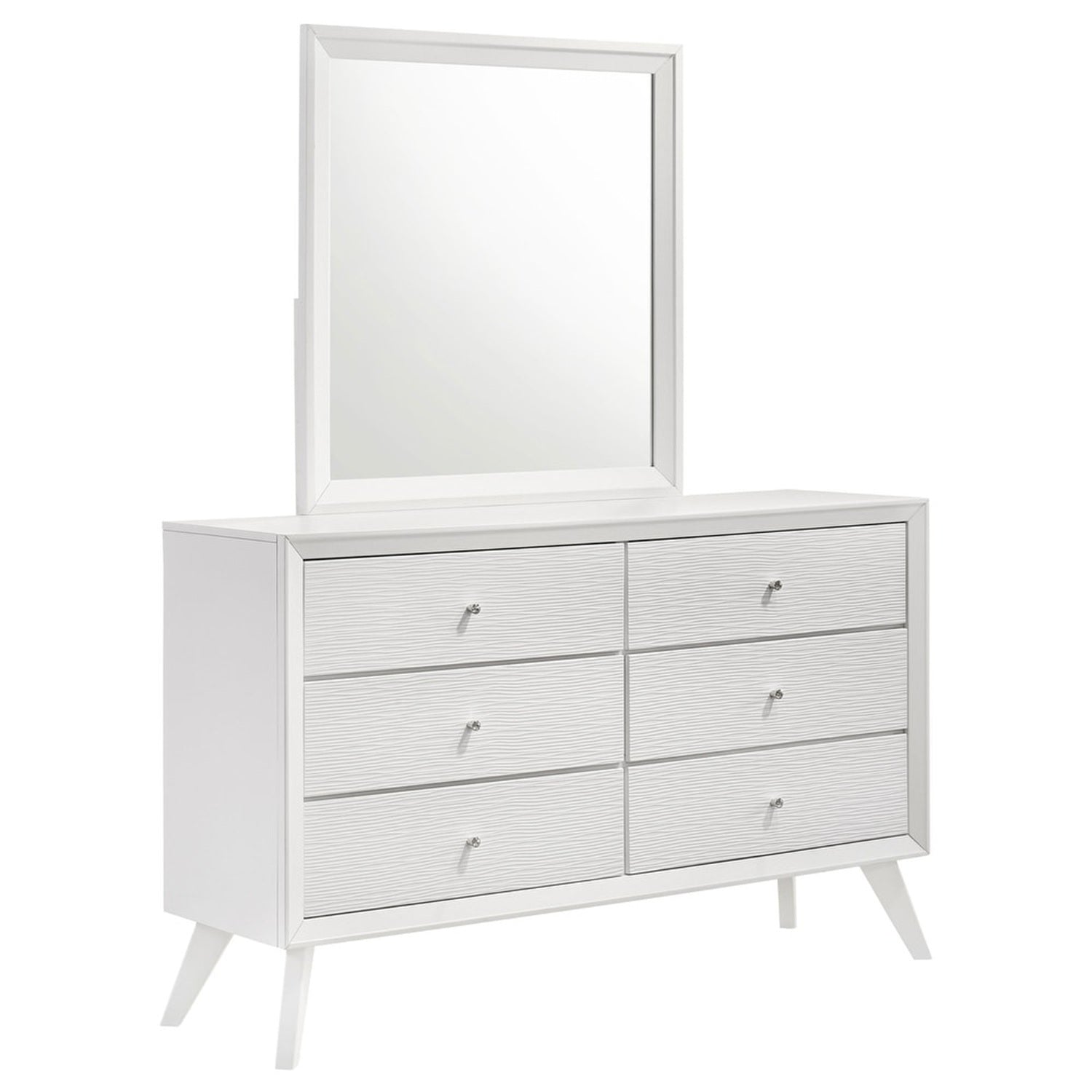
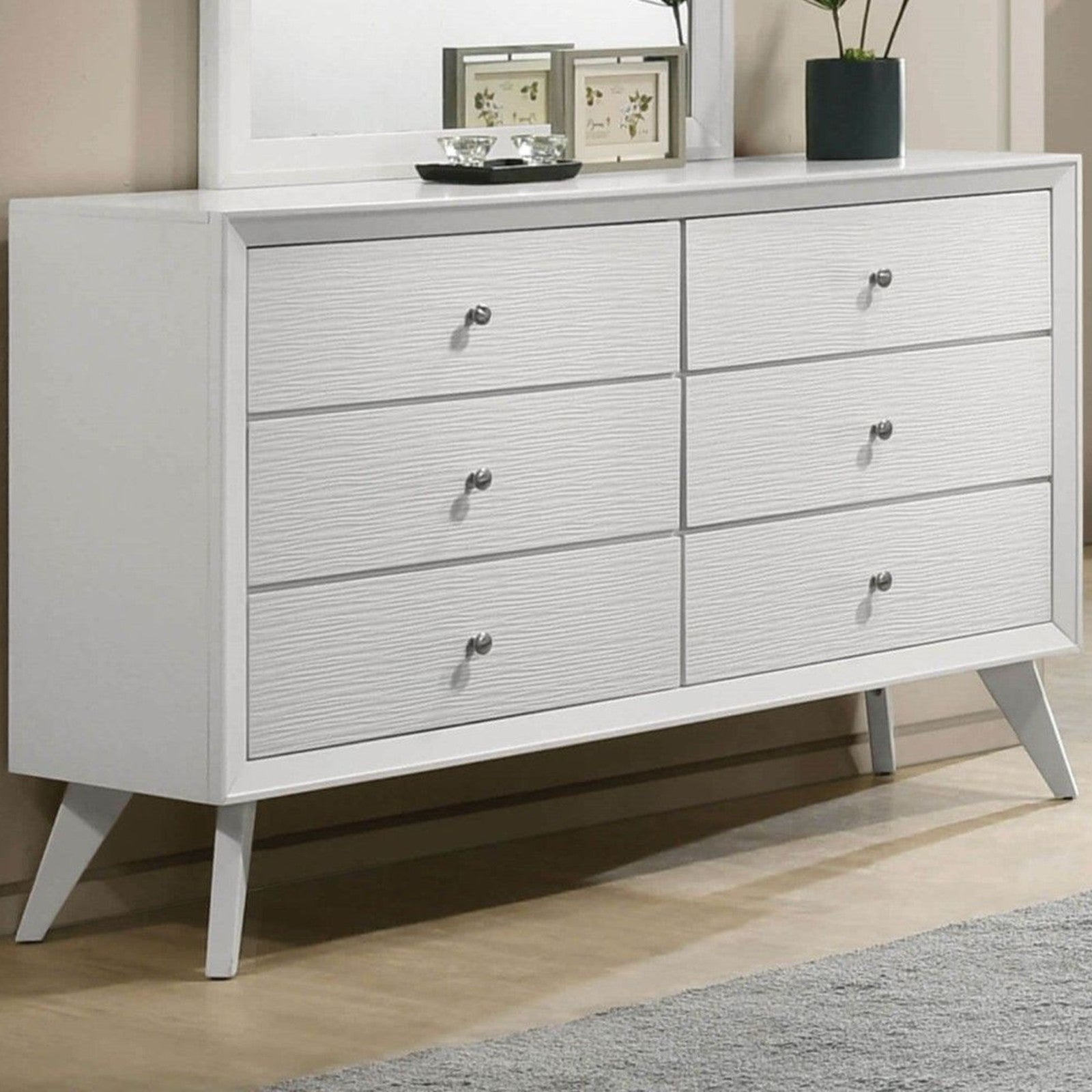
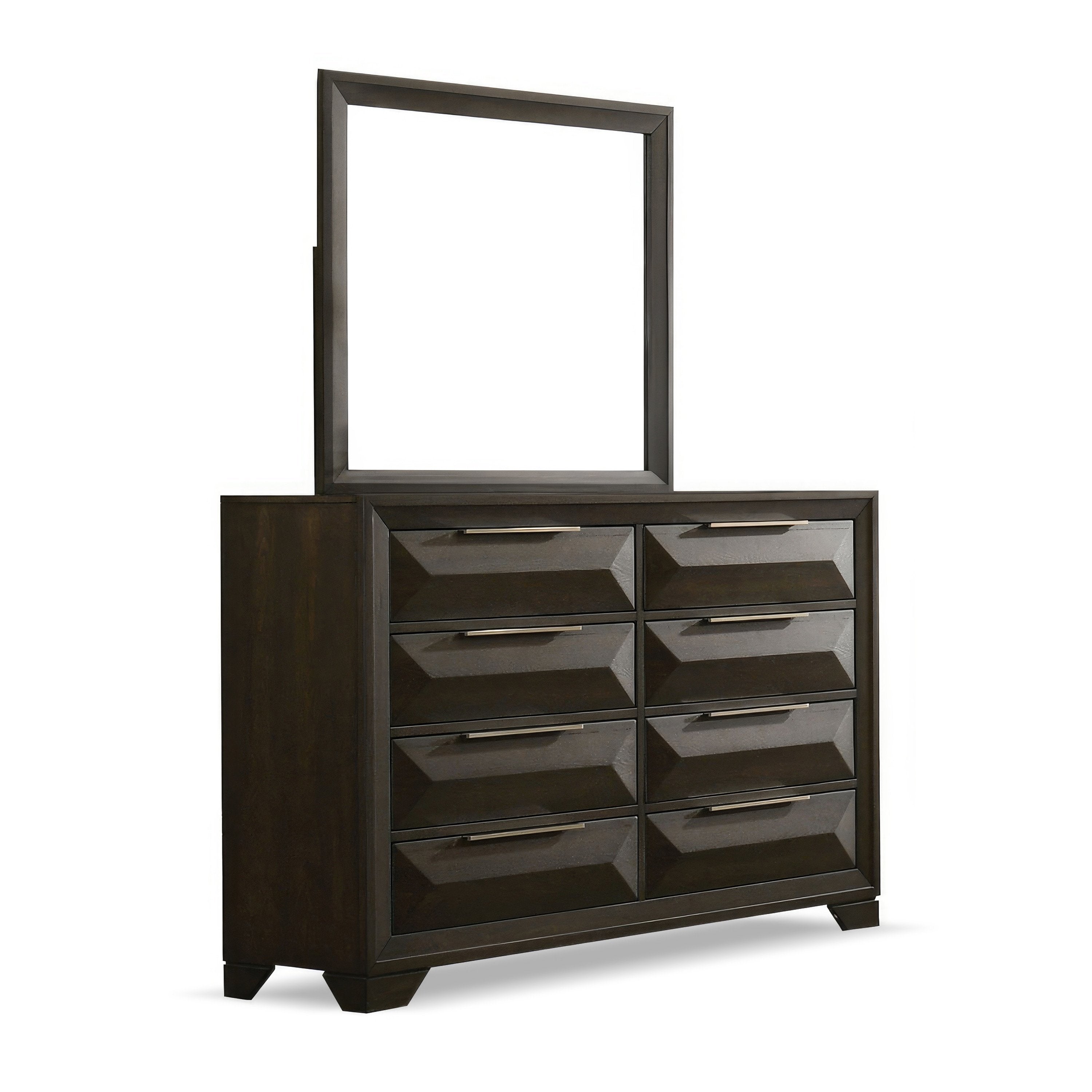
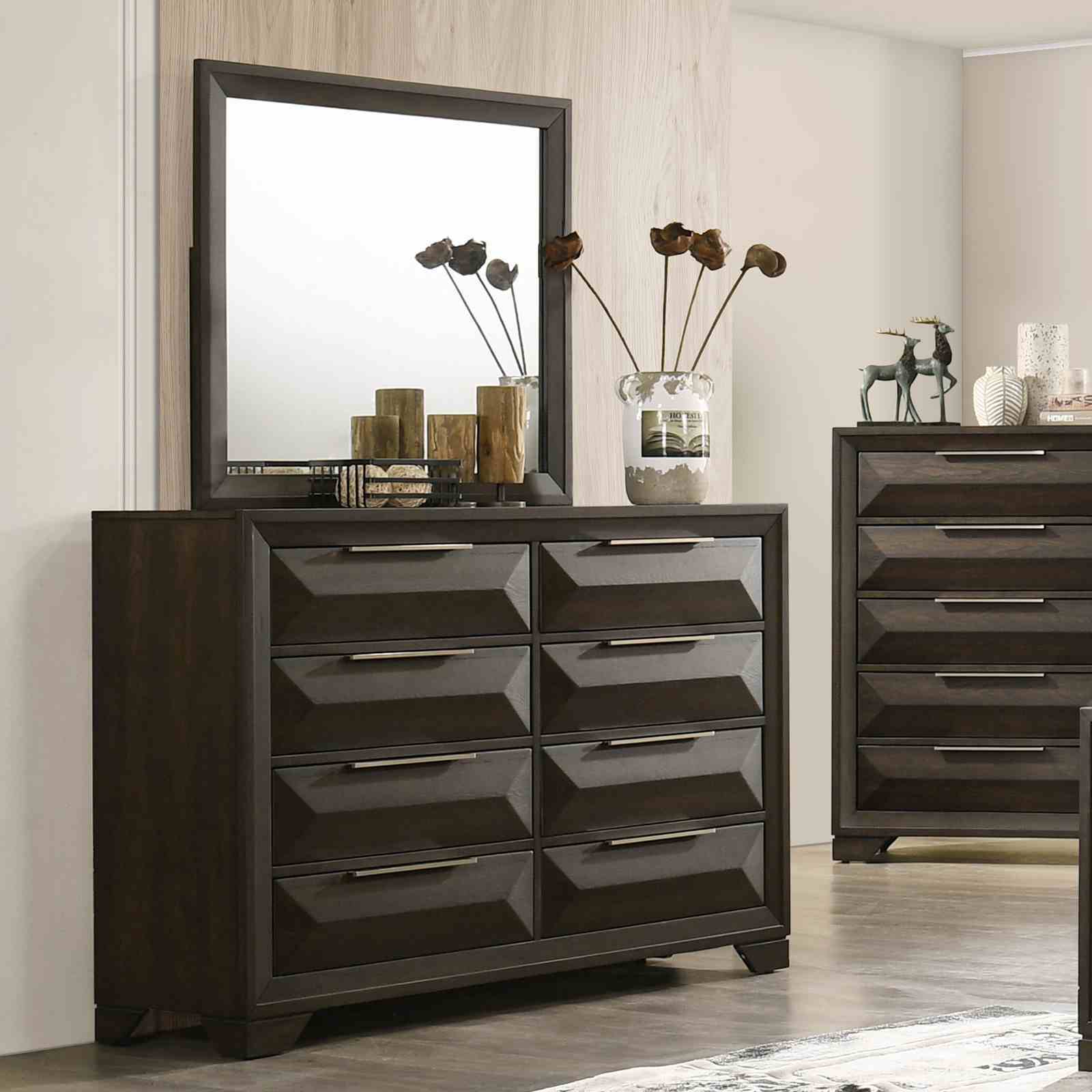
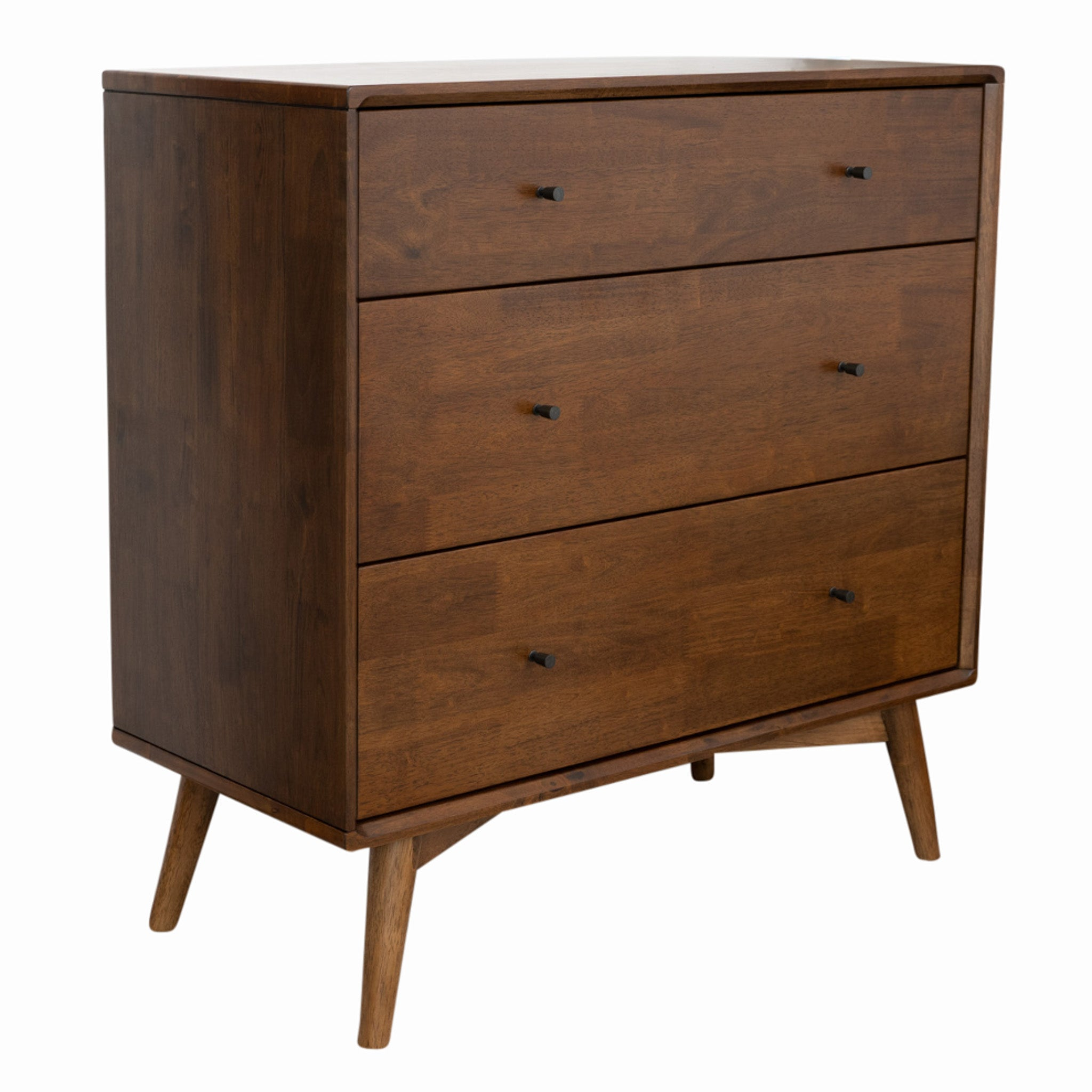
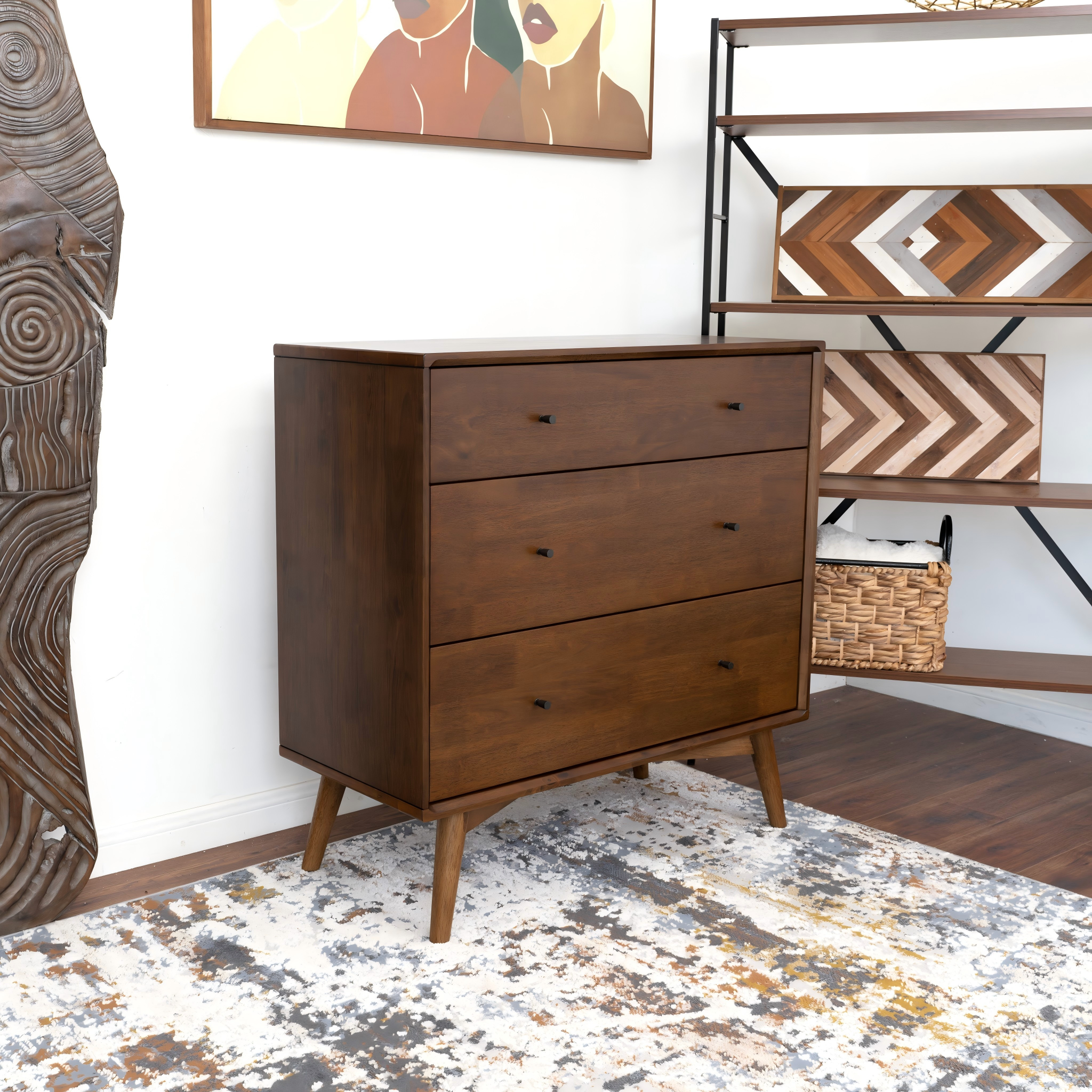
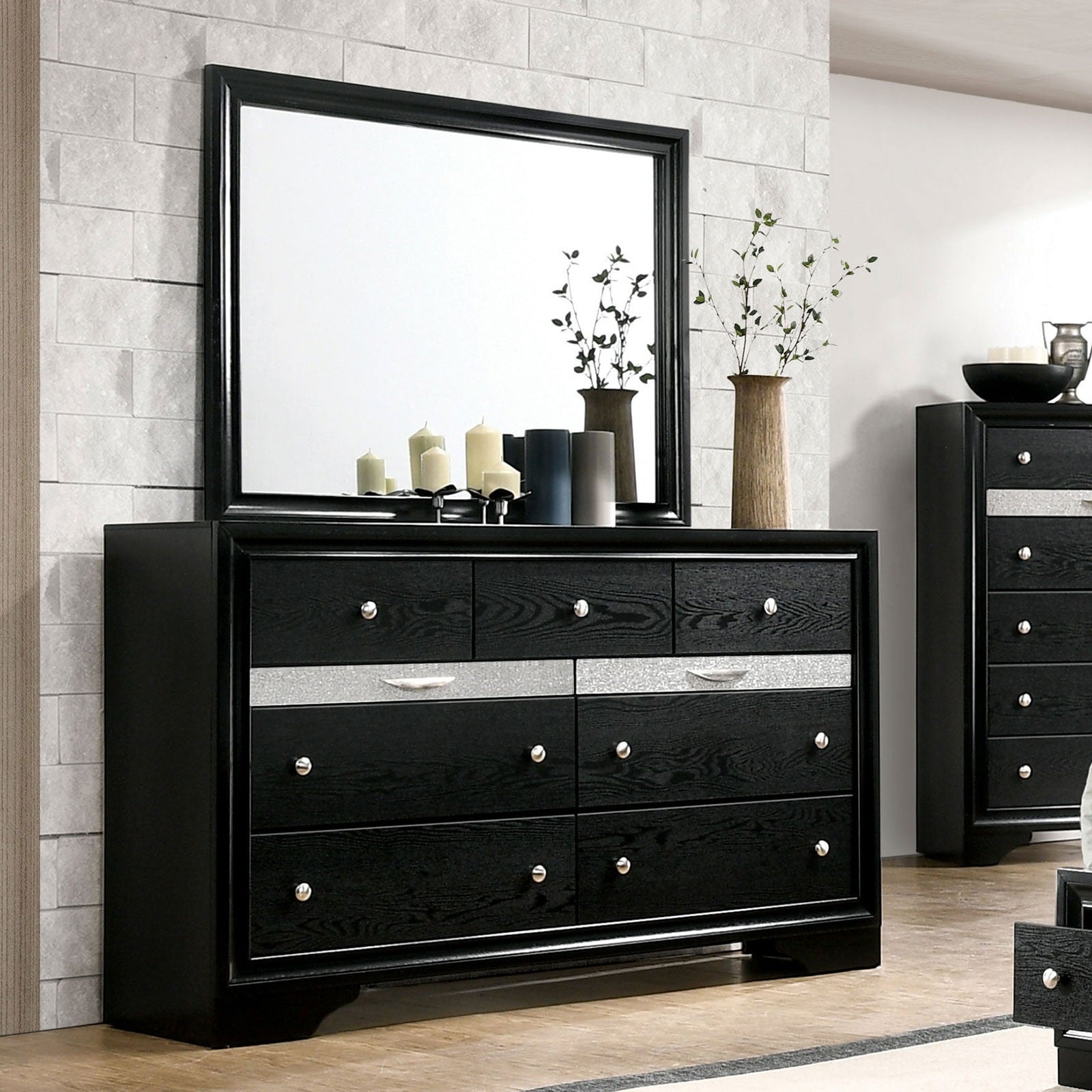
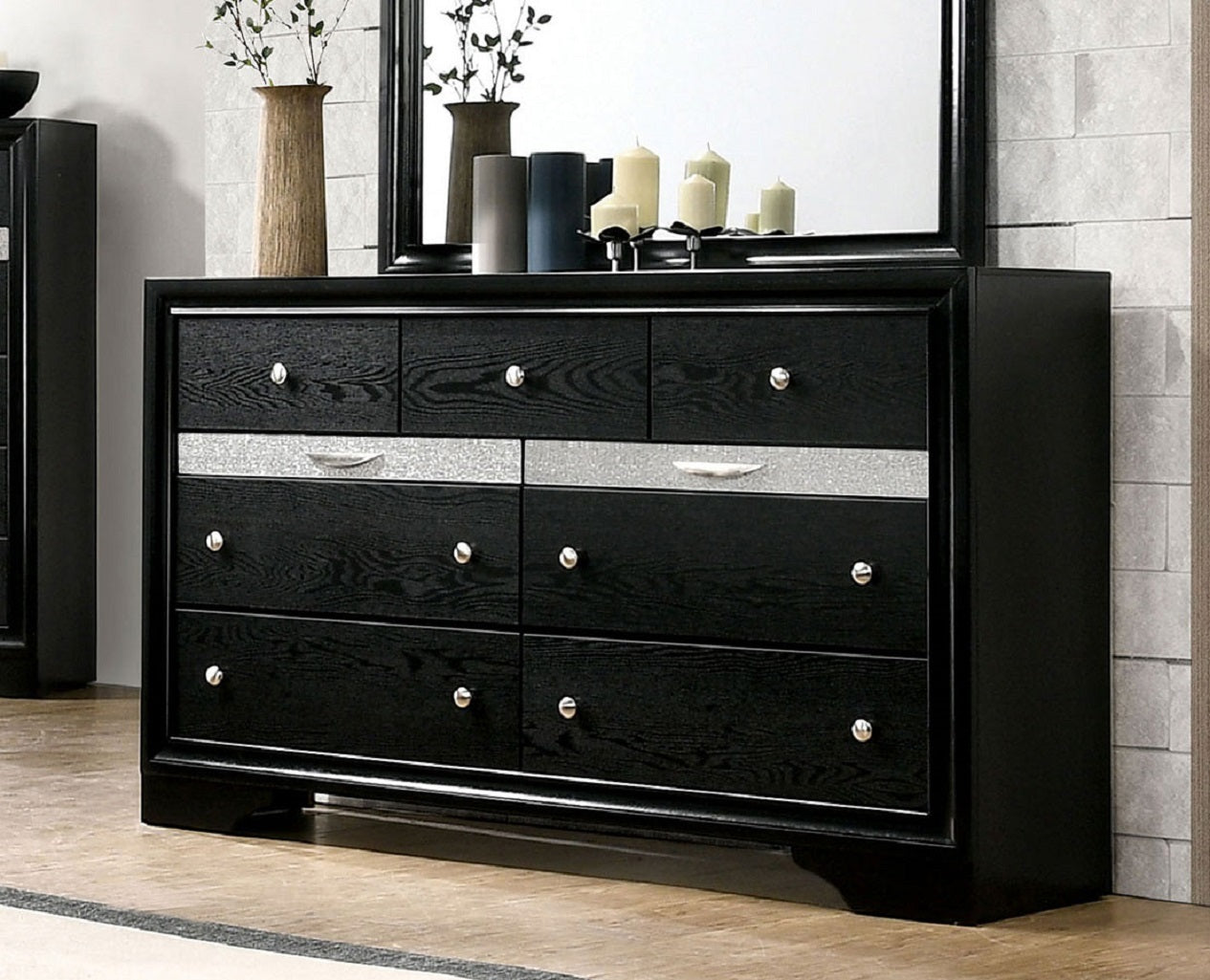
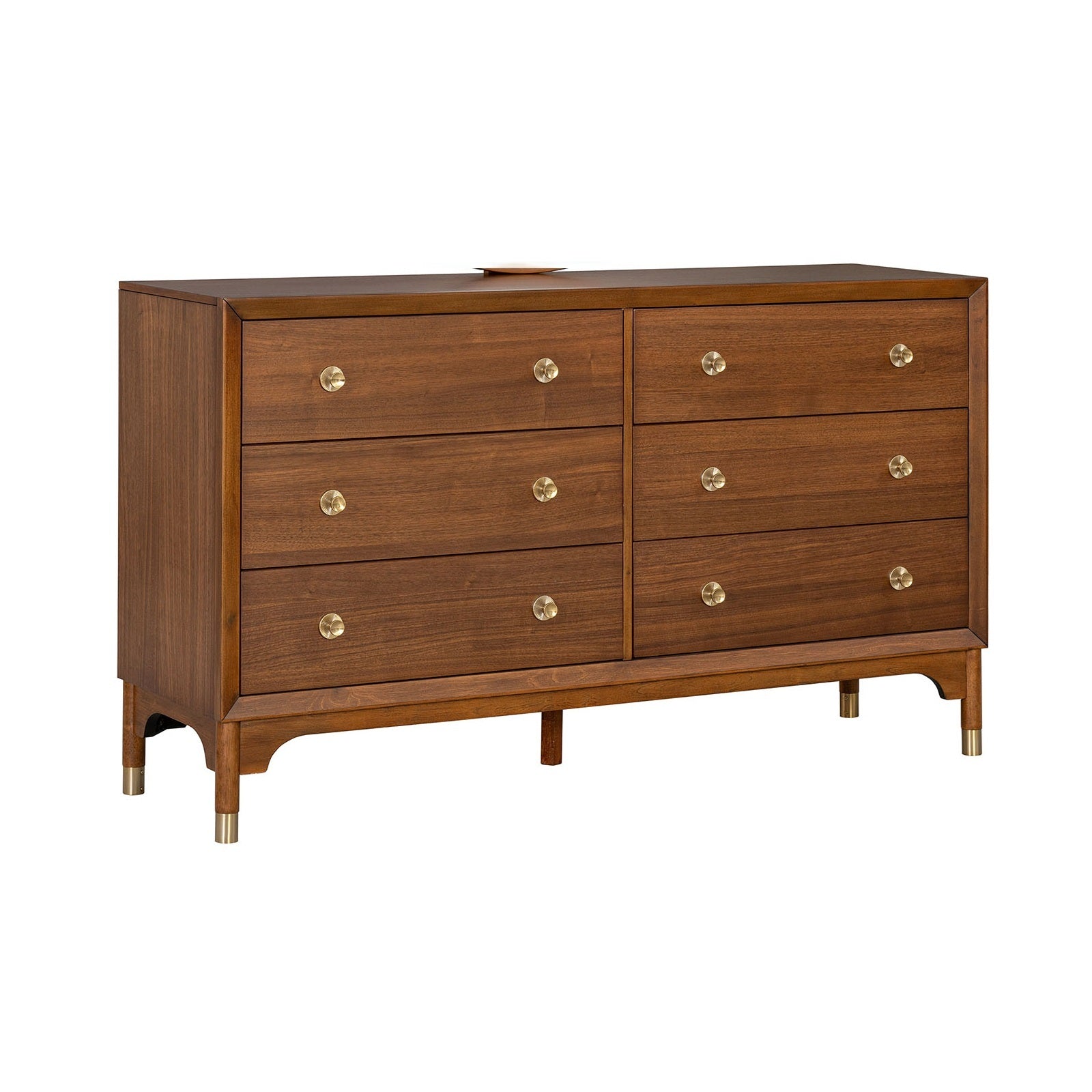
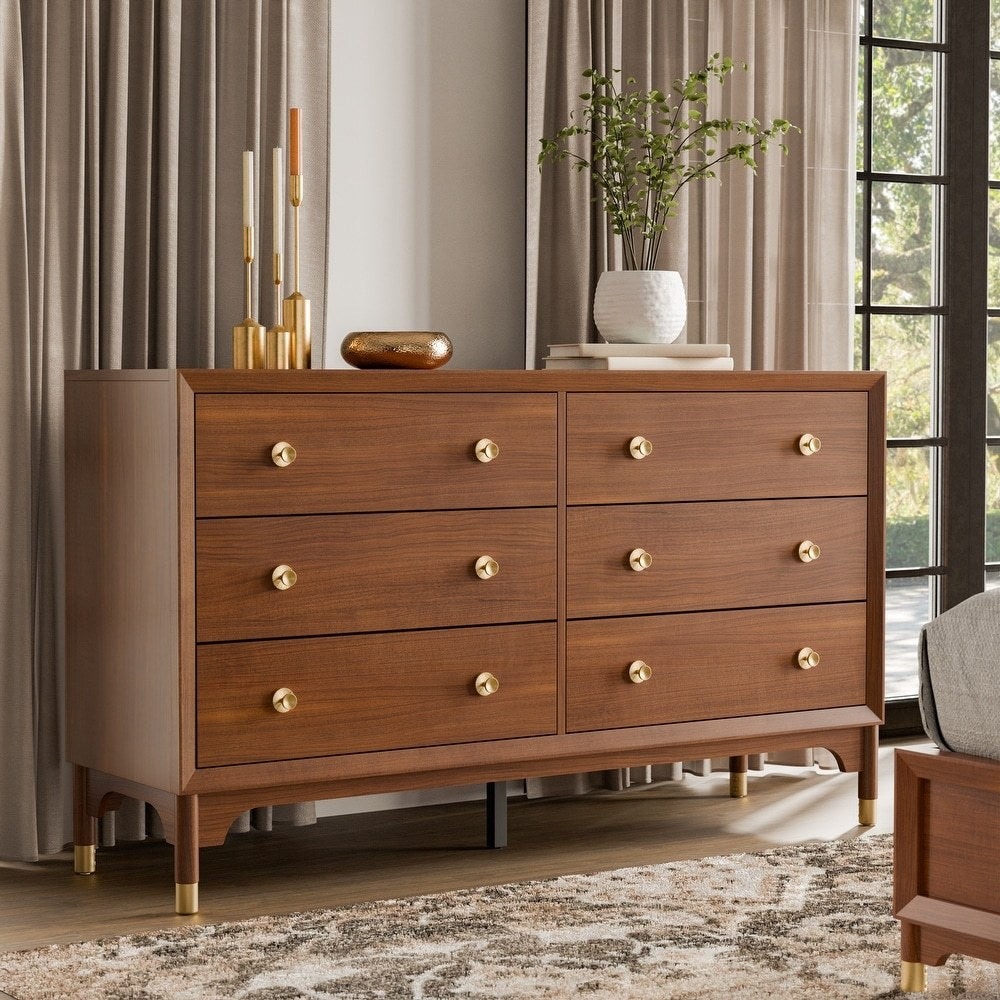
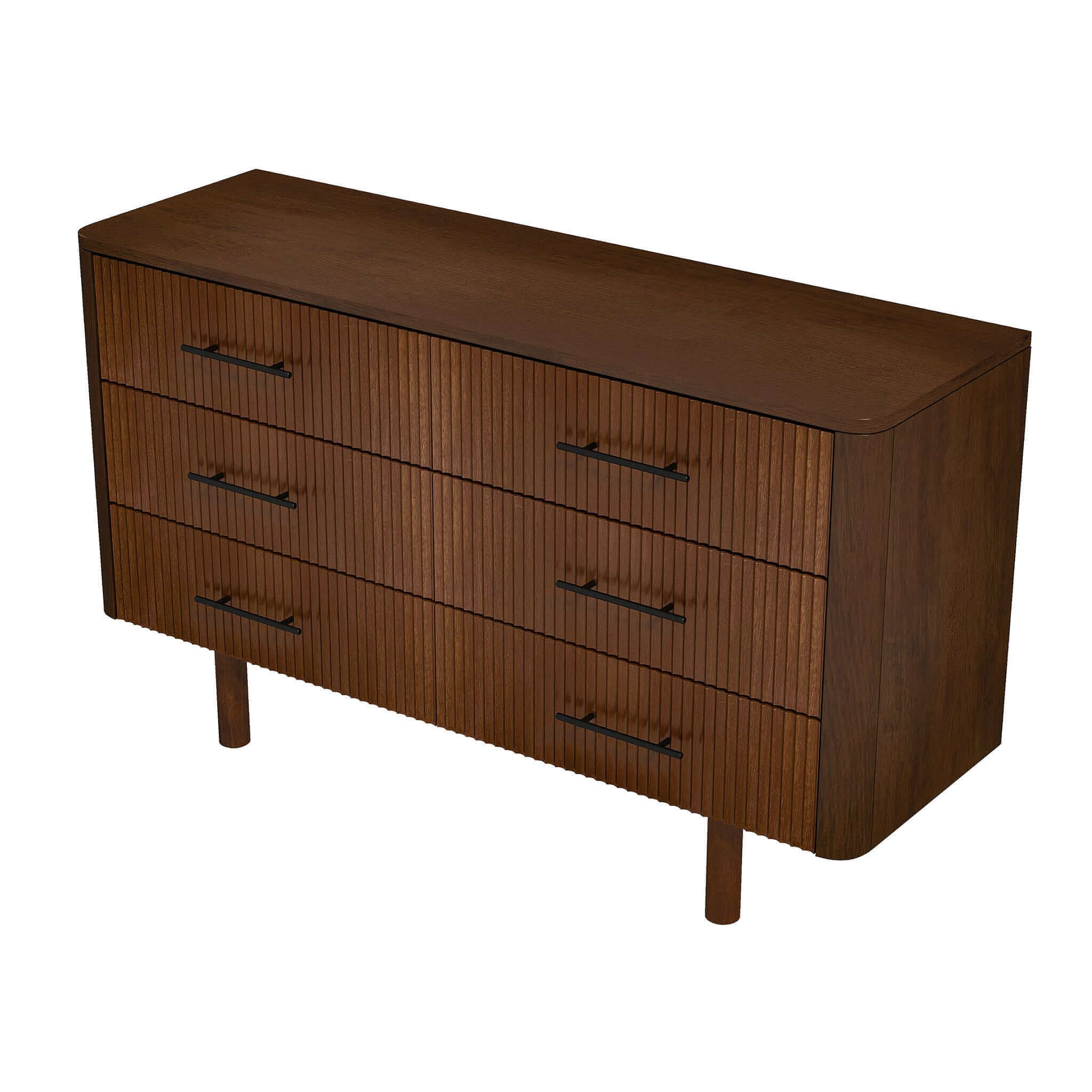
More Dressers


More in Solid Wood


What to look for in a solid wood dresser
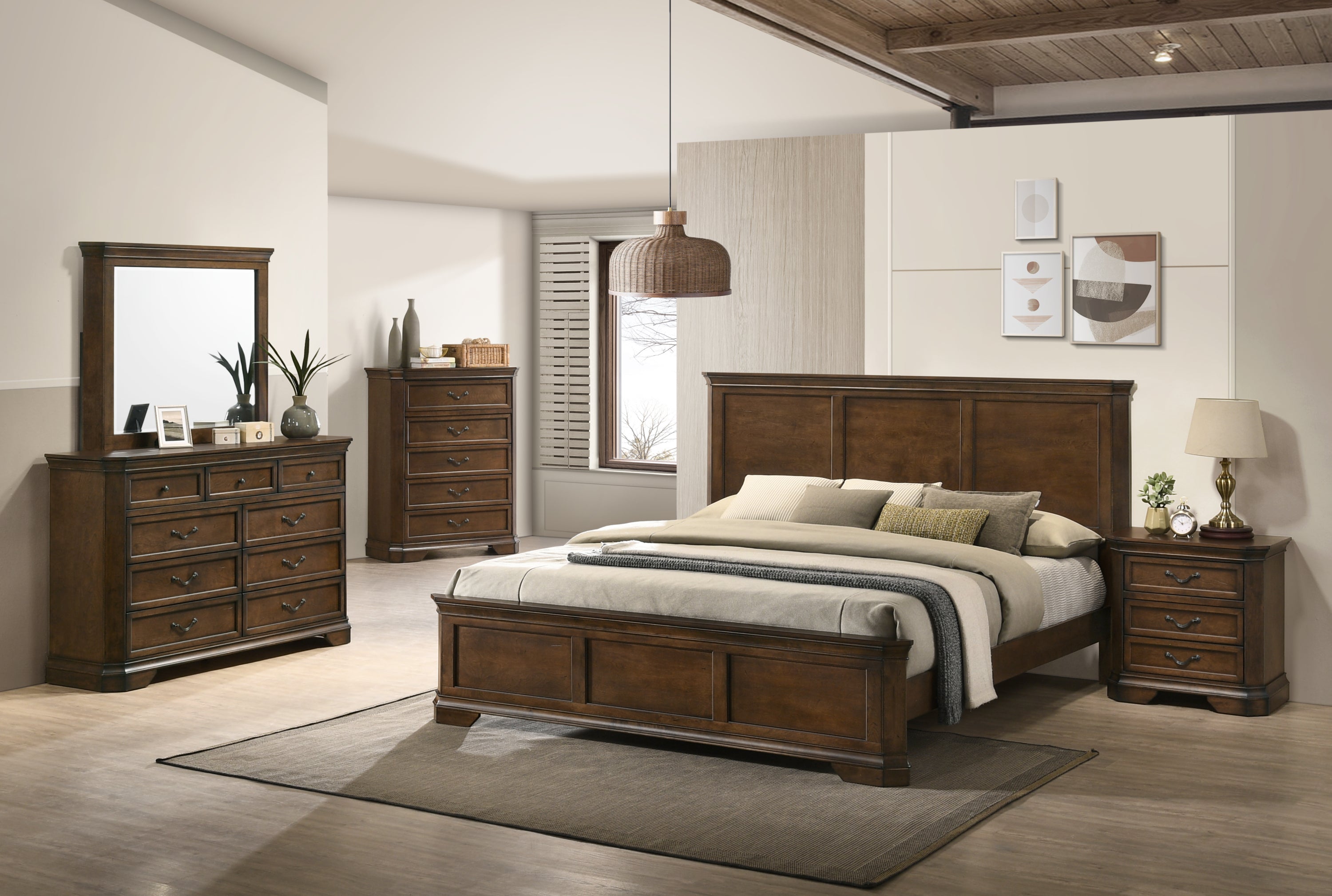
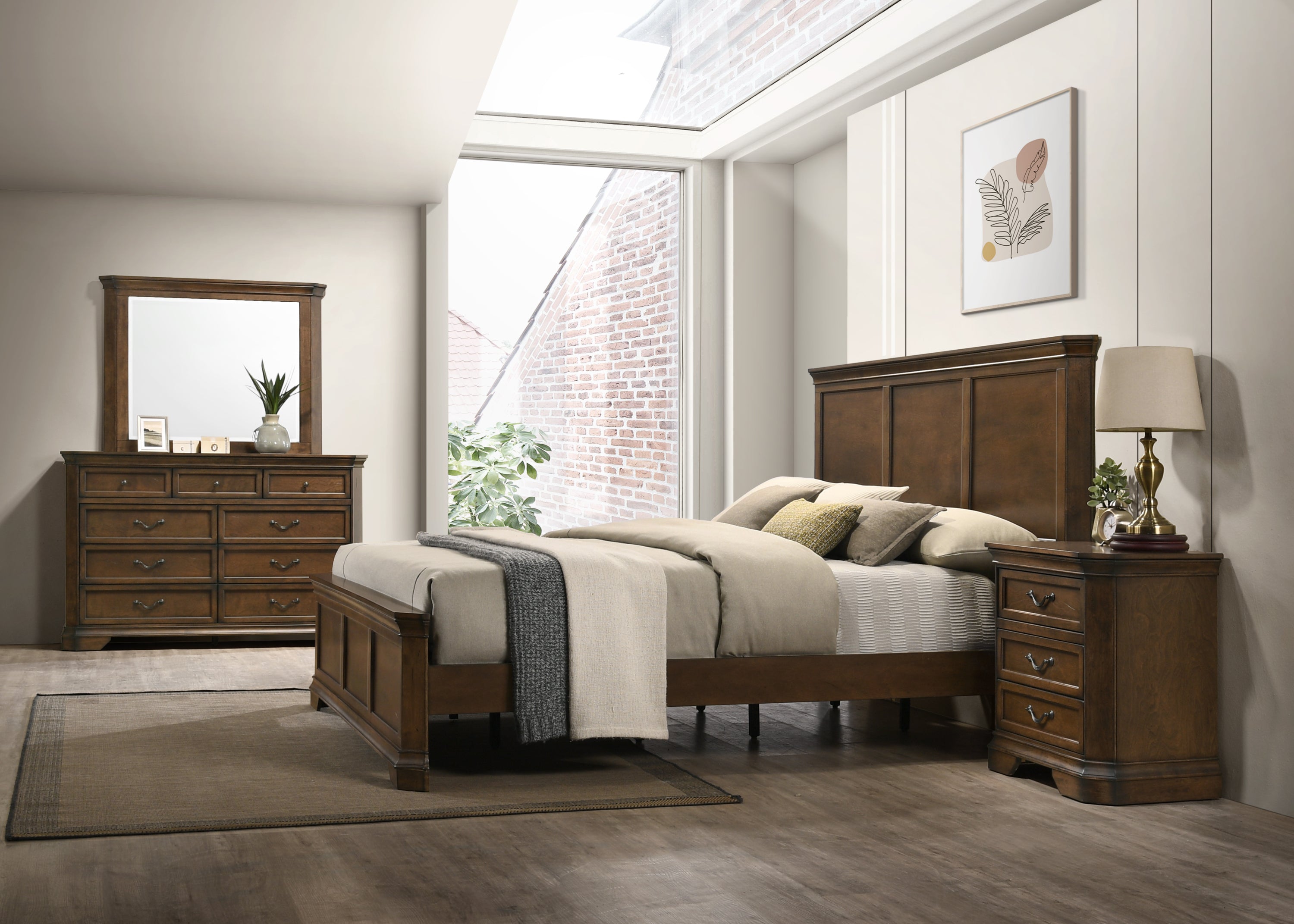
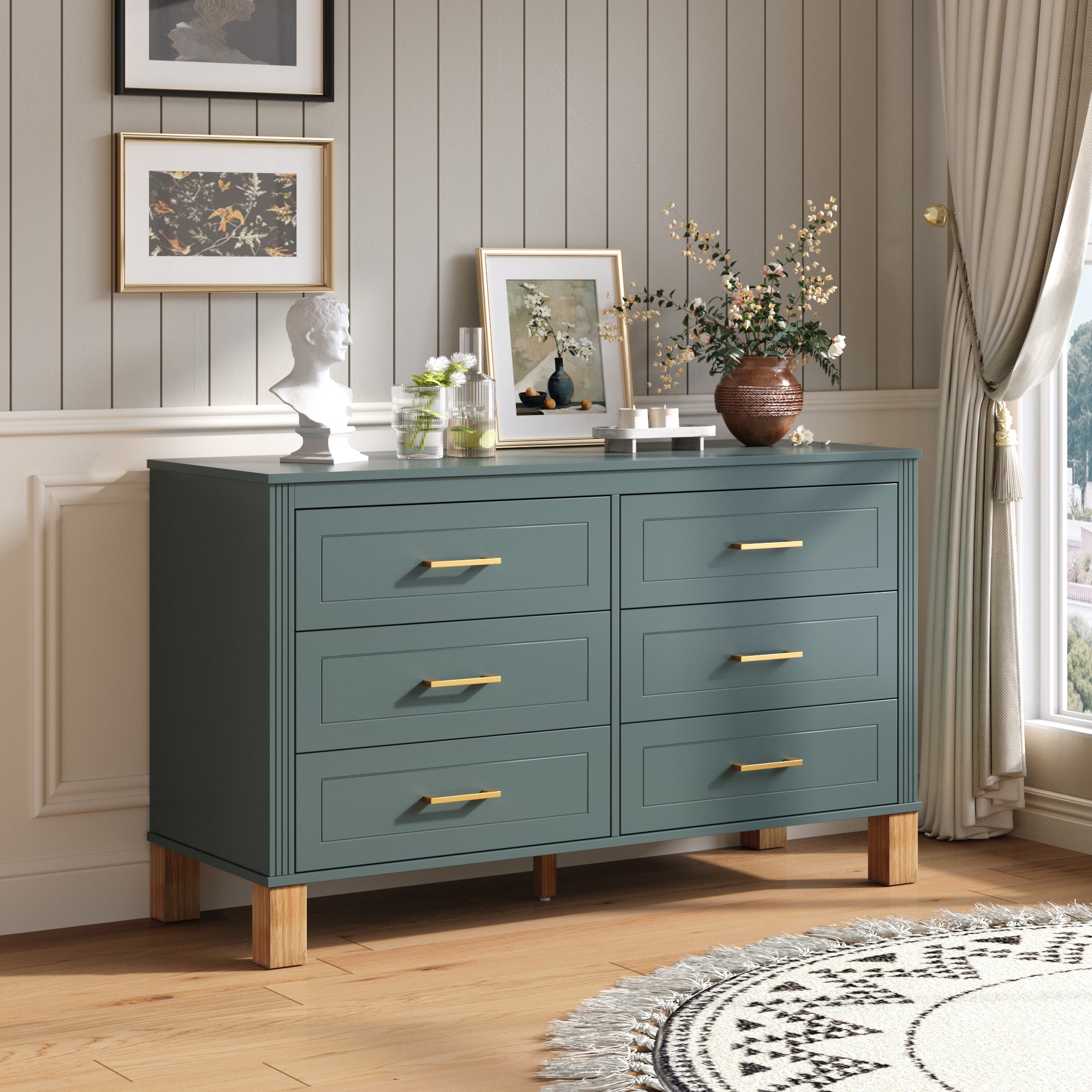
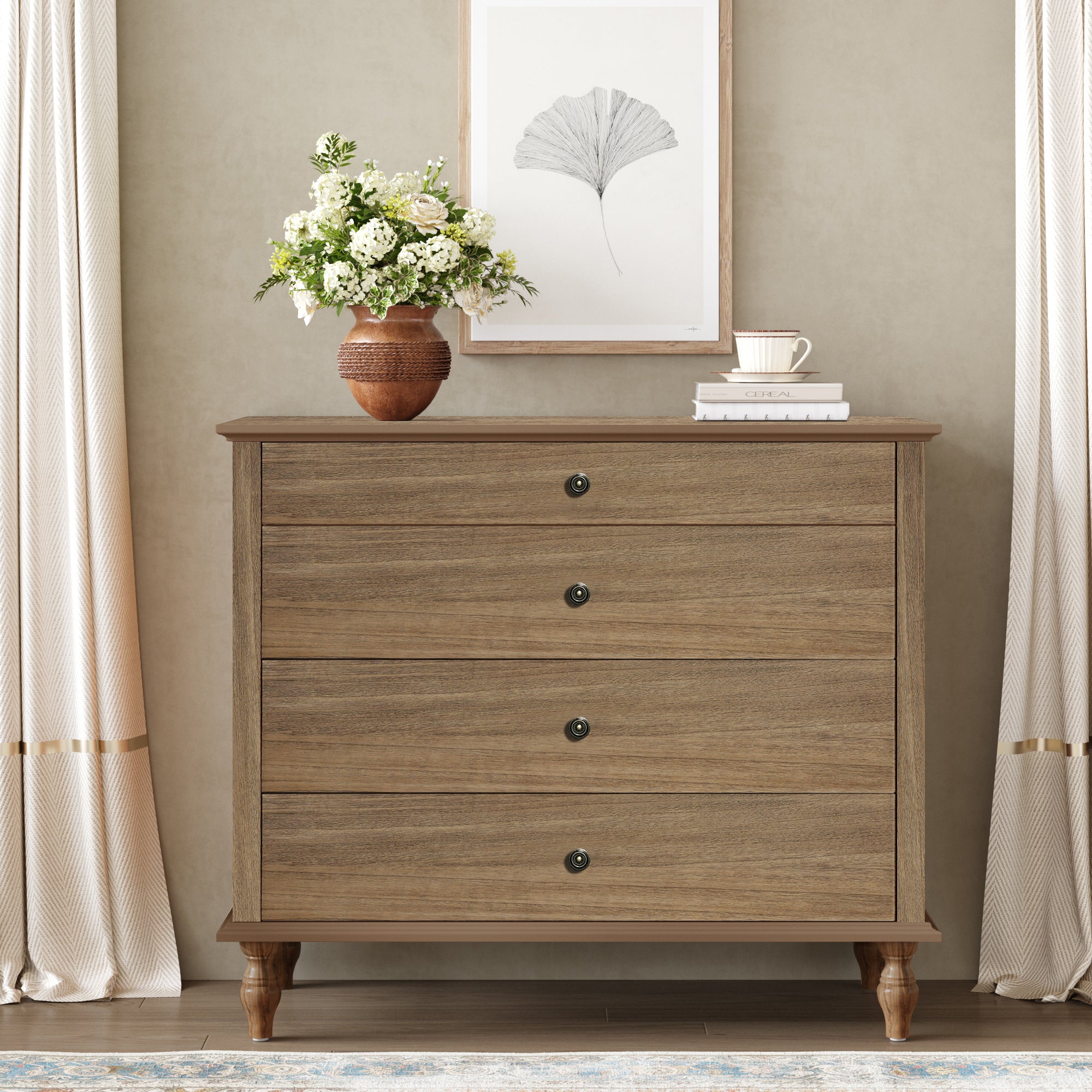
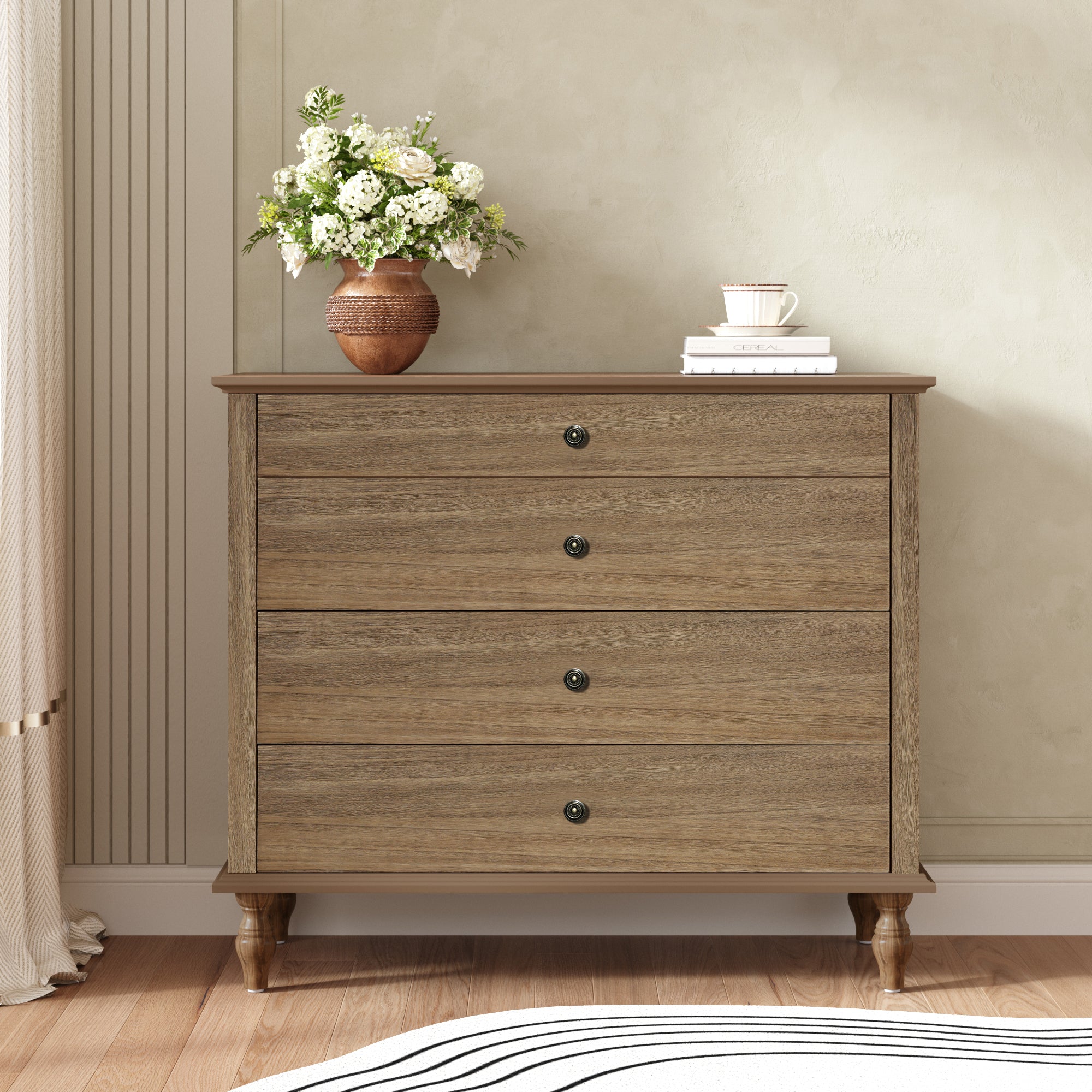
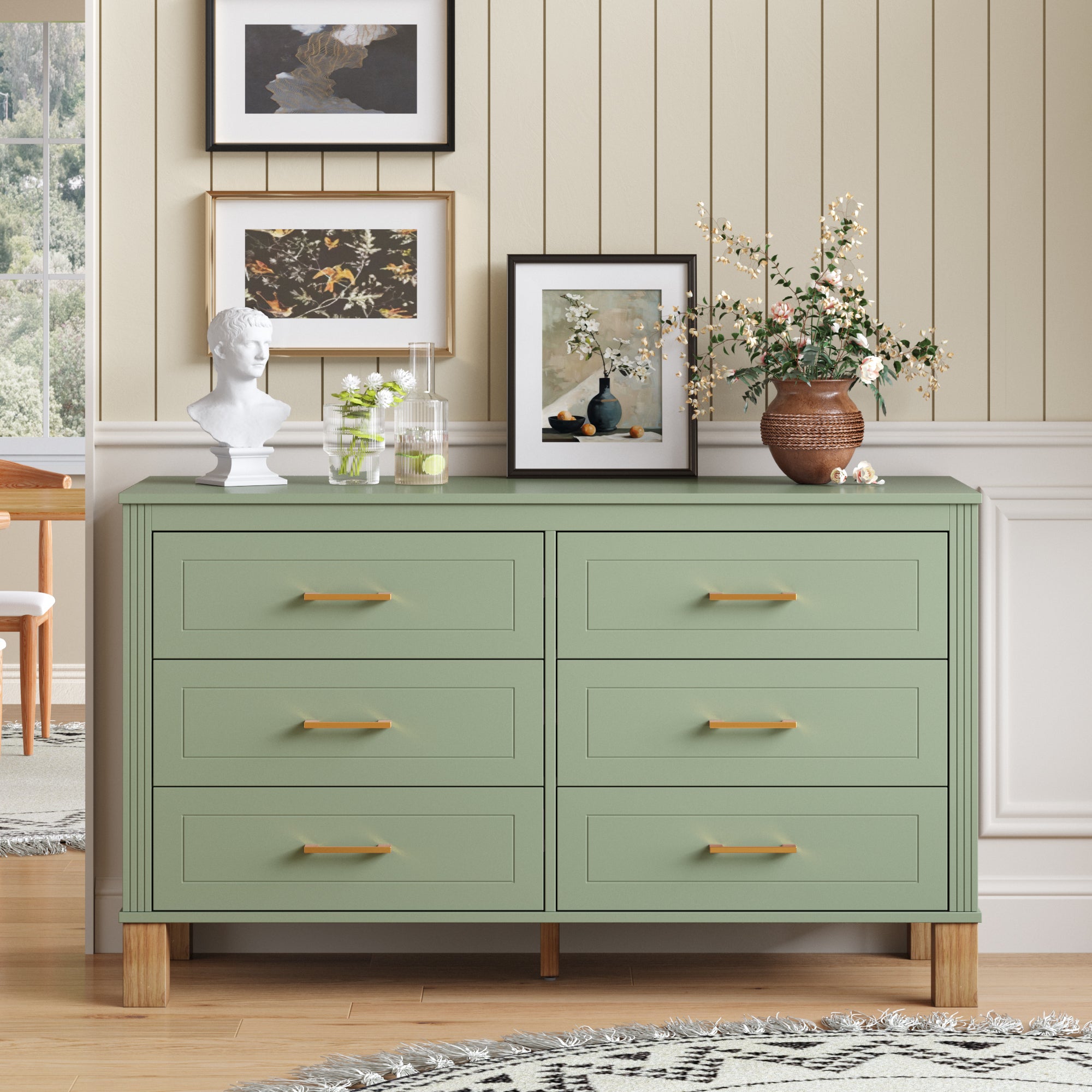
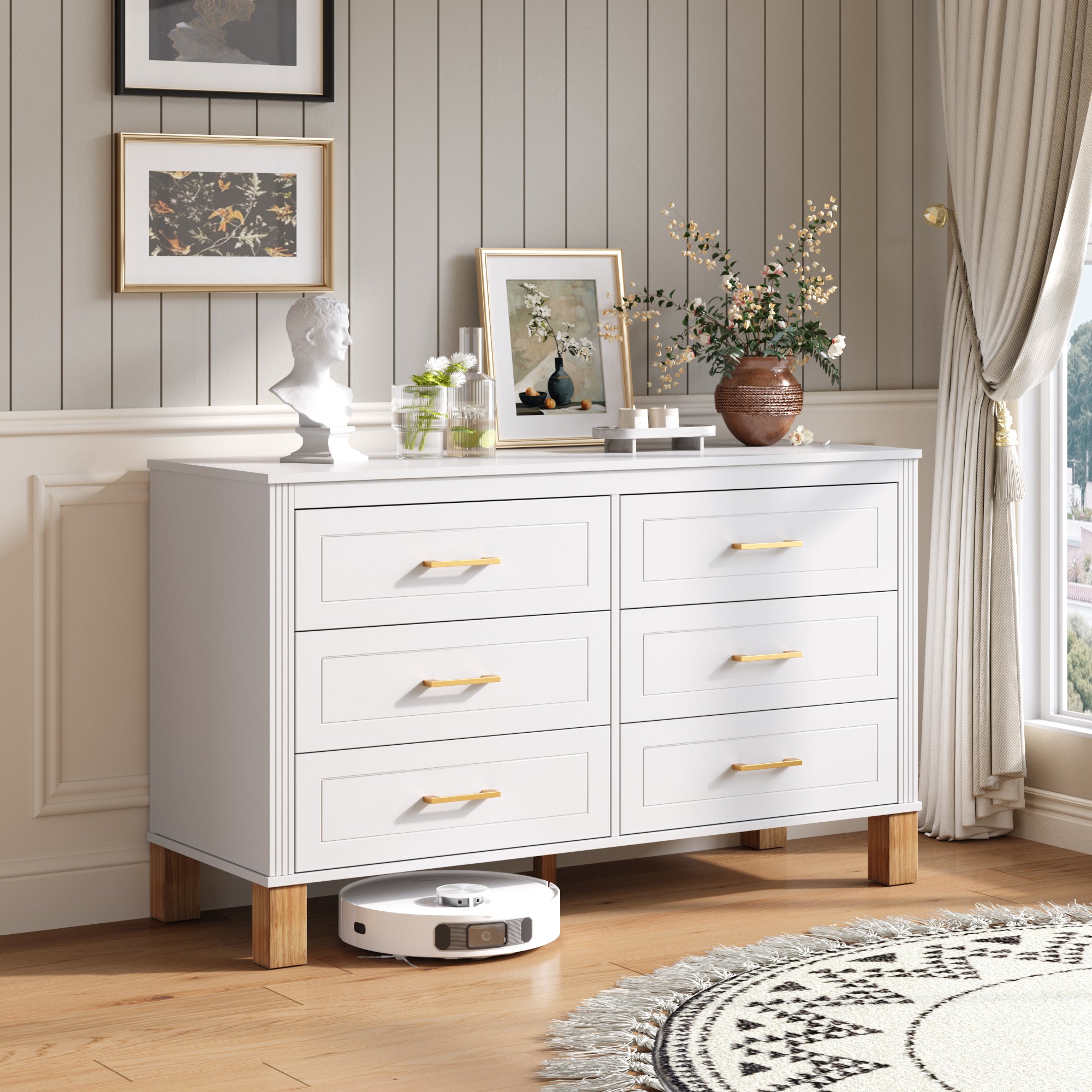
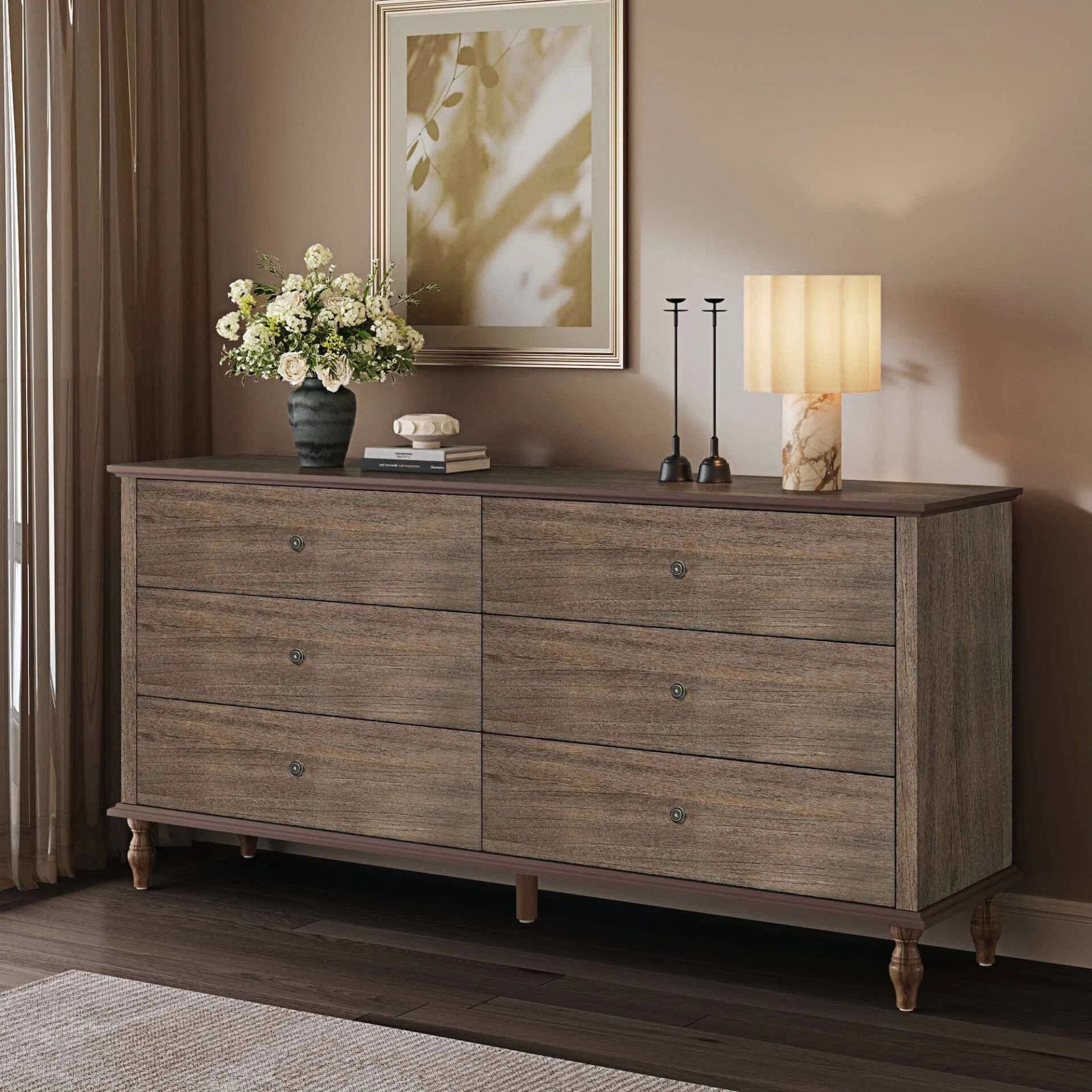
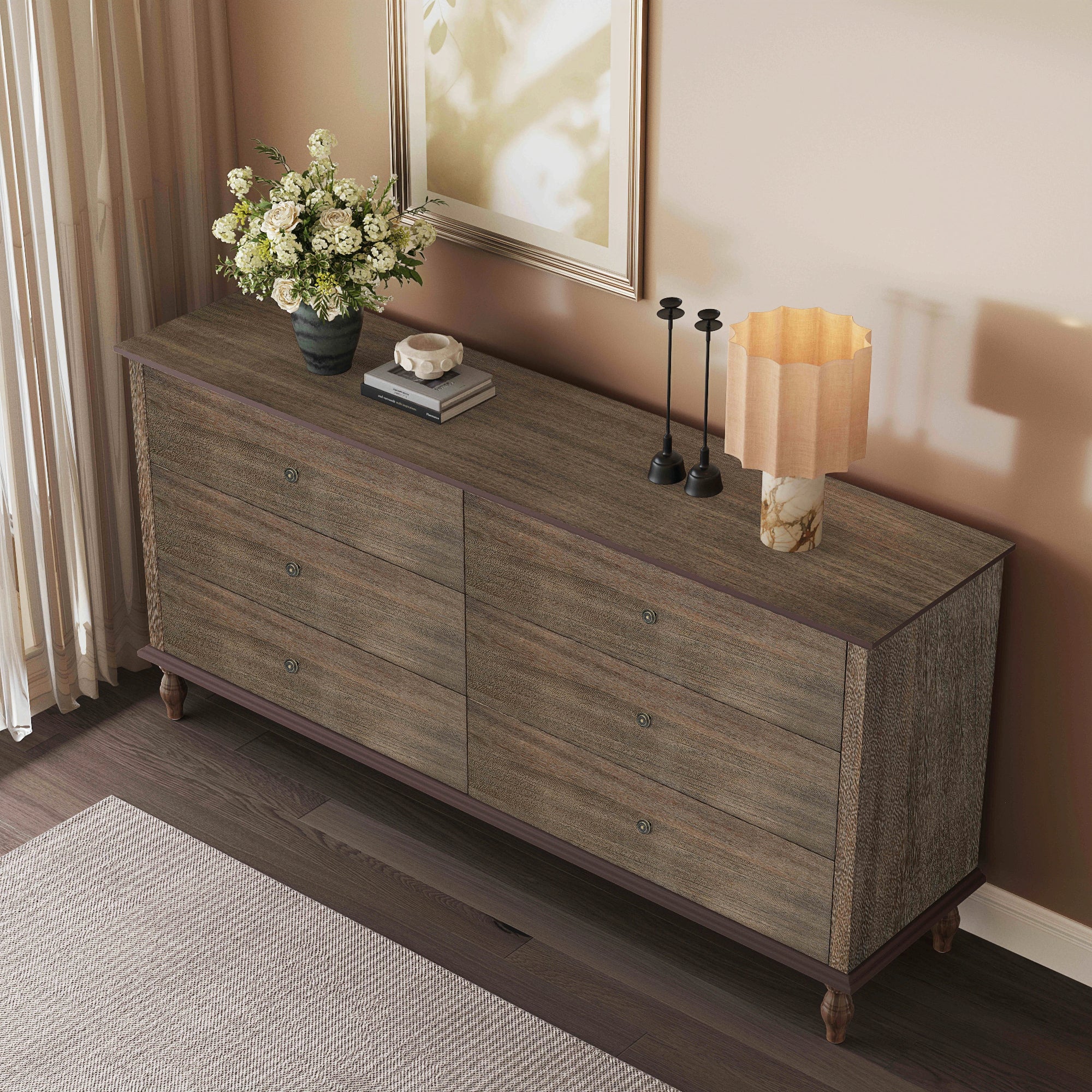
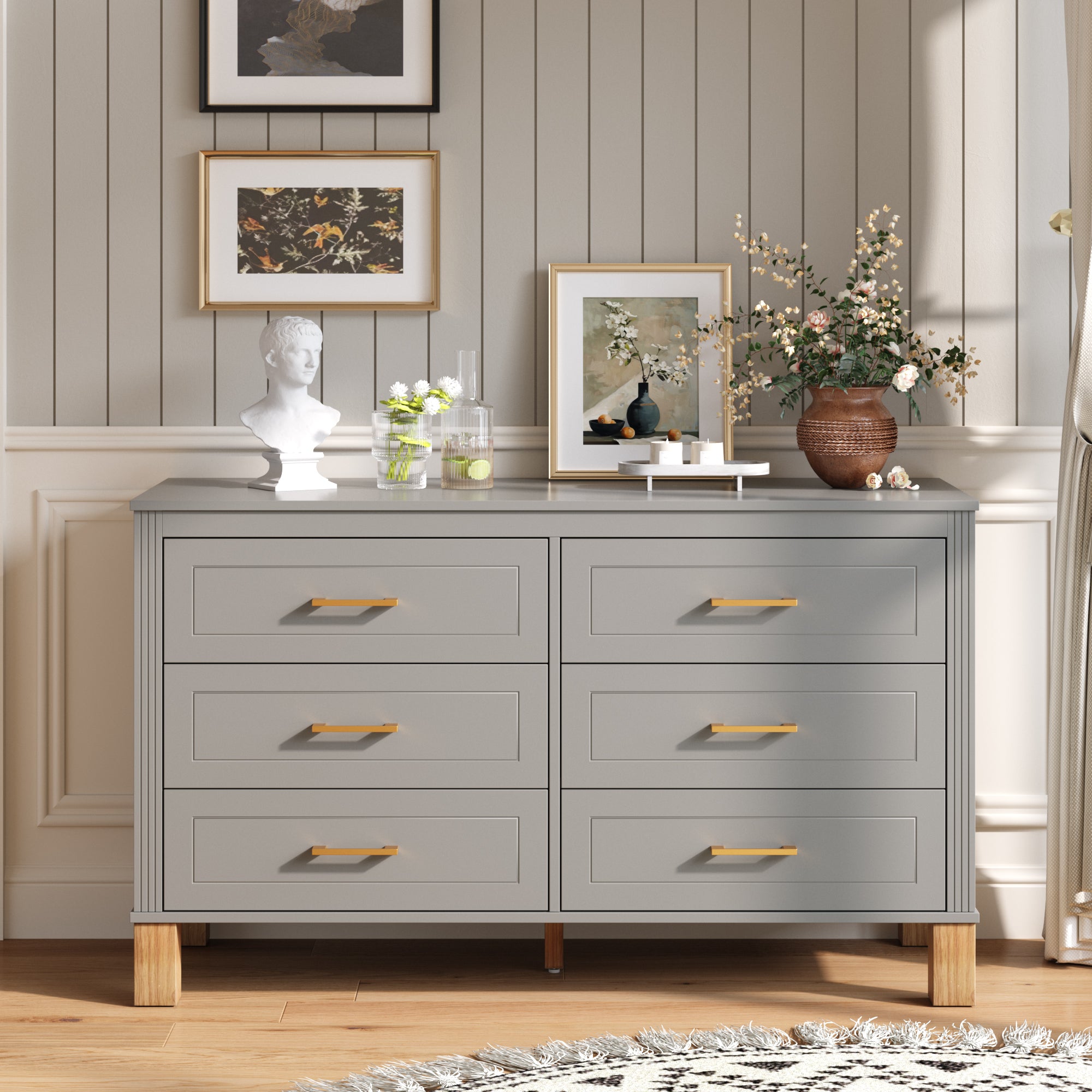
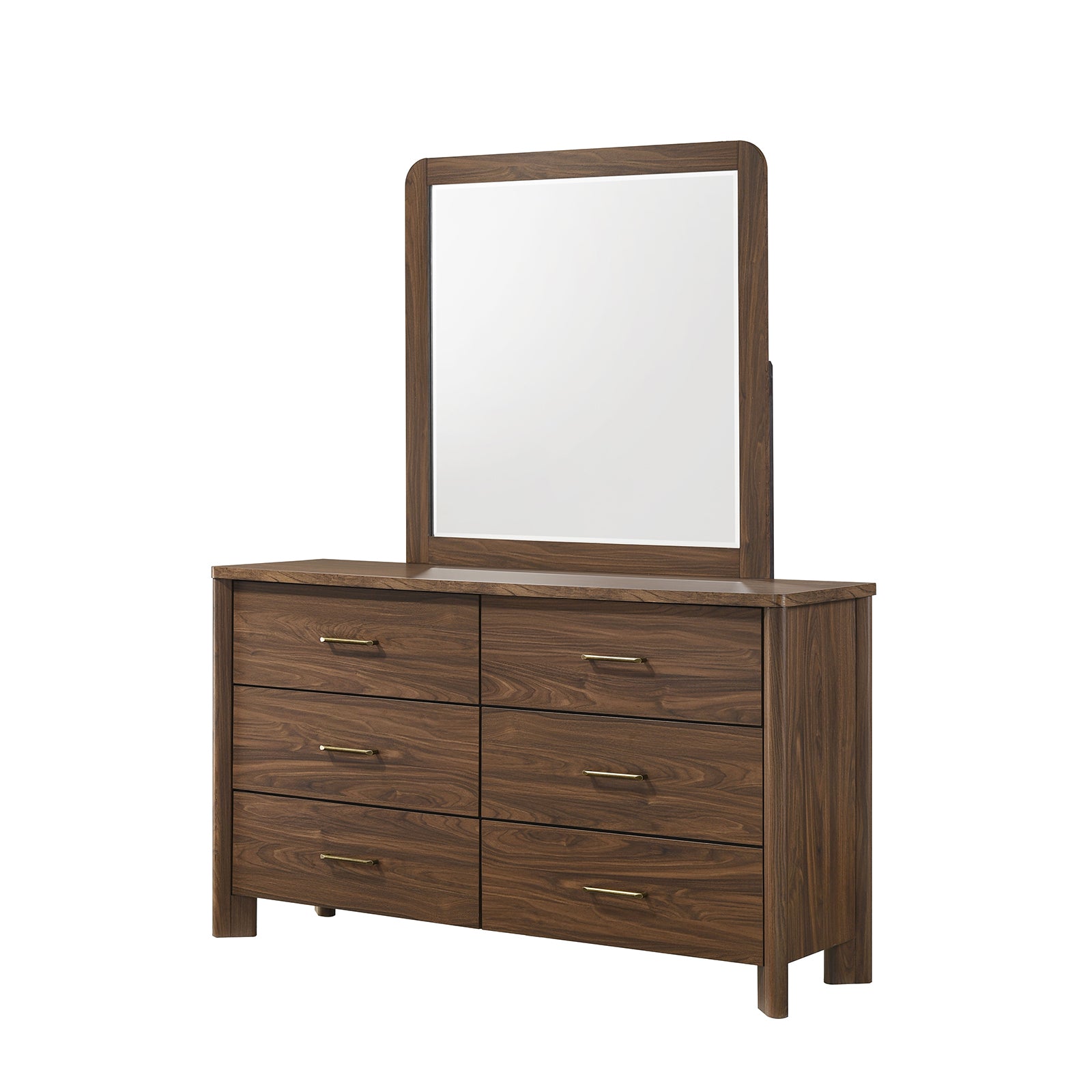
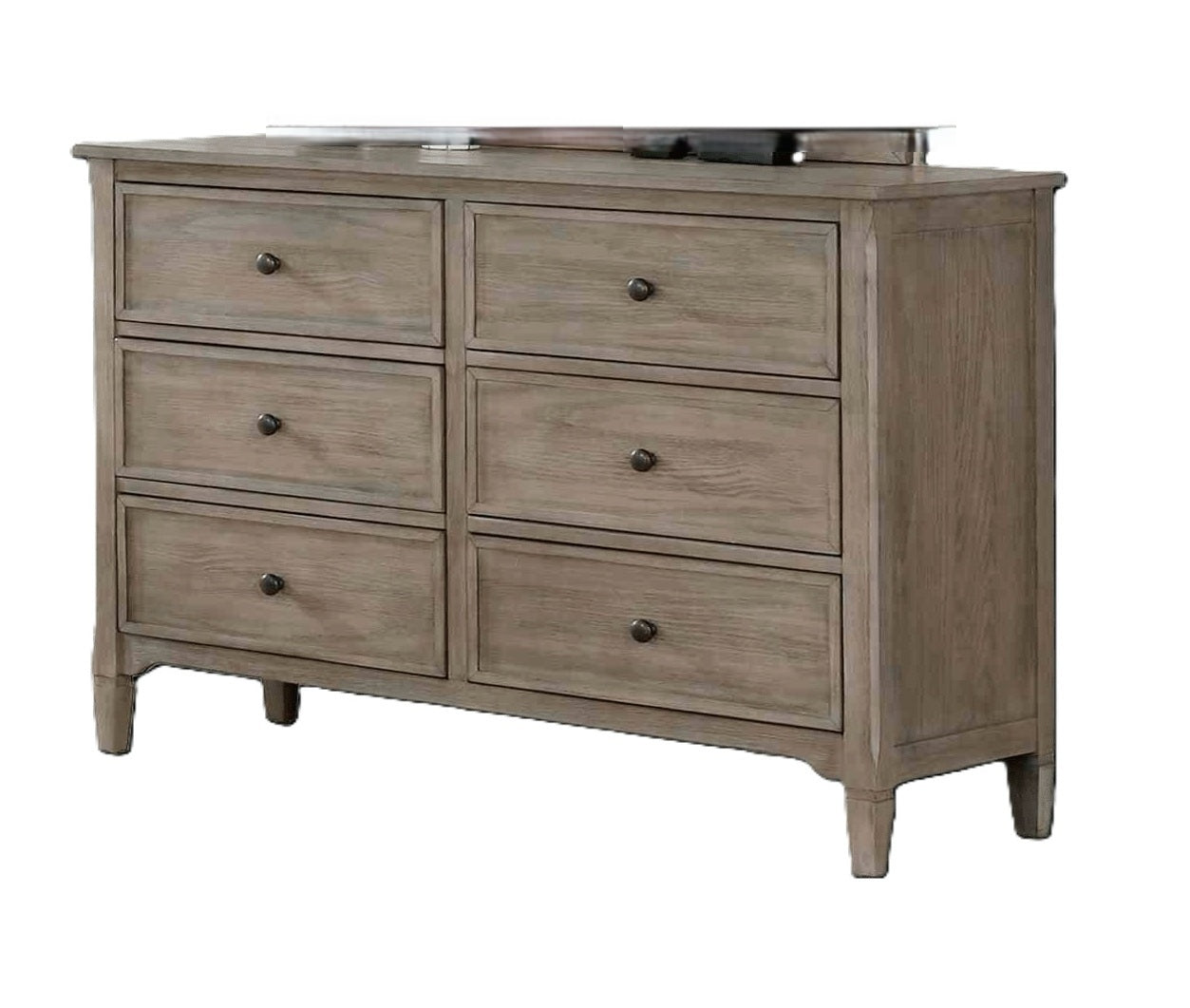
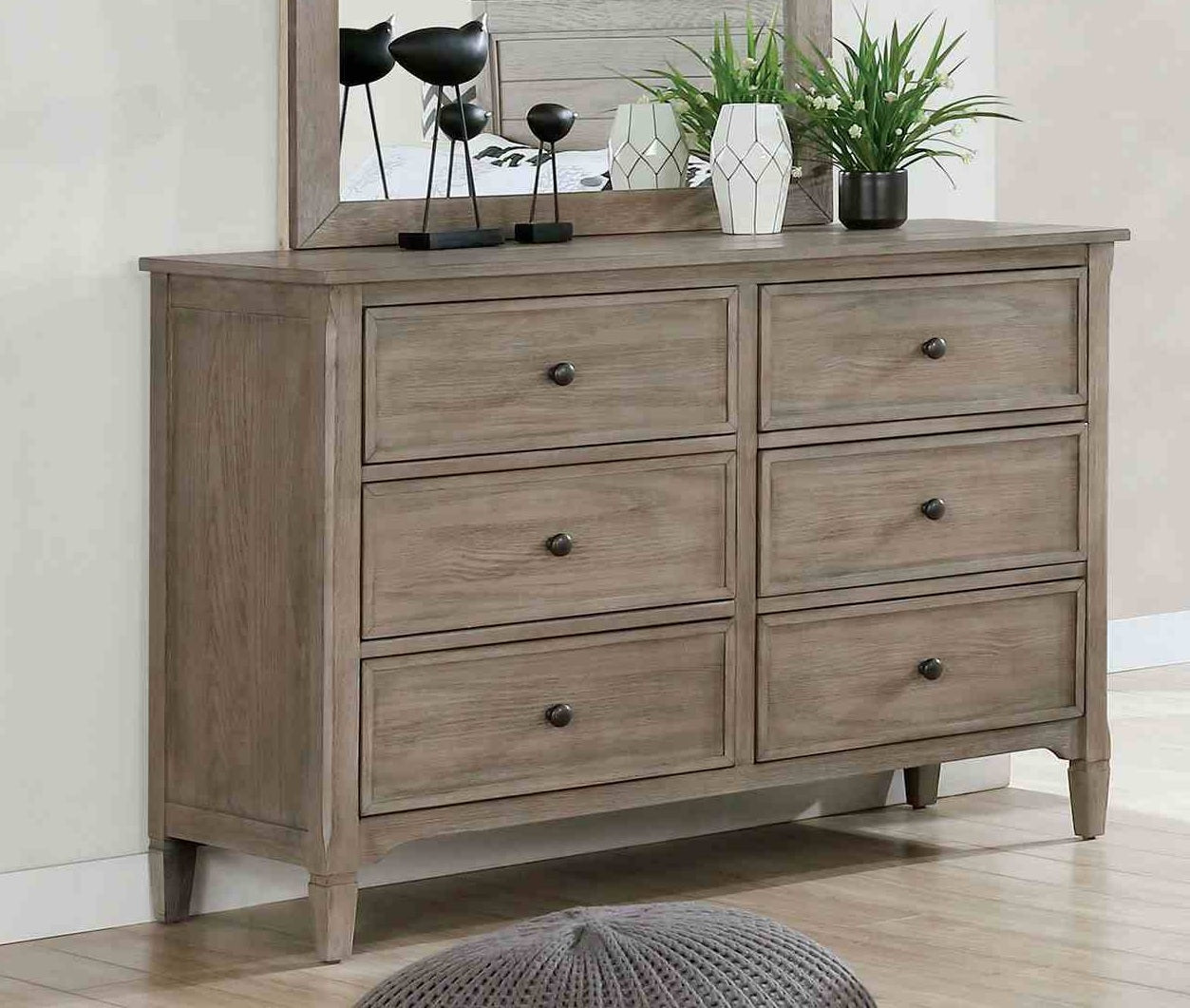
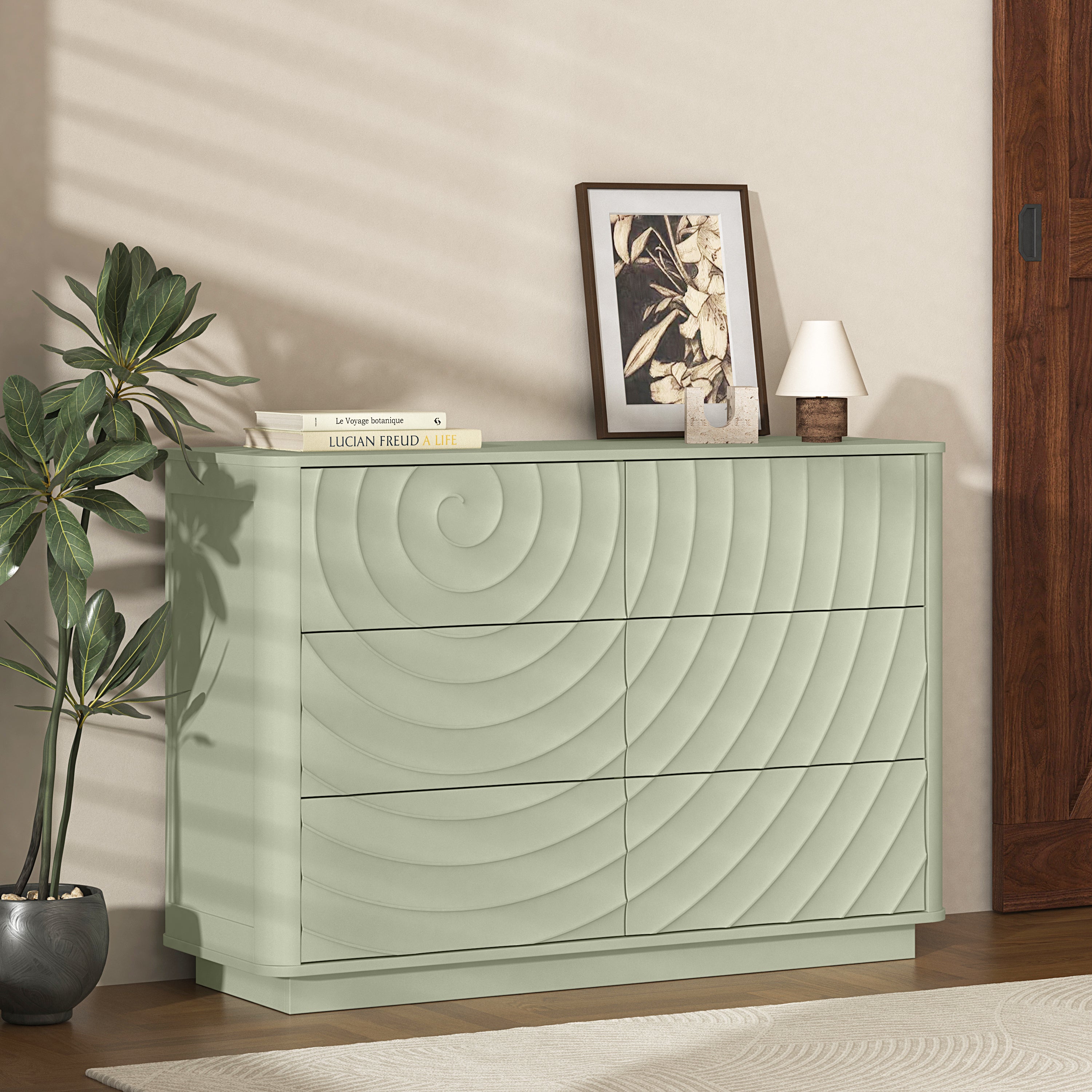
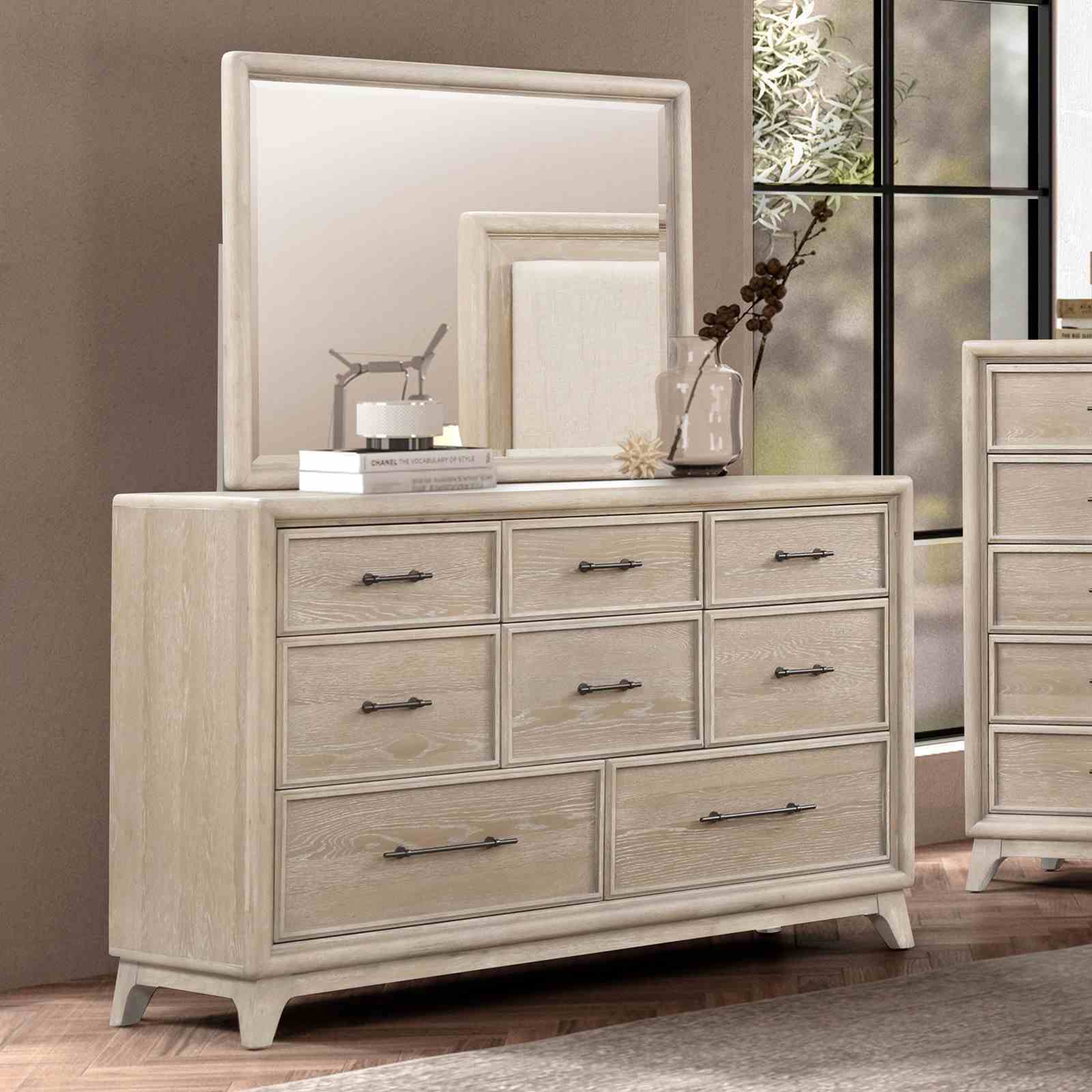
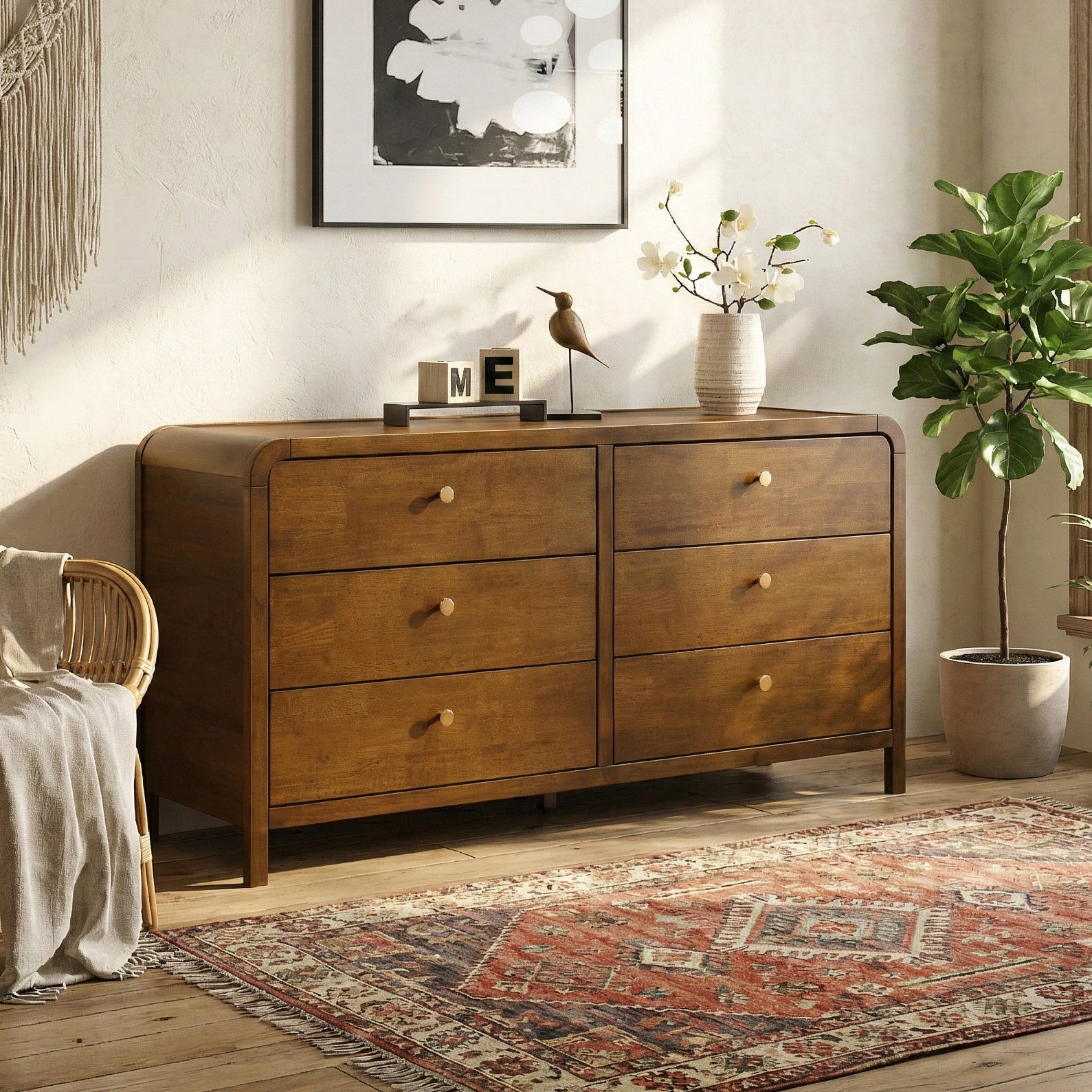
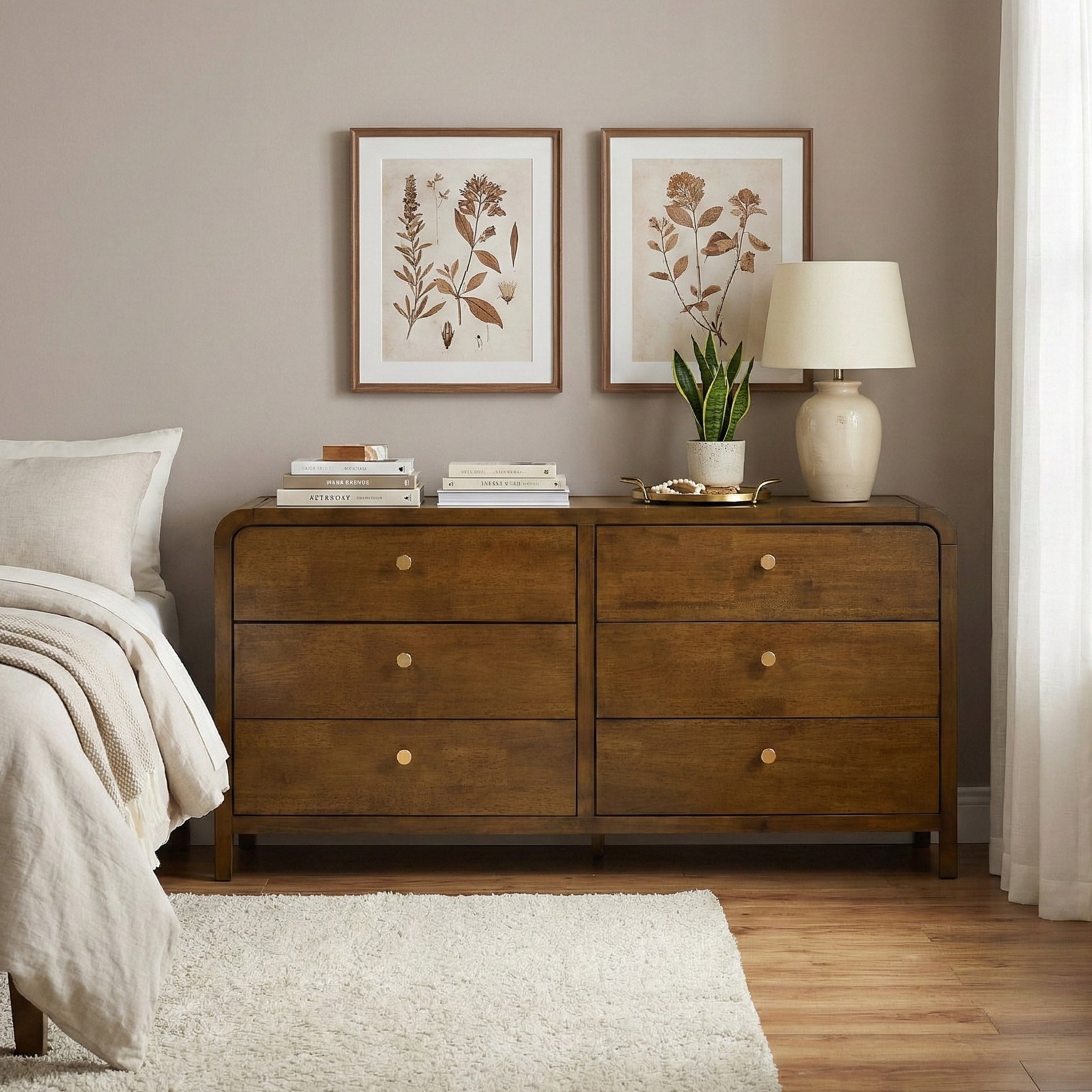
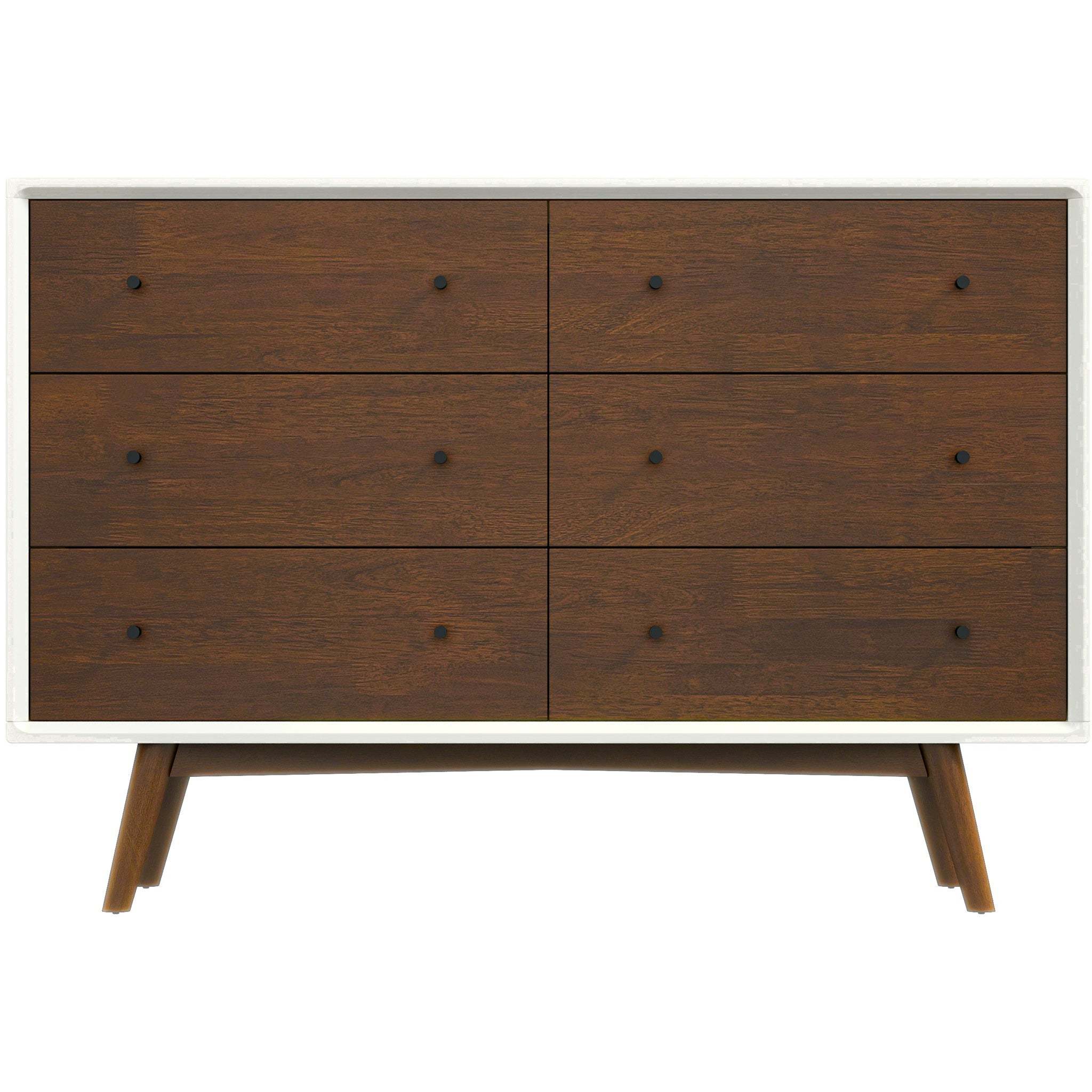
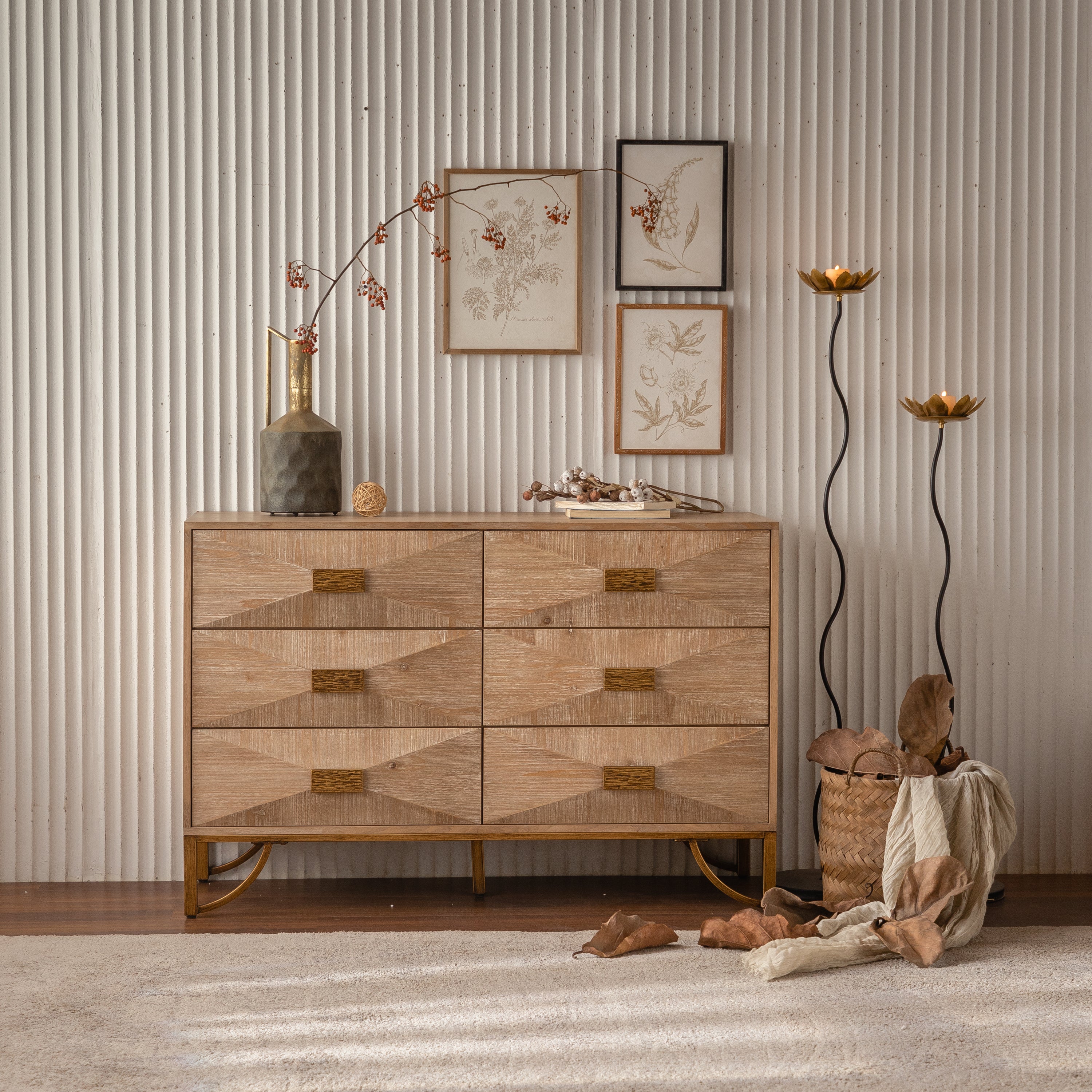
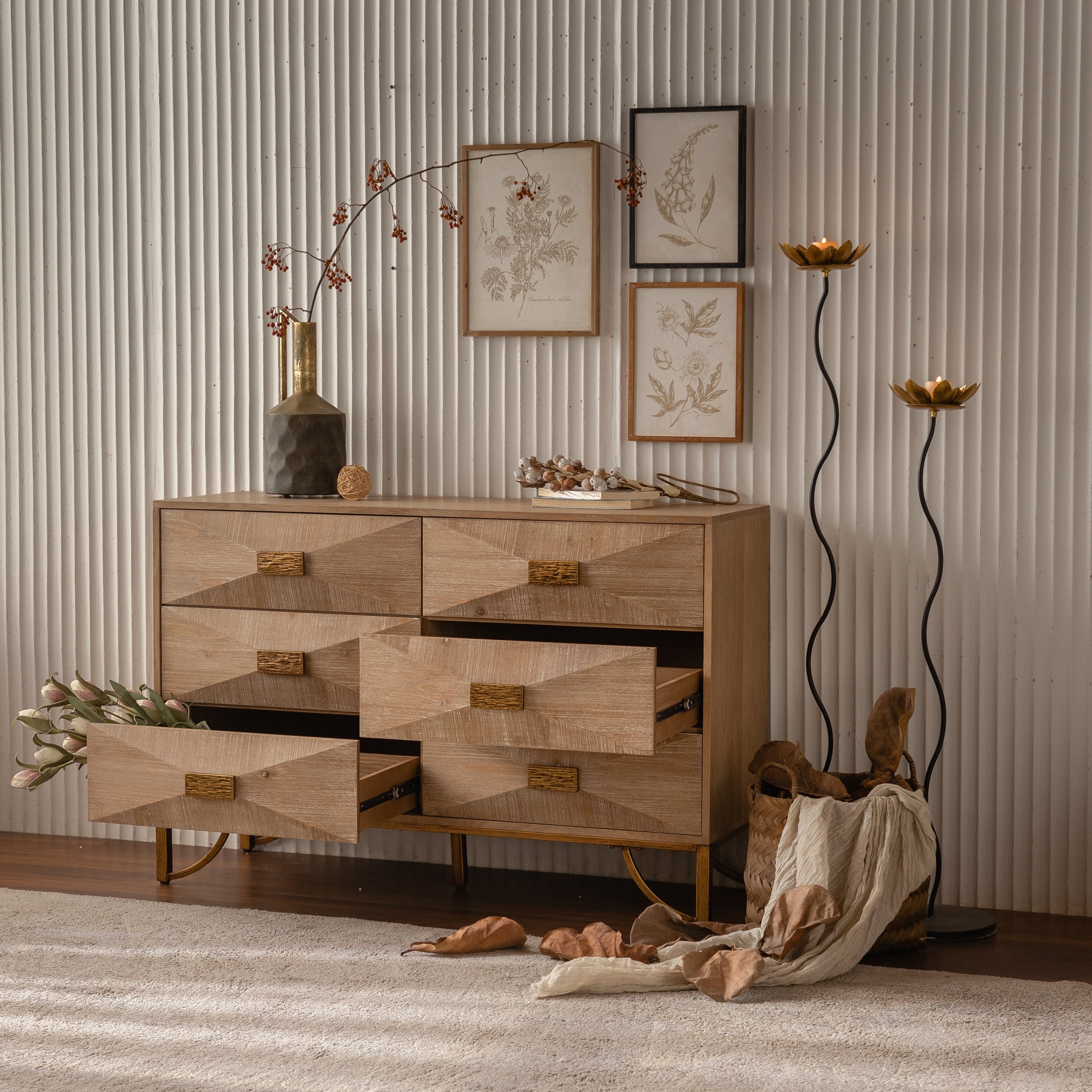
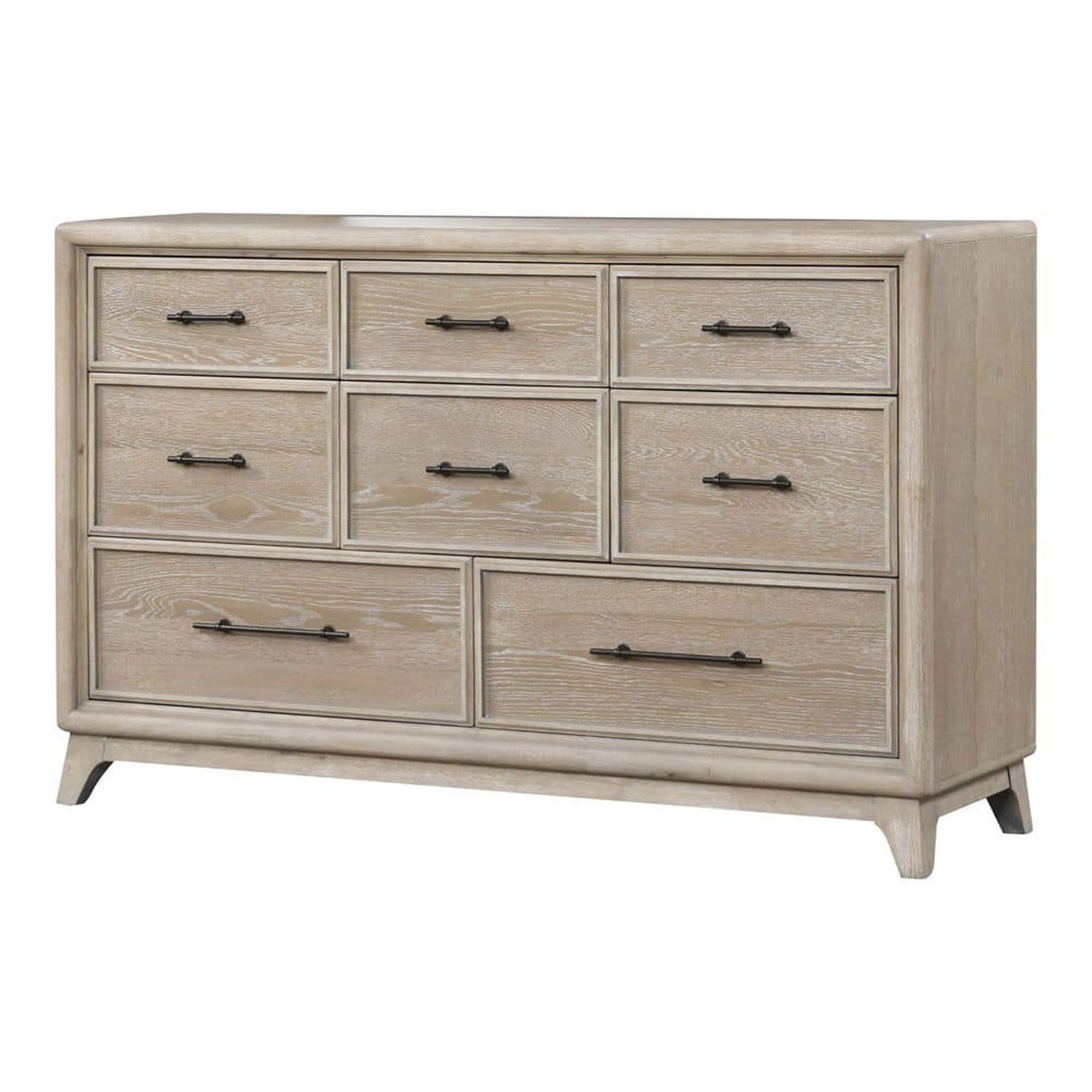
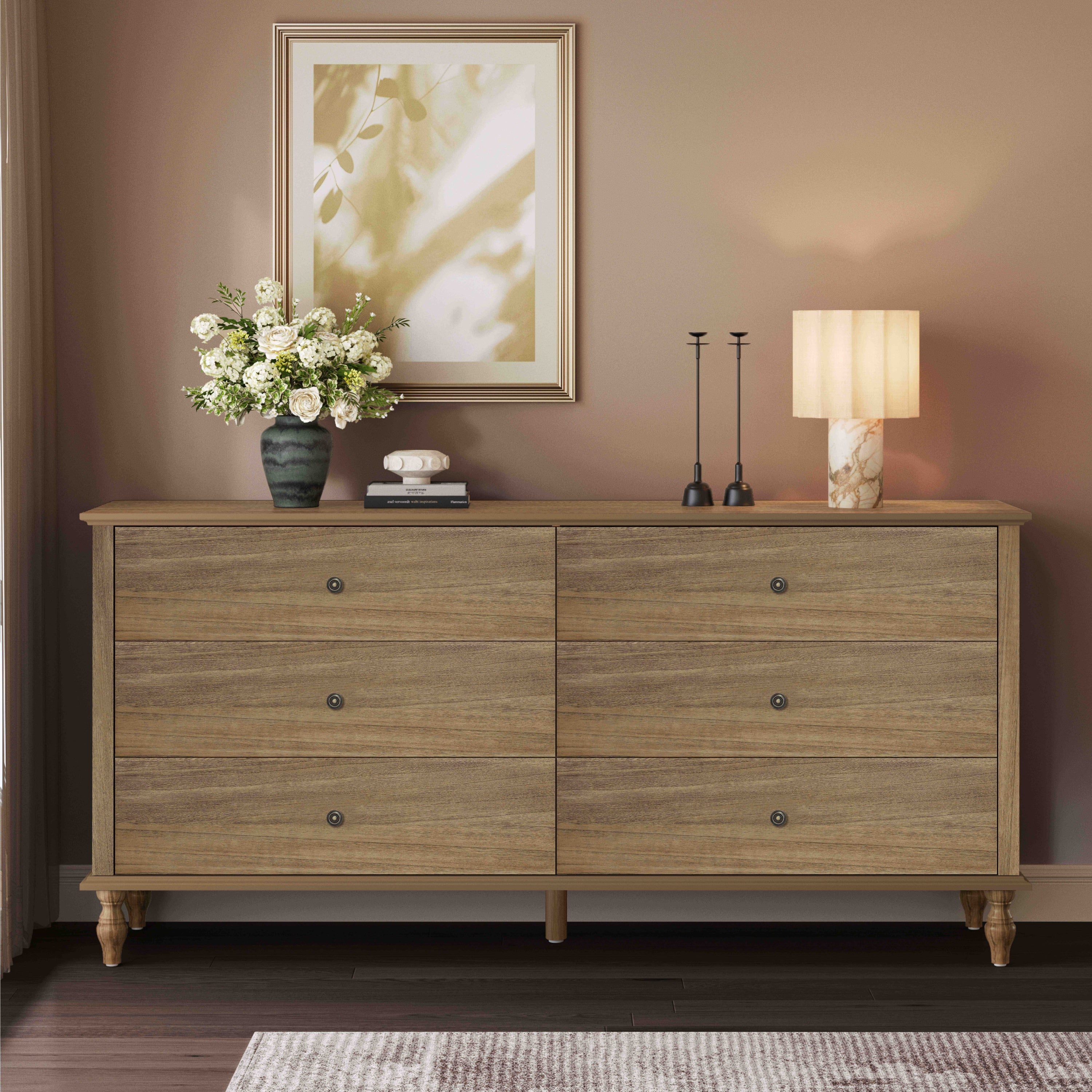
This range brings together bedroom dressers and wooden chests of drawers built on genuine solid wood. Solid wood is the common thread: acacia and fir appear across the range, some pieces solid throughout, others using solid wood for the frame, legs and feet that carry the load. Every listing names the exact materials, so you can see which is which before you buy.
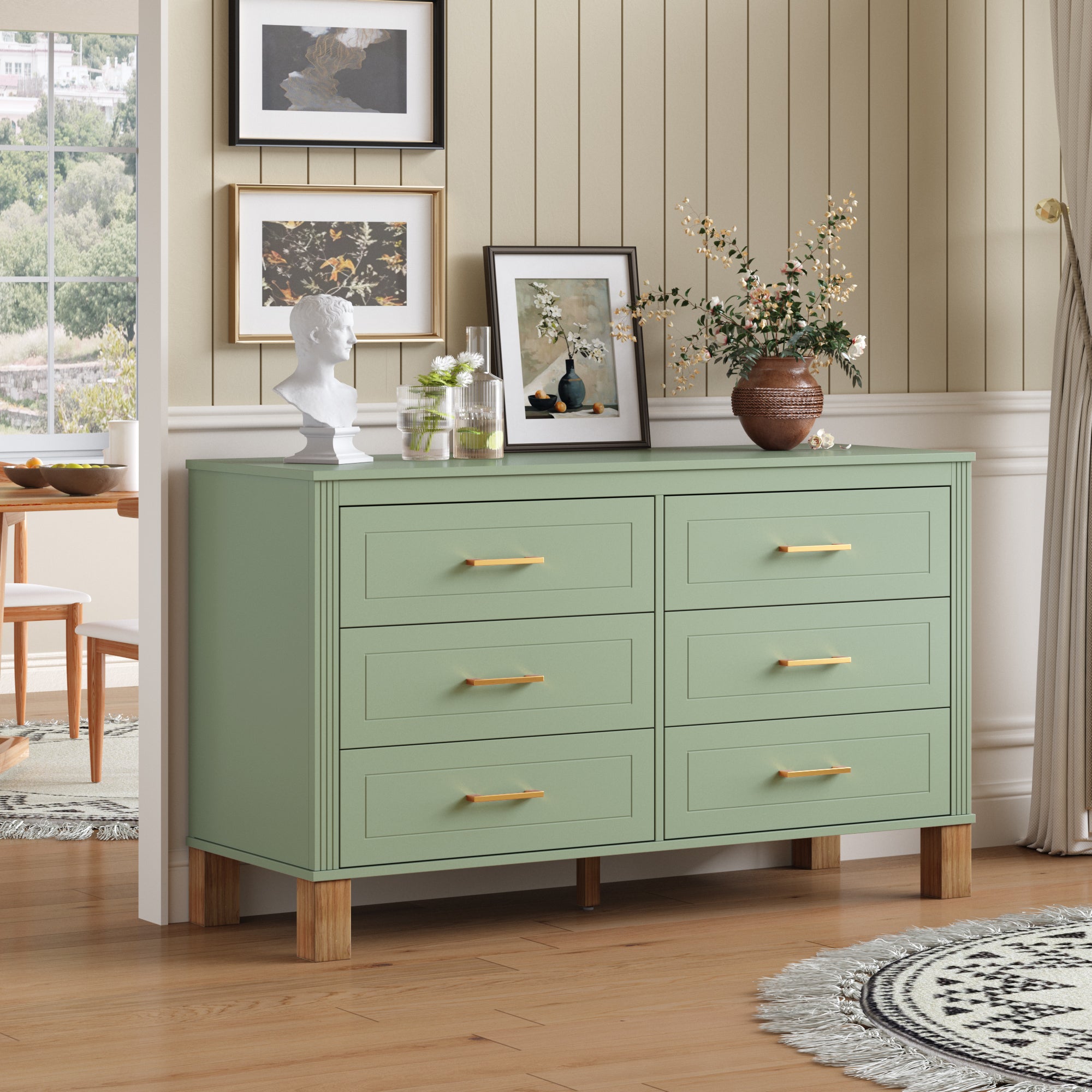
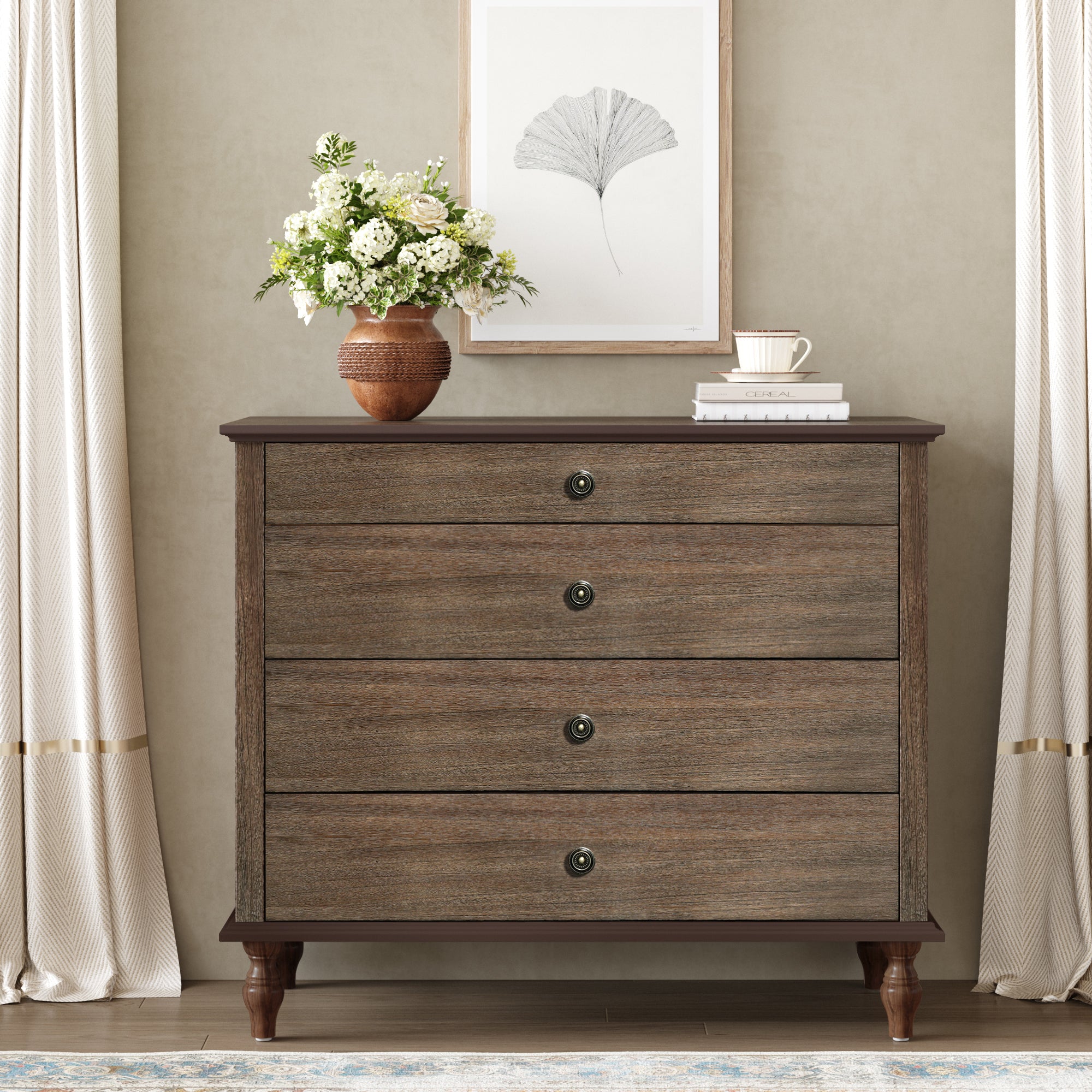
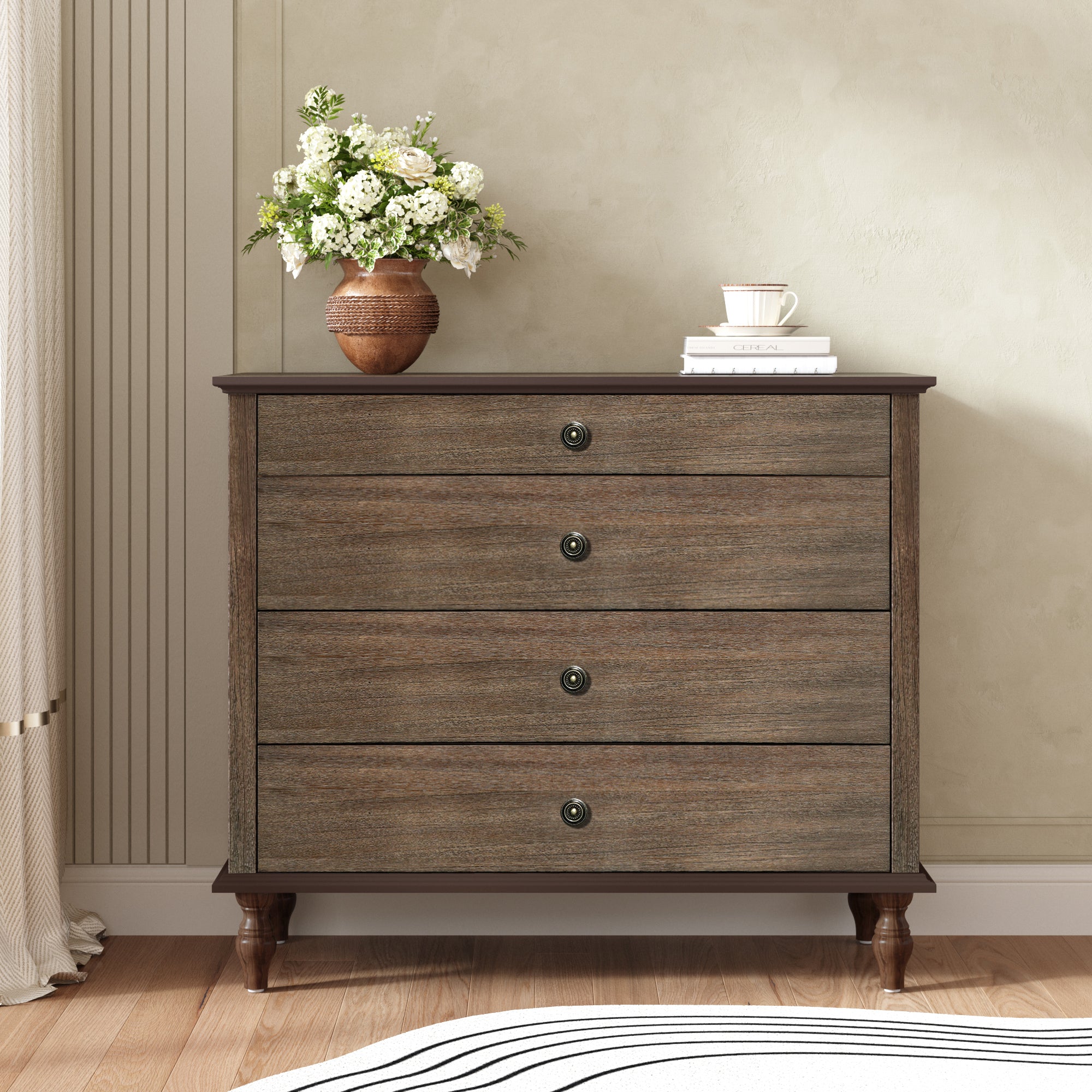
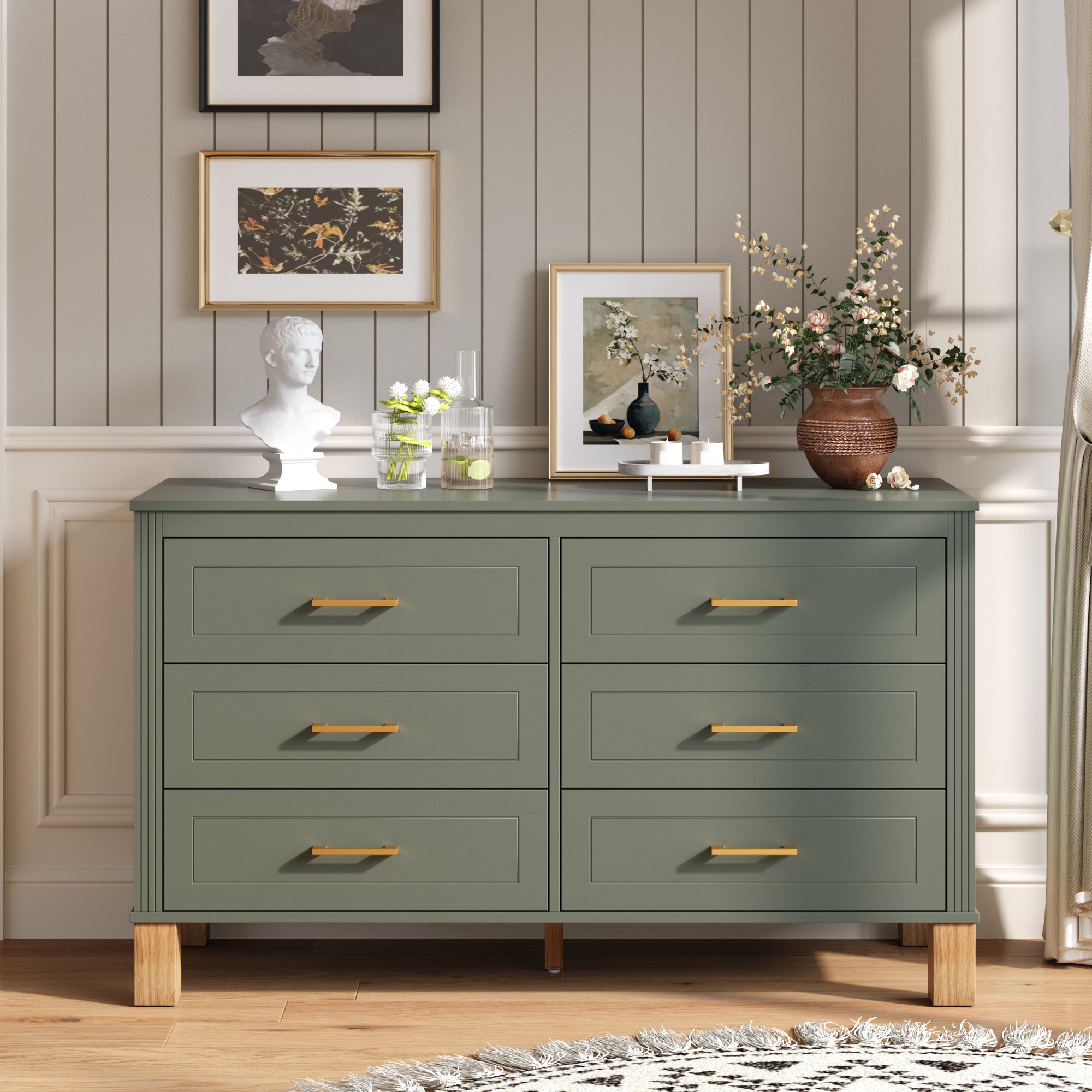
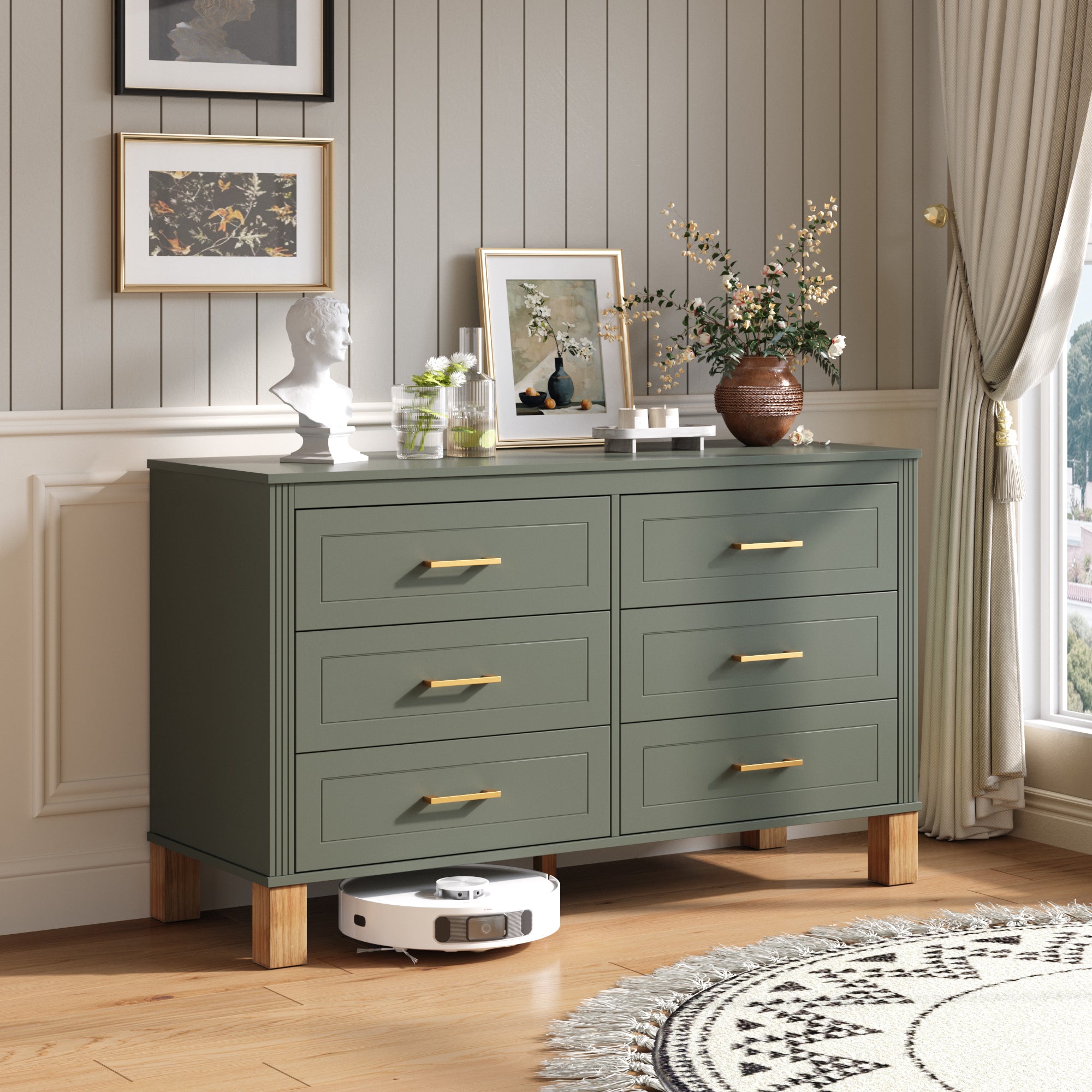
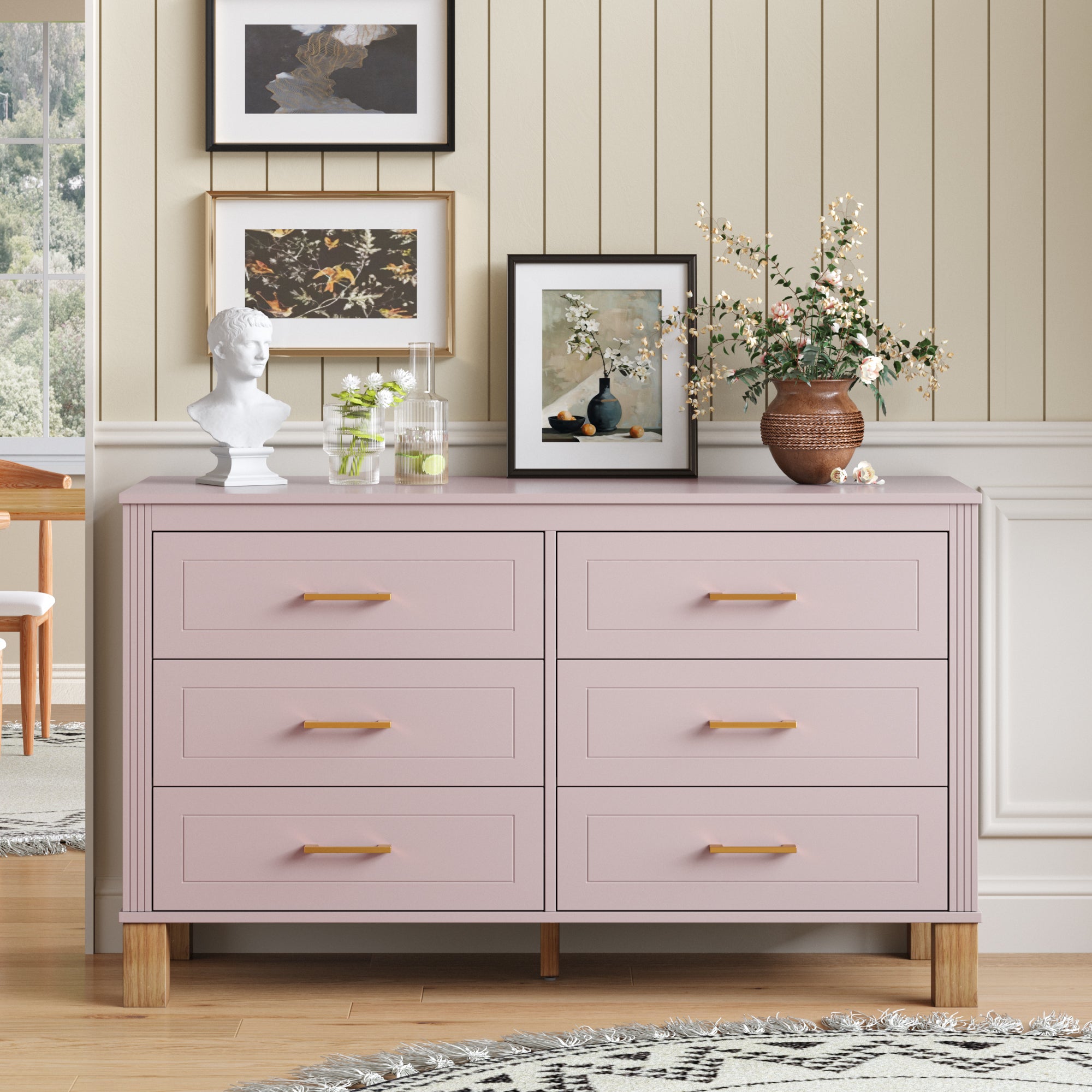
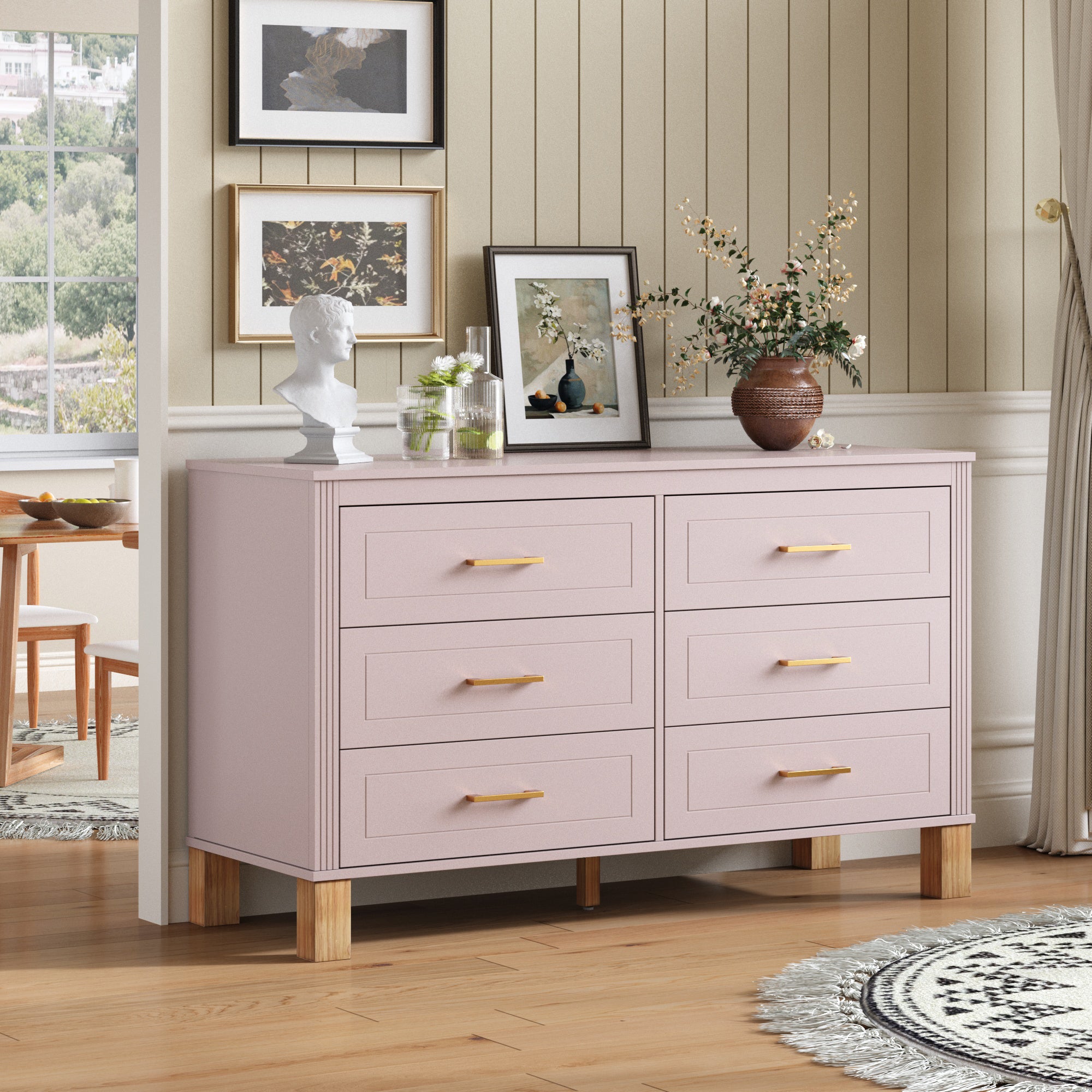
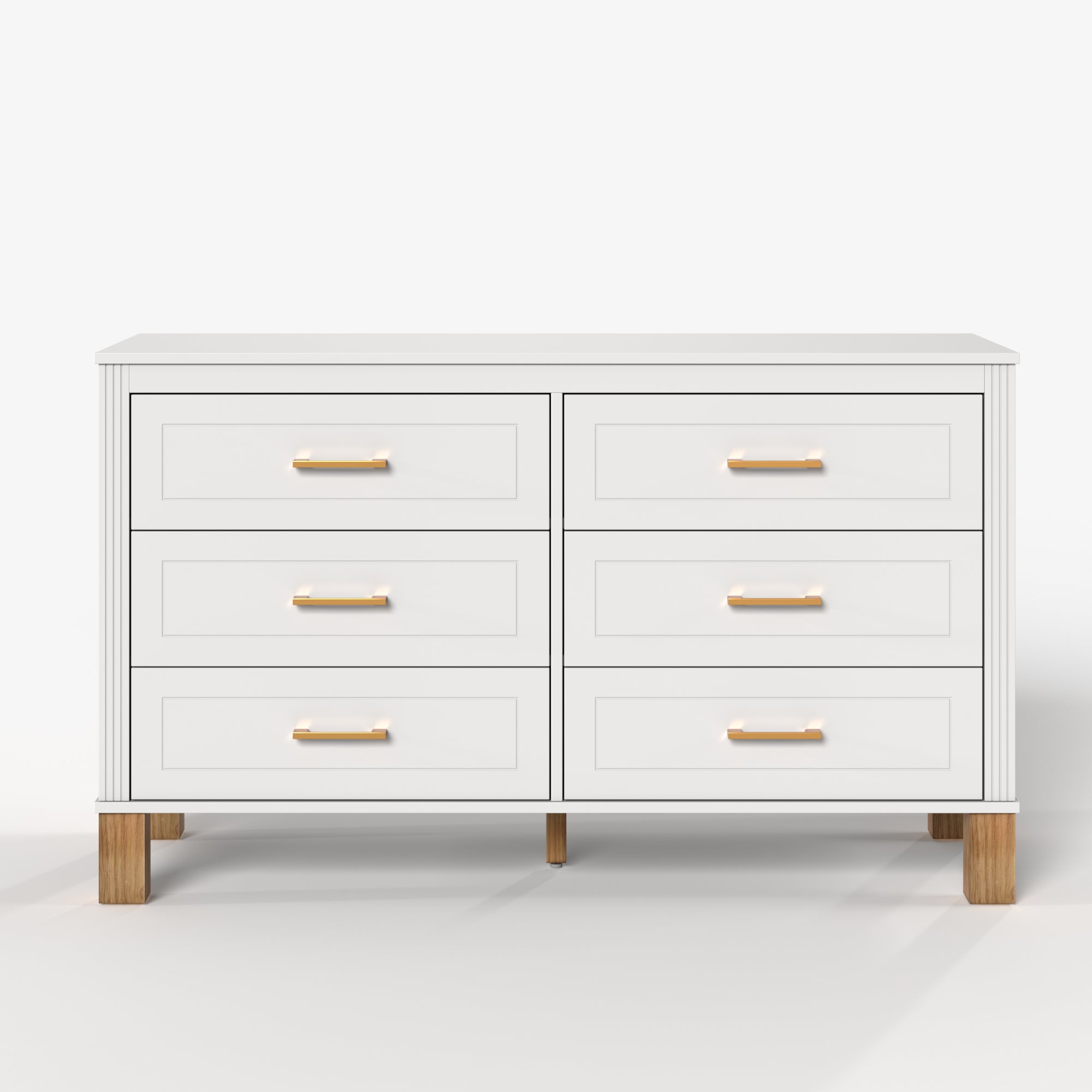
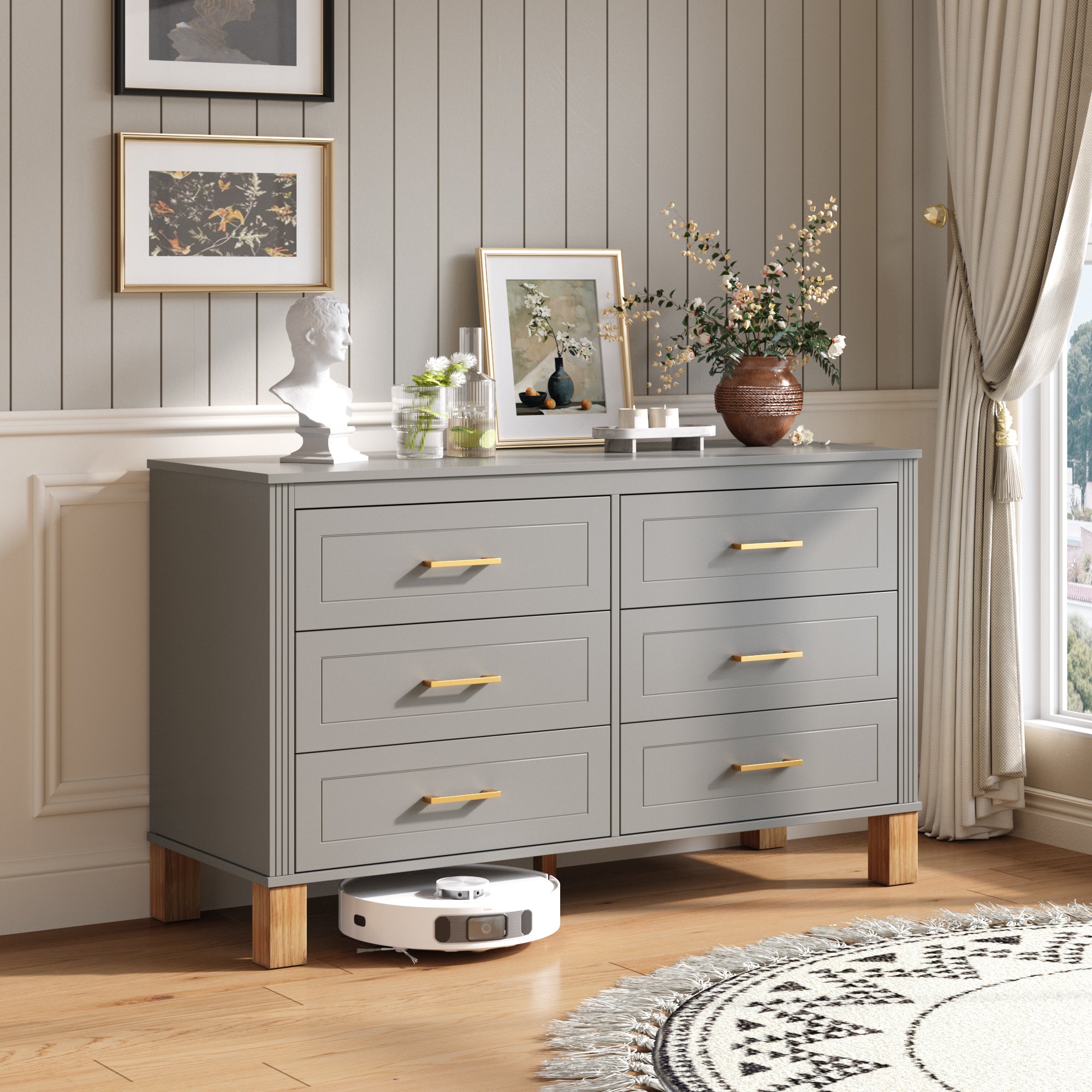
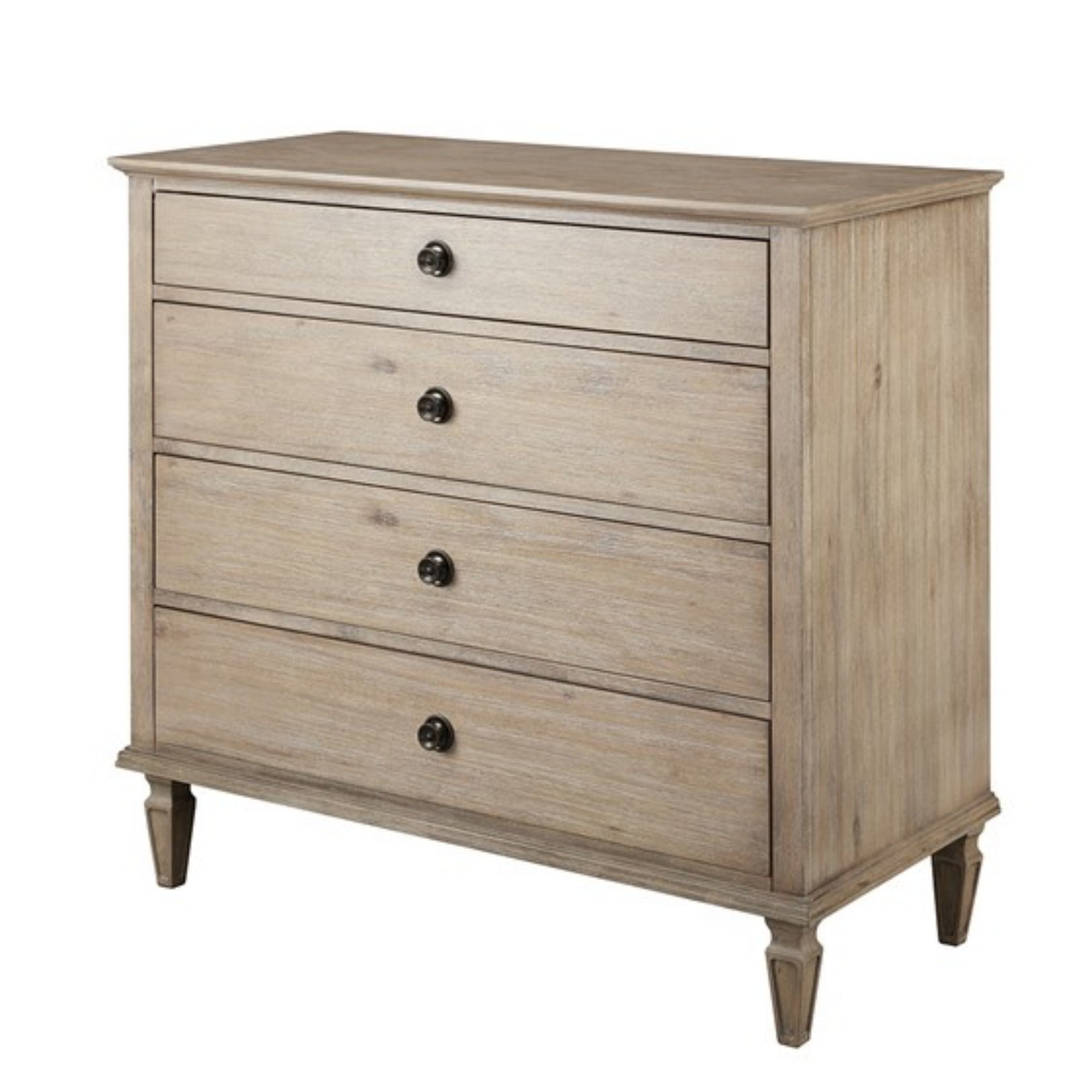
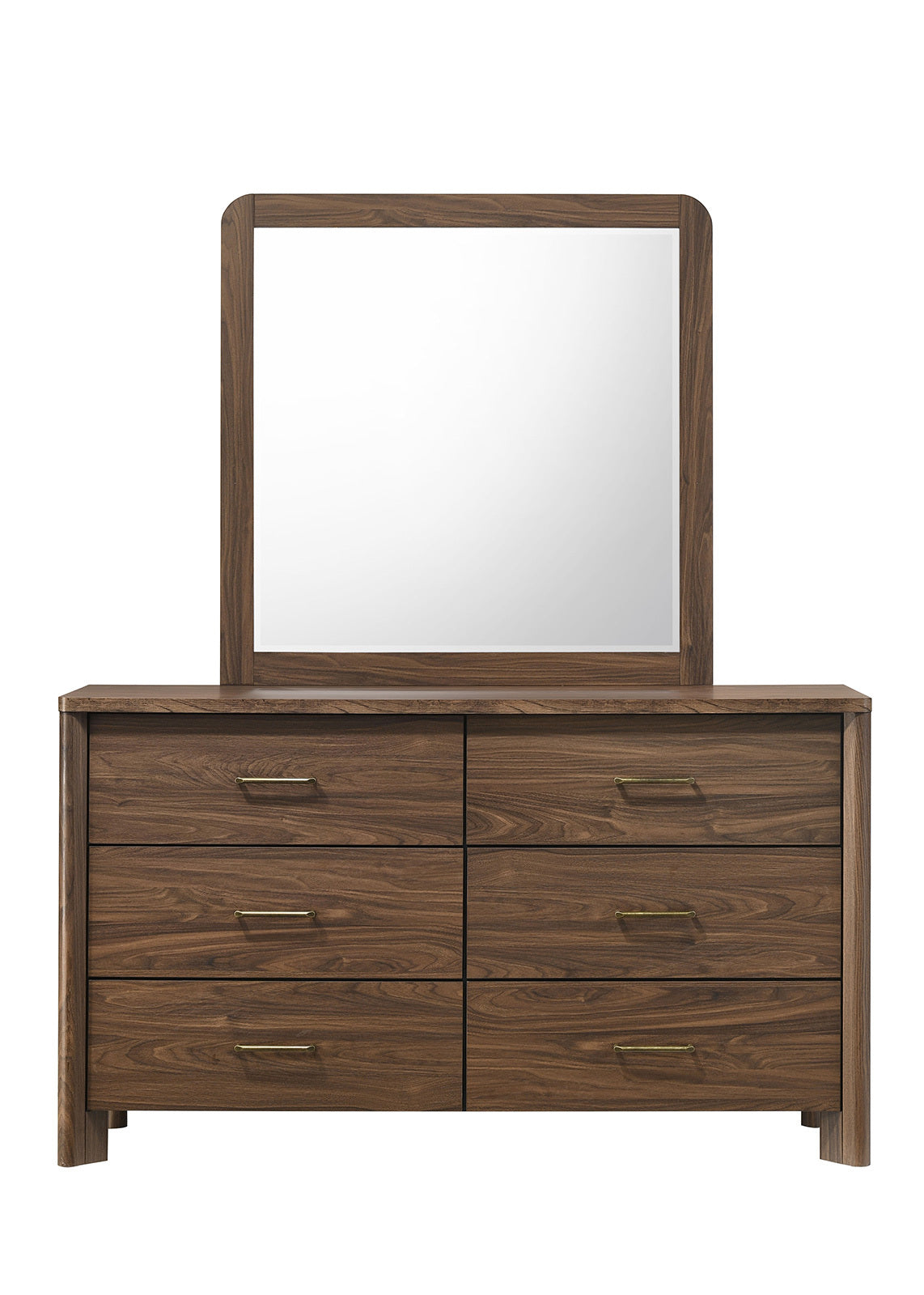
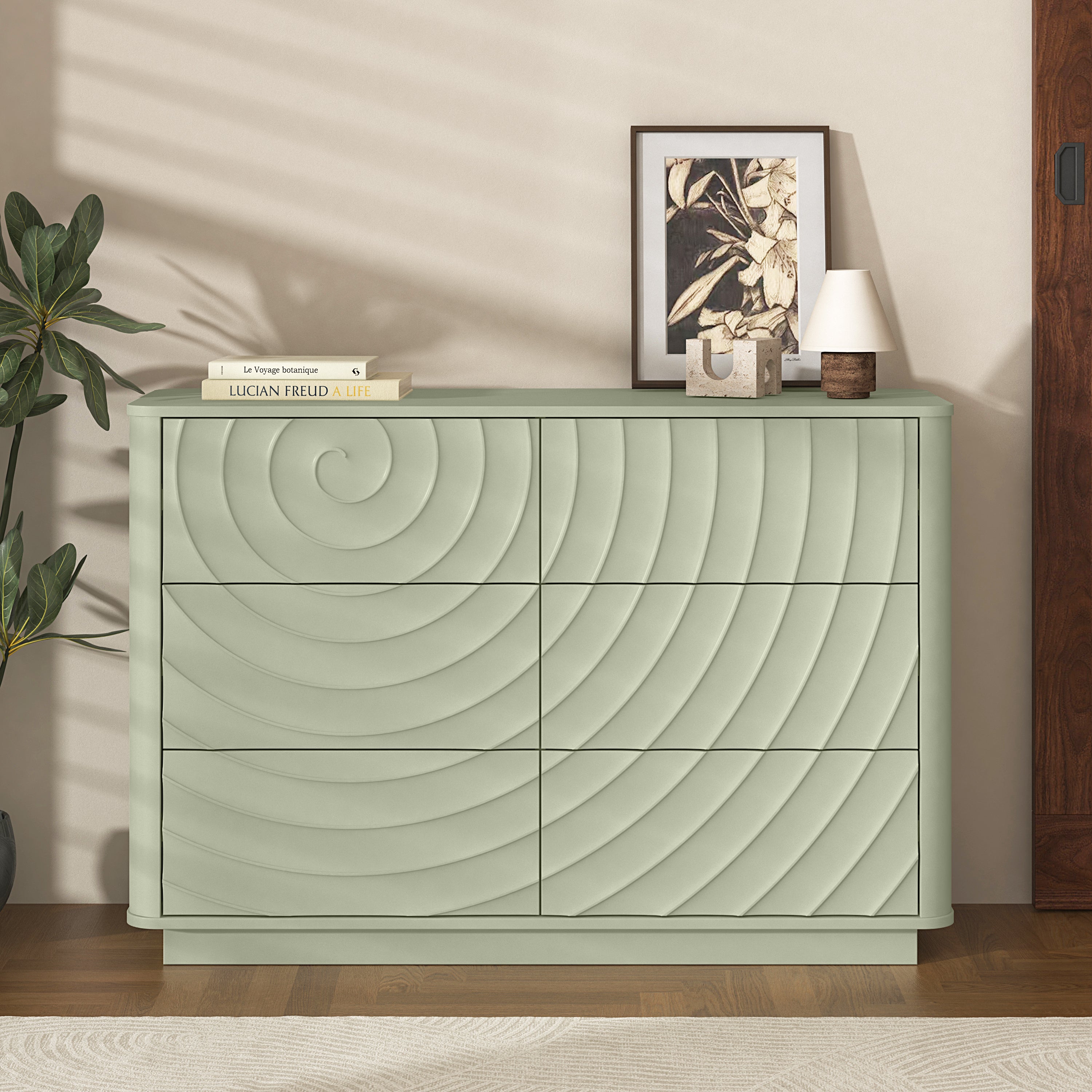
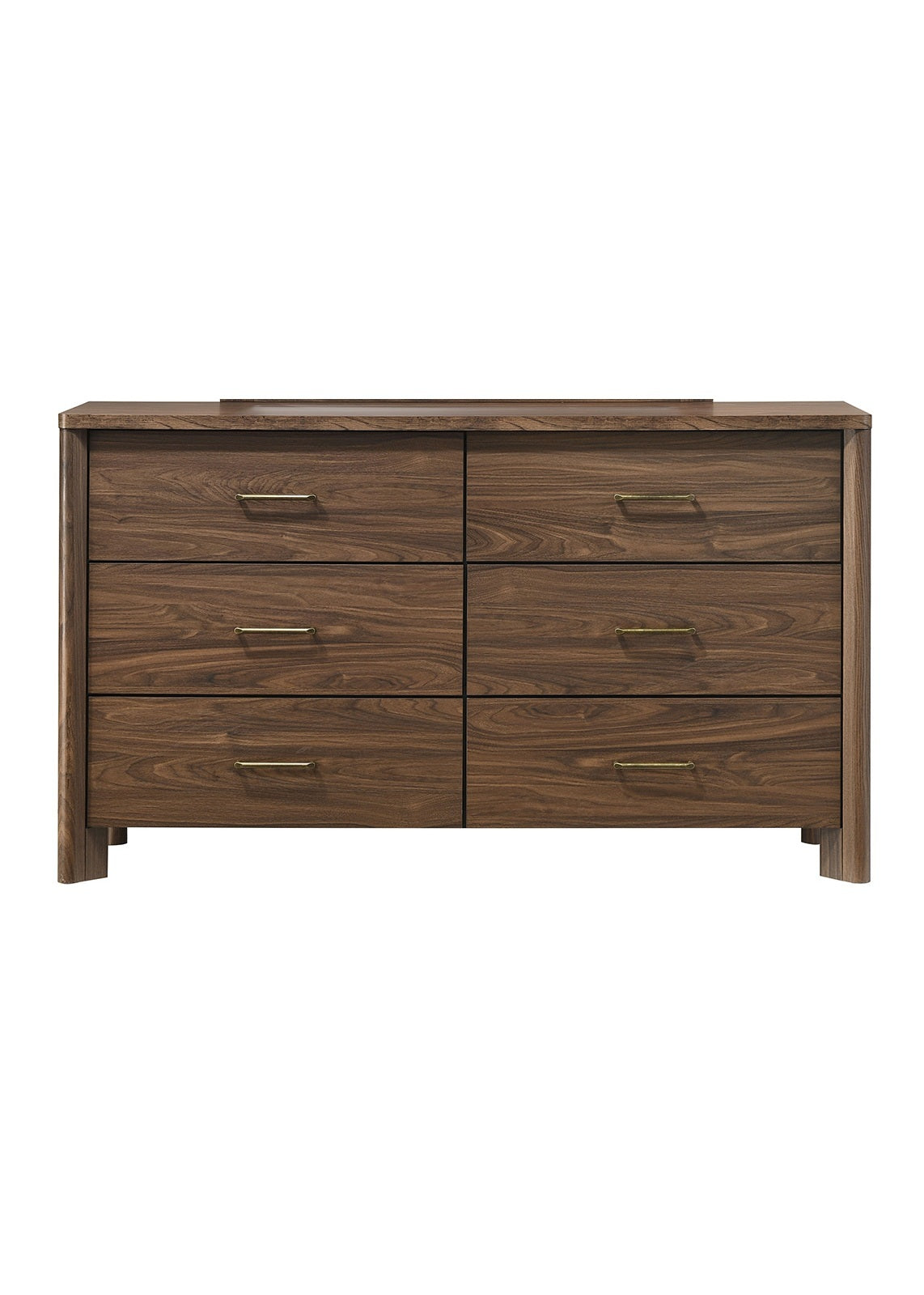
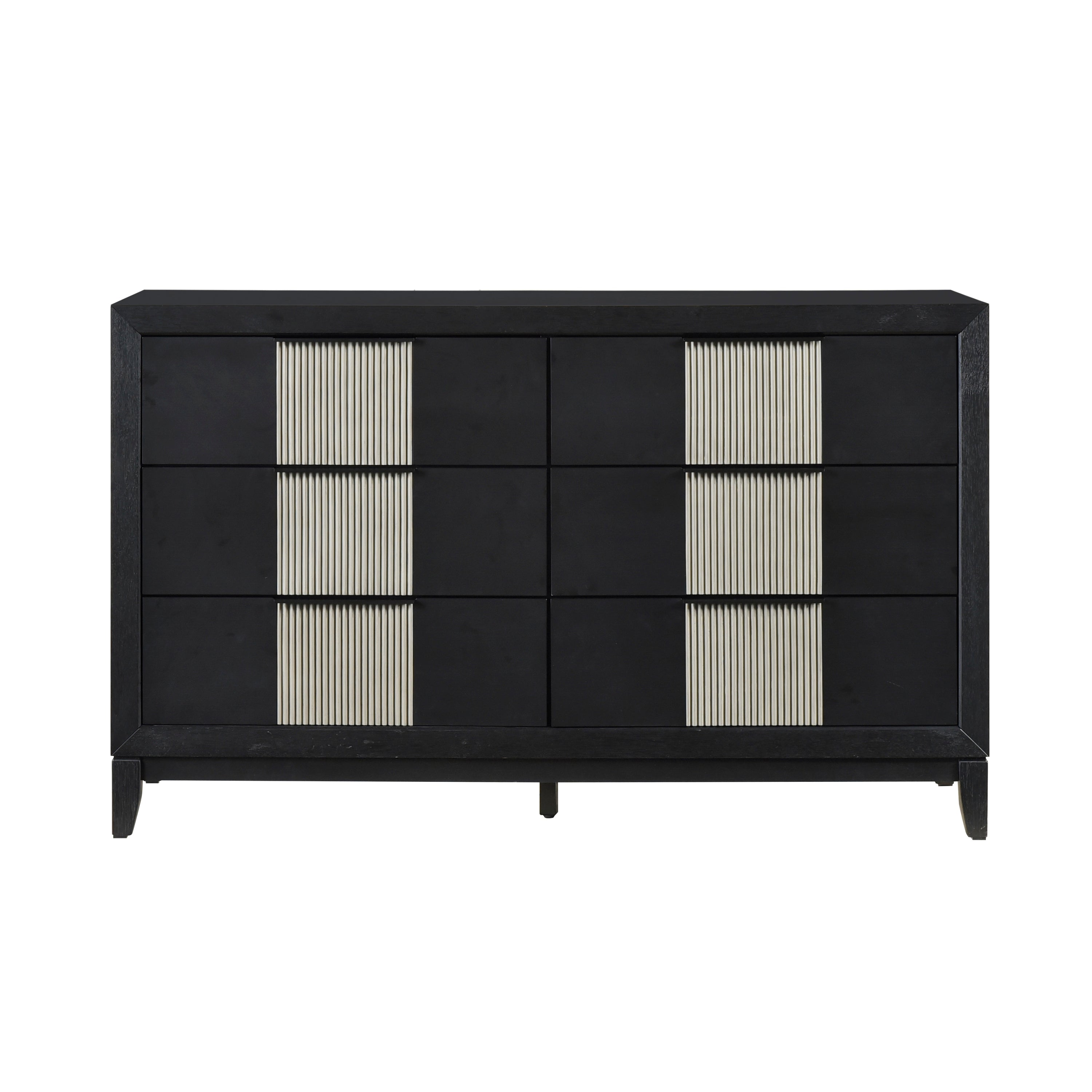
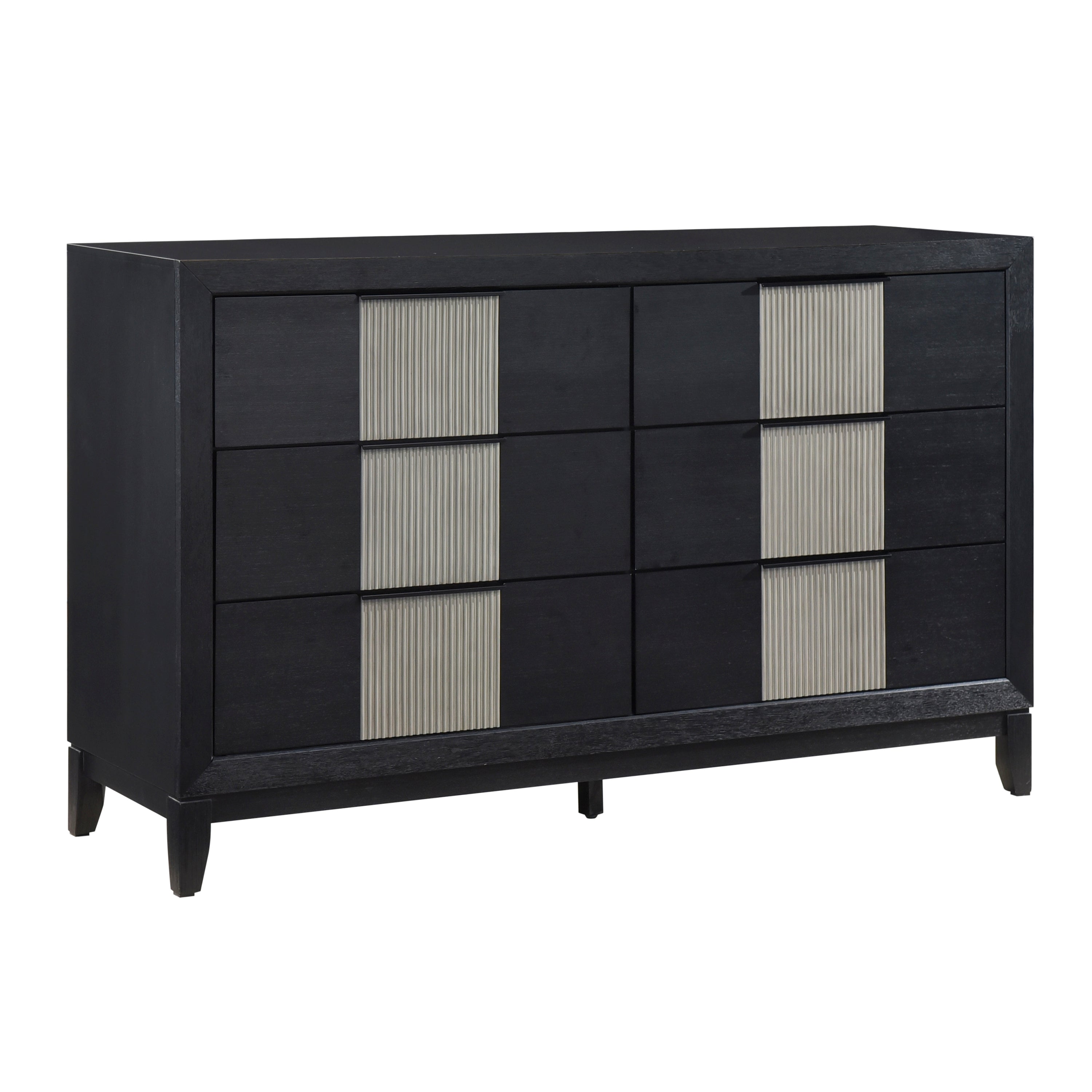
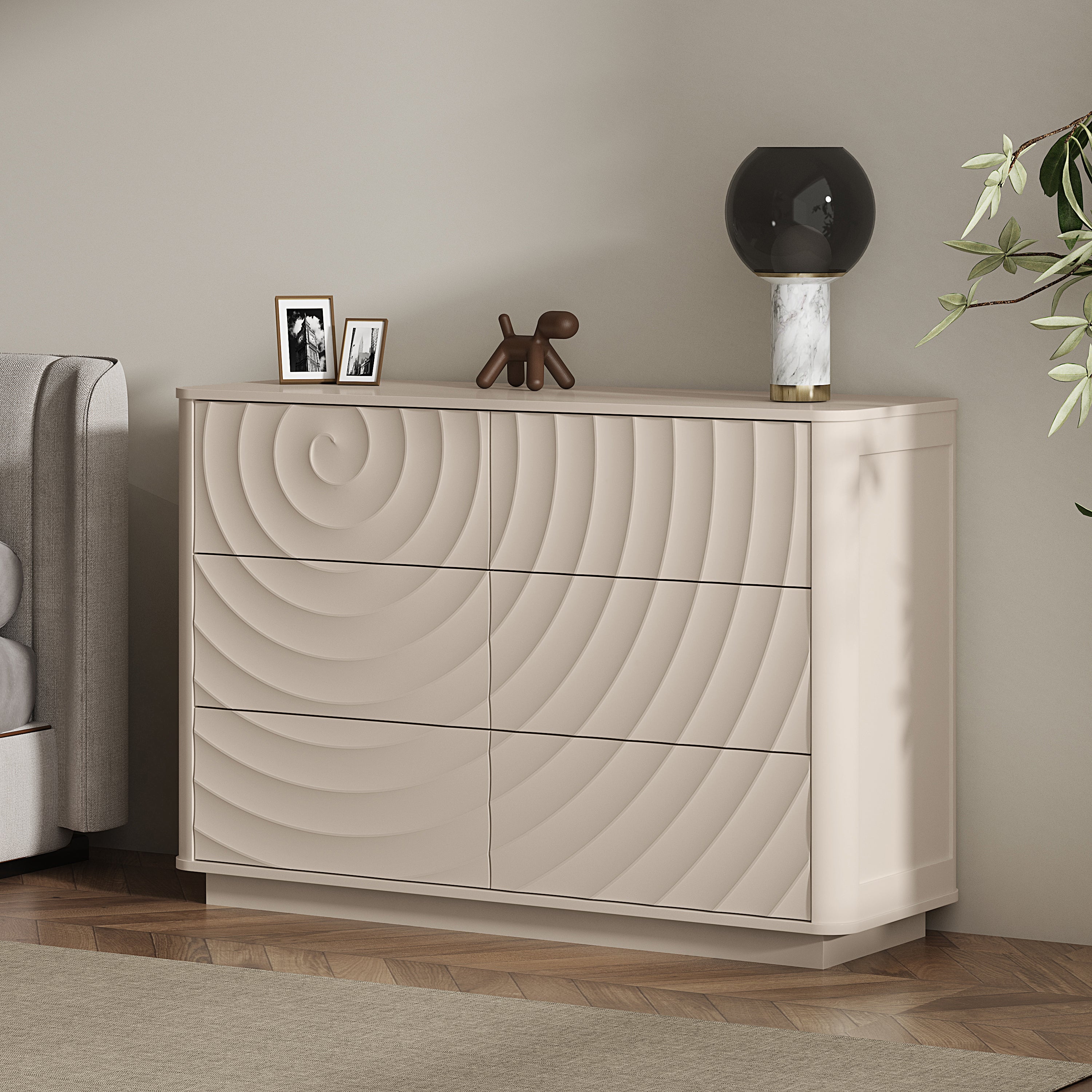
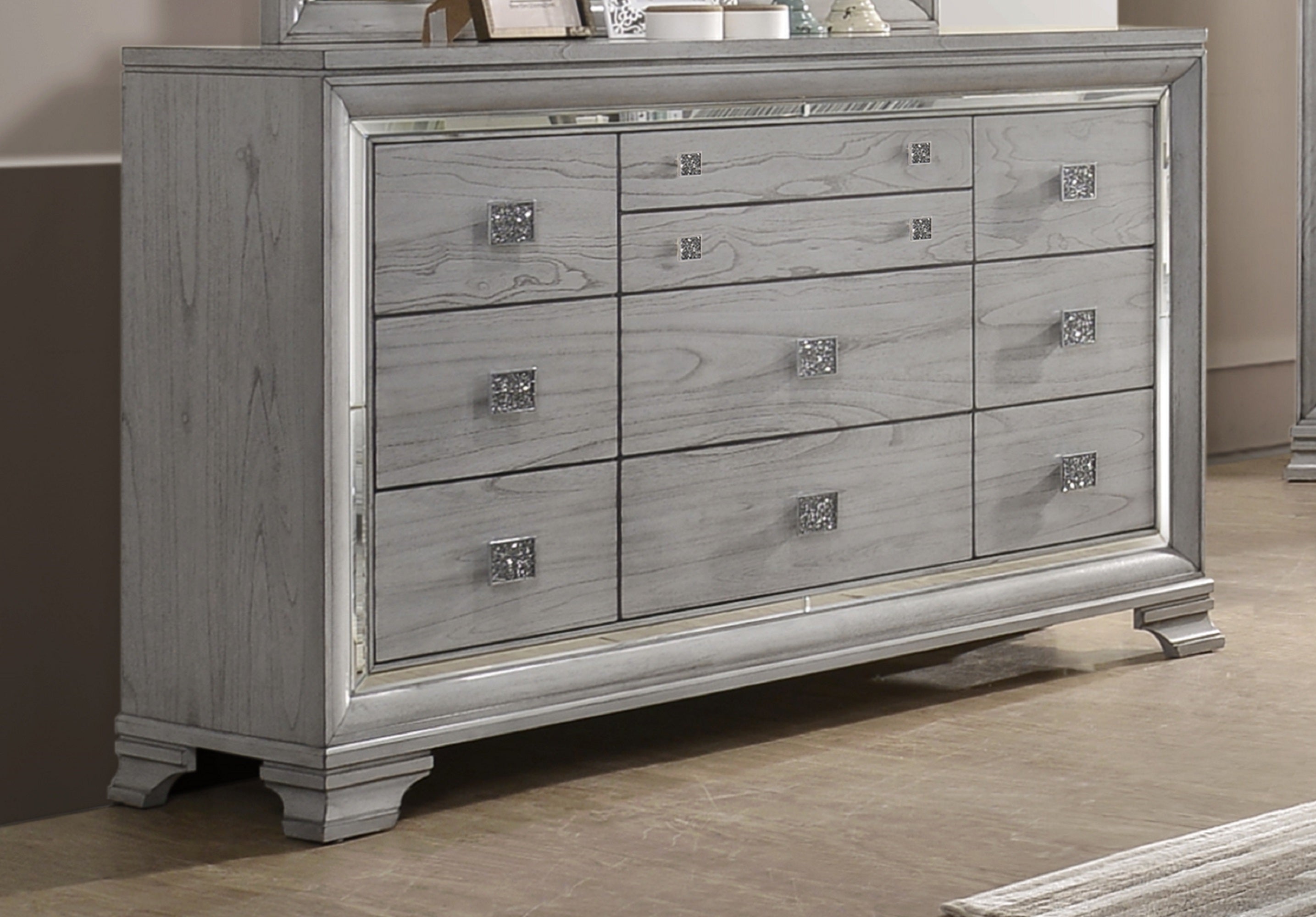
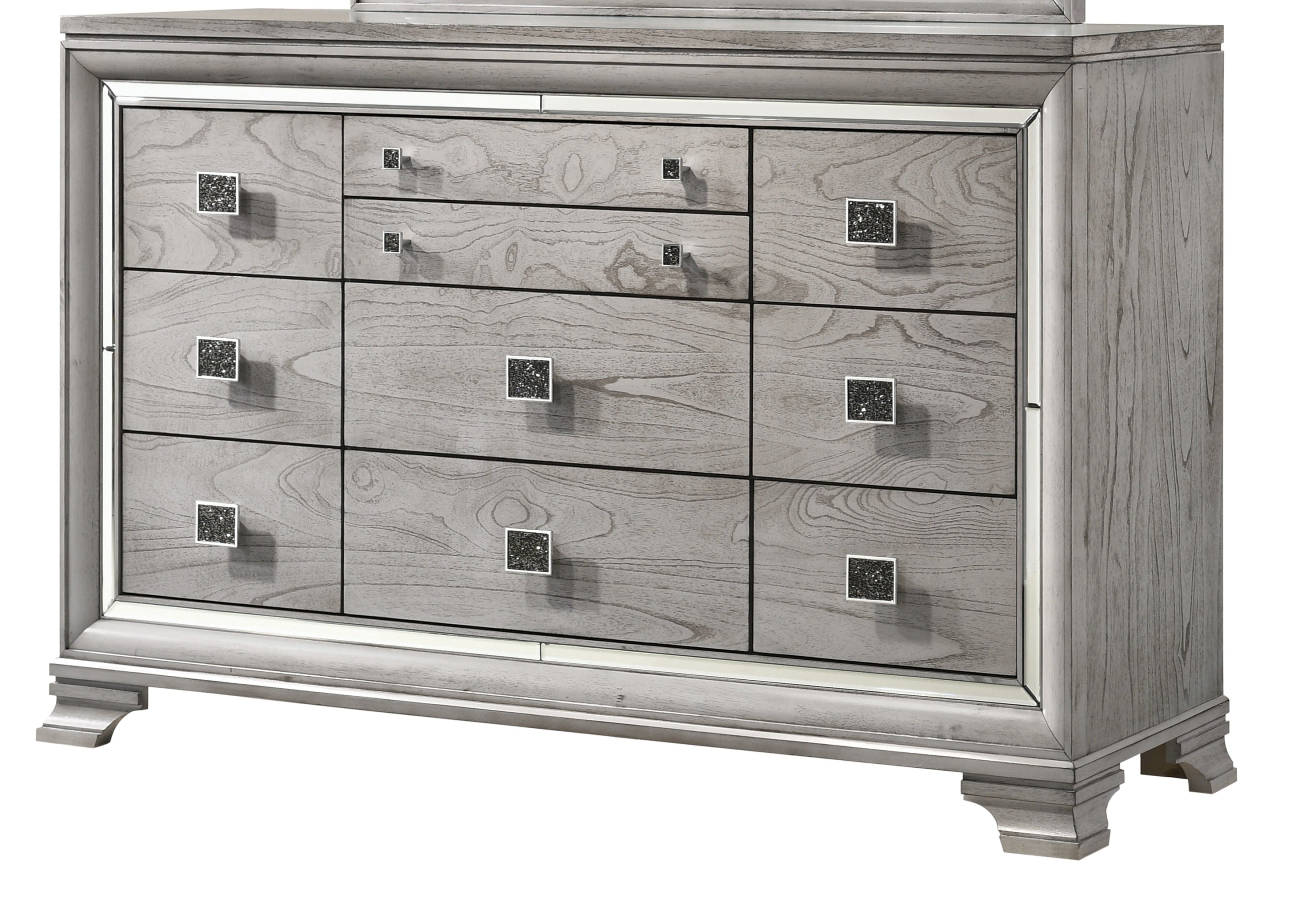
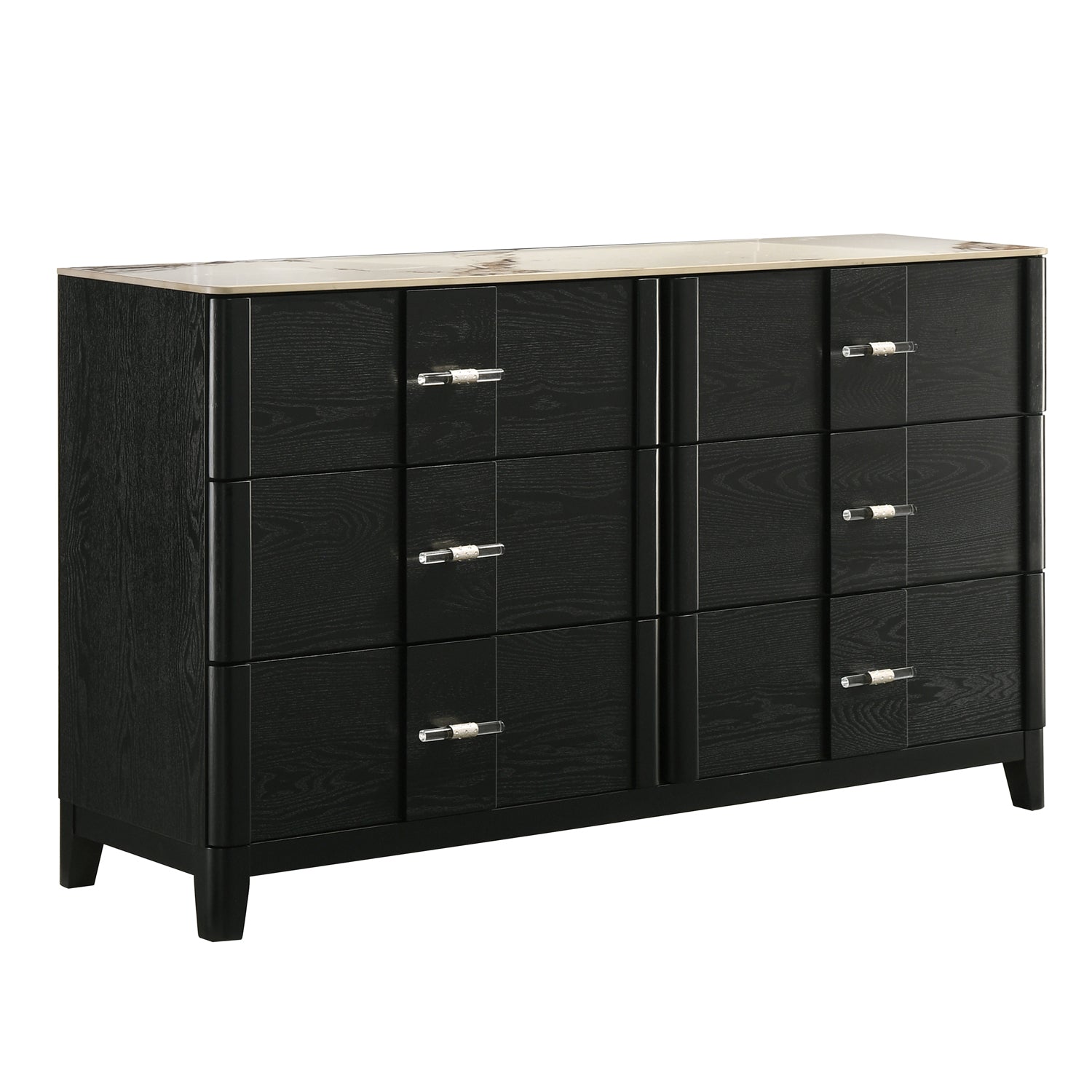
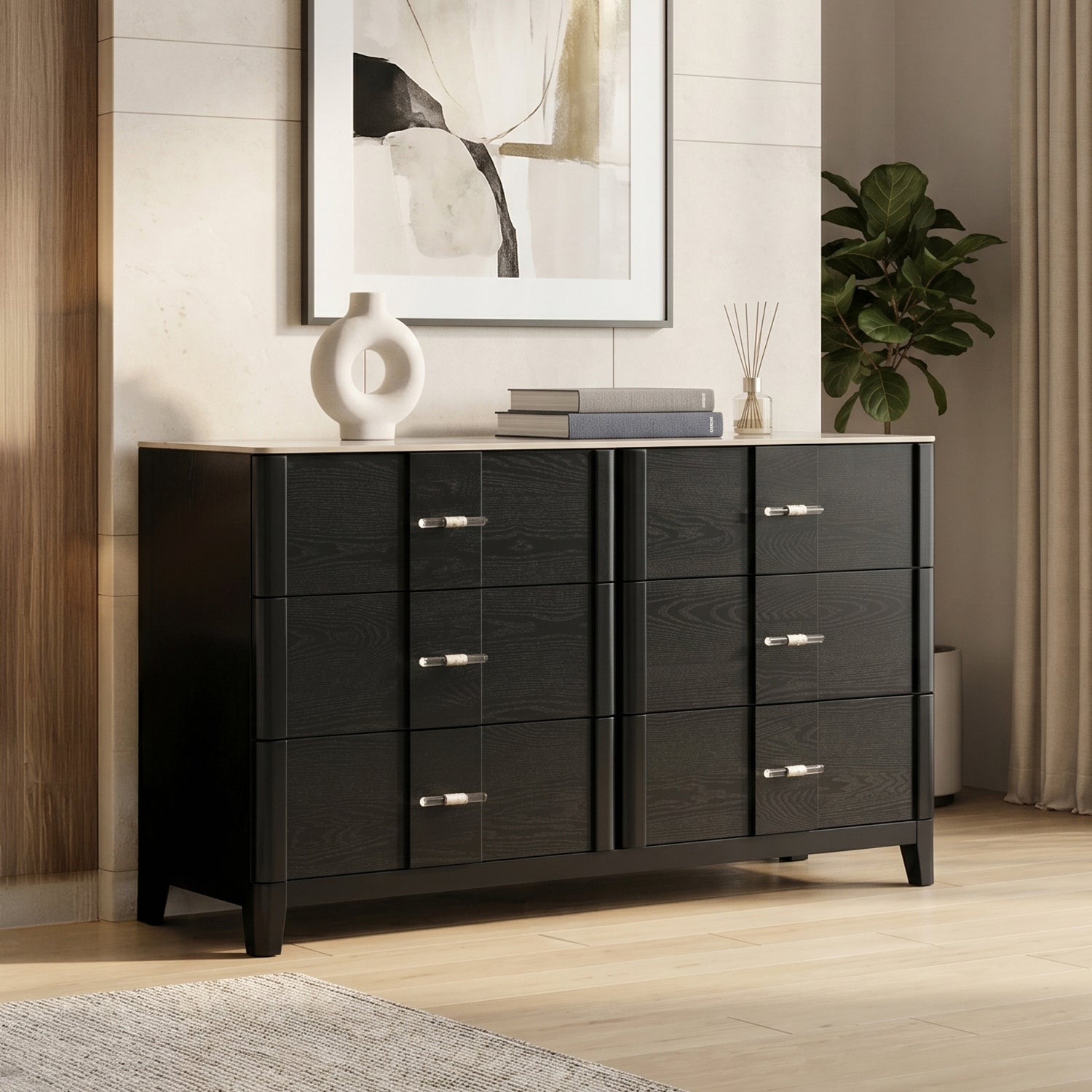
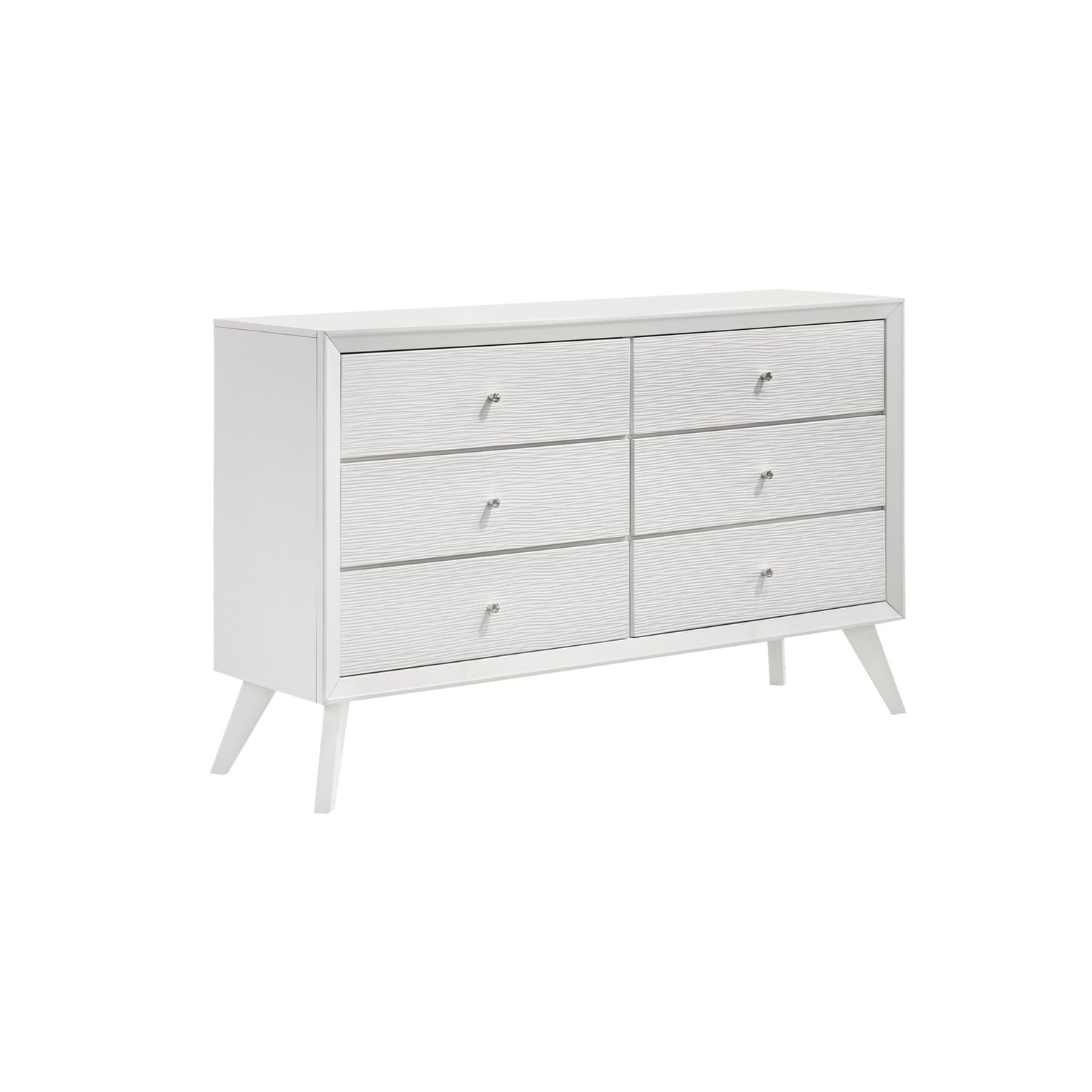
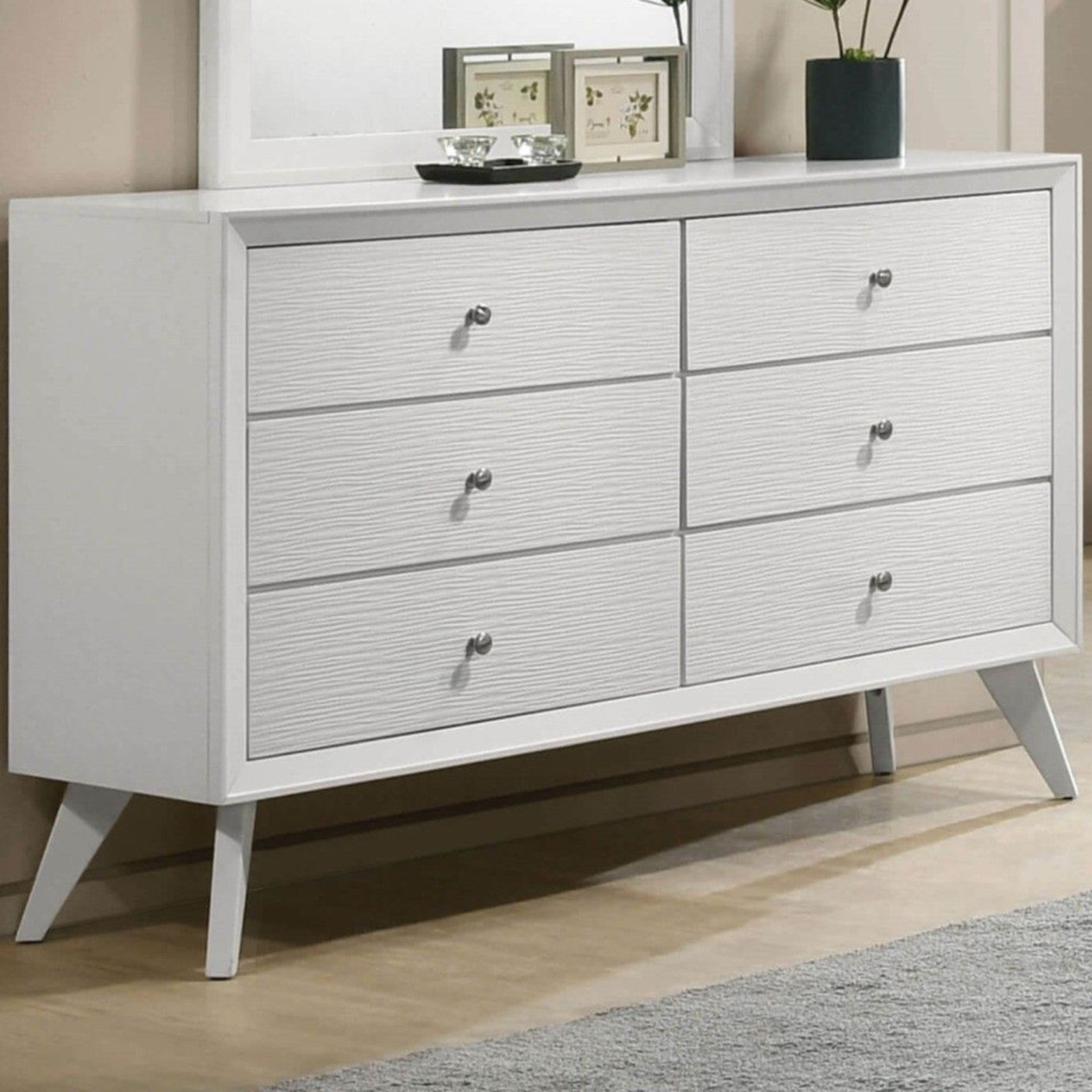
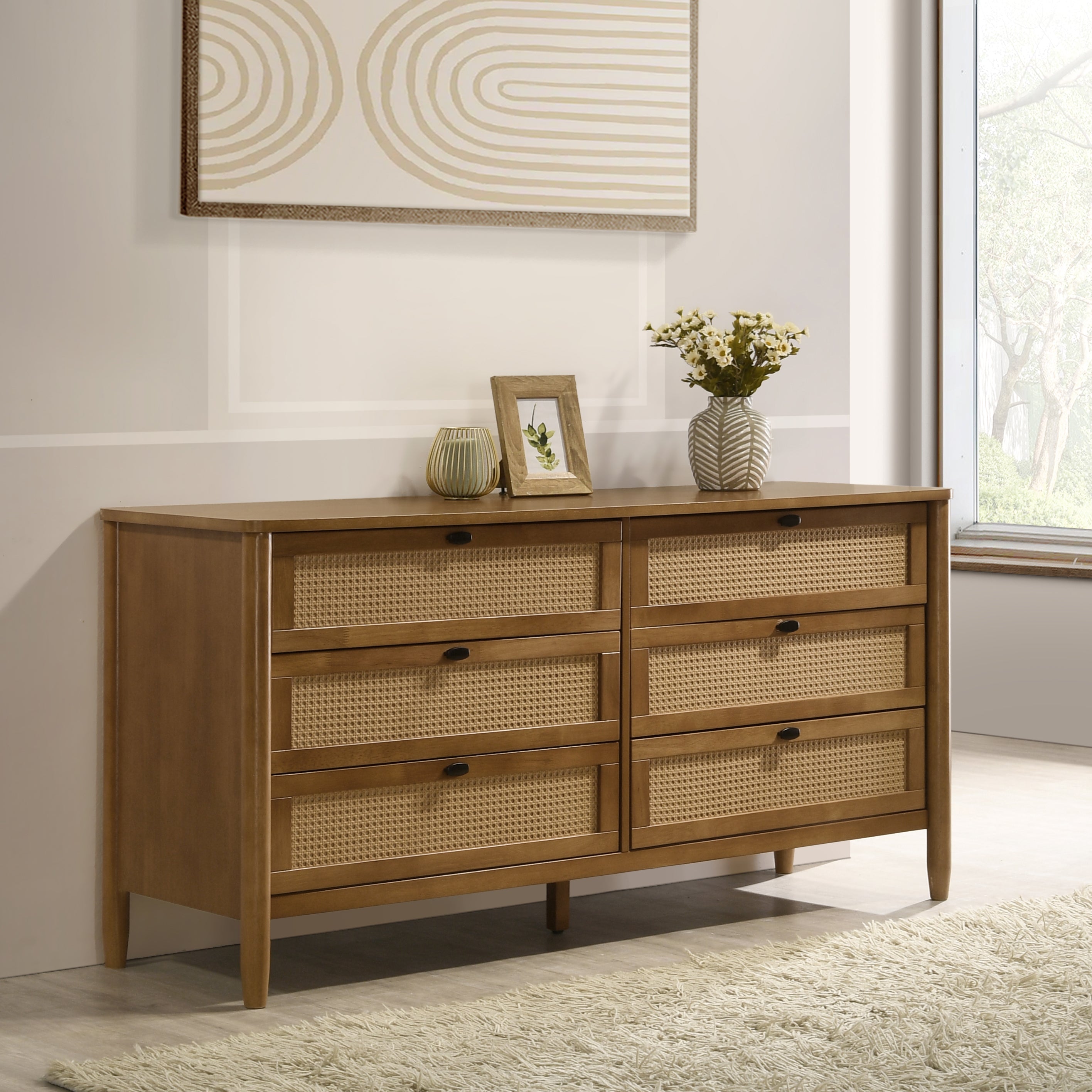
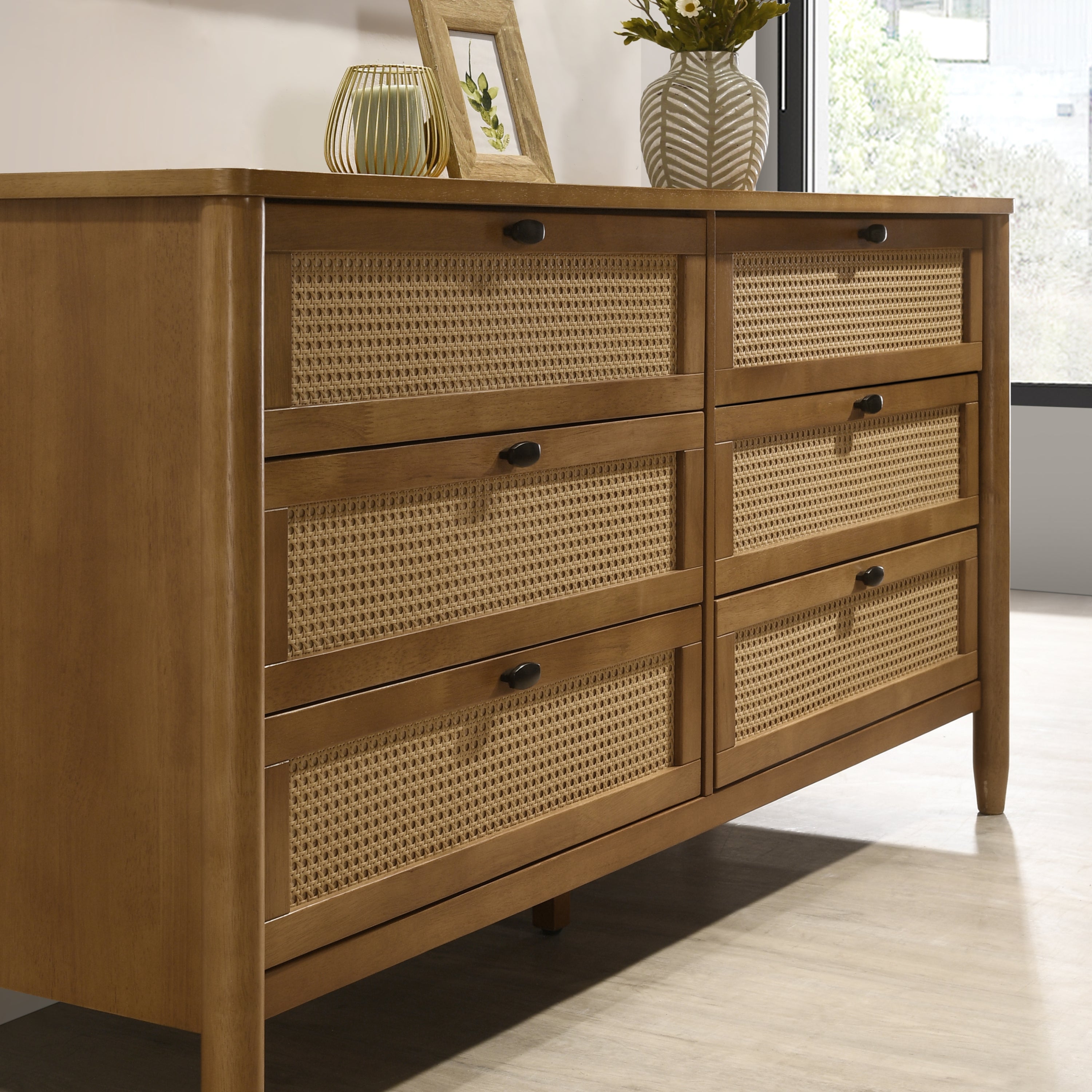
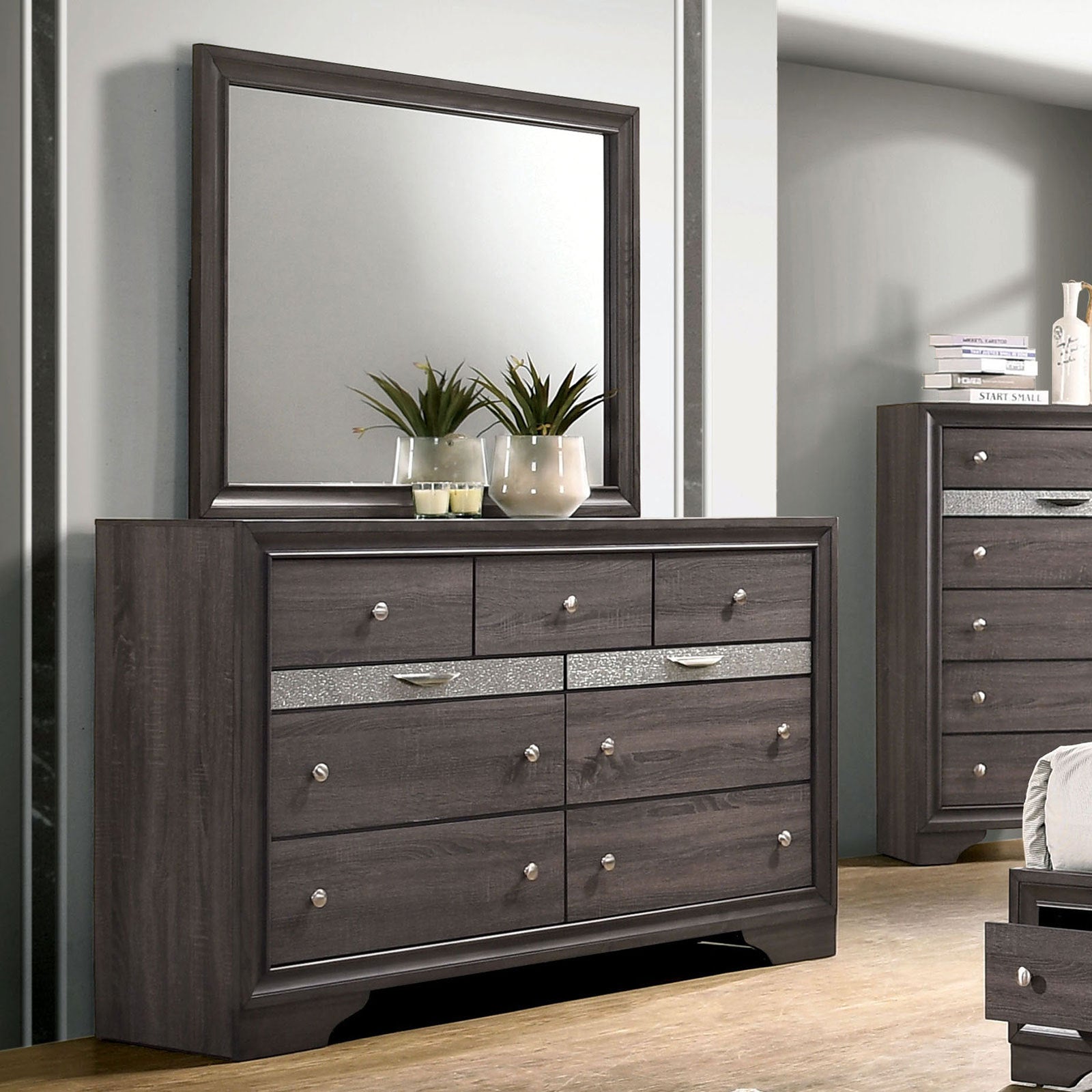
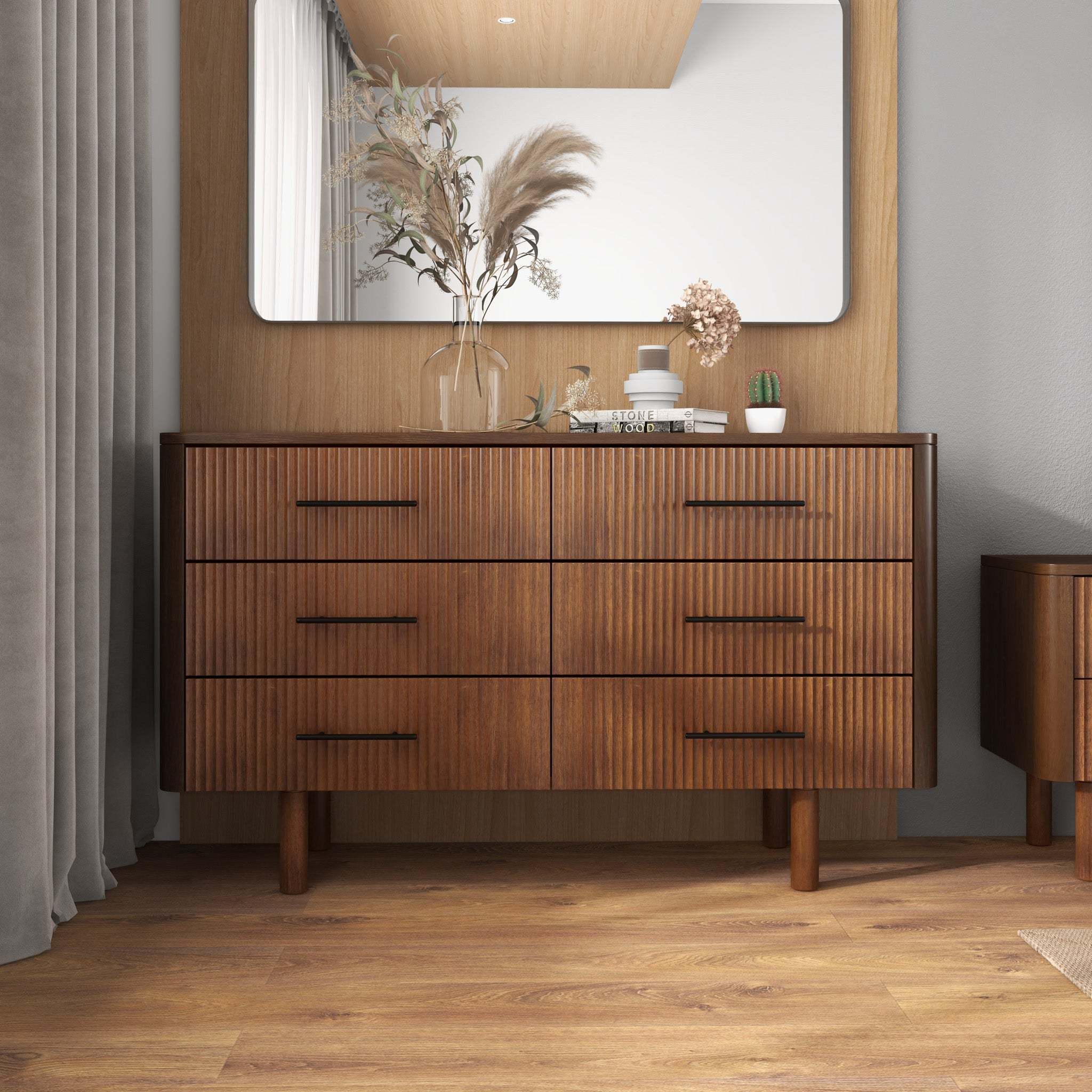
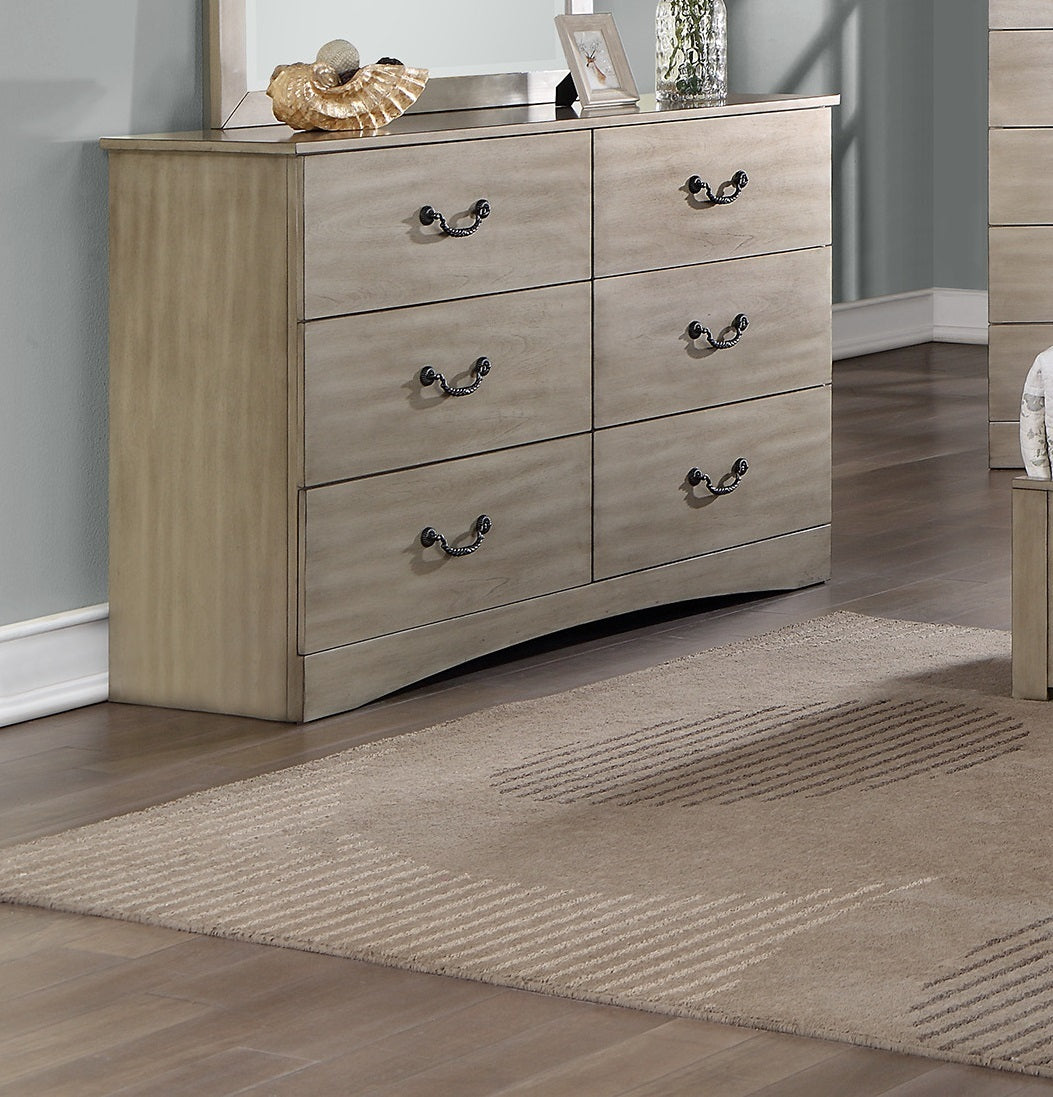
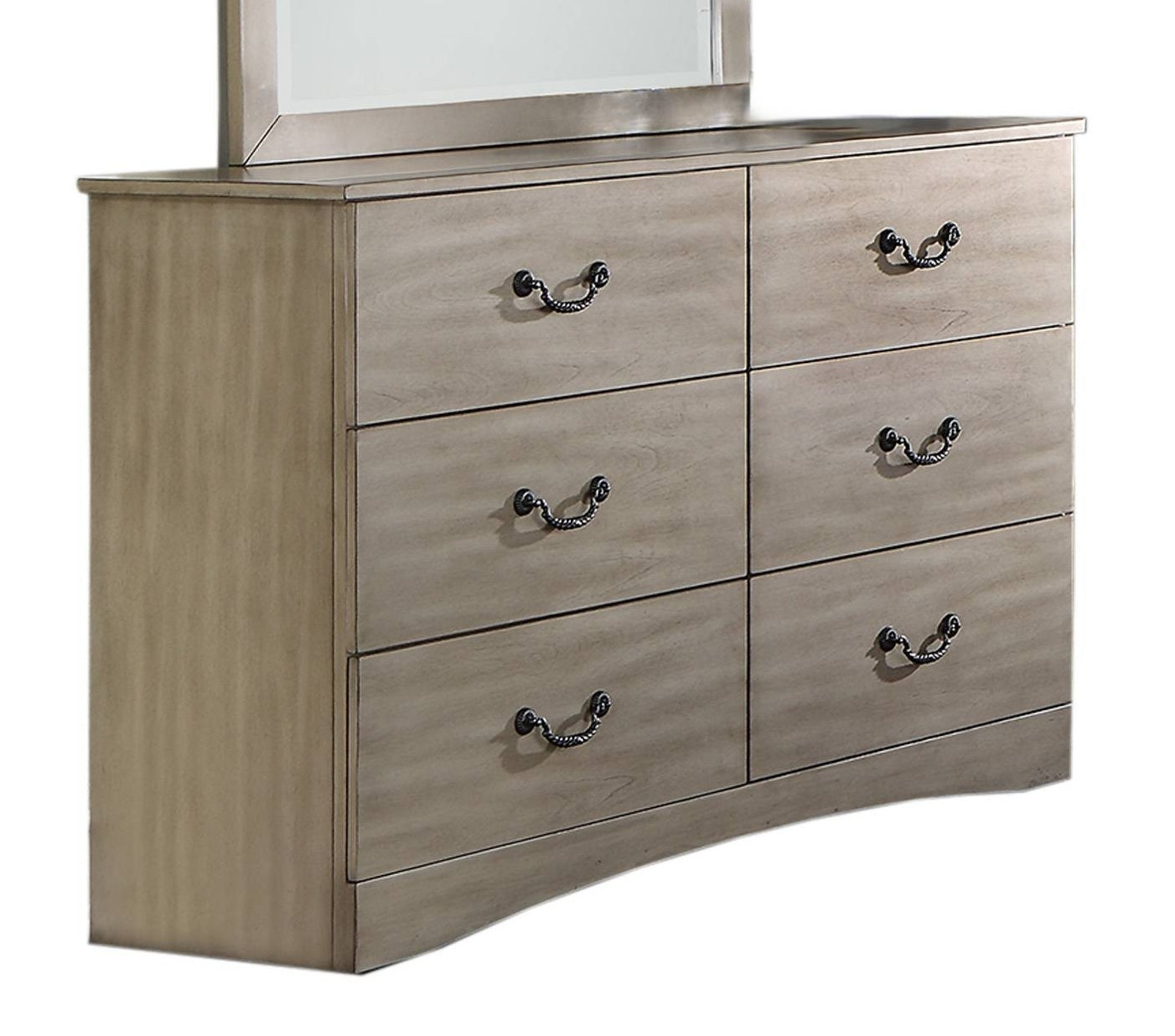
Finishes cover the warm end and the painted end alike. Walnut, oak, cherry, espresso and natural wire-brushed tones show the grain; white, off-white, charcoal, gray, blue, olive, sage green and pink are painted over the same solid frames. Several pieces pair the wood with metal handles, bronze knobs or gold-capped legs, and a few add woven rattan drawer fronts or reeded and fluted panels for texture.
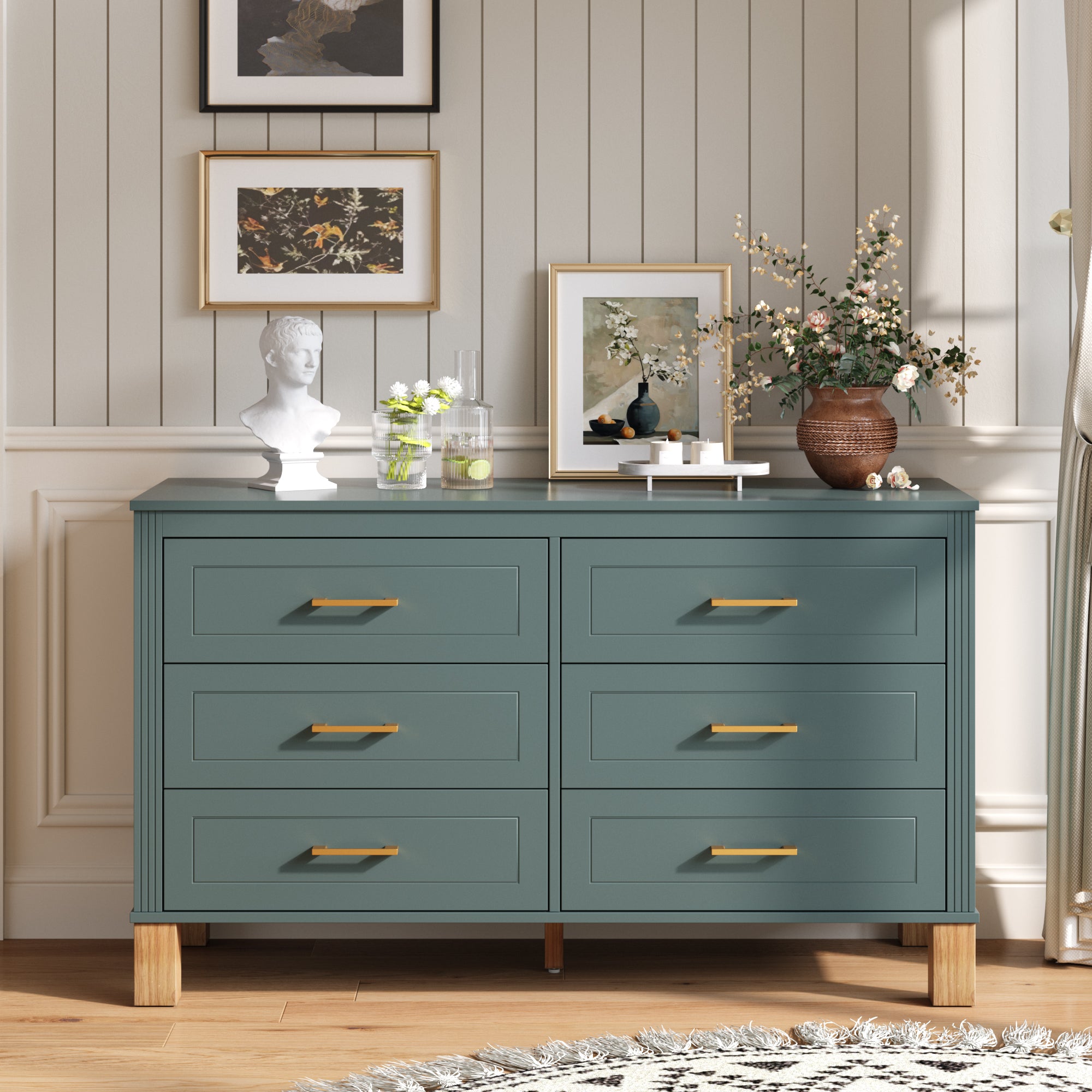
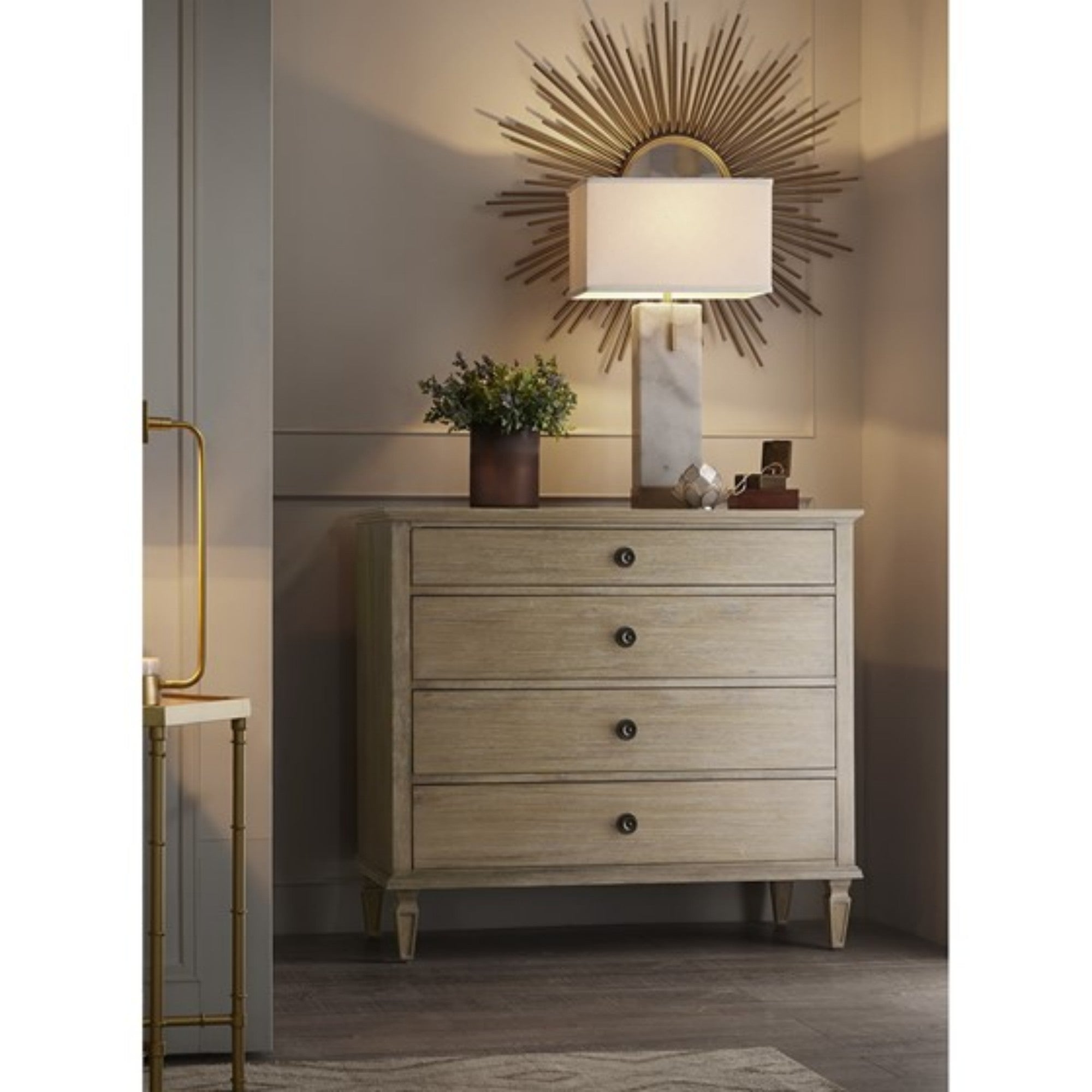
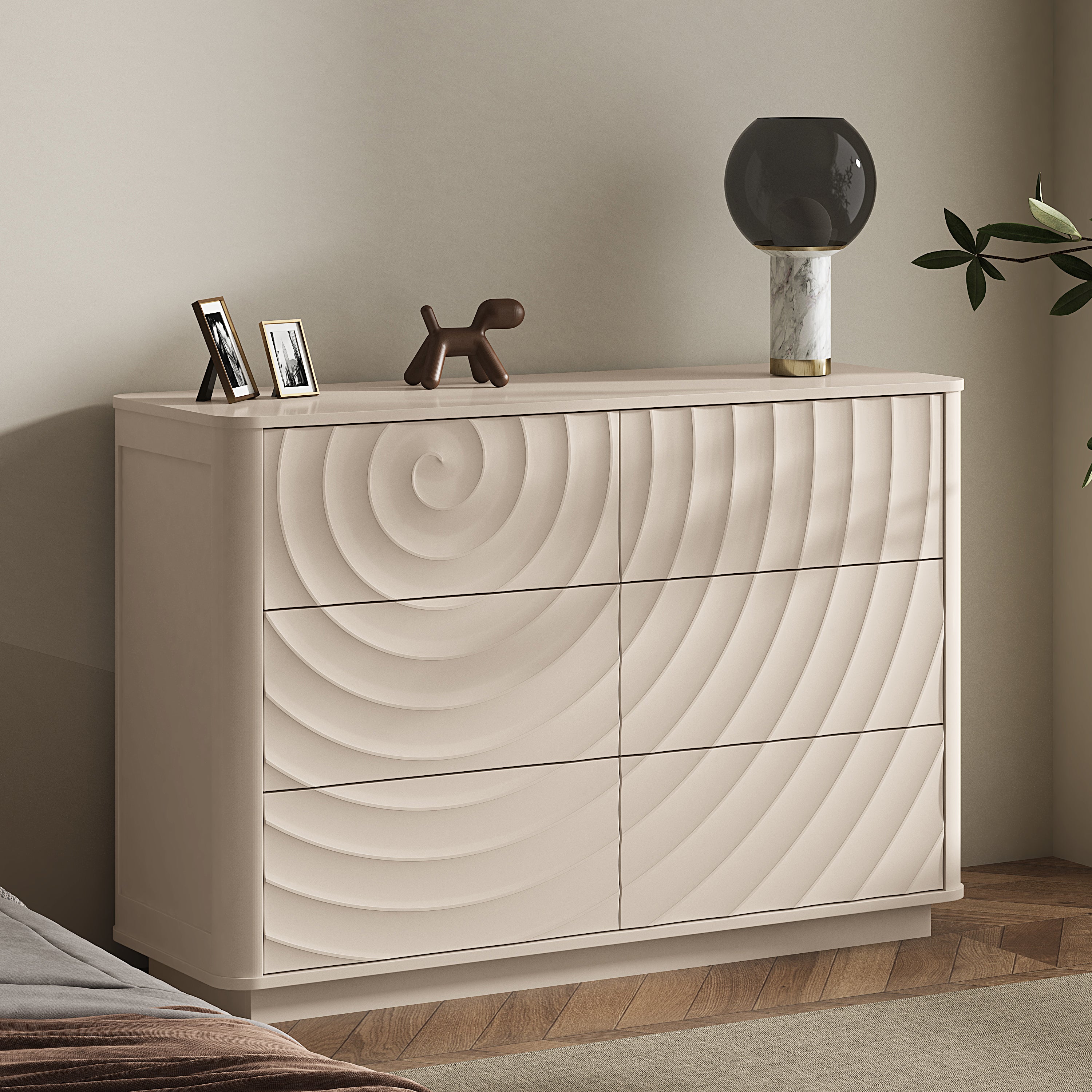
Size the dresser to the clothes and the wall, not just to the room. A three or four-drawer chest suits a narrow wall, a nursery or a guest room. Five and six-drawer dressers are the usual choice for one person's everyday clothing. Double-wide six and eight-drawer designs spread the same storage lower and wider, which suits a long empty wall or a bedroom where the dresser also carries a television. Measure the wall first, check the listed width and depth, and leave clearance for the drawers to pull fully open.
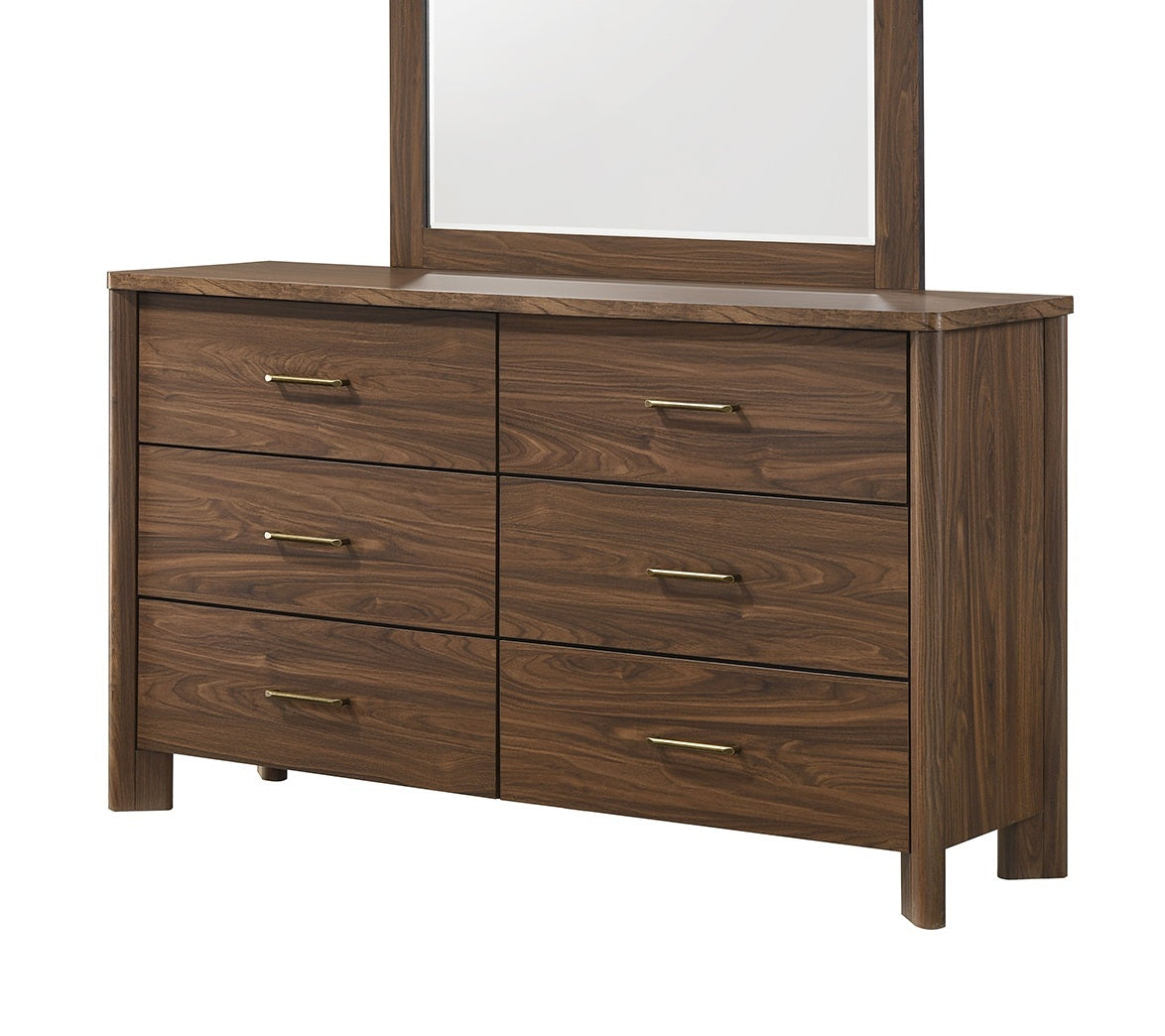
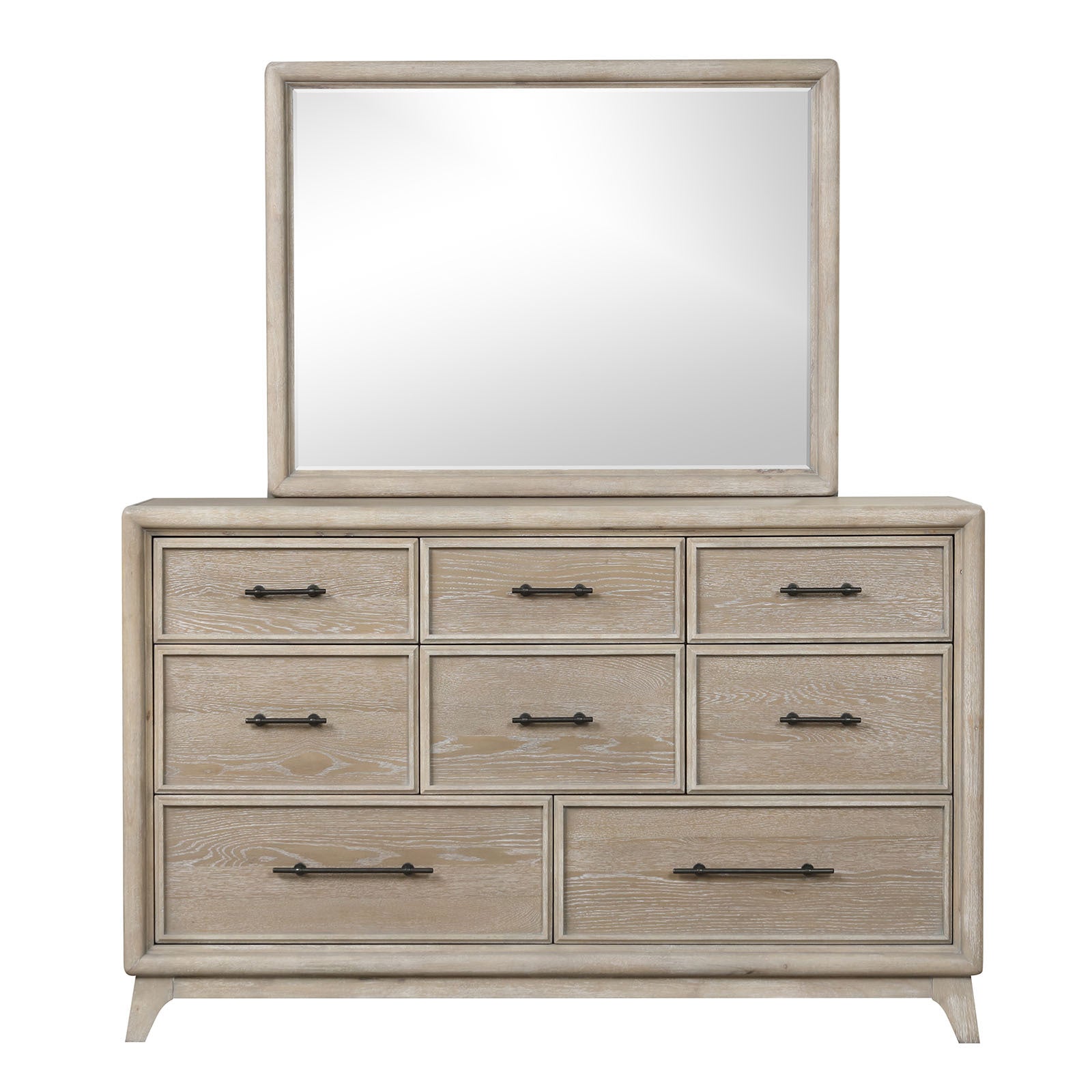
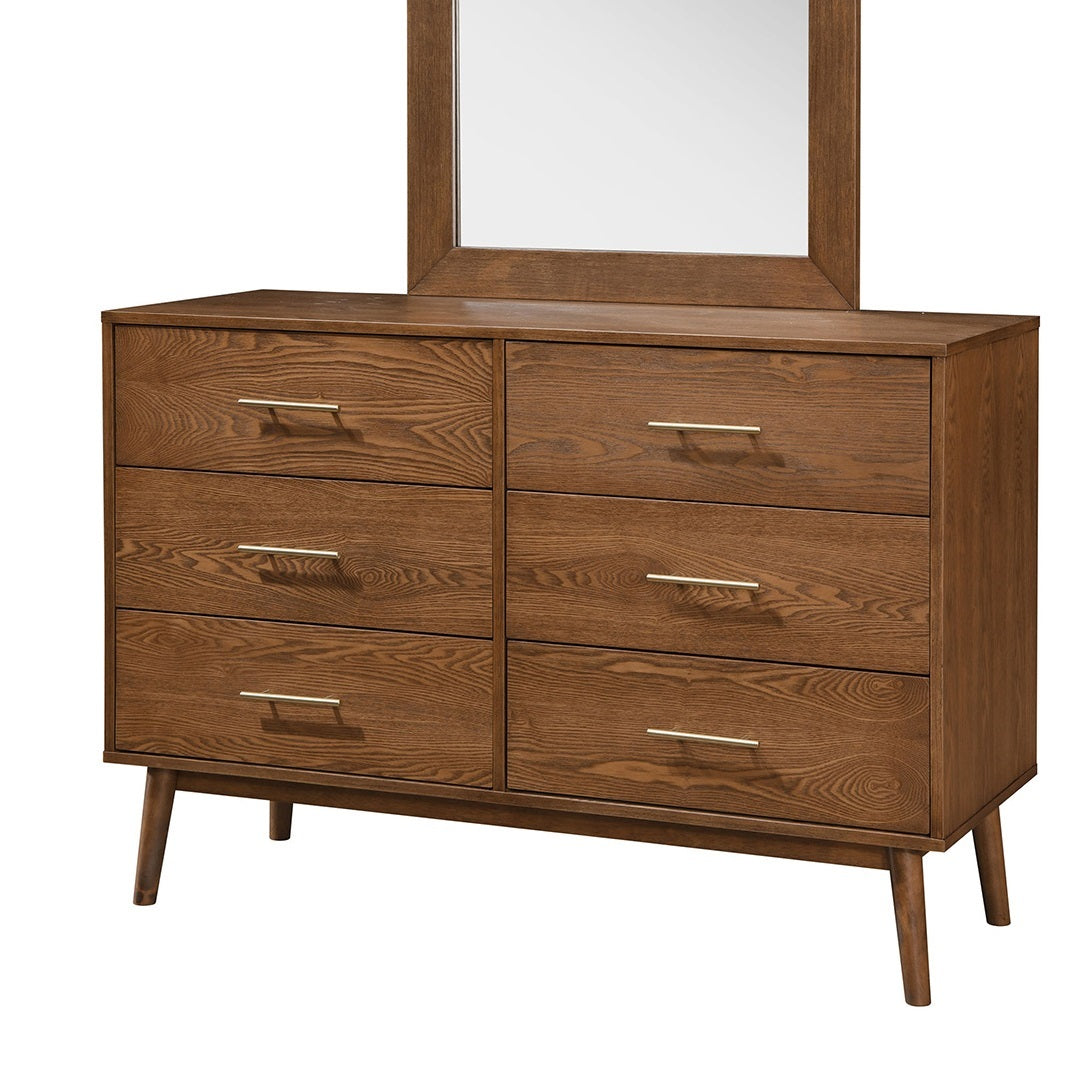
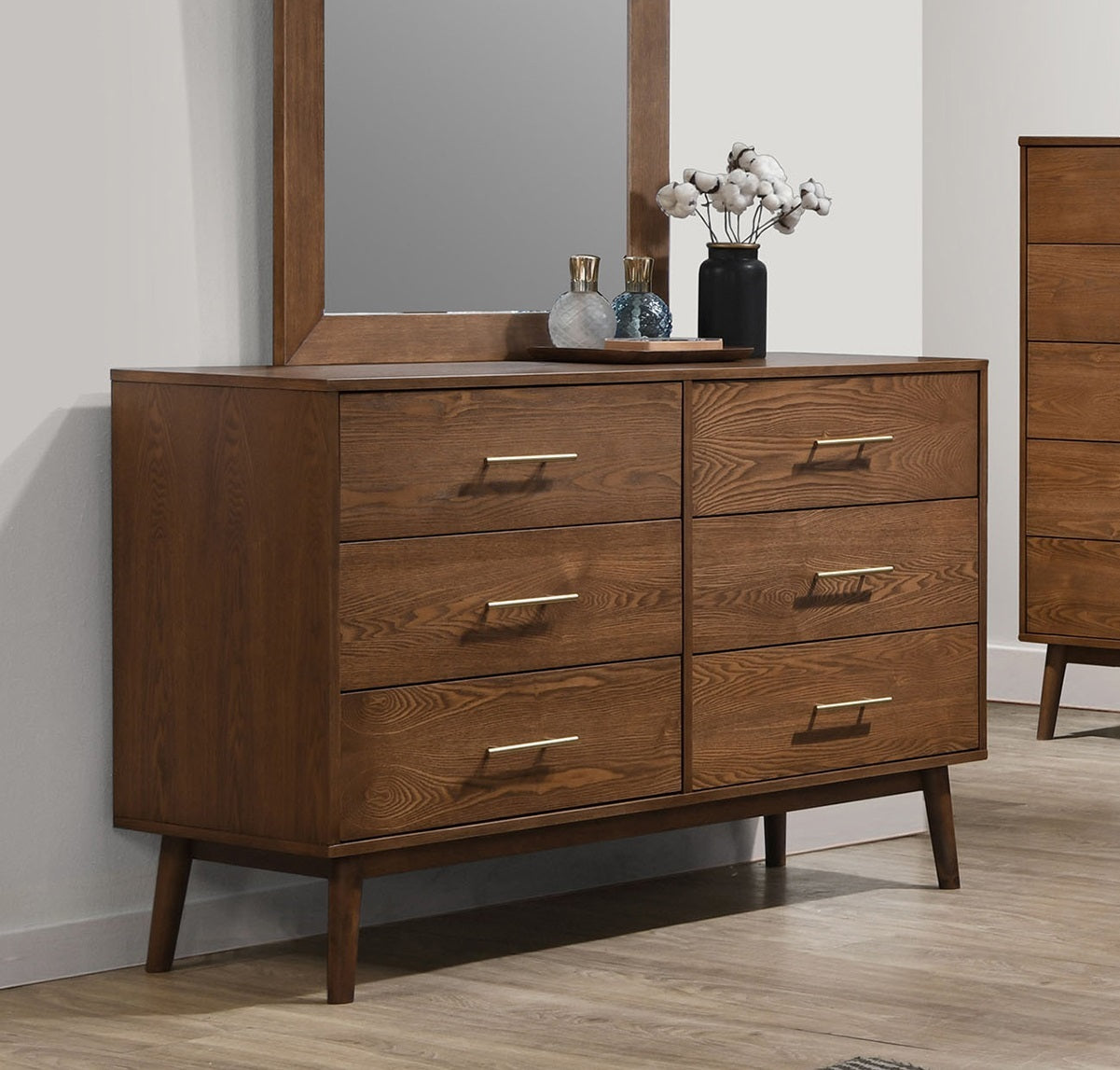
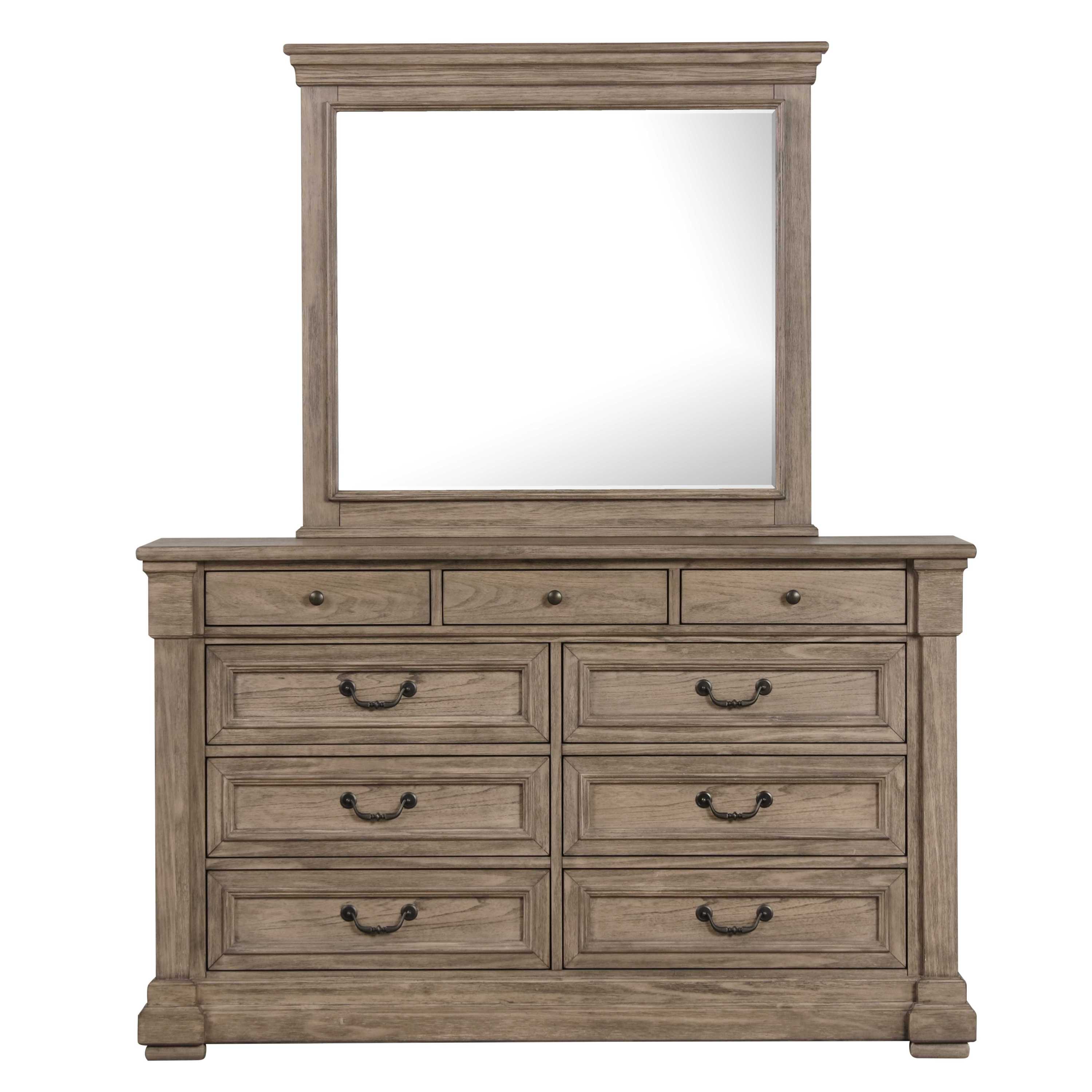
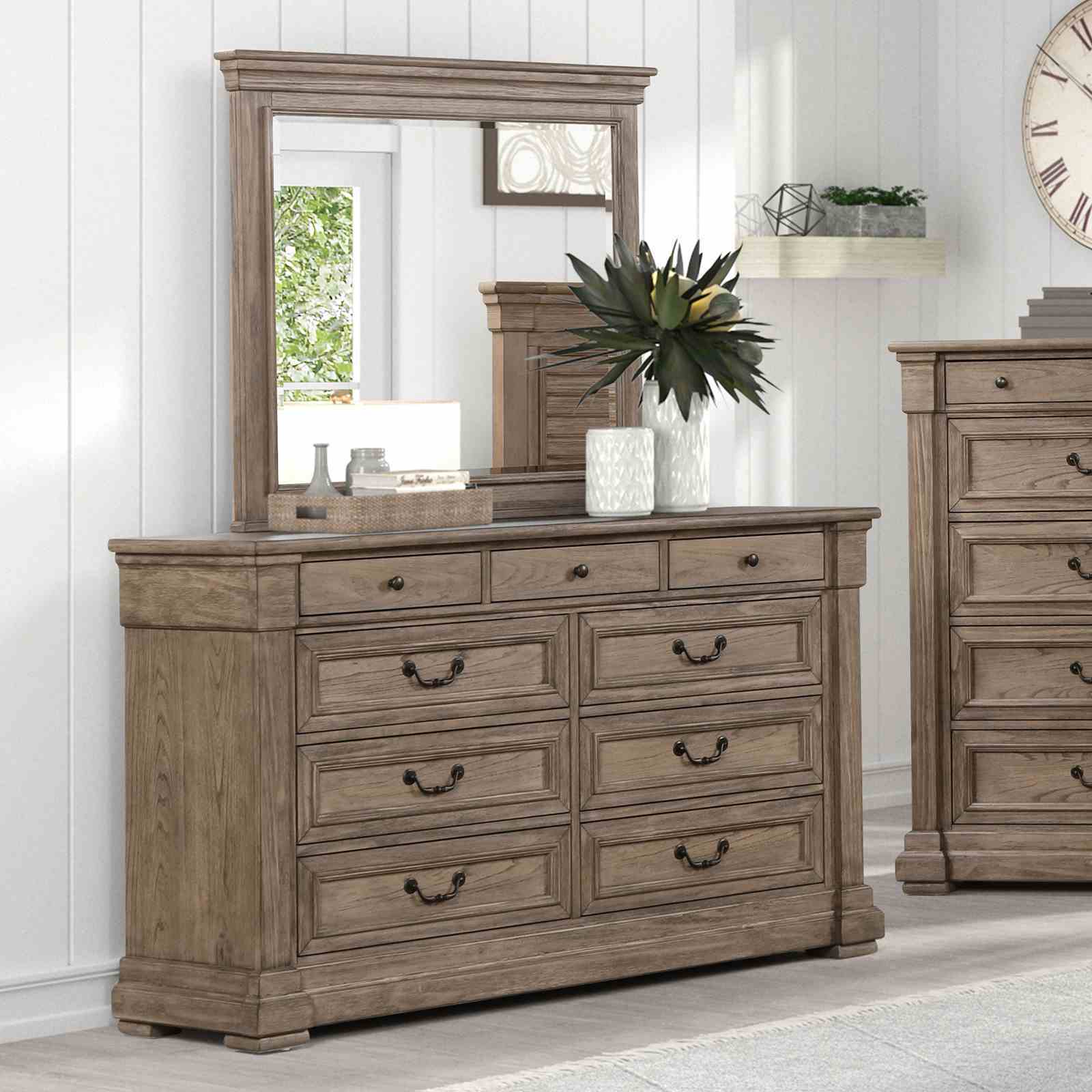
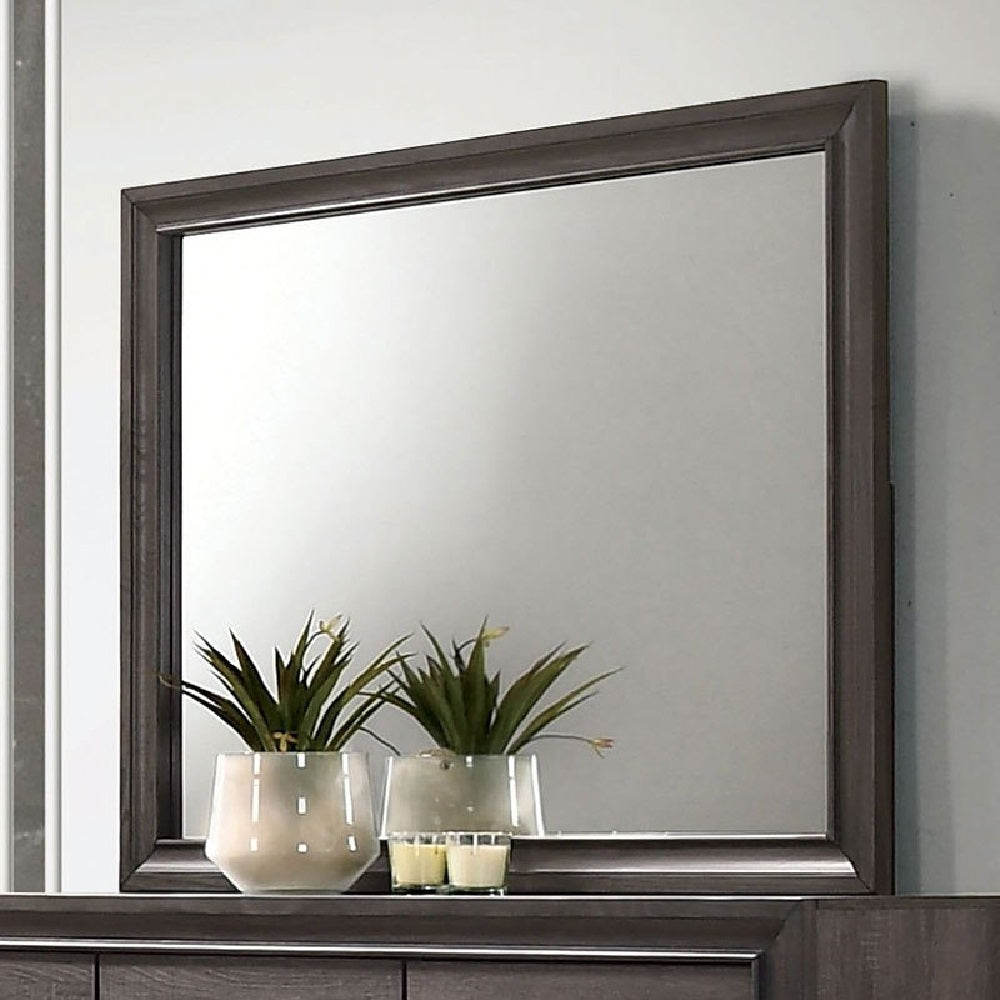
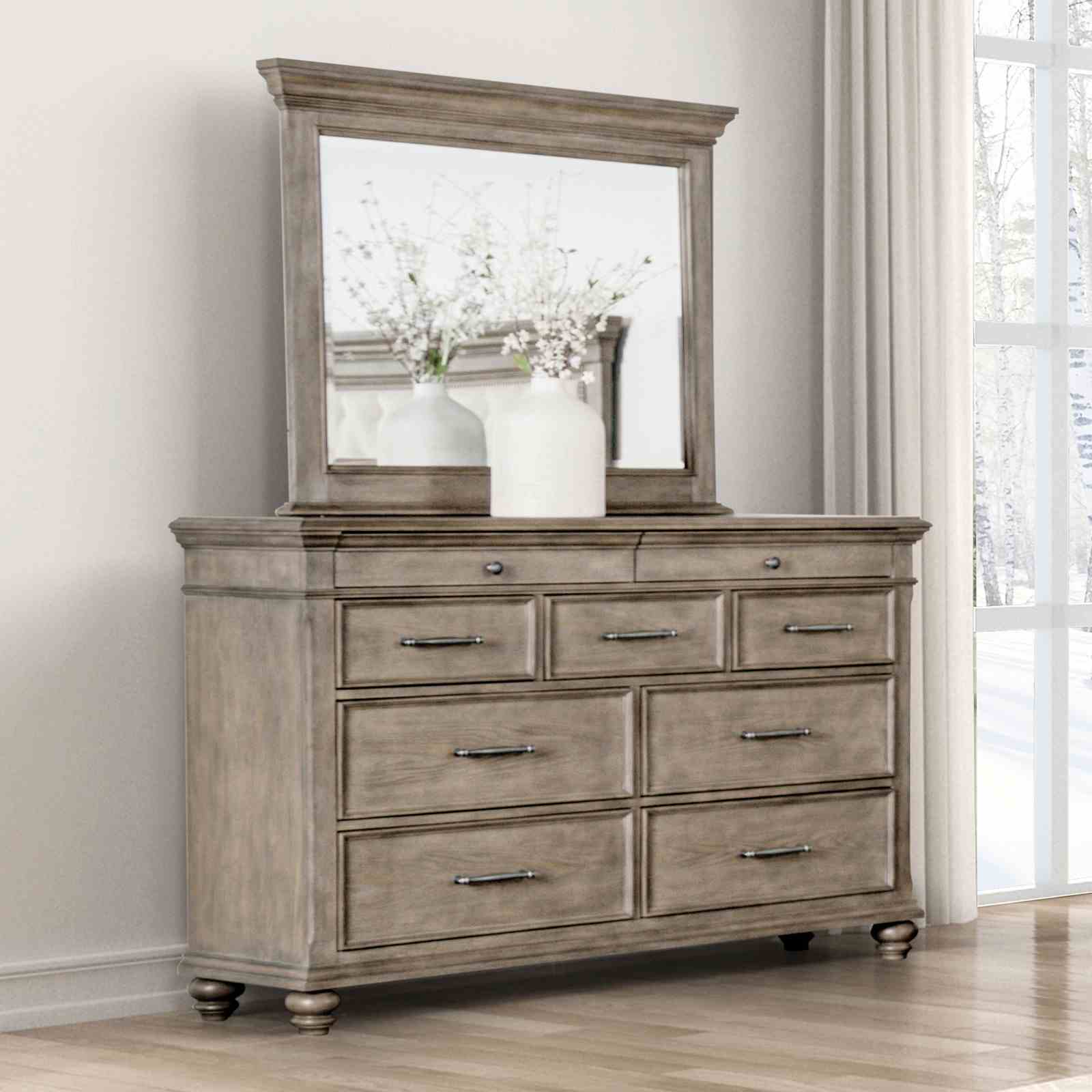
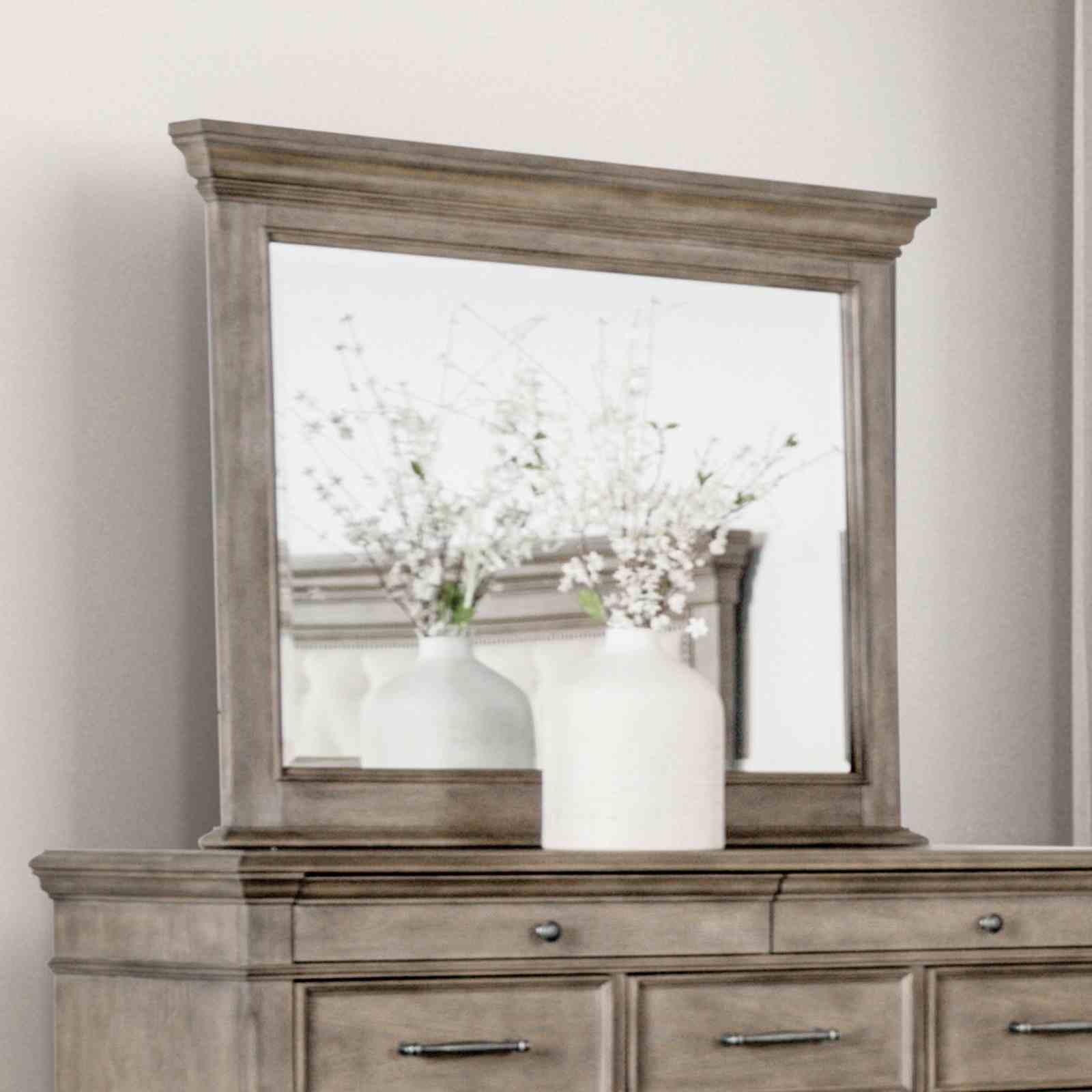
The drawer hardware is where these pieces differ most. English dovetail drawer boxes hold their corners under load far better than stapled boxes. Ball-bearing side glides stay smooth when a drawer is packed, and self-closing slides pull the last inch shut on their own. Look for the stated top weight capacity if you plan to stand a mirror or a television there, and check whether an anti-tip kit is included. Several dressers ship with a matching mirror, and a few hide a felt-lined jewelry tray inside the top drawer.
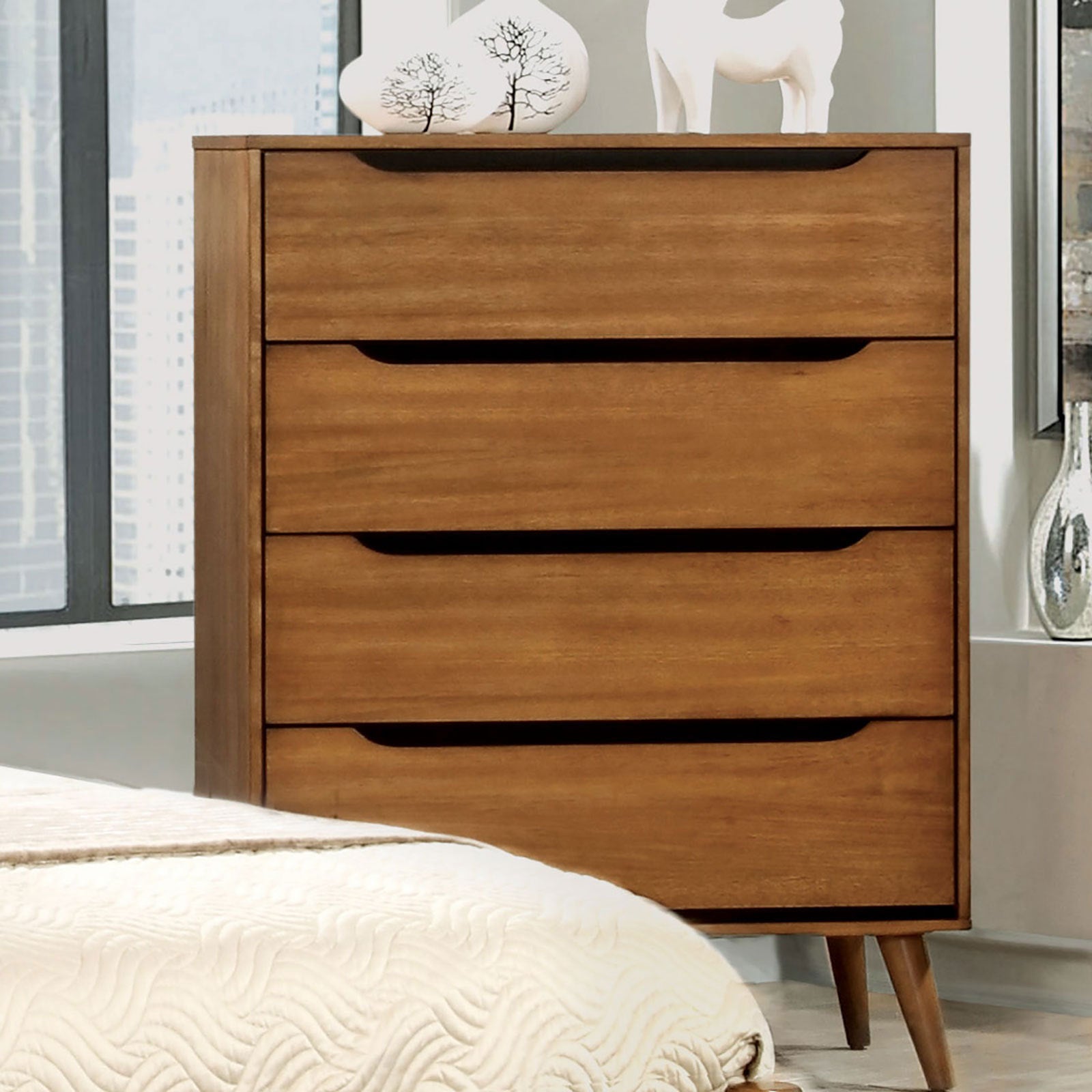
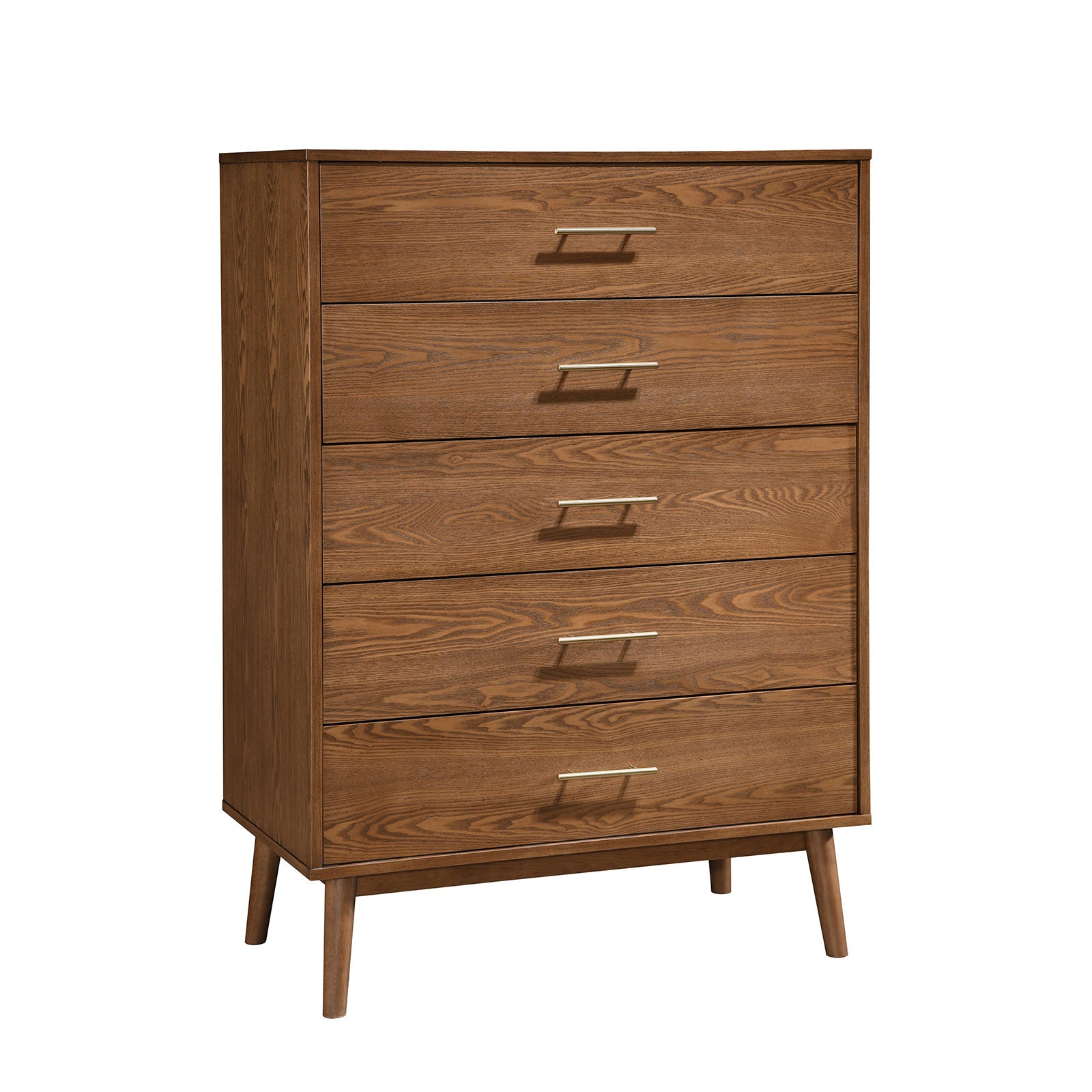
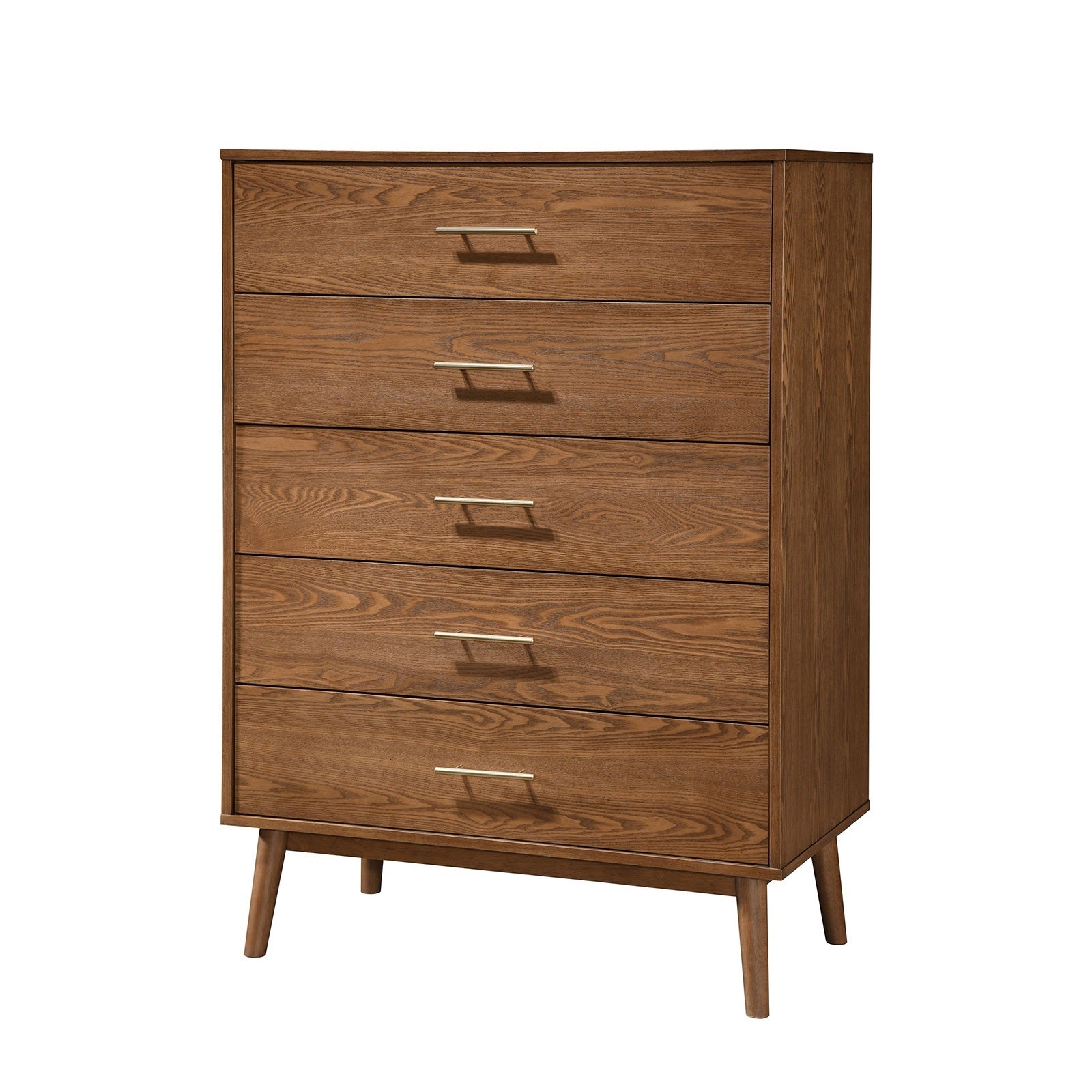
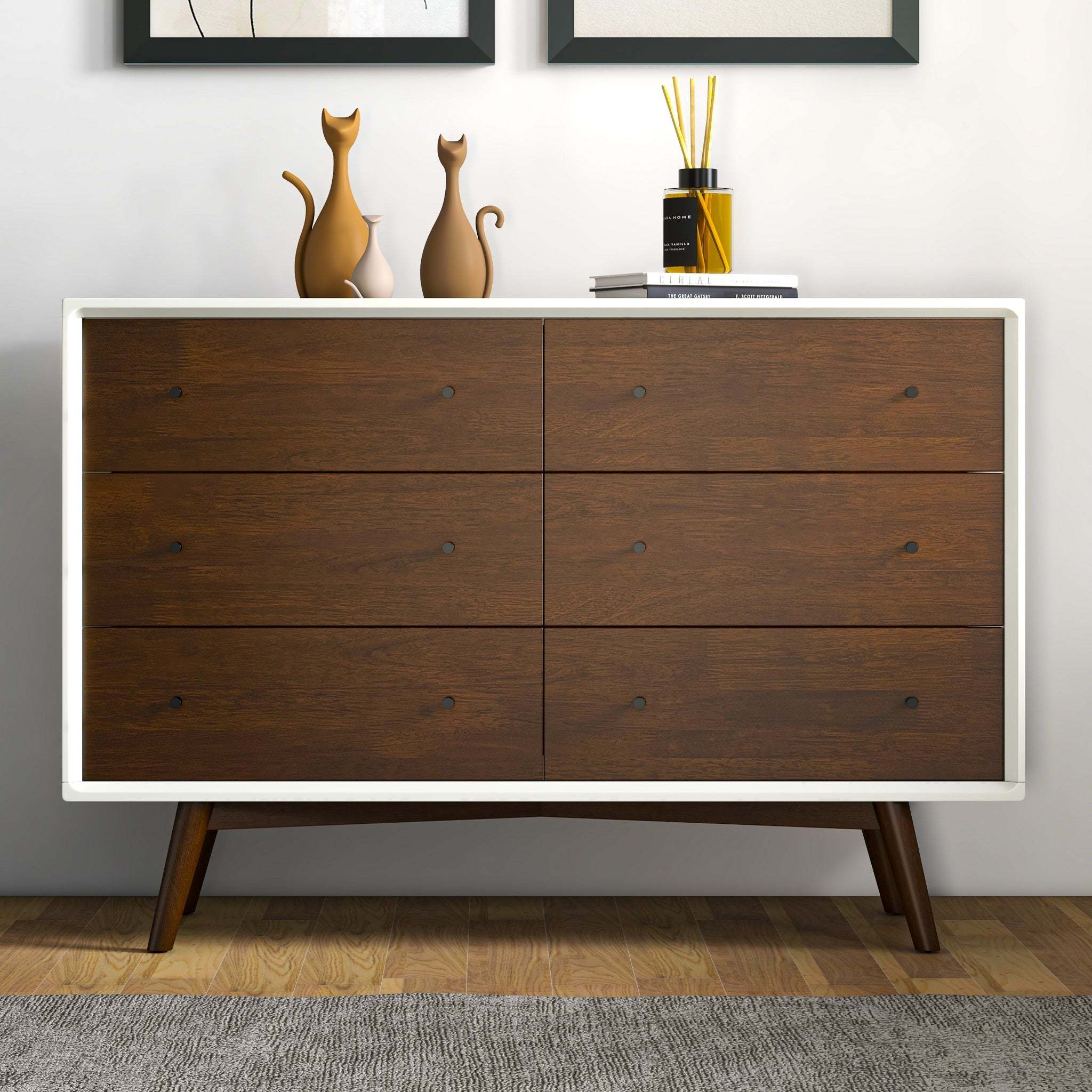
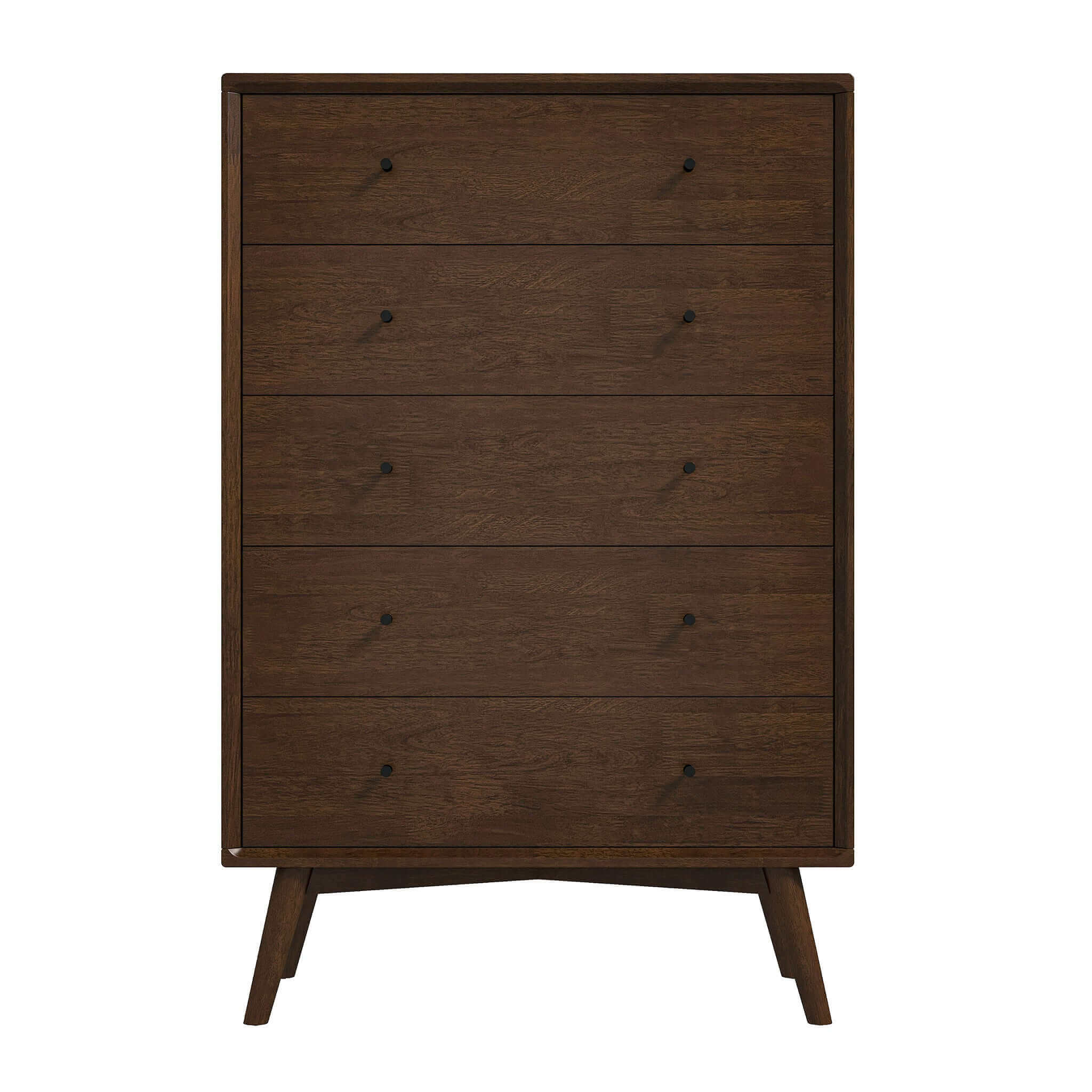
Style then decides the rest. Mid-century pieces sit on tapered or angled legs and read light in a small room. Farmhouse and traditional dressers use bun feet, bracket feet or turned column legs and carry more visual weight. Transitional wire-brushed grays and contemporary reeded fronts sit between the two and work in a bedroom that mixes older and newer furniture. Whichever silhouette you choose, the drawer count and the finish matter more day to day.
Specifications
- Materials
- solid wood, acacia, fir, metal hardware, rattan accents
- Finishes
- walnut, oak, cherry, espresso, natural, antique silver, white, off-white, gray, charcoal, black, blue, olive, sage green, pink
- Drawer configurations
- 3-drawer, 4-drawer, 5-drawer, 6-drawer, 8-drawer
- Storage features
- dovetailed drawer boxes, ball-bearing glides, self-closing slides, cabinet compartment, jewelry tray
- Leg styles
- tapered, angled, bun feet, bracket feet, metal
- Styles
- mid-century, farmhouse, transitional, contemporary, industrial, fluted and reeded
- Options
- dresser only, dresser with mirror, anti-tip kit included
Good to know