
Skip to content

Cart

Your cart is empty

Lateral File Cabinet

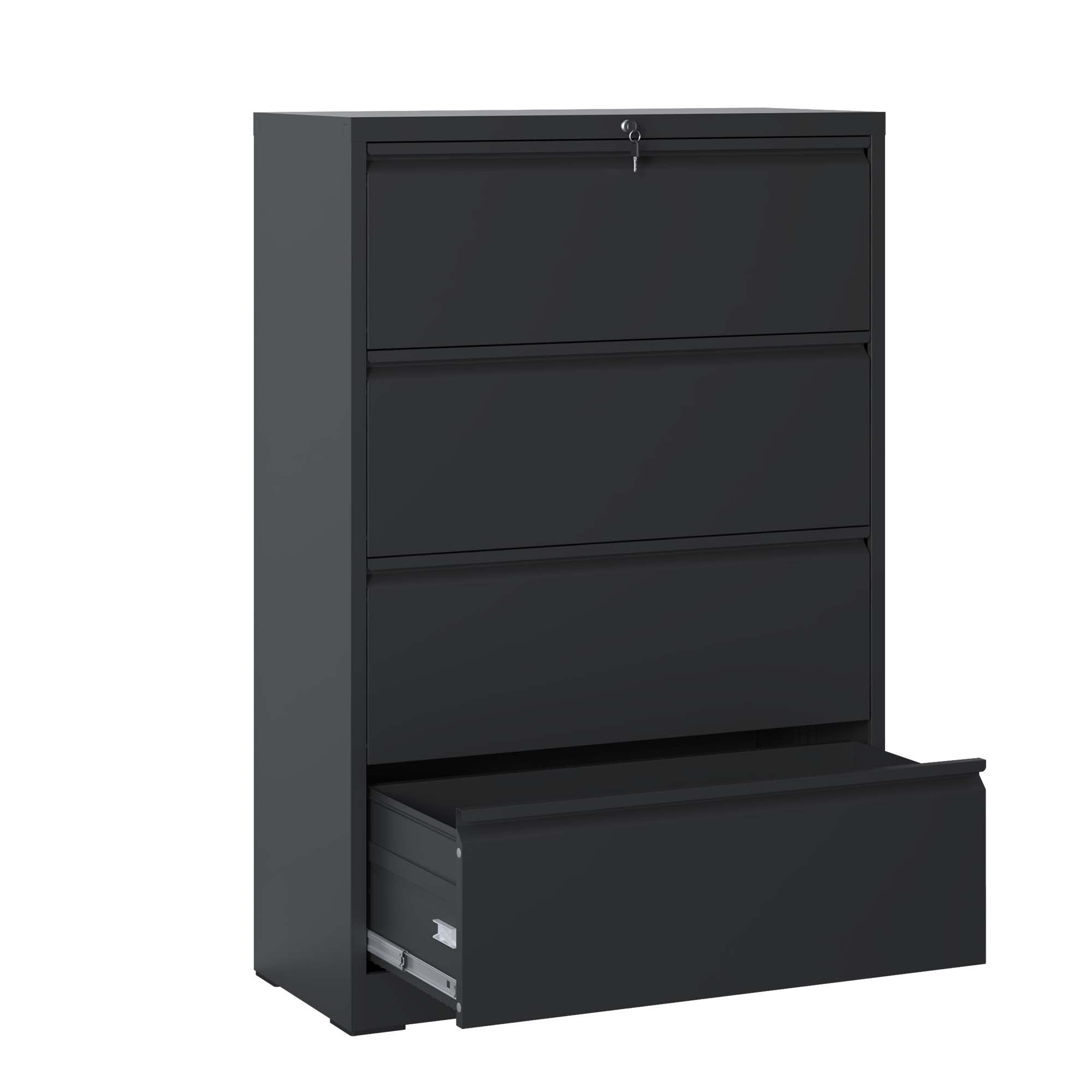
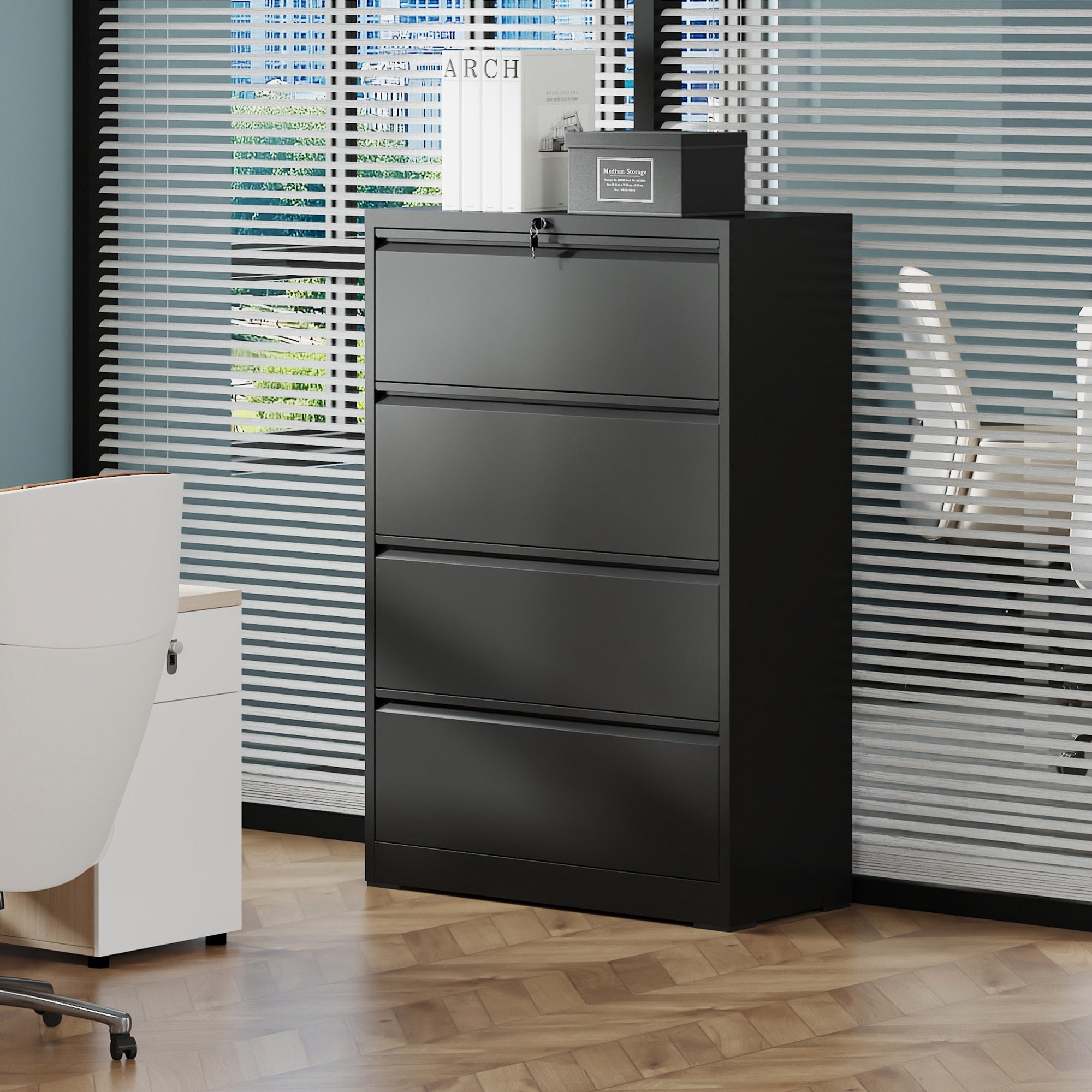
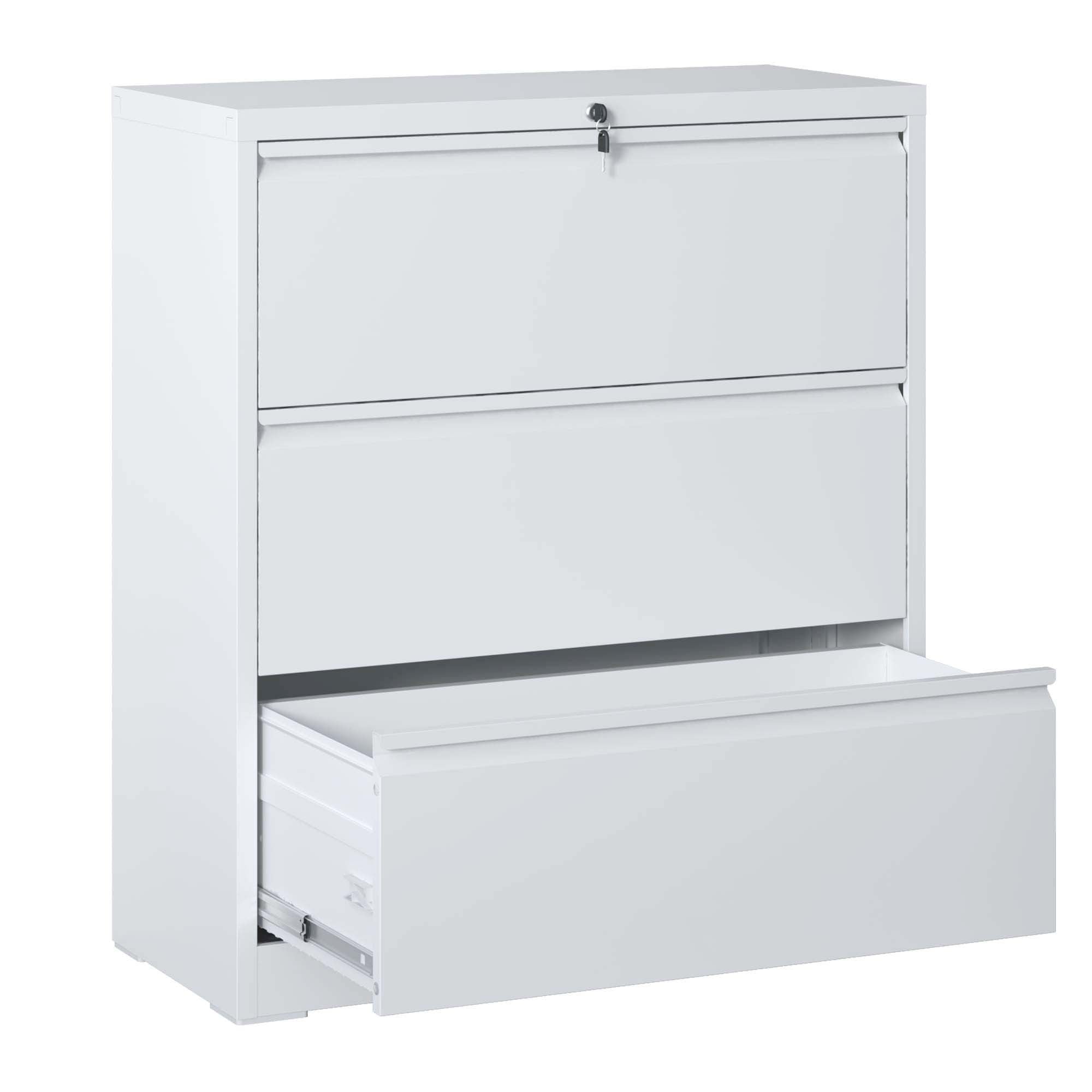
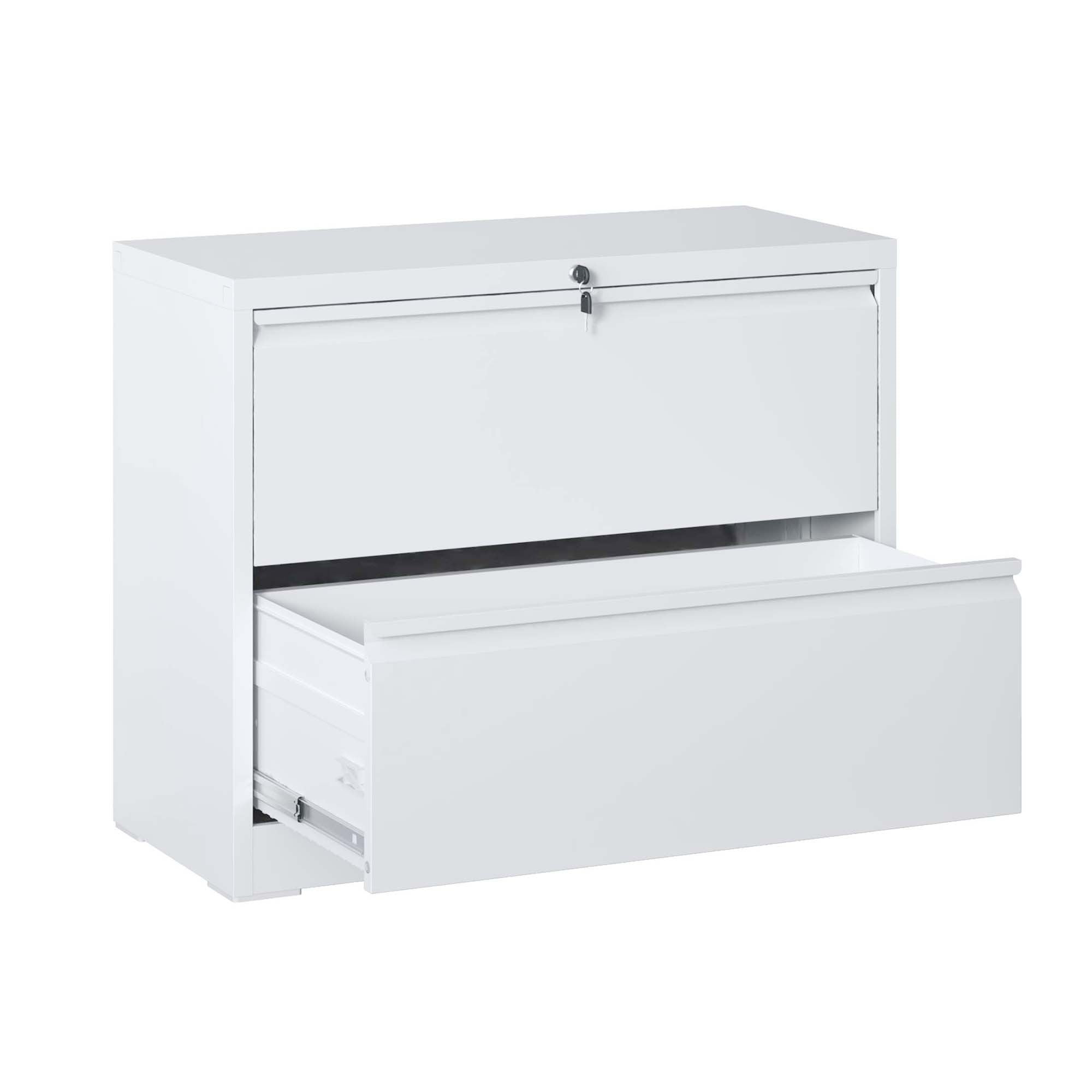
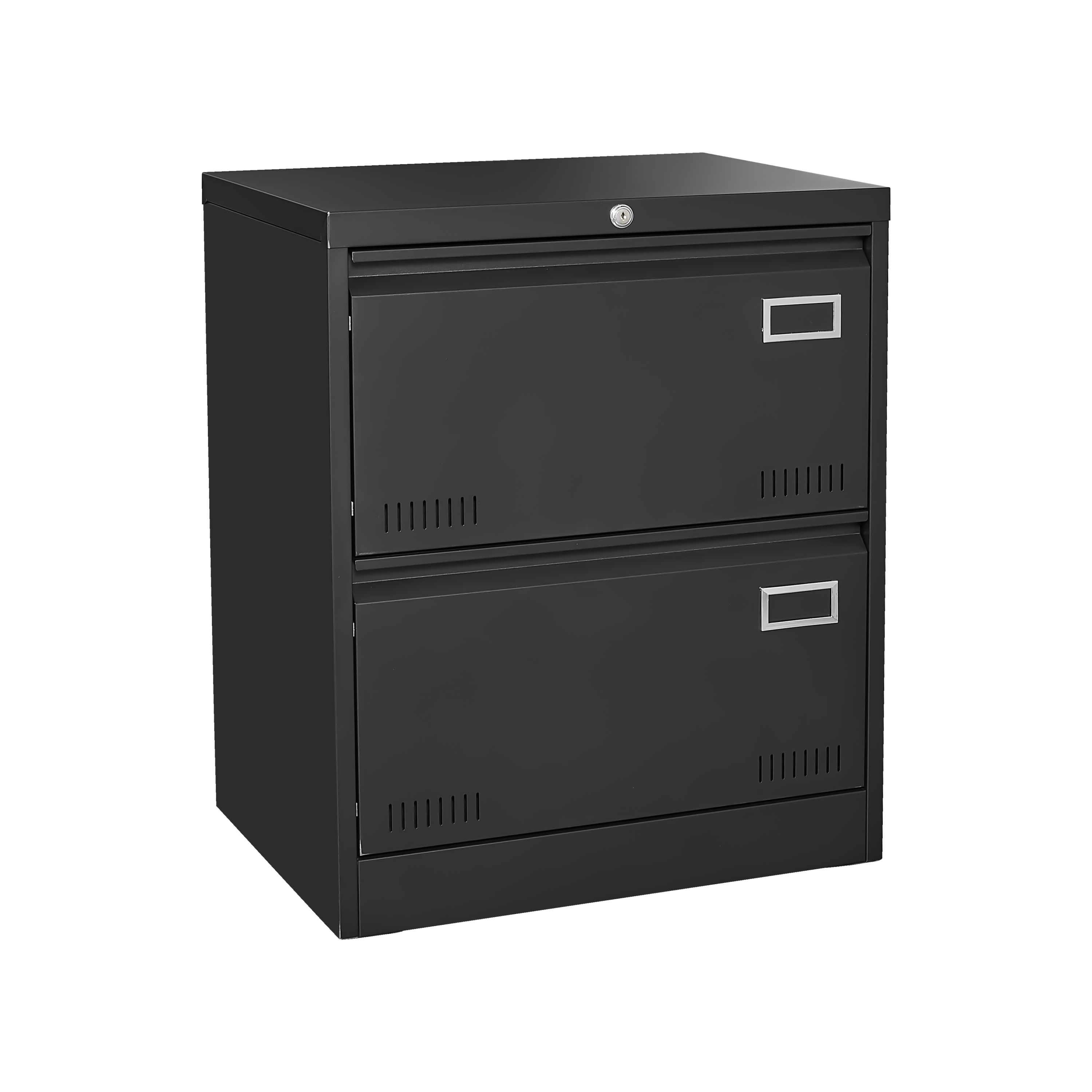
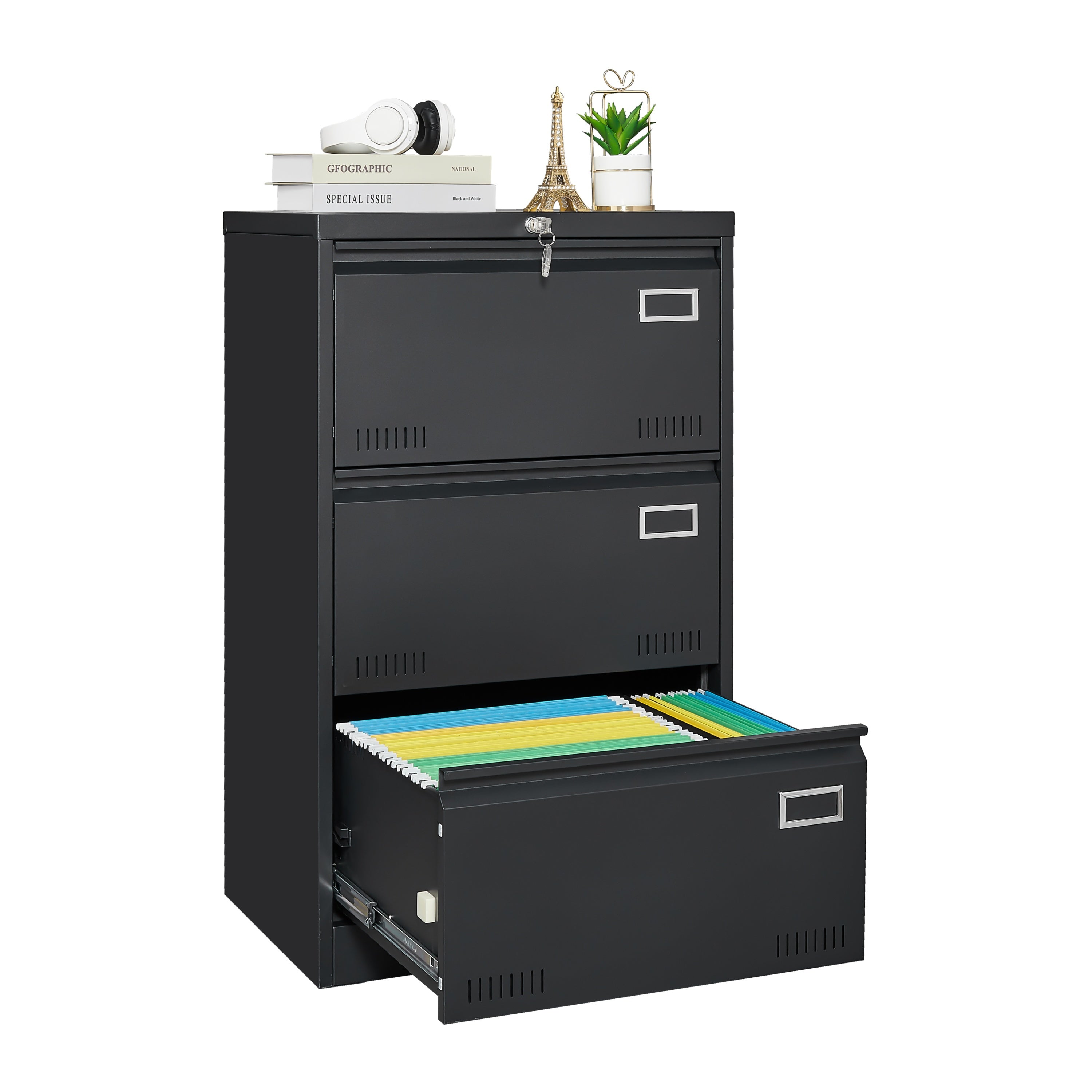
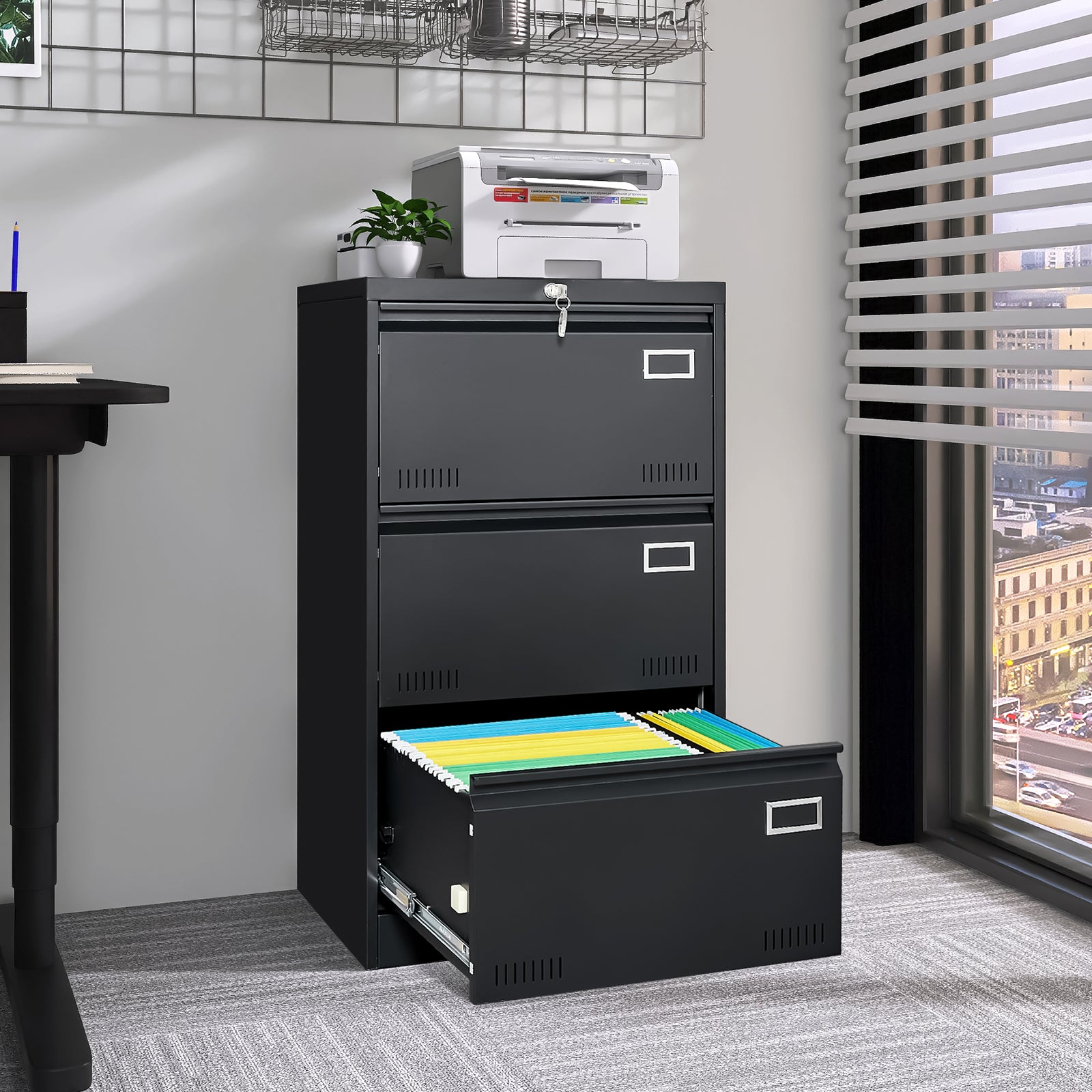
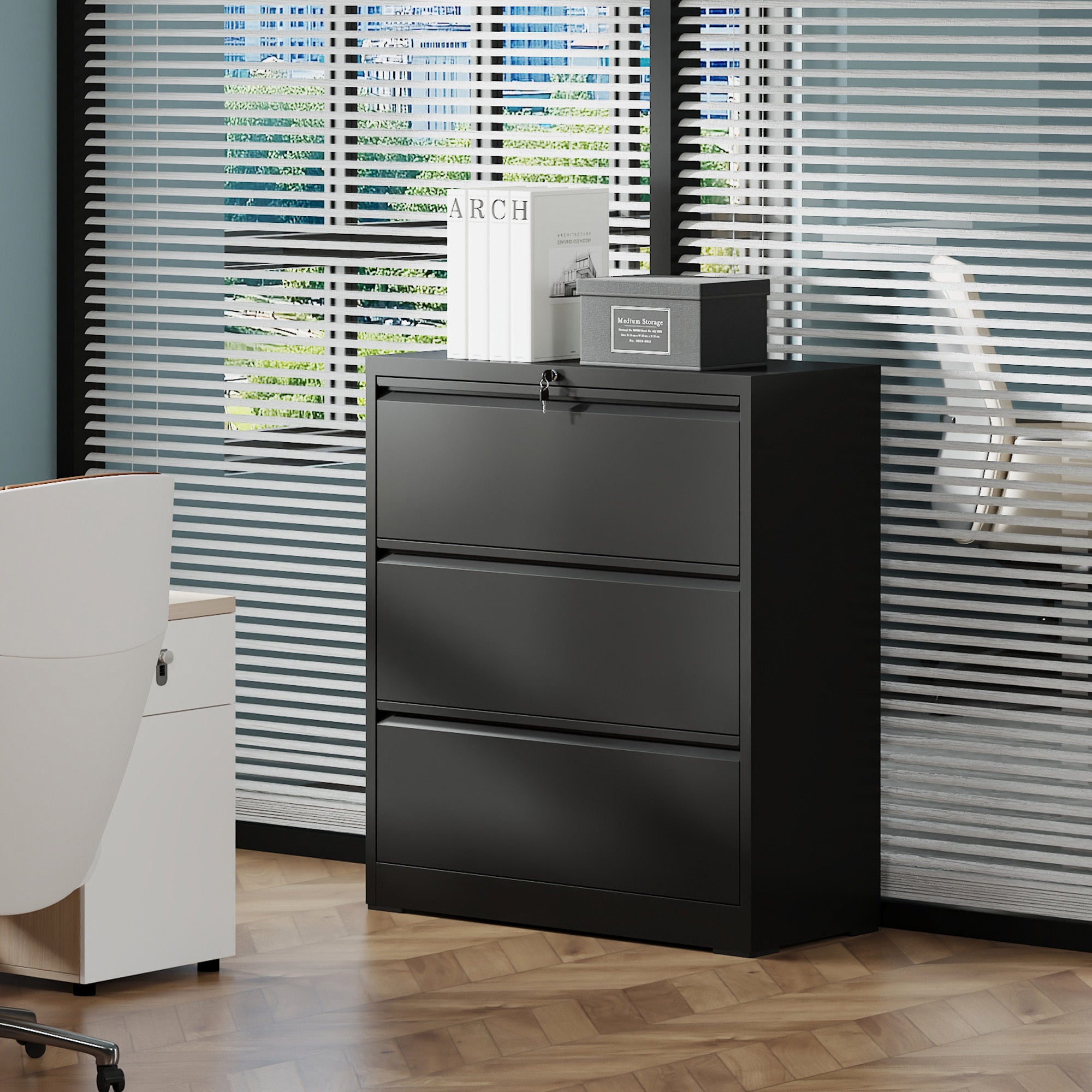
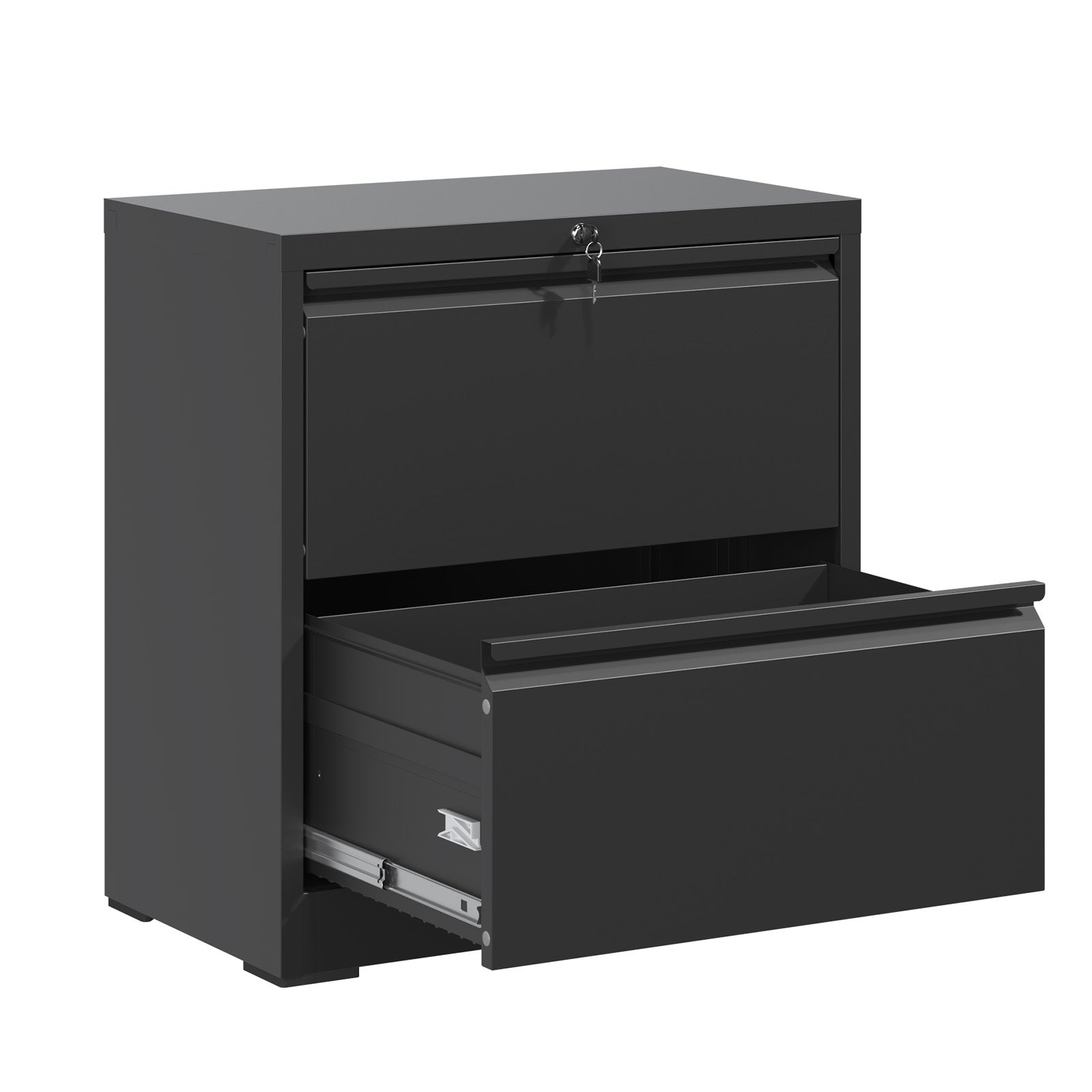
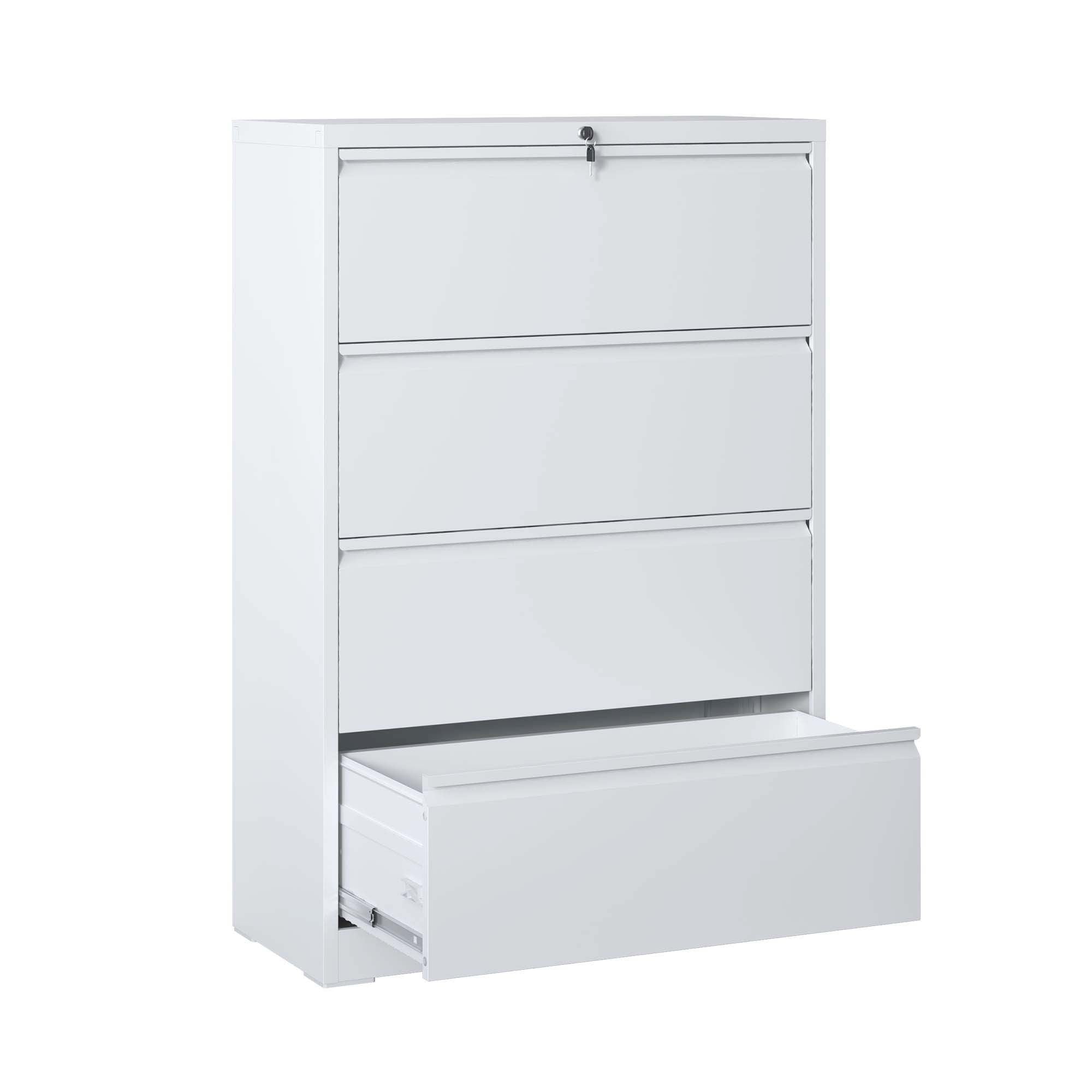
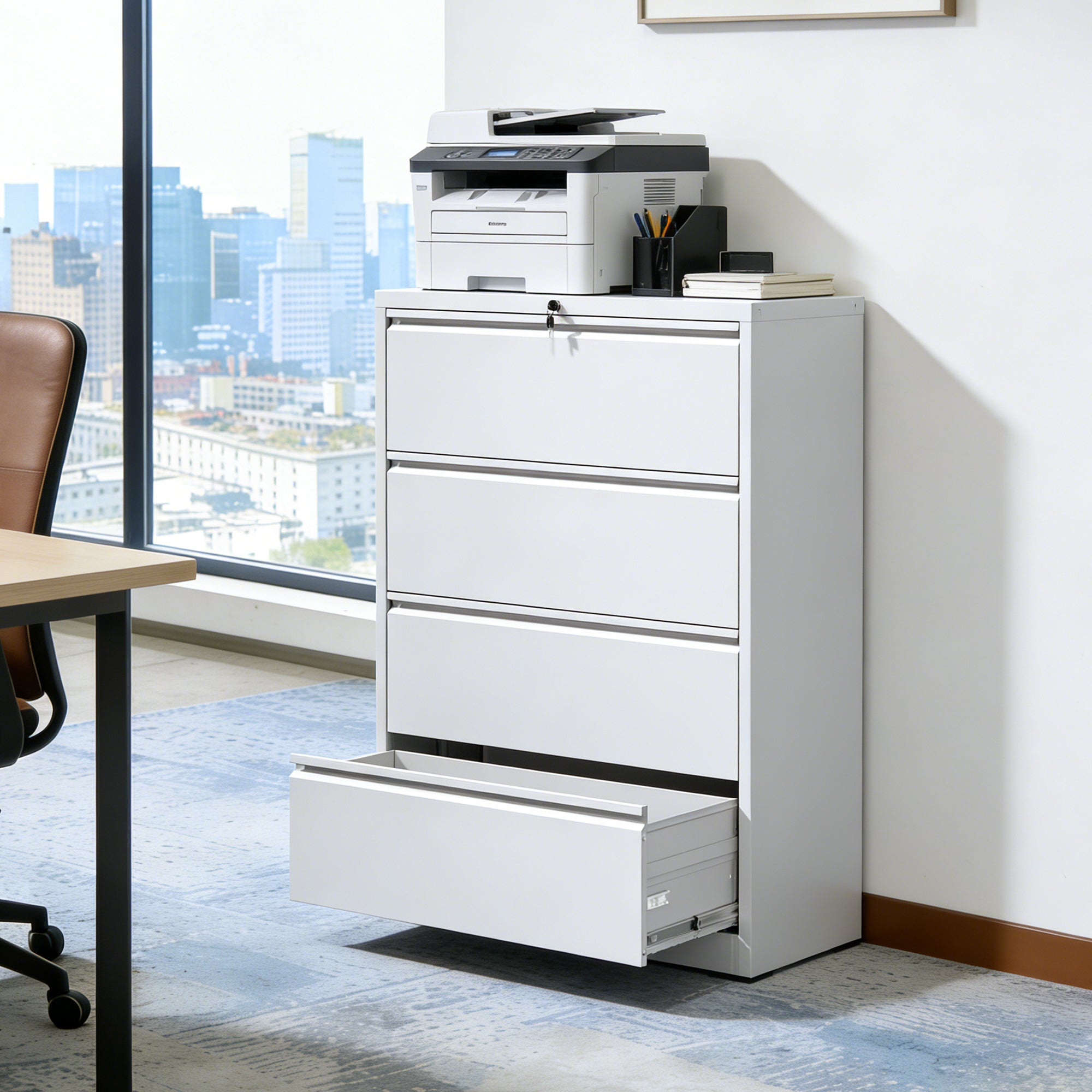
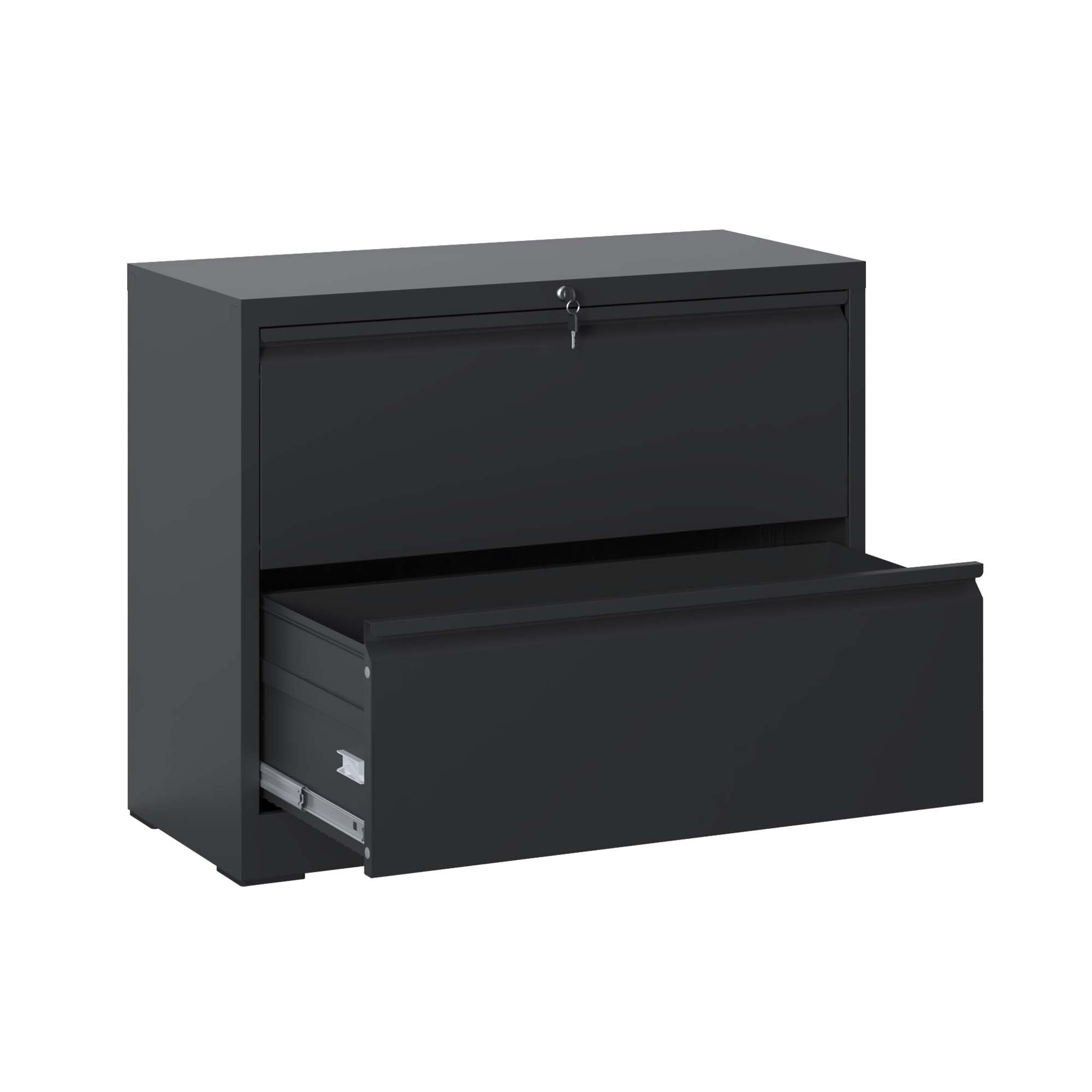
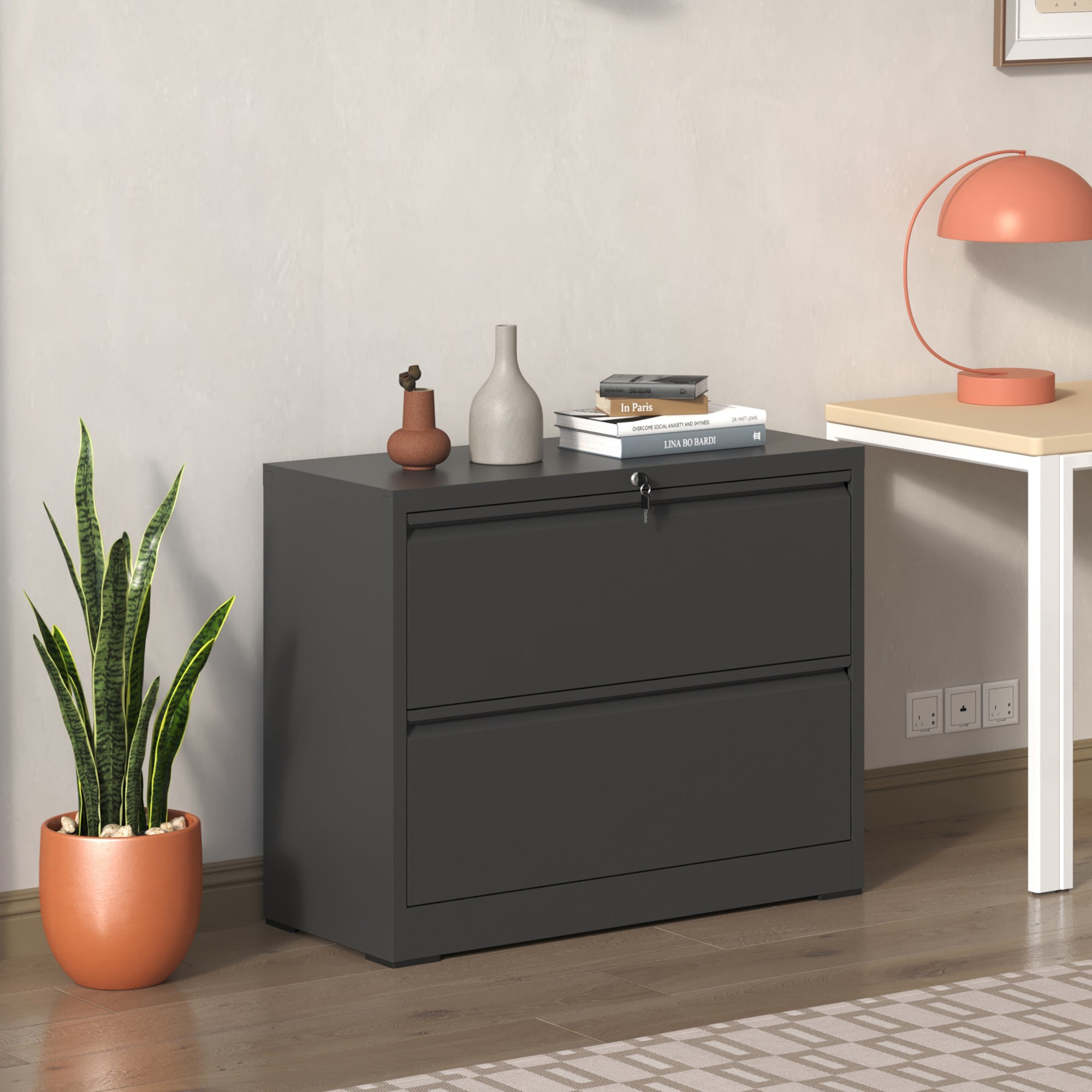
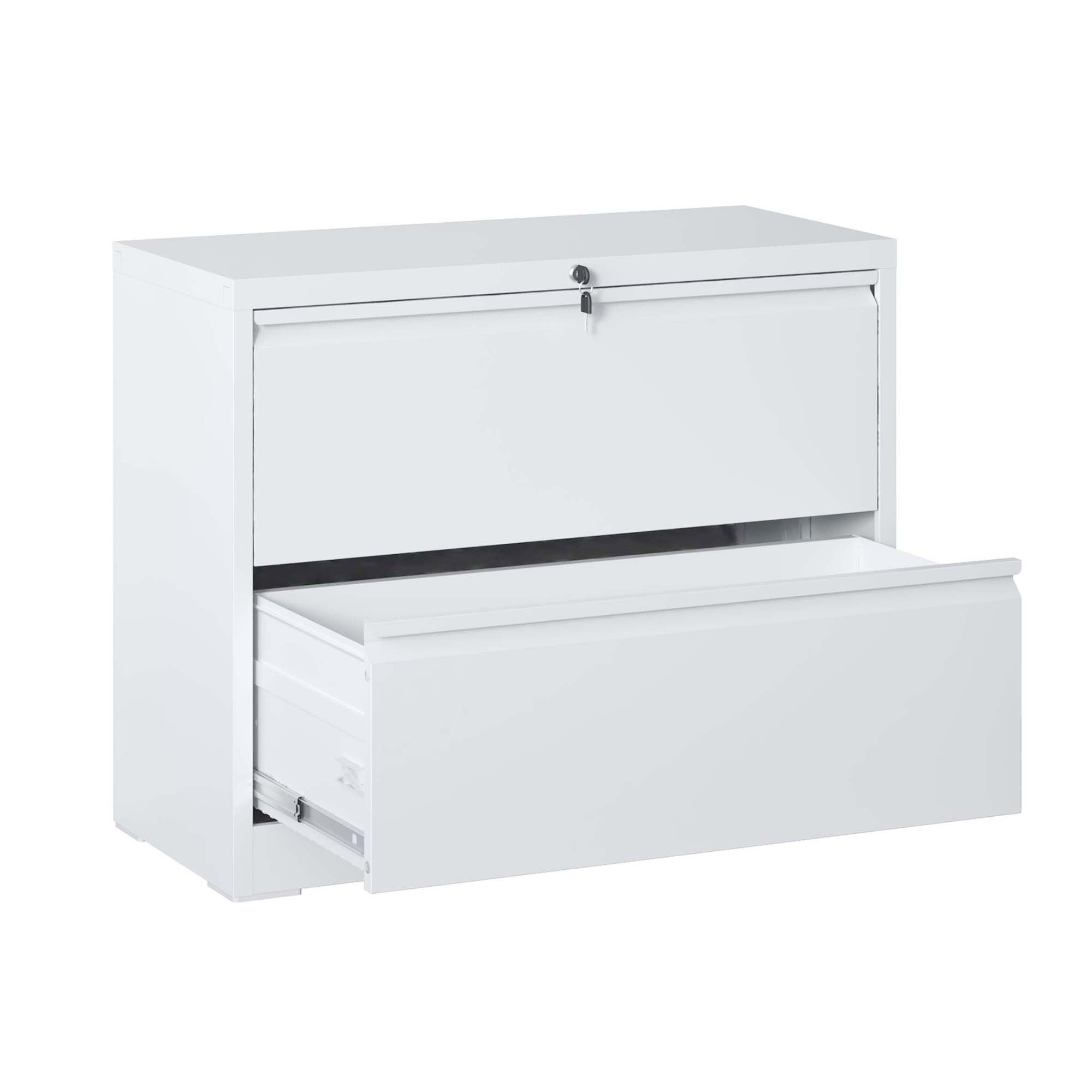
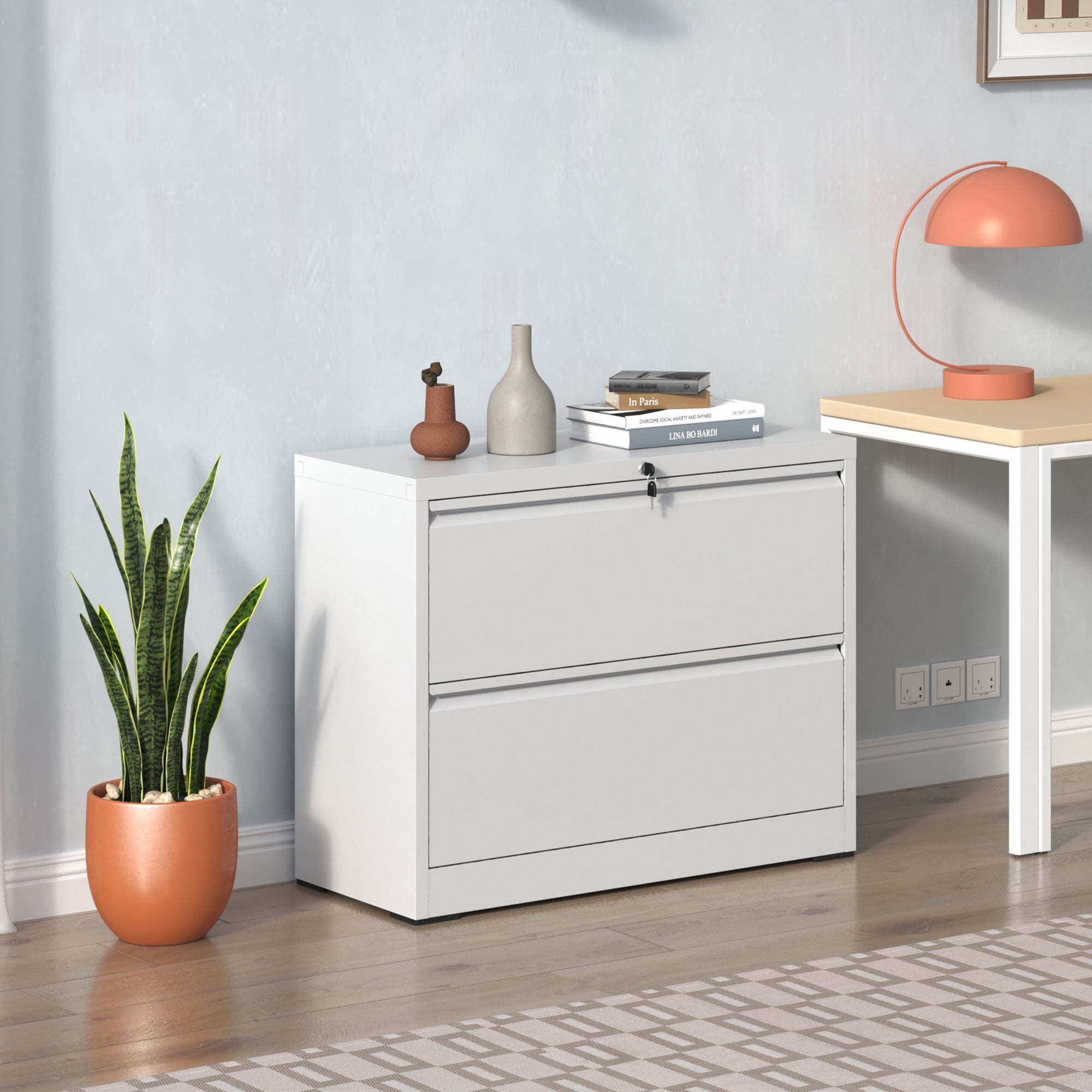
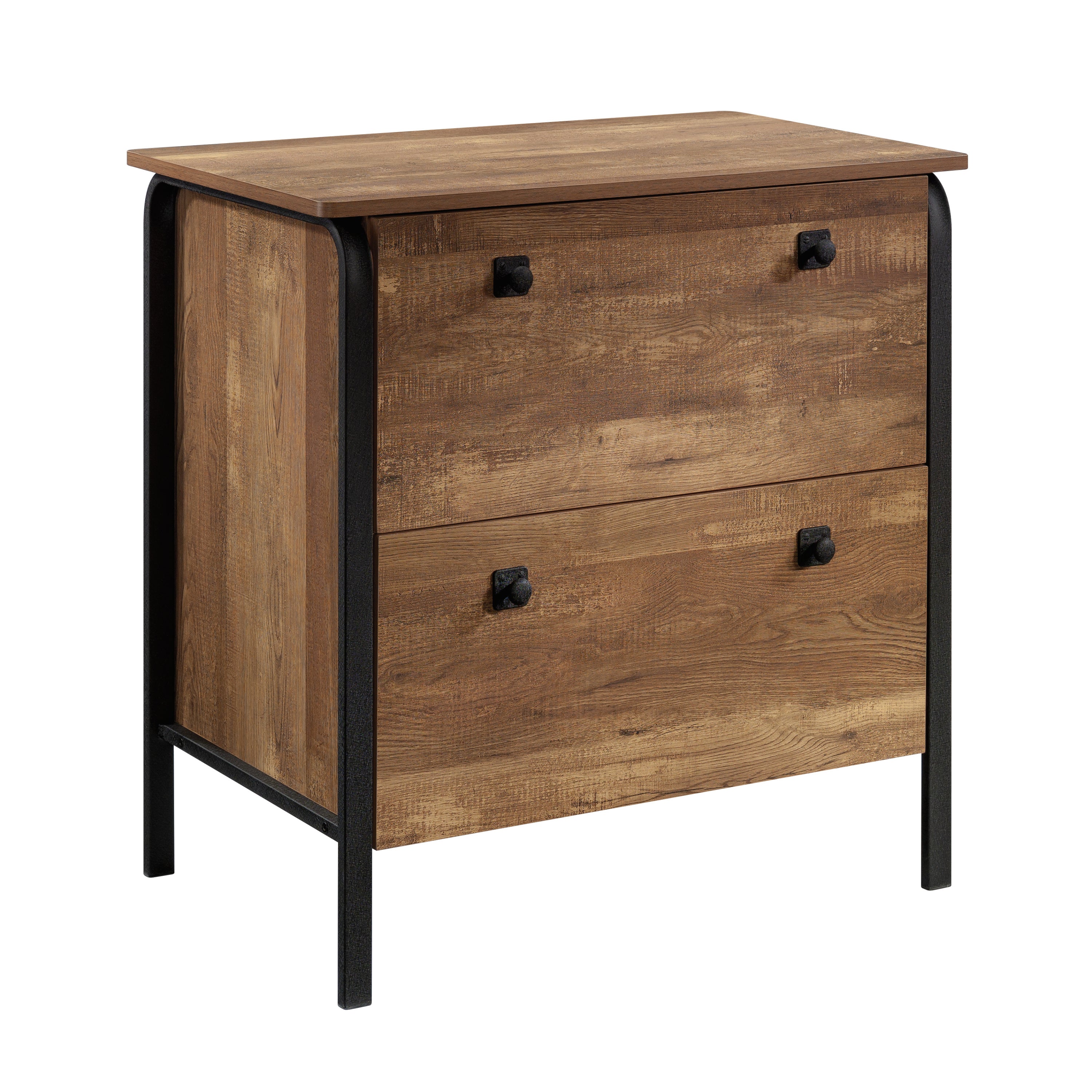
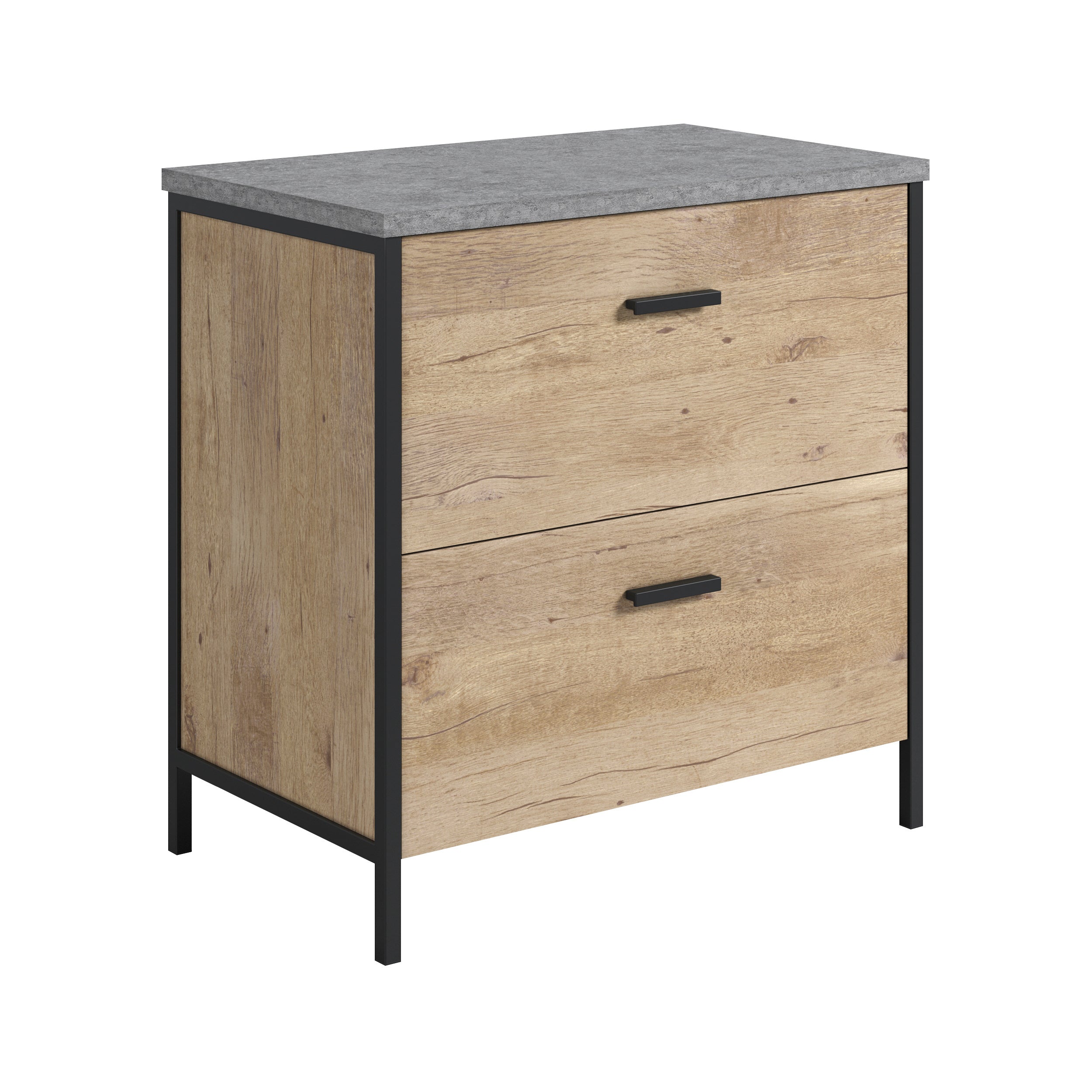
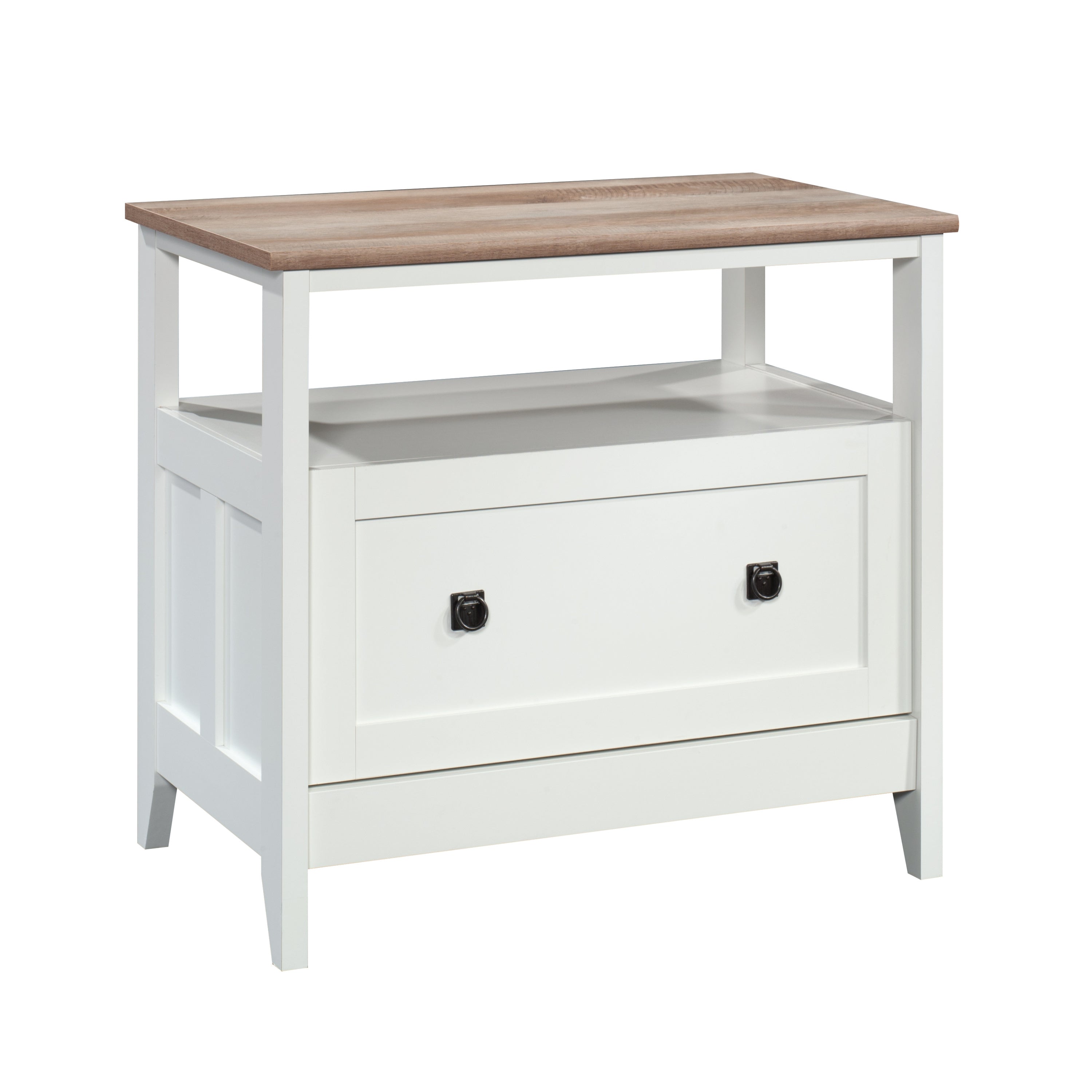
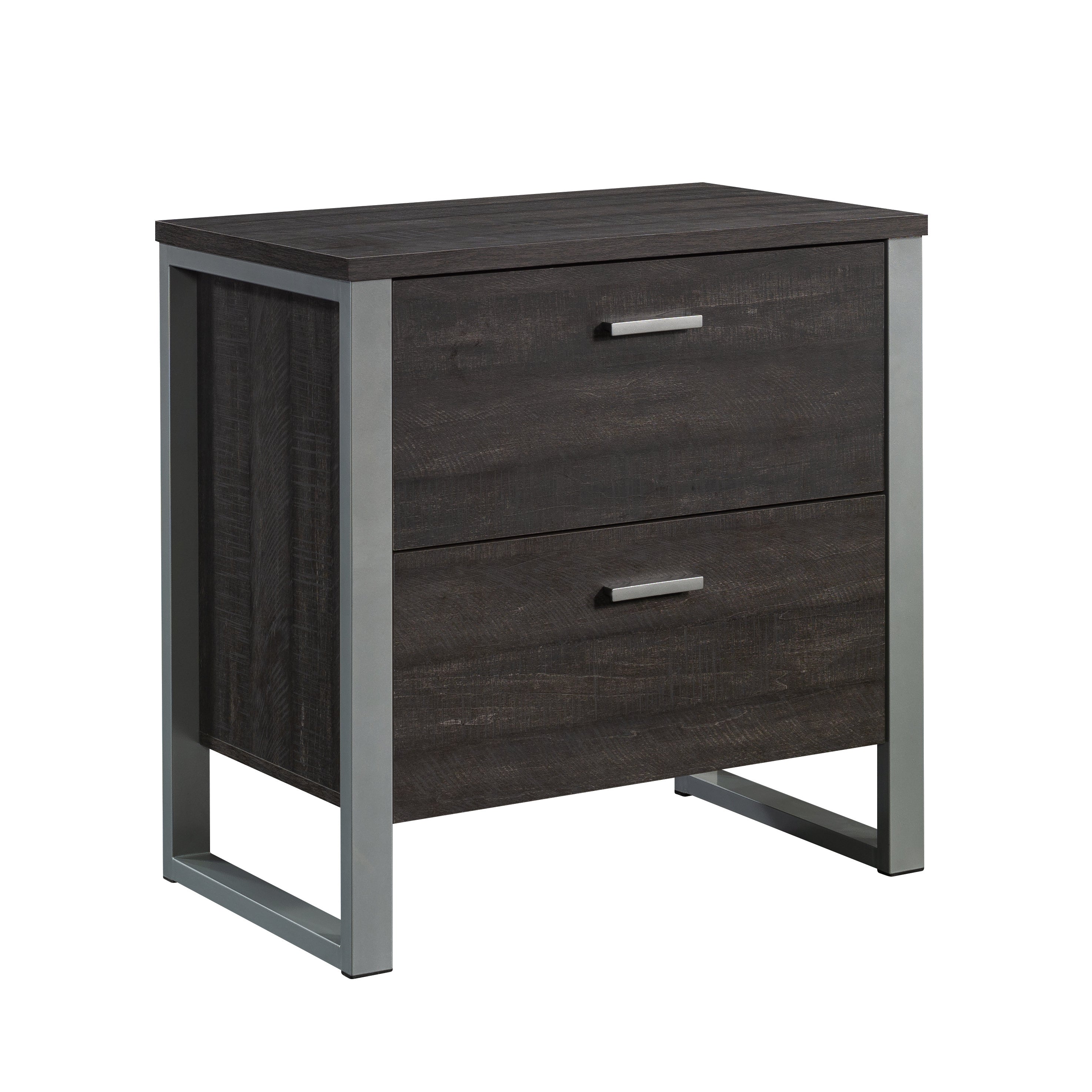
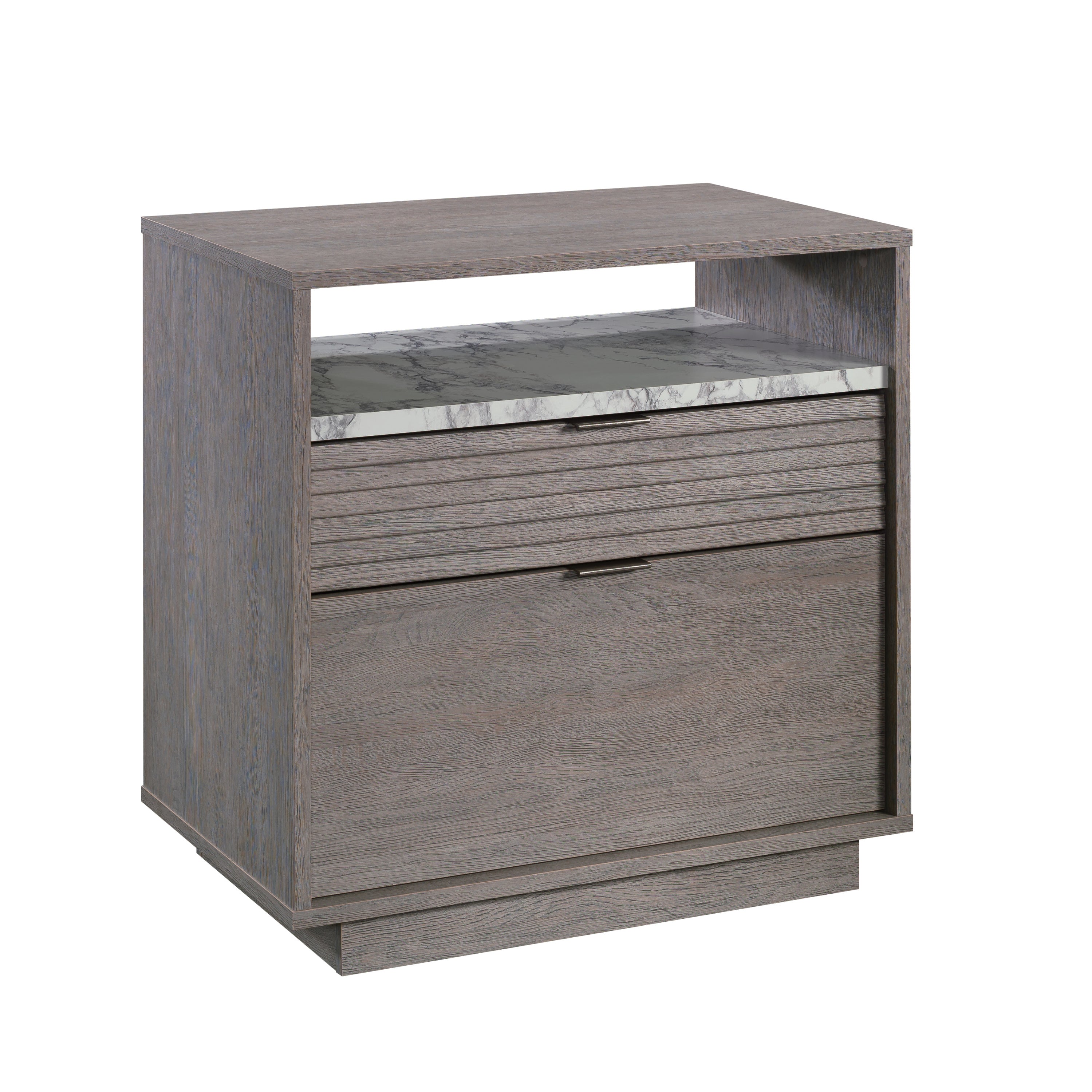
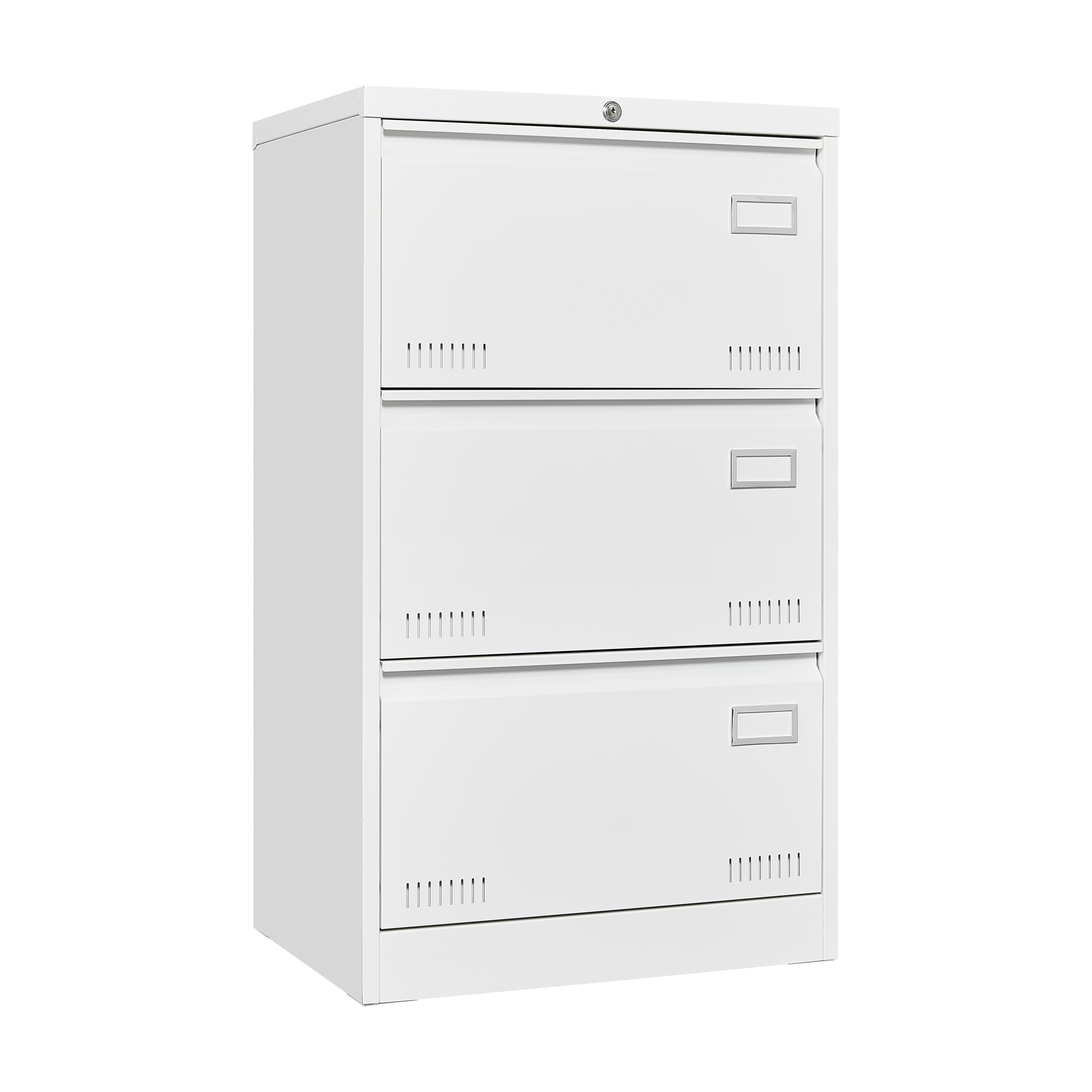
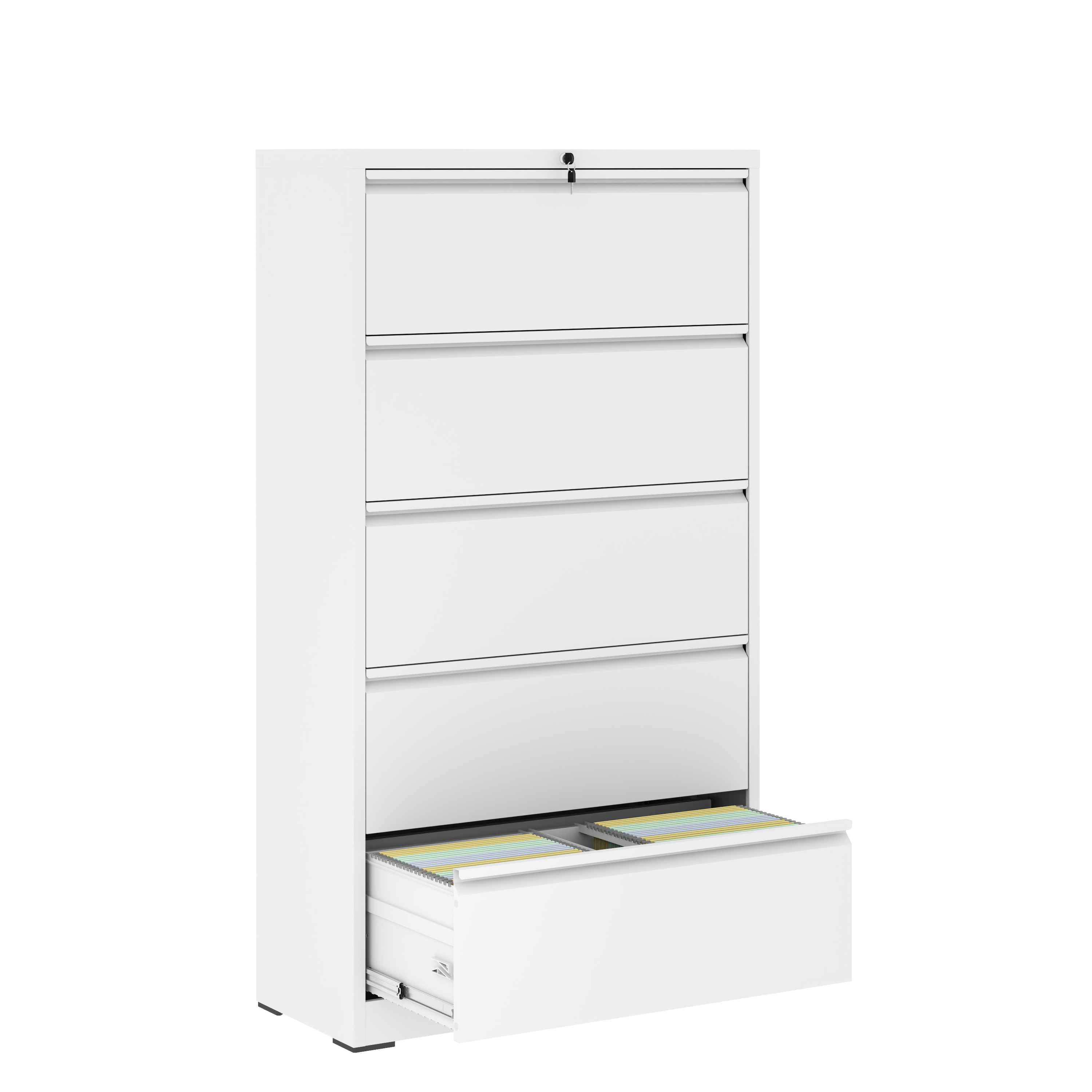
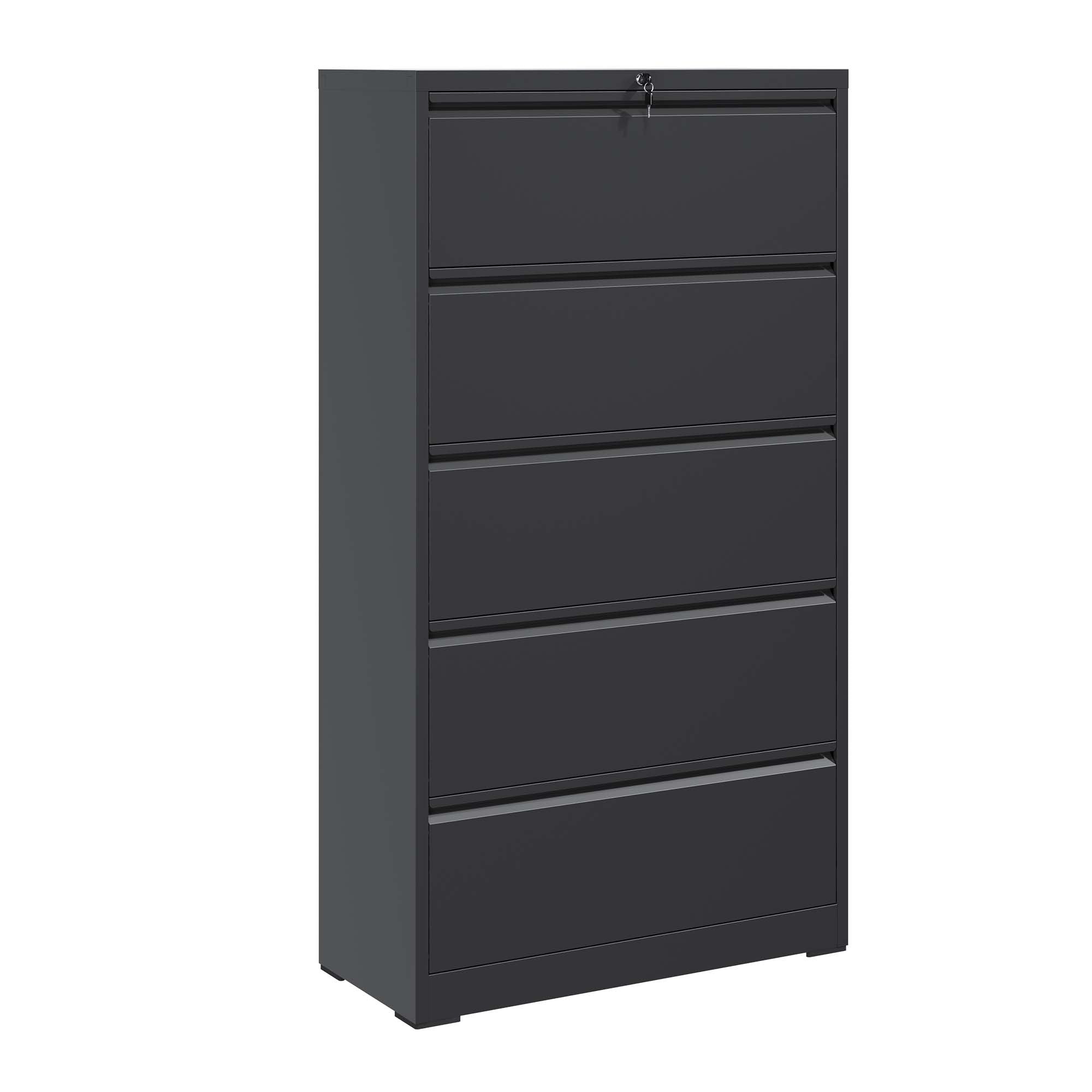
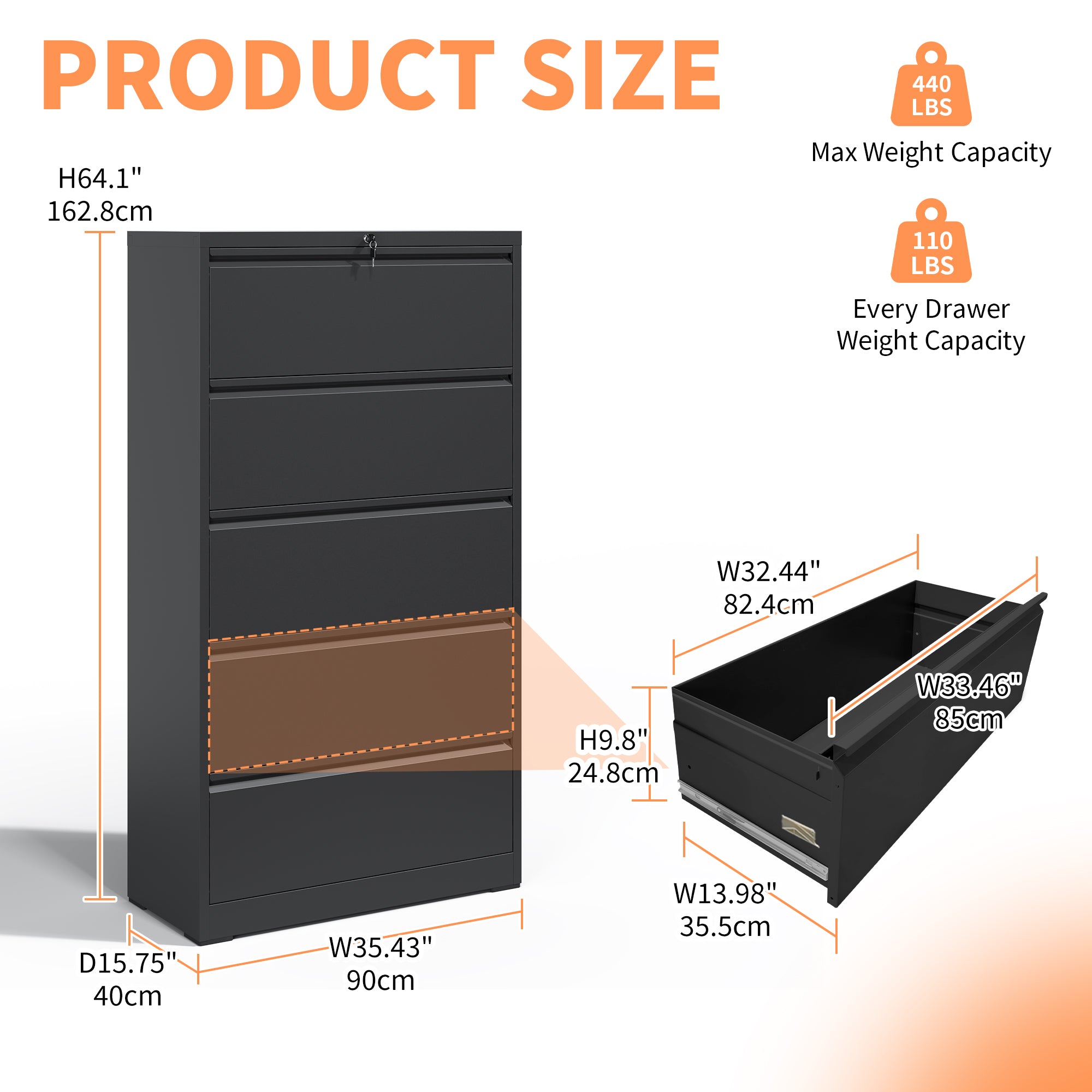
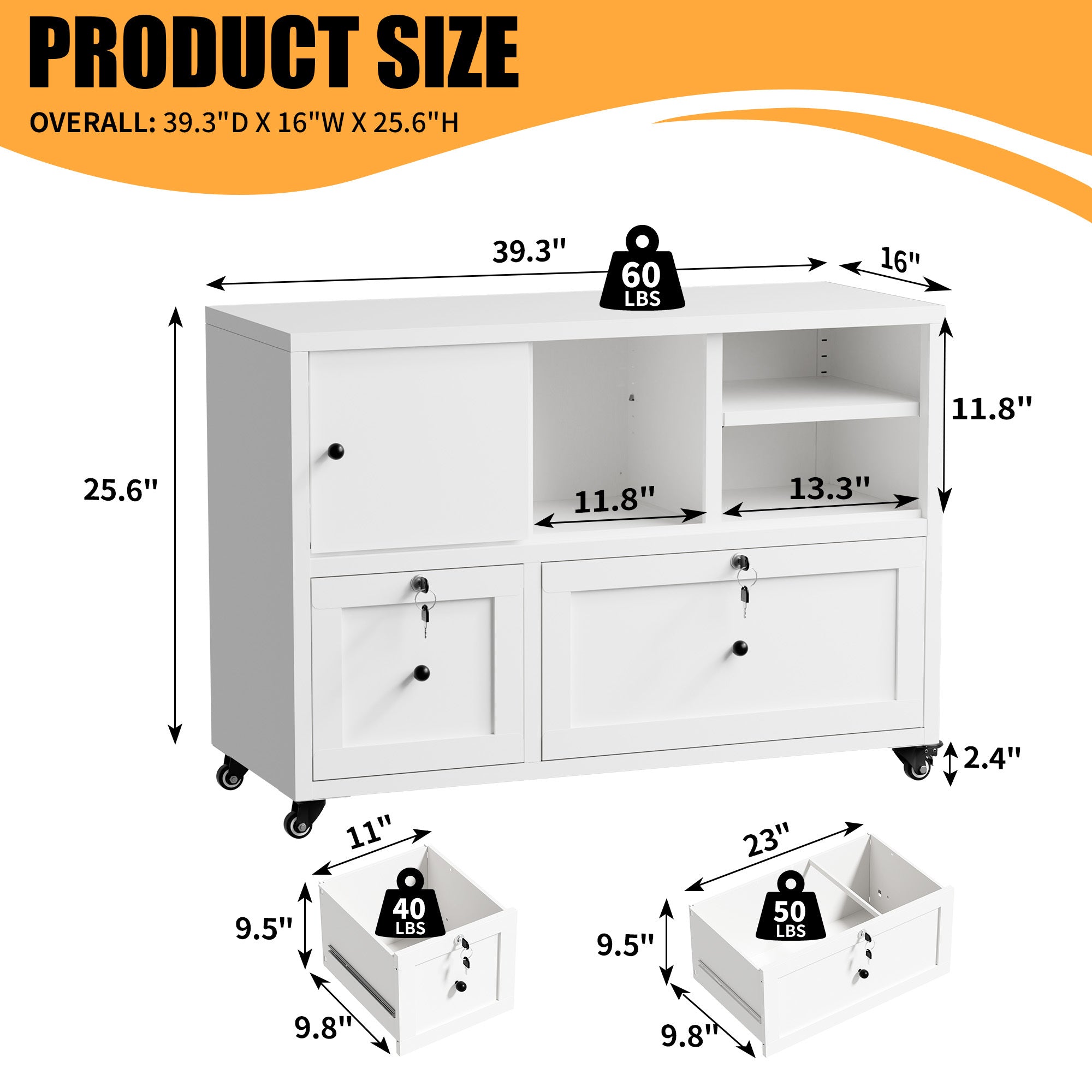
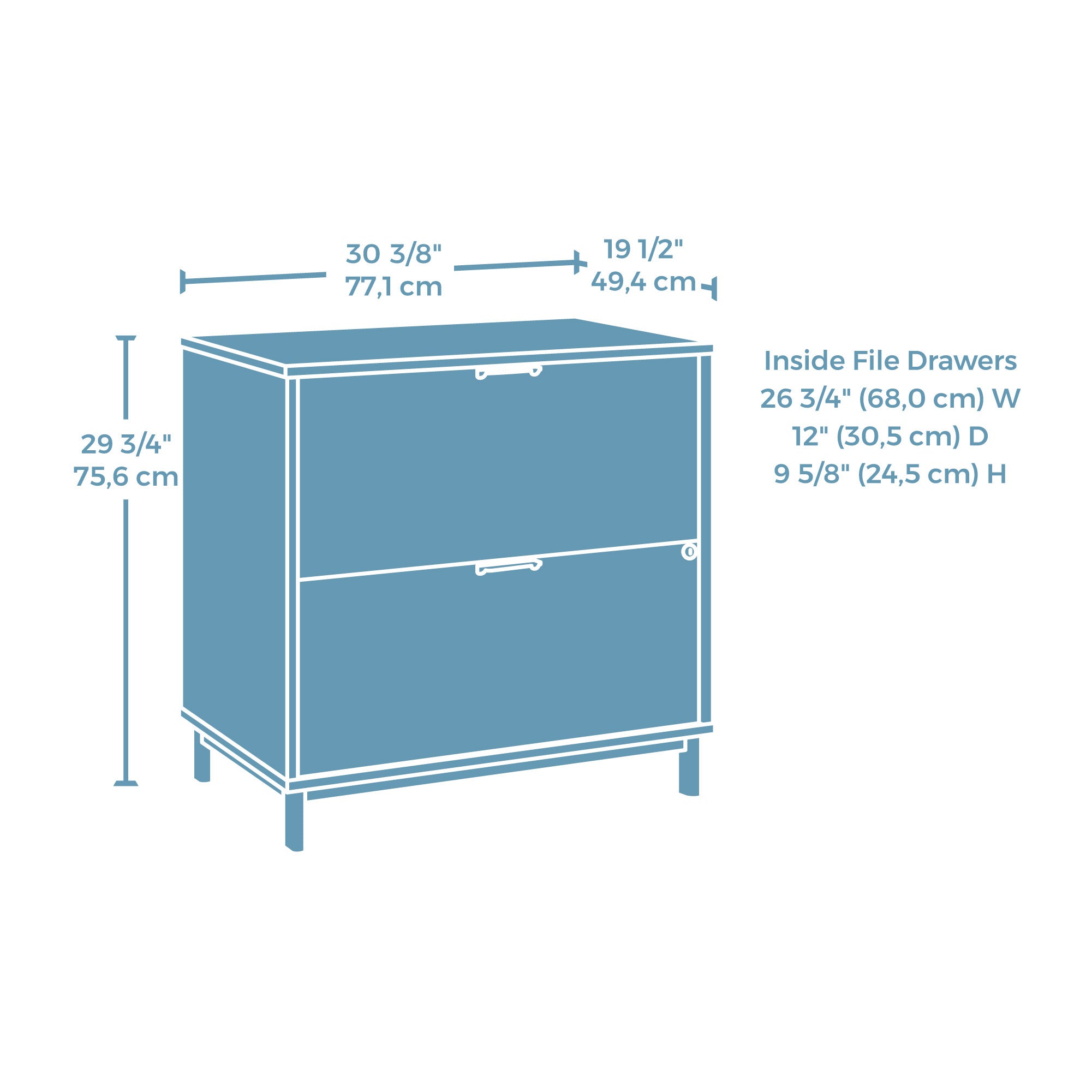
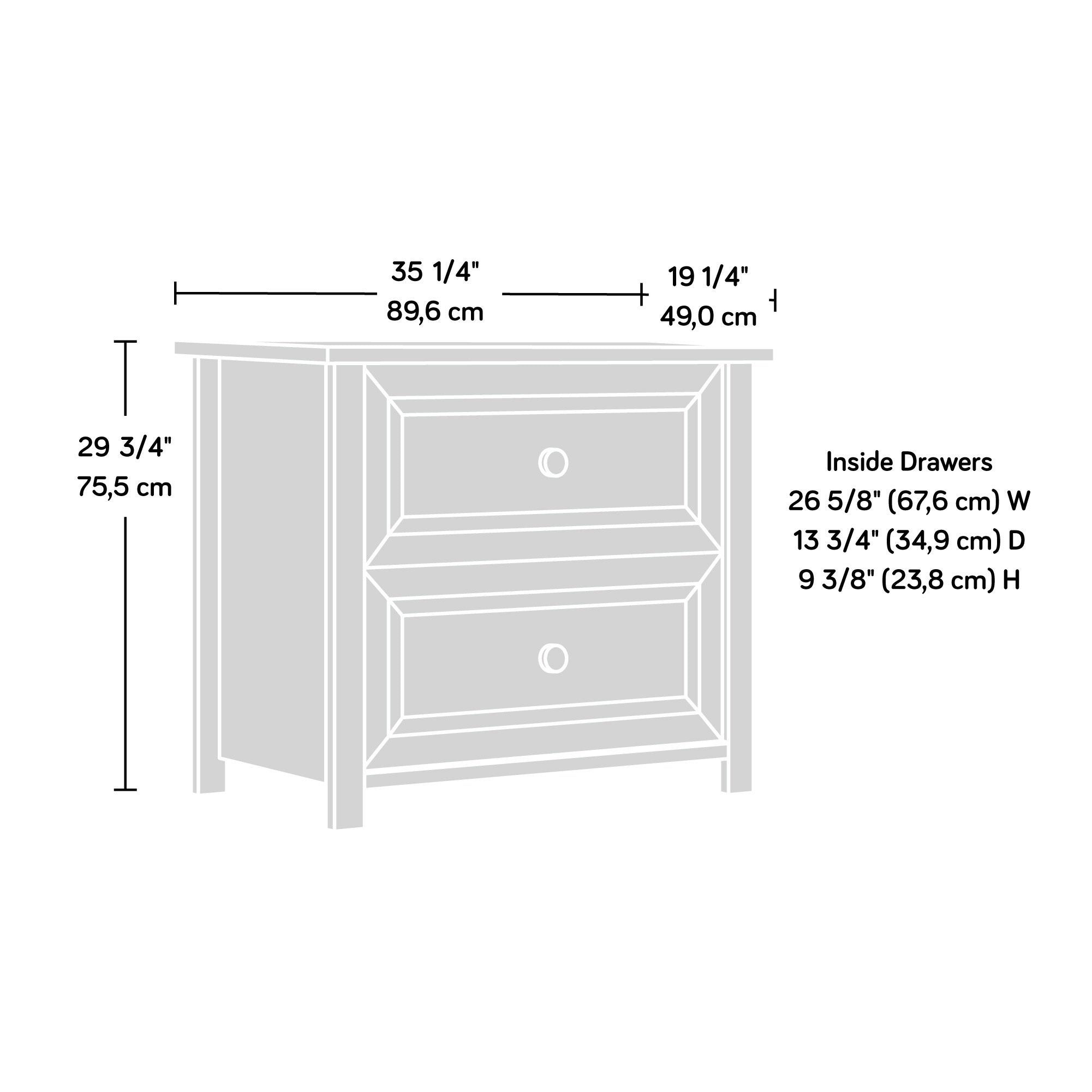
A lateral file cabinet holds hanging folders side to side across a wide, shallow drawer rather than front to back. Lateral file cabinets at Two Seventy Nine run from 23 to 39.3 inches wide on depths of 15.6 to 19.53 inches, most of them lock, and each listing names the file sizes its drawers accept.

Lateral File Cabinet

This collection is empty

Continue shopping

Lateral versus vertical, and which suits the room

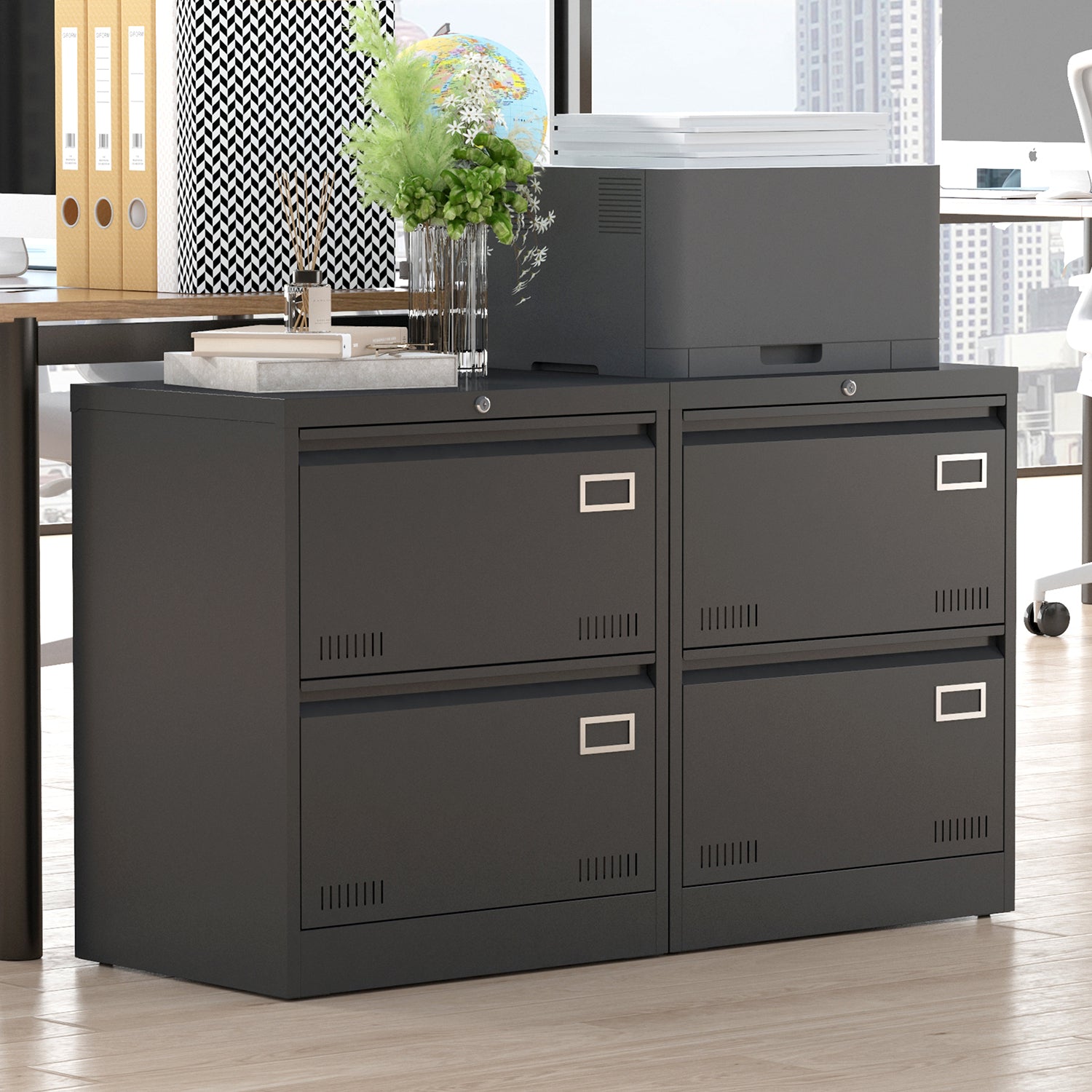
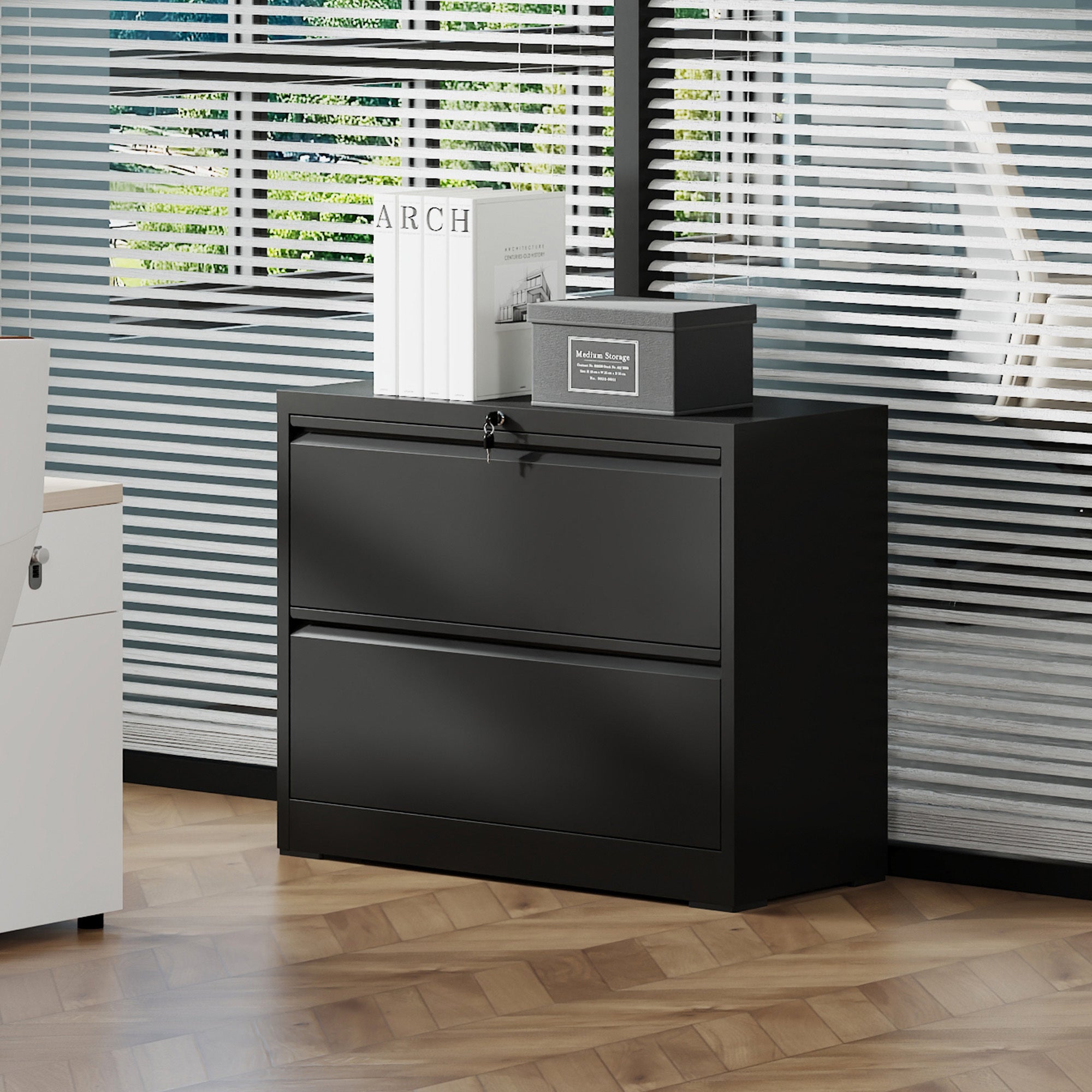
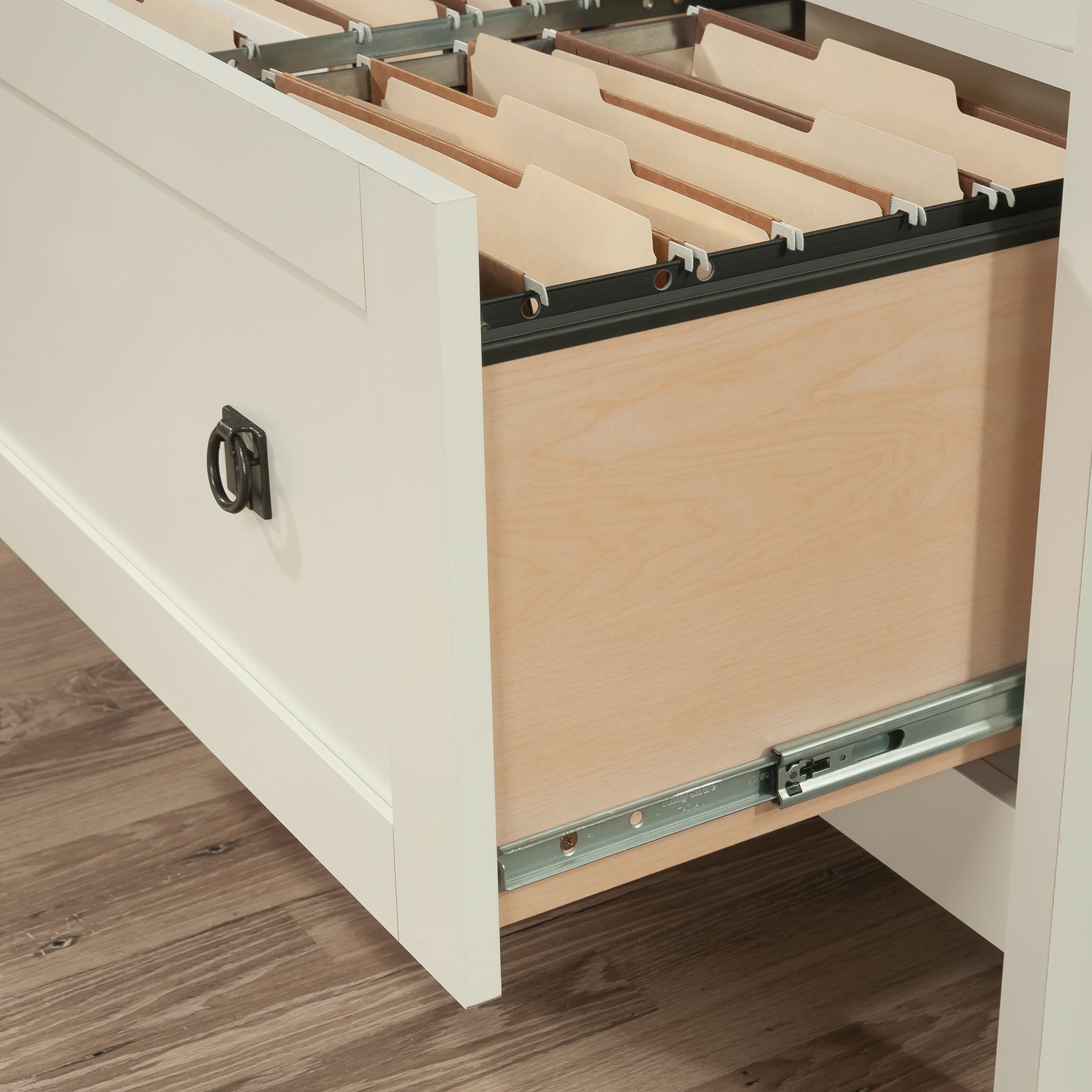
A lateral file cabinet is wide and shallow, with folders running left to right across the drawer. A vertical cabinet is narrow and deep, with folders running front to back. The practical difference is how far the drawer extends into the room: a lateral drawer pulls out a shorter distance, which matters in a corridor, behind a desk, or anywhere a fully open drawer would block a walkway. A lateral cabinet also gives a usable surface on top at a workable height.

File size is the spec that decides the purchase

Filing cabinets are sized by the paper they hold, and letter and legal are different widths. Letter is 8.5 by 11 inches, legal is 8.5 by 14, and a legal folder will not sit in a letter-only drawer. Most lateral cabinets in this range accept letter, legal and A4 hanging folders, and every listing names the sizes its drawers are built for. Buying on drawer count without checking file size is the mistake that leads to a return on a heavy freight item.

Locking, and what a cabinet lock actually does

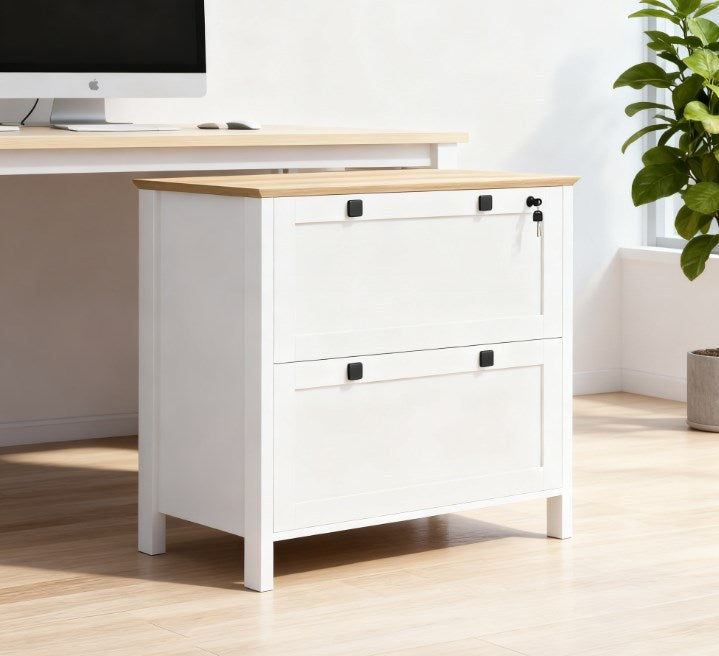
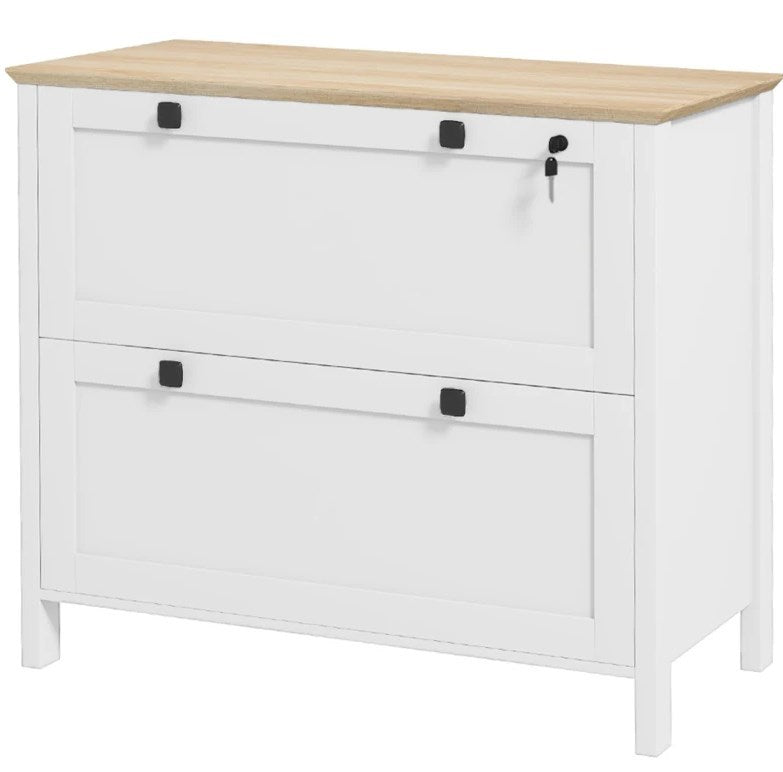
Most lateral cabinets in this range lock, and each listing states whether a given cabinet does. A cabinet lock is a privacy measure: it keeps documents out of casual view in a shared house or an open office. It is not fire protection and it is not a substitute for a rated safe, because the body is sheet steel rather than an insulated shell. Where documents need to survive a fire, a rated office safe is the product for that job.

Size, weight and anchoring

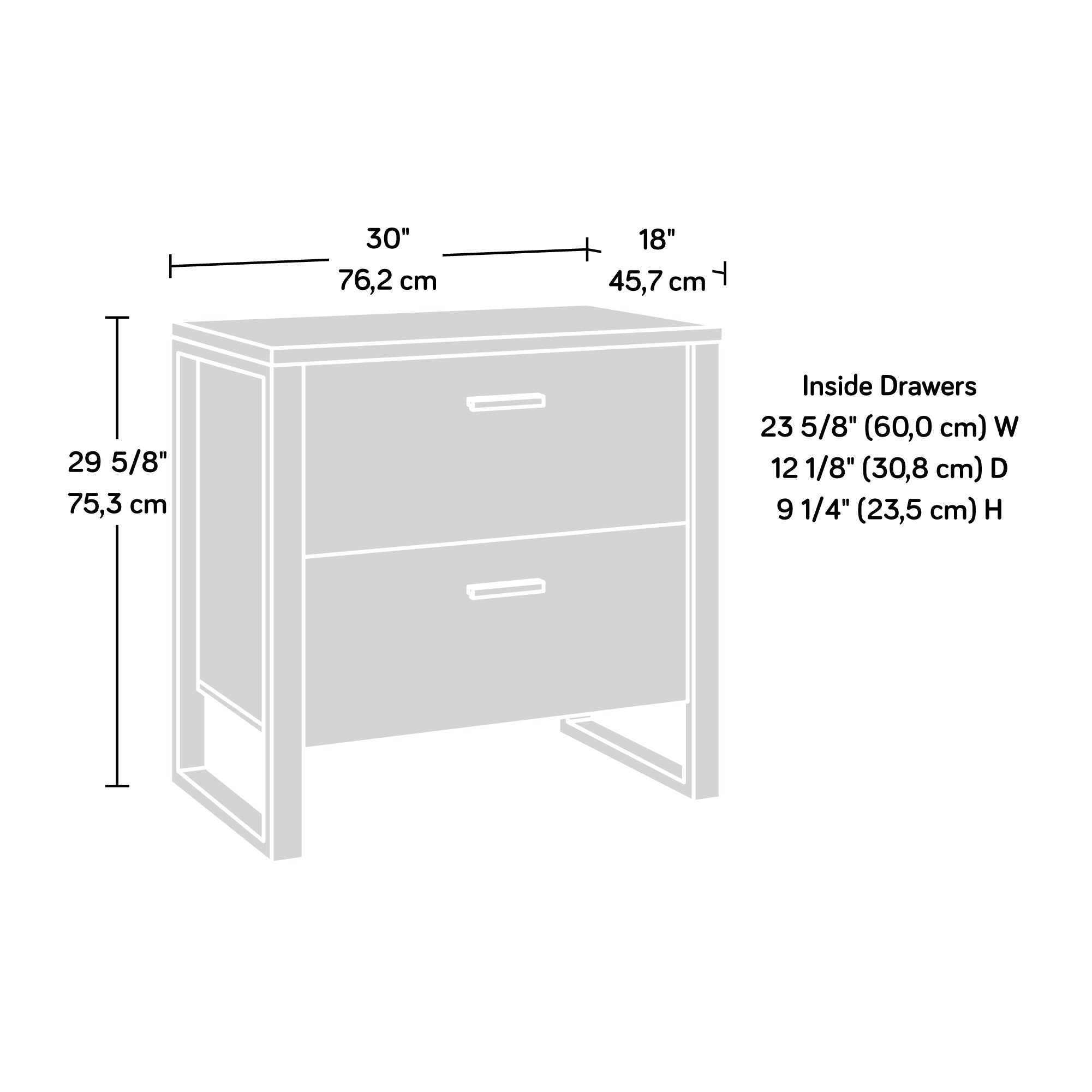
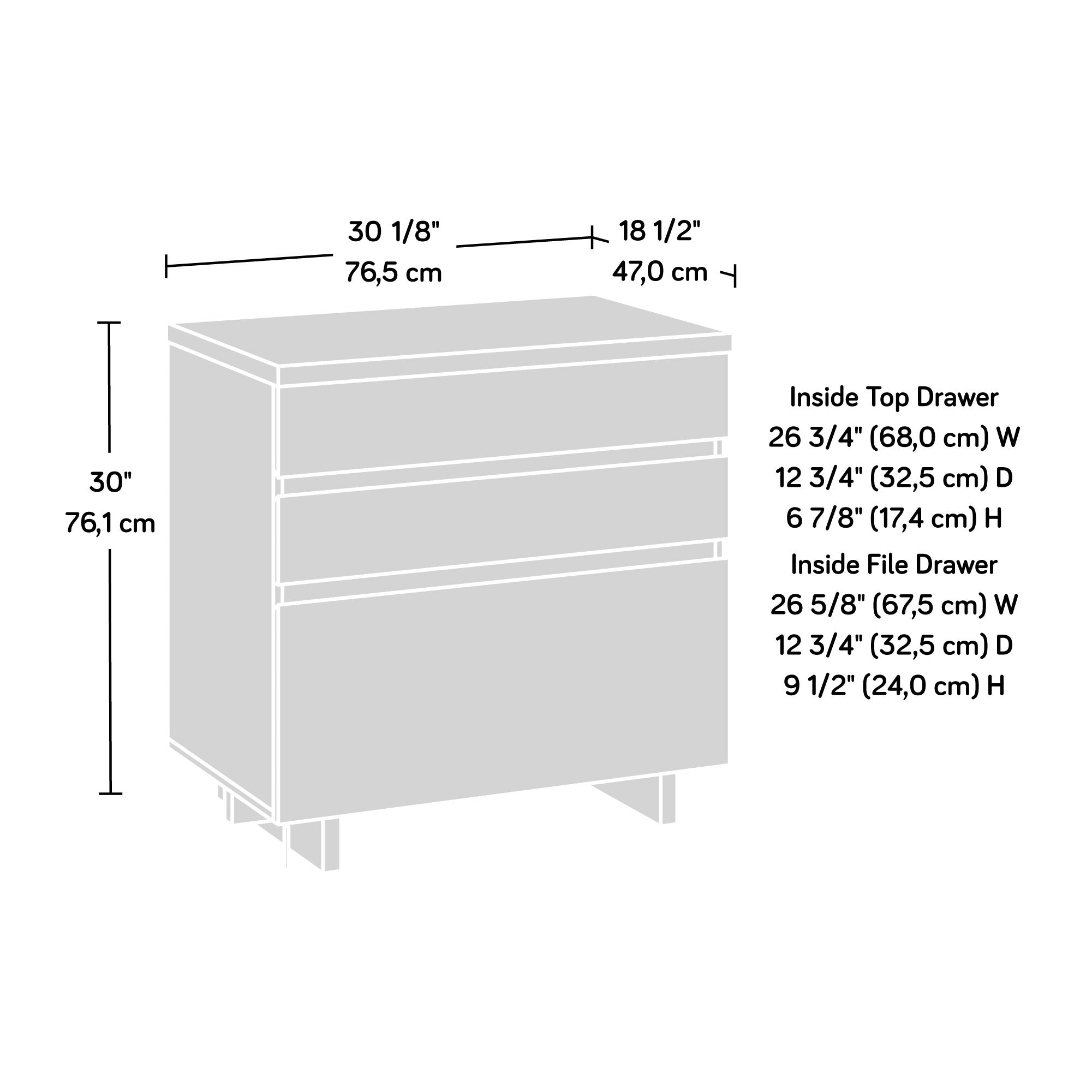
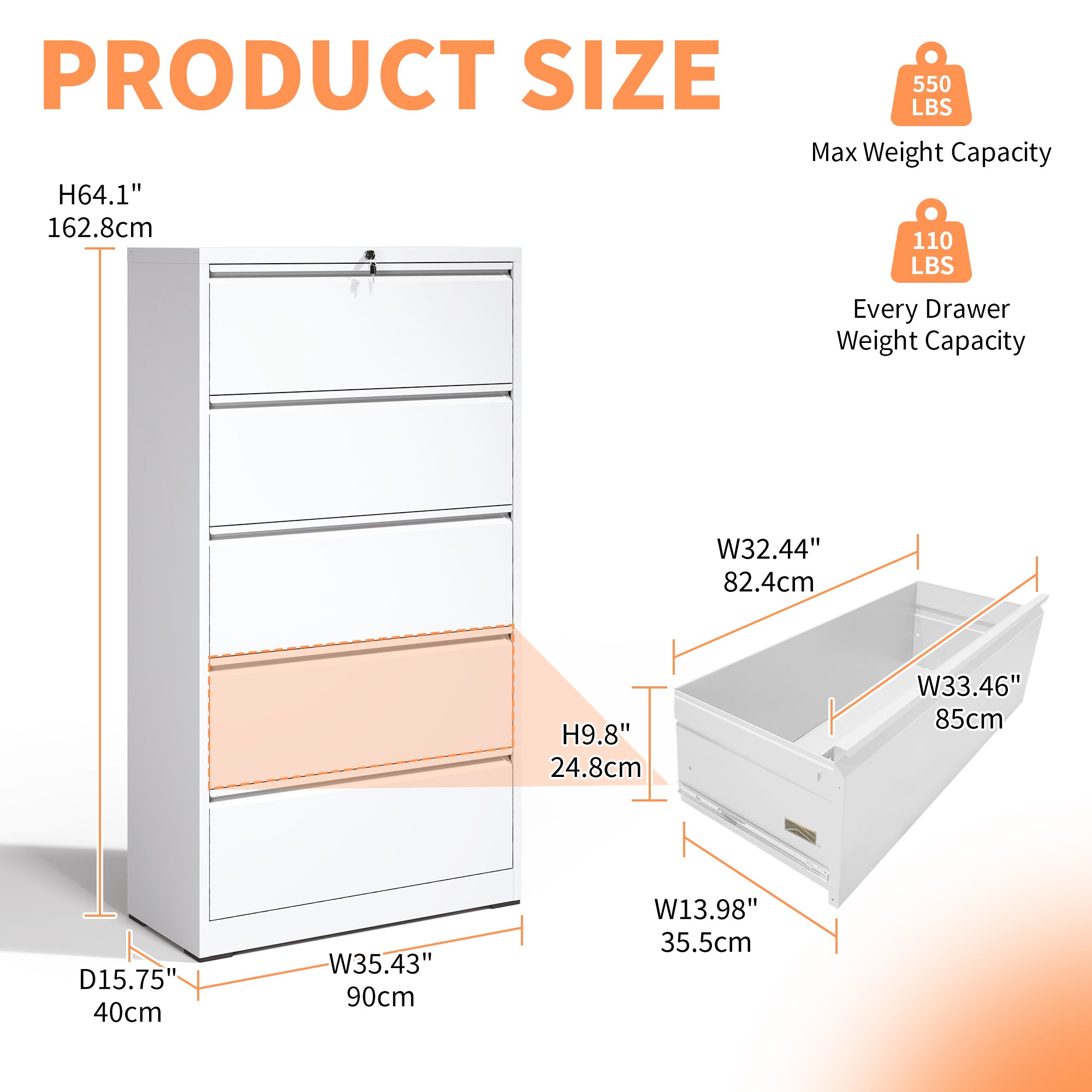
Lateral cabinets here run from 28 to 64.2 inches high and from 15.6 to 19.5 inches deep, and weigh between 44 and 104 pounds empty. A tall lateral cabinet with a loaded drawer open is front-heavy, which is why several include anti-tip hardware for fixing to a wall stud. Open one drawer at a time on the taller models. Where a cabinet states a drawer weight capacity, the stated figures in this range run from 100 to 132 pounds.

Steel or wood

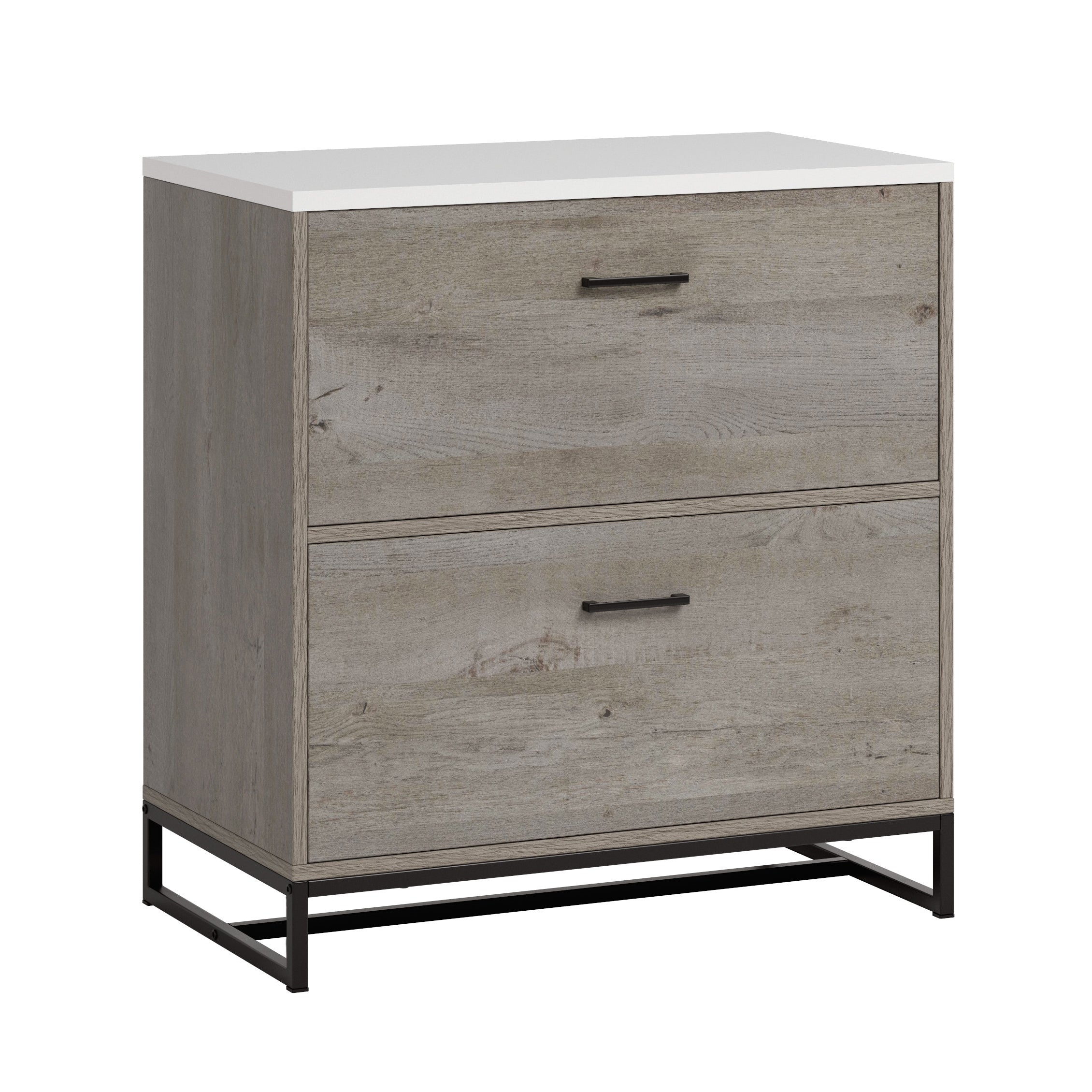
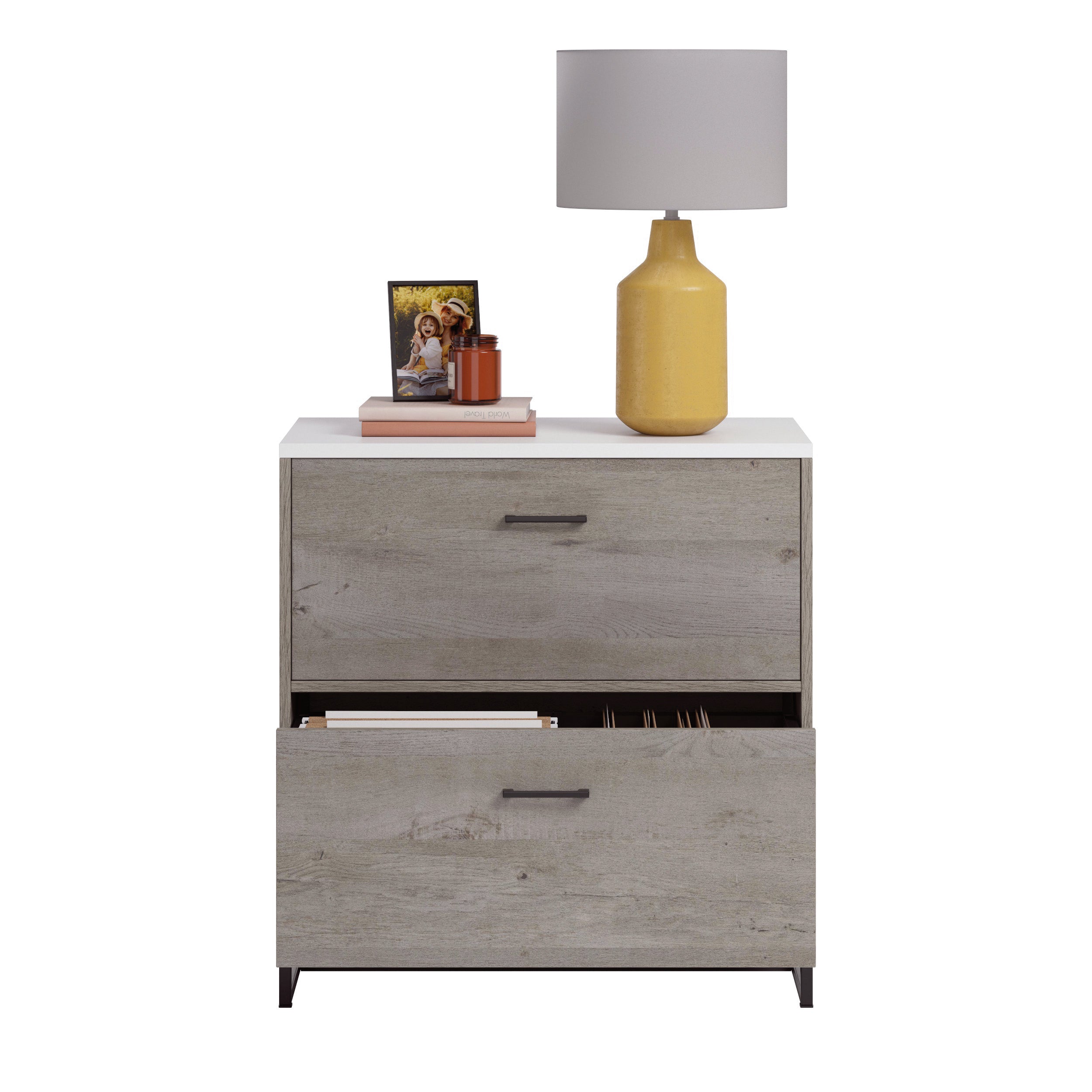
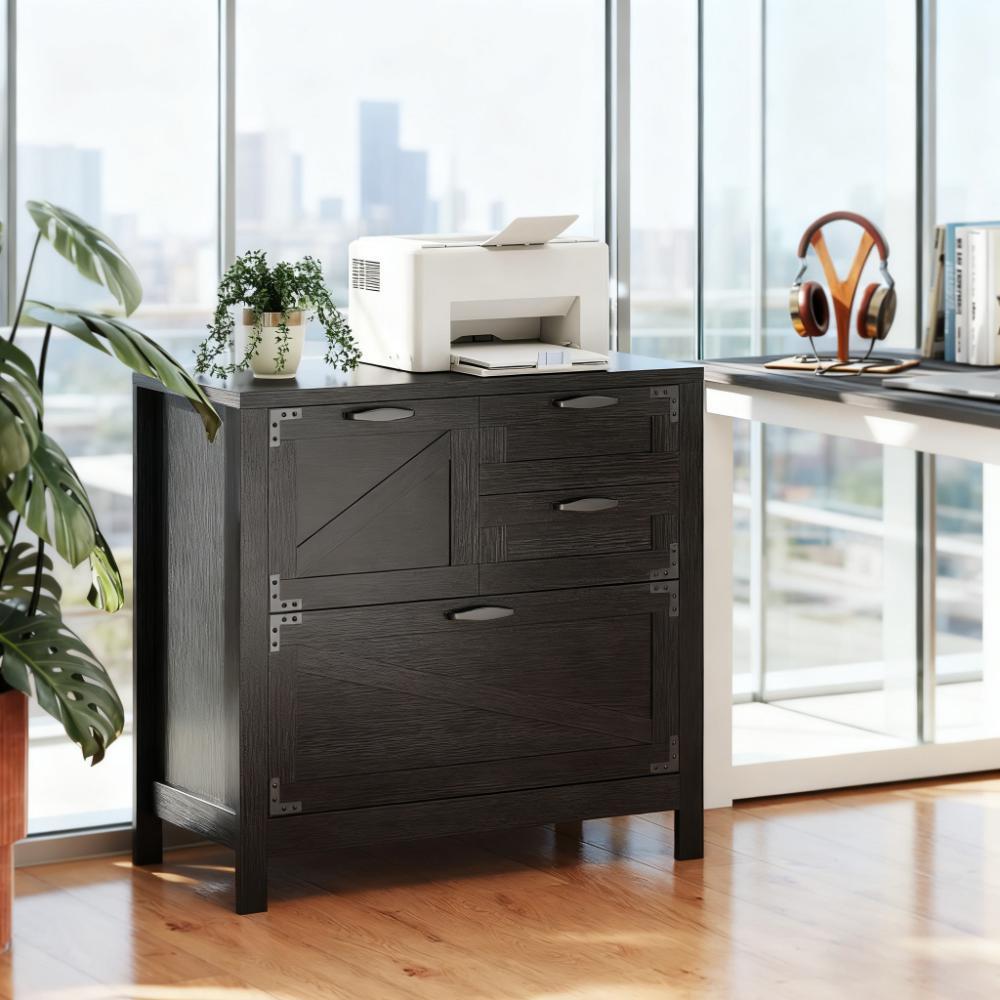
Most lateral cabinets in this range are steel, which is why they carry drawer weight without the frame racking over years of use, and steel wipes clean in a working office. A smaller number use engineered board panels with a wood-look surface, and a few are solid wood, which suit a room where the cabinet sits in view of living space. Construction is stated plainly on every listing next to the dimensions.

Specifications

Format
Lateral
File sizes supported
Letter, Legal, A4
Width range
23 to 39.3 in
Height range
28 to 64.2 in
Depth range
15.6 to 19.53 in
Weight range
44 to 104 lbs
Drawer capacity
100 to 132 lbs where stated
Features available
Locking, Anti-tip hardware, Casters
Fire rated
No
Delivery window
5 to 7 days
Free shipping
Free

Good to know

Frequently asked questions

What is the difference between lateral and vertical file cabinets?
A lateral file cabinet is wide and shallow, with files running side to side. A vertical cabinet is narrow and deep, with files running front to back. Lateral suits a wider wall, extends less into the room when a drawer is open, and gives a usable surface on top. Vertical suits a narrow wall and holds more per square foot of wall space.
Are filing cabinets fireproof?
Standard filing cabinets are not fireproof. A lateral file cabinet organises and secures paper, and its steel body carries no rated fire protection. Fire resistance is a property of a rated safe with an insulated body and a tested rating measured in minutes at temperature. If documents need to survive a fire, an office safe is the right product rather than a locking cabinet.
How do you remove a drawer from a filing cabinet
Pull the drawer to full extension, then find the slide release on each side, usually a lever on one rail and a matching tab on the other. Press both together, tilt the drawer front up slightly and draw it straight out. Empty the drawer first, since a loaded lateral drawer holding letter files can weigh more than 30 pounds.
How to organize a filing cabinet
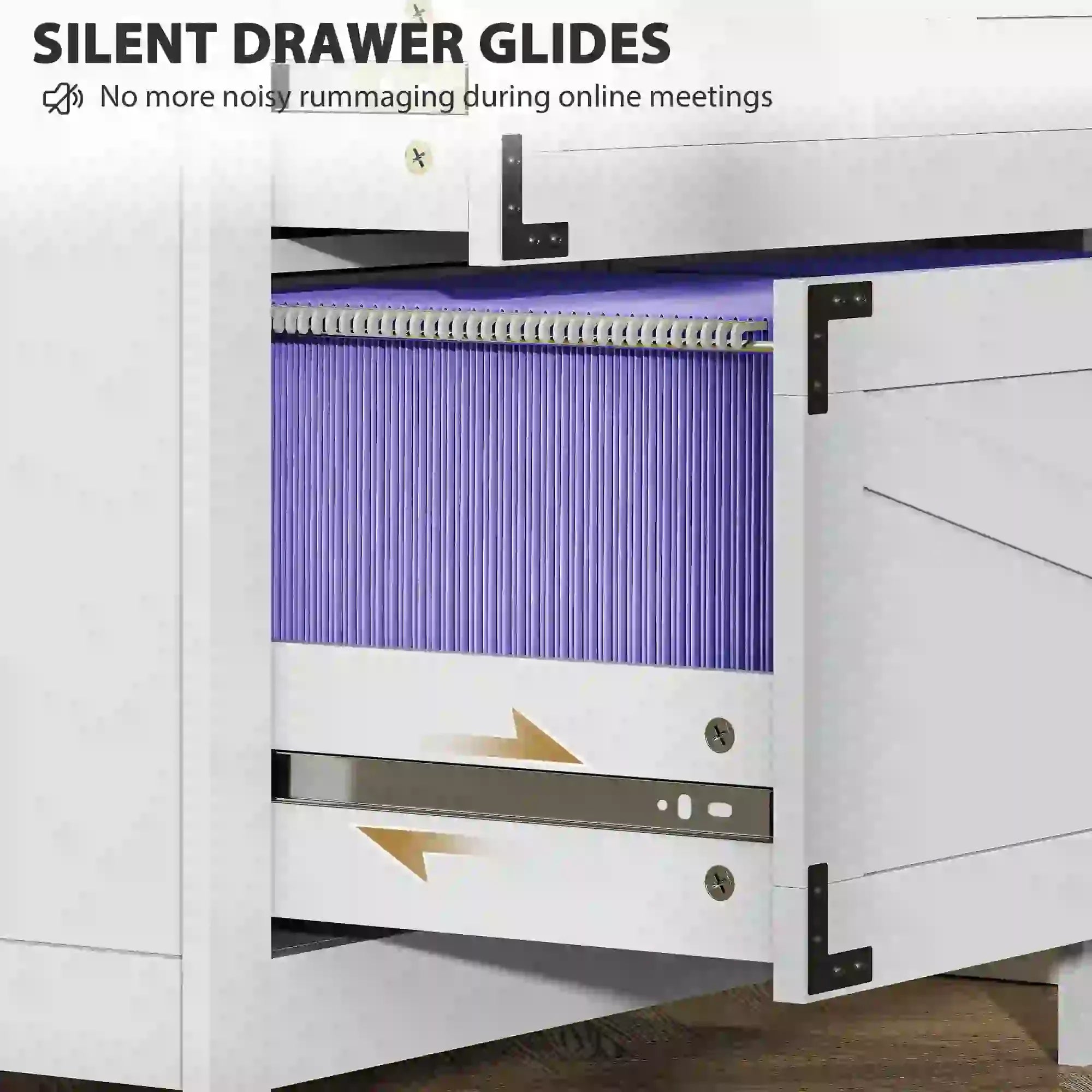
Use hanging folders as the frame and manila folders inside them as the detail, so the hanging structure stays in the drawer and only the contents come out. Put the most-used category at the front of the top drawer. In a lateral cabinet, label along the top tab rather than the side, since files face you across the drawer rather than end-on.
How to unlock filing cabinet
Turn the key a quarter turn in the lock cylinder on the cabinet front, which releases the locking bar running down the inside and unlocks every drawer at once. Most filing cabinets use one lock controlling all drawers rather than a lock per drawer. If the key is lost the cylinder is replaceable, and a locksmith or the manufacturer can supply a match.