Skip to content

Cart

Your cart is empty

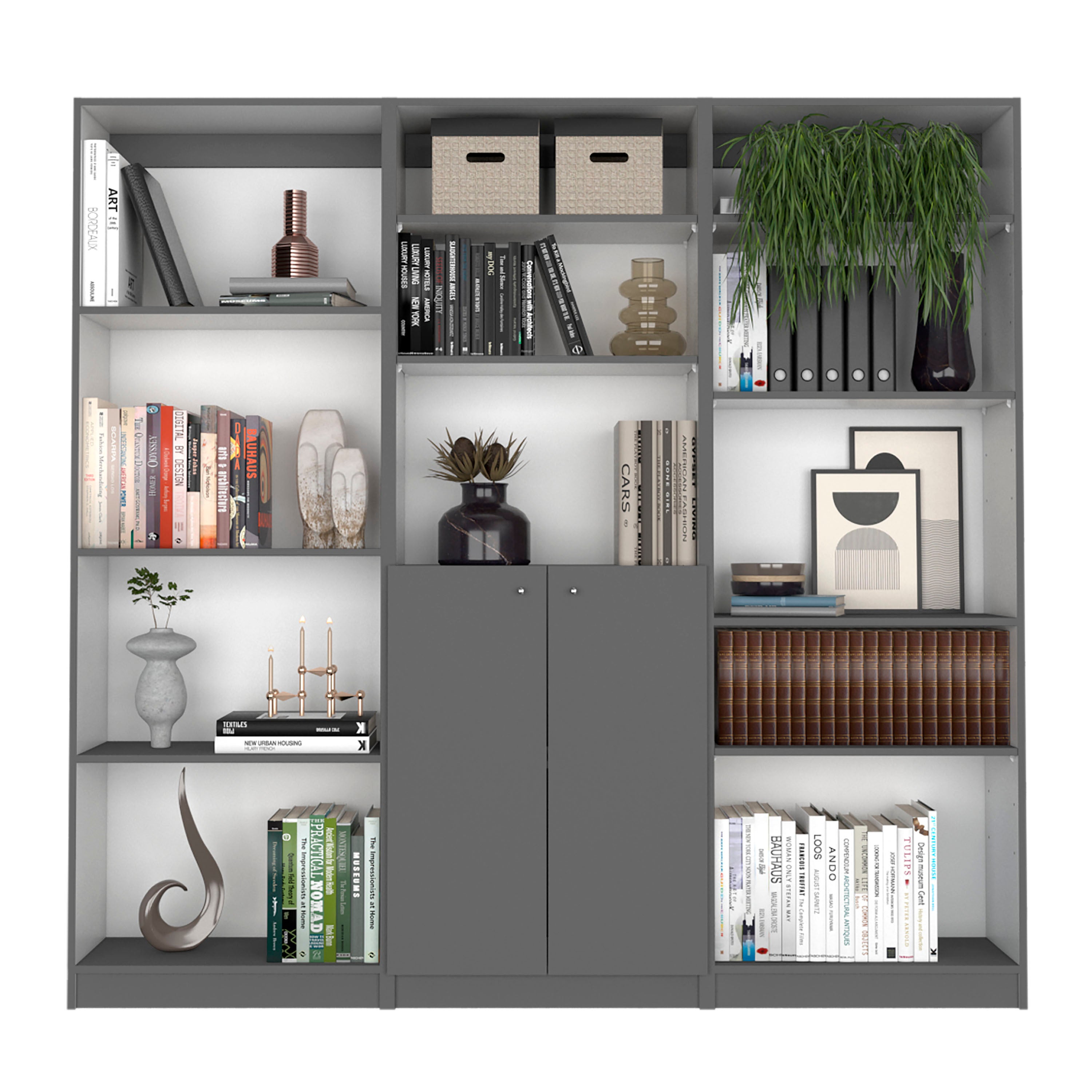
Bookcase with Doors

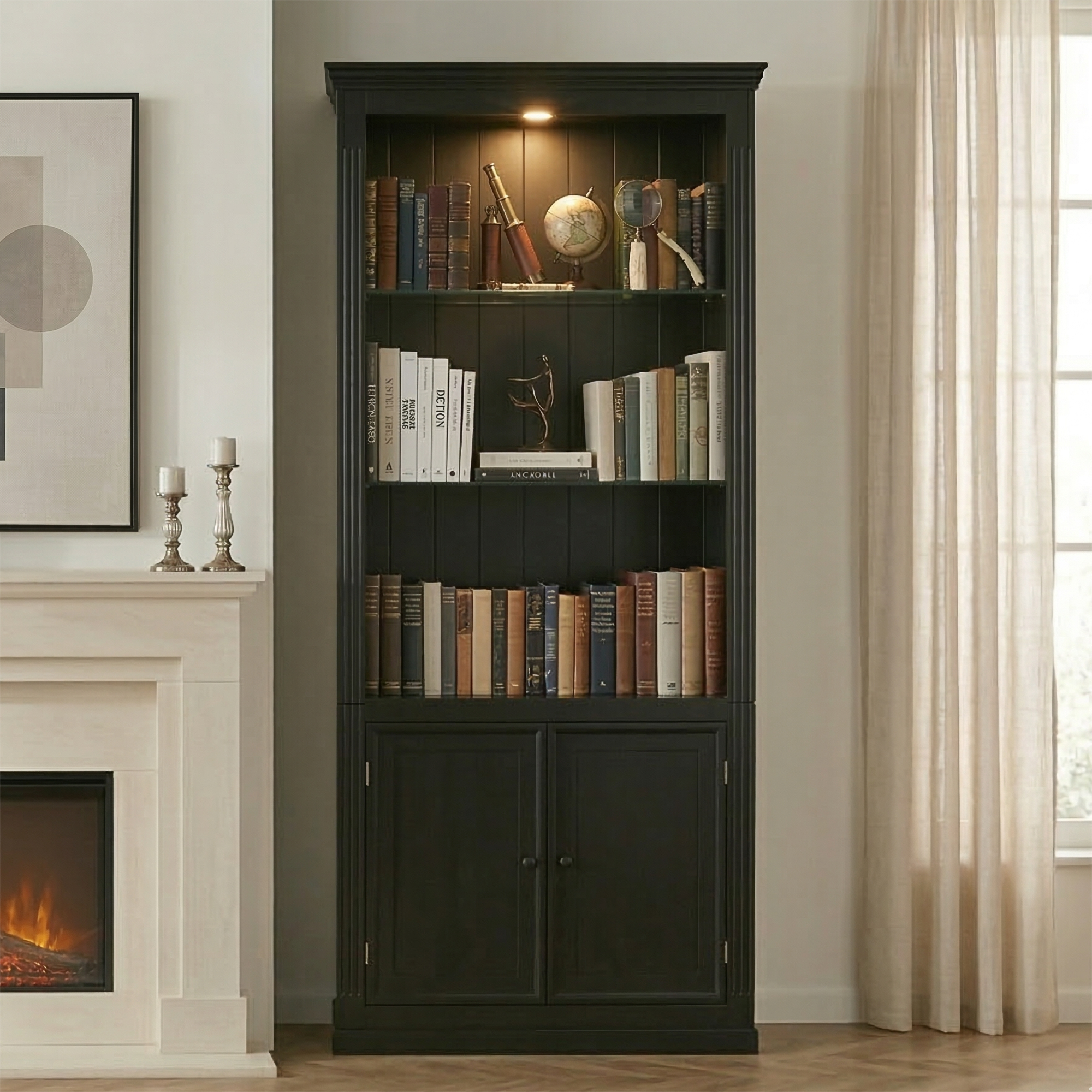
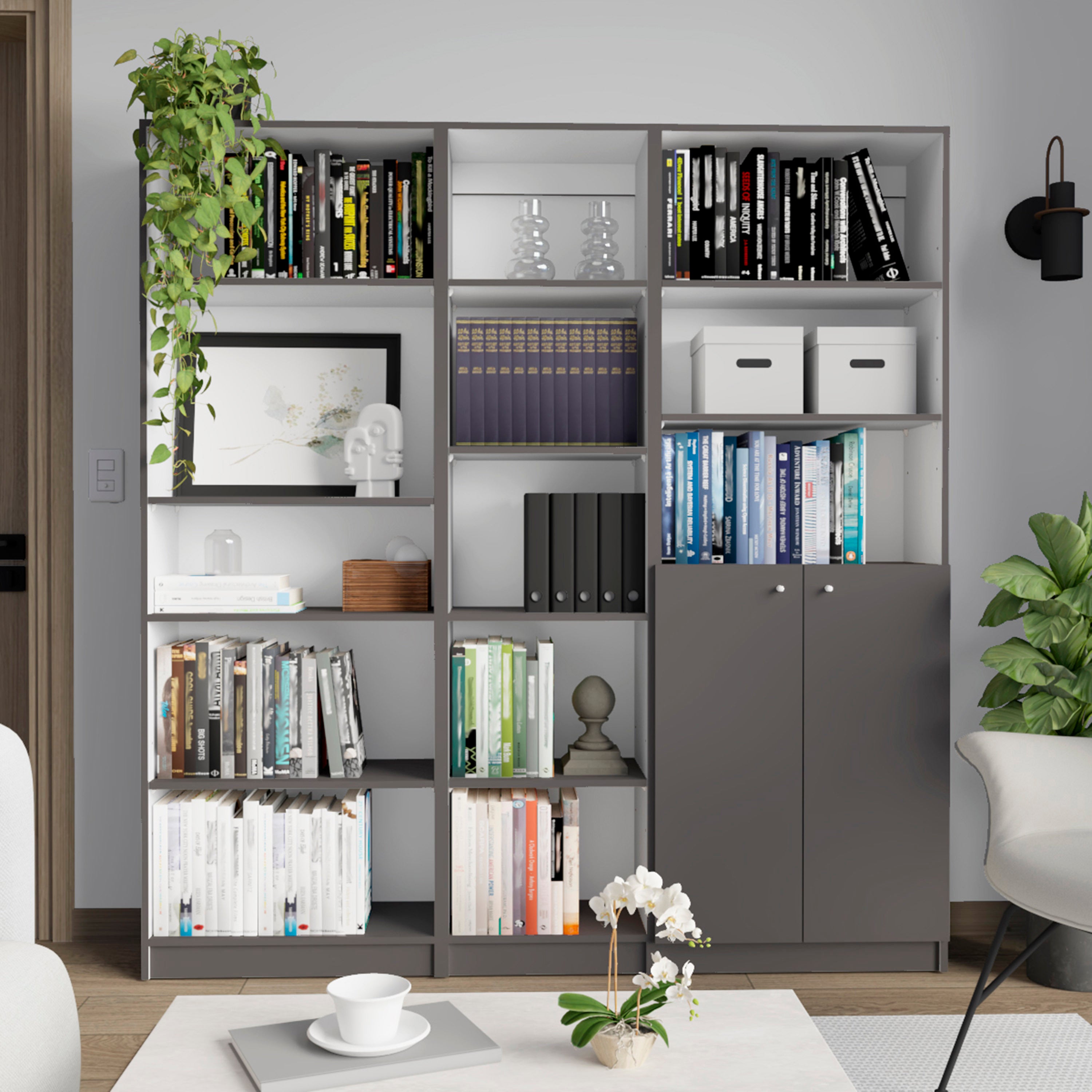
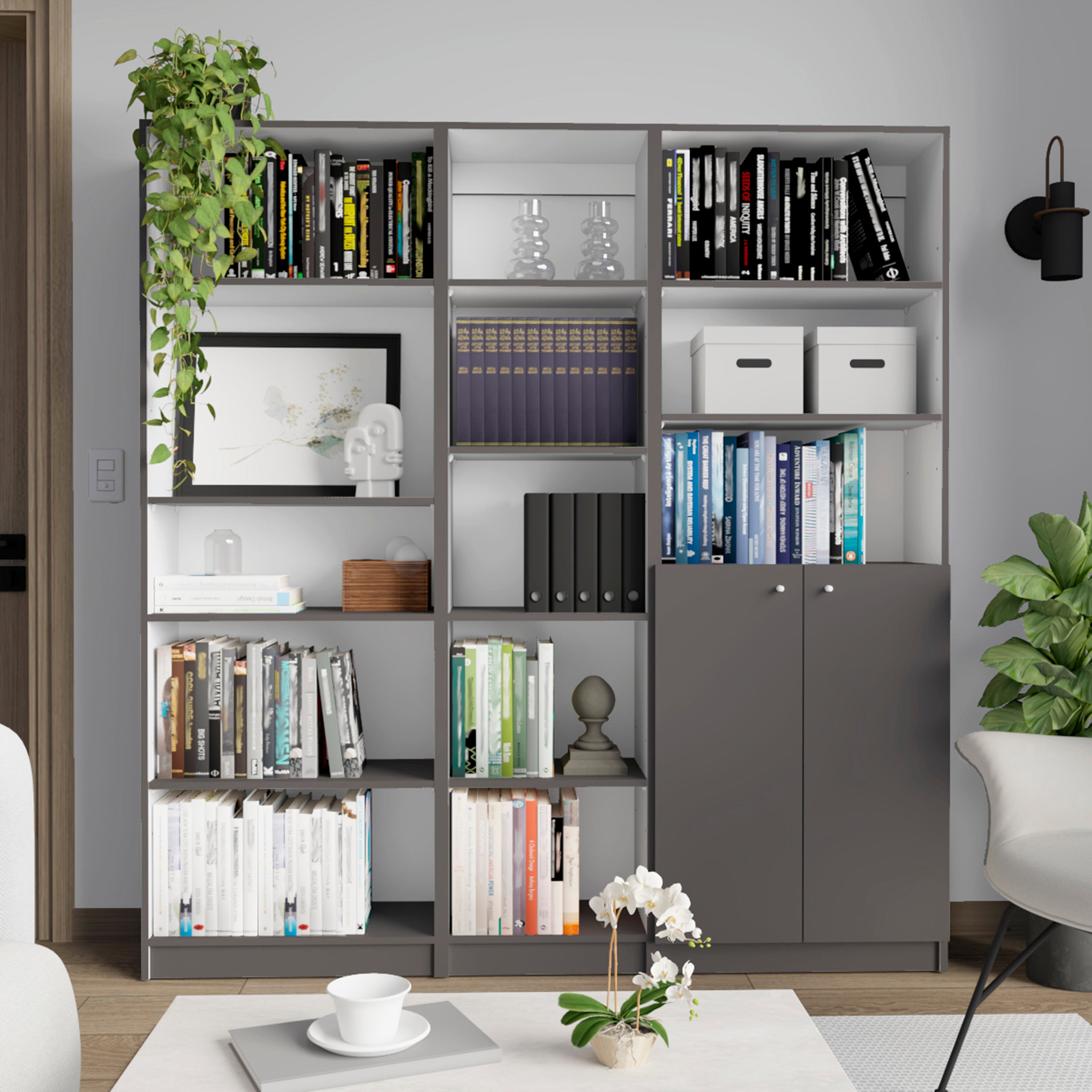
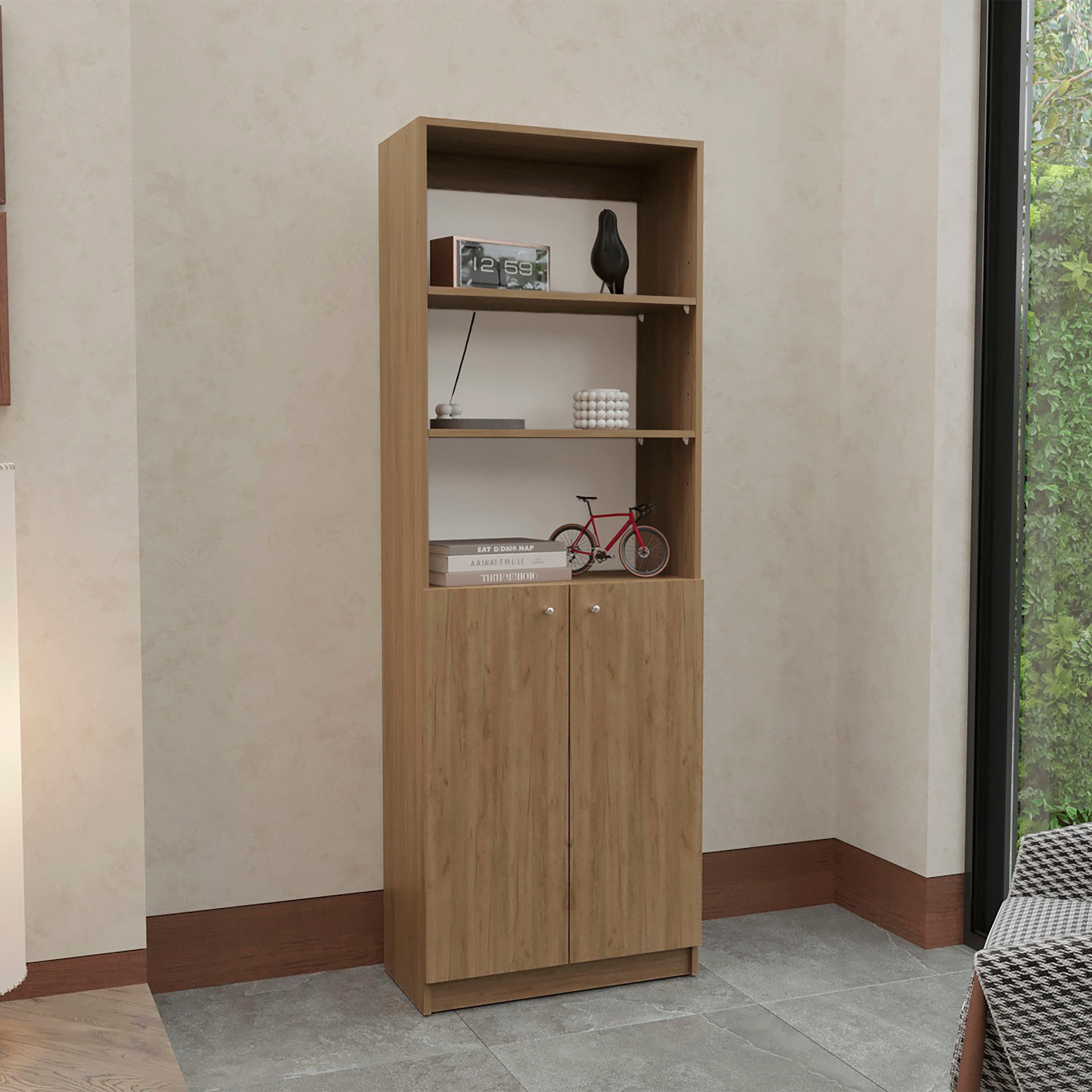
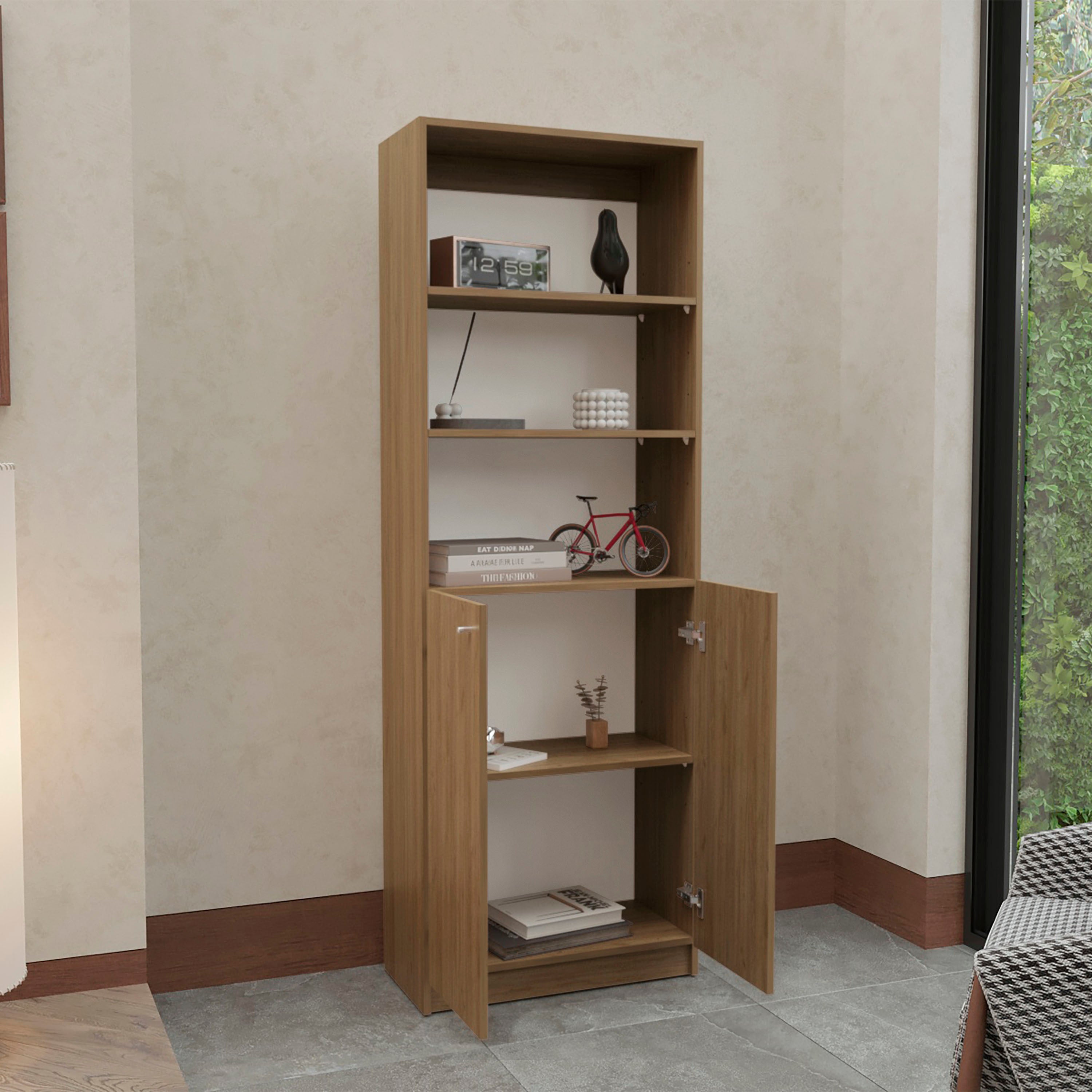
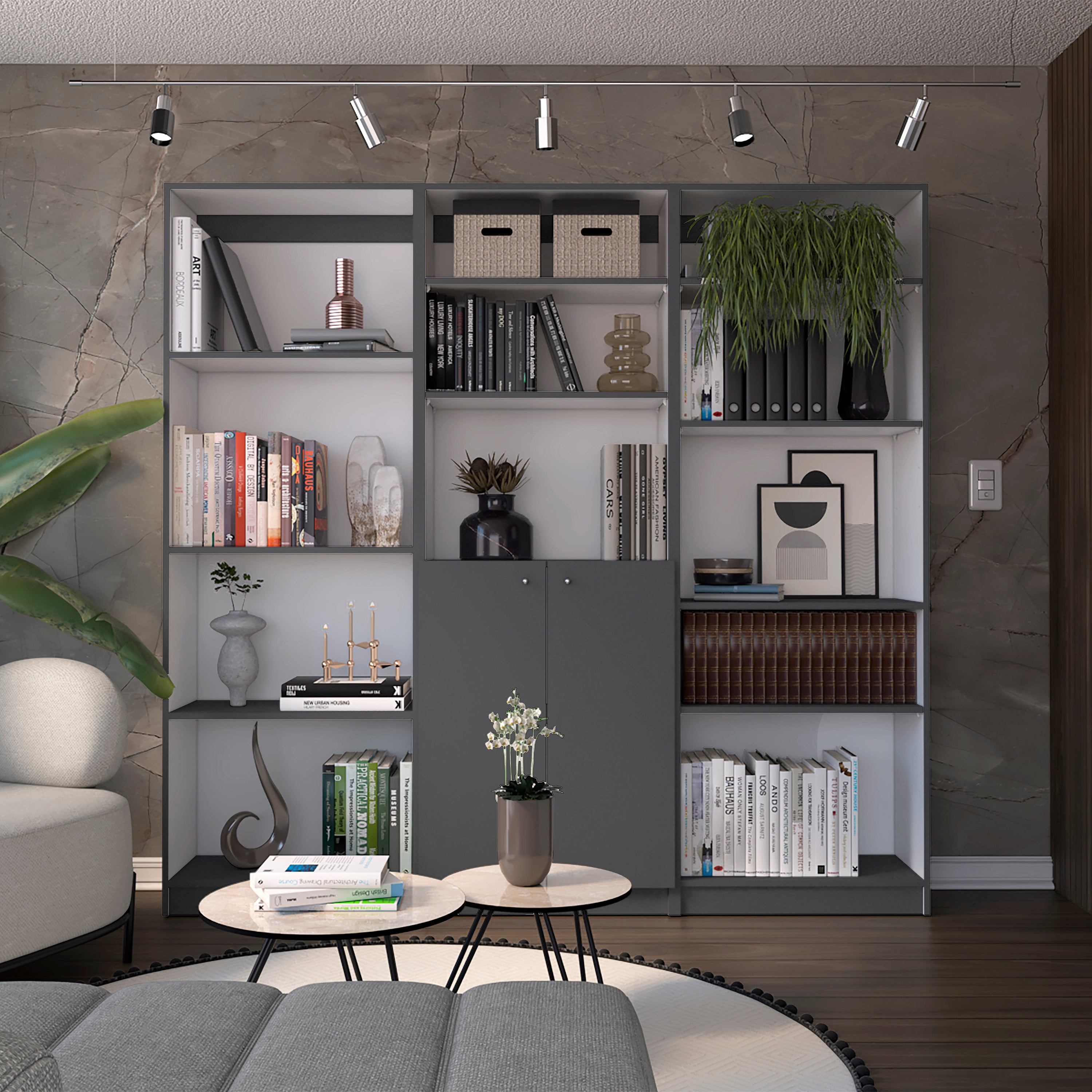
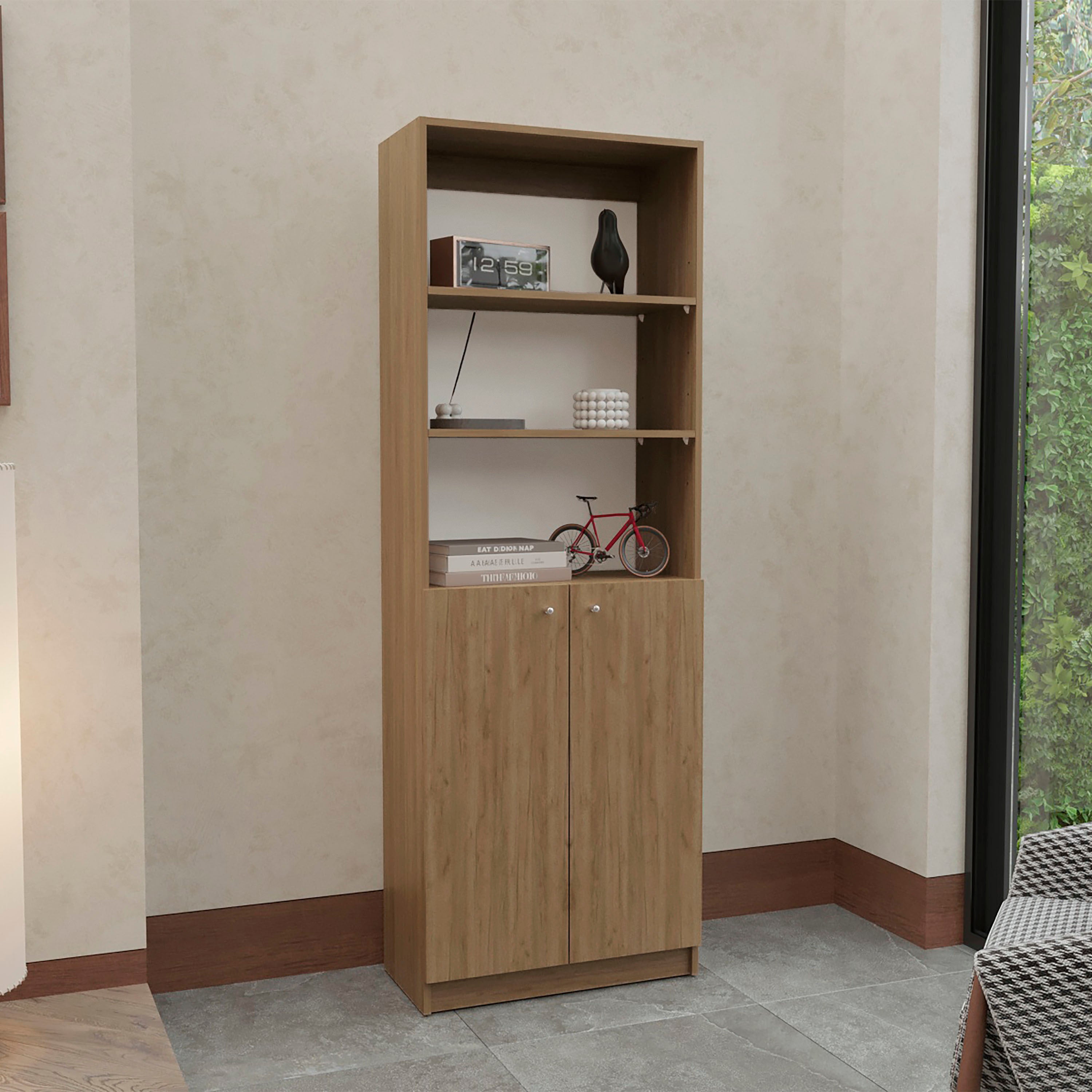
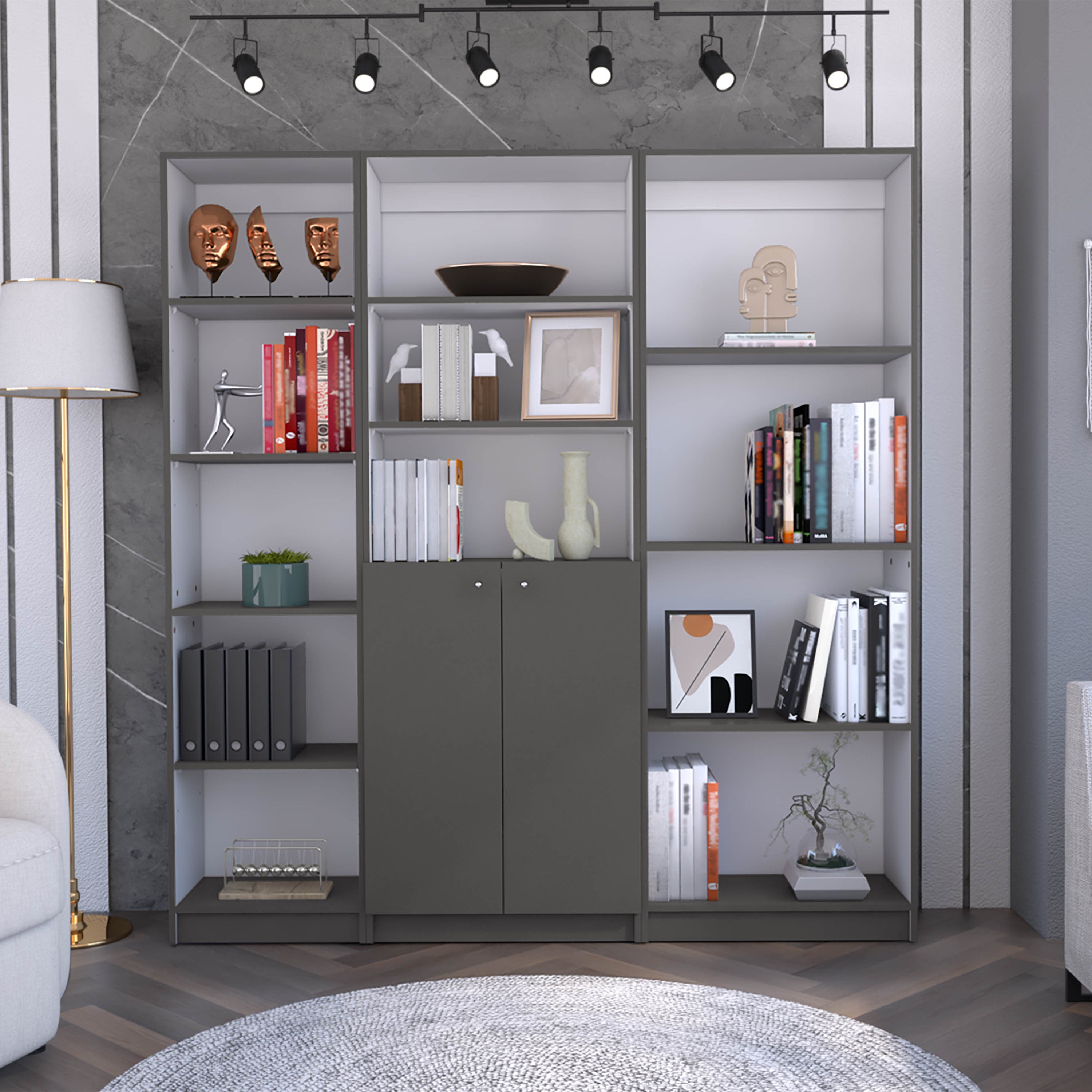
A bookcase with doors closes its shelves behind glass or solid fronts, keeping dust off the contents and clutter out of sight. Every bookcase in this range has doors, and they run from 30.1 to 83.4 inches tall and from 9.5 to 74.1 inches wide.

Bookcase with Doors

This collection is empty

Continue shopping

Glass doors or solid doors

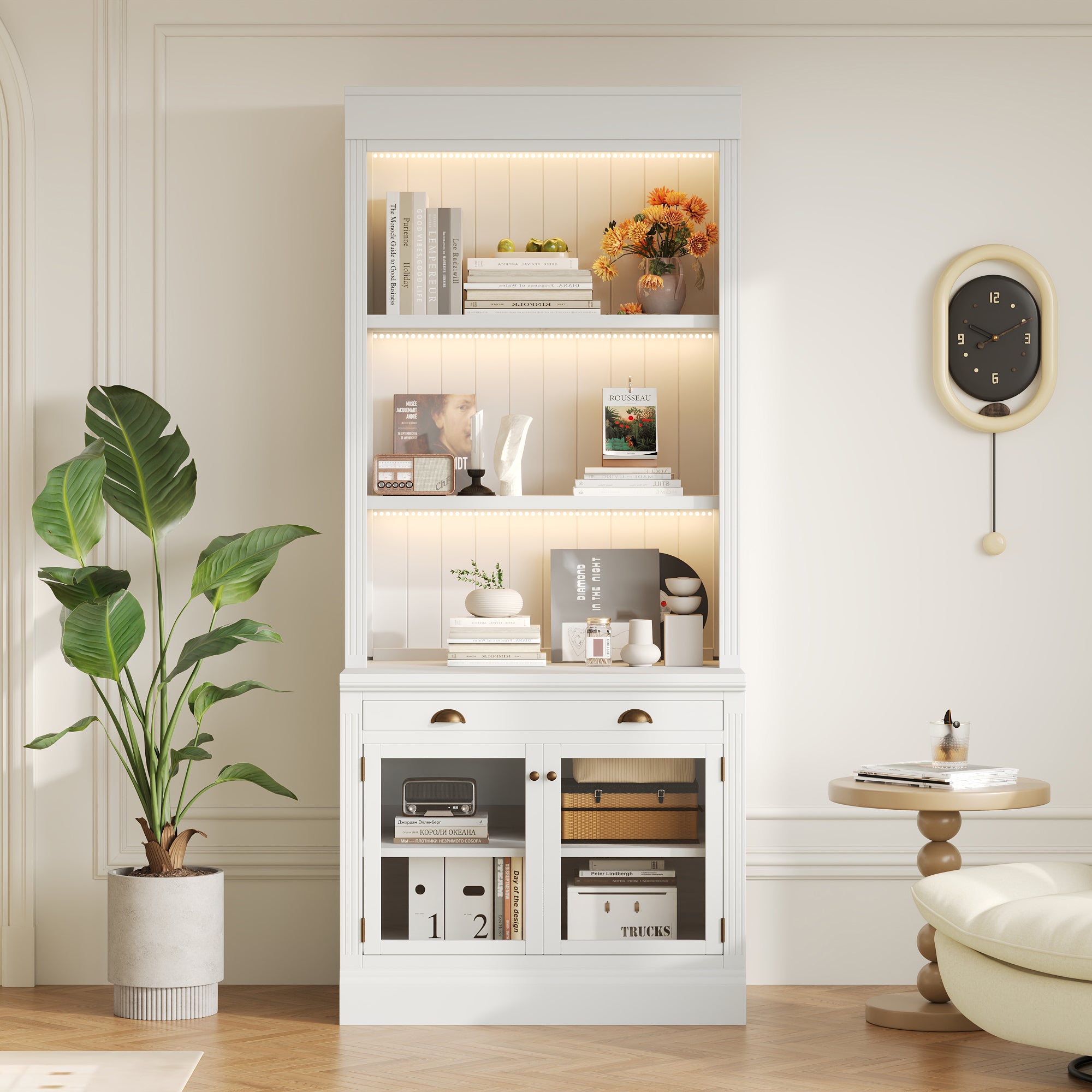
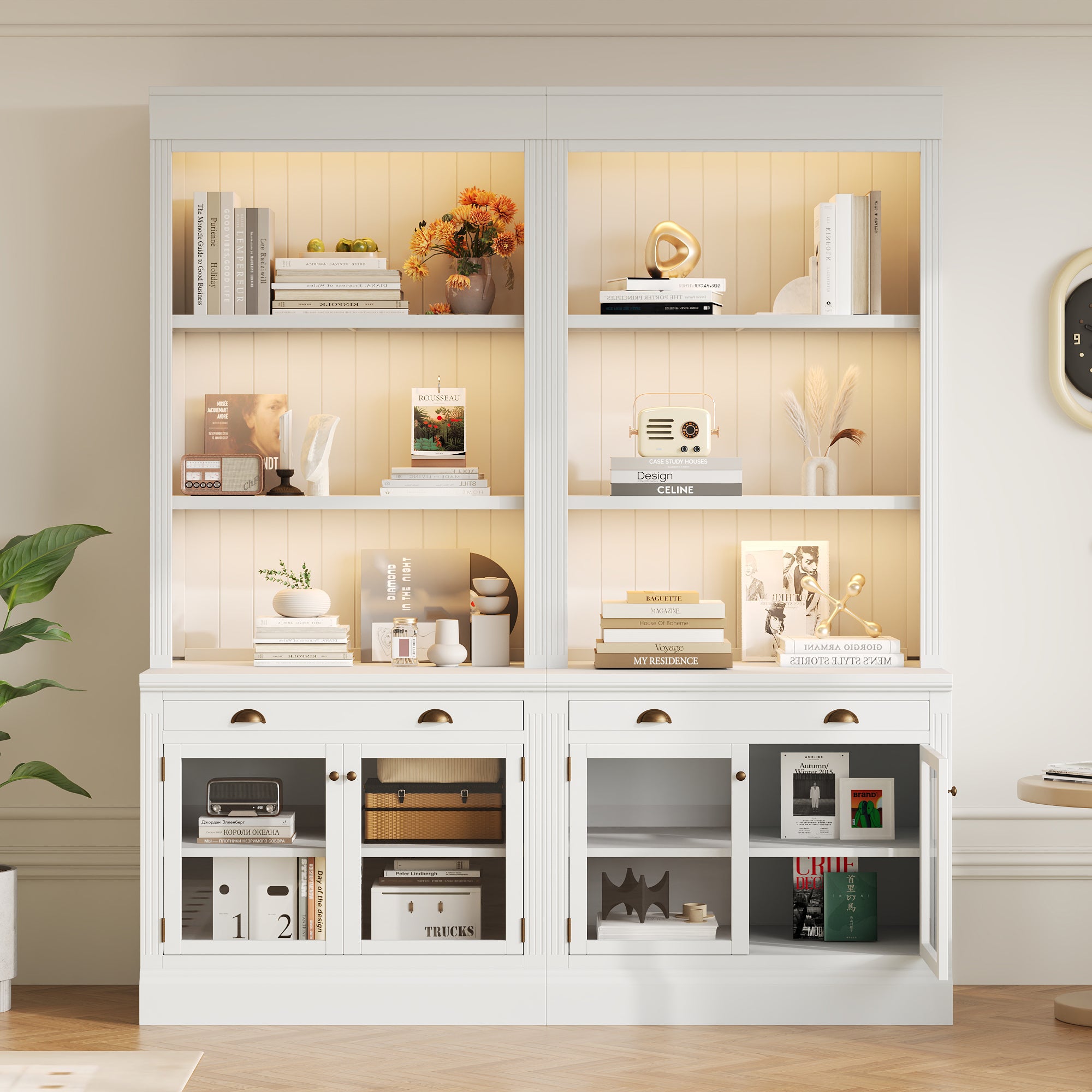
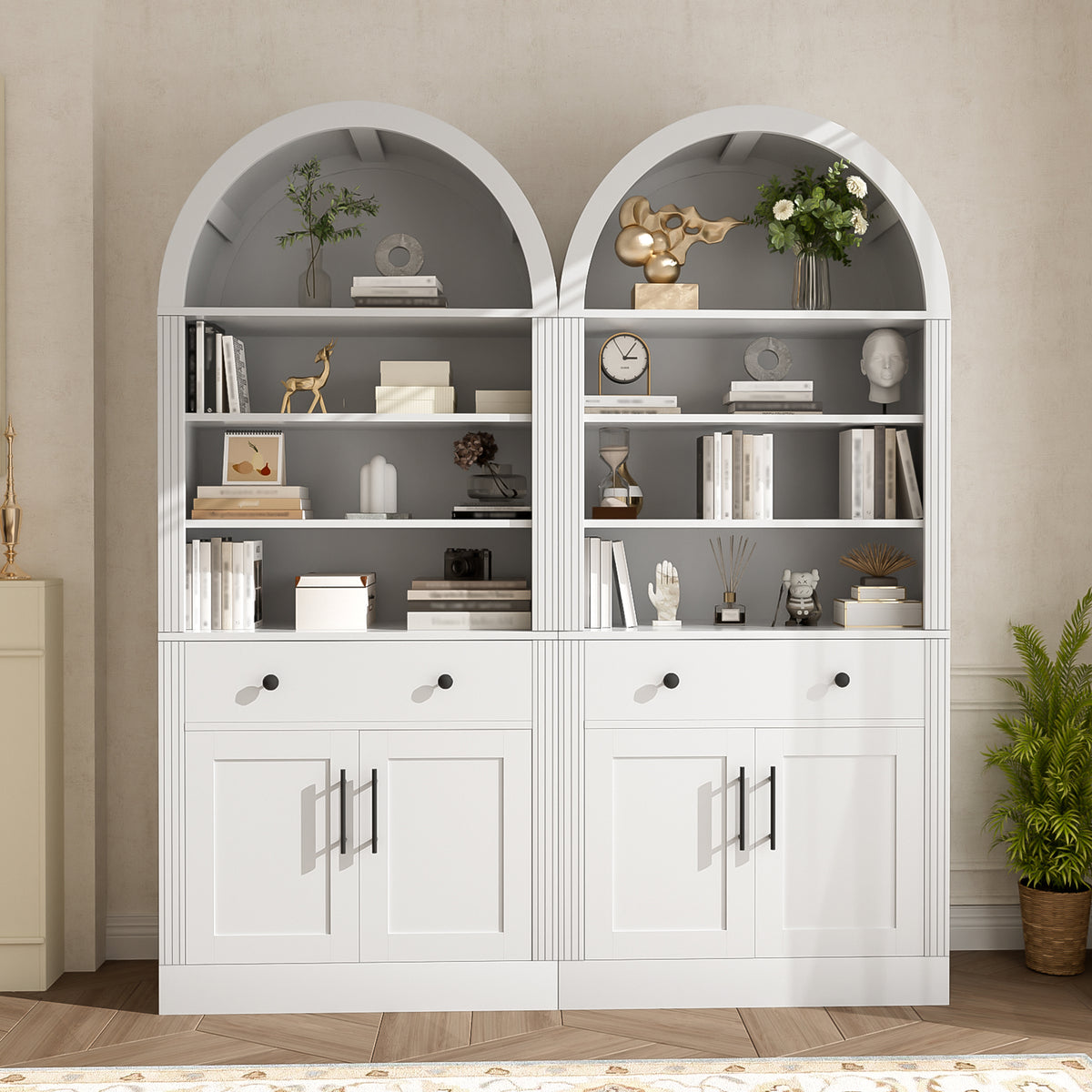
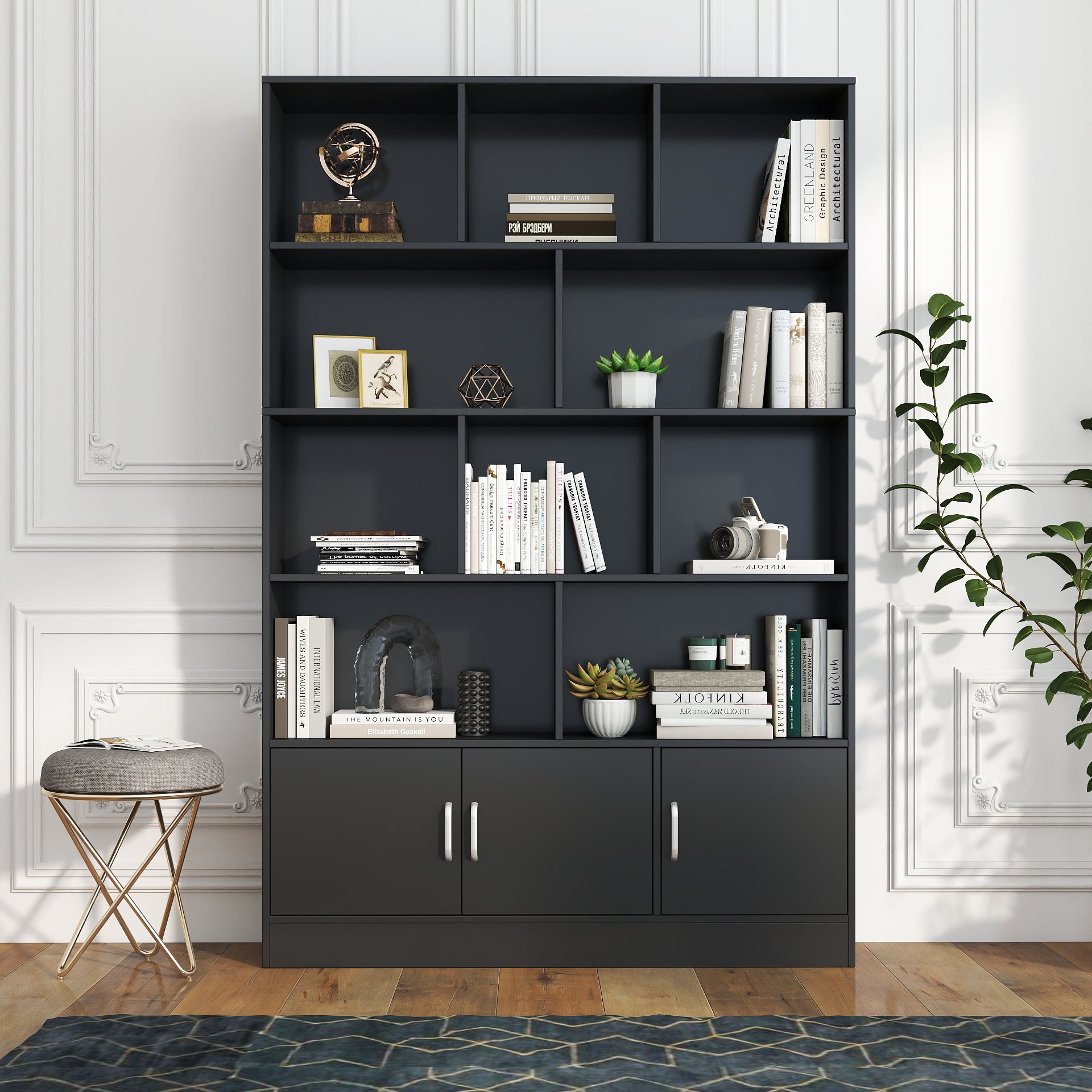
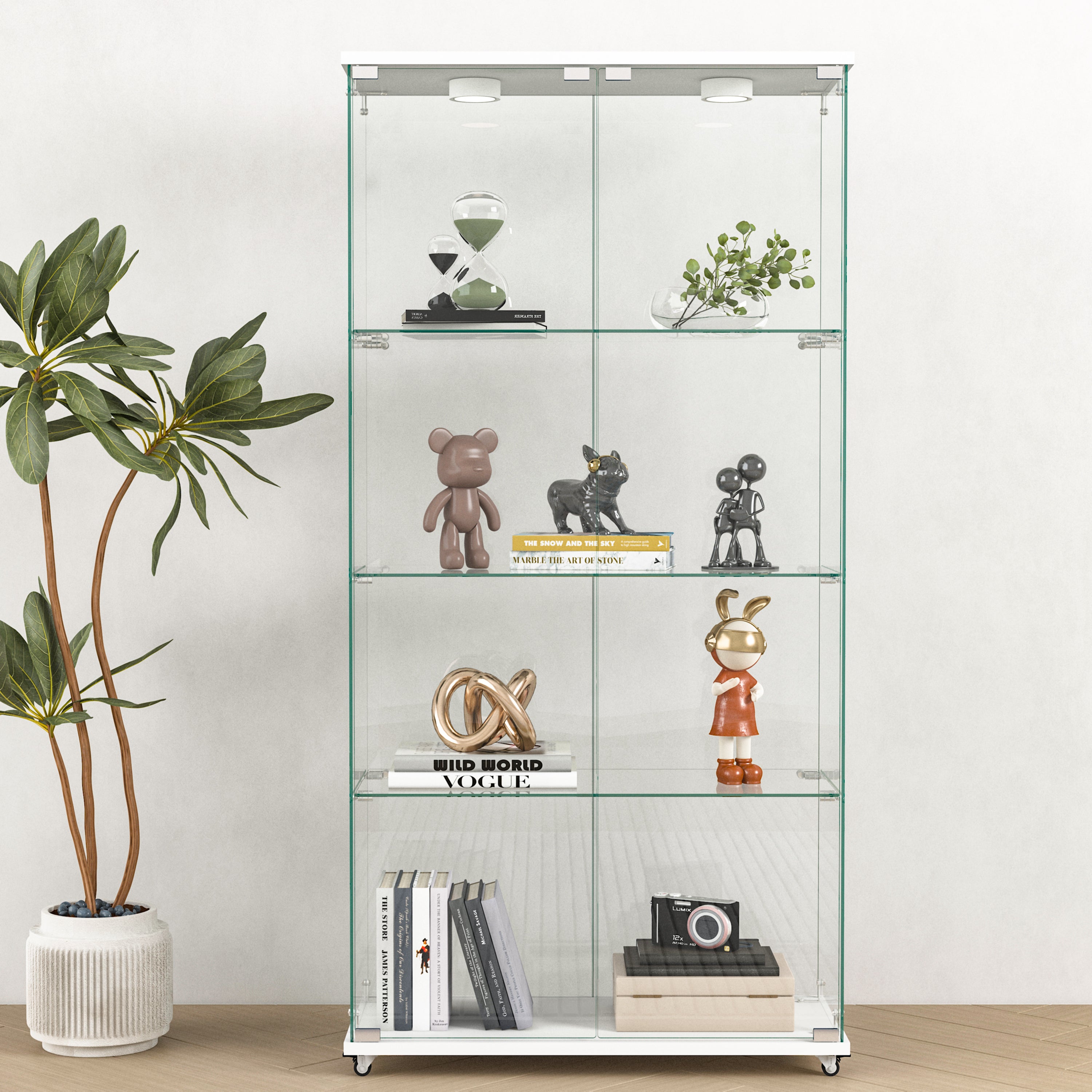
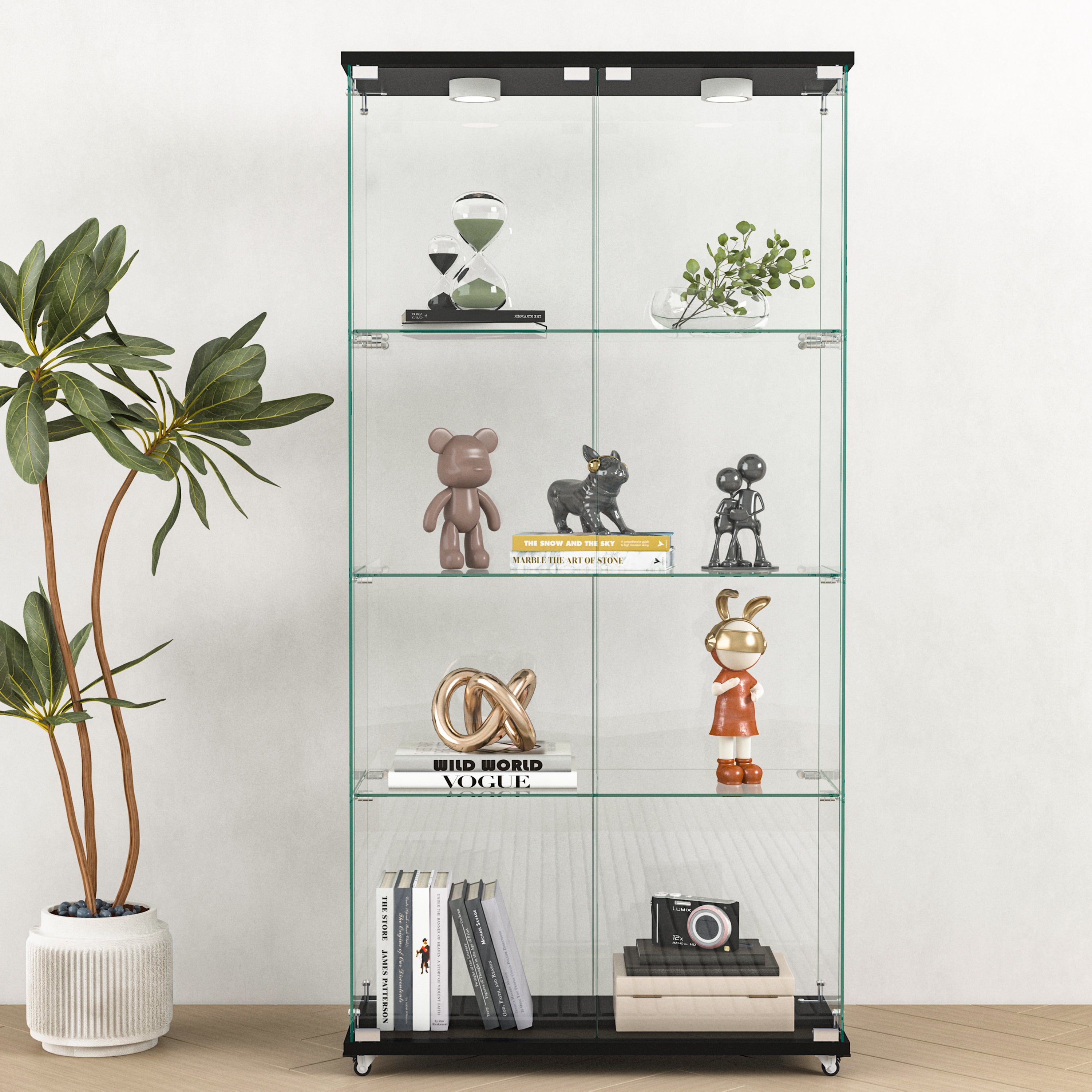
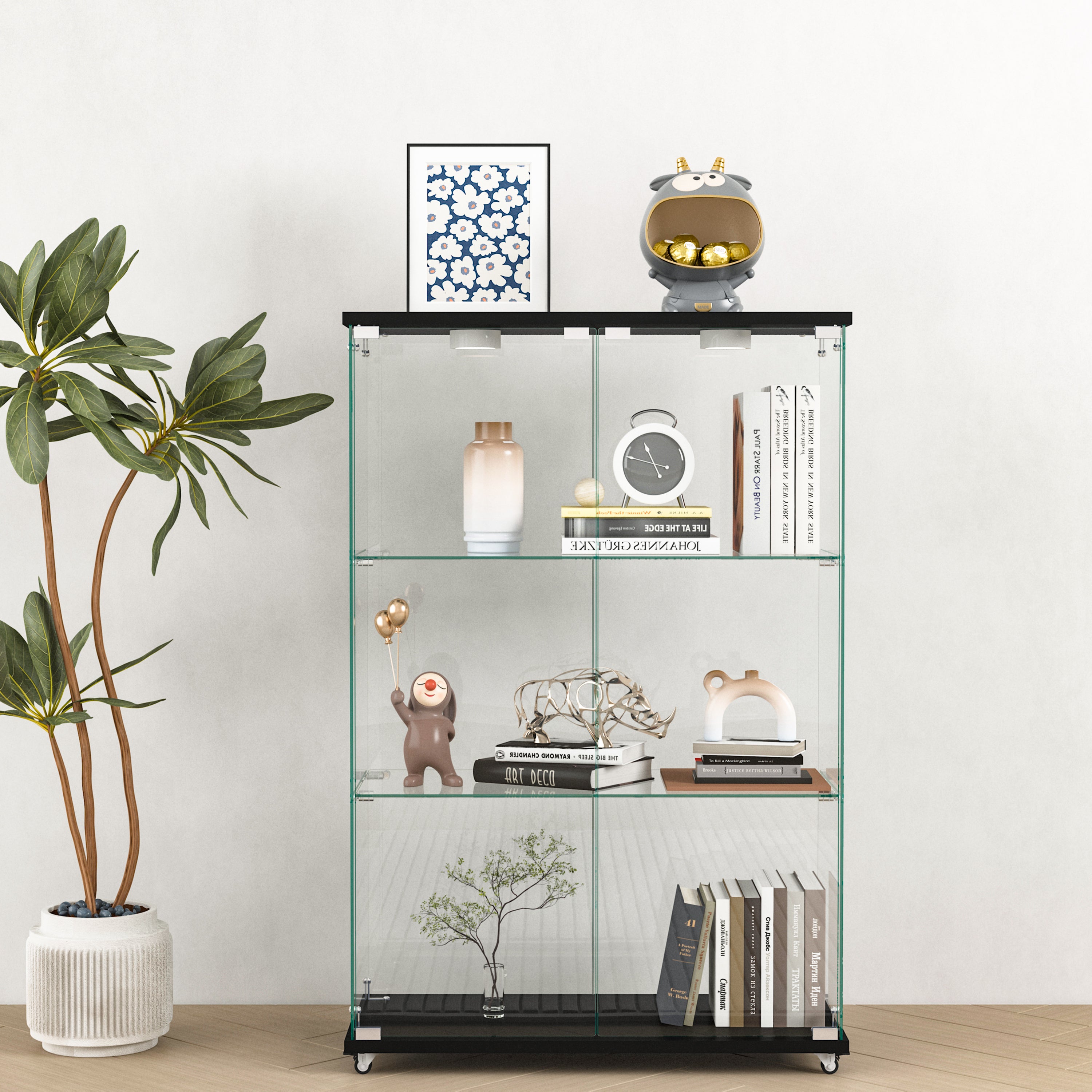
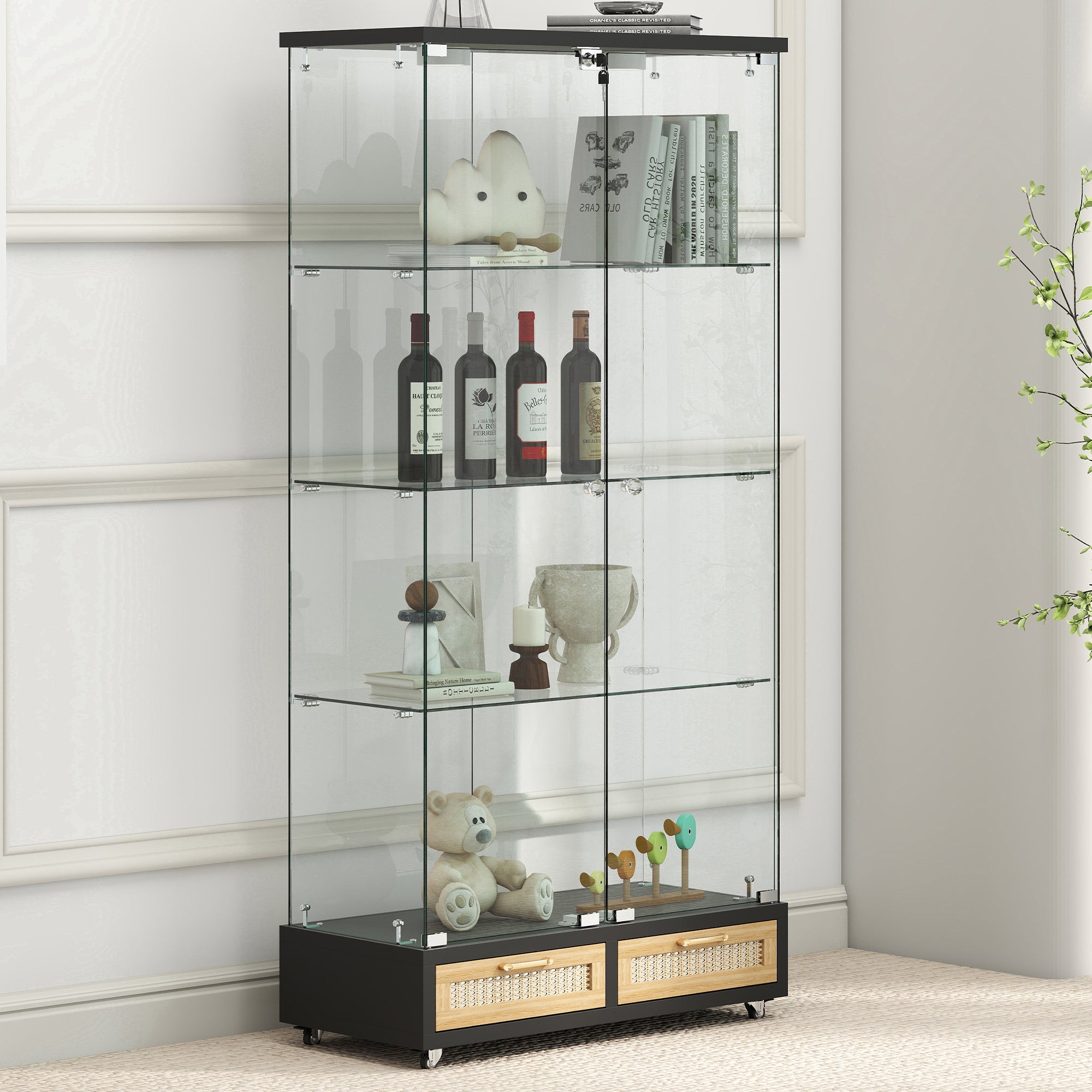
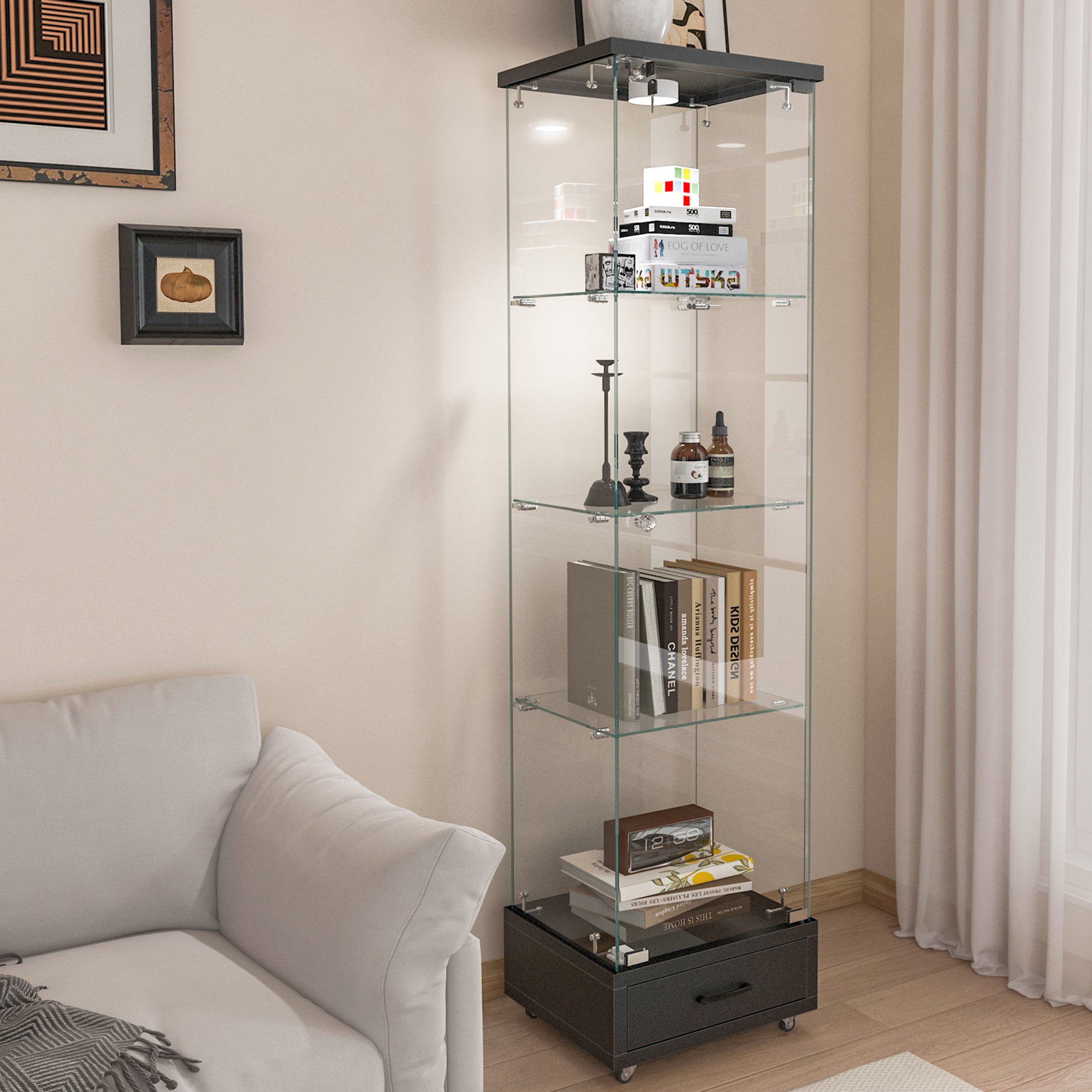
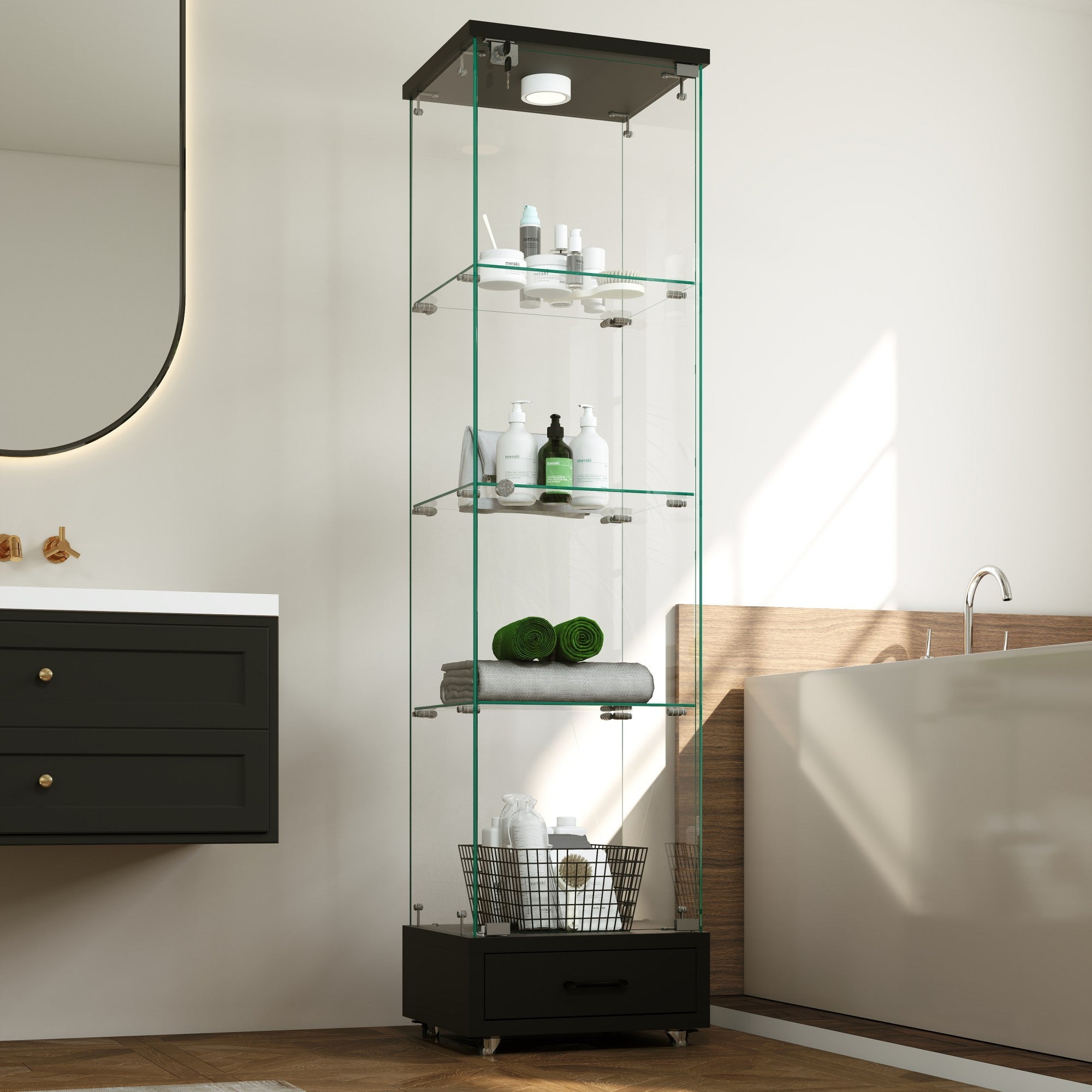
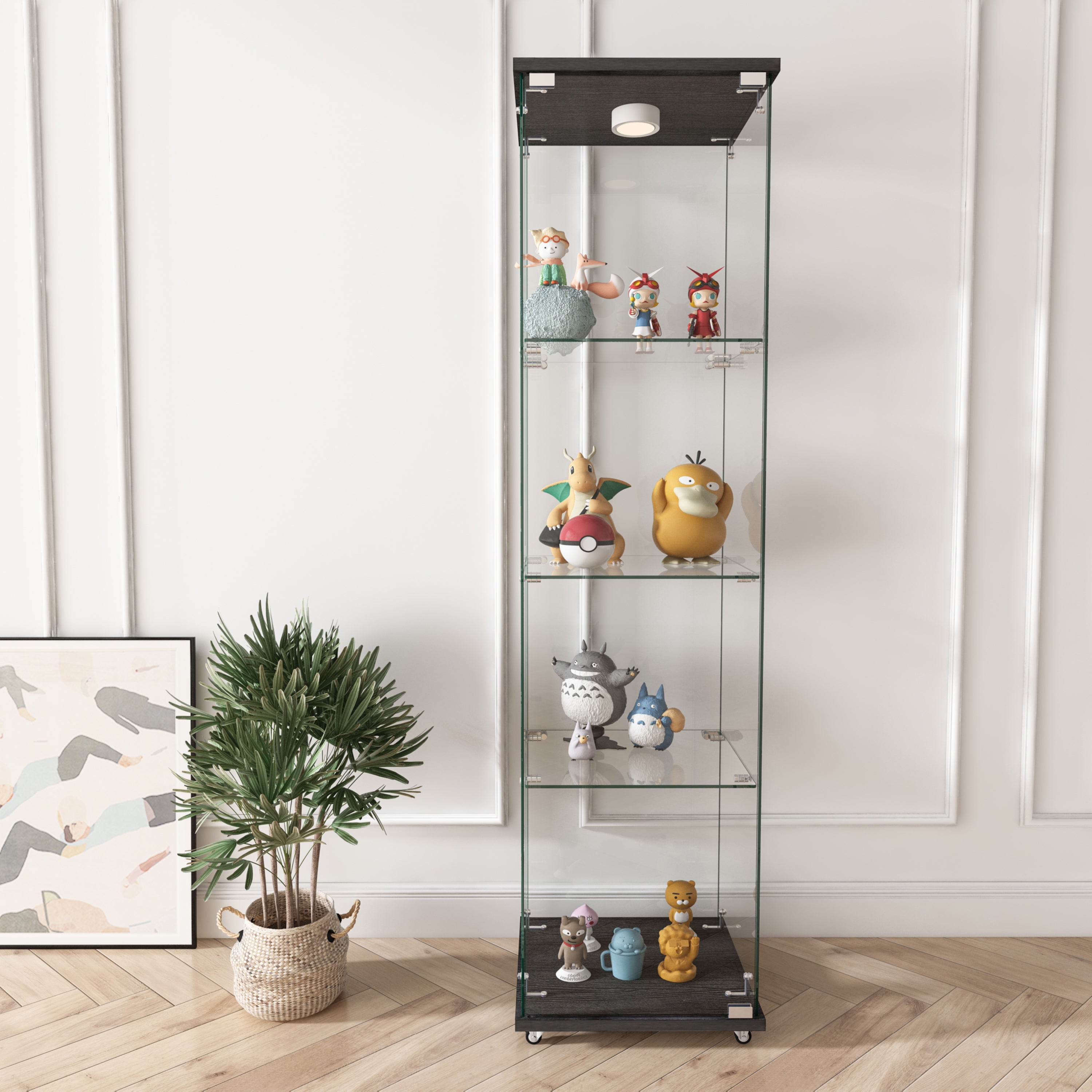
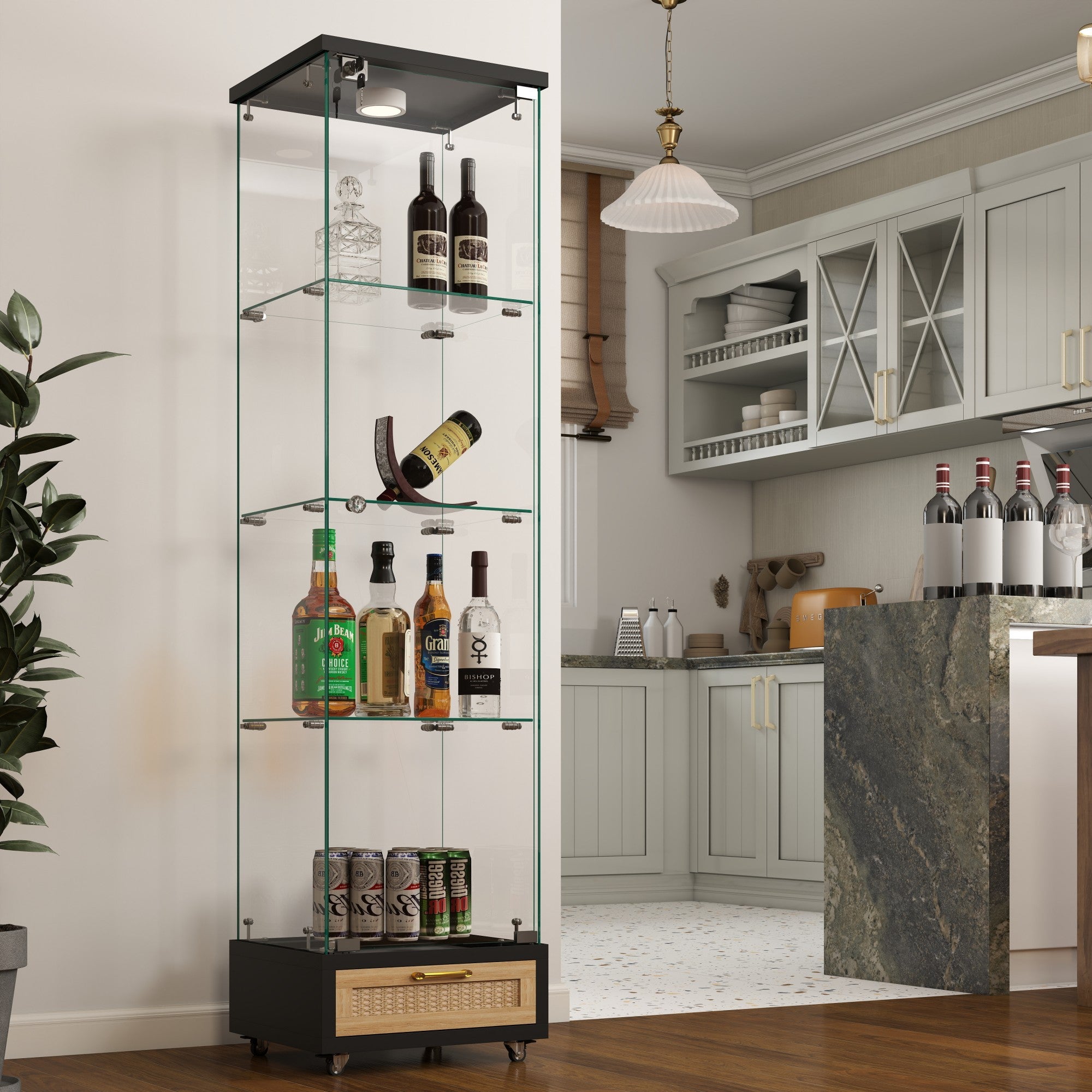
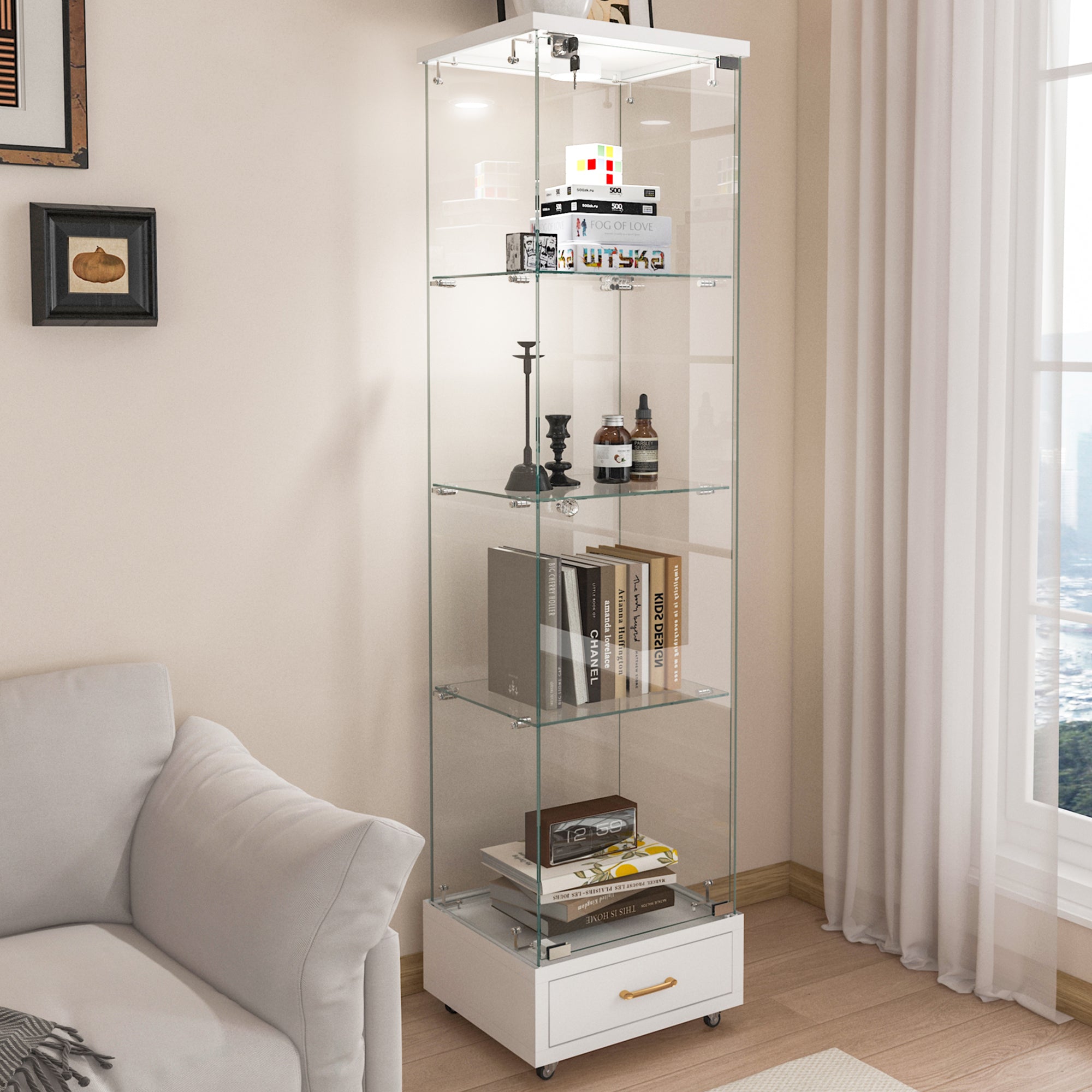
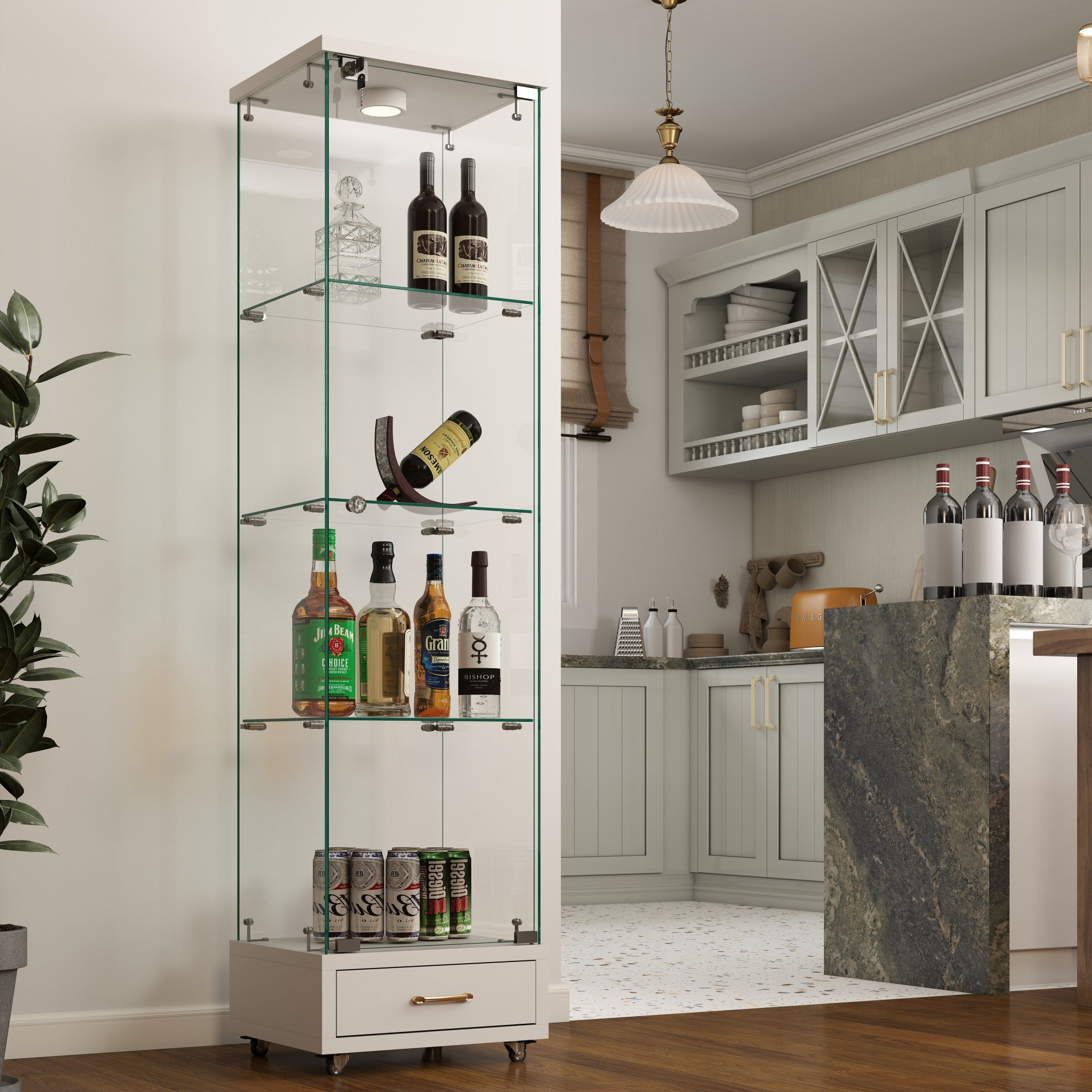
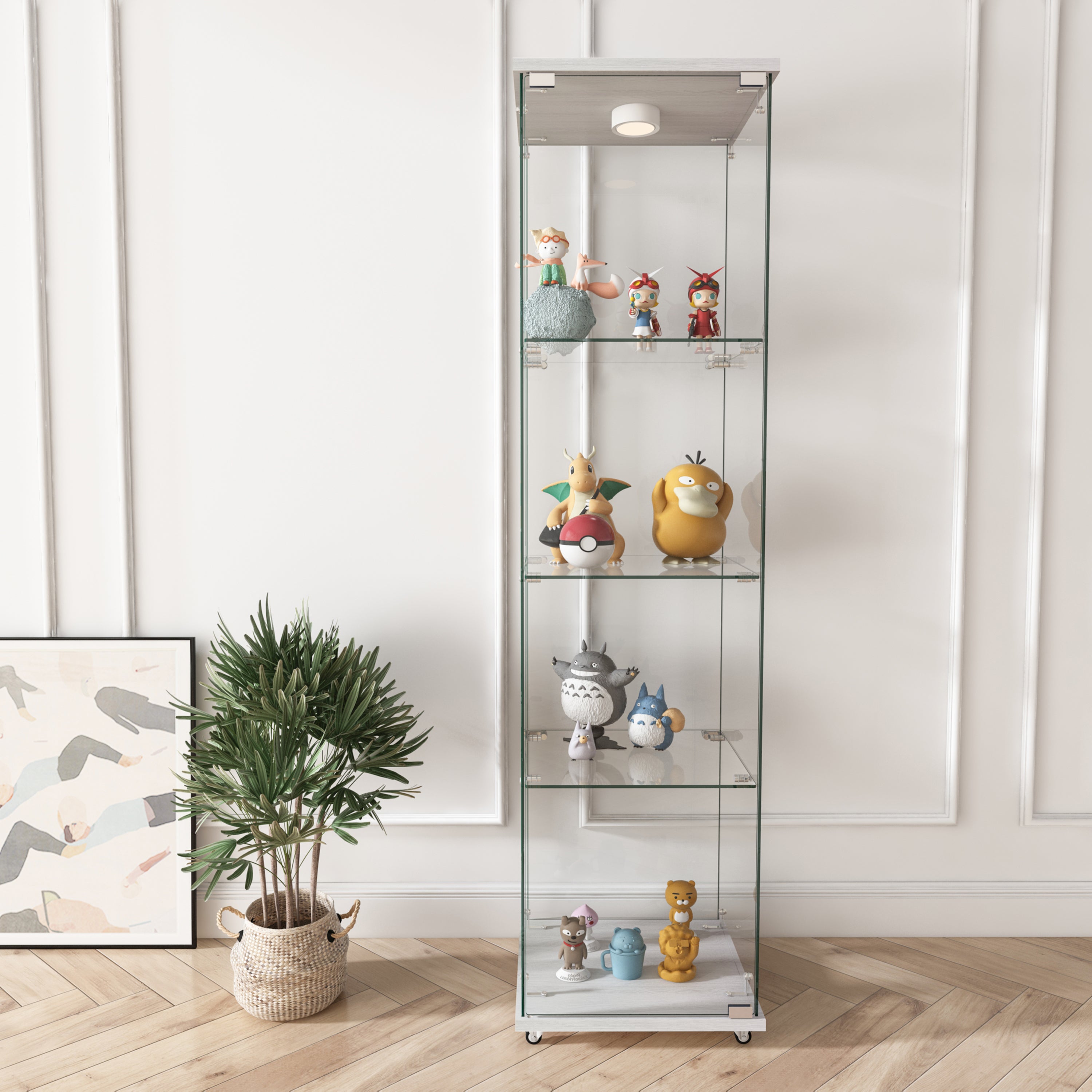
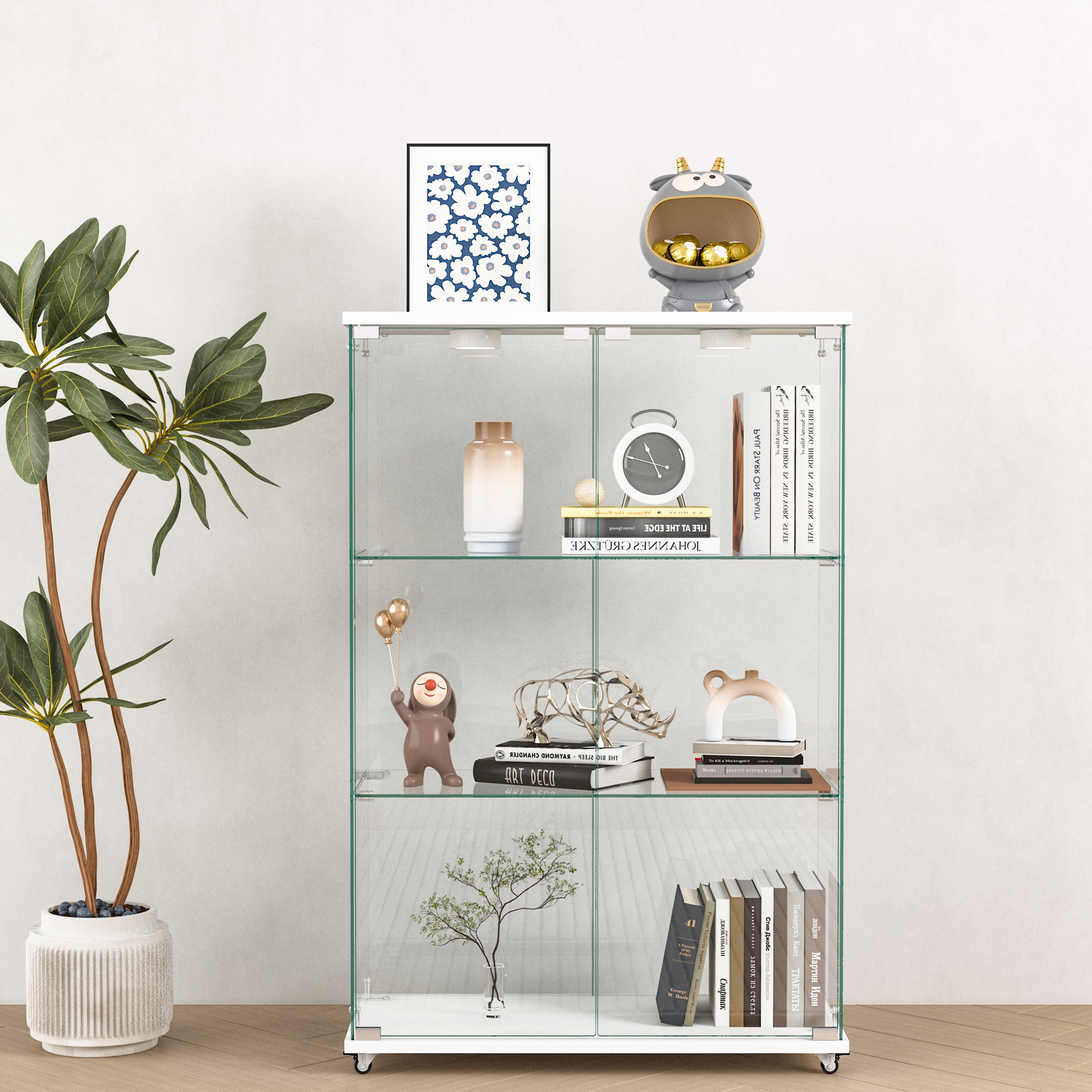
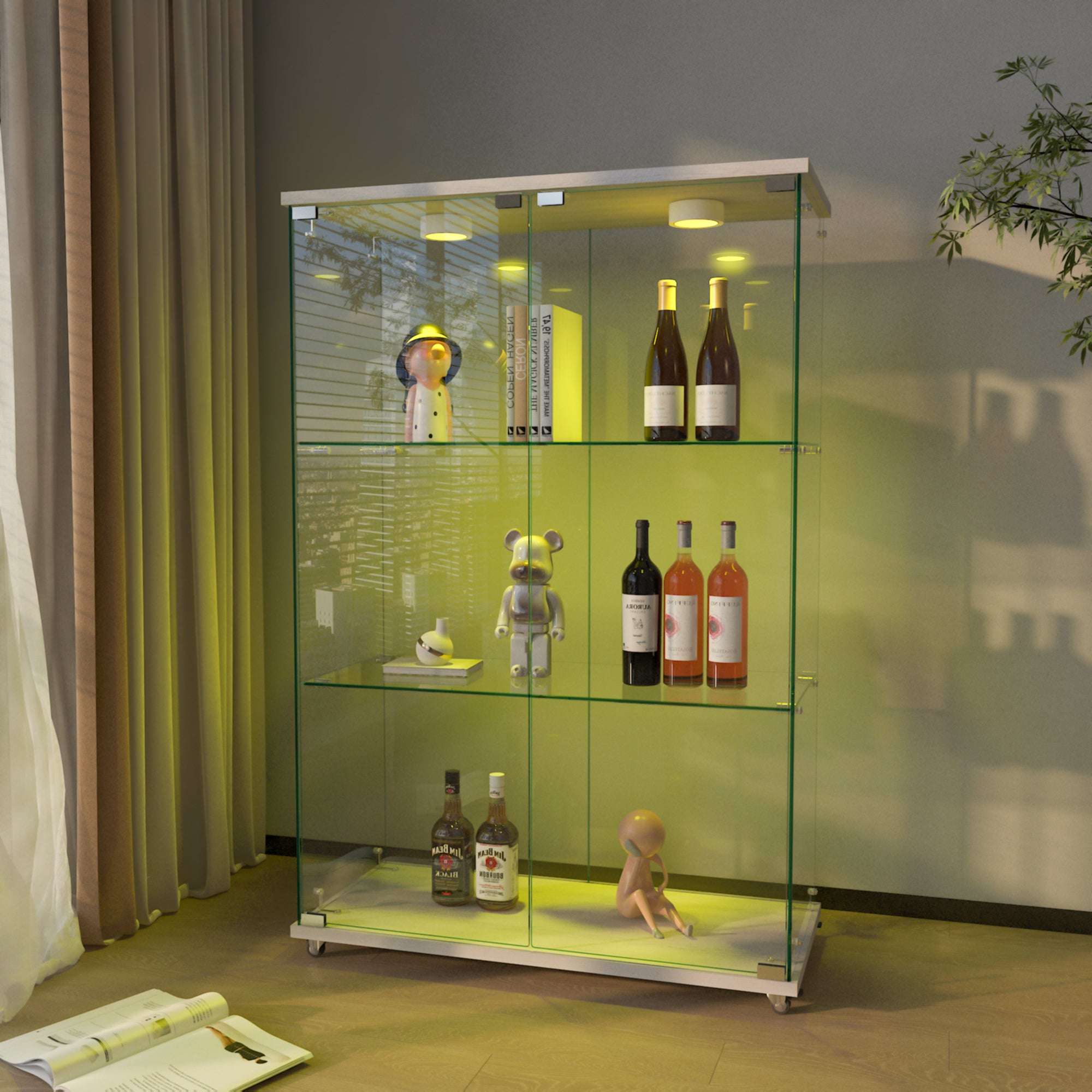
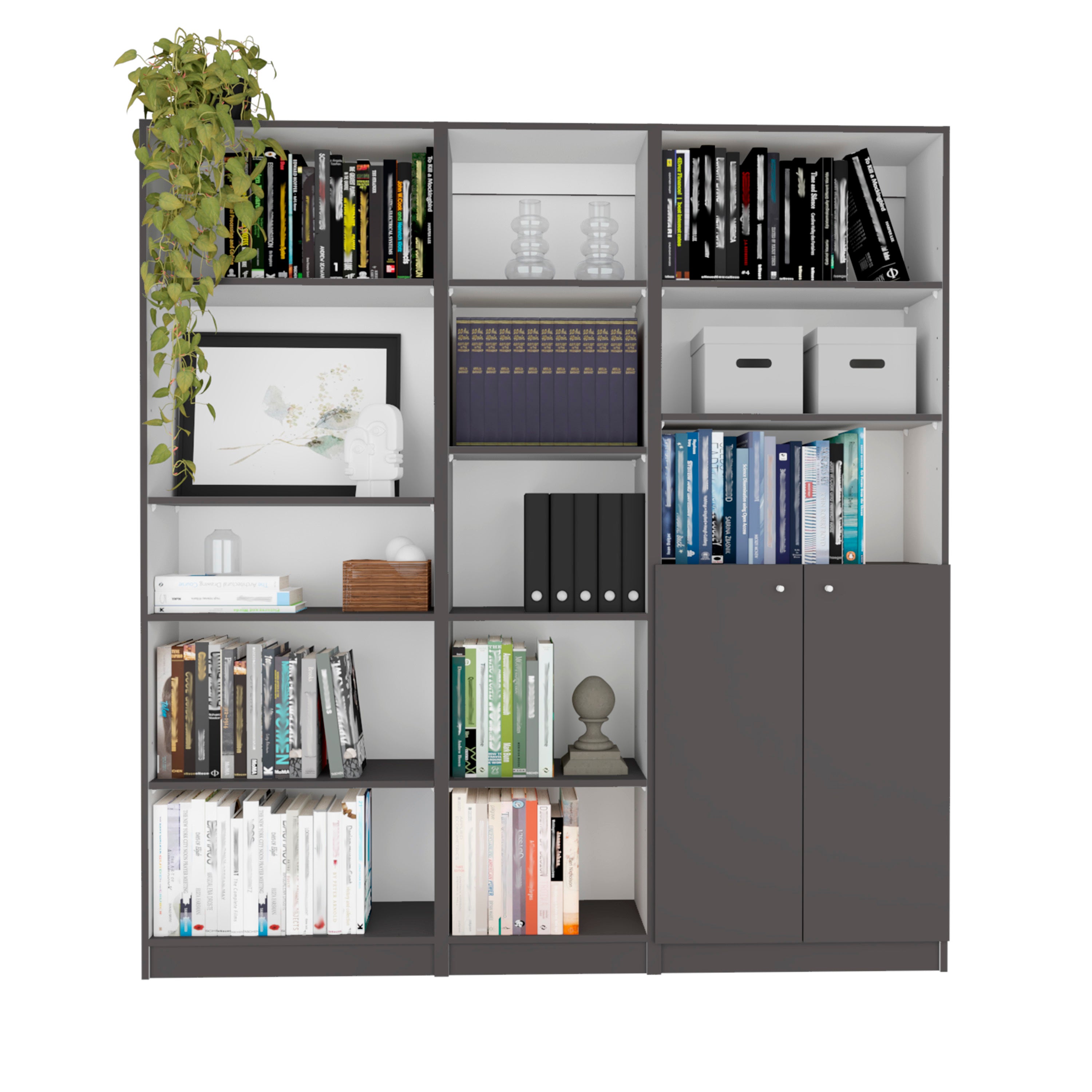
The door choice decides what the bookcase is for. A glass door keeps dust off while still showing the contents, which suits collections, glassware and books you want visible. A solid door hides what is behind it, which turns the lower half of a case into general storage and keeps a working room from reading as cluttered. Several cases in this range combine both, with glass above and solid below, which is the arrangement that suits a room doing two jobs at once.

Why doors change how a bookcase works

Doors do three things an open case cannot. They keep dust off, which matters for anything left undisturbed for months. They contain visual noise, so a wall of mixed spines and boxes reads as one calm surface. And they let a bookcase hold things that are not books, since nothing on a closed shelf has to look presentable. The trade is access: a door has to be opened, so the shelves you use daily are better left open.

Size and depth

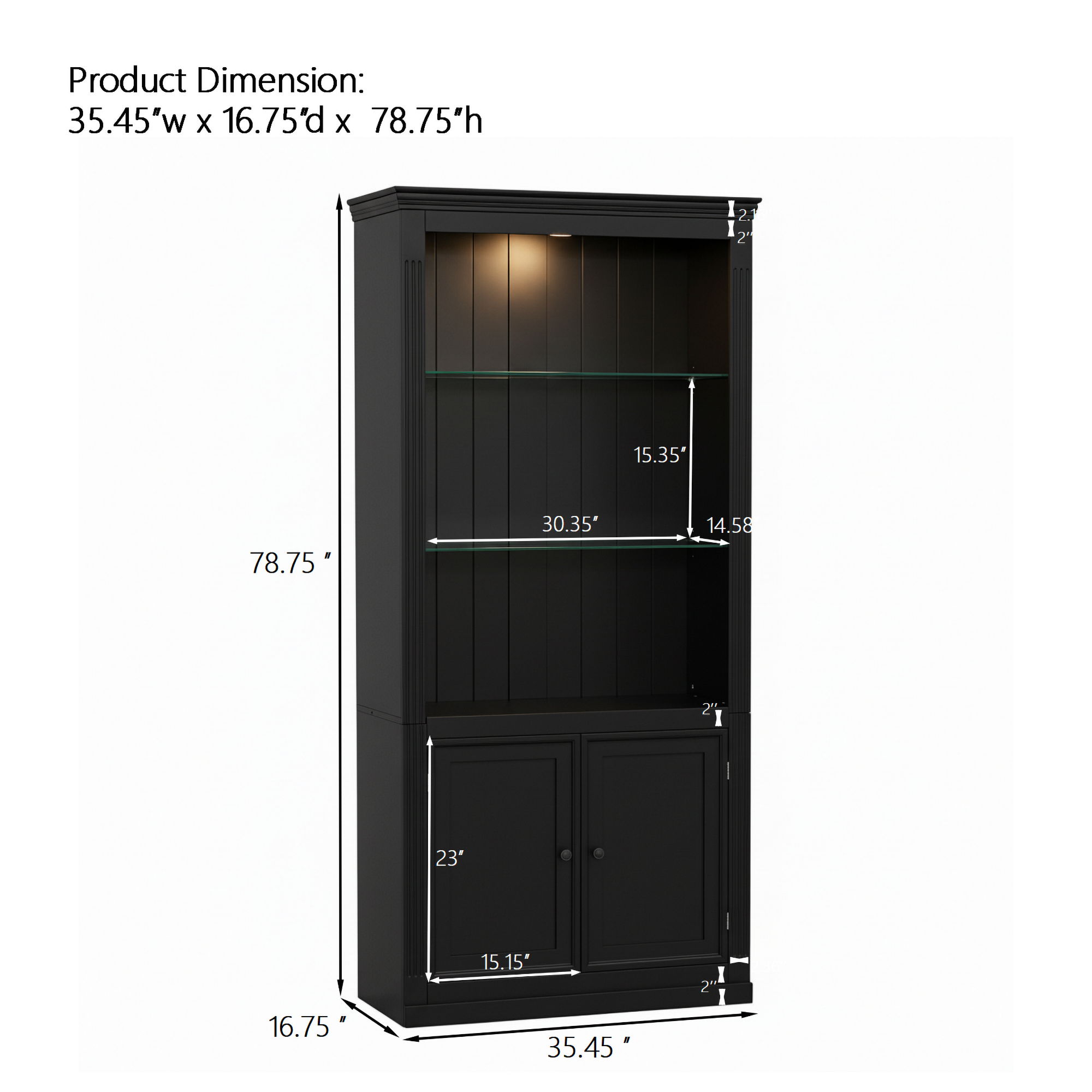
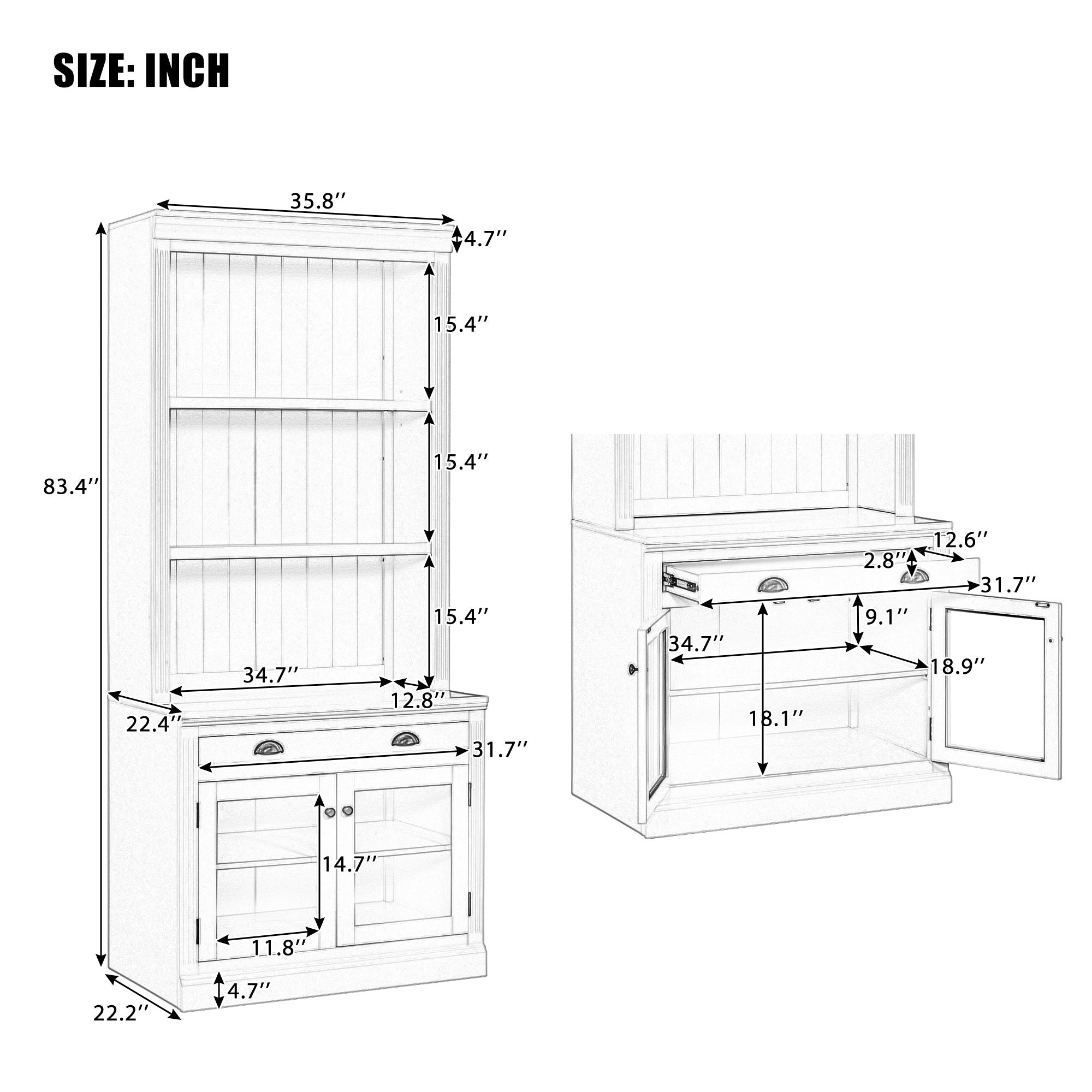
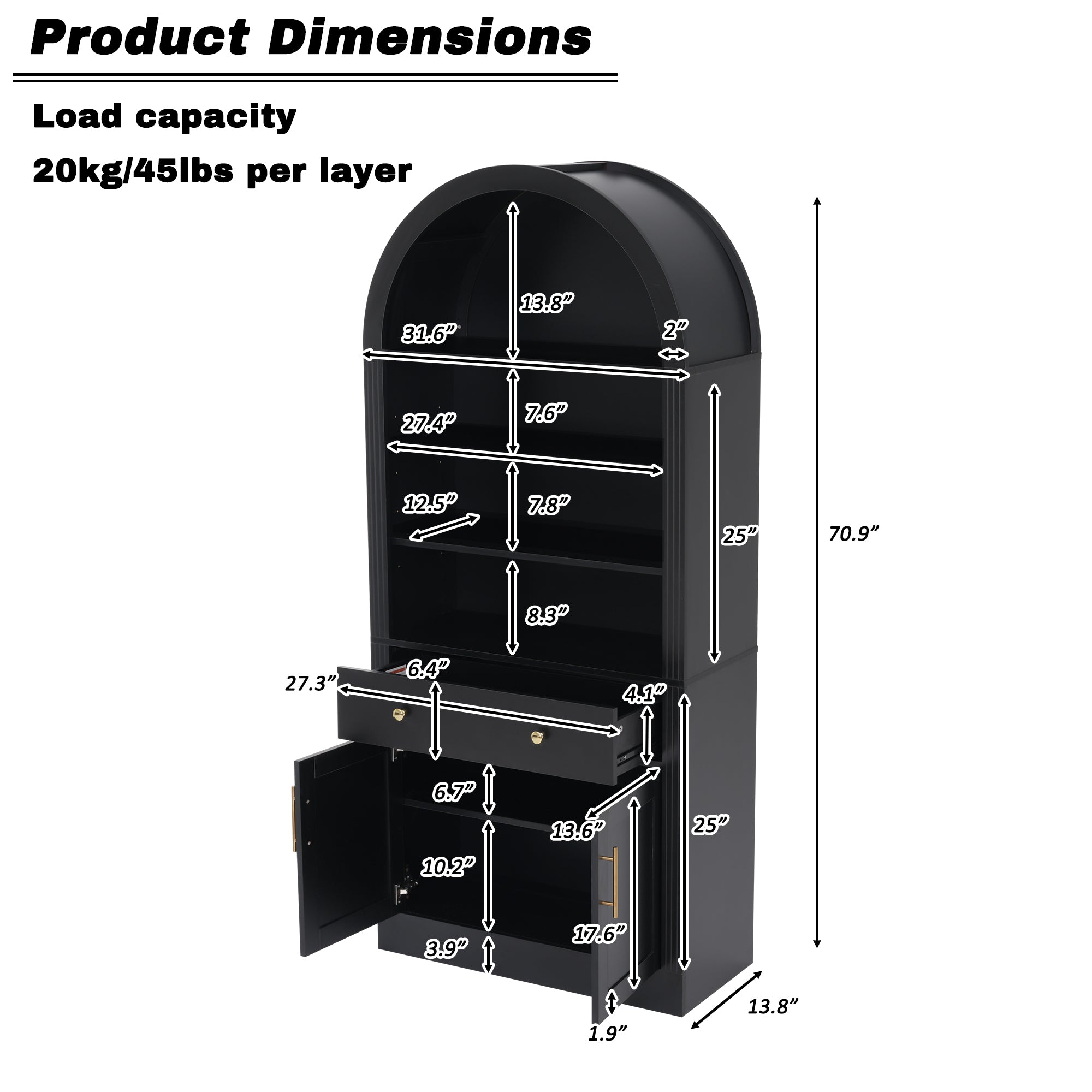
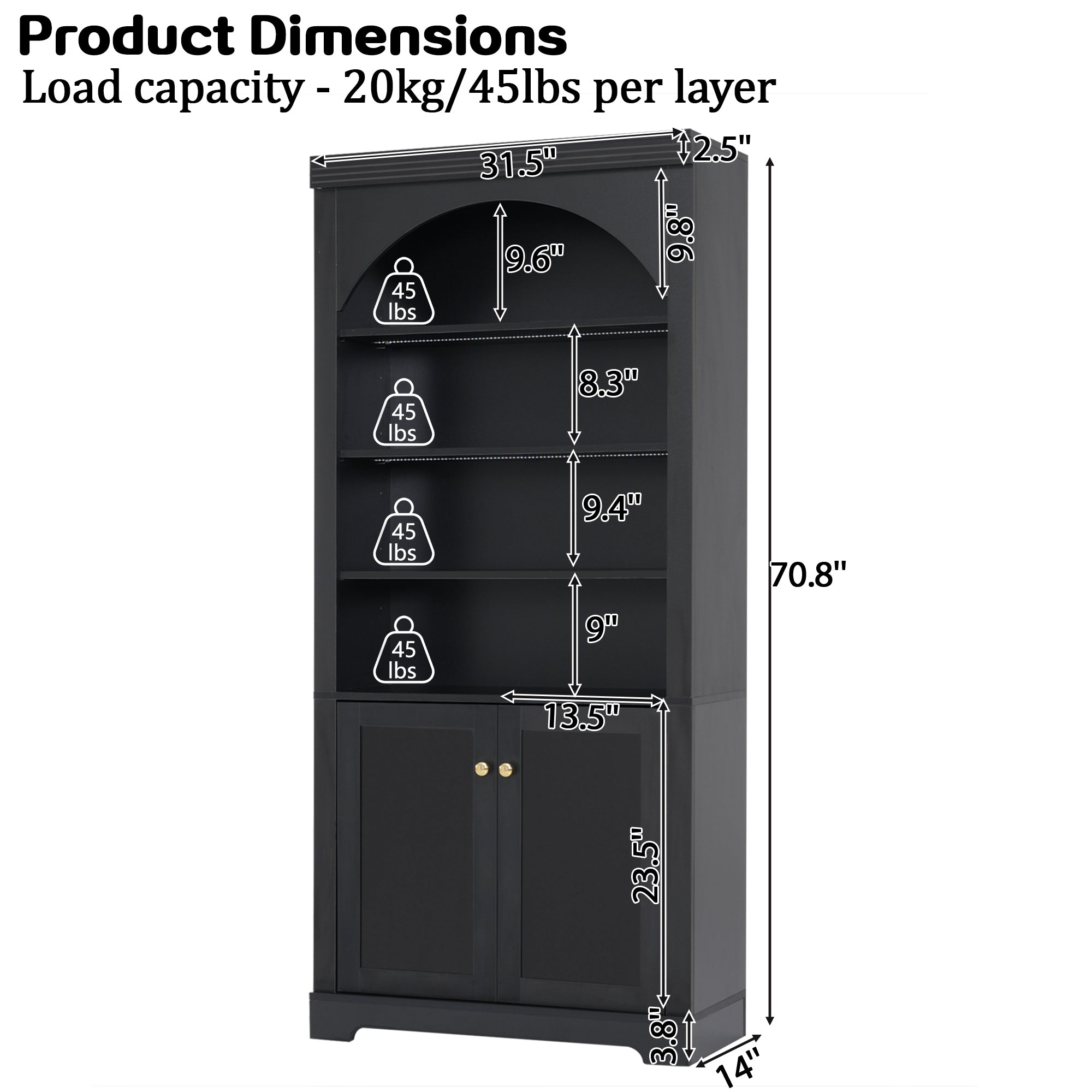
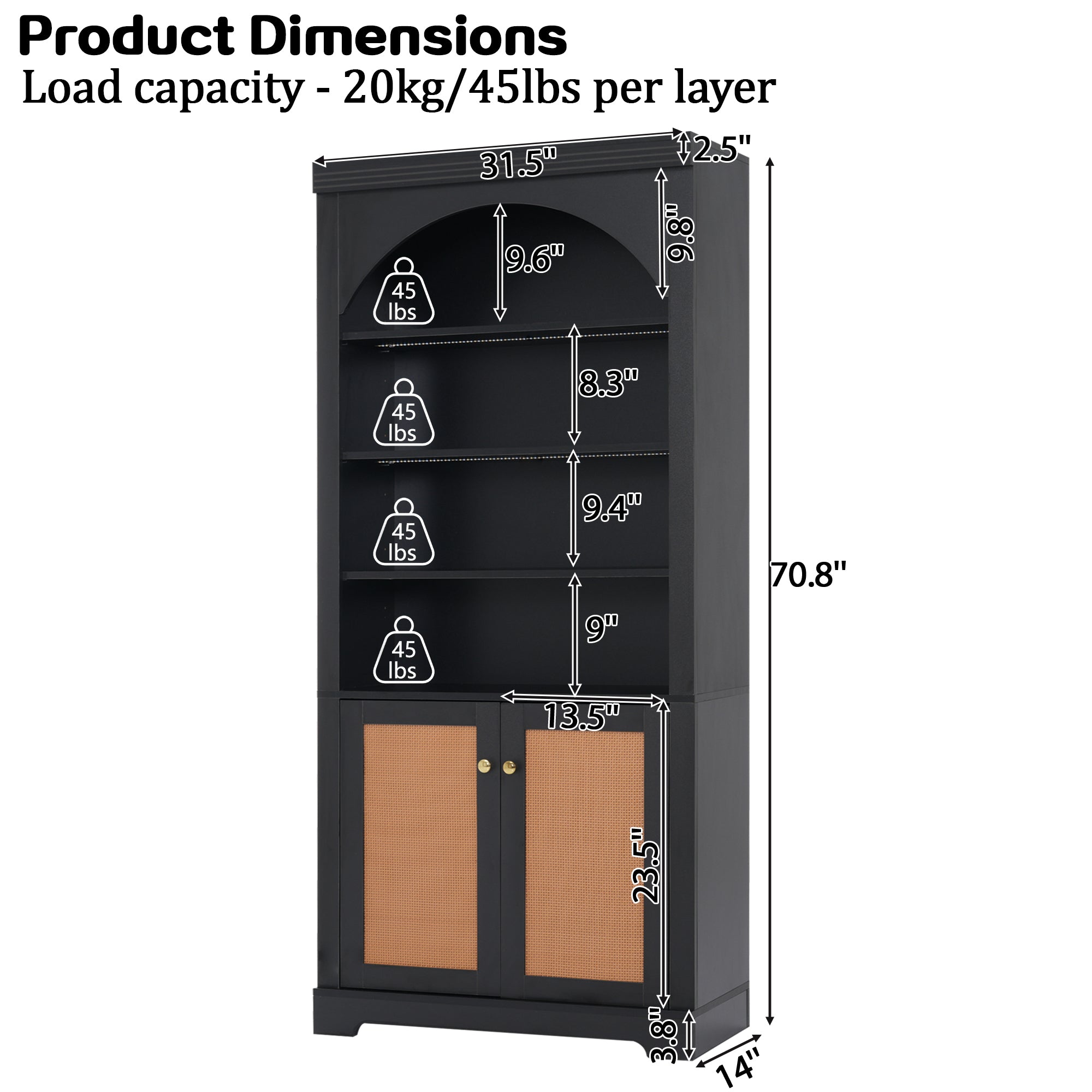
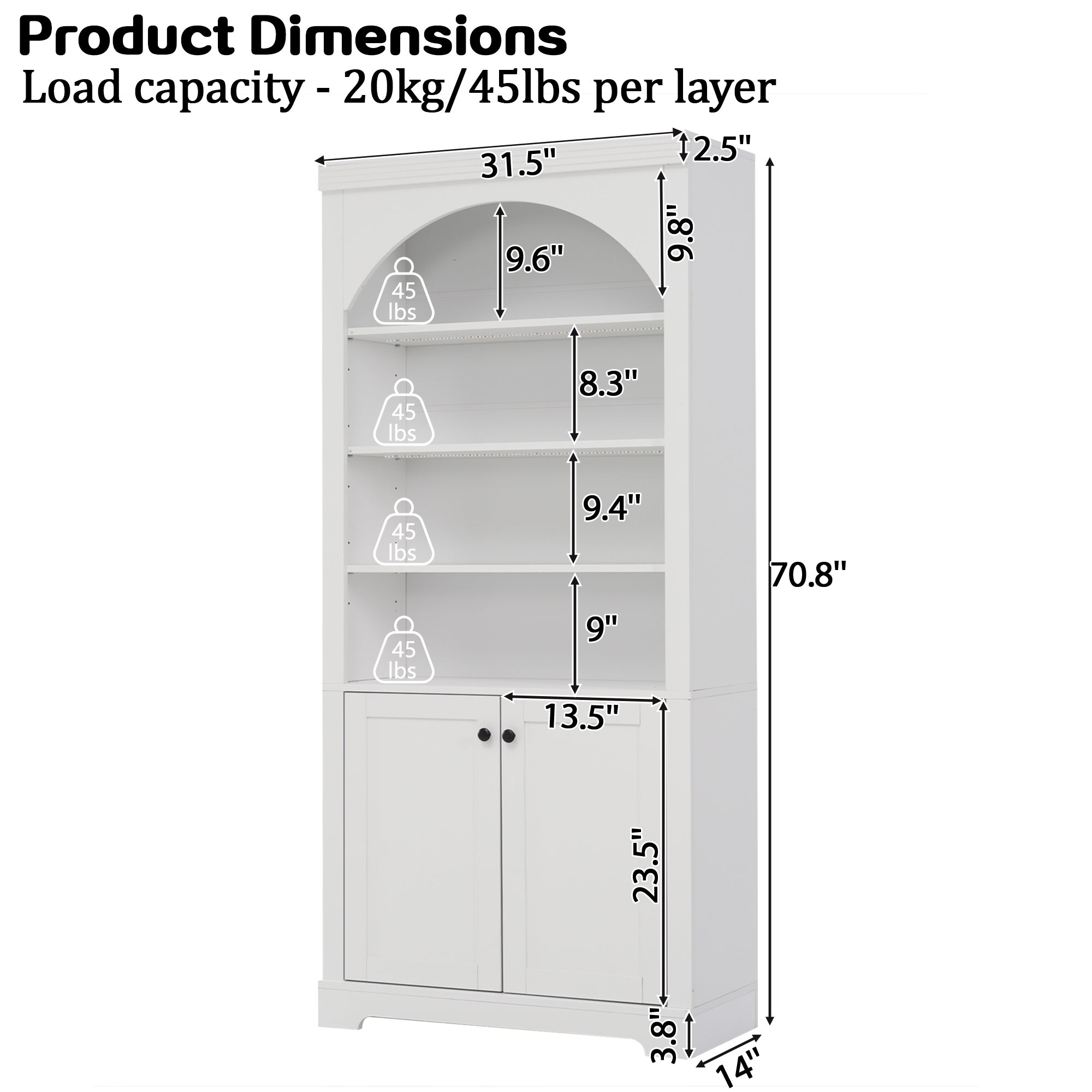
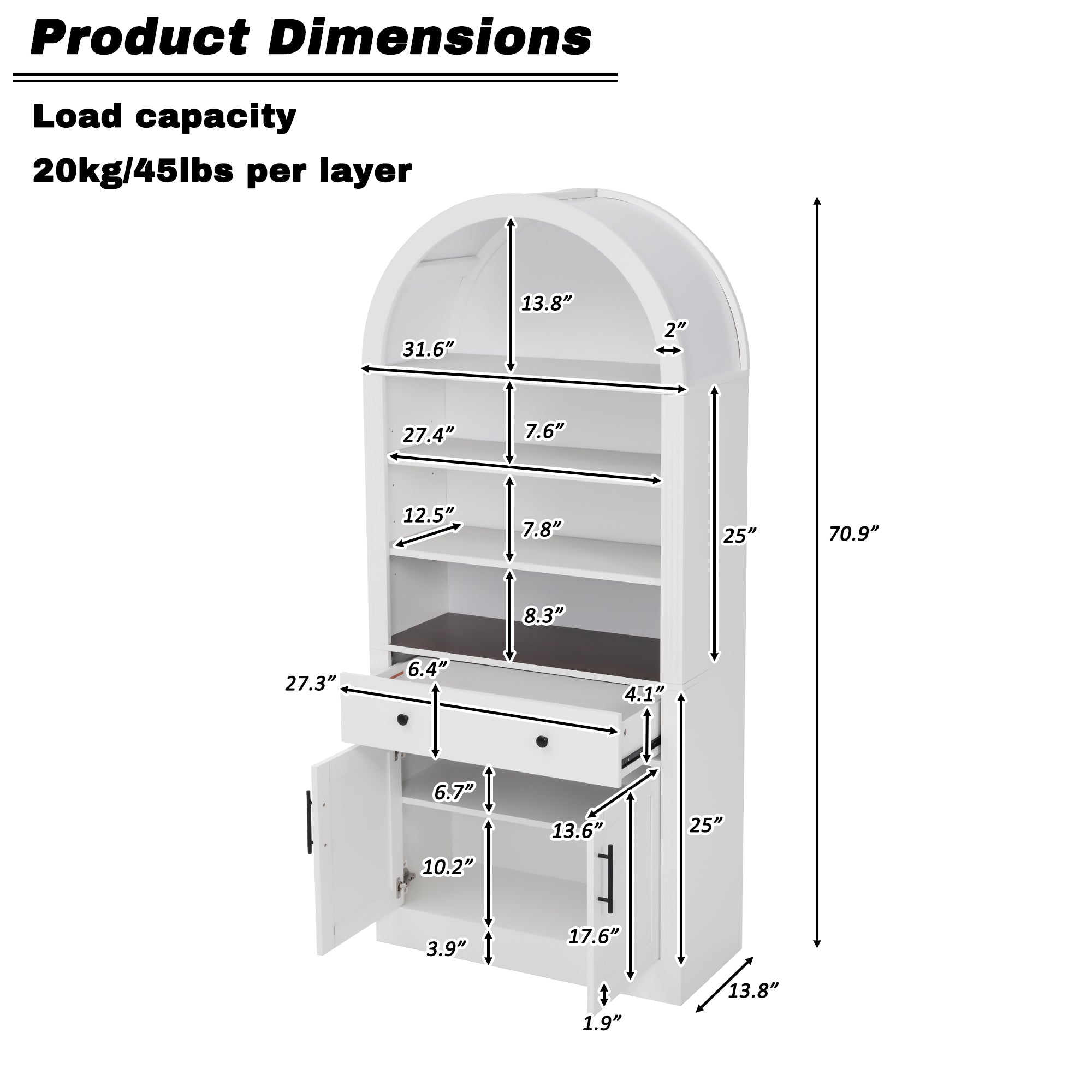
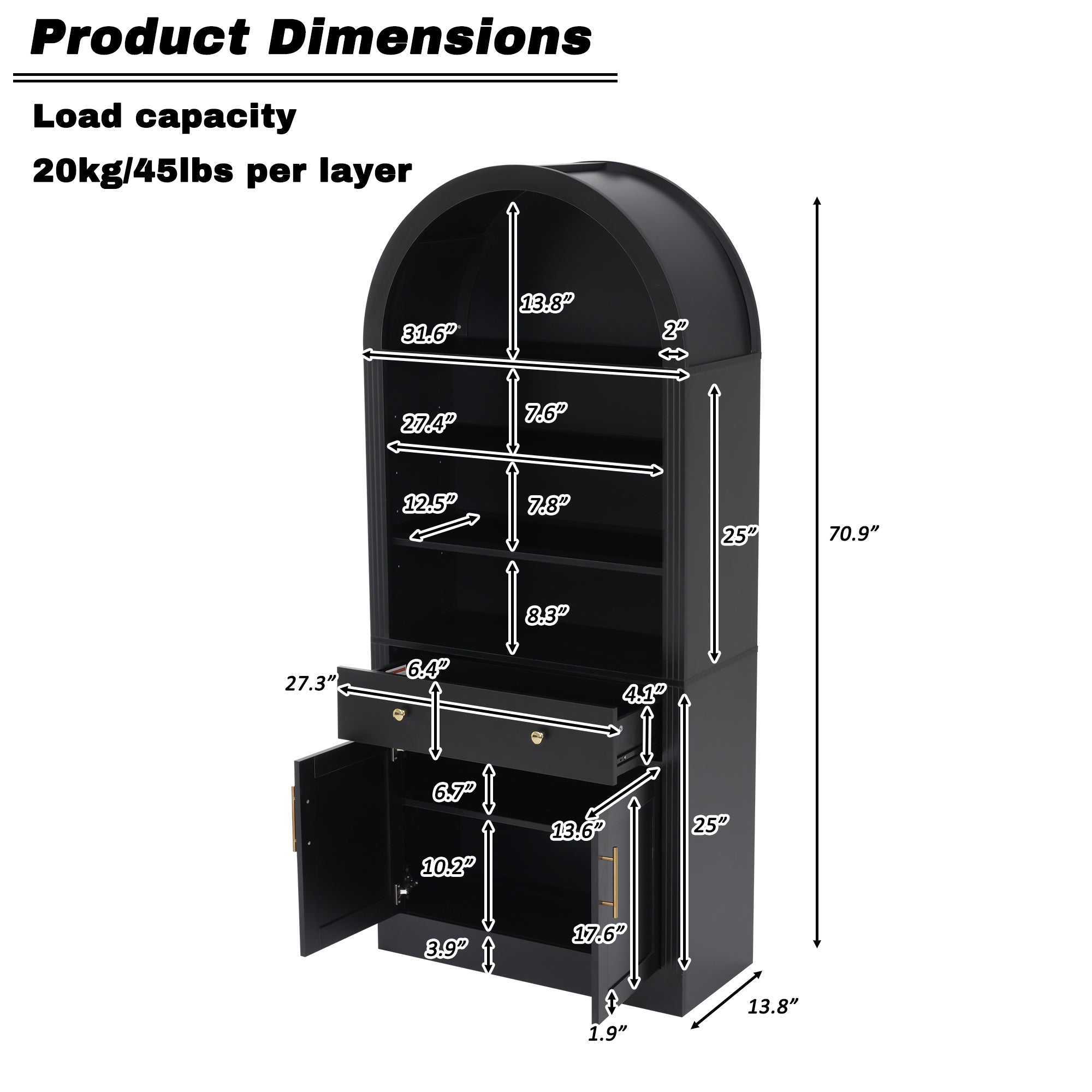
Bookcases with doors here run from 30.1 to 83.4 inches tall and from 9.5 to 74.1 inches wide, with depths from 9.5 to about 46 inches. Height is the decision that changes the room: a case under 40 inches sits below a window line and reads as furniture, while a case over 70 inches draws the eye up. Depth decides where the case can go at all, and a door needs clearance to swing, so measure the swing arc as well as the footprint.

Shelving and lighting

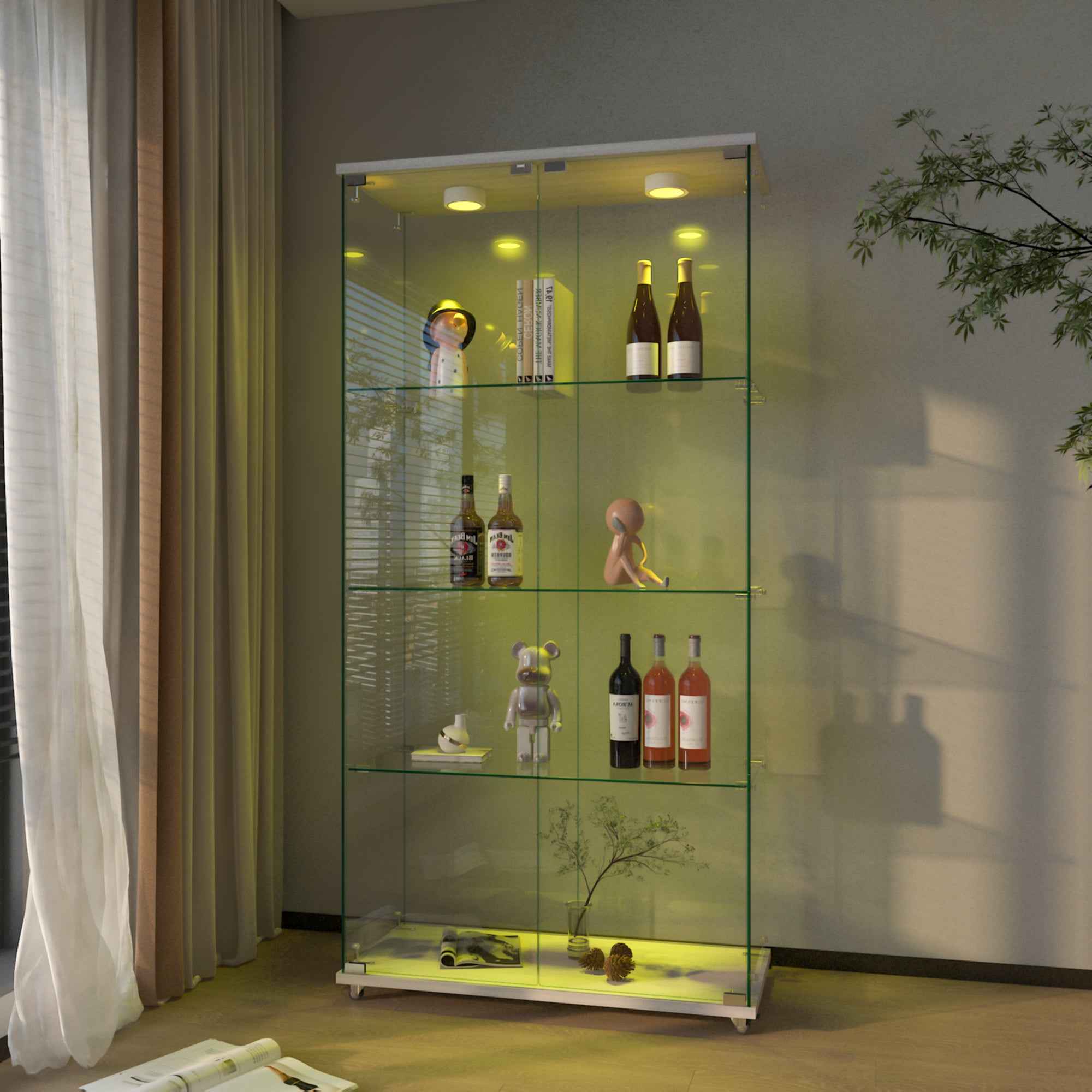
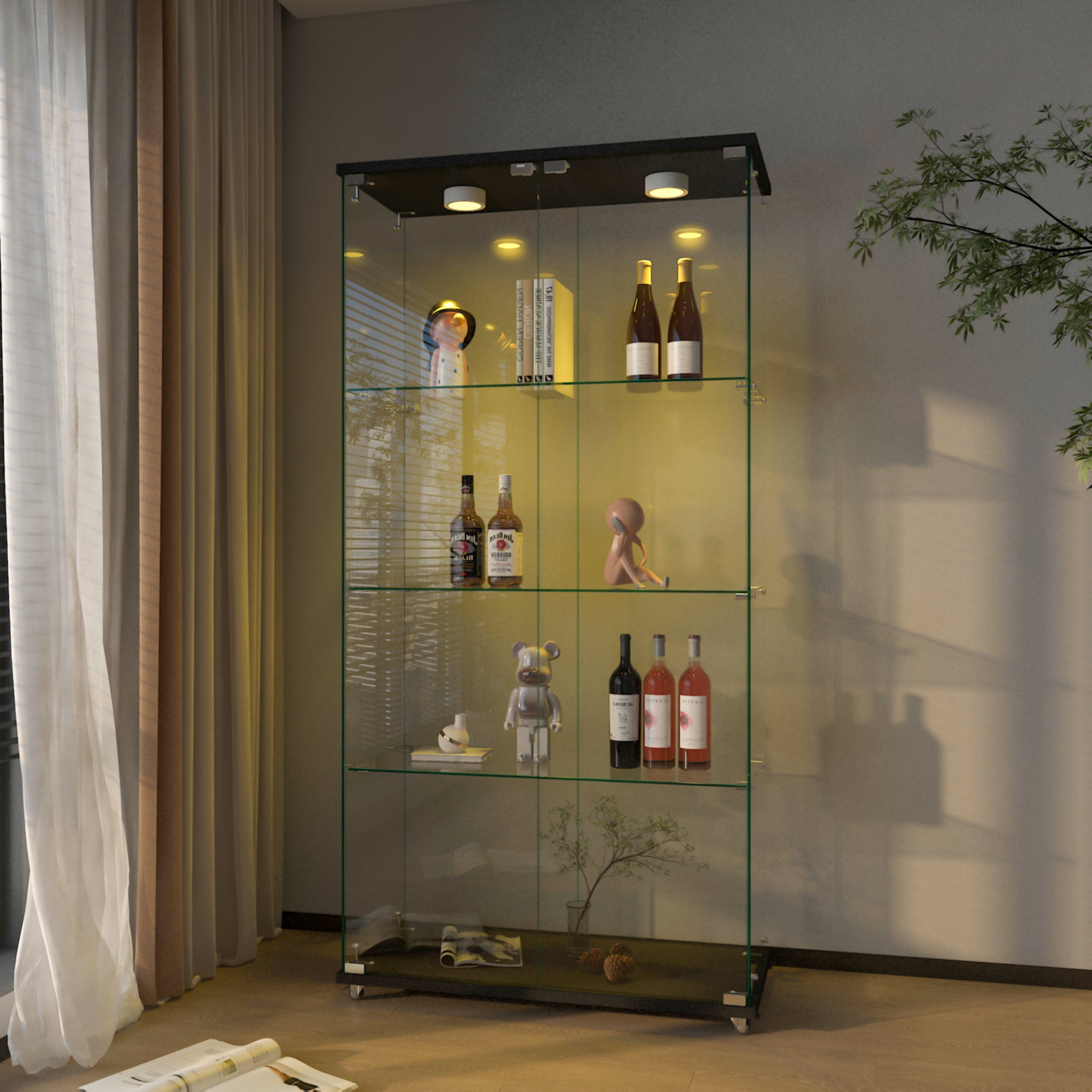
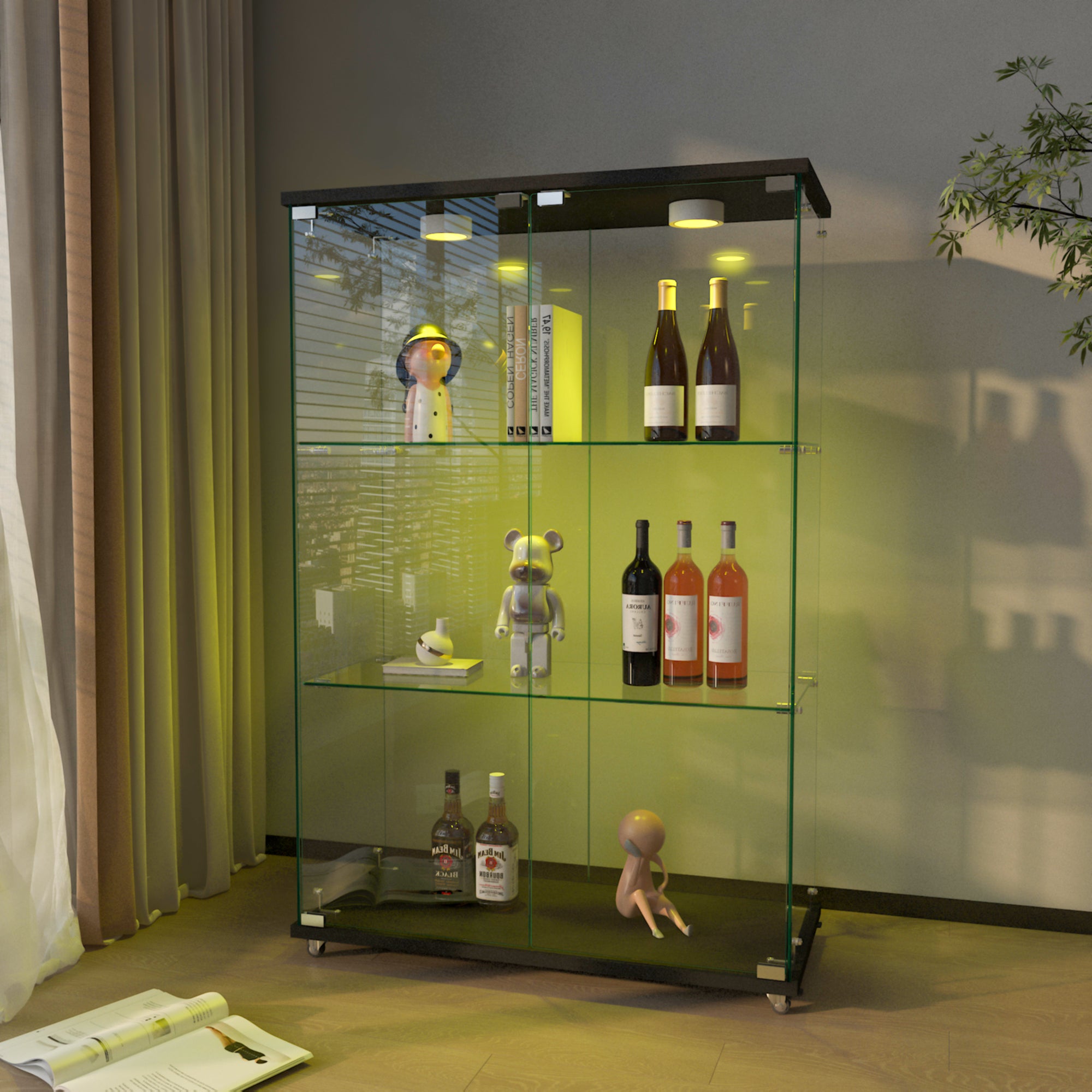
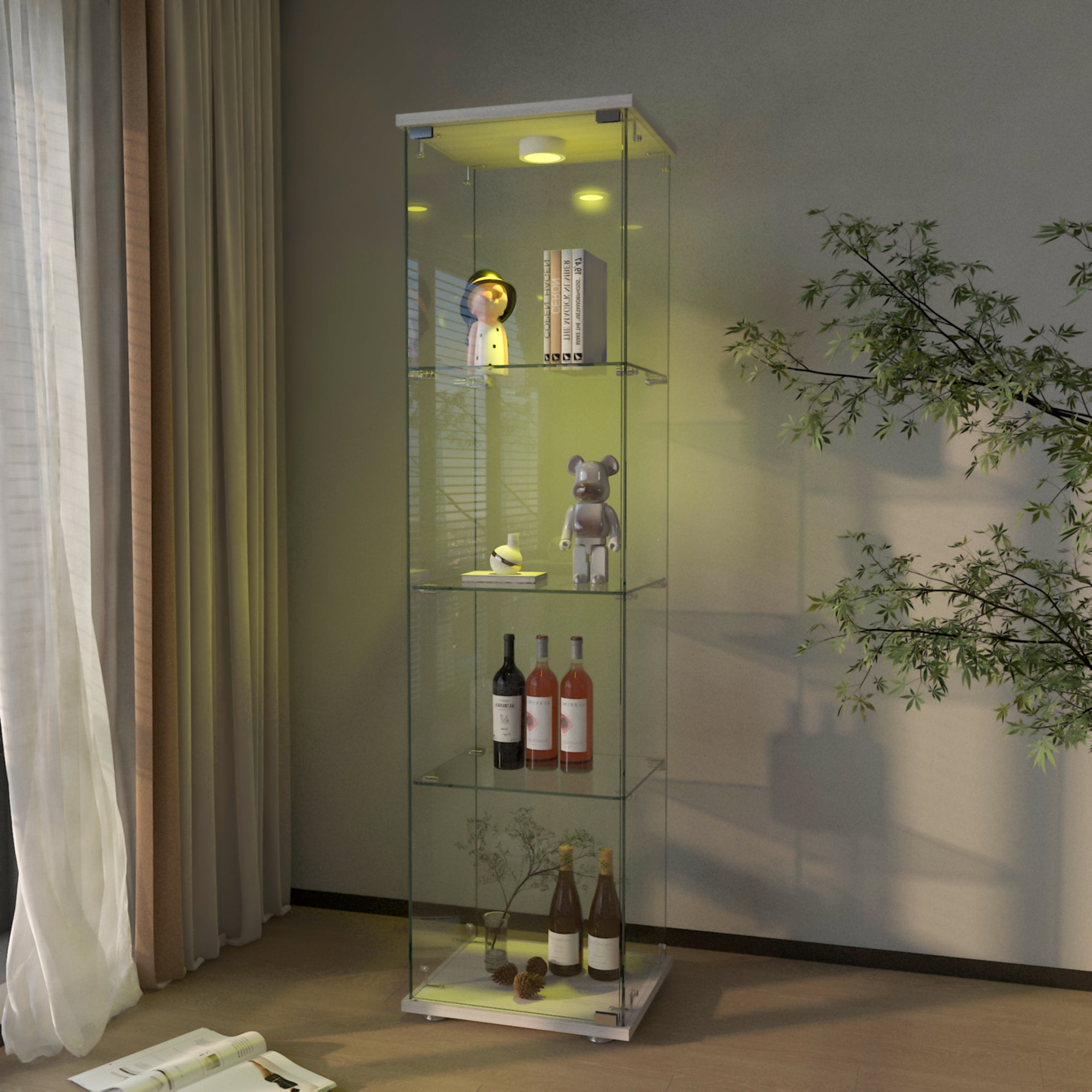
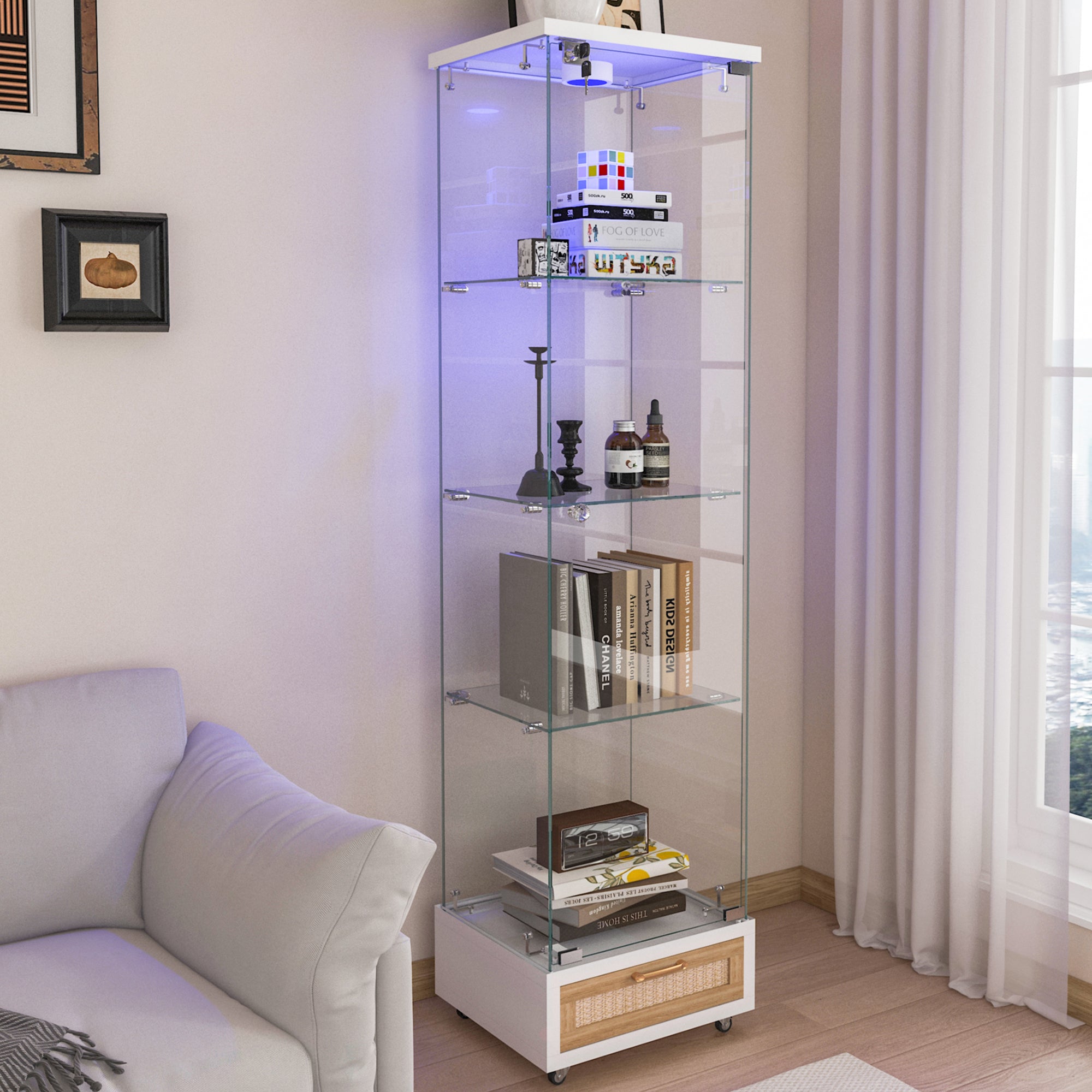
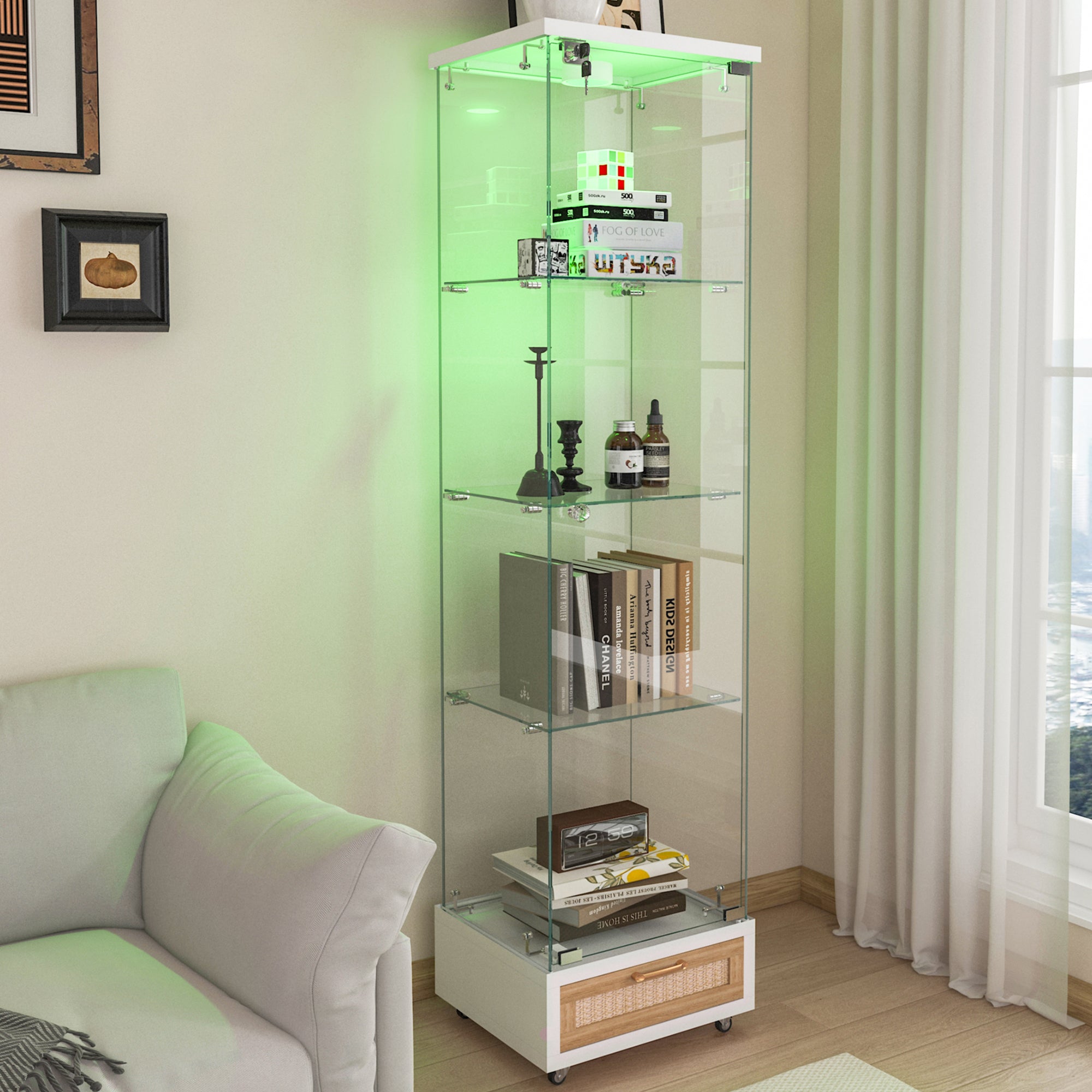
Adjustable shelves matter more behind doors than on an open case, because a fixed 12 inch bay will not take a large-format book upright and you cannot see the problem until the door is open. Several cases in this range have shelves that reposition. A number also carry integrated LED lighting, which is what makes a glass-door case work as a display at night rather than a dark box, and those listings state how the lighting is powered and switched.

Anchoring and construction

A loaded bookcase is top-heavy and a door adds weight to the front, so anchoring to a wall stud is what stops it tipping. Several cases here include anti-tip hardware, and each listing says when hardware is supplied. Most cases in this range are built from engineered board panels with a wood-look surface, and a number use tempered glass in the door fronts. Construction is stated plainly on every product page next to the dimensions.

Storage cabinets with doors, and where the line falls

A bookcase with doors and a storage cabinet with doors are largely the same object approached from two directions, and shoppers use both phrases for it. If you are looking for a cabinet with doors to keep things out of sight rather than a case to display books, this range answers to that too, particularly the solid-door models where nothing behind the door has to look presentable. The line worth drawing is not between the two names but between shelf spacing: a case built around book heights has closer bays than a cabinet built around boxes and equipment, and adjustable shelves make that difference disappear. Where you want a taller, more utilitarian cabinet in steel or a full-height unit, the tall storage range is the better starting point.

Specifications

Doors included
Yes
Height range
30.1 to 83.4 in
Width range
9.5 to 74.1 in
Depth range
9.5 to 45.9 in
Door types
Glass, Solid
Features available
Adjustable shelves, LED lighting, Anti-tip hardware, Drawers, Arched top
Delivery window
5 to 7 days
Free shipping
Free

Good to know

Frequently asked questions

How to adjust cabinet doors with 2 screws
Most concealed hinges adjust on two screws. The rear screw moves the door in and out to set how it sits against the carcass, and the front screw moves it side to side to even the gap against the neighbouring door. Loosen slightly rather than fully, move the door a fraction, then retighten and close it to check before going further. Adjust one door until it is right, then match the second to it rather than working on both at once.
How to anchor bookshelf to wall
A bookcase anchors by fixing a bracket or strap from its top rail into a wall stud, not into drywall alone. Many bookcases at Two Seventy Nine include anti-tip hardware in the box, and the listing says when it does. Anchor before loading the shelves, and anchor a case with doors first, since the doors add weight to the front and shift the balance forward.
How to secure bookshelf to wall
Secure a bookcase with the anti-tip bracket supplied with it, driven into a wall stud rather than into plasterboard. Locate the stud, fix the wall side first, then attach the case side to the top rail. On a case with doors, secure it before hanging anything on the doors themselves, because a swinging loaded door moves the centre of gravity outside the footprint.
How to organize a bookshelf
Put the heaviest books on the lowest shelves, which keeps the centre of gravity low and stays inside the shelf capacity. Behind doors, group by how often you need each thing rather than by appearance, since nothing has to look presentable. Set adjustable shelf spacing to the tallest item in each group before loading, not after, because a closed door hides the problem.
What is the standard depth of a bookshelf?
Most bookcases are 10 to 13 inches deep, which takes a standard hardback with room to spare. Bookcases with doors in this range run from about 9.5 inches to considerably deeper on the larger cases. With doors, remember to allow for the swing as well as the depth, since a door needs clear space in front of the case to open fully.
How to style a bookshelf like a designer
On a glass-door case, treat the lit or visible shelves as the display and put the reference material behind solid doors below. Alternate horizontal stacks with vertical runs, pull everything forward to a consistent line at the shelf edge, and leave roughly a third of each visible shelf empty. Objects read better in odd numbers than even ones.