




















Are floor mirrors safe?
Only when they are anchored, and anchoring is the whole answer. A leaning mirror is a heavy sheet of glass balanced at an angle, and a pulled edge or a knocked base brings it down. Every floor mirror should be strapped or bracketed to a wall stud at the top rail. With that done it is safe; without it, it is the single most dangerous object in a child's bedroom.
How do you secure a floor mirror?
Fix a strap or an L-bracket from the top of the frame into a wall stud, leaving just enough slack for the lean angle. Most floor mirrors ship with the hardware. If yours did not, a furniture anti-tip strap rated for a dresser is the right specification. Fix into a stud rather than drywall alone, because the pull is outward and downward at once.
Can a floor mirror be hung on the wall?
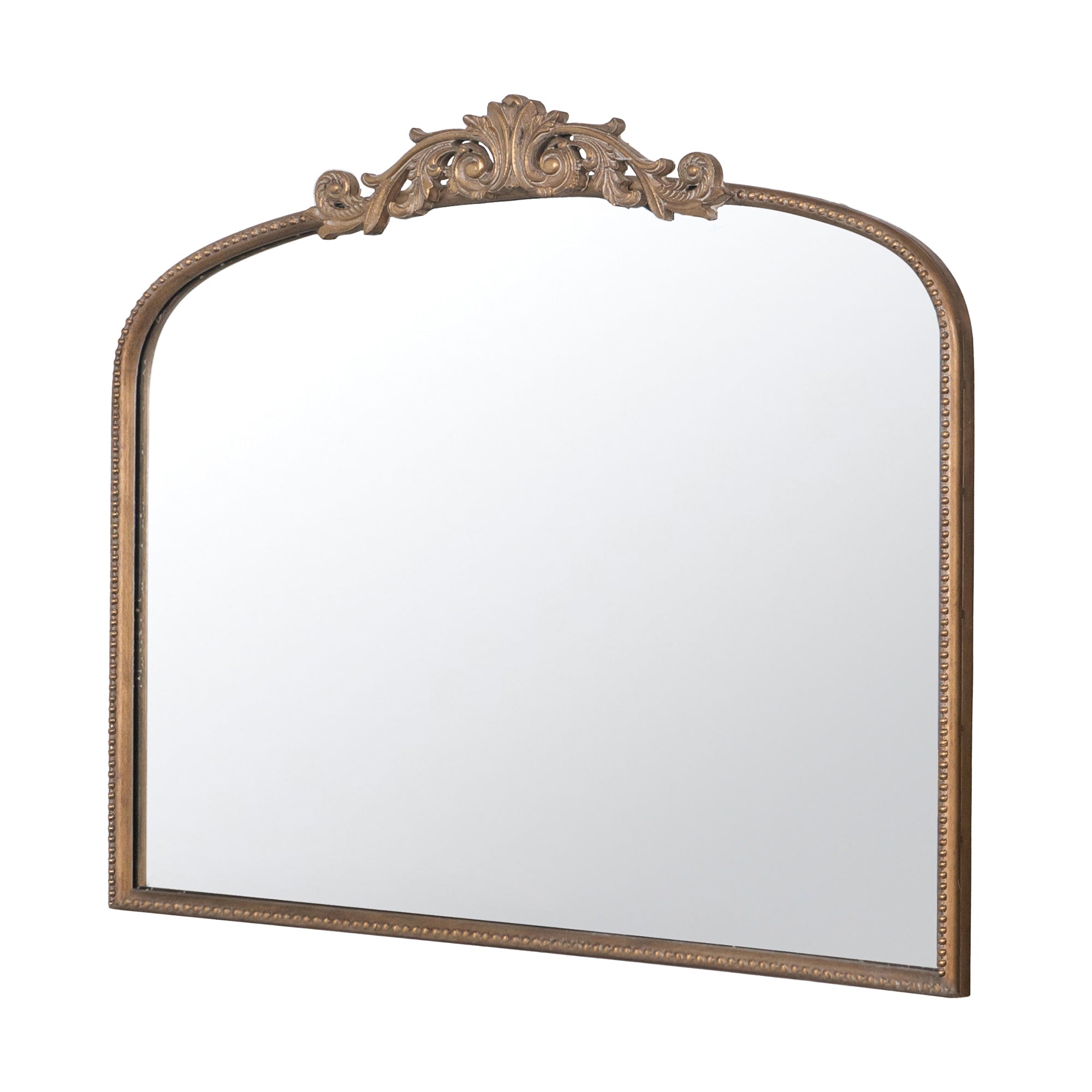
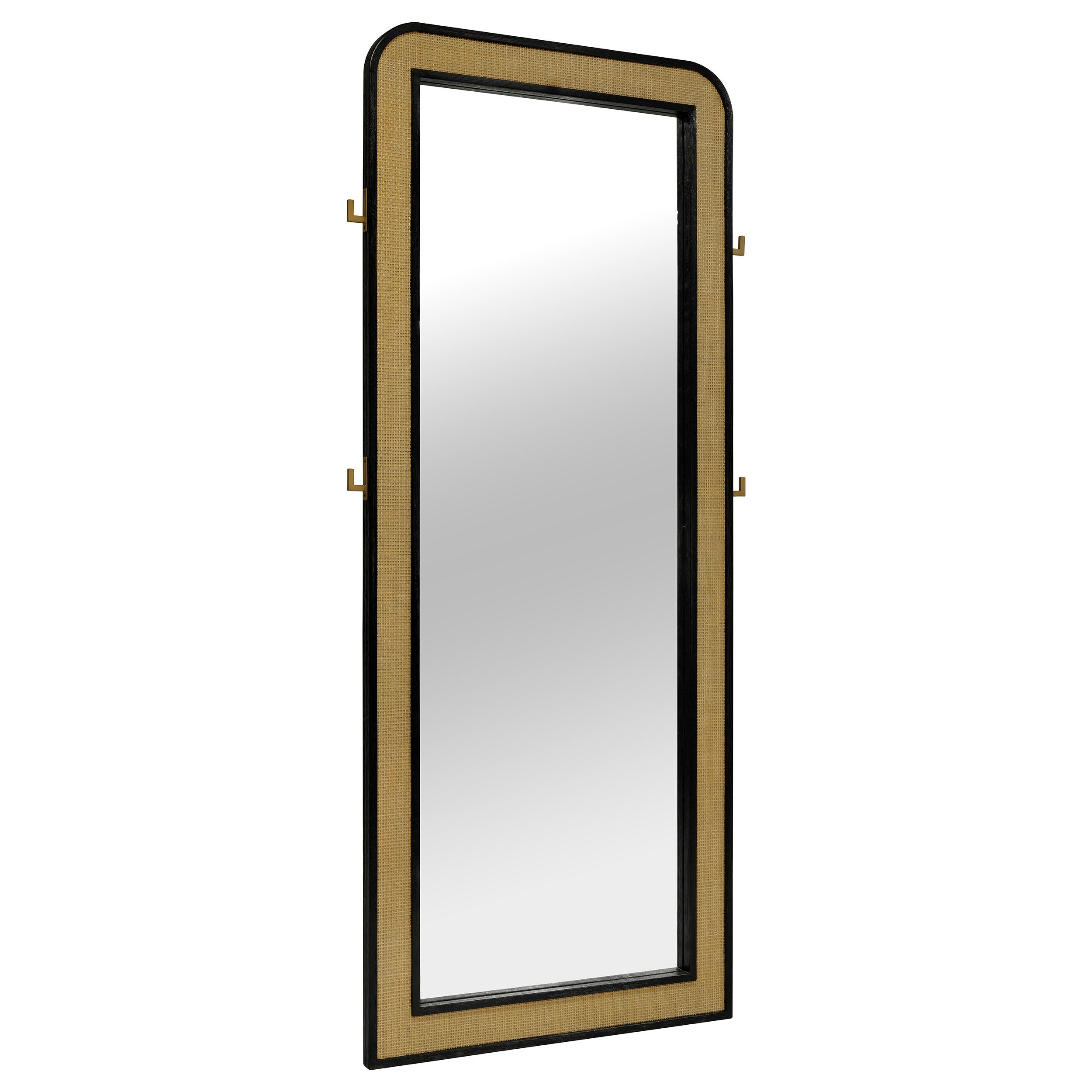
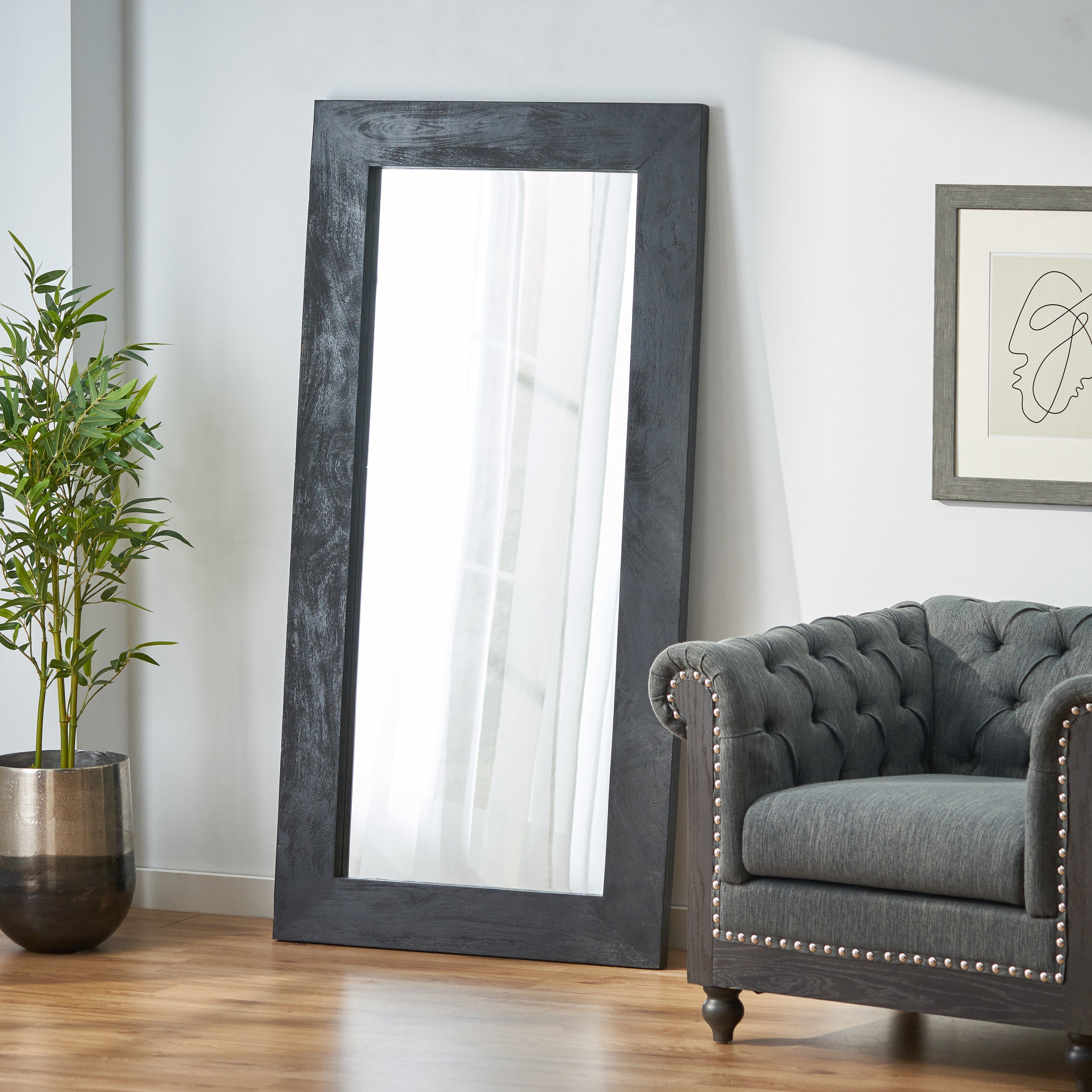
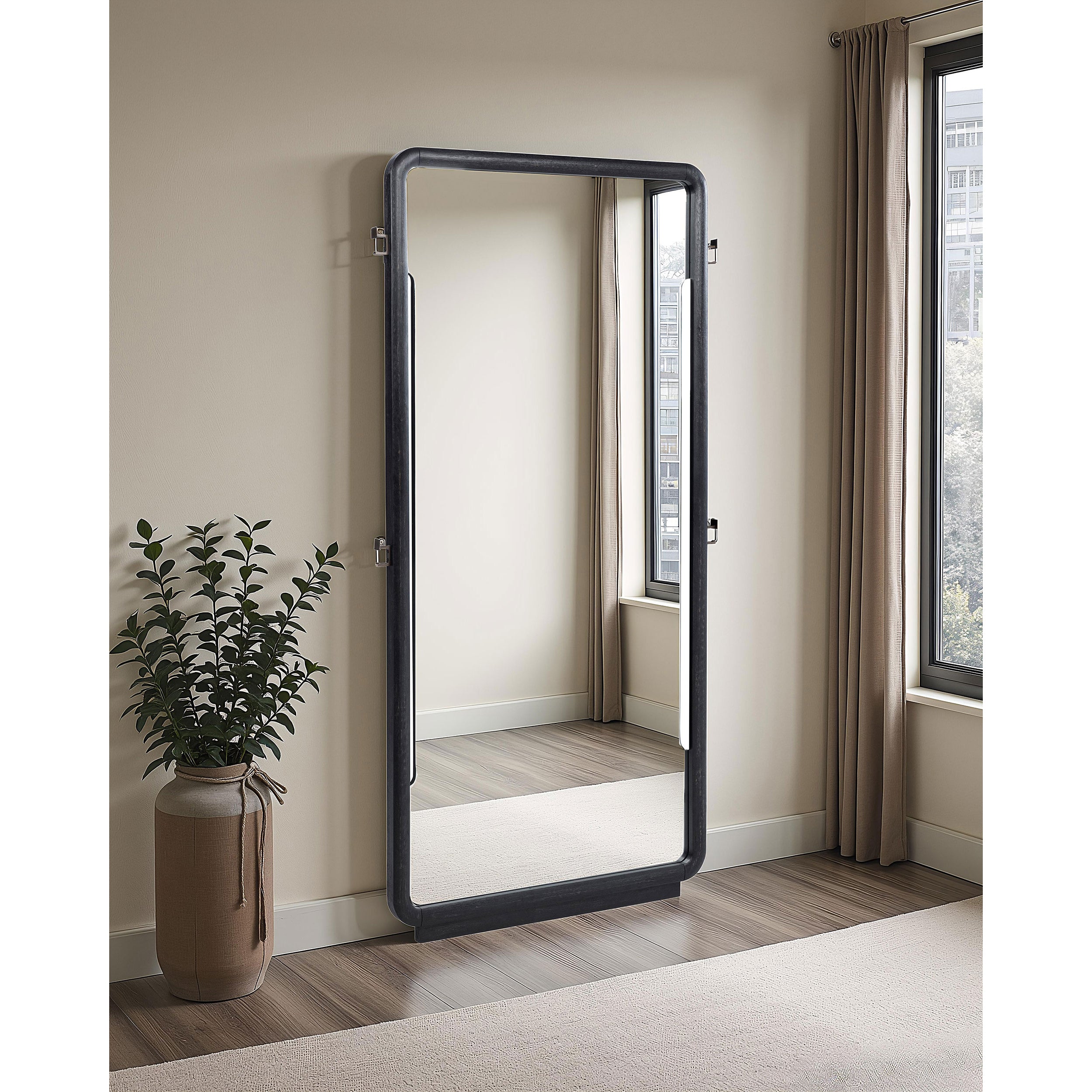
Some can and some cannot, and the listing says which. A mirror with mounting brackets or D-rings on the back is built to do both, and several pieces here are dual purpose. A mirror with only a flat base and no fixings is a leaning design: hanging it means trusting adhesive or a bracket the frame was never built to carry.
What lean angle is right?
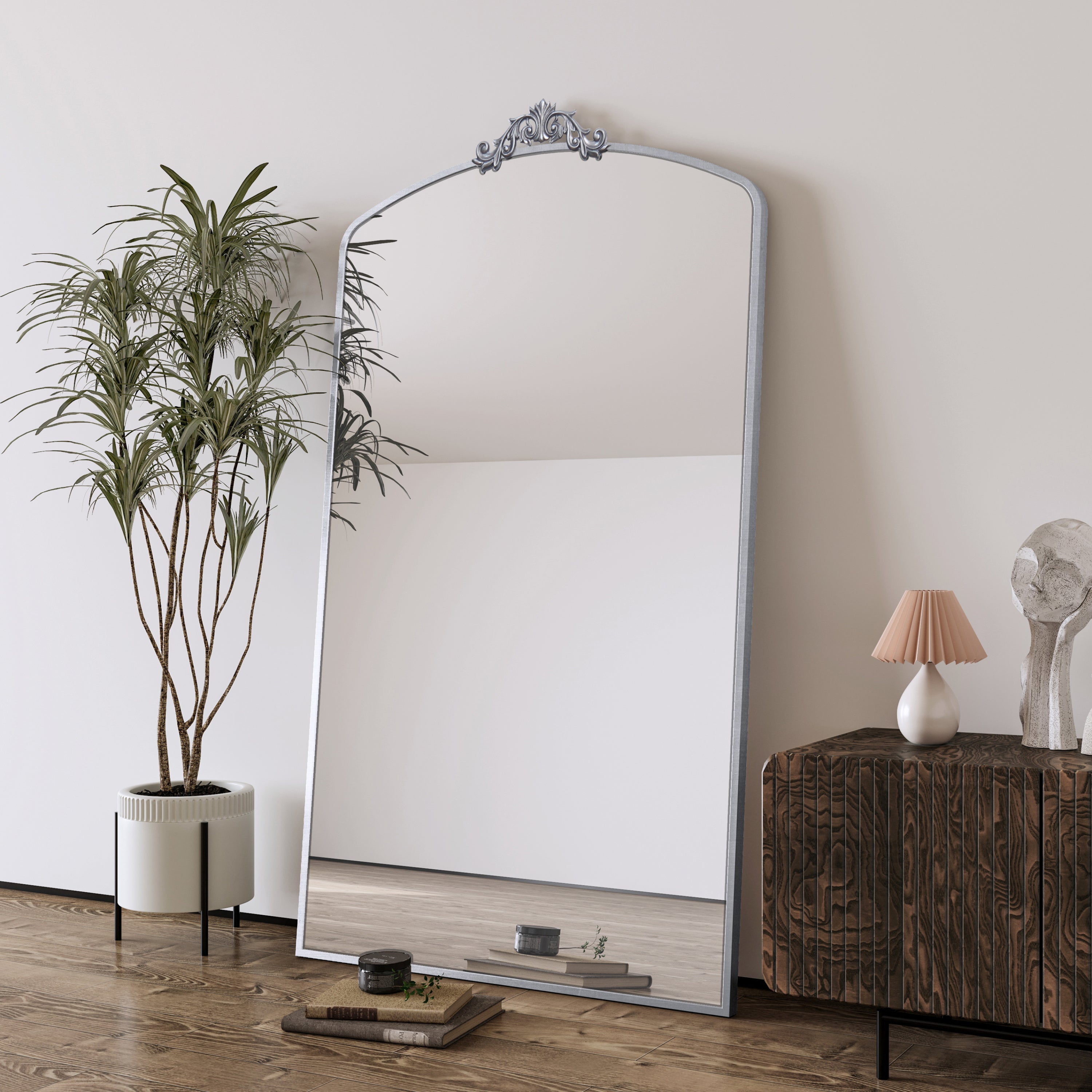
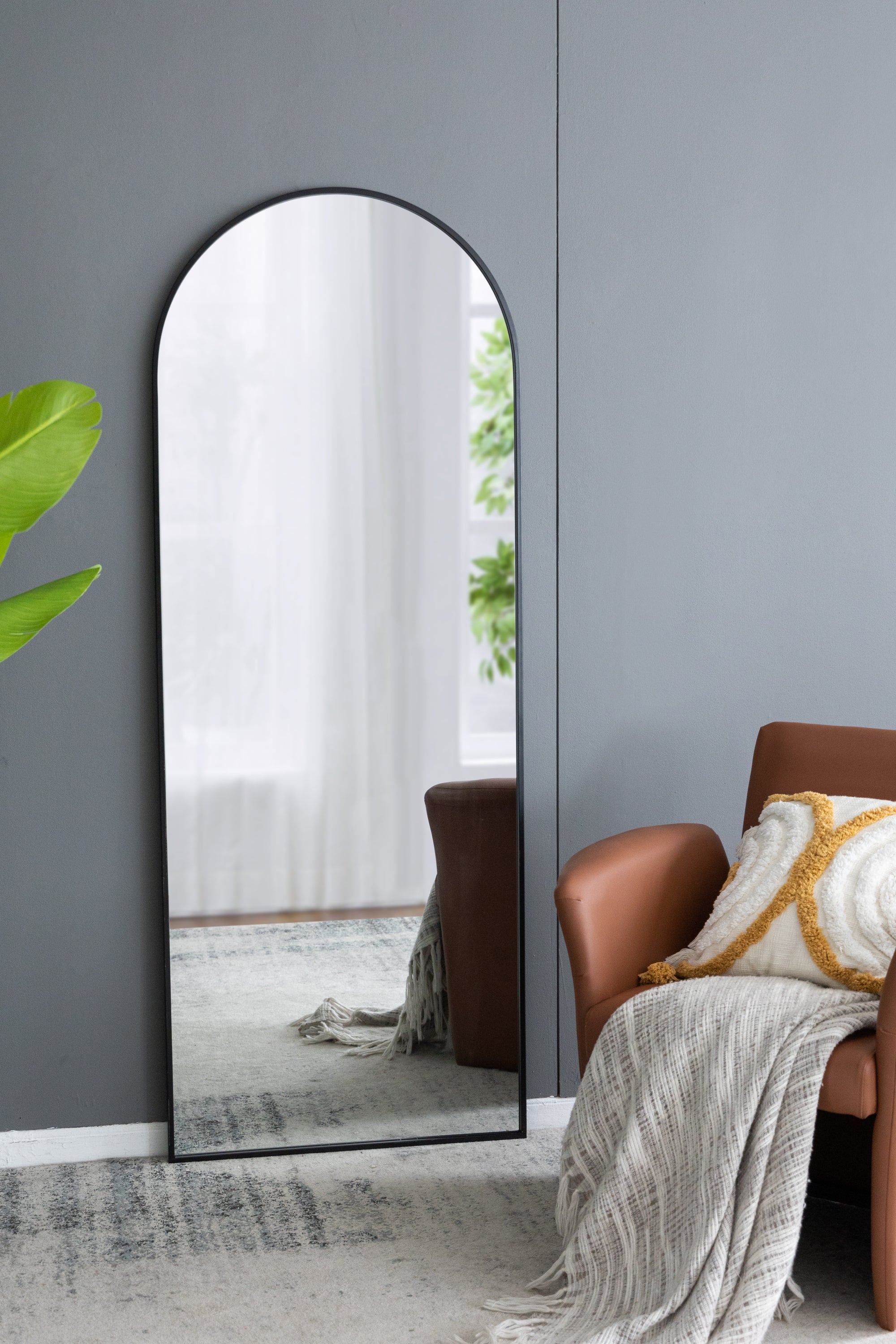
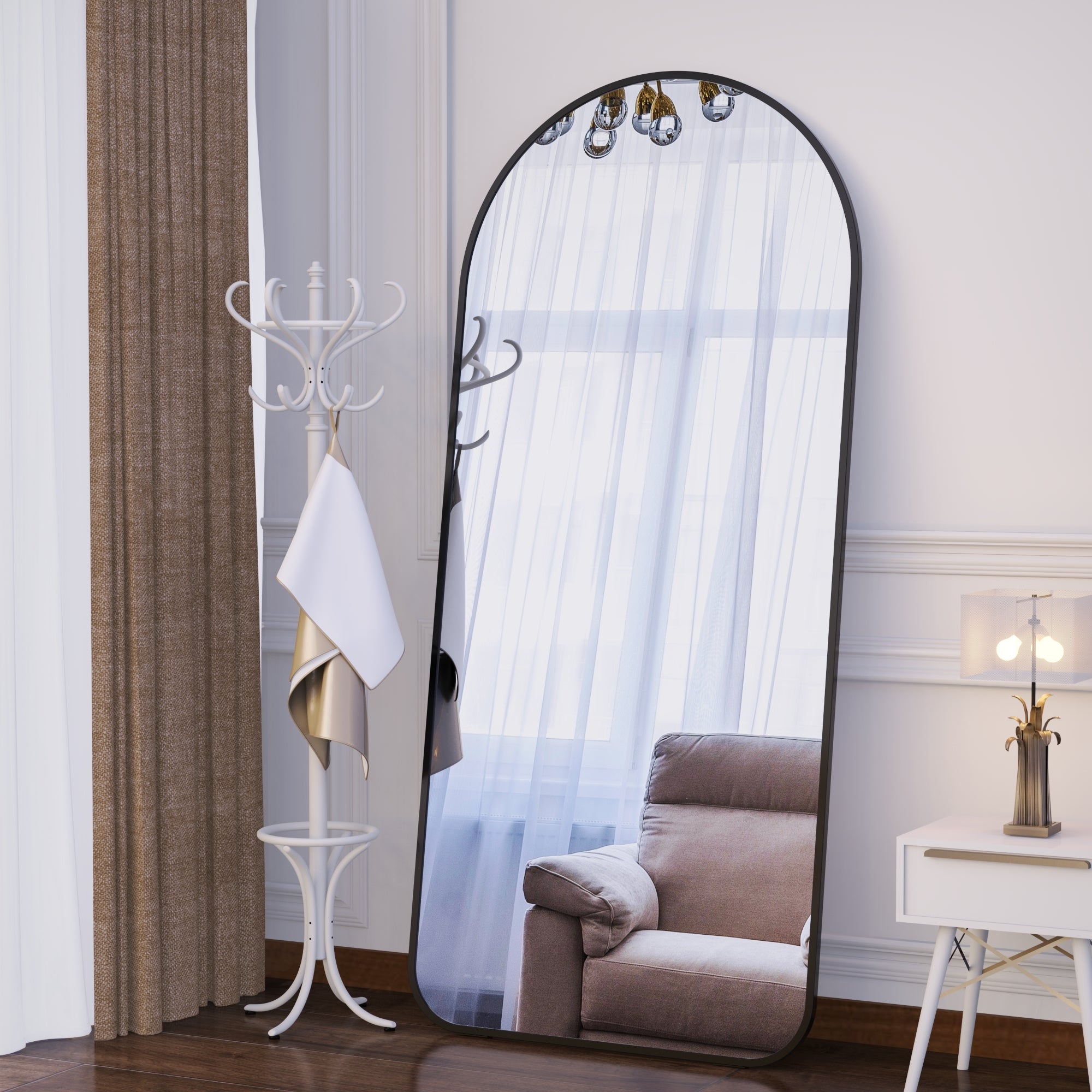
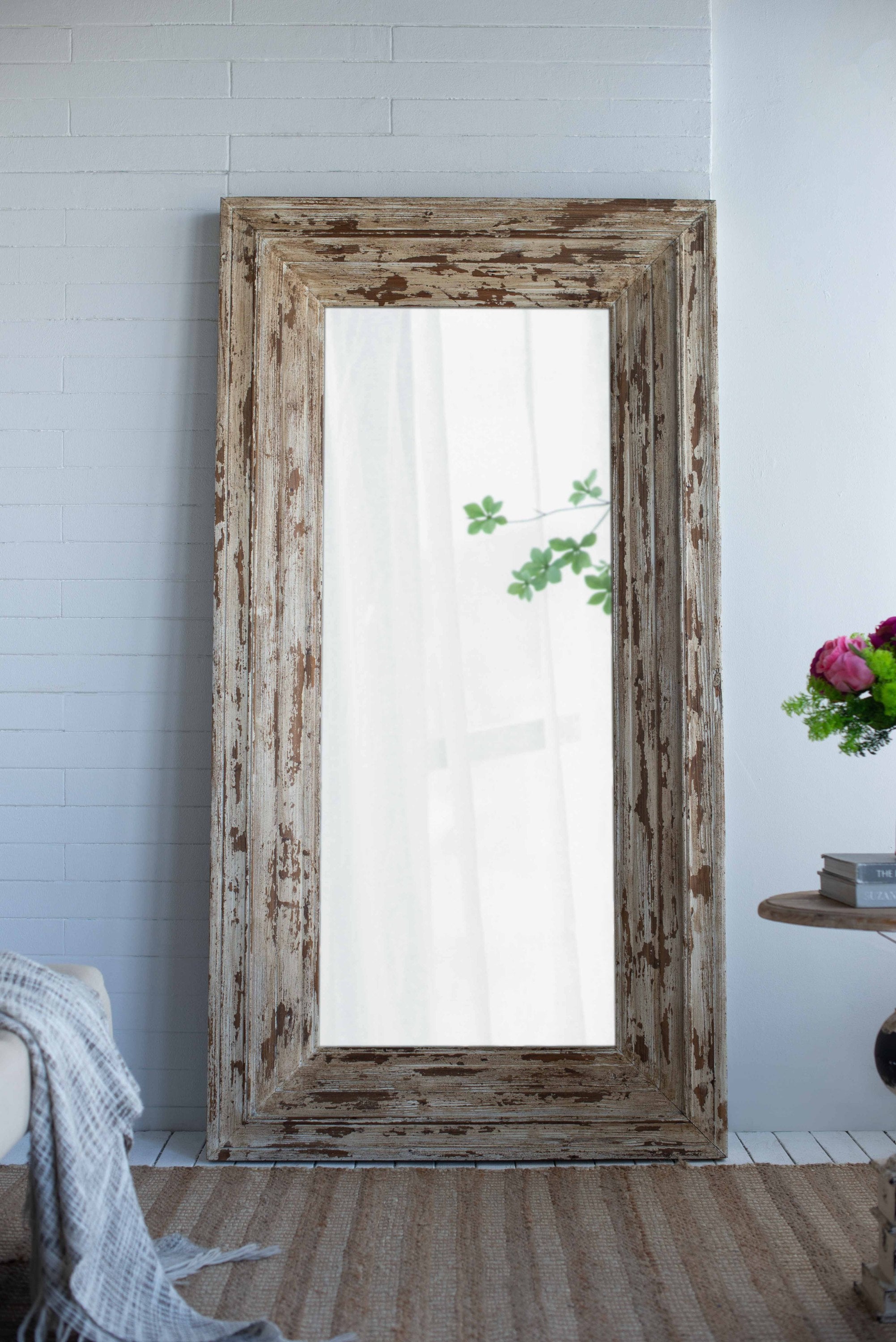
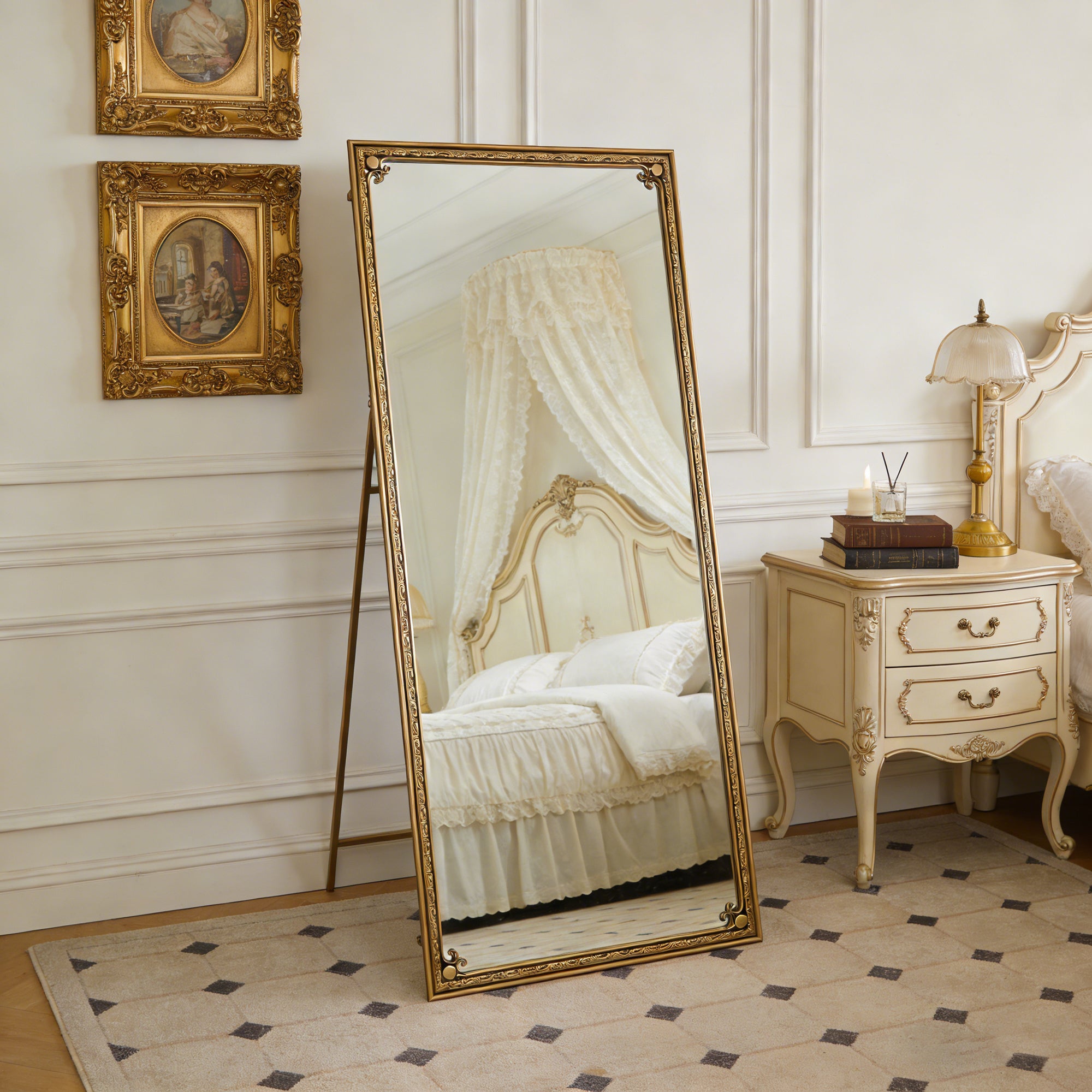
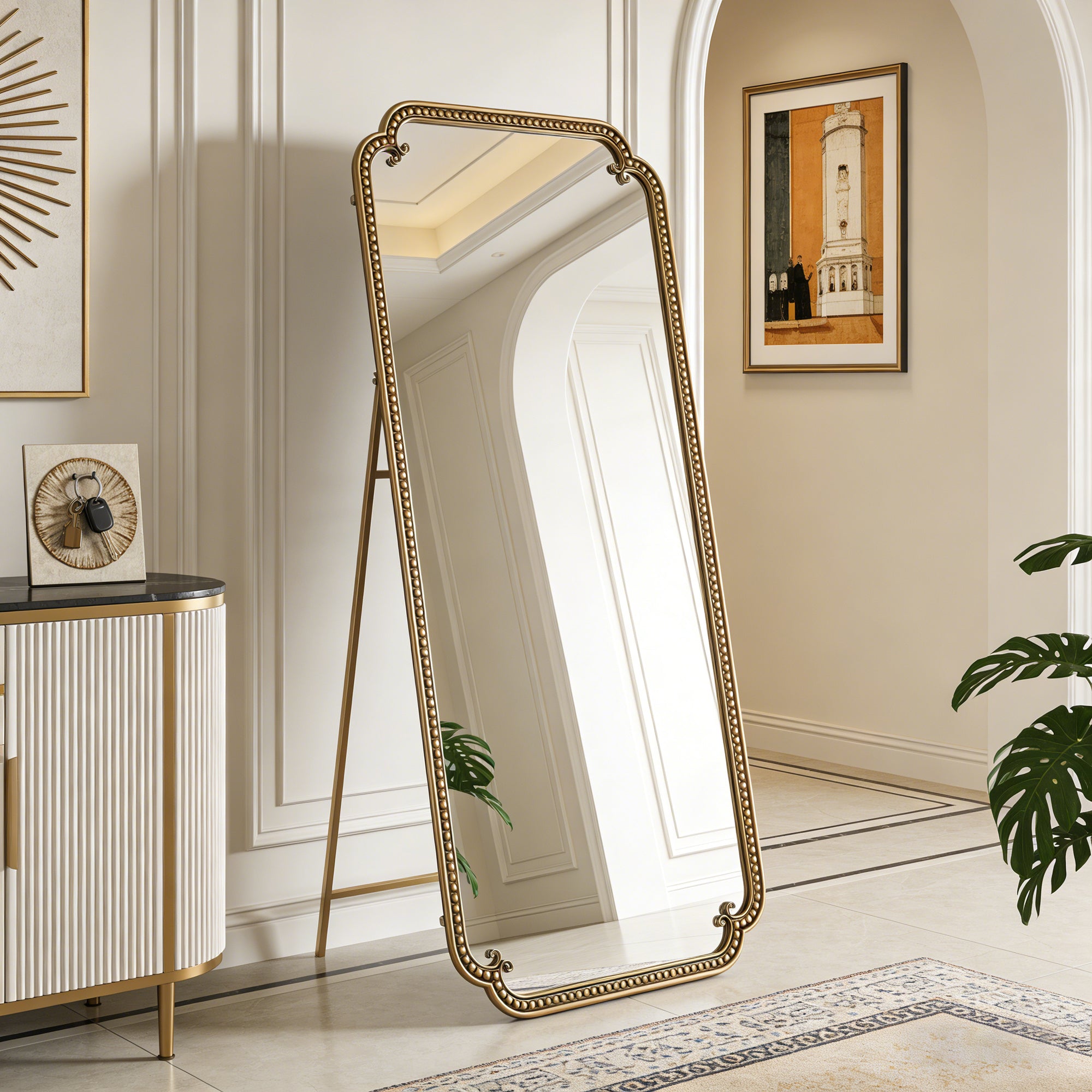
Shallow. The base should sit 3 to 6 inches out from the skirting, which gives a stable angle without the mirror looming into the room or distorting your reflection. Leaned too far forward it foreshortens what it shows and becomes much easier to knock over. On carpet, expect the base to settle slightly and re-check the strap after a week.
How do you style one in a bedroom?
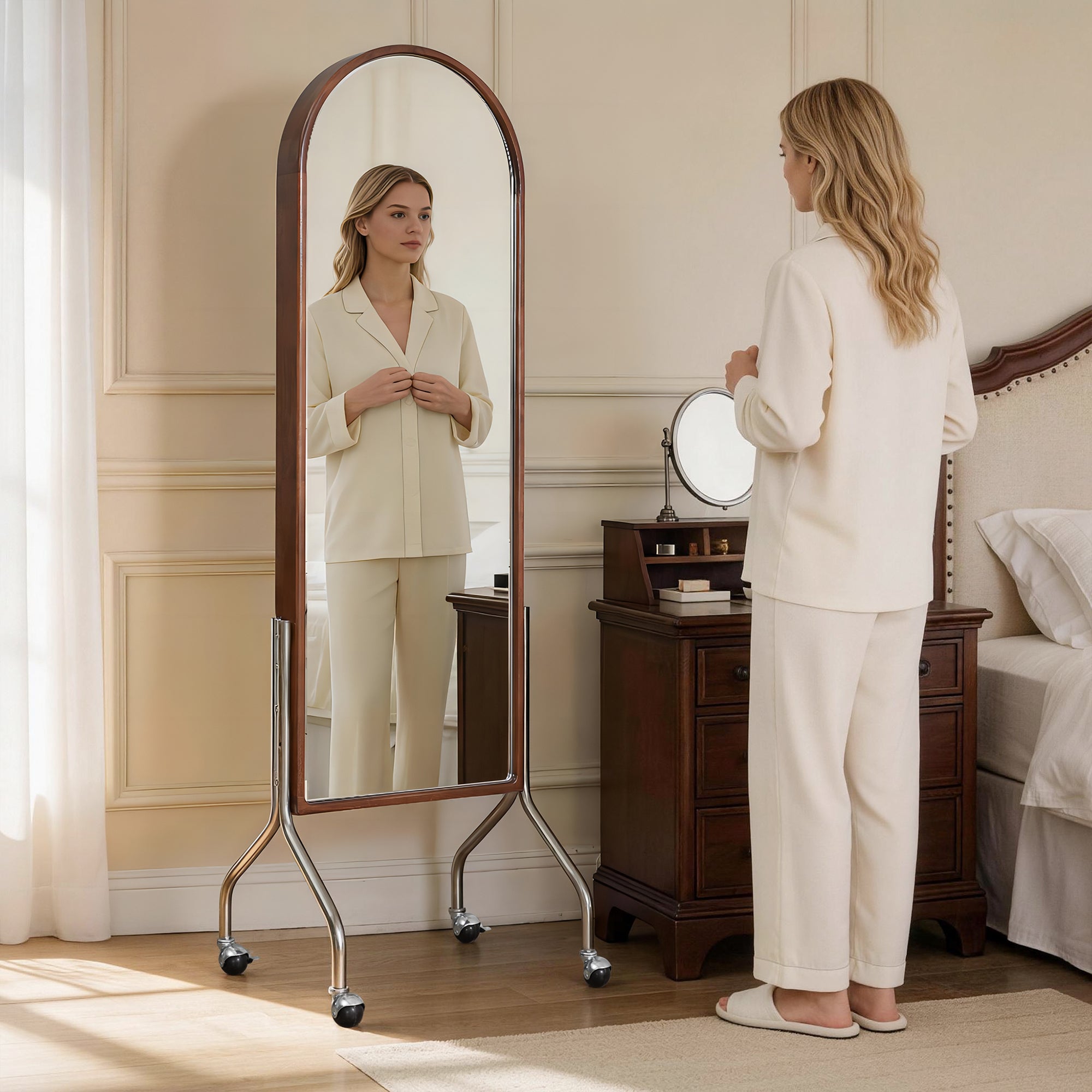
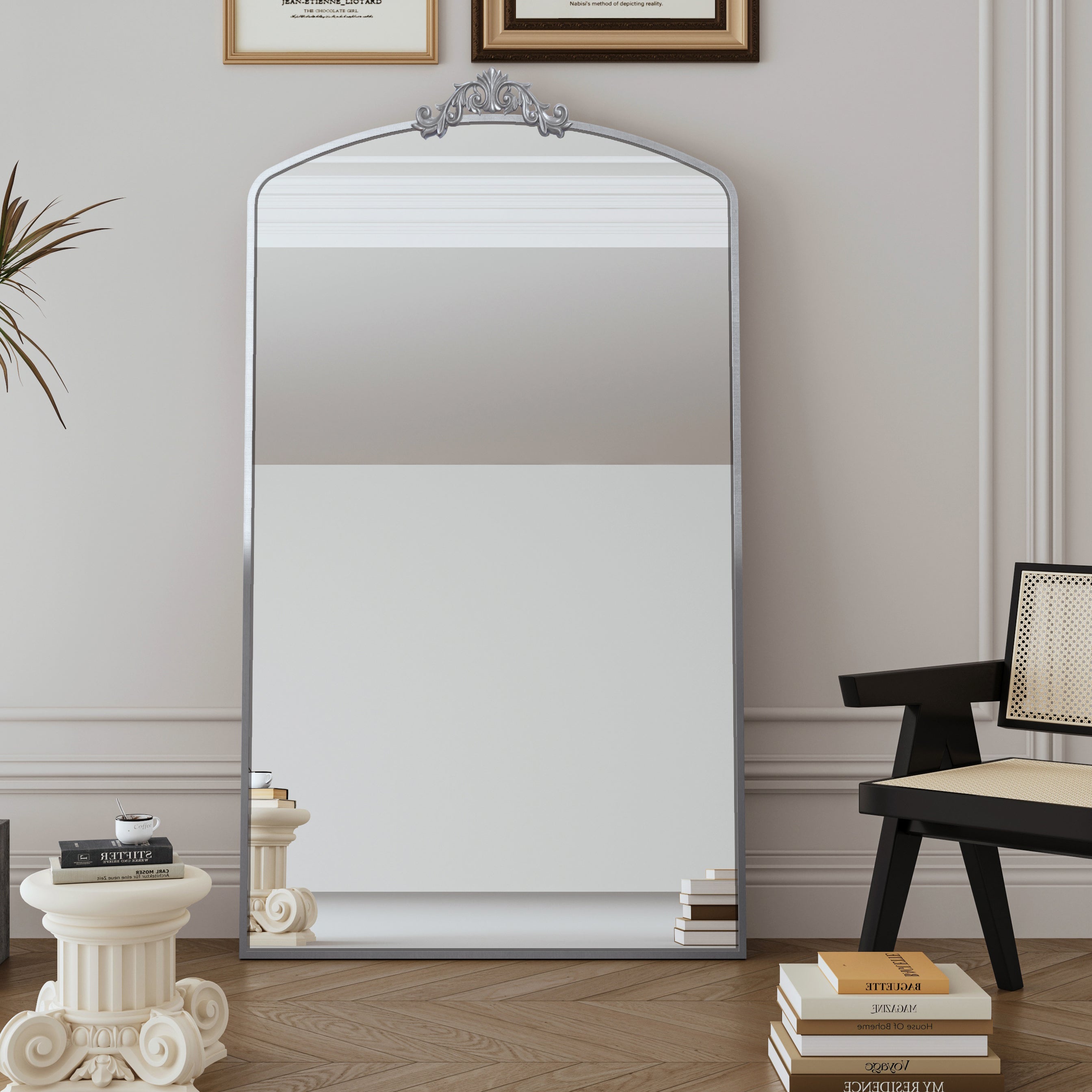
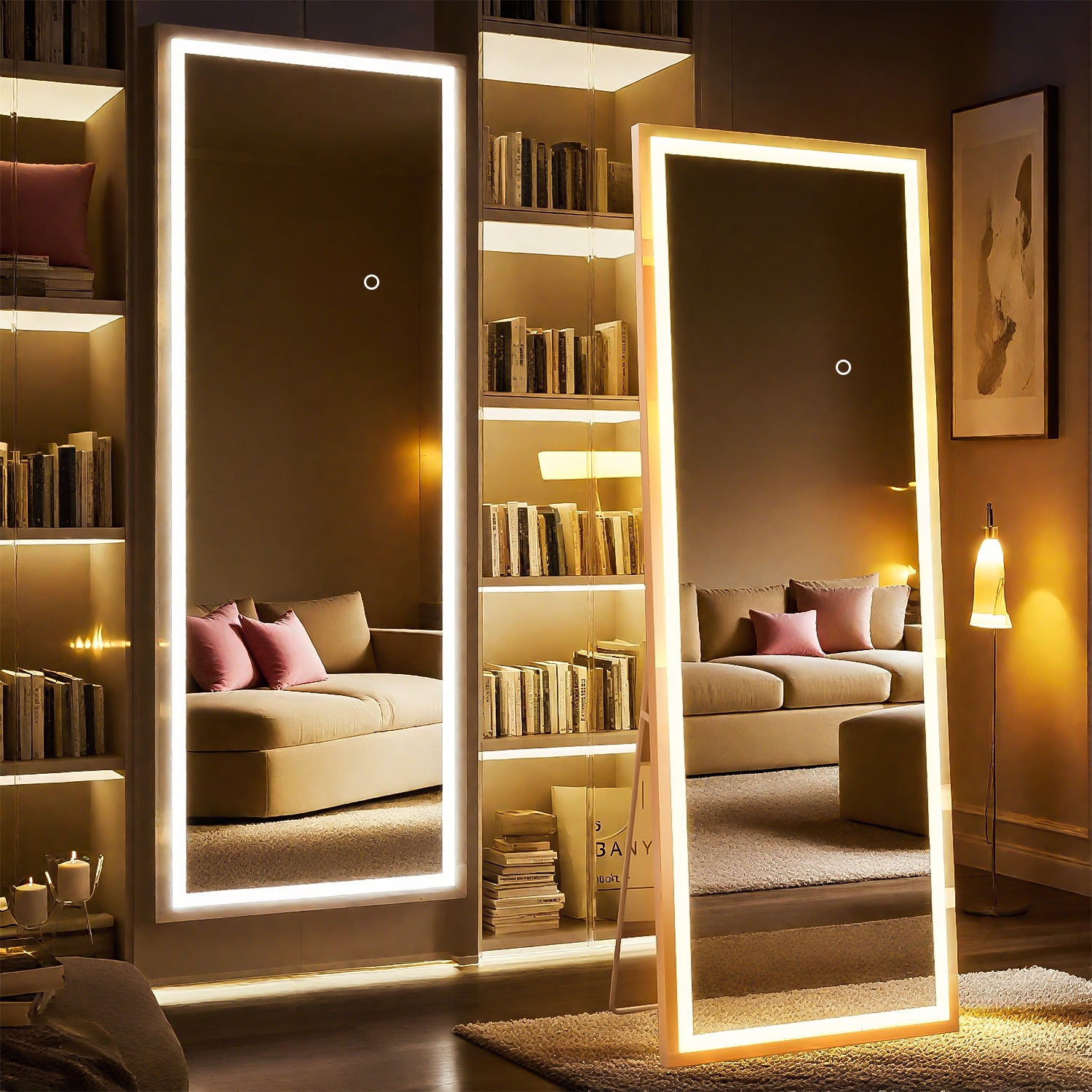
Put it in a corner at a slight angle rather than flat against the middle of a long wall. A corner placement catches light from two directions and it keeps the mirror out of the main walking line, which matters for something that stands proud of the wall. Behind it, leave the wall plain: the mirror is the object.
Are floor mirrors still in style?
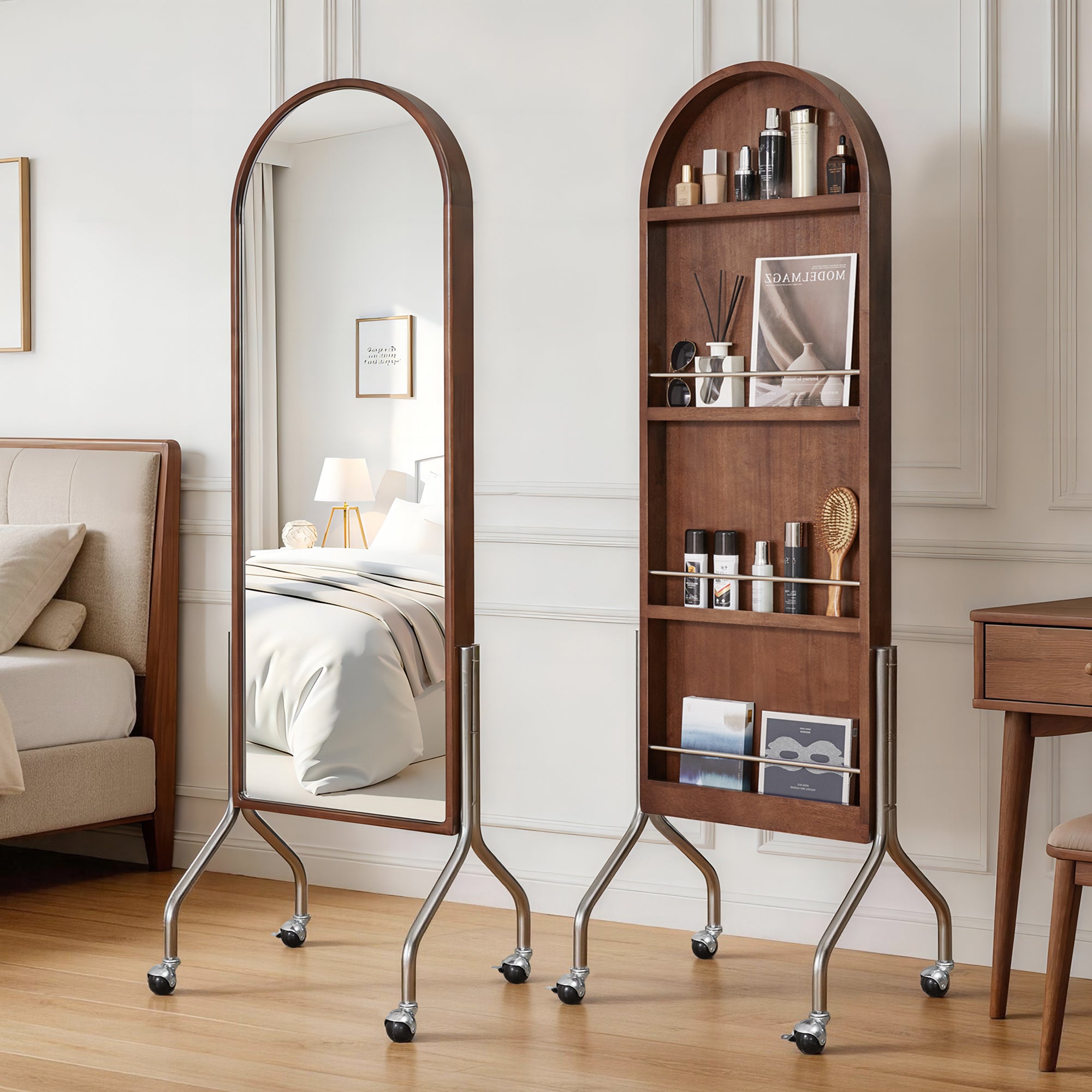
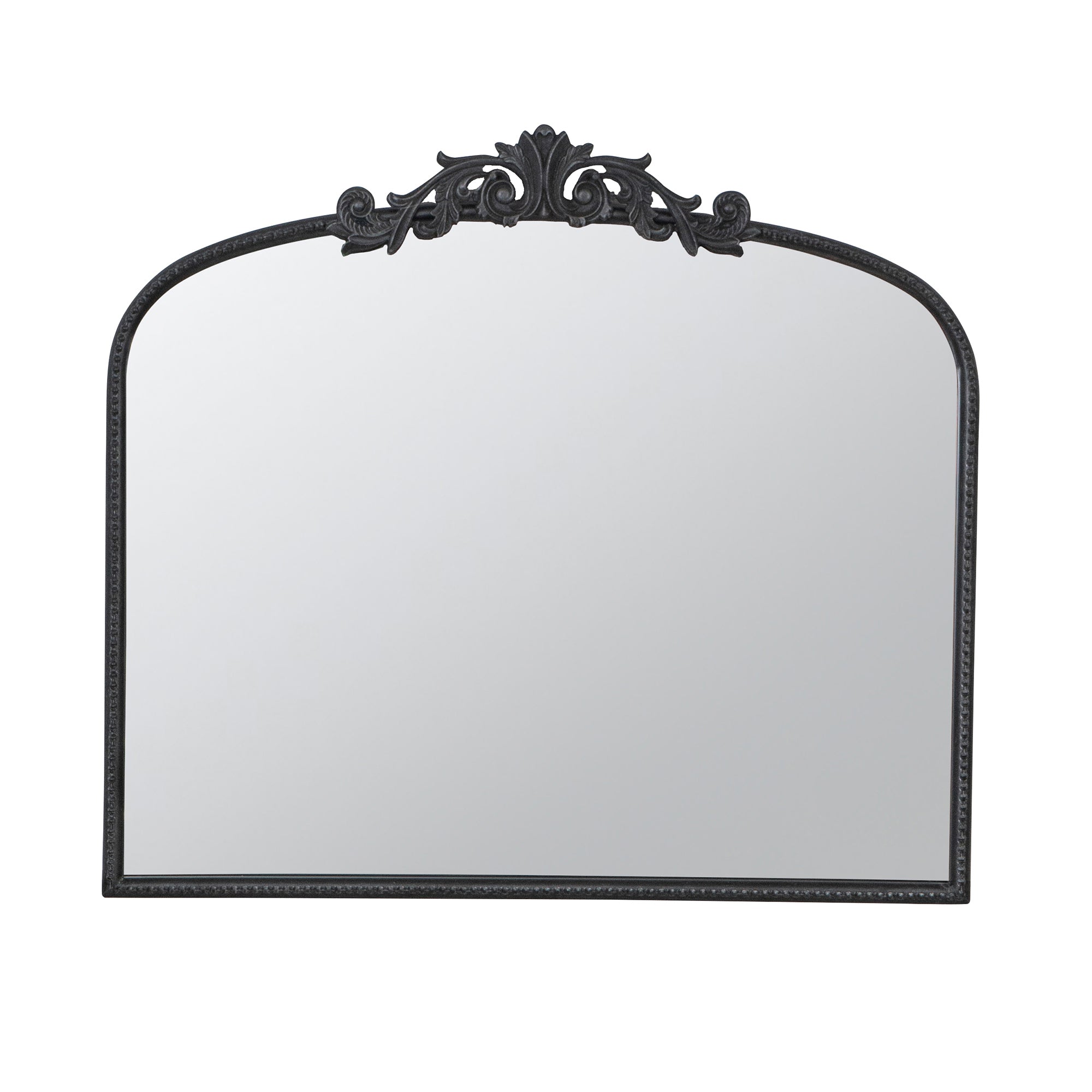
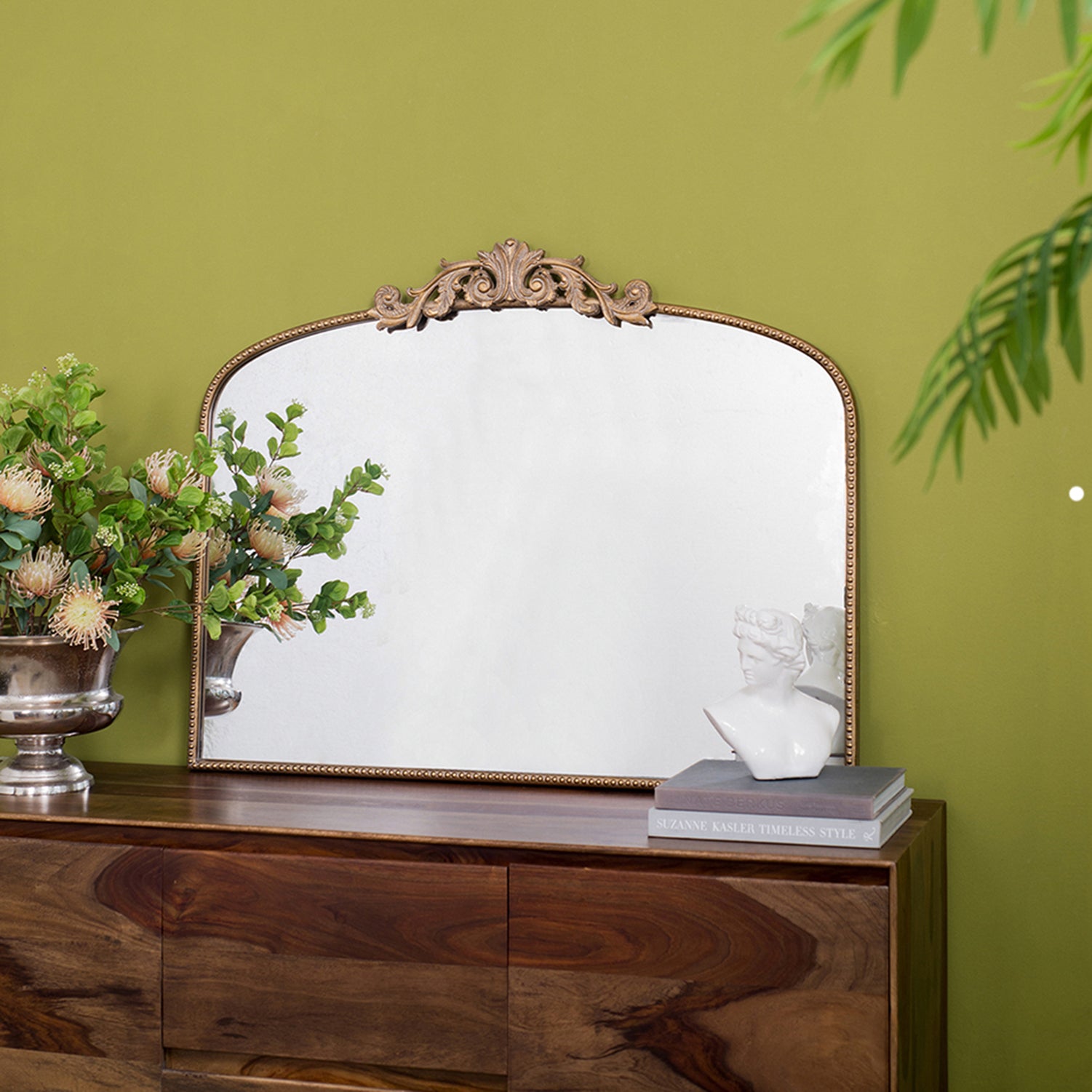
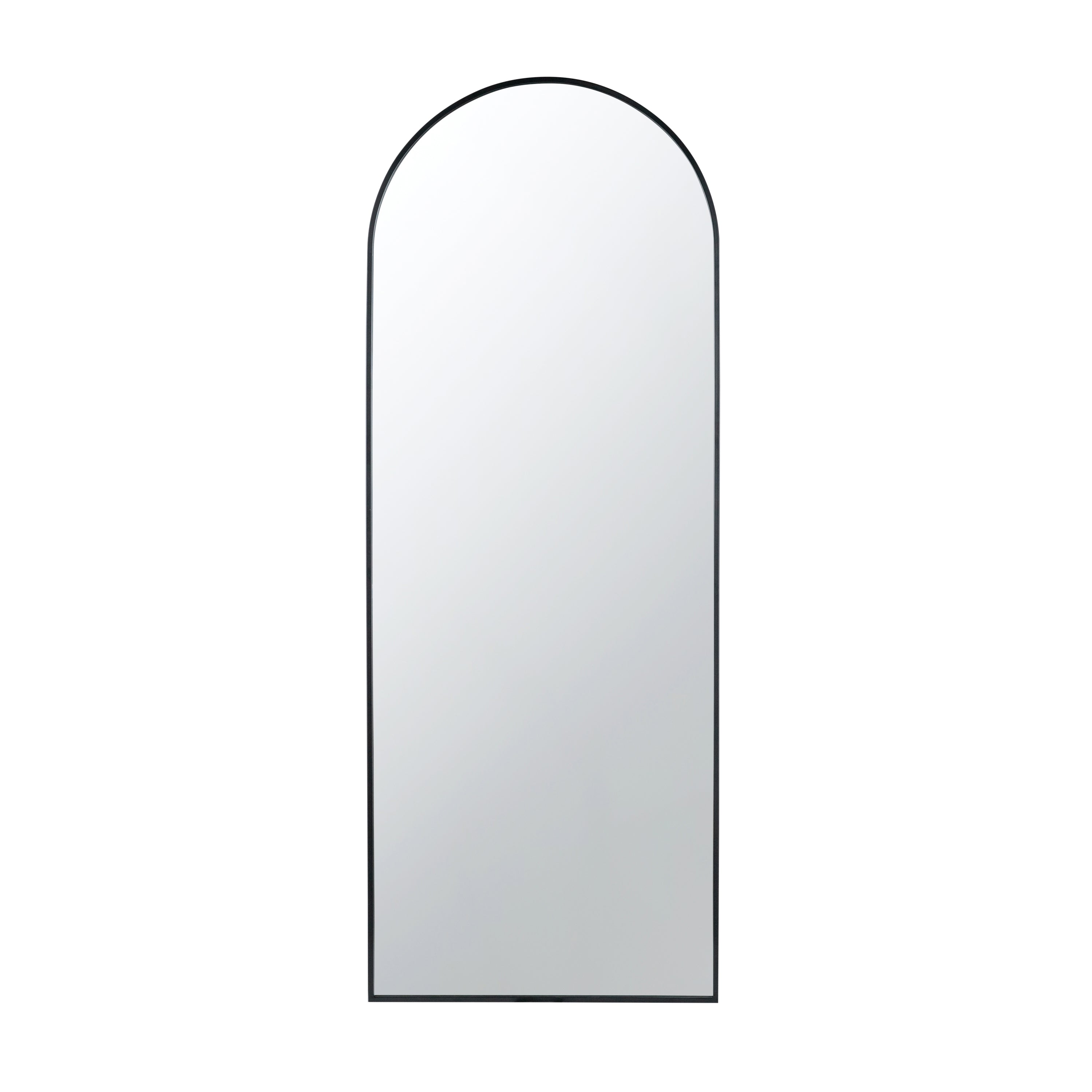
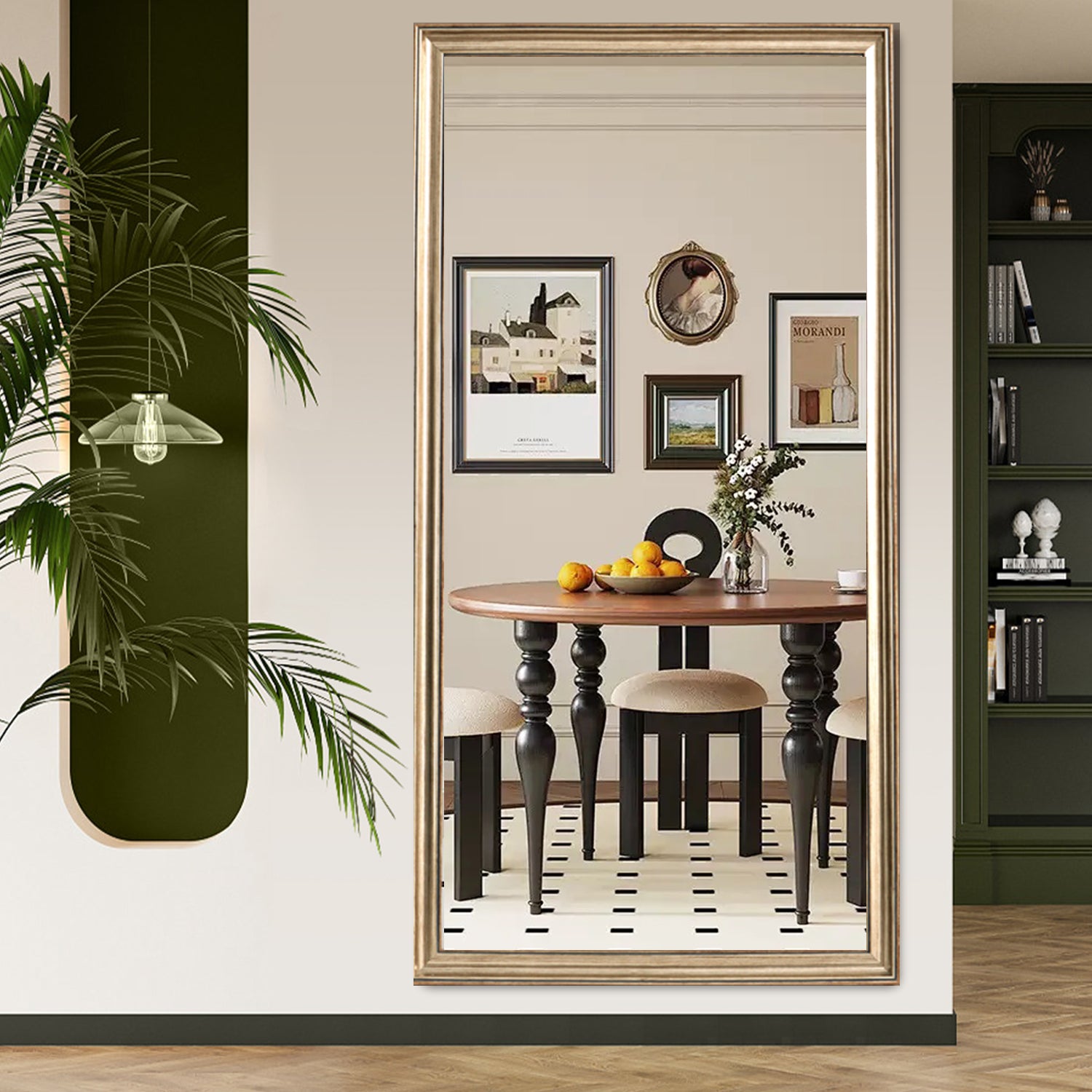
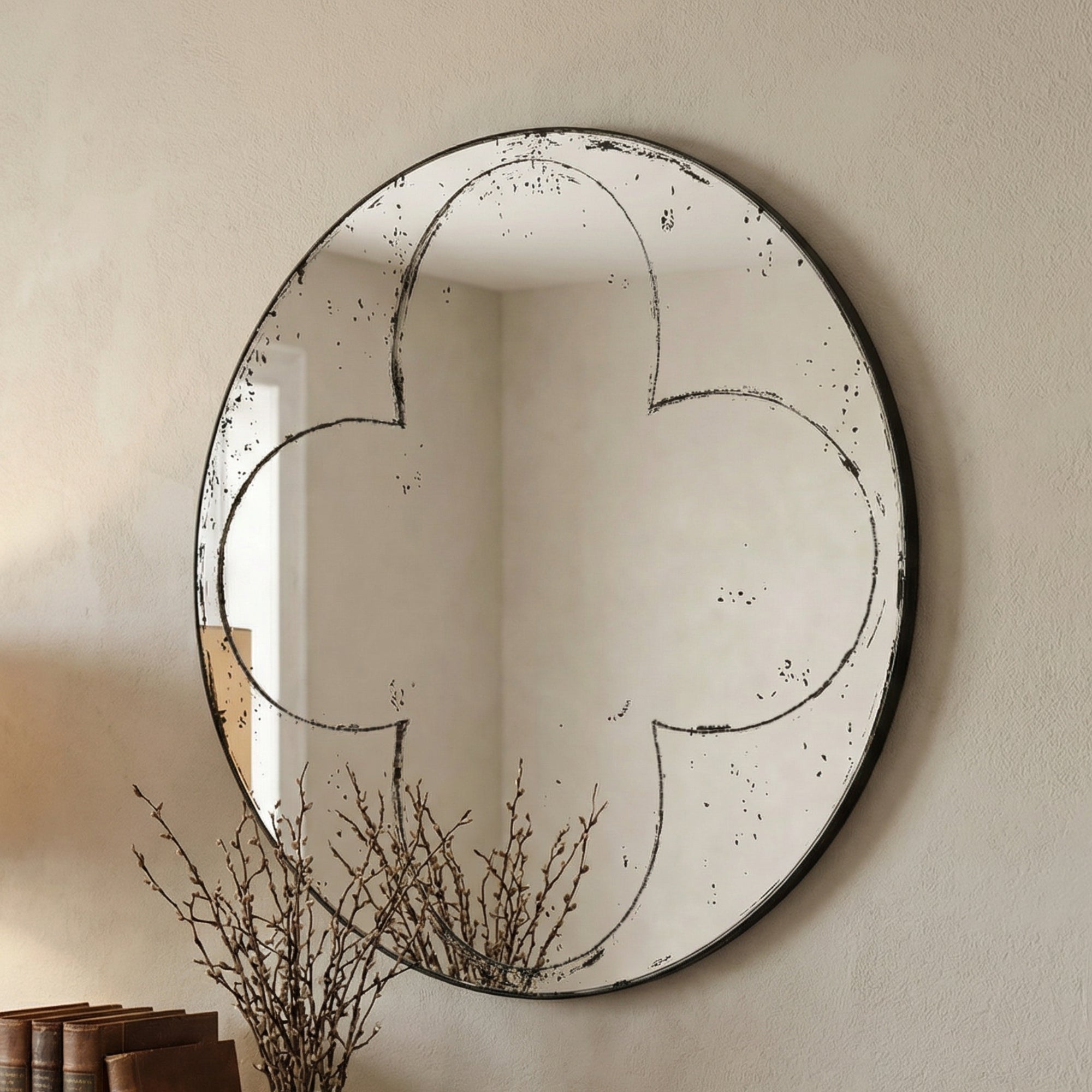
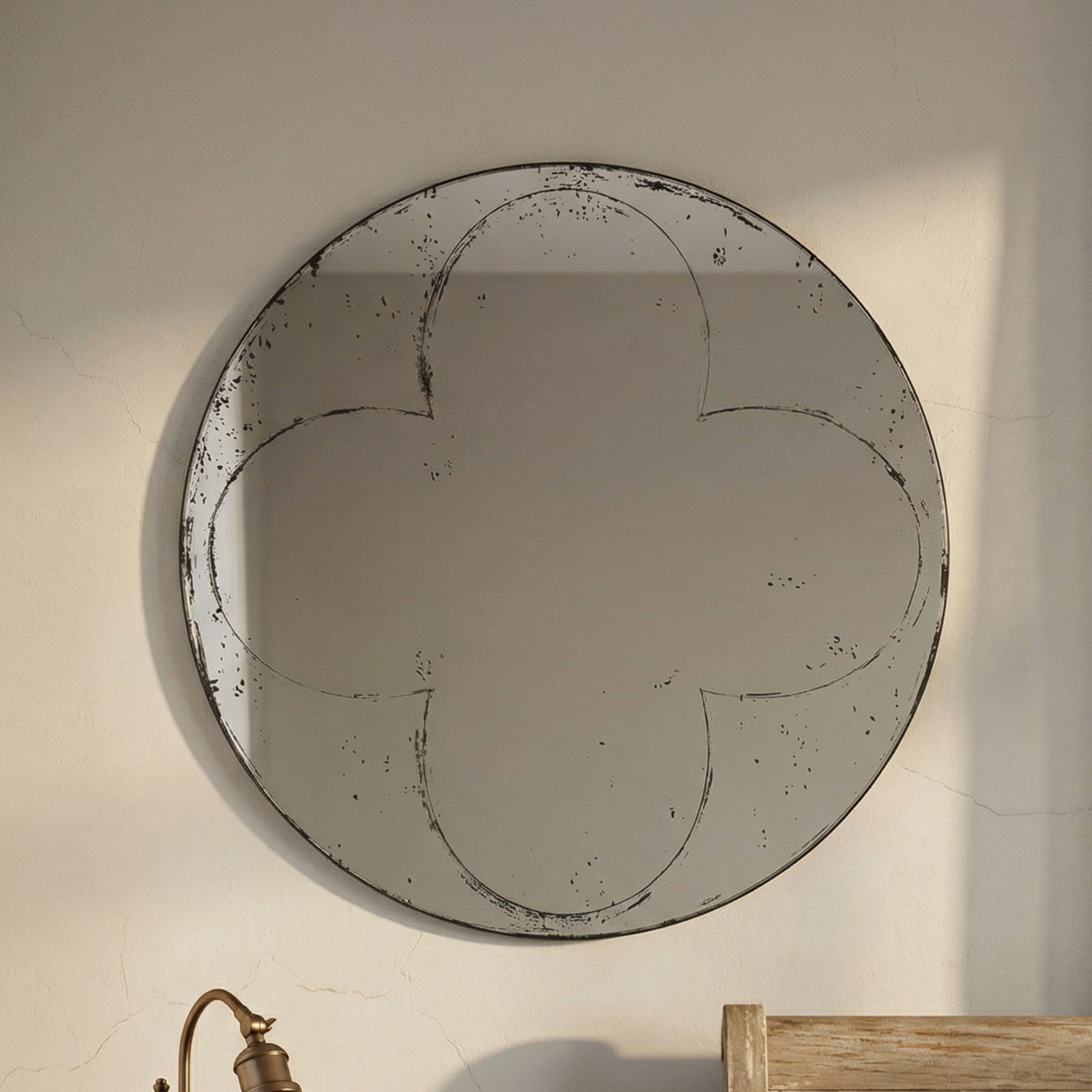
Yes, and the reason is practical rather than fashionable. A leaning mirror suits rented homes where drilling is restricted, it moves between rooms without leaving holes, and the oversized arched shape that drove the trend has settled into a standard format rather than fading. The shapes here reflect that: arched, rounded and plain rectangular.
What sizes and shapes are here?
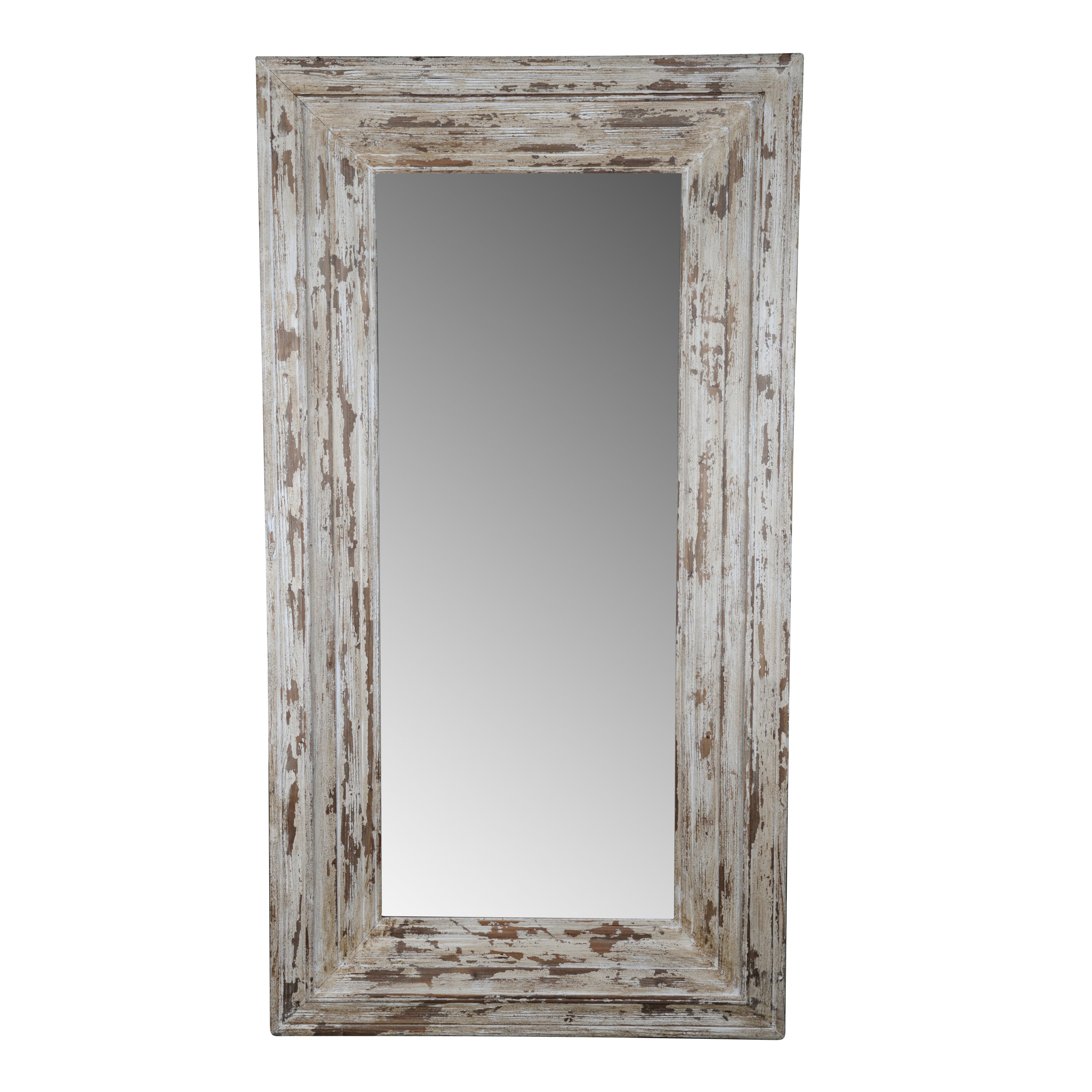
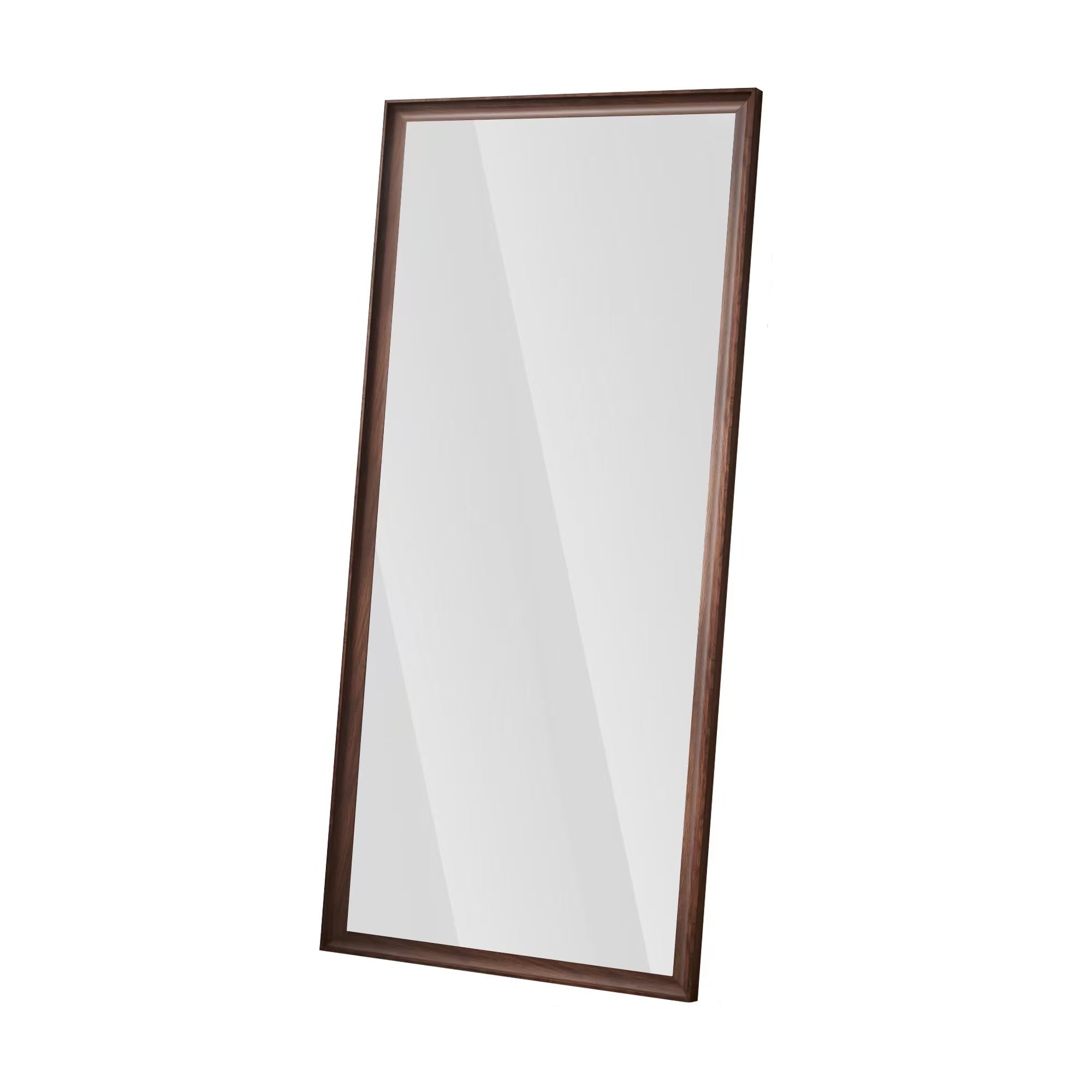
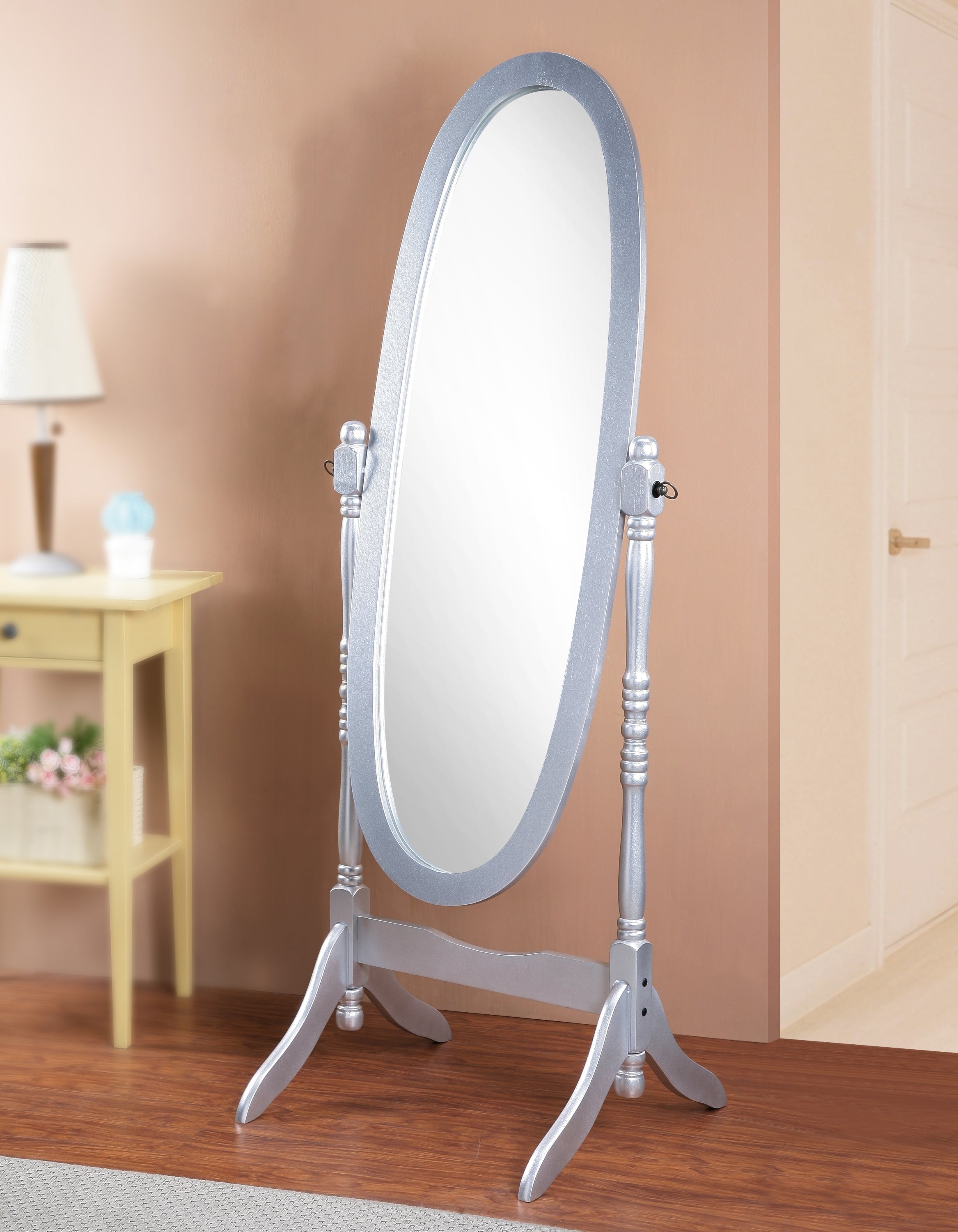
31 to 76 inches tall and 19 to 40 inches wide, in arched, round and rectangular outlines. The taller pieces are full length and show the whole body; the shorter ones suit a dressing corner or a landing. Frame material varies by model, so check the individual listing for what a given mirror is built from.
Specifications
- Placement
- Floor standing, leans against the wall
- Height inches
- 31 to 76
- Width inches
- 19 to 40
- Shapes
- Arched, Round, Rectangular
- Frame materials
- Metal, Wood, Composite
- Construction
- Frame material varies by model and is stated on each product page
- Wall anchoring
- Required. Strap or bracket the top rail into a wall stud
- Recommended lean
- Base 3 to 6 inches out from the skirting
- Also hangs
- Select models are dual purpose and carry mounting hardware
- Free shipping
- Free
- Delivery window
- 5 to 7 days
Good to know