
Skip to content

Cart

Your cart is empty

Office Safe

An office safe is a steel security box with a keypad or key lock, used to hold cash, documents and small valuables. Office safes at Two Seventy Nine are steel-bodied, run from 13 to about 22 inches wide, and each listing states the lock type and whether emergency override keys are included.

Office Safe

This collection is empty

Continue shopping

What a safe does that a locked cabinet does not

A safe is built to resist forced entry, and a locked filing cabinet is not. A filing cabinet lock is a privacy measure that keeps documents out of casual view; the cabinet body is thin steel that gives way to hand tools. A safe uses a thicker steel body, a bolt mechanism into the door frame, and a lock designed to resist manipulation. If the contents are cash or irreplaceable documents, that difference is the whole point.

Depository safes and the drop slot

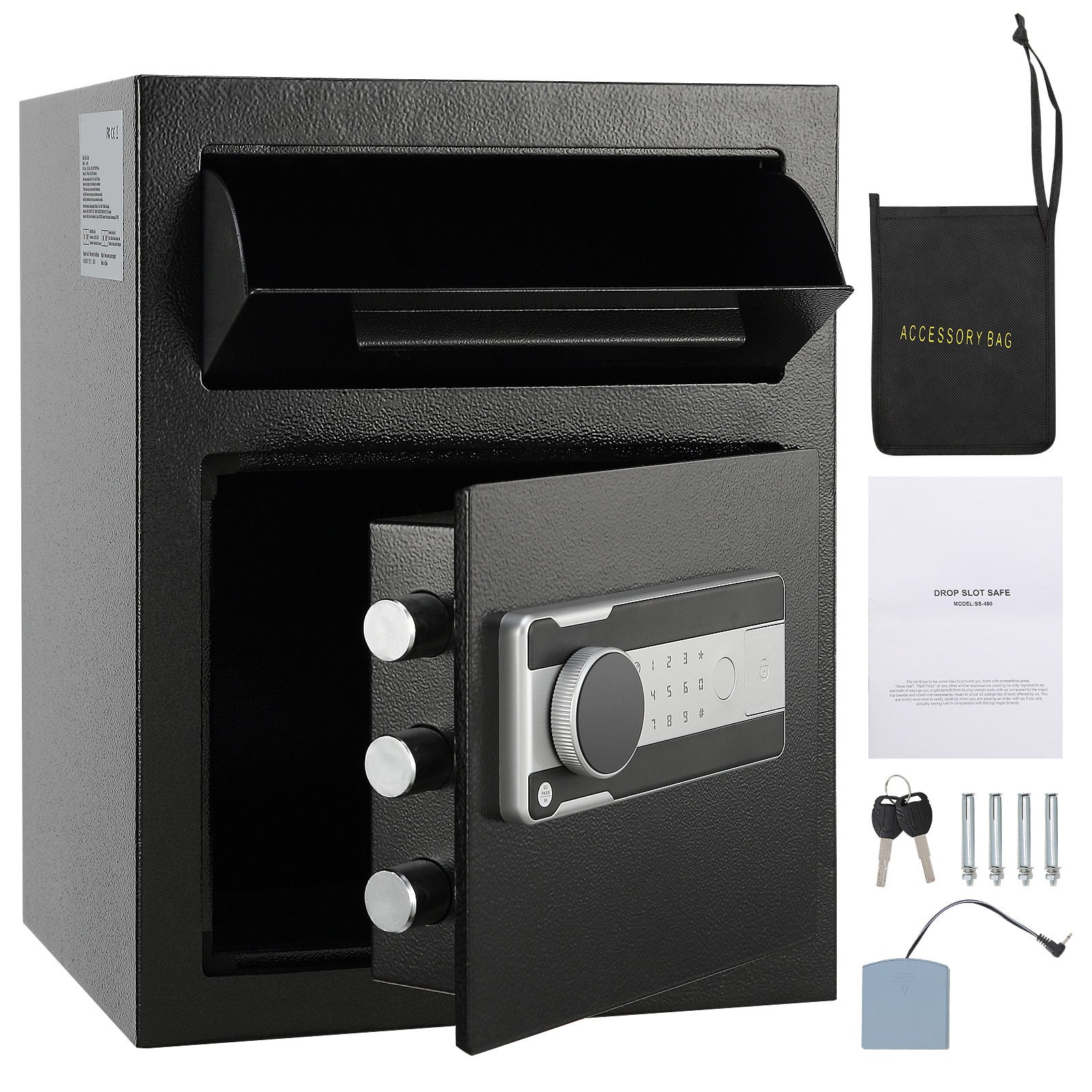
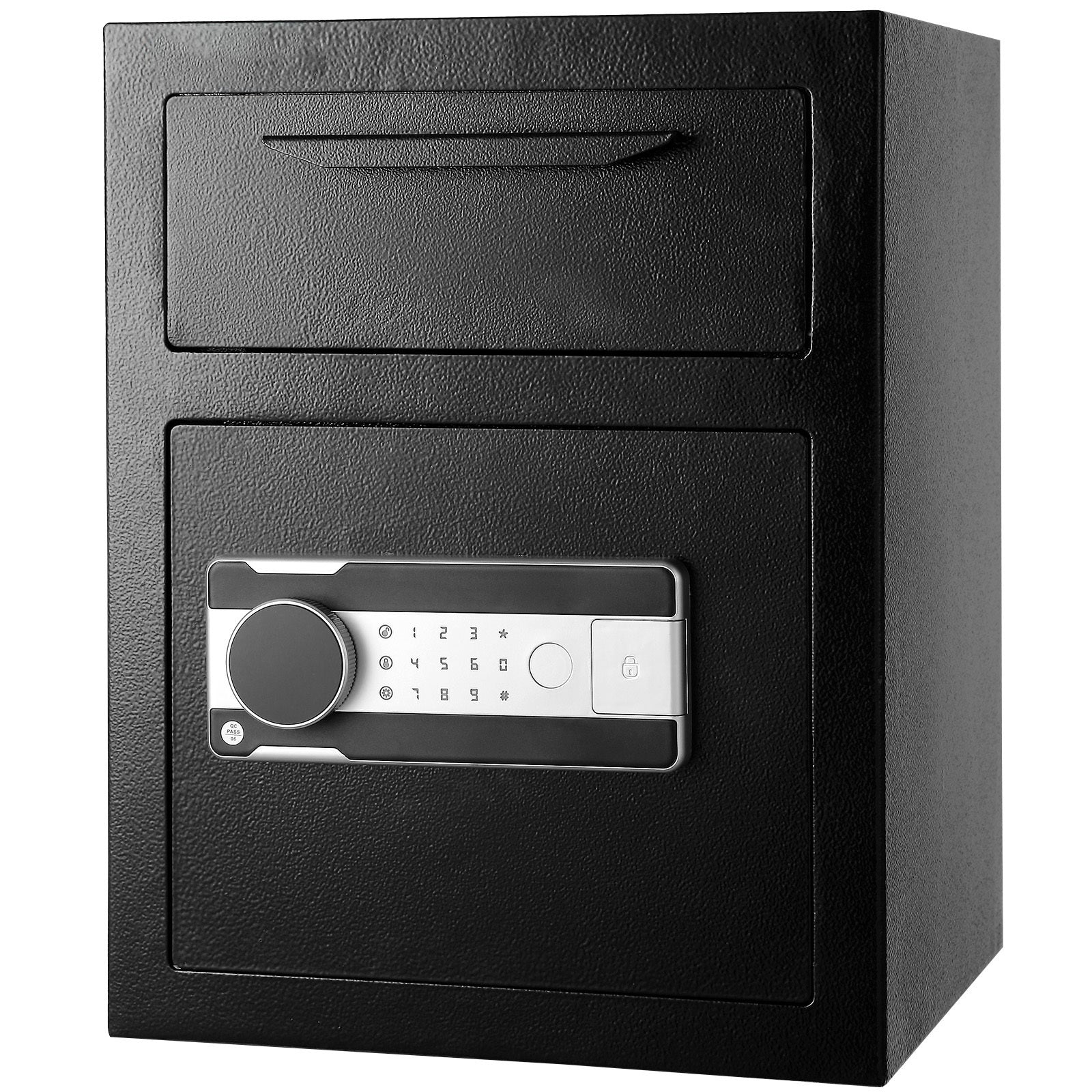
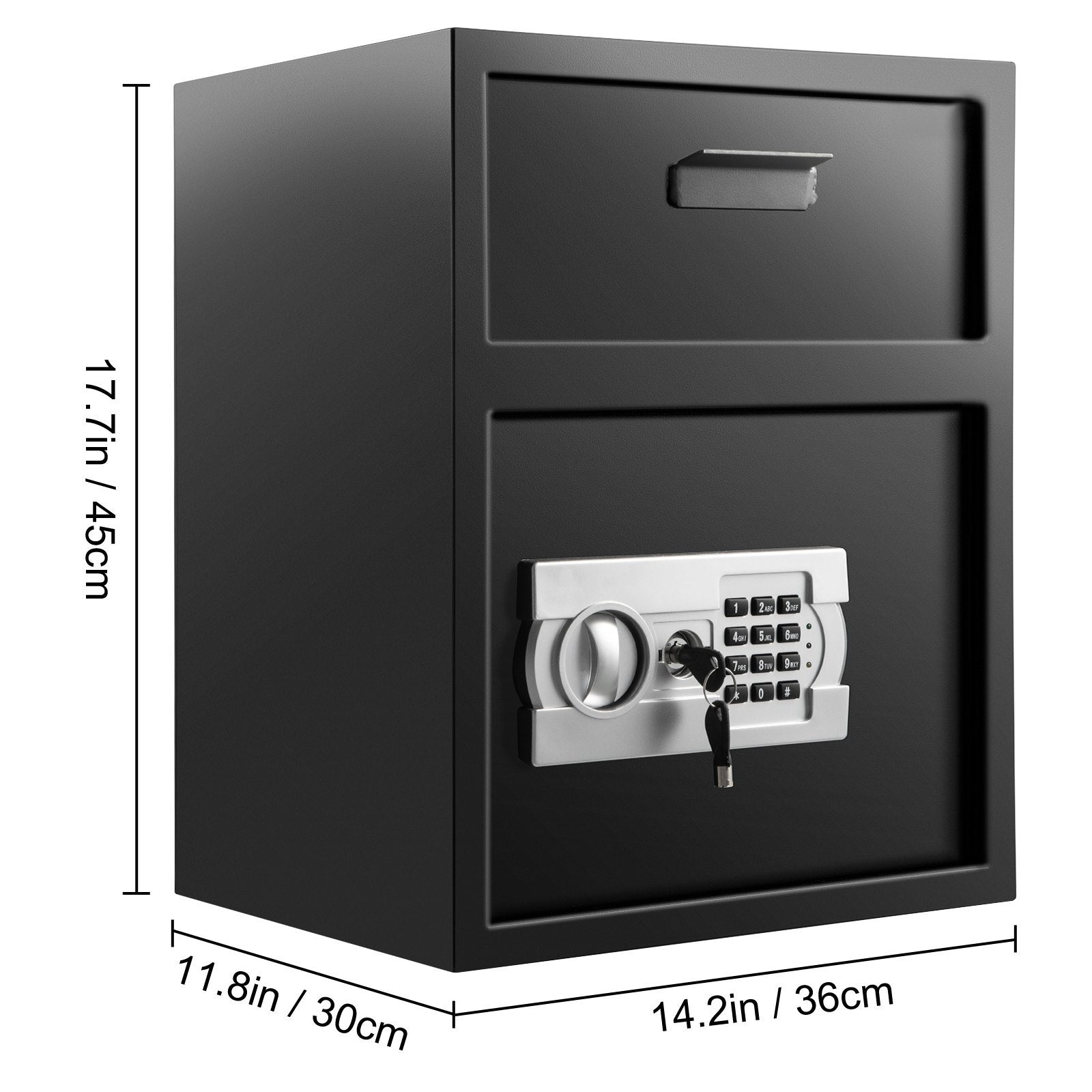
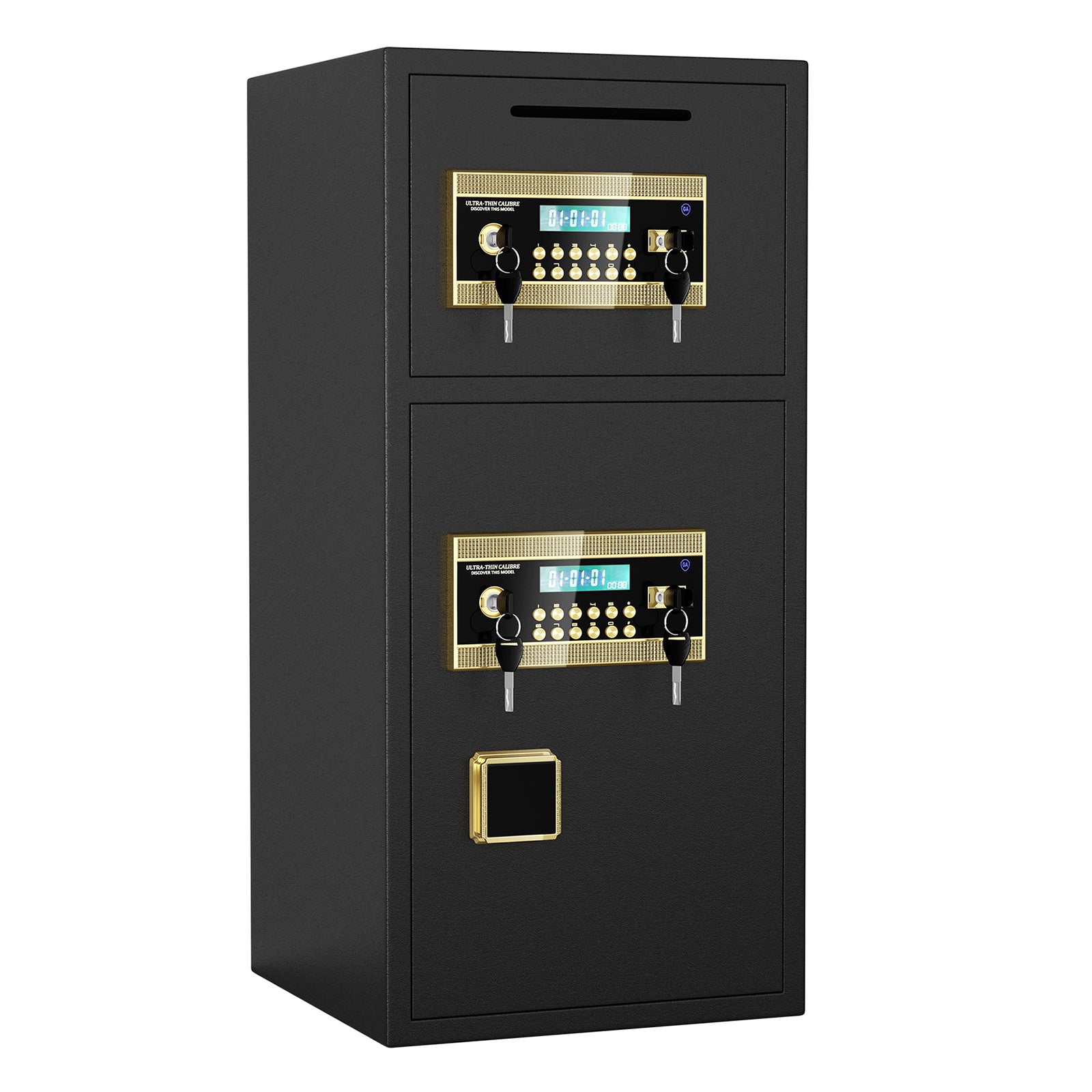
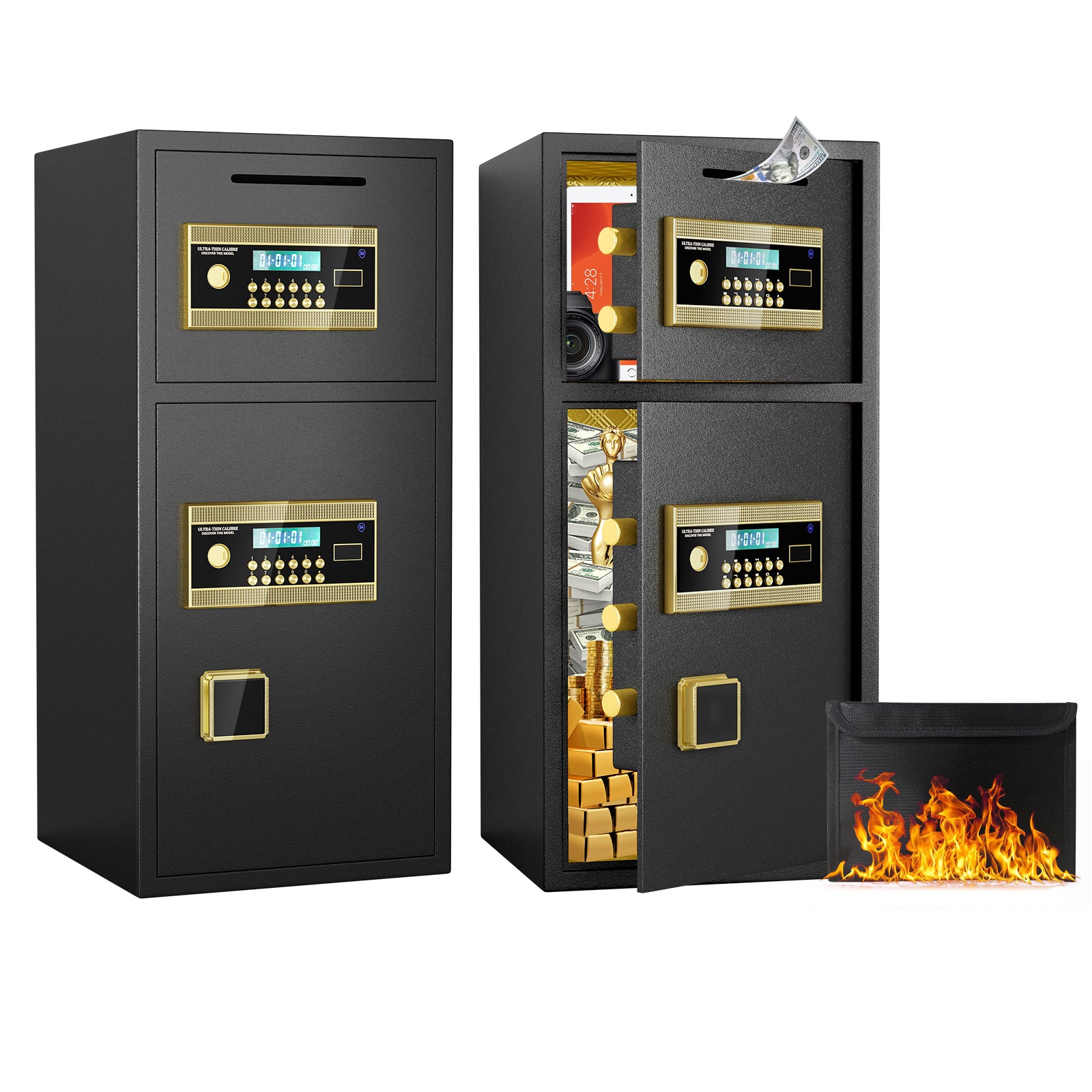
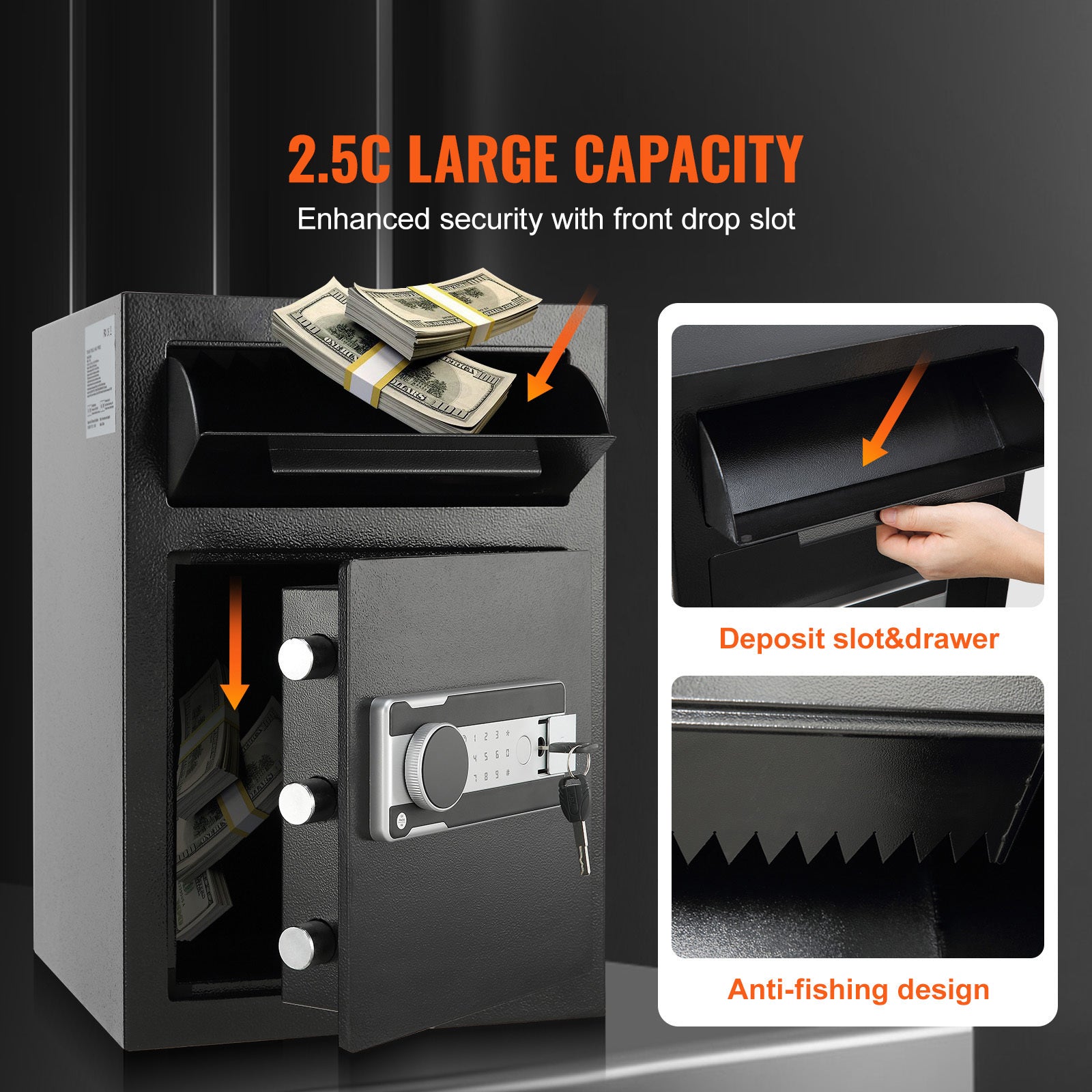
A depository safe has a slot in the top or front that lets cash or an envelope be deposited without opening the door. That design suits a retail counter, a reception desk or any setting where takings are dropped through the day and only counted at close, because staff can deposit without holding the combination. Depository models in this range state the slot type and the lock separately on each listing.

Locks and override keys

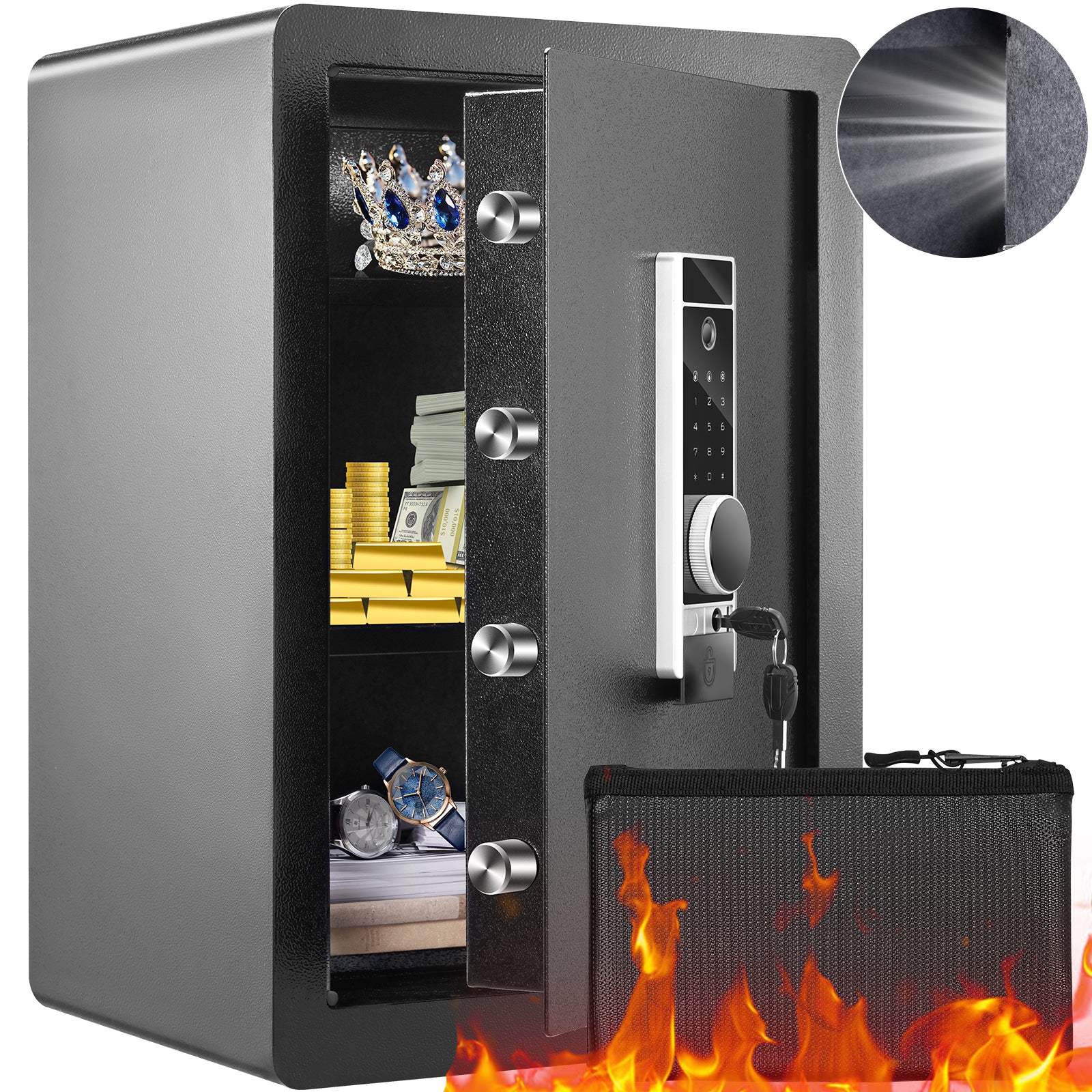
Safes in this range use a digital keypad, and most also include override keys for the case where the battery fails or the code is forgotten. Keep the override keys somewhere other than in the room with the safe, since keys stored beside a safe defeat it. Change the factory default code before first use. Where a safe uses a fingerprint reader as well as a keypad, the listing states both.

Fire and water

Fire resistance and water resistance are separate ratings and neither is implied by a steel body. Where a safe in this range carries a fire or water rating, that rating is stated on its listing. Where a listing does not state a rating, do not assume one: an unrated safe protects against theft, not against a house fire. For documents that must survive a fire, look specifically for a stated fire rating.

Size and mounting

Office safes here run from 13 to about 22 inches wide and 15 to about 28 inches tall, which suits a desk drawer, a cupboard base or a closet floor. A safe light enough to carry is a safe light enough to steal, so bolting it down is what makes a small safe secure. Most safes in this range are pre-drilled for floor or wall mounting, and the fixings needed are stated on the listing.

What fits inside

Interior capacity is smaller than the exterior suggests, because the door and walls of a safe are thick by design. A safe measuring around 13 inches wide takes cash, keys, passports and a small stack of folded documents. Getting unfolded letter or A4 paper in flat needs a wider model, and the listings state interior dimensions where the supplier publishes them separately from the exterior. Shelving inside is fixed on most models in this range, so plan for the shelf position rather than expecting to move it.

Specifications

Body material
Steel
Width range
13 to 21.7 in
Height range
15 to 27.8 in
Depth range
11.8 to 16.5 in
Lock types
Digital keypad, Override keys
Formats
Standard safe, Depository safe with drop slot
Fire rated
Stated per product where the supplier publishes a rating
Delivery window
5 to 7 days
Free shipping
Free

Good to know

Frequently asked questions

Are filing cabinets fireproof?
Filing cabinets are not fireproof, and a safe is not automatically fireproof either. Fire resistance is a tested rating measured in minutes at a stated temperature, and only a safe that carries such a rating provides it. A locked steel filing cabinet protects paper from casual access, not from fire. Where a safe in this range carries a fire rating, that rating appears on its listing.
How to open a safe without a key
A digital safe is opened with its code rather than a key, and most models in this range include override keys for a flat battery or a forgotten code. If the battery is dead, replacing it usually restores keypad access without losing the stored code. If both the code and the override keys are lost, a safe technician is the route, since forcing a safe destroys it and anything inside it.
Where should you put a safe in your house?
Put a safe somewhere it can be bolted down and is not the first place a thief looks, which rules out the main bedroom closet. A closet floor on the ground level, a fixed cupboard base or an office storage cabinet all work if the safe is anchored. Bolting matters more than hiding: a small safe that can be carried out is a strongbox for someone else to open elsewhere.
What is a depository safe?
A depository safe is a safe with a drop slot that accepts cash or envelopes without the door being opened. It suits a shop counter, a reception desk or any setting where money is deposited through the day and counted later, because the person depositing does not need the combination. Depository models in this range state the slot type and the lock type separately.