












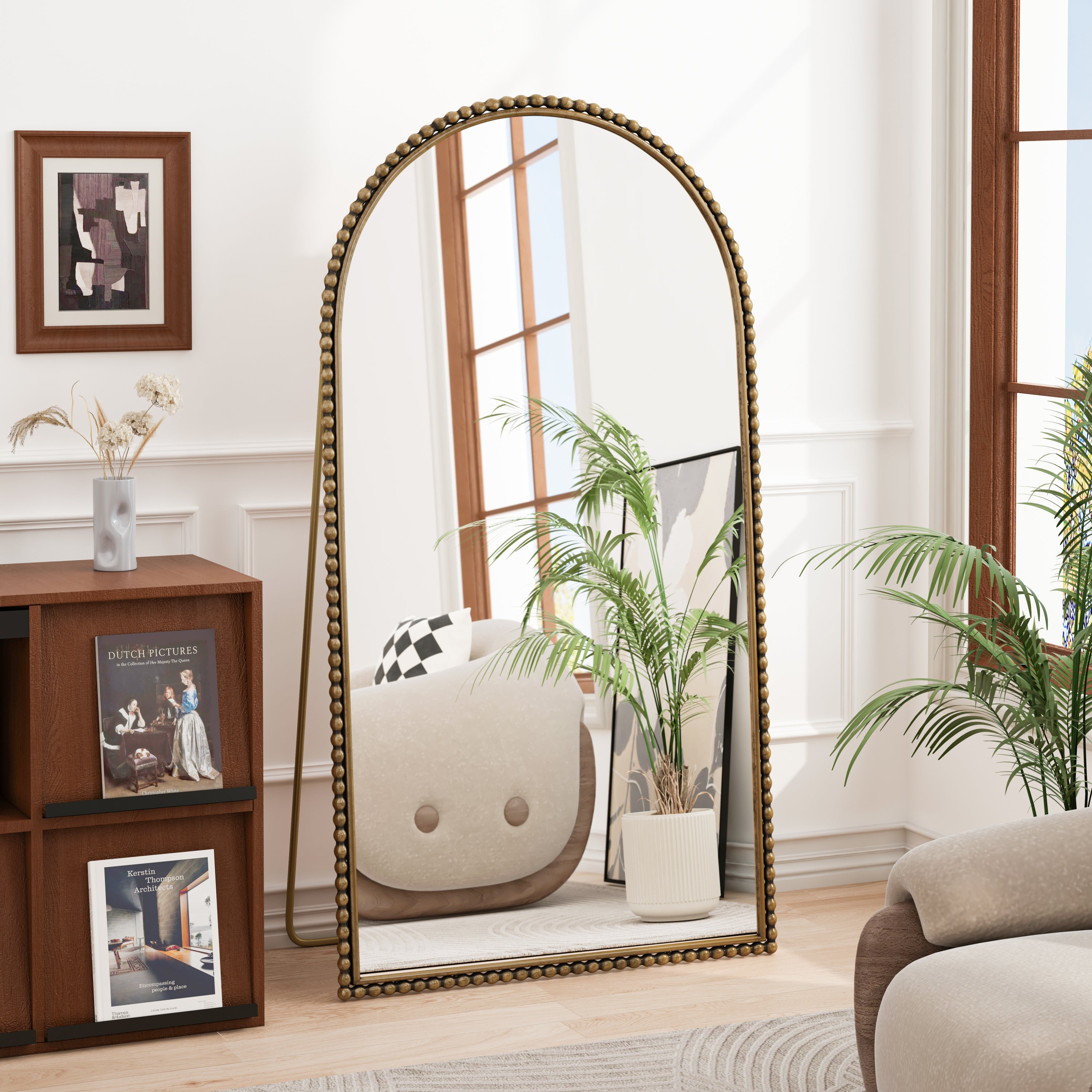


Hang it or lean it?
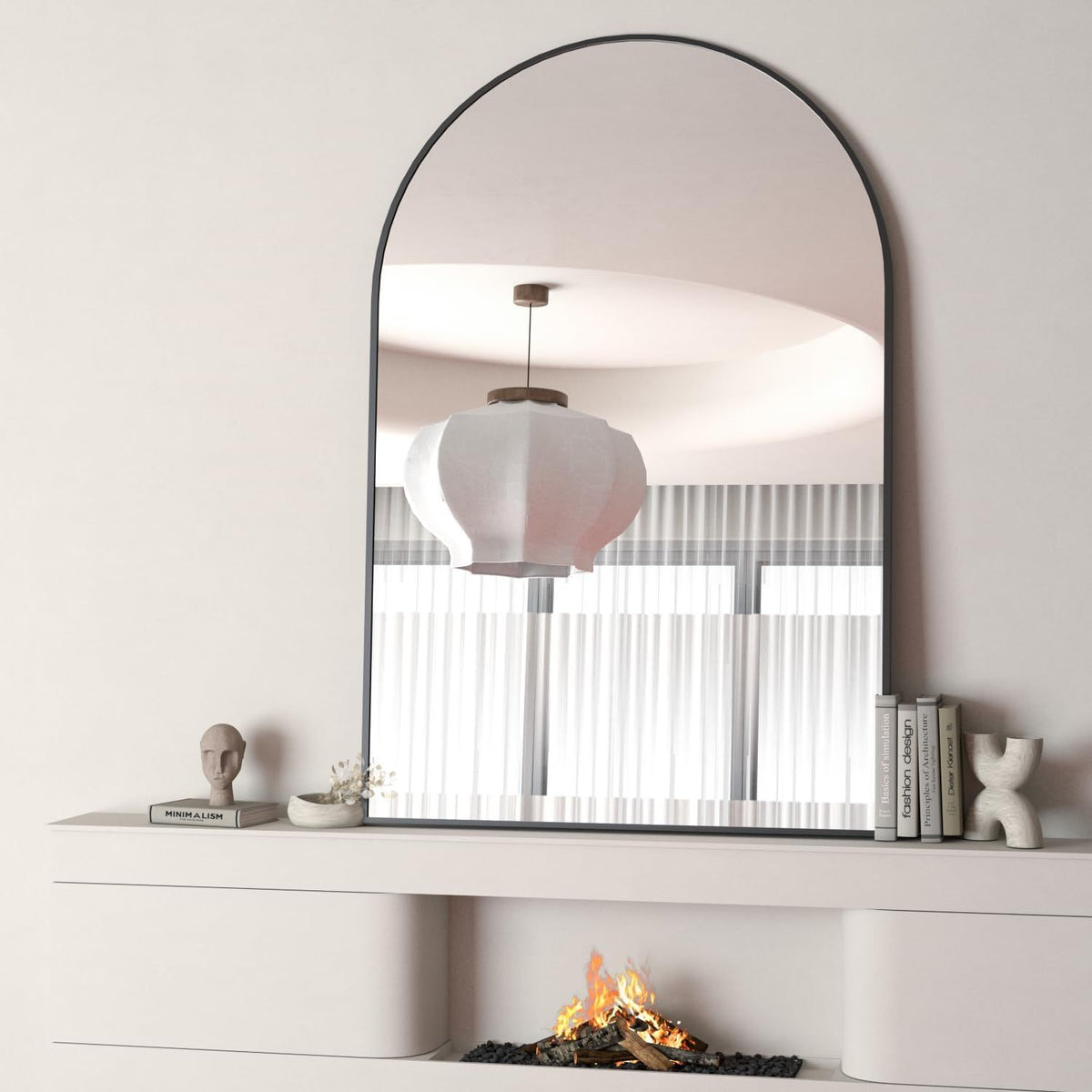
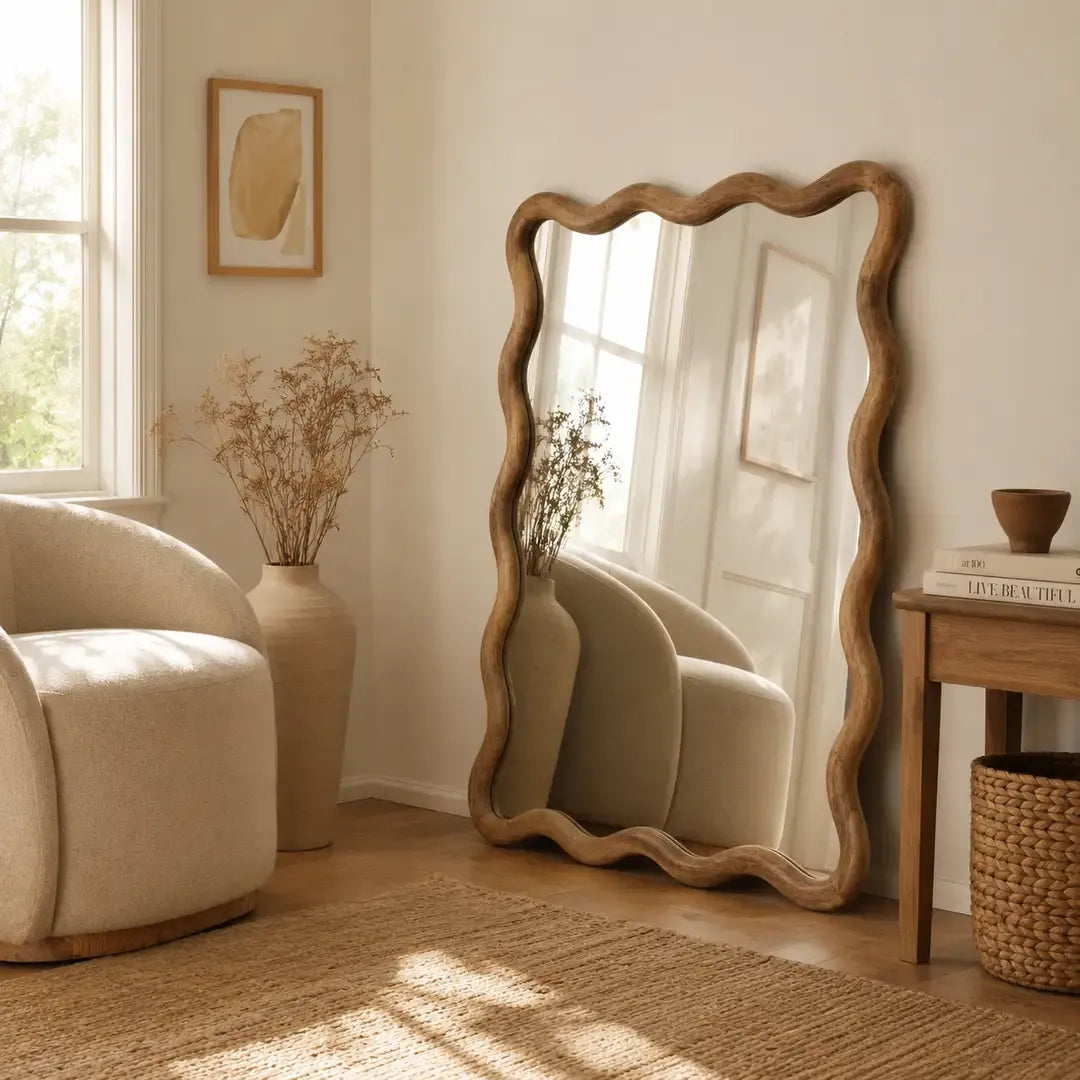
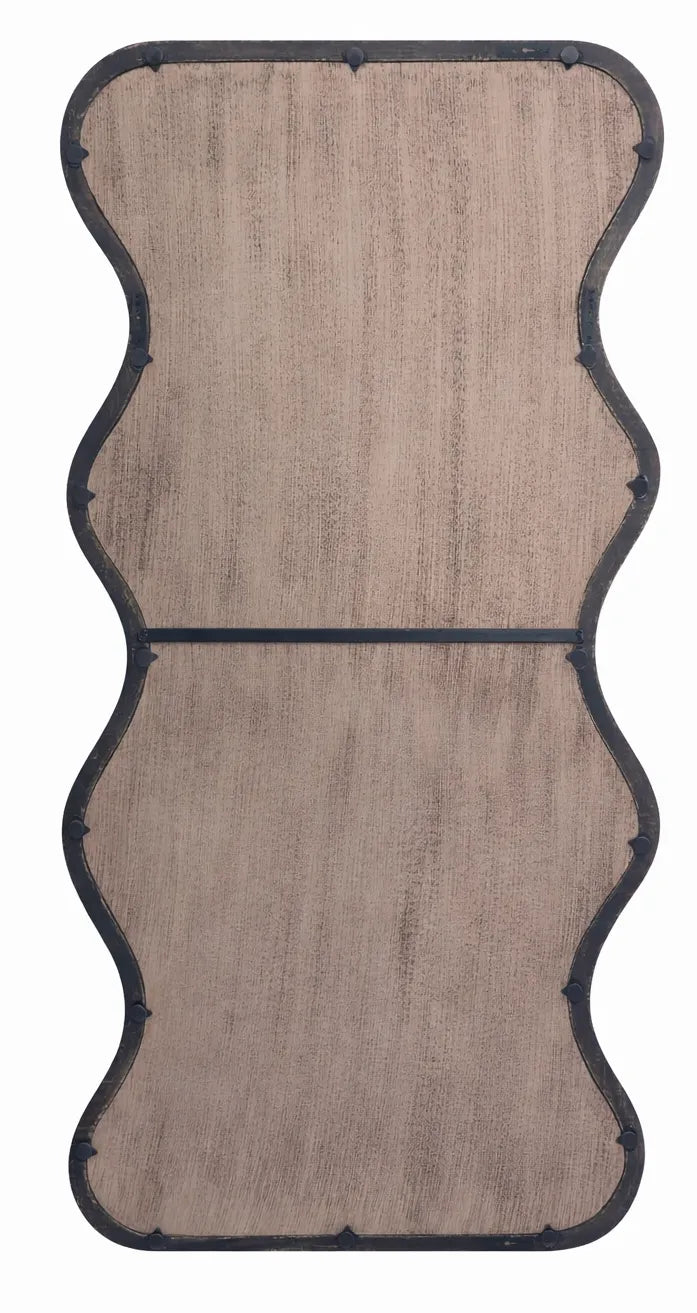
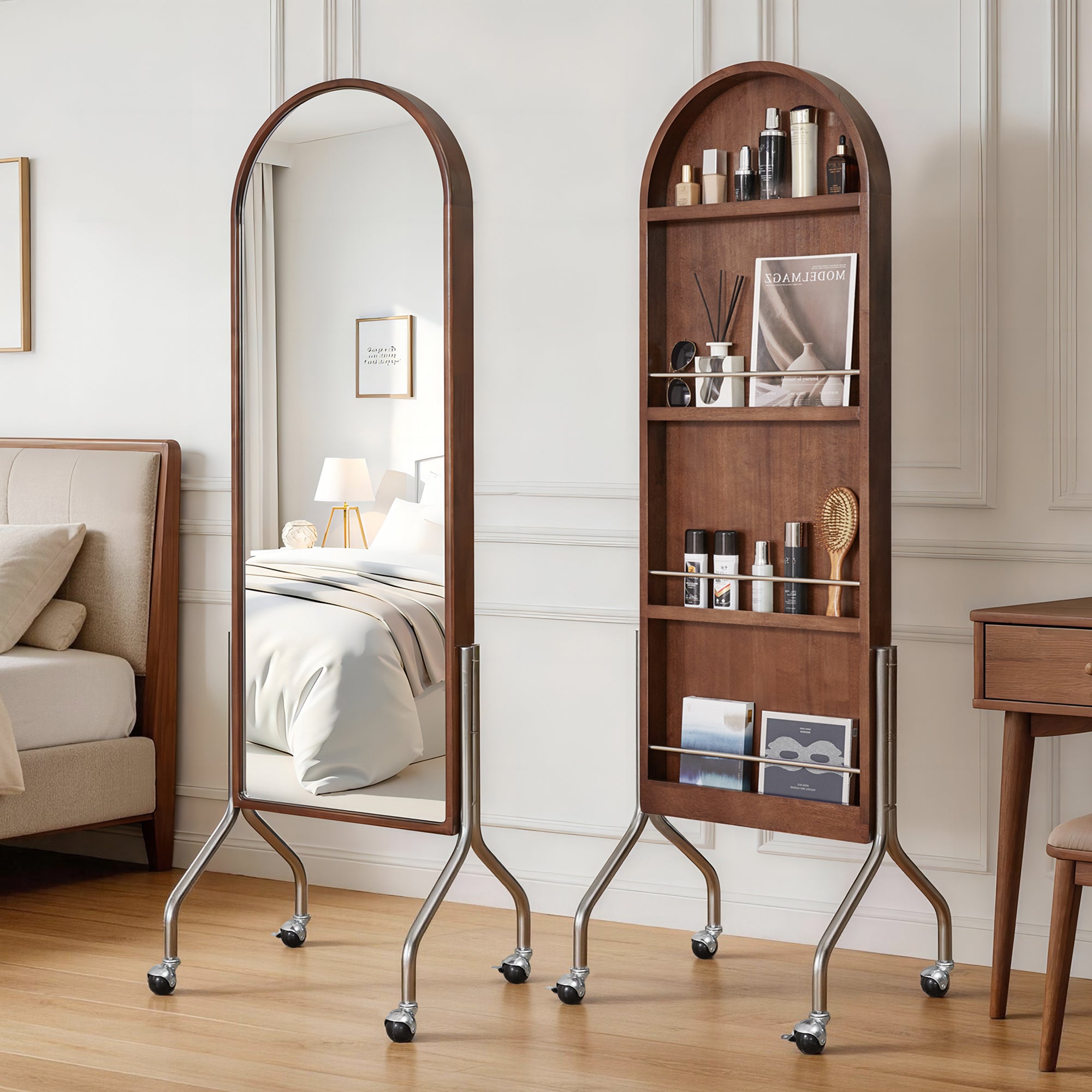
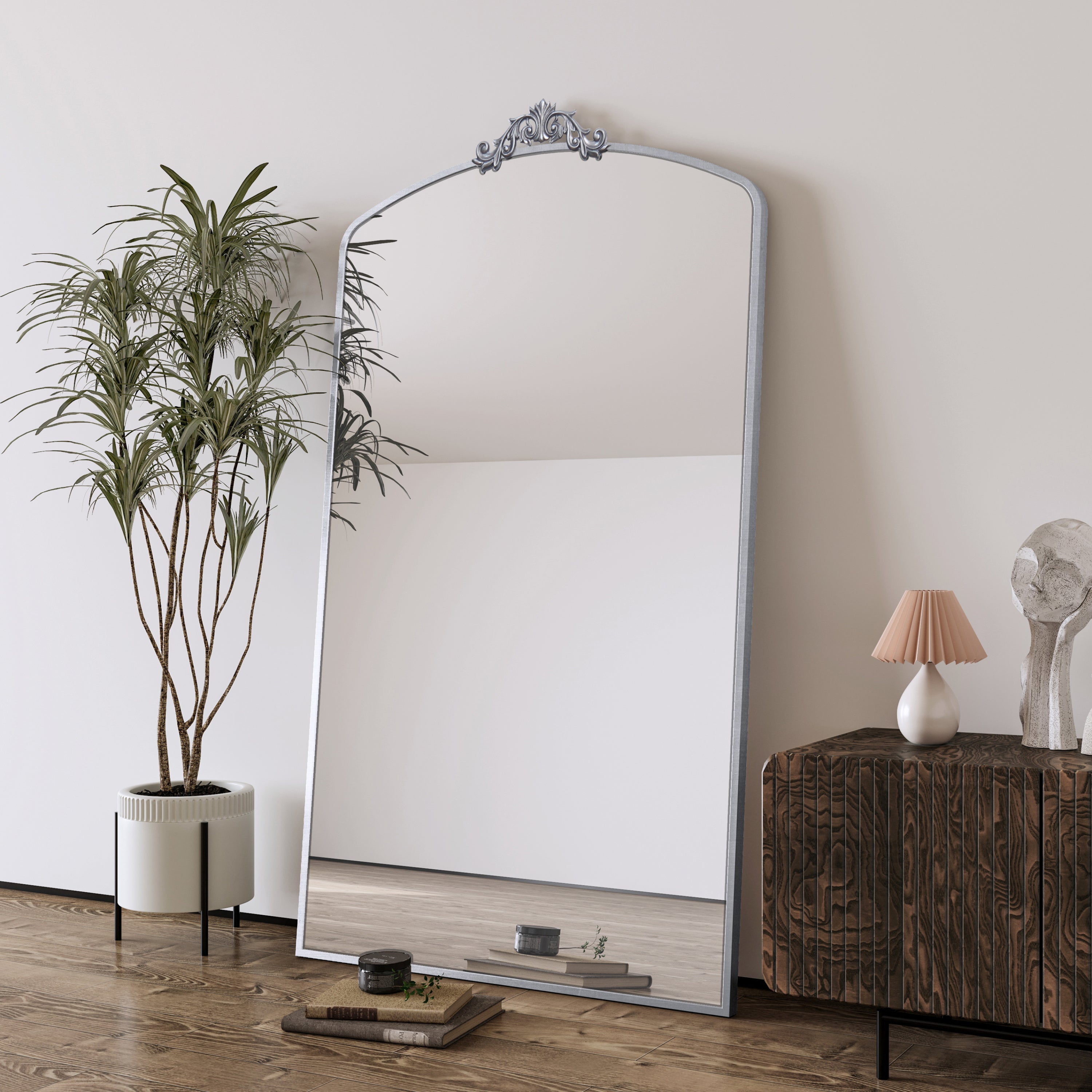
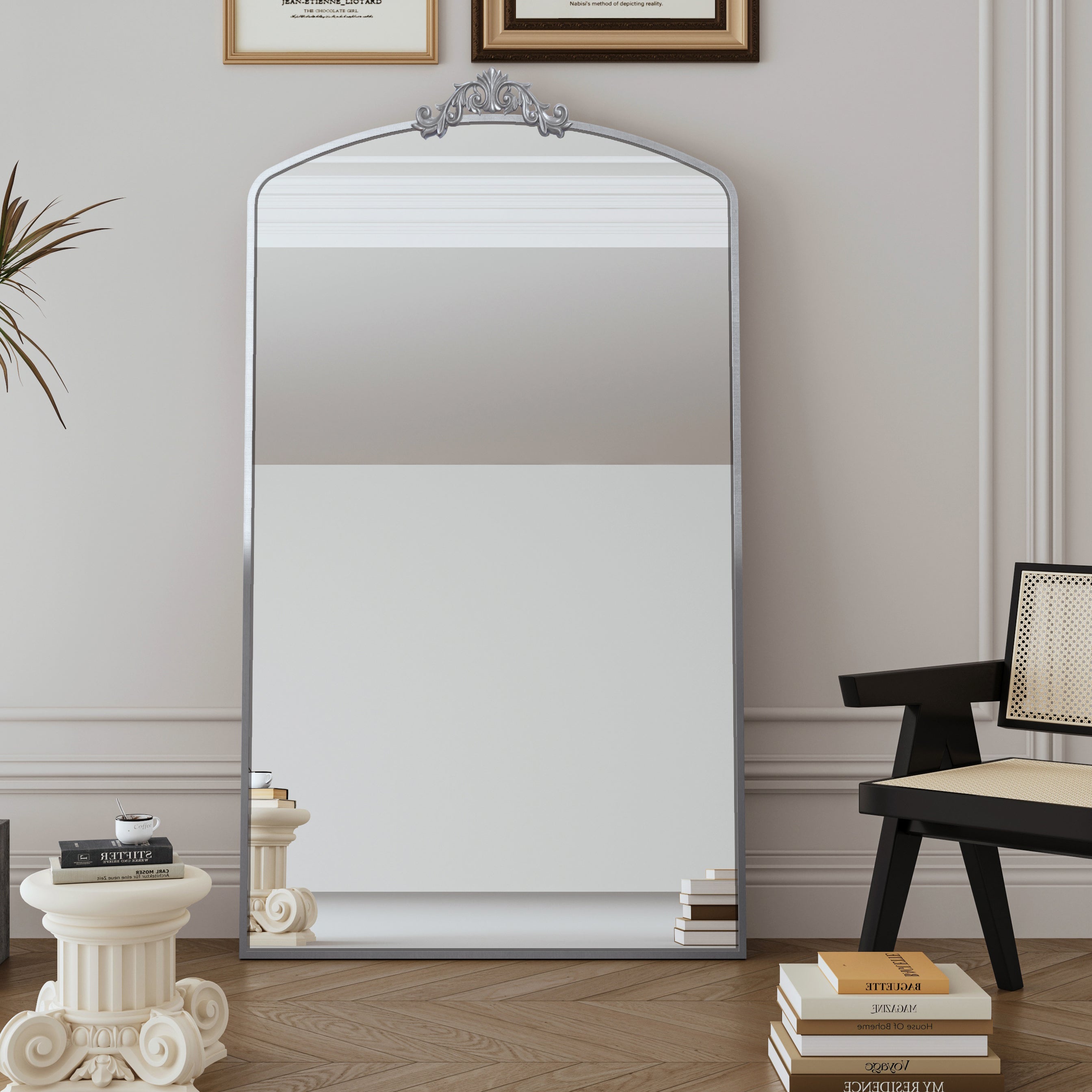
That choice comes before shape, size or finish, because it decides what hardware the mirror needs. A wall mirror carries brackets or D-rings and fixes to the wall. A floor mirror has a flat base built to sit stable at an angle. Some pieces do both, and those listings say so. A mirror built only to hang will not stand safely on the floor, and one built only to lean has no fixings on the back.
What size do you need?
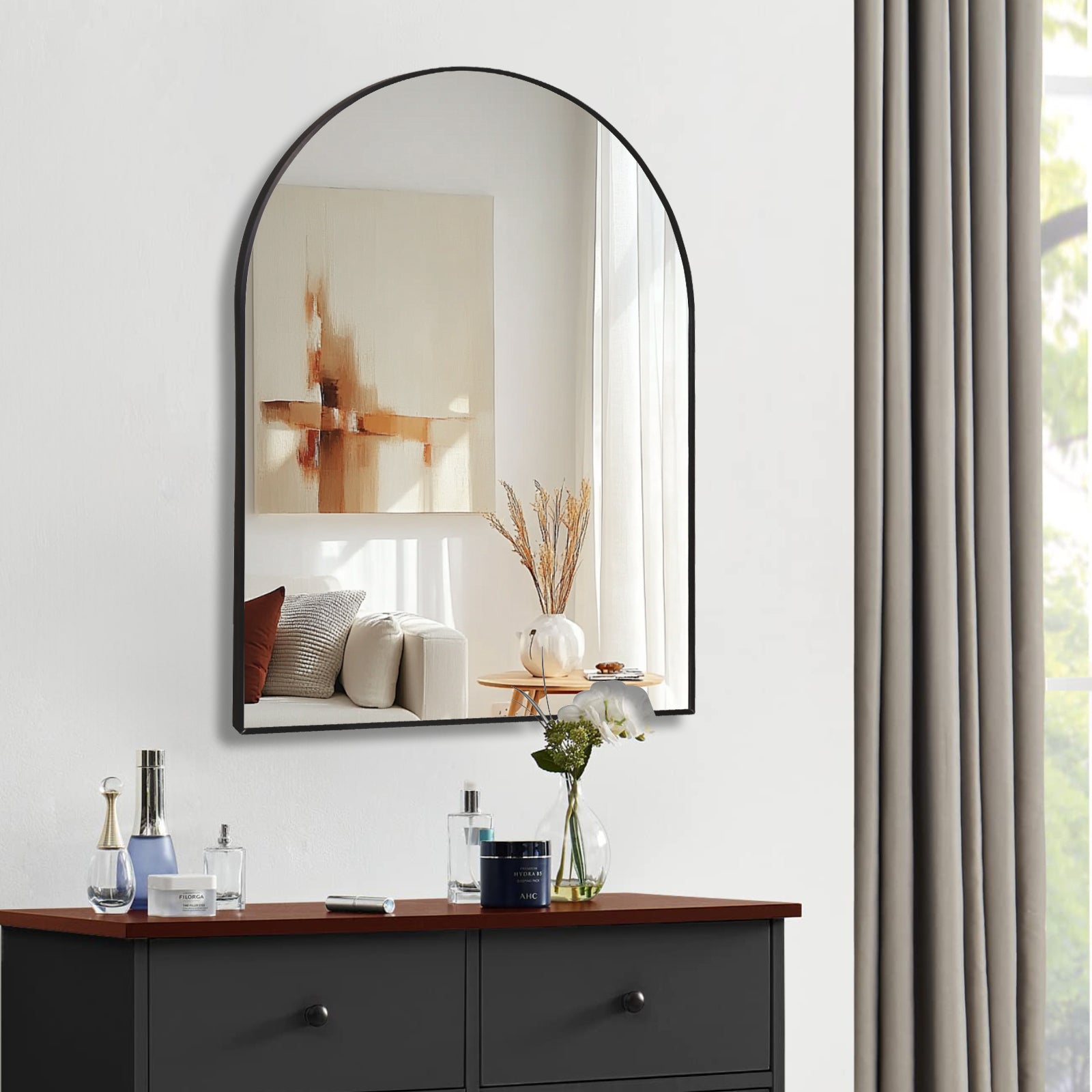
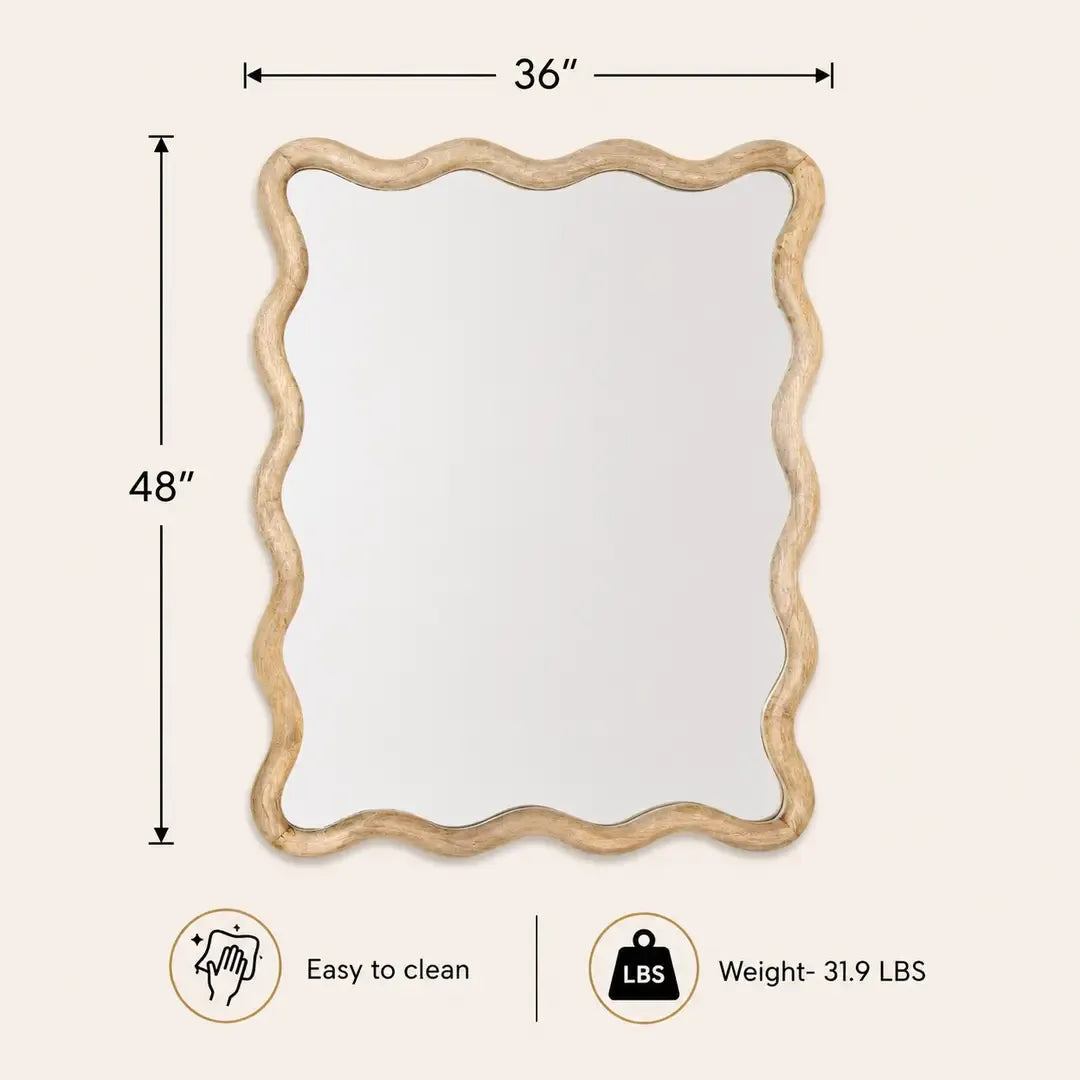
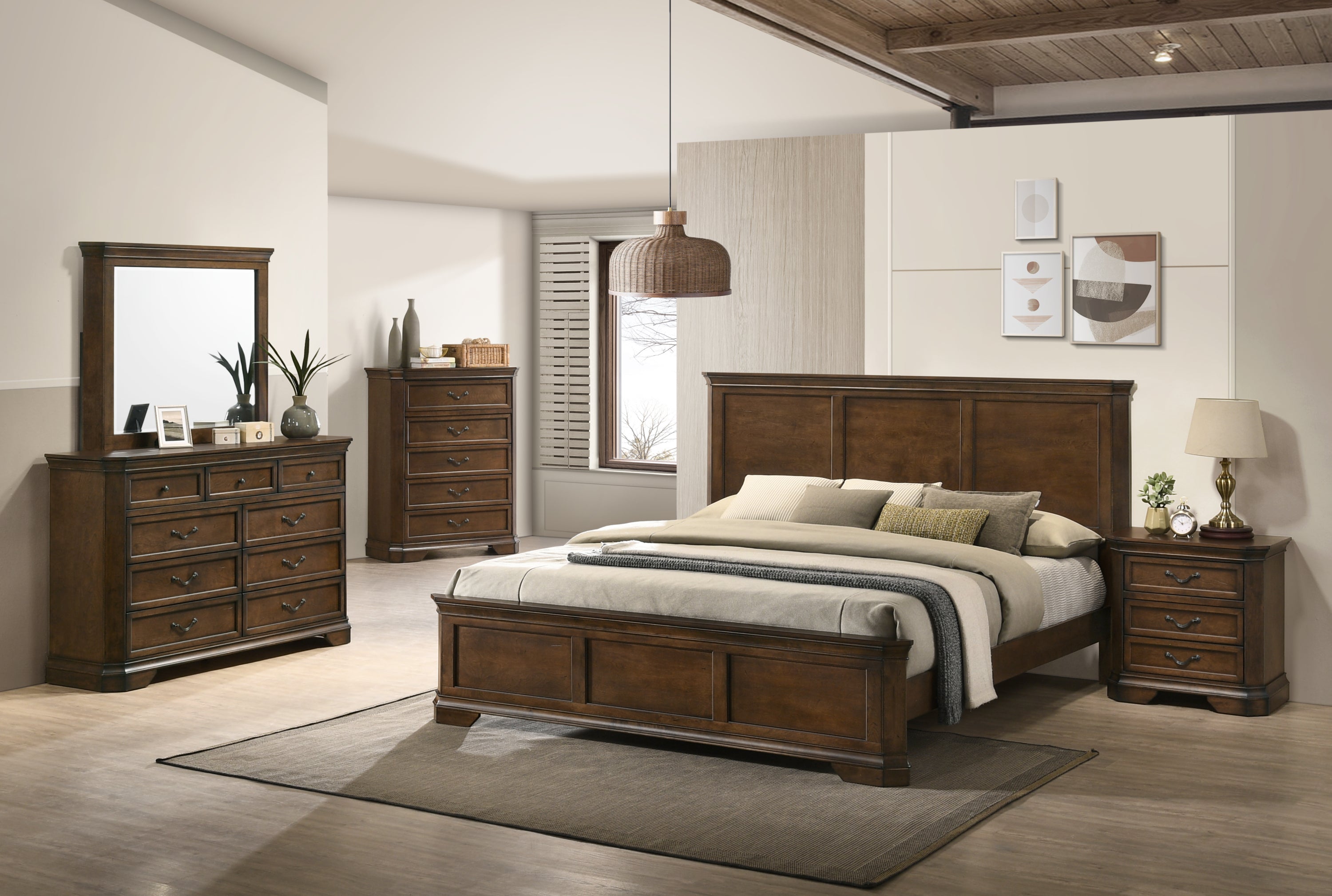
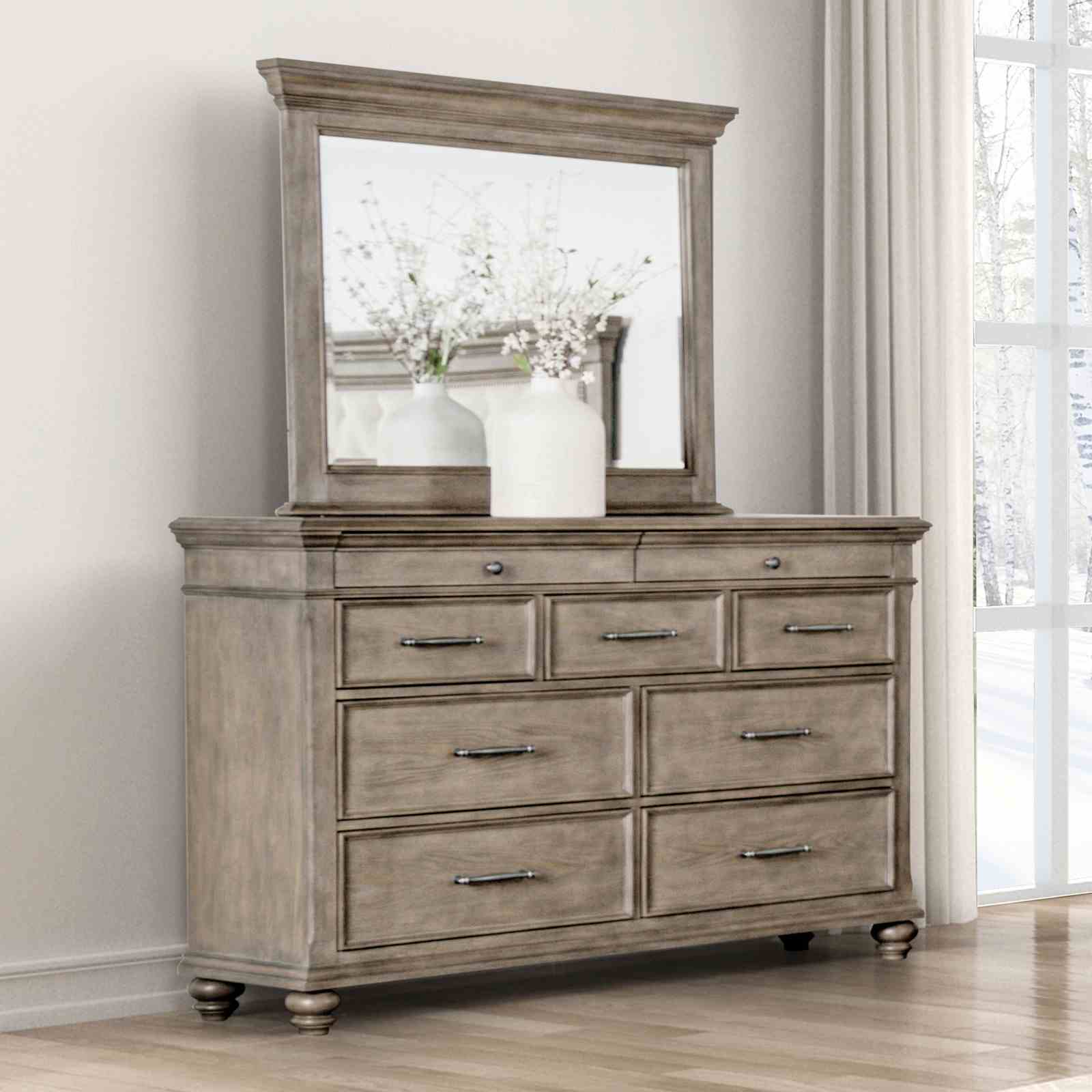
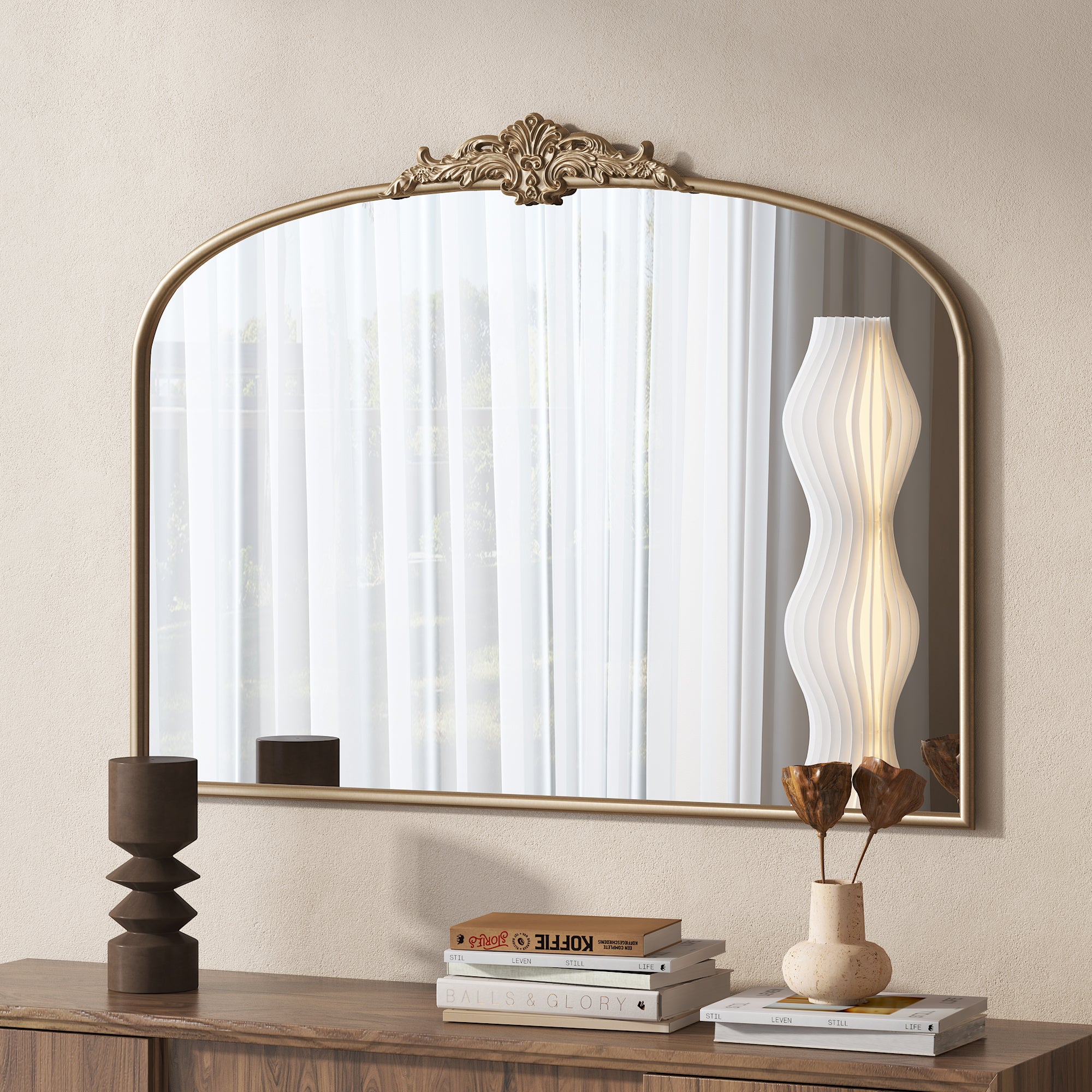
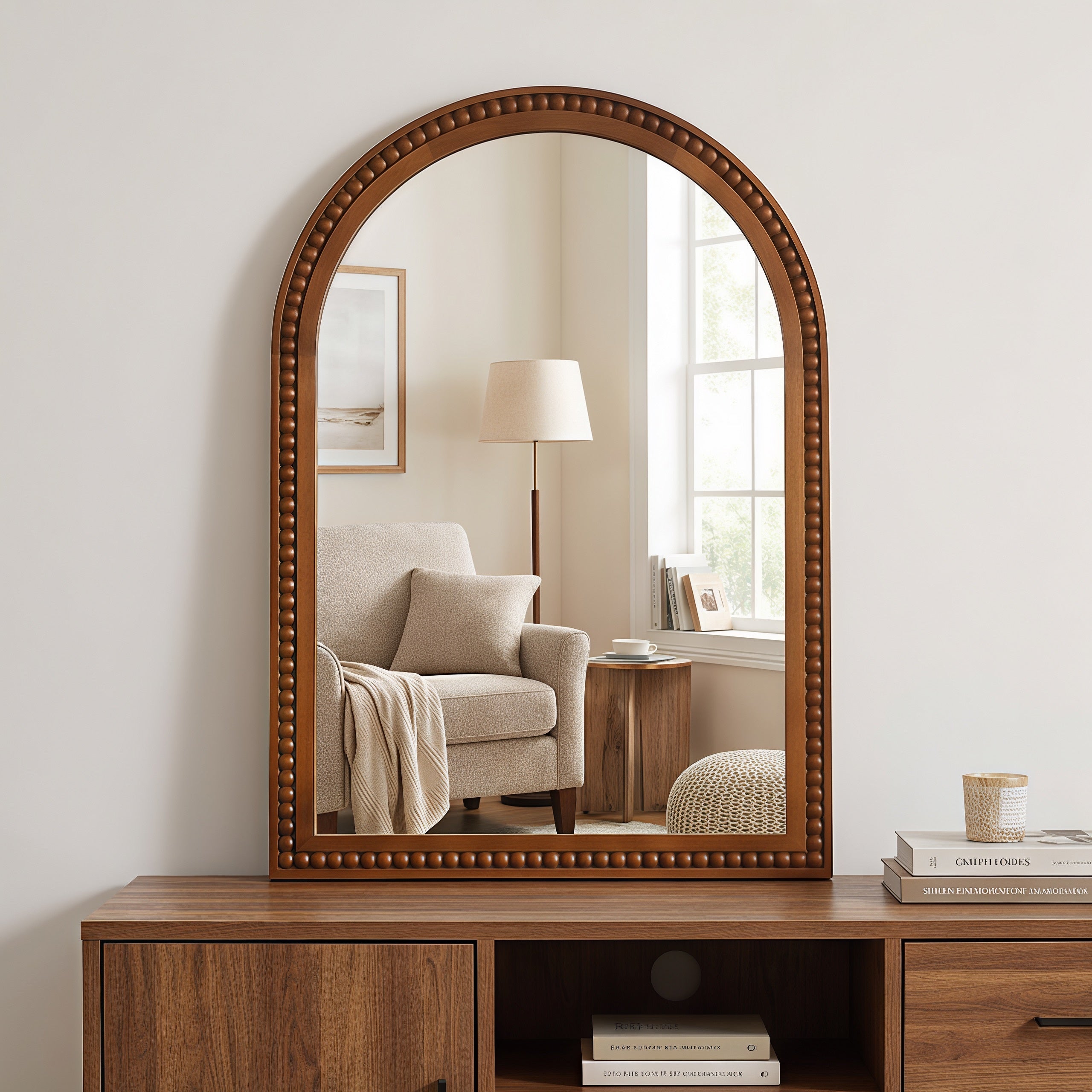
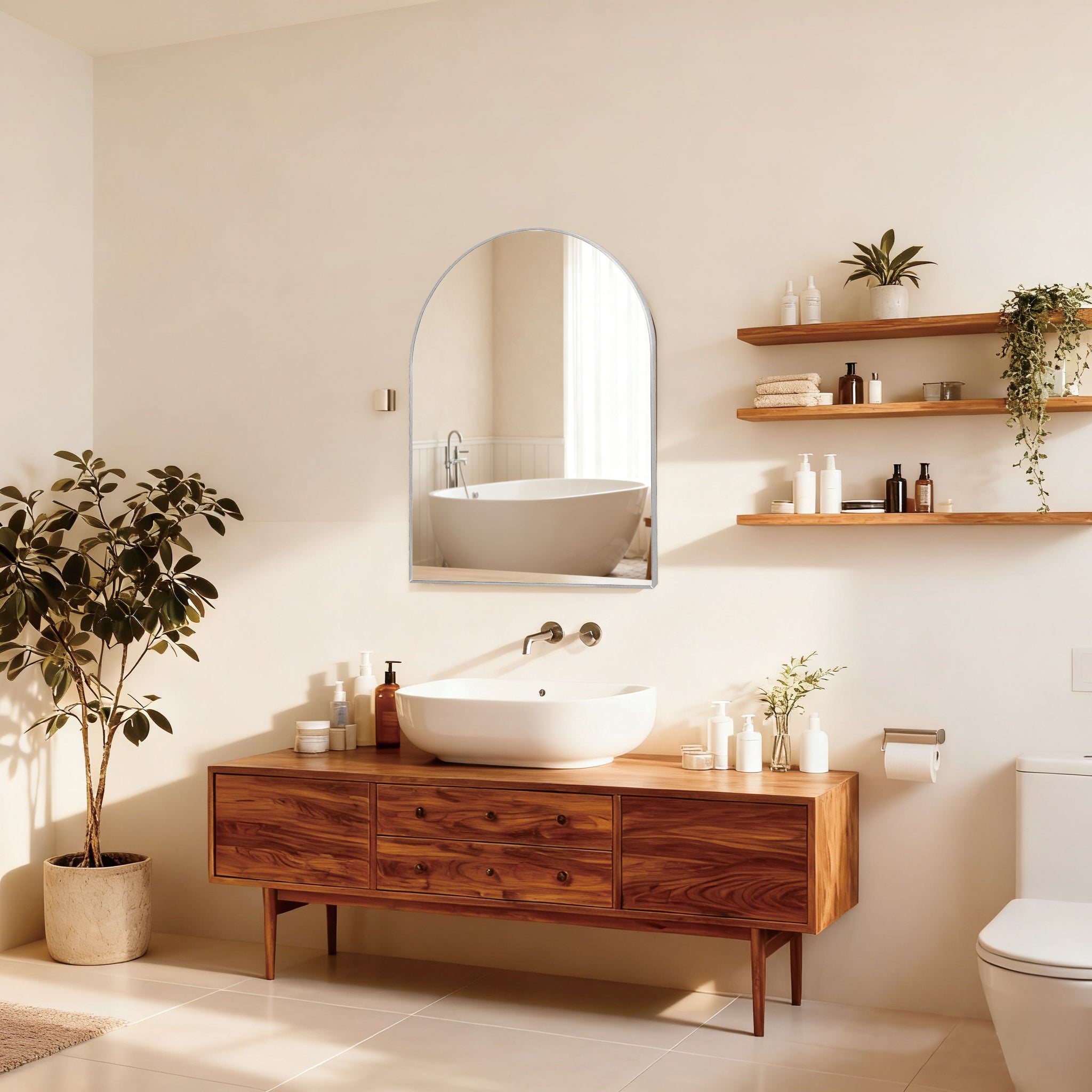
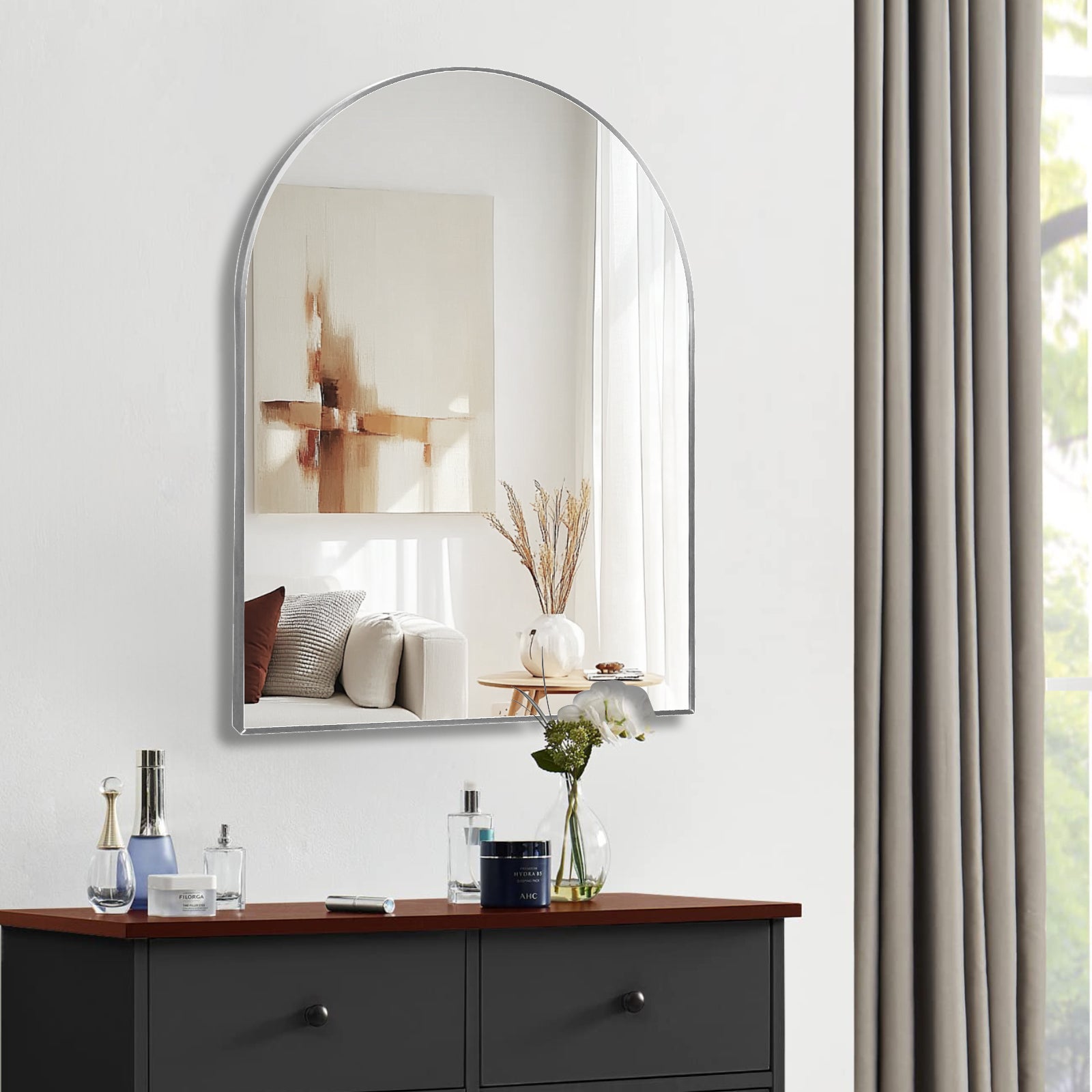
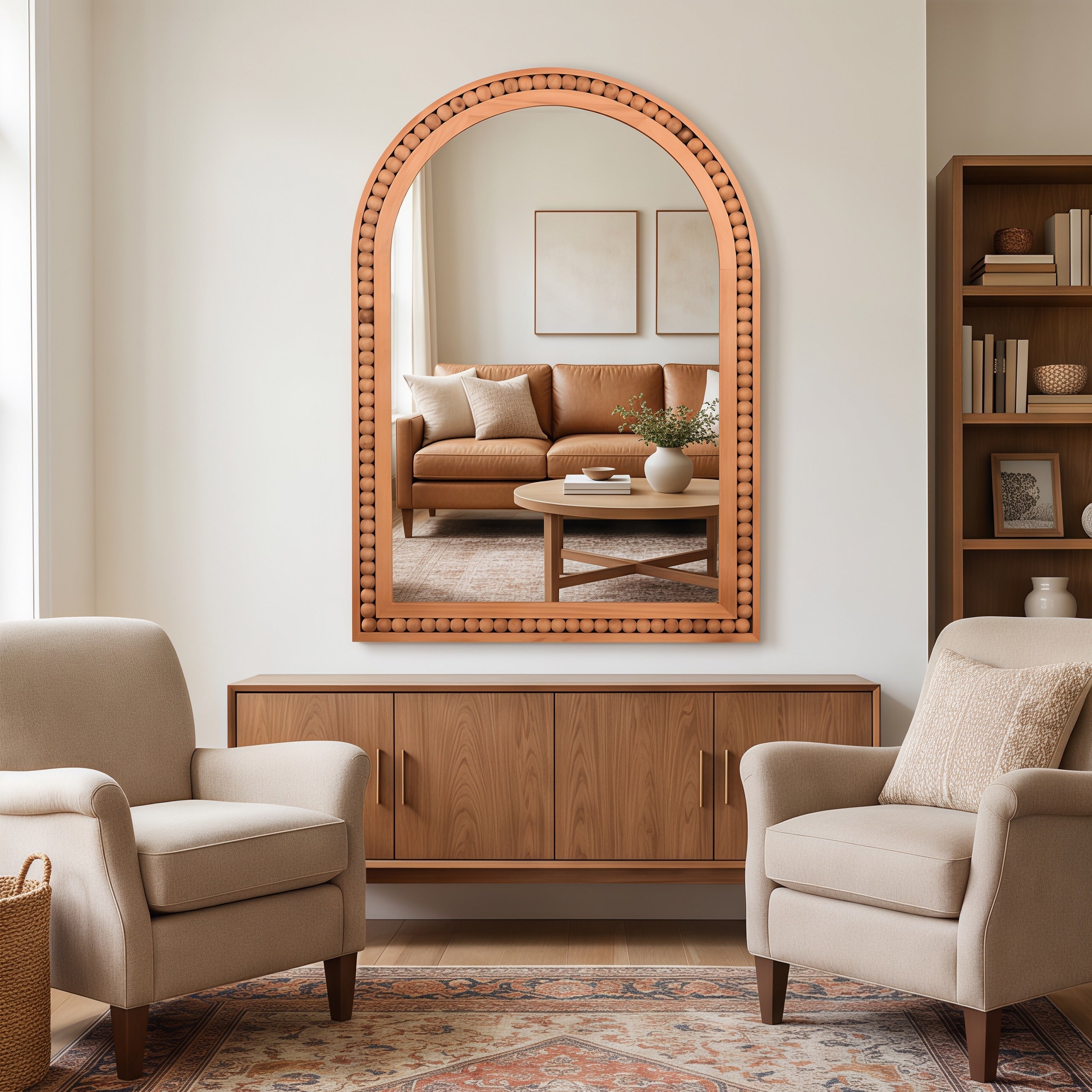
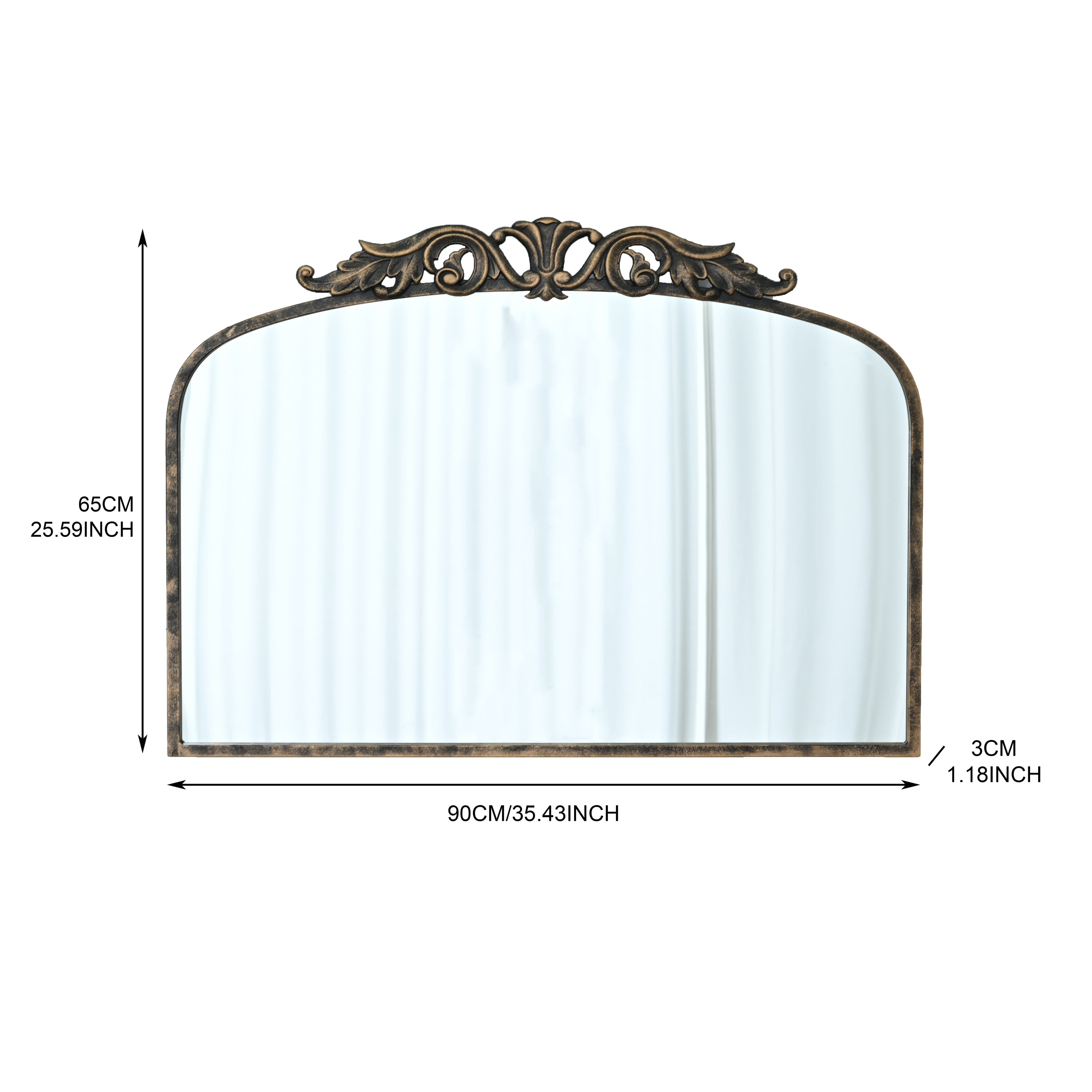
Work from what the mirror sits above. Over a console, dresser or vanity, aim for two thirds to three quarters of the width of the furniture beneath, and never wider than it. On an empty wall, the mirror can be larger, but leave clear wall either side rather than filling the space edge to edge. Sizes here run 16 to 40 inches wide and up to 76 inches tall.
How high should a mirror hang?
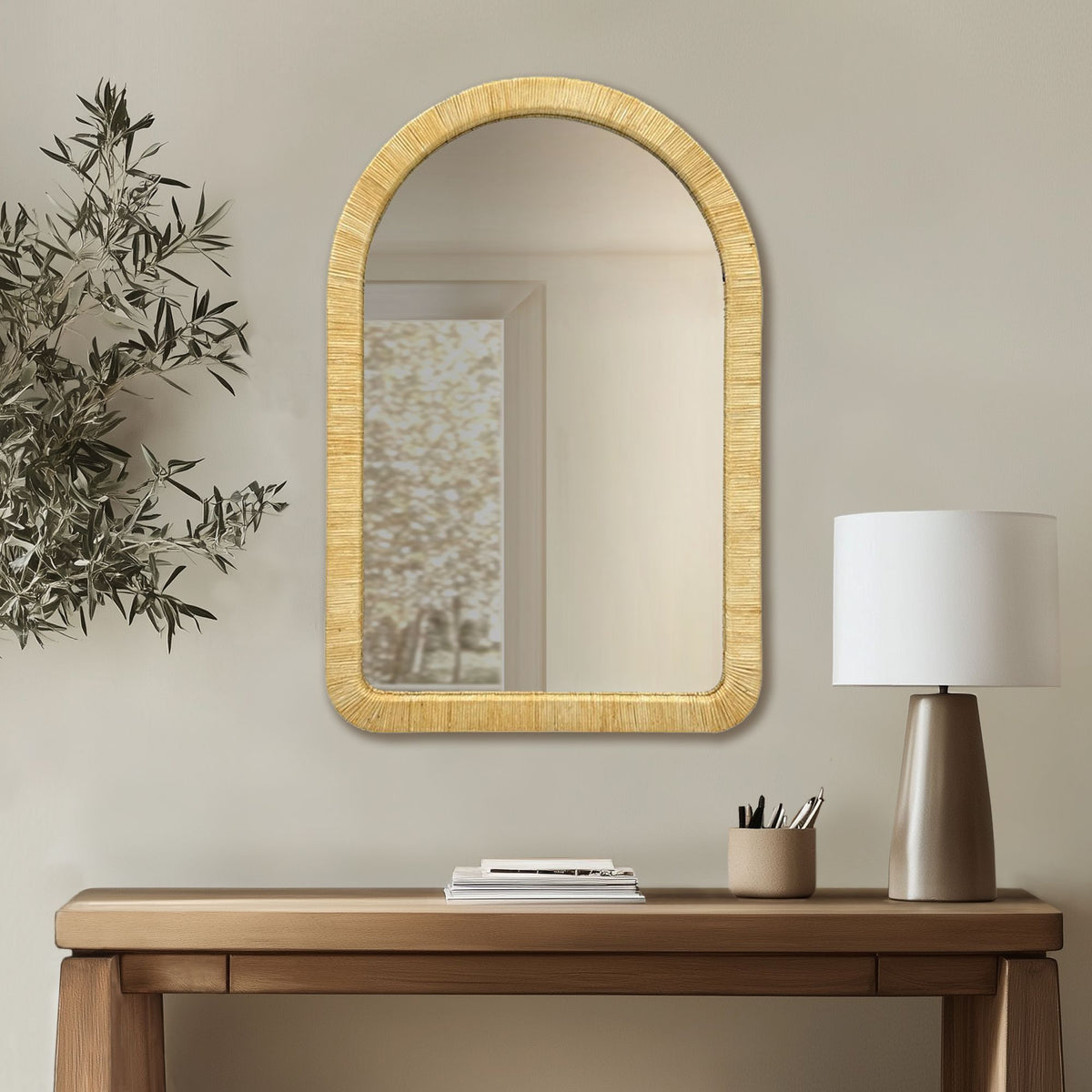
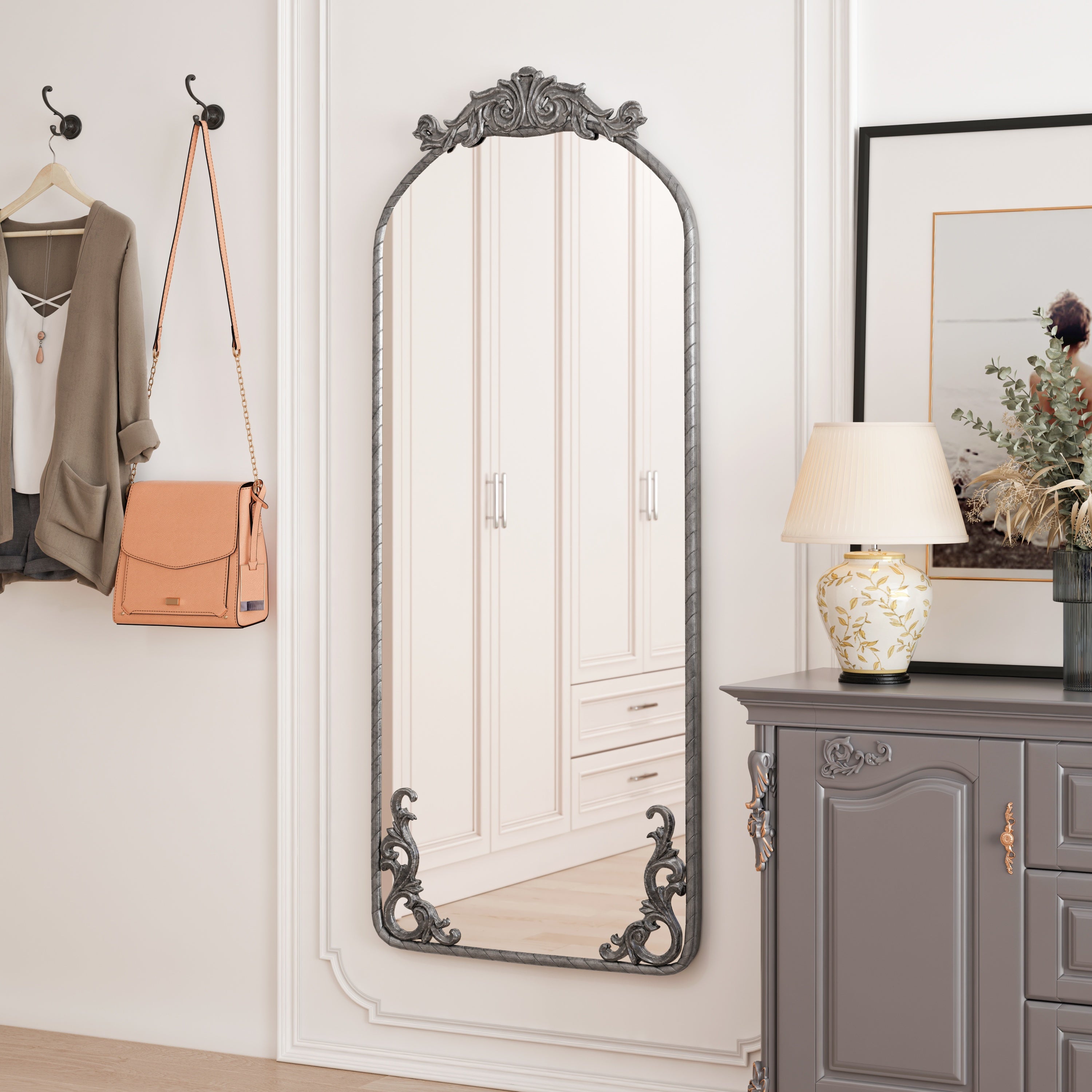
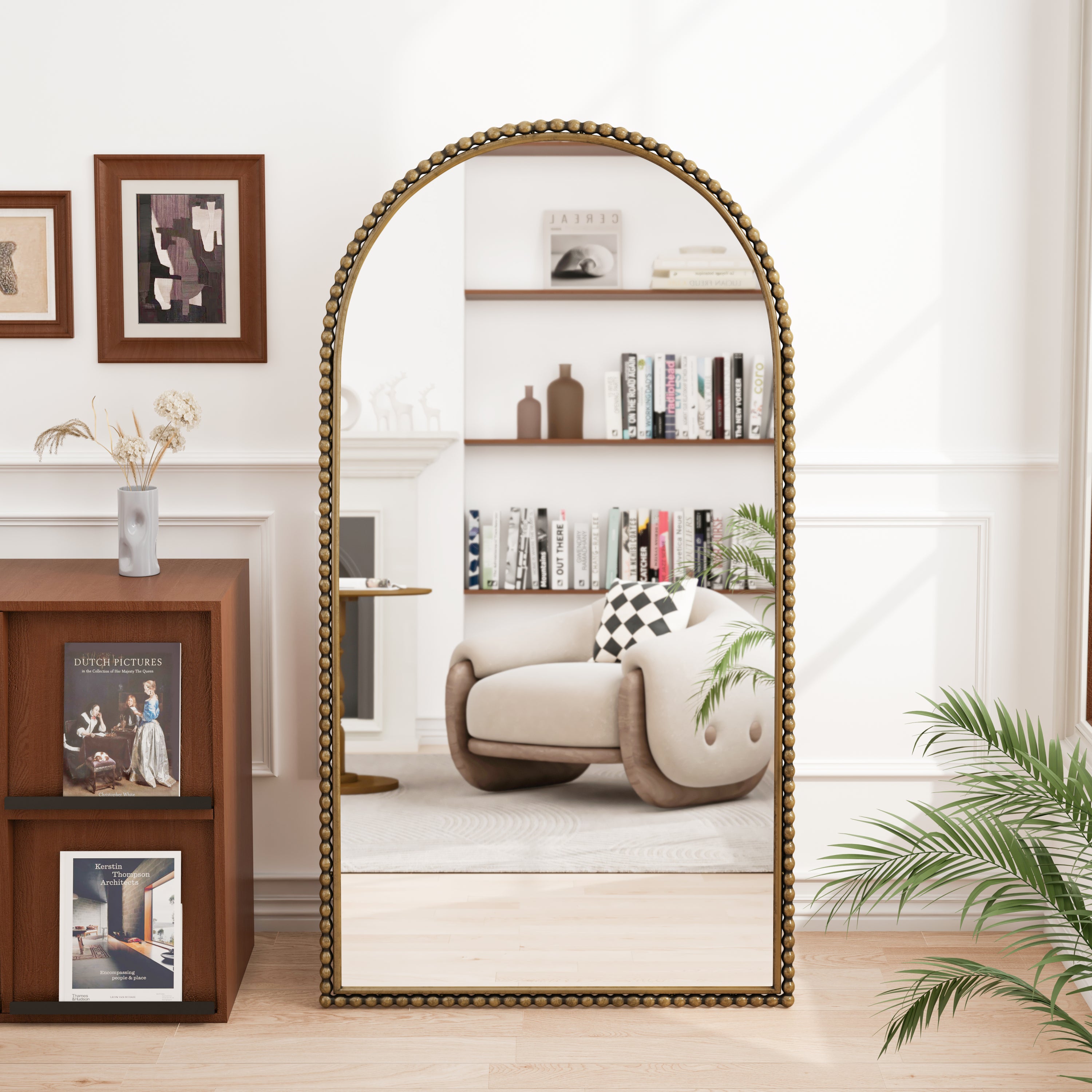
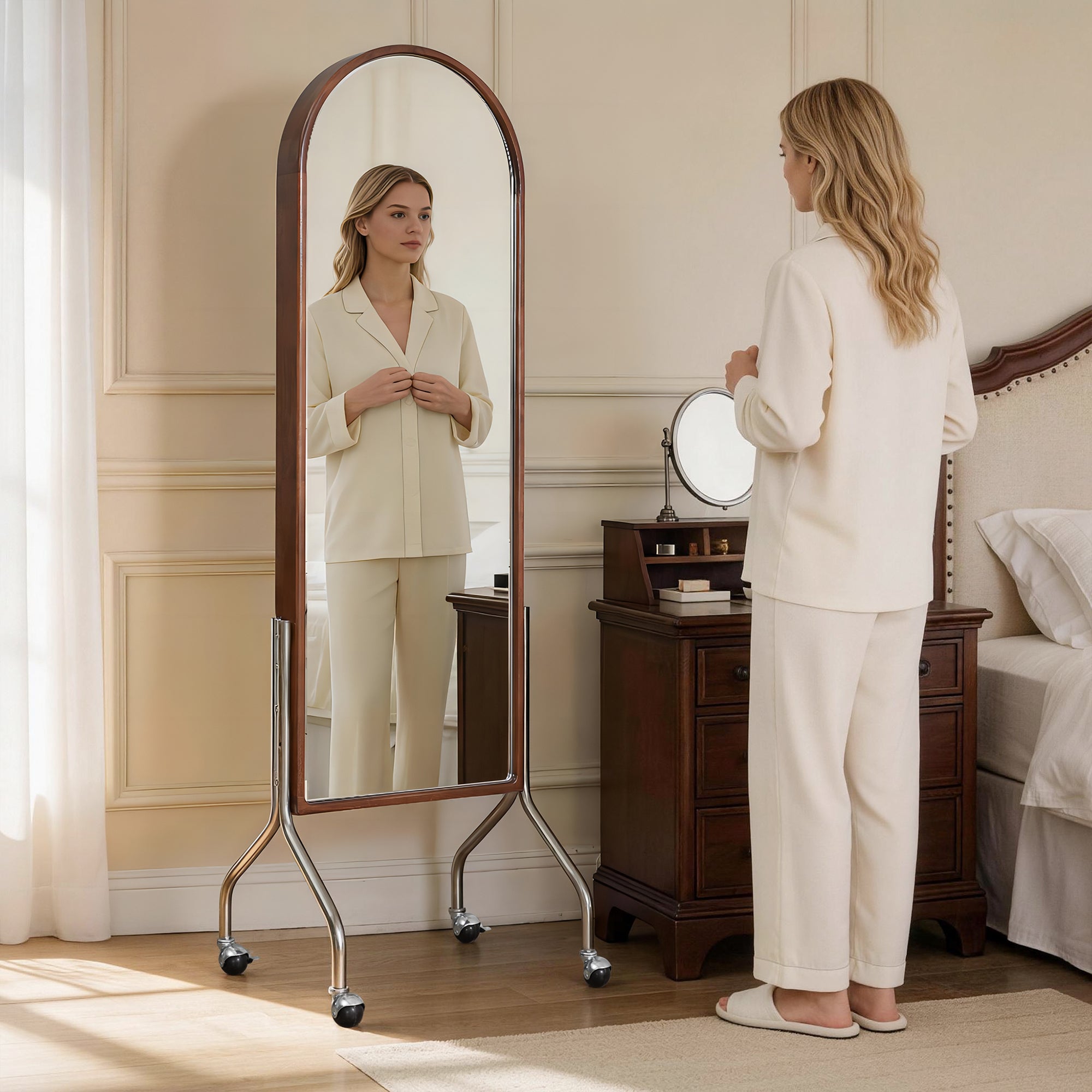
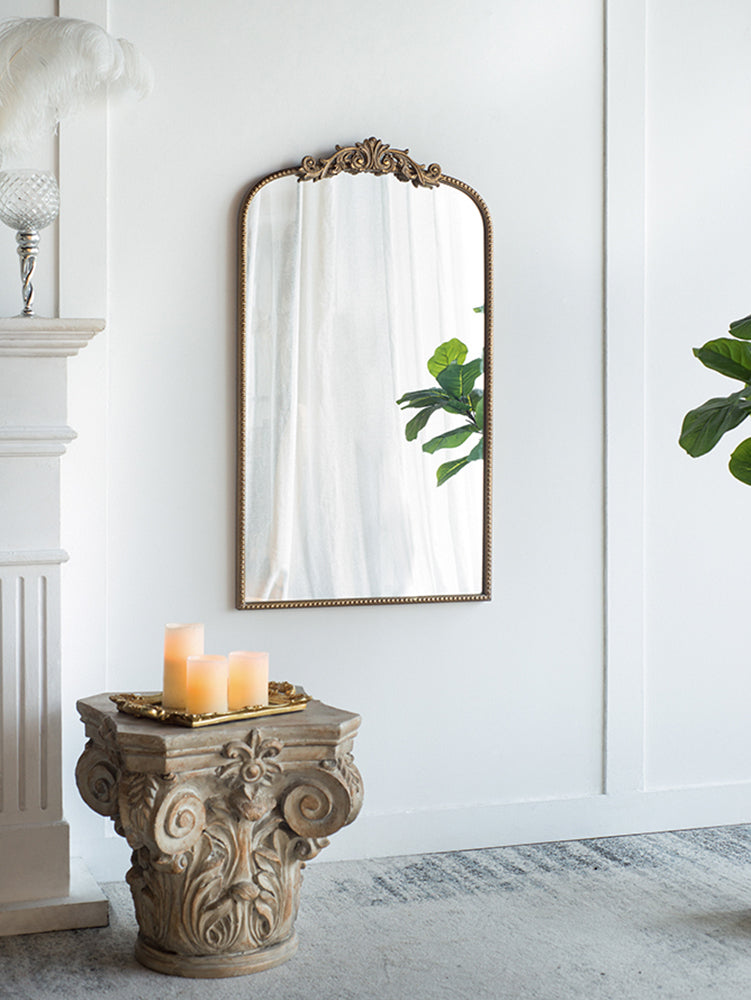
Centre the glass 57 to 60 inches from the floor, which is roughly average standing eye level and the standard gallery height. Full length mirrors are the exception: hang those with the bottom of the glass 12 to 18 inches off the floor so they show your feet. Hanging a full length mirror at picture height is the most common mistake in the category.
Shape changes the room
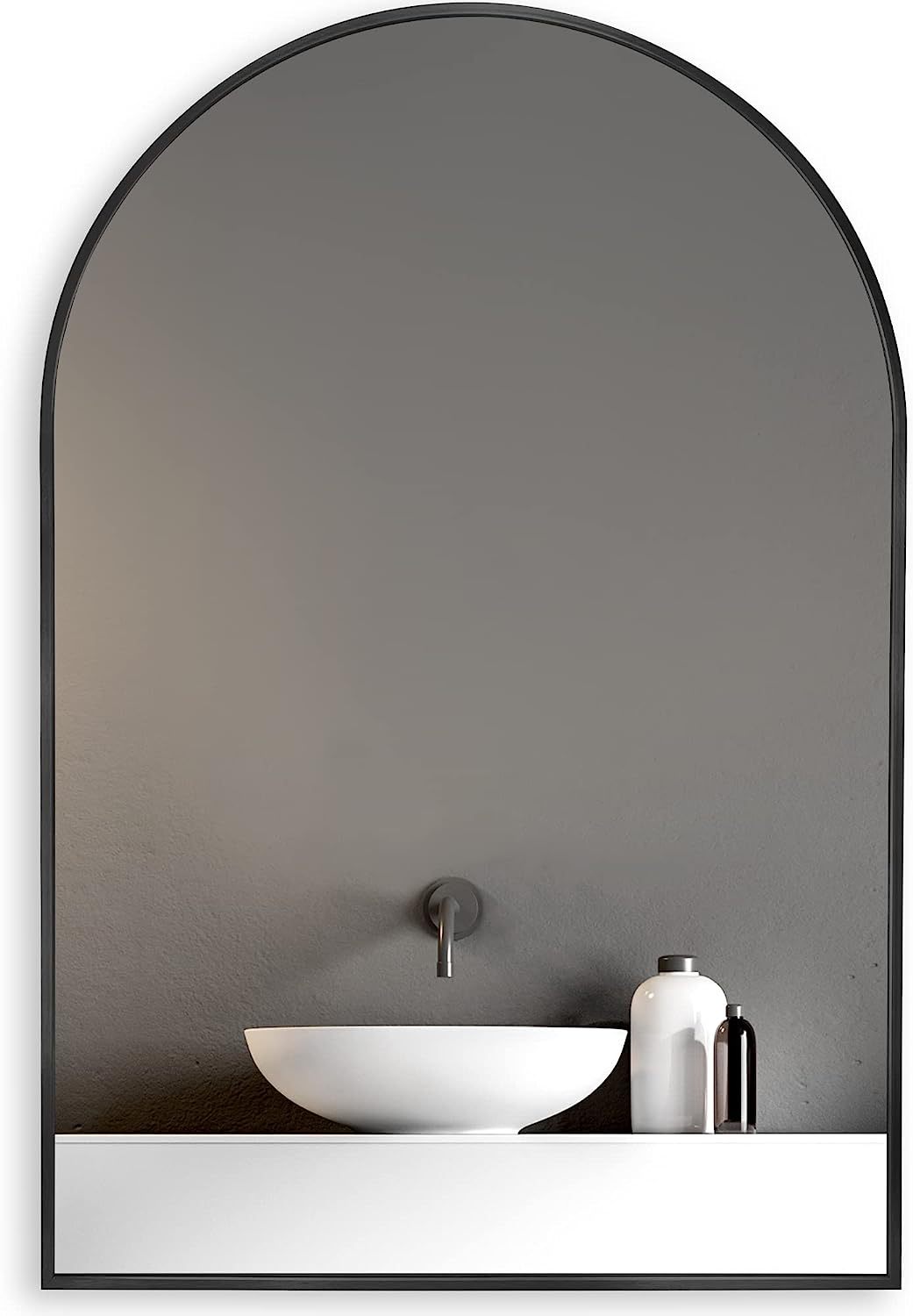
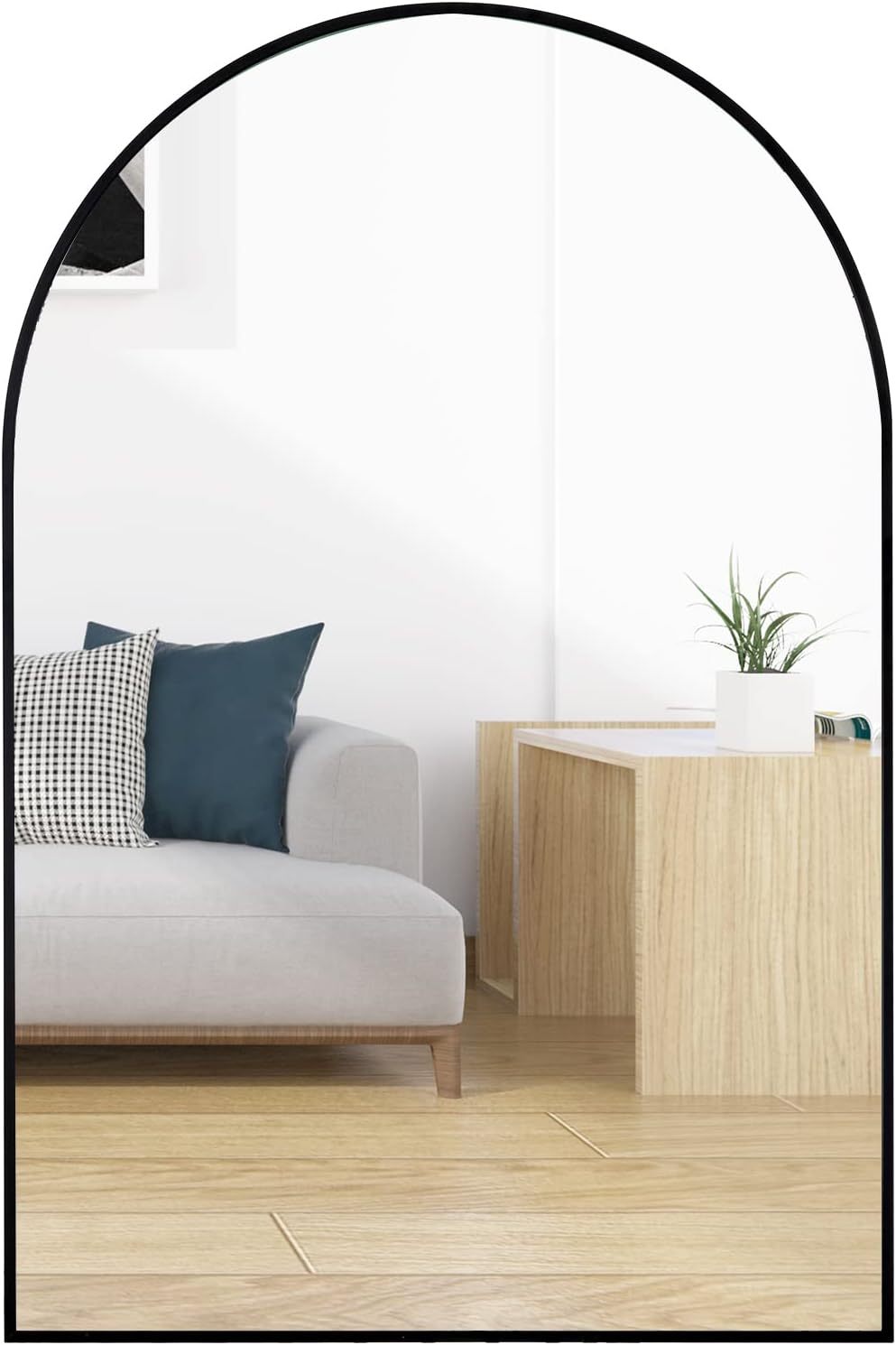
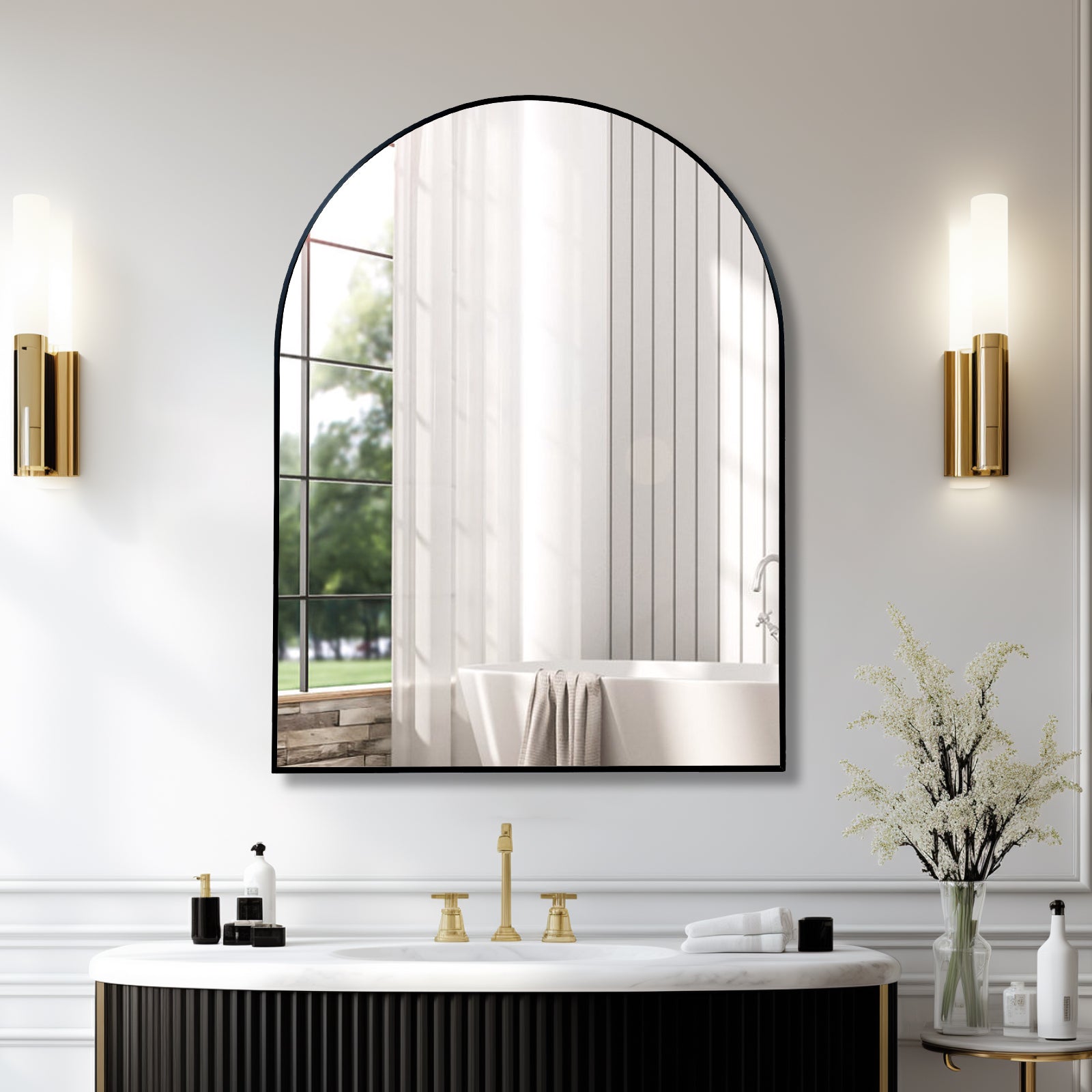
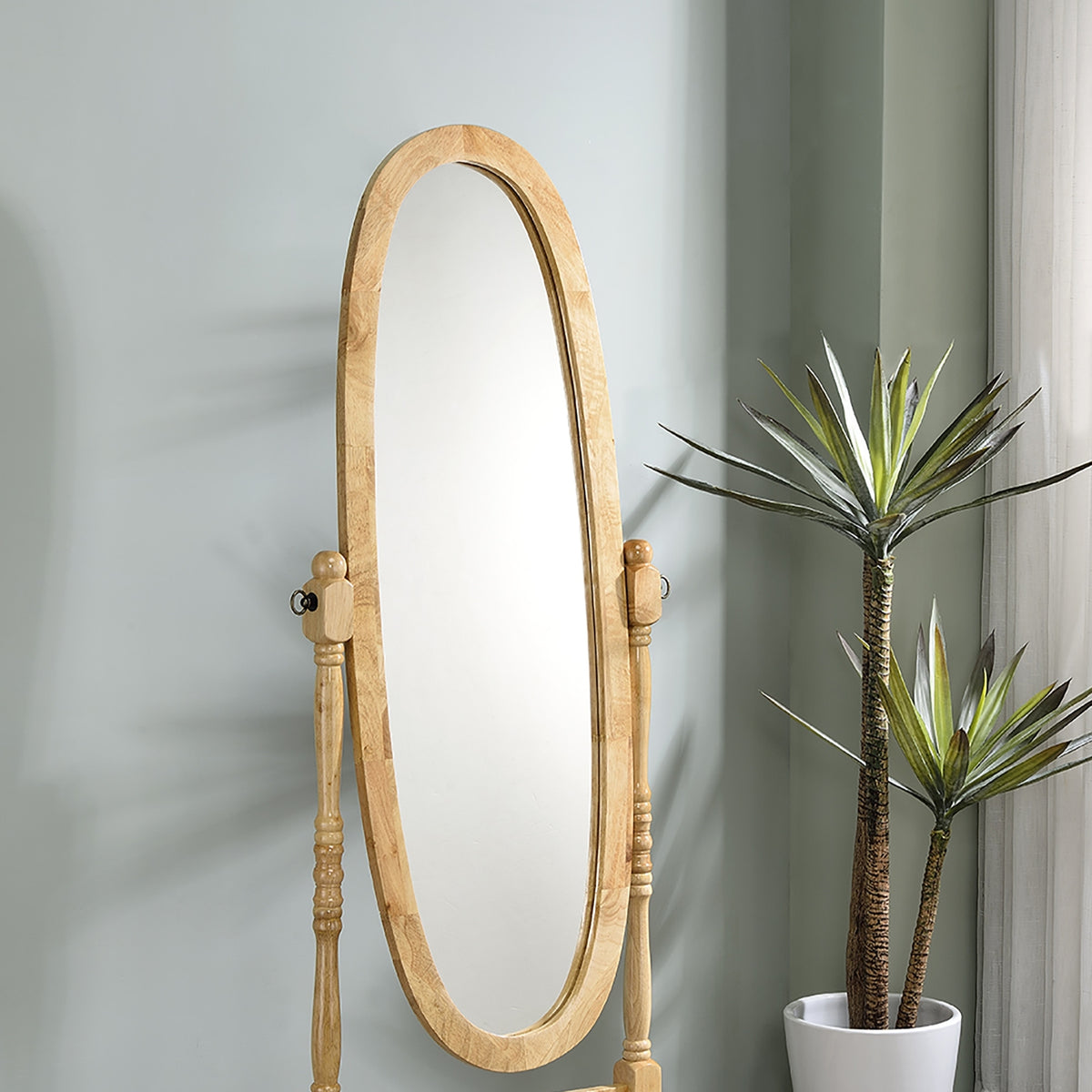
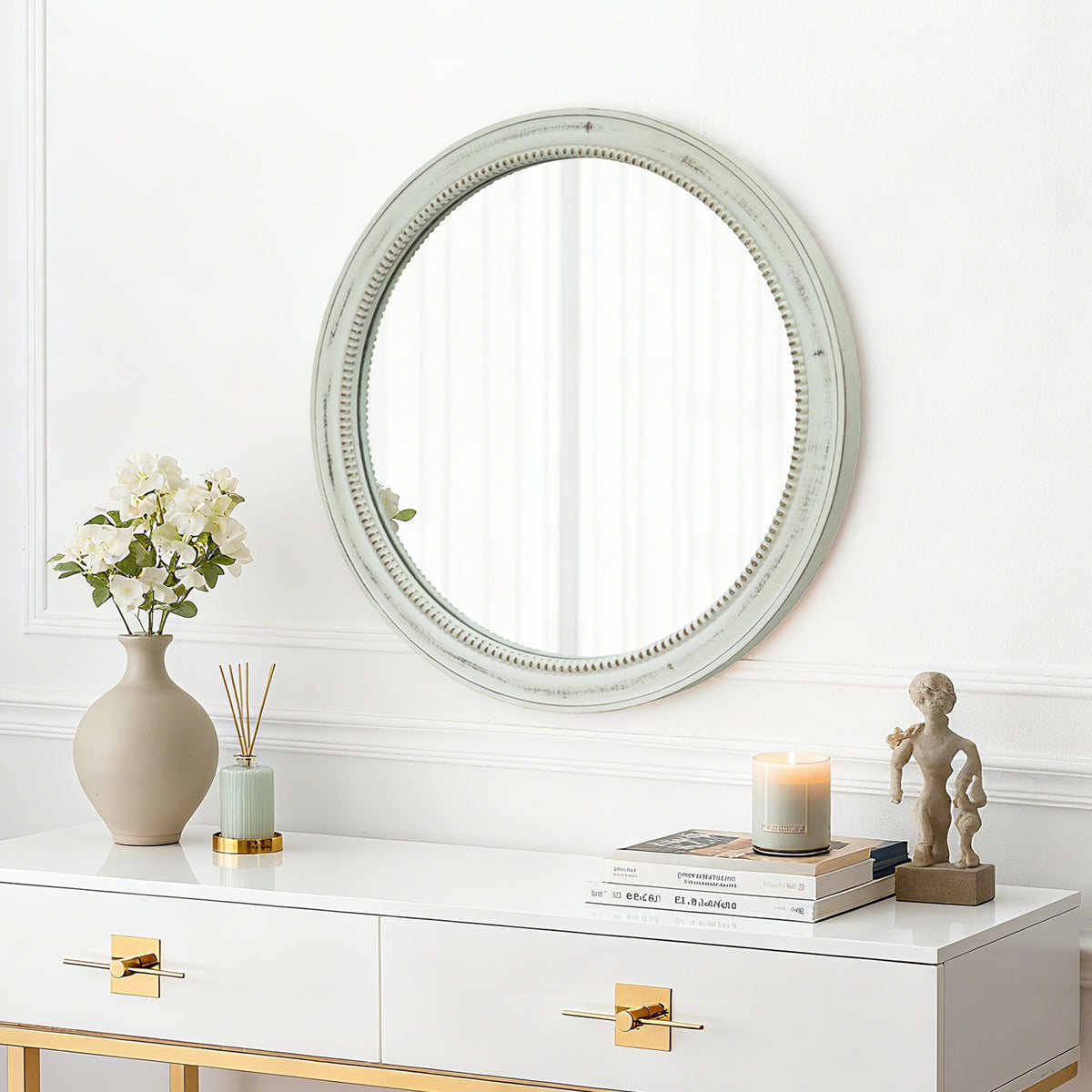
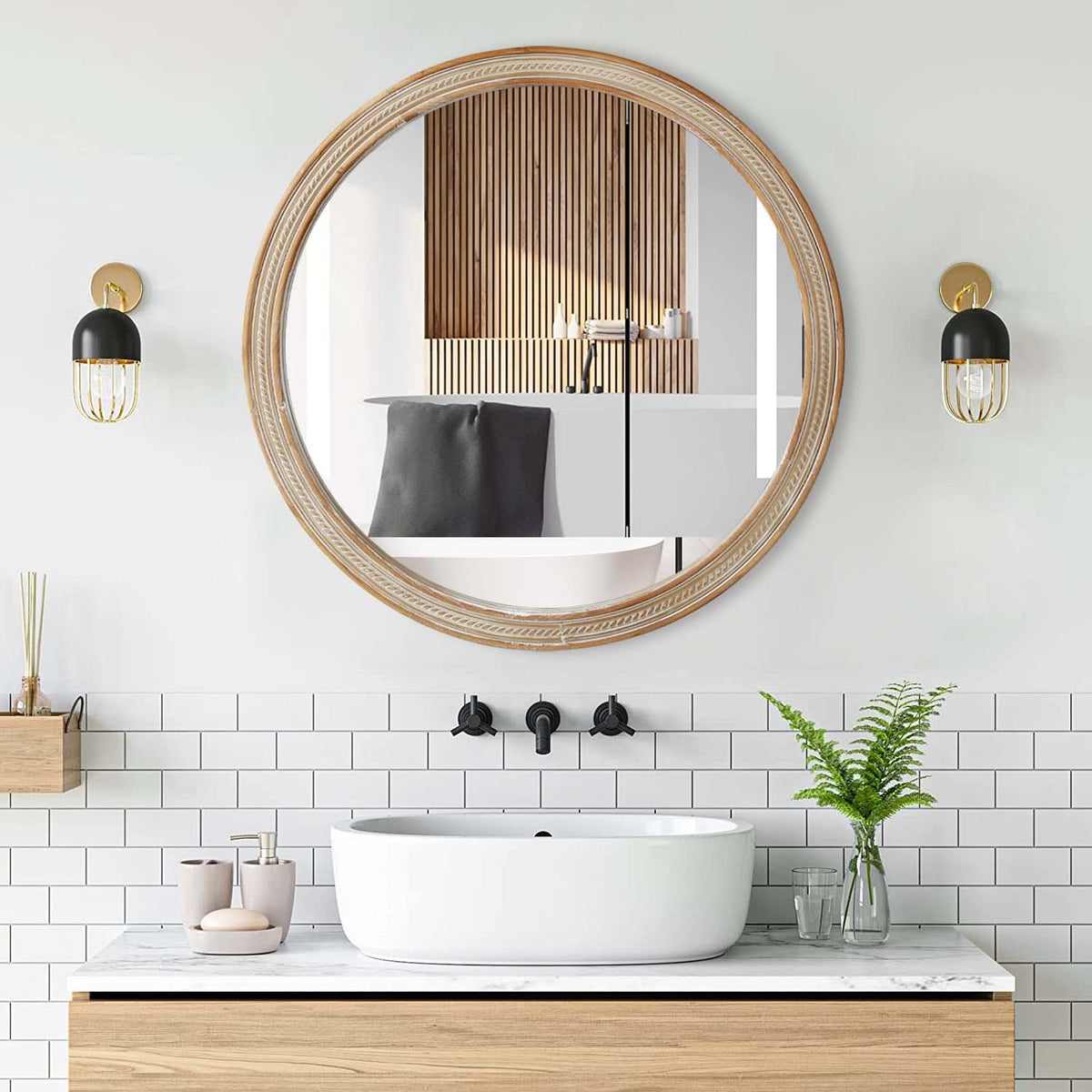
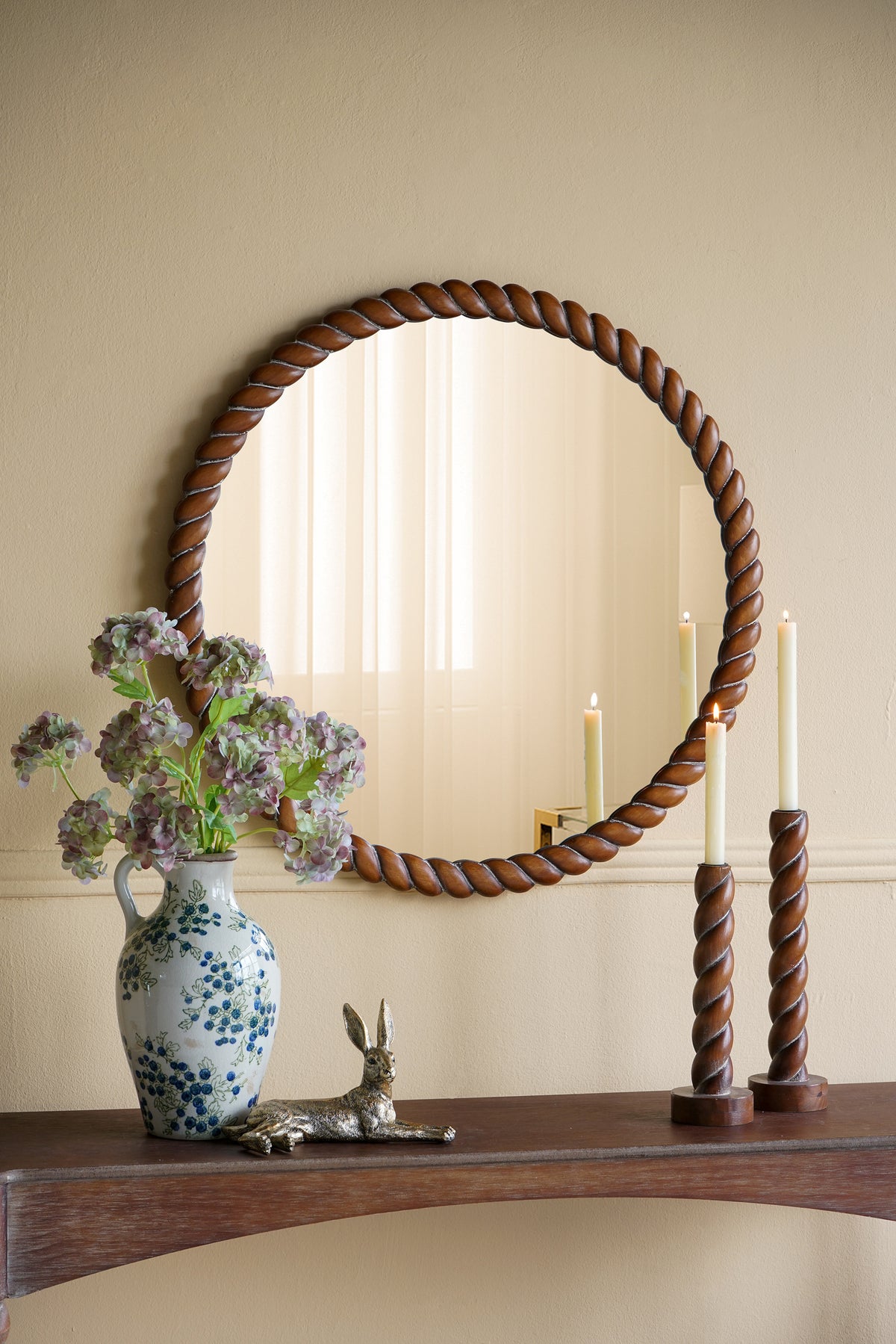
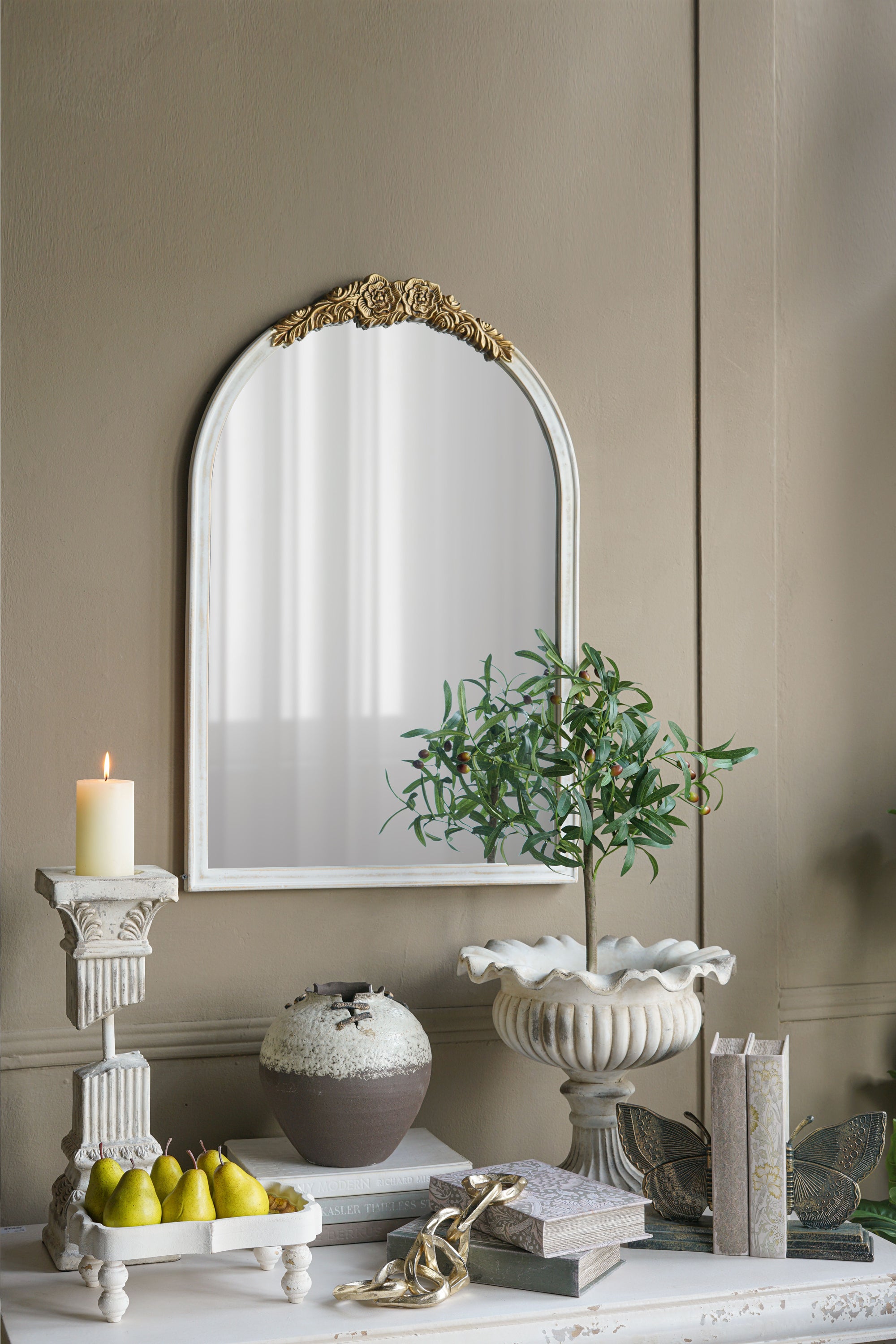
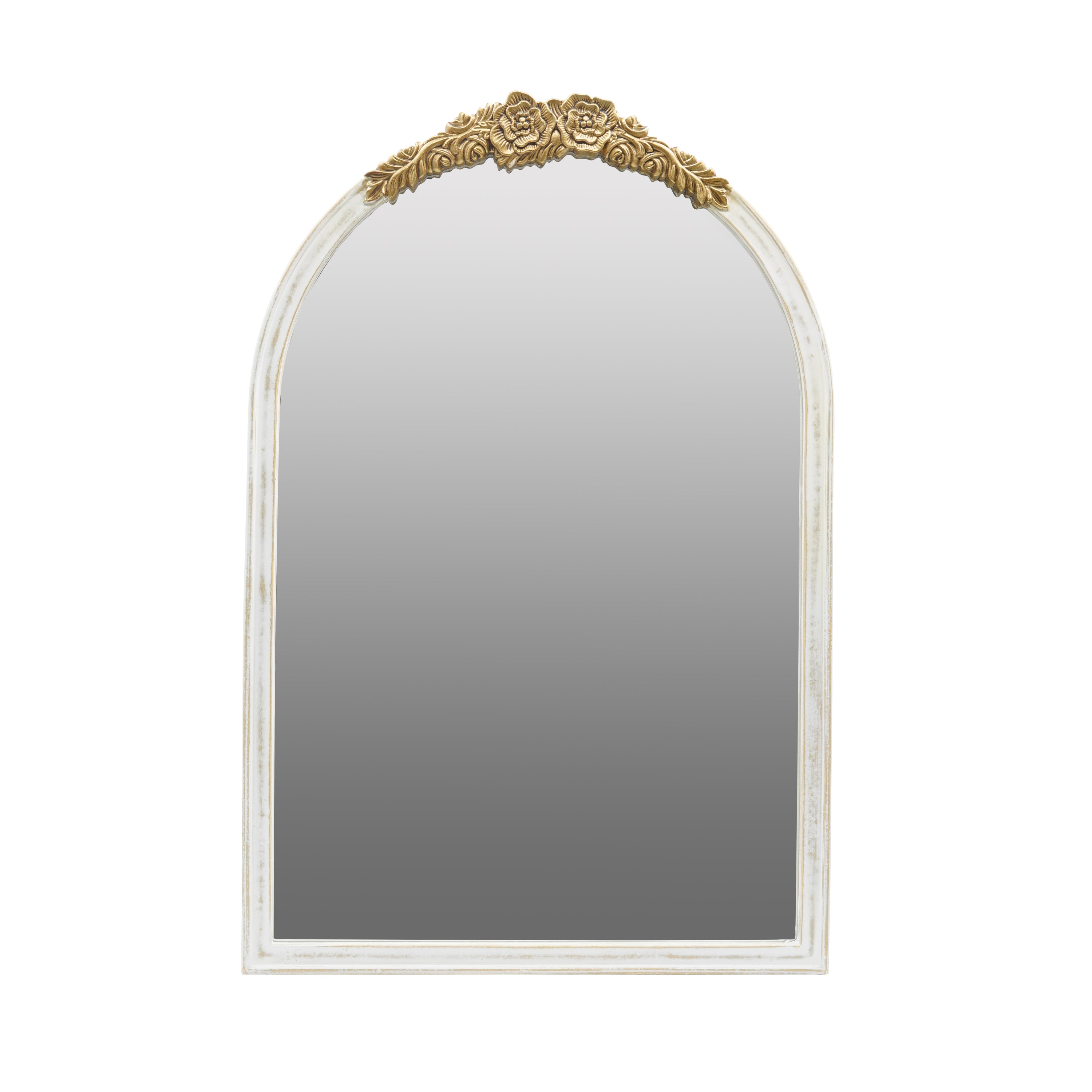
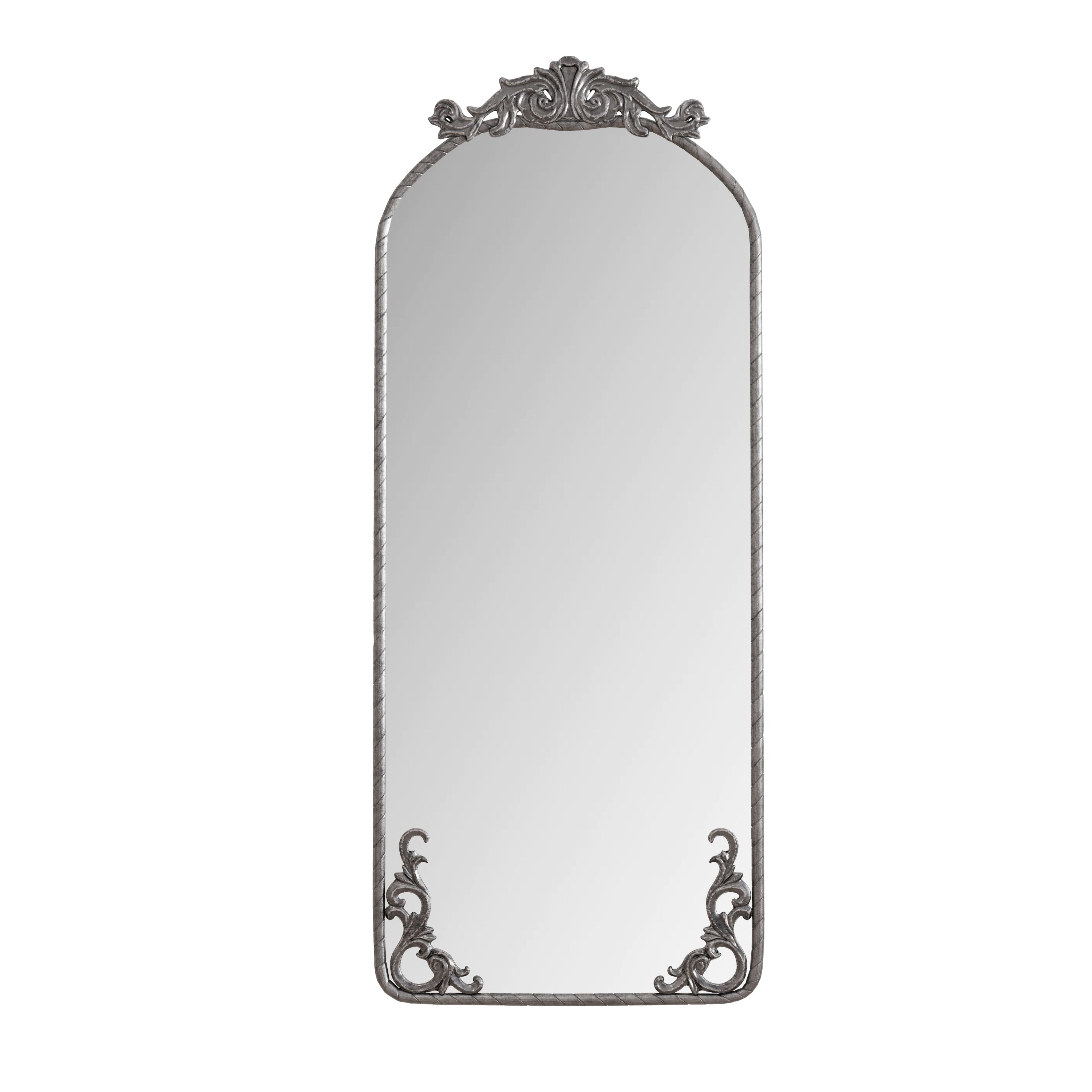
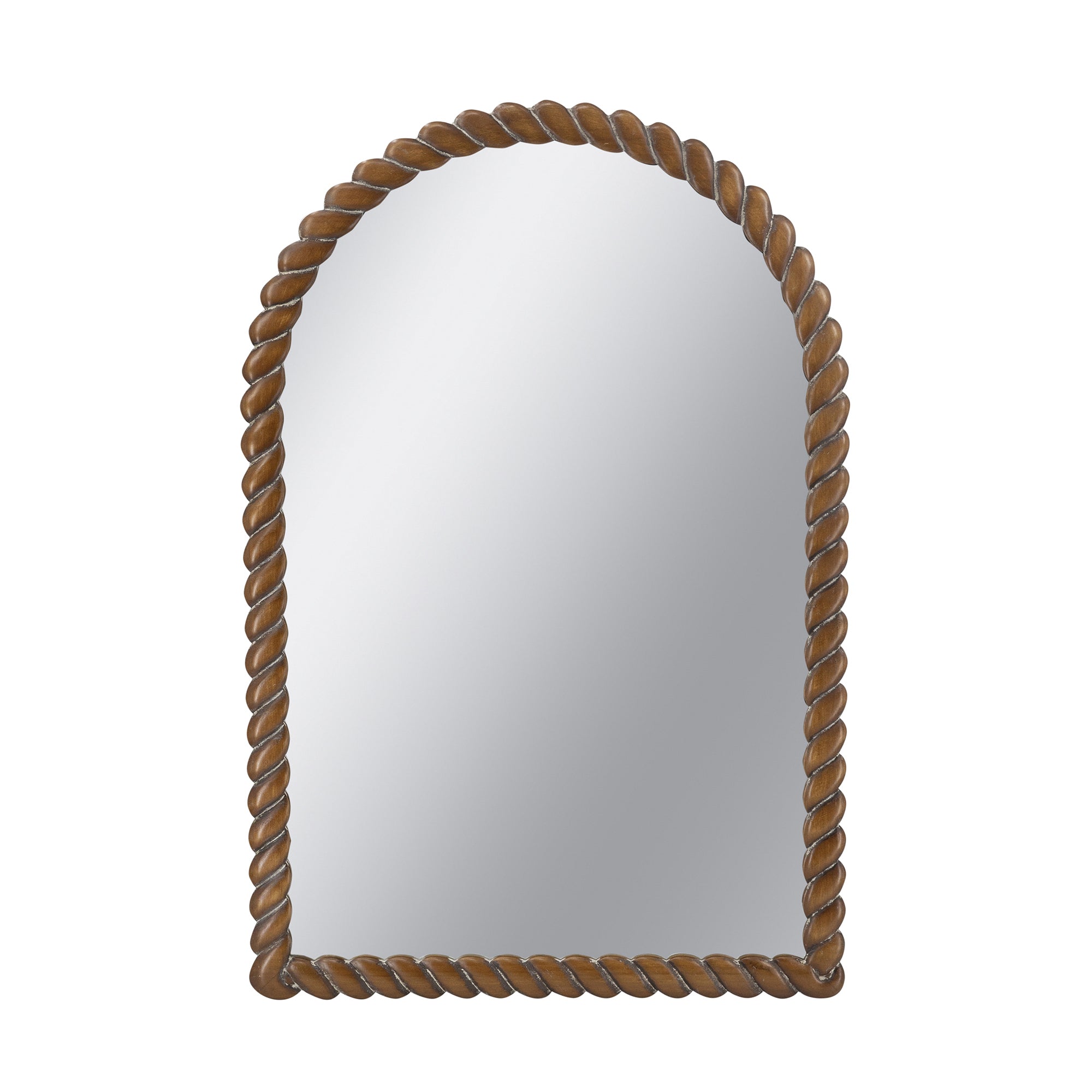
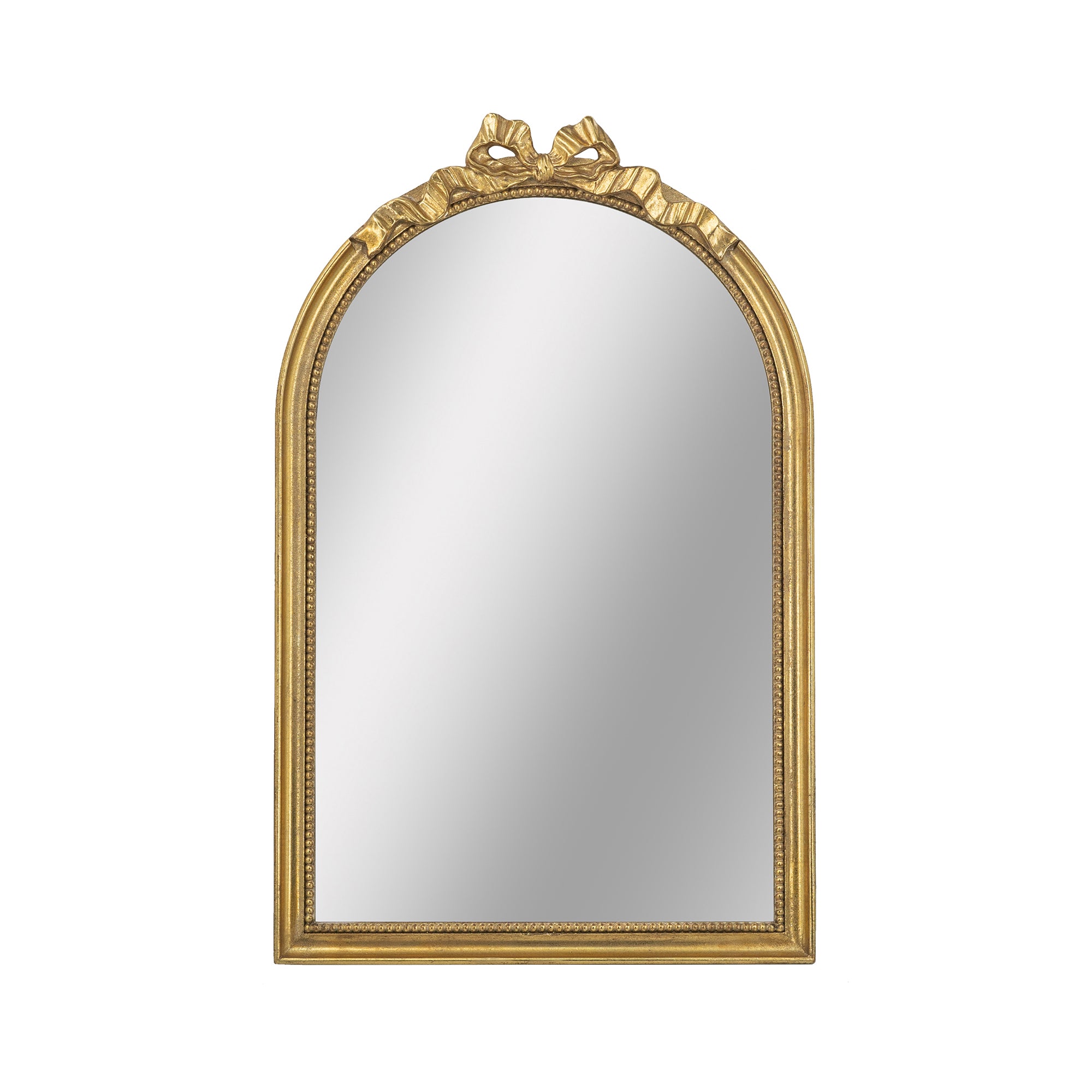
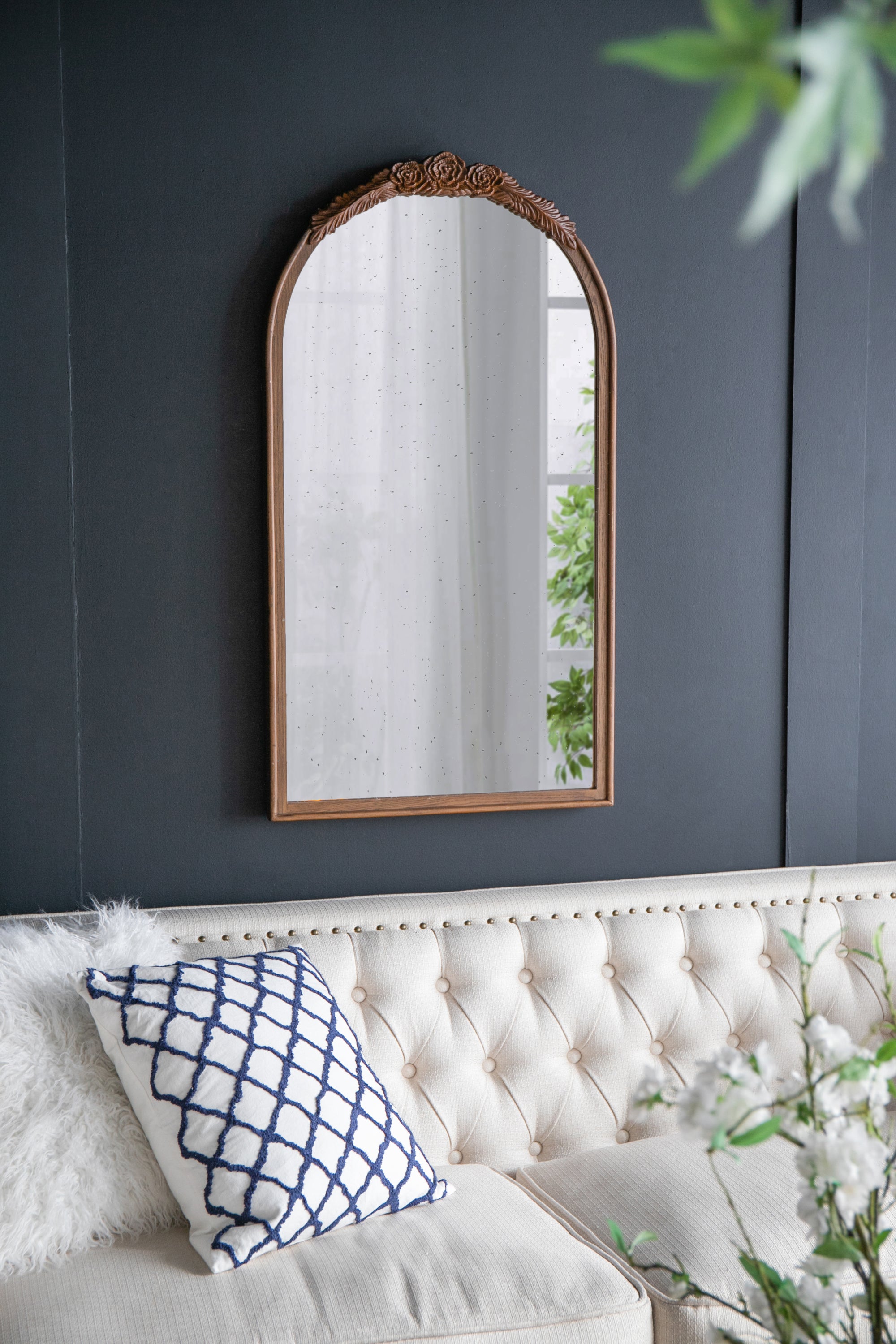
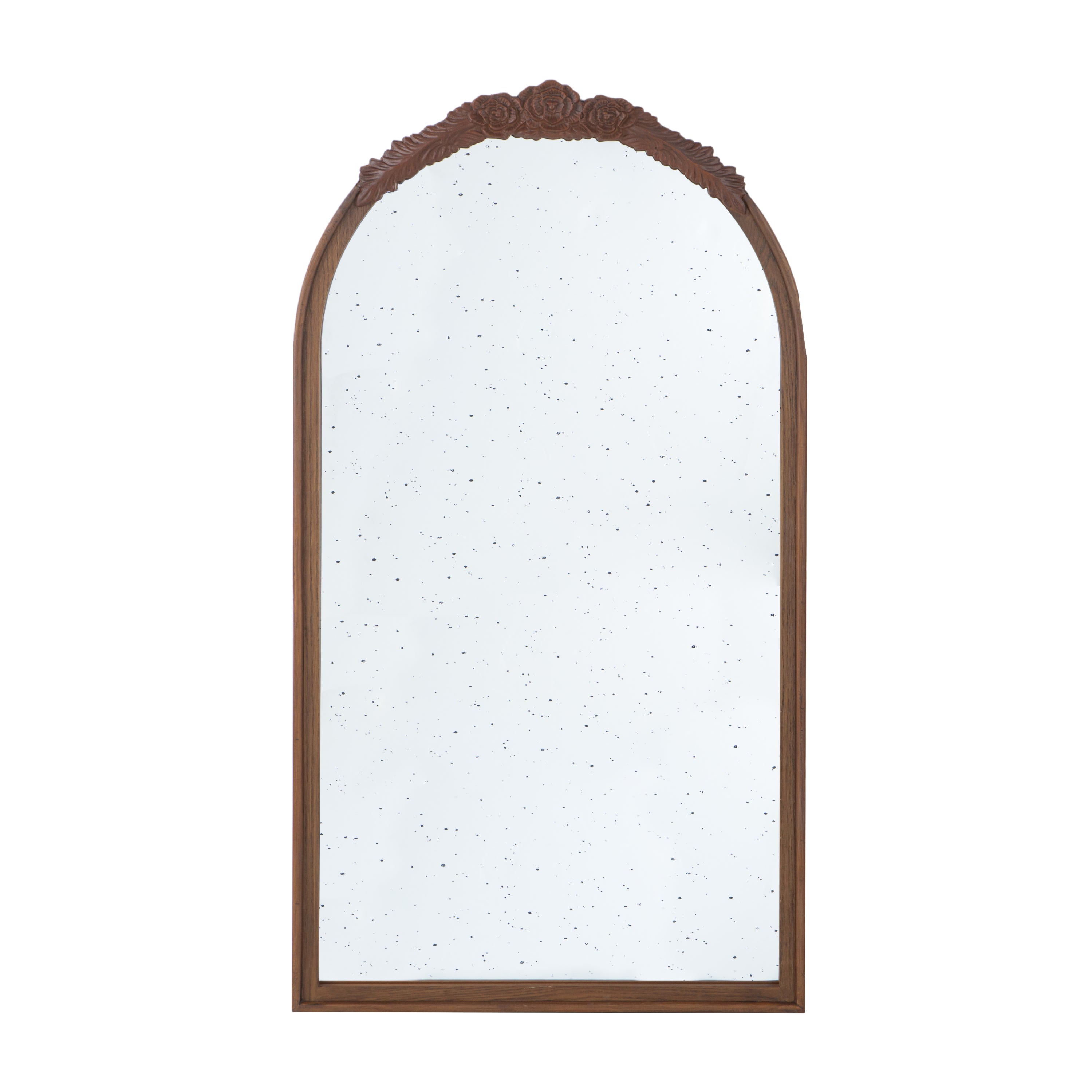
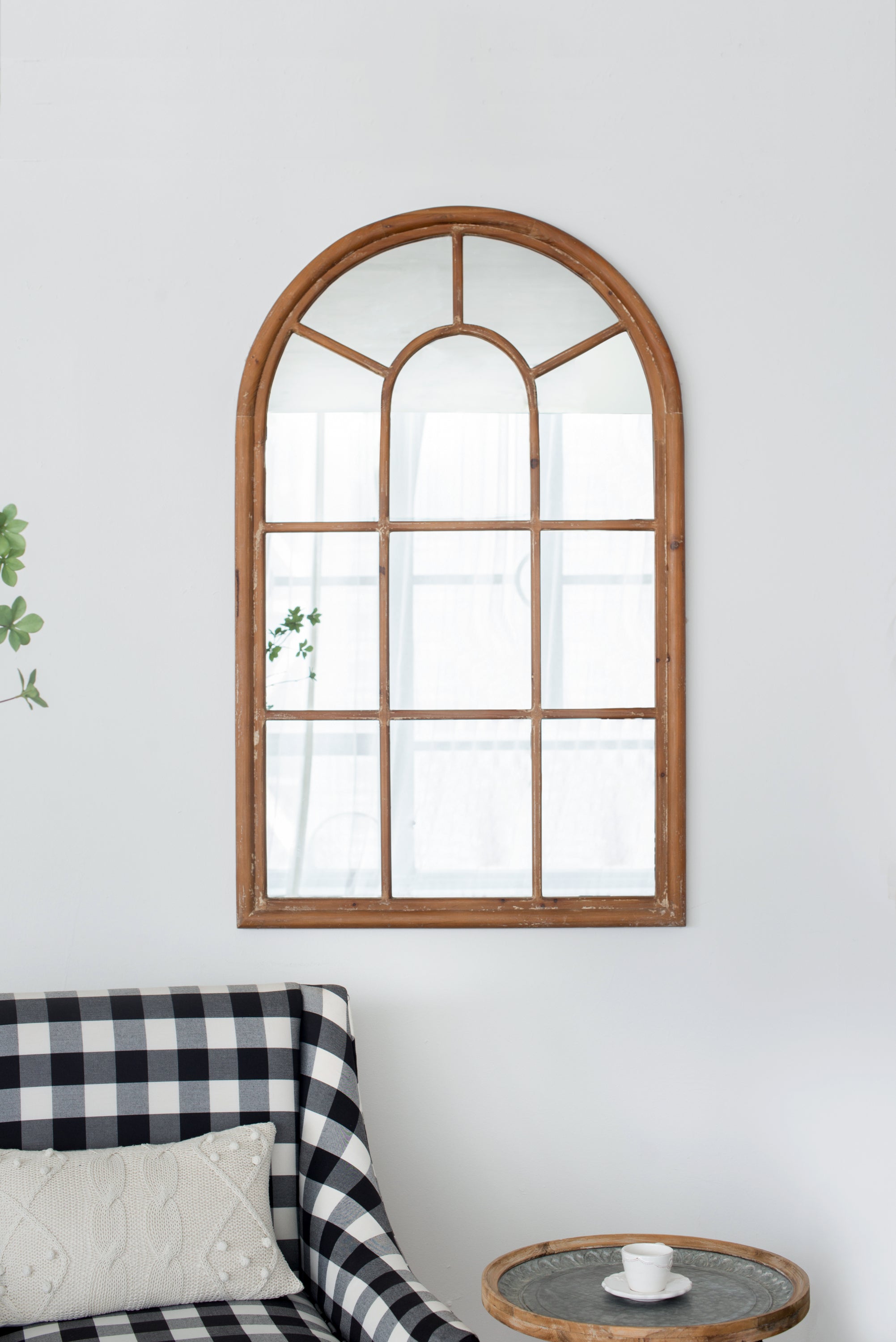
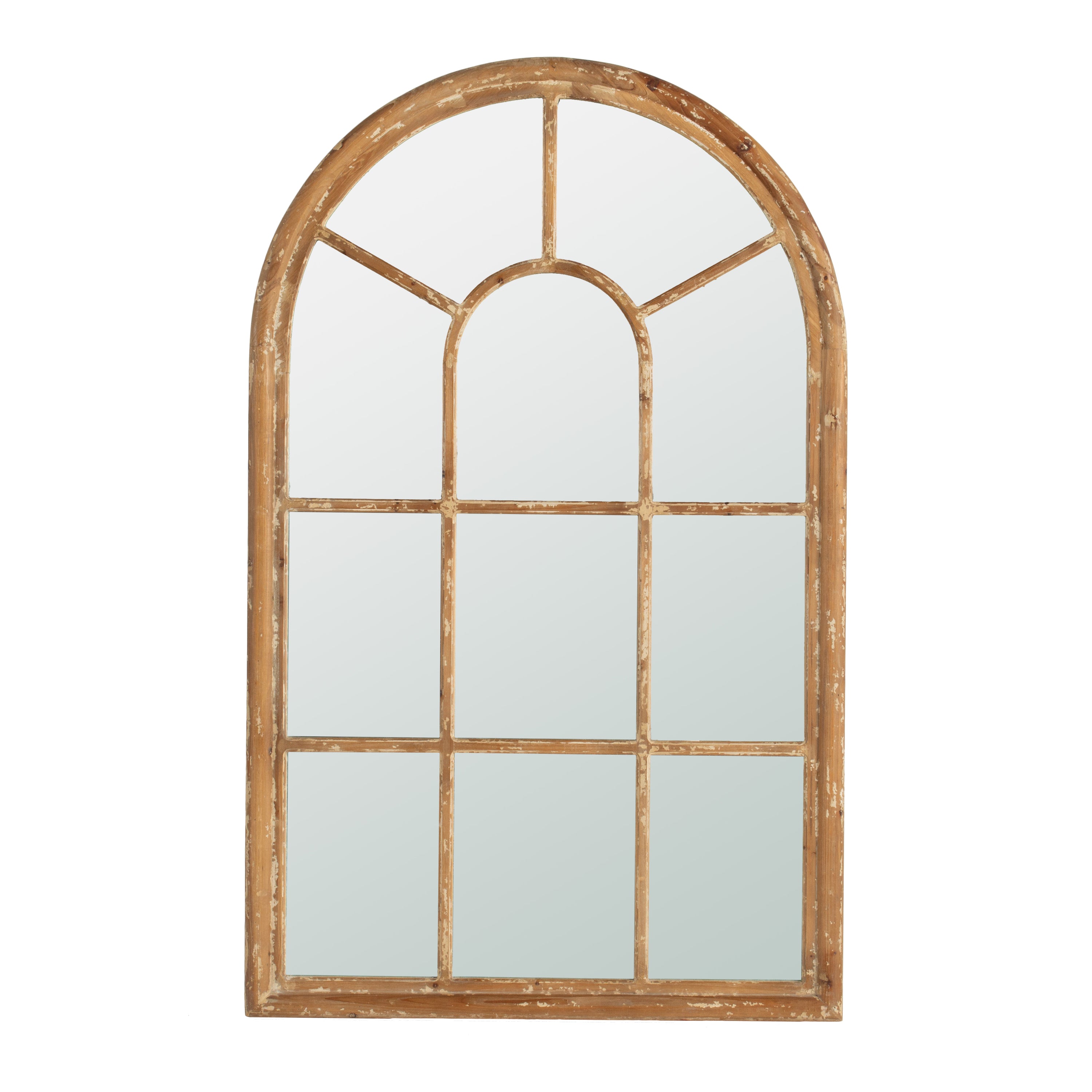
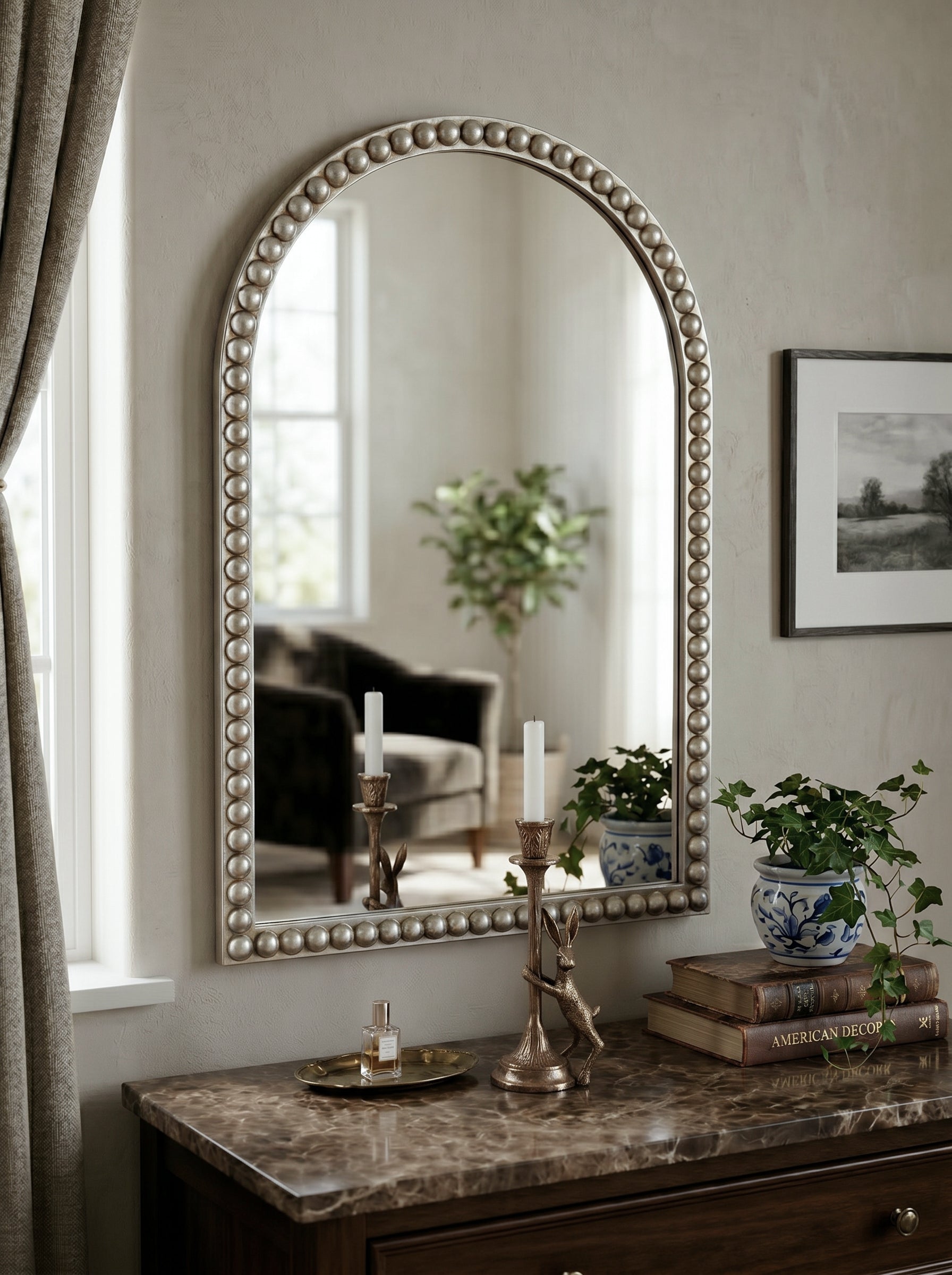
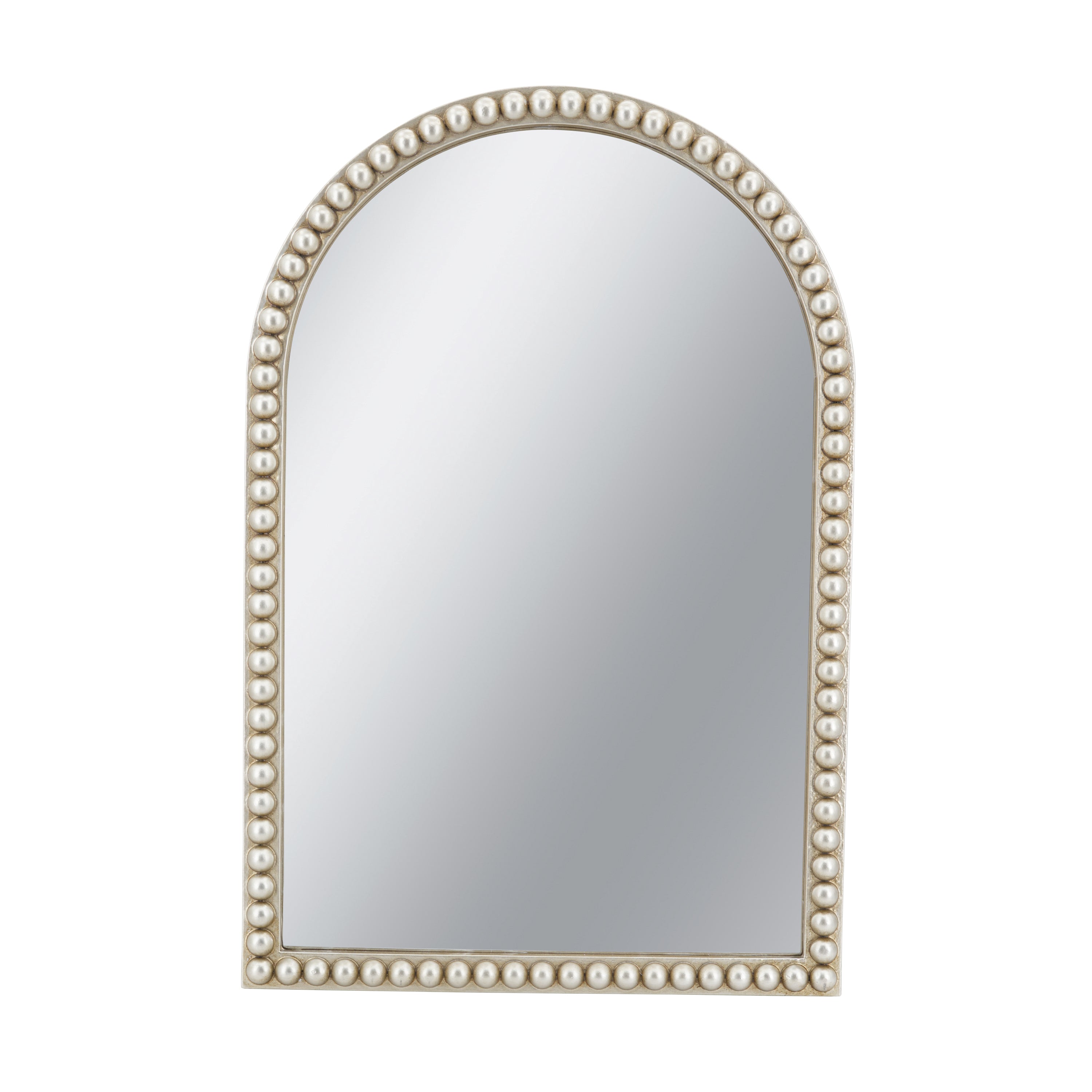
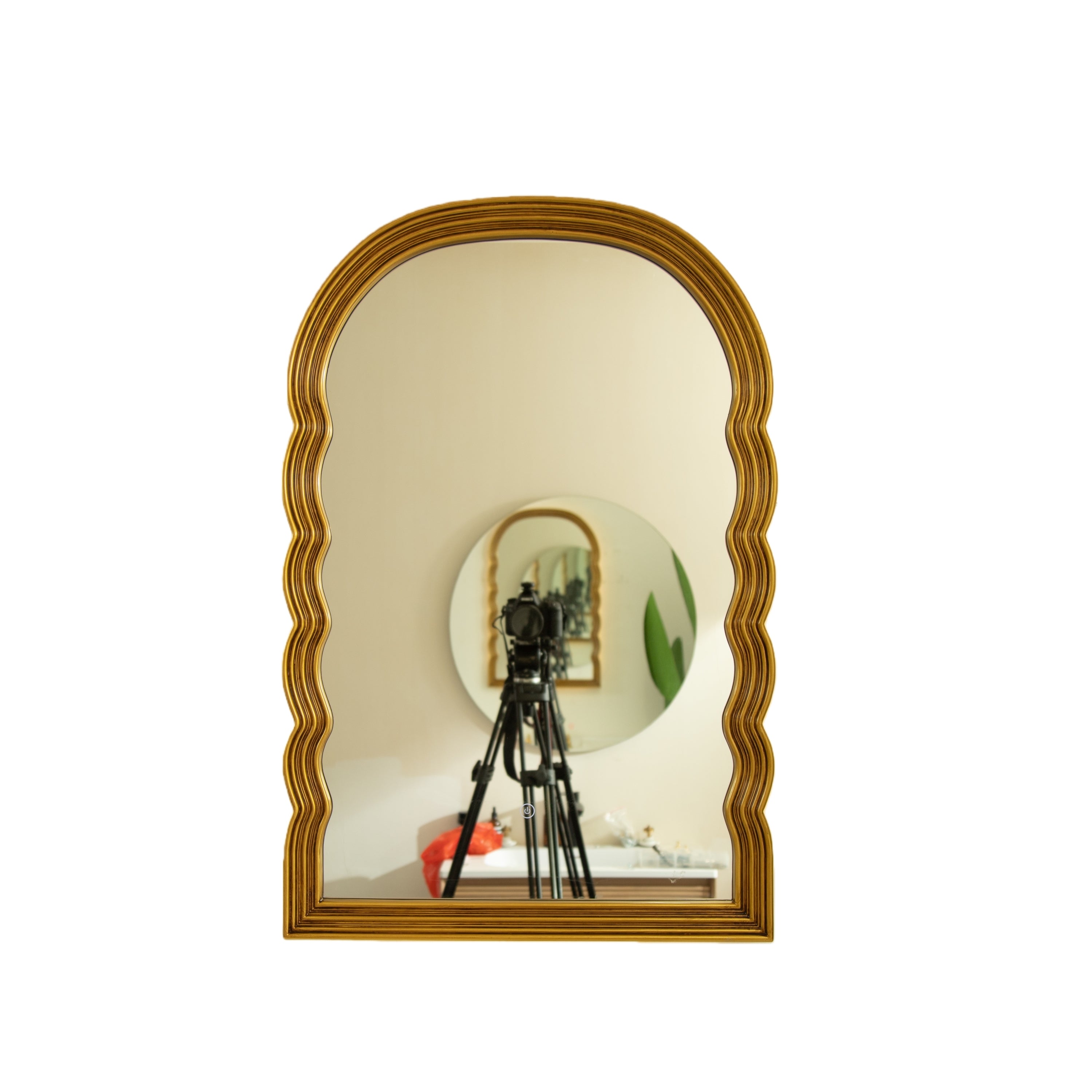
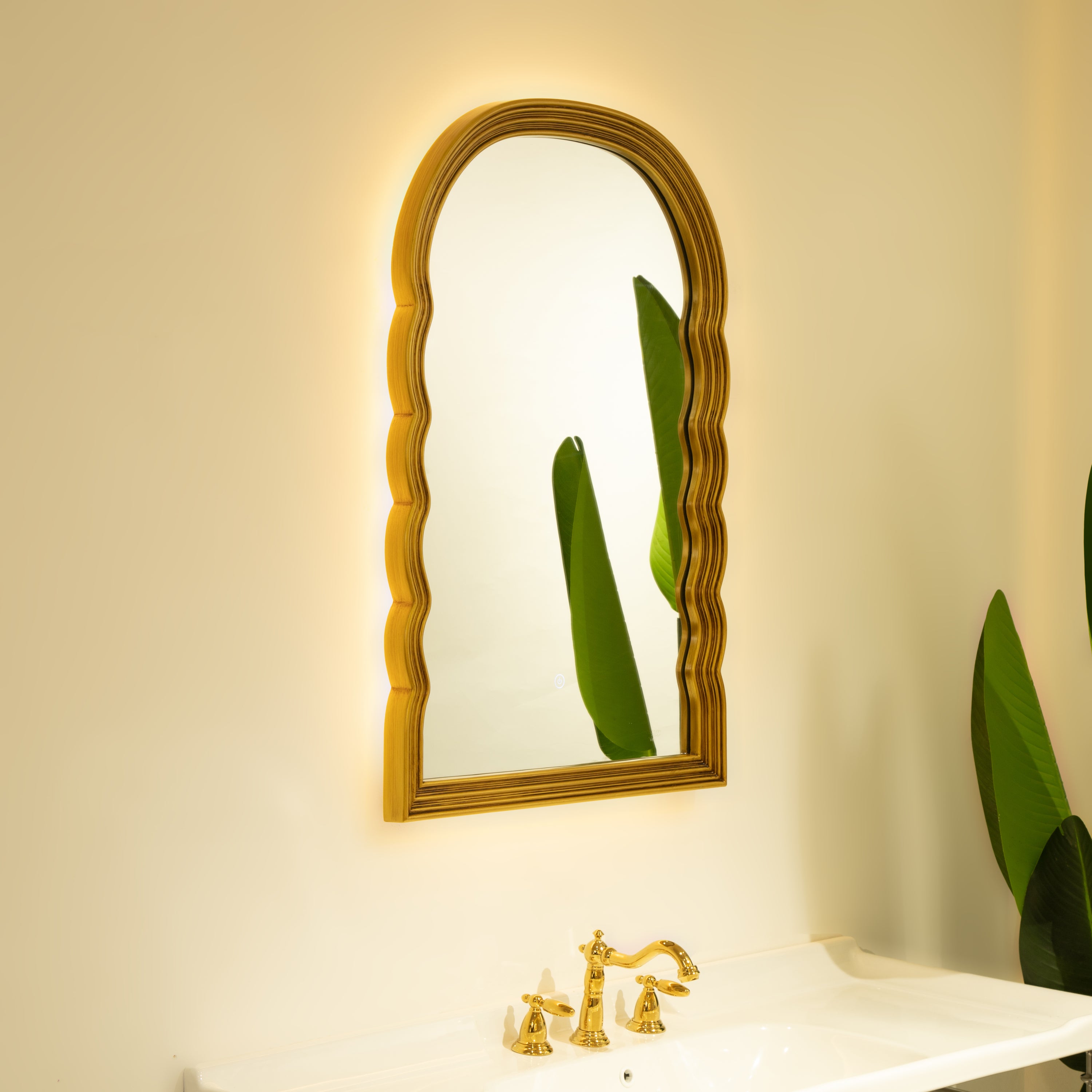
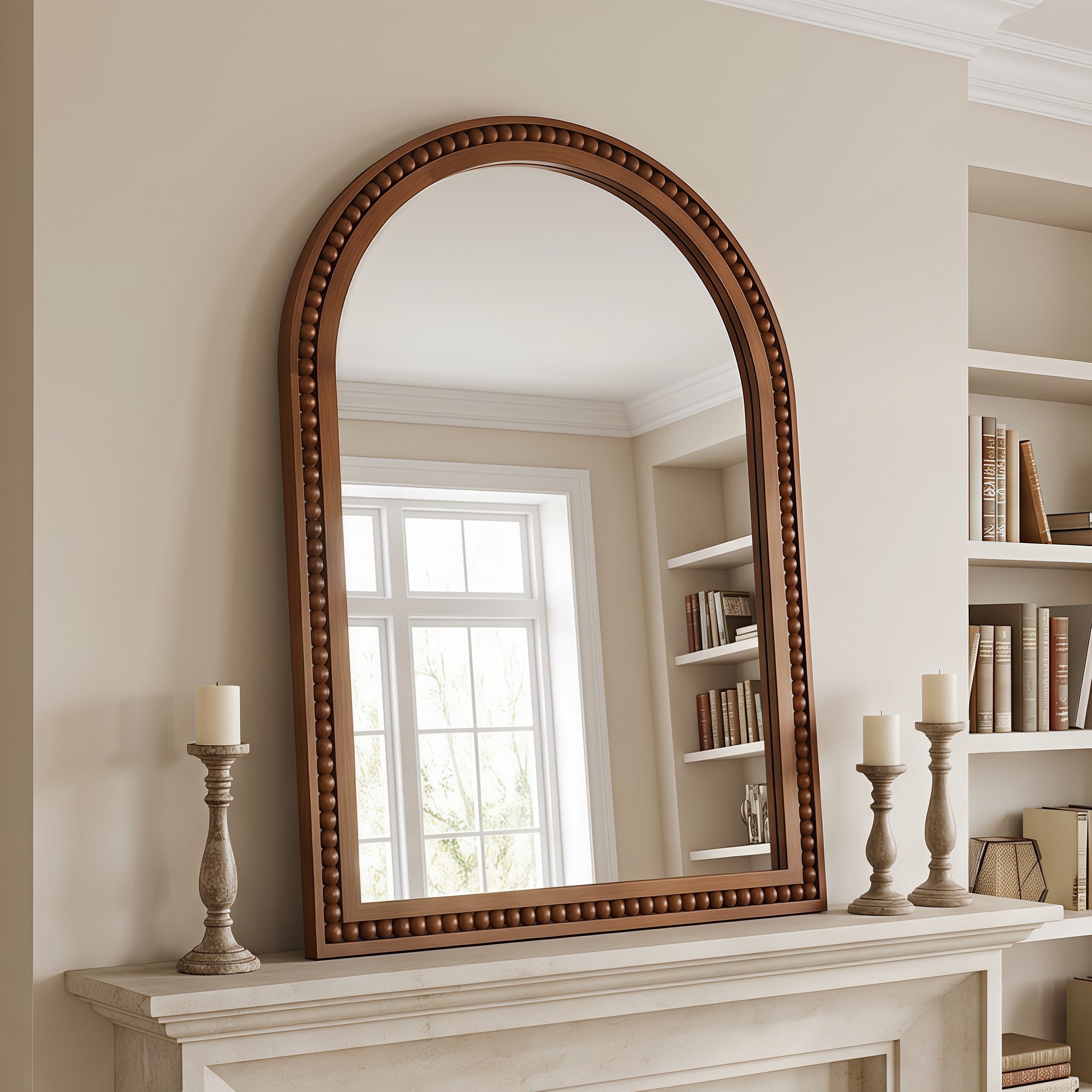
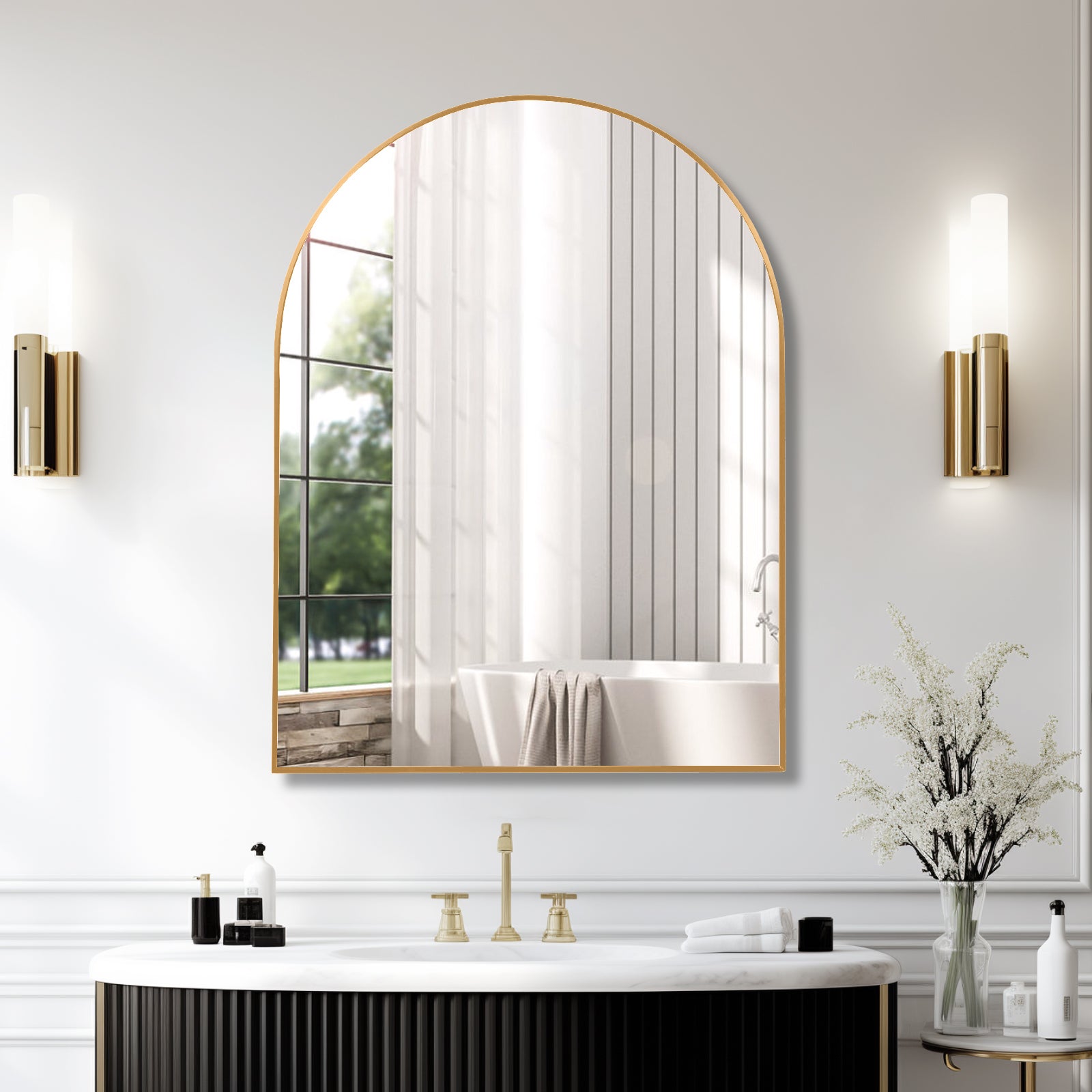
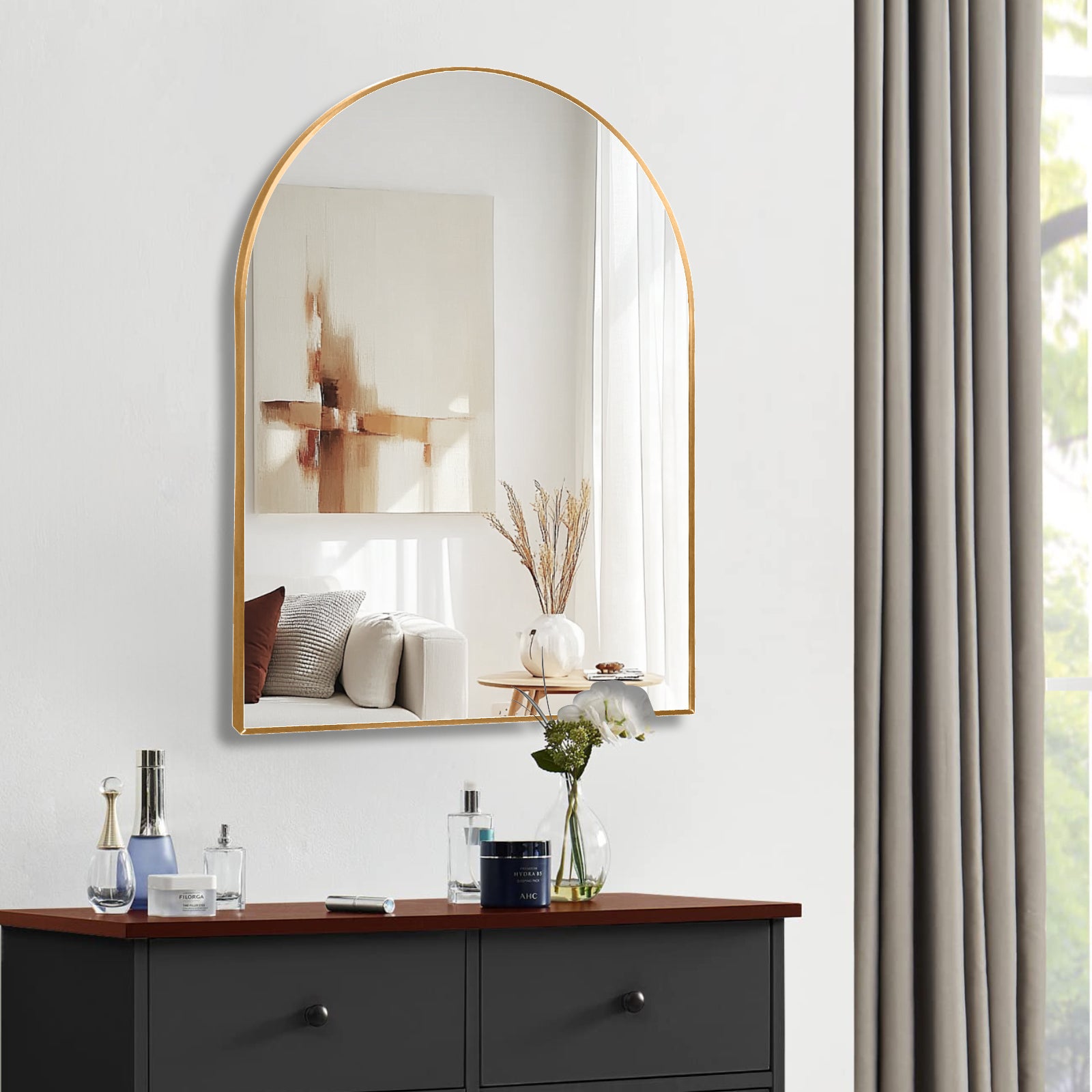
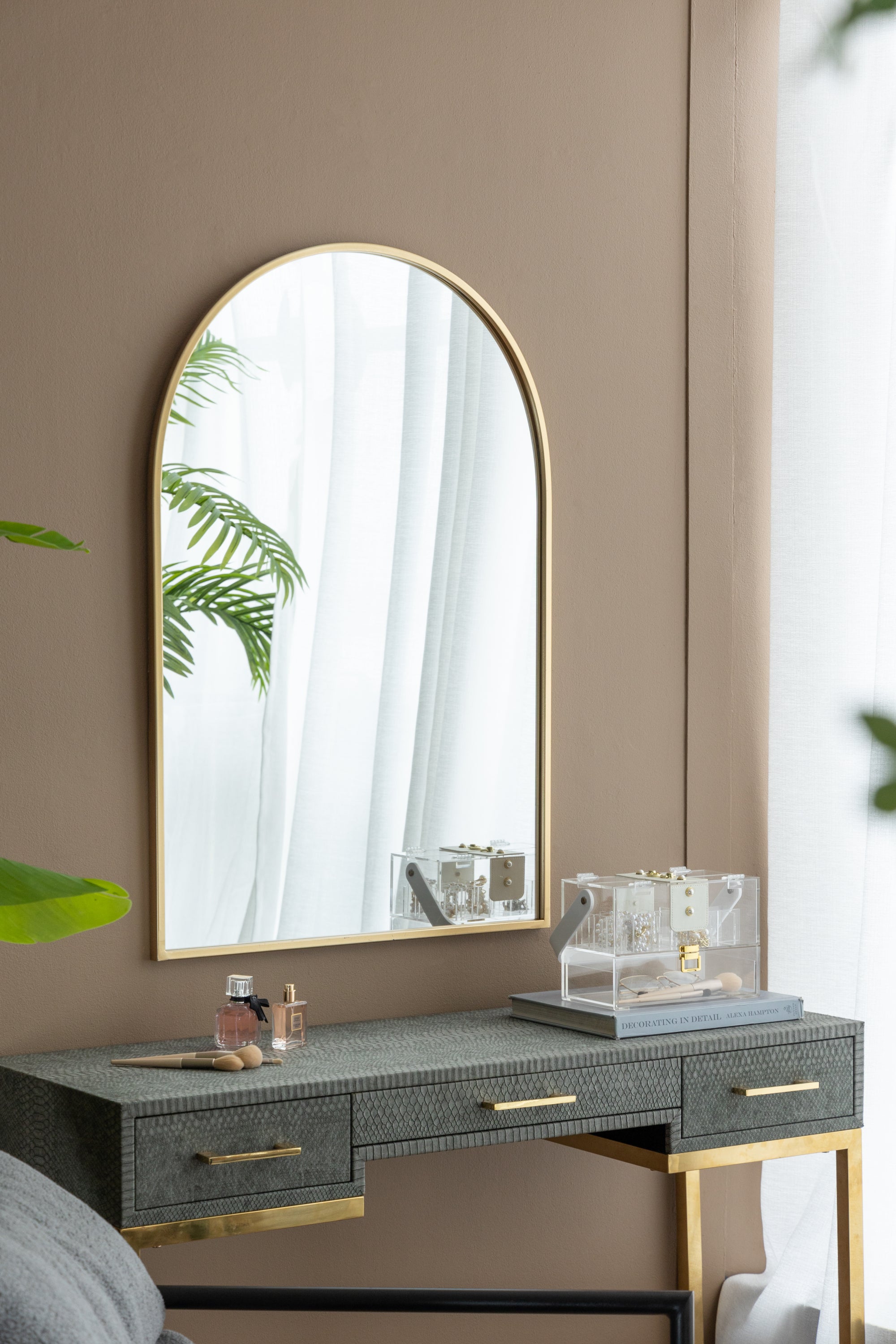
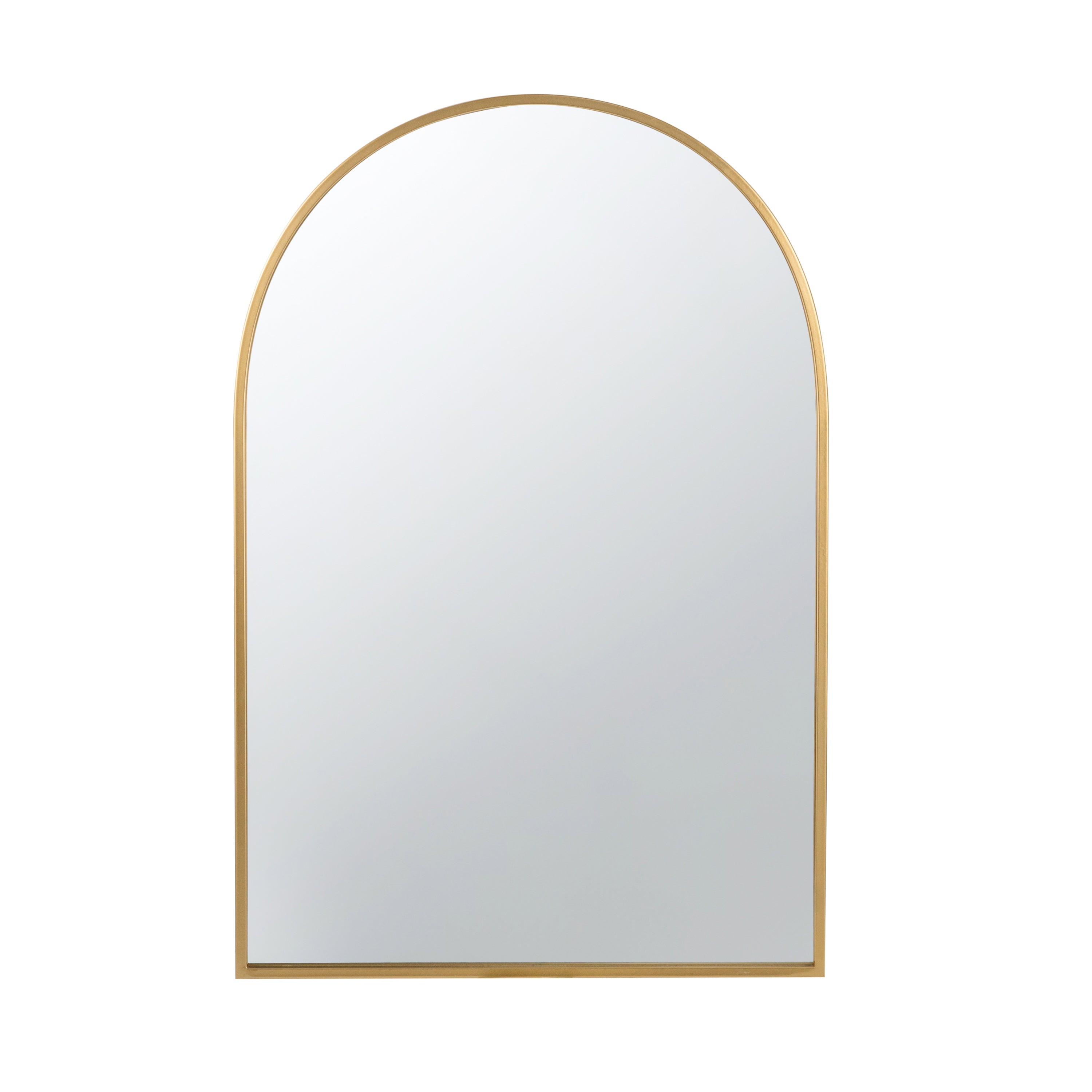
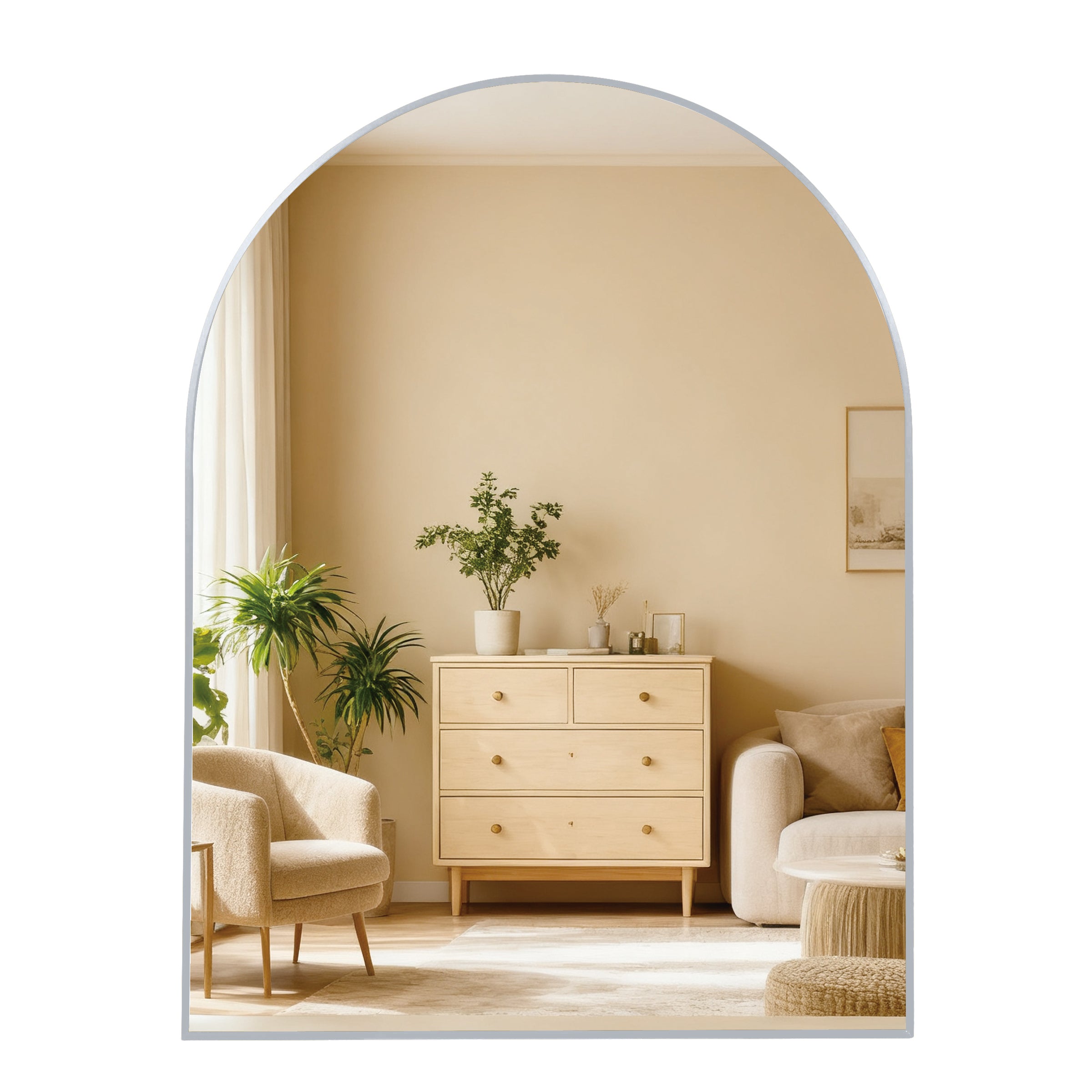
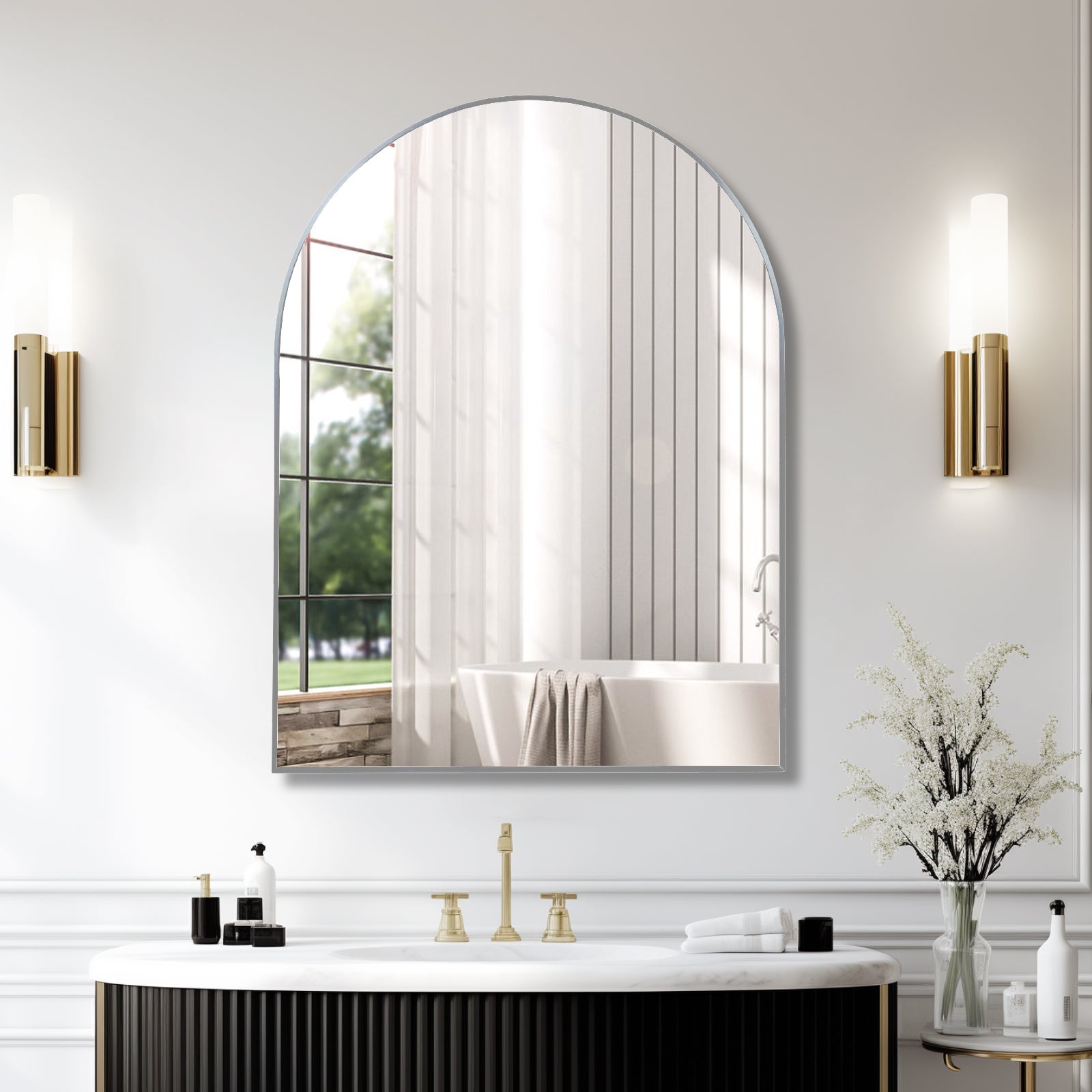
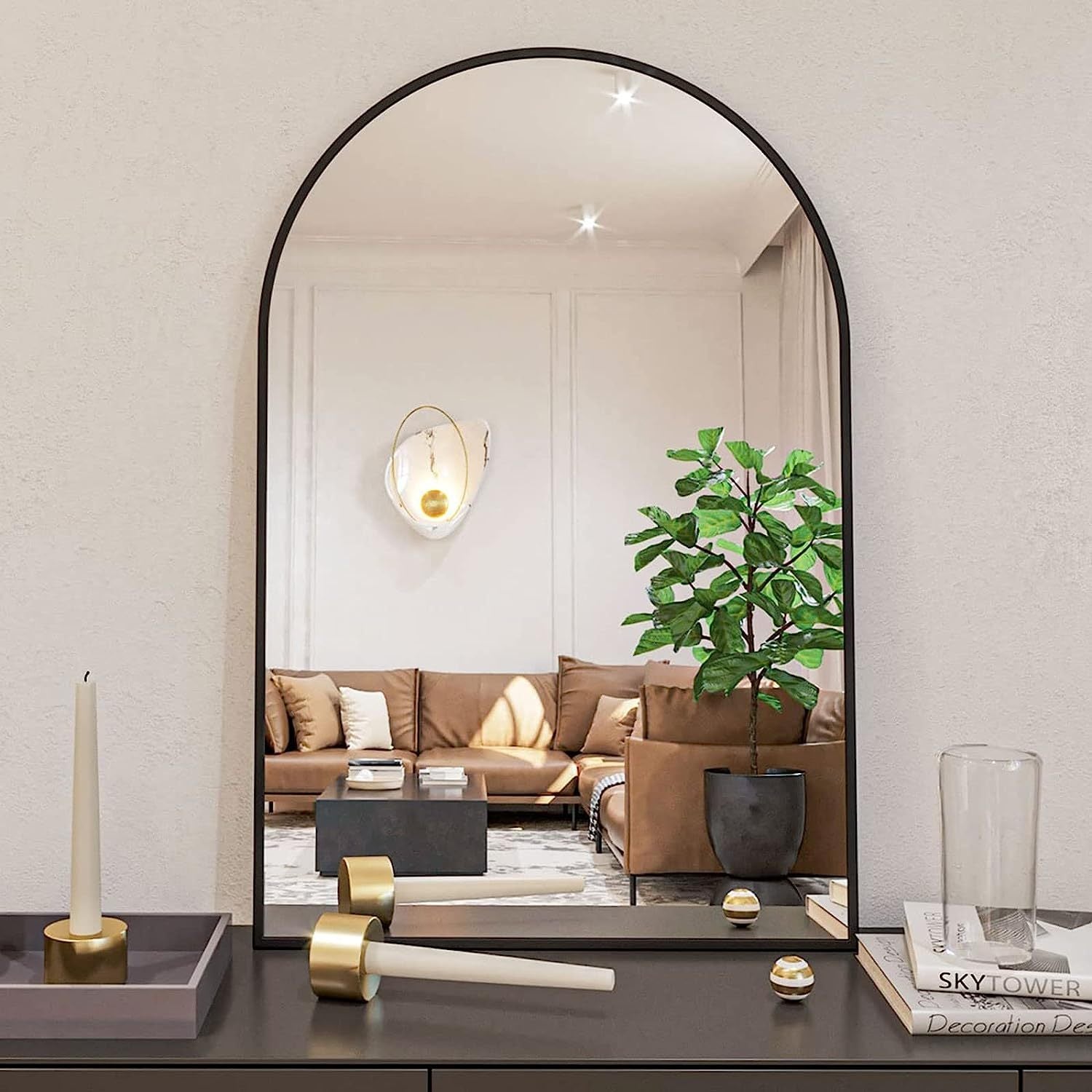
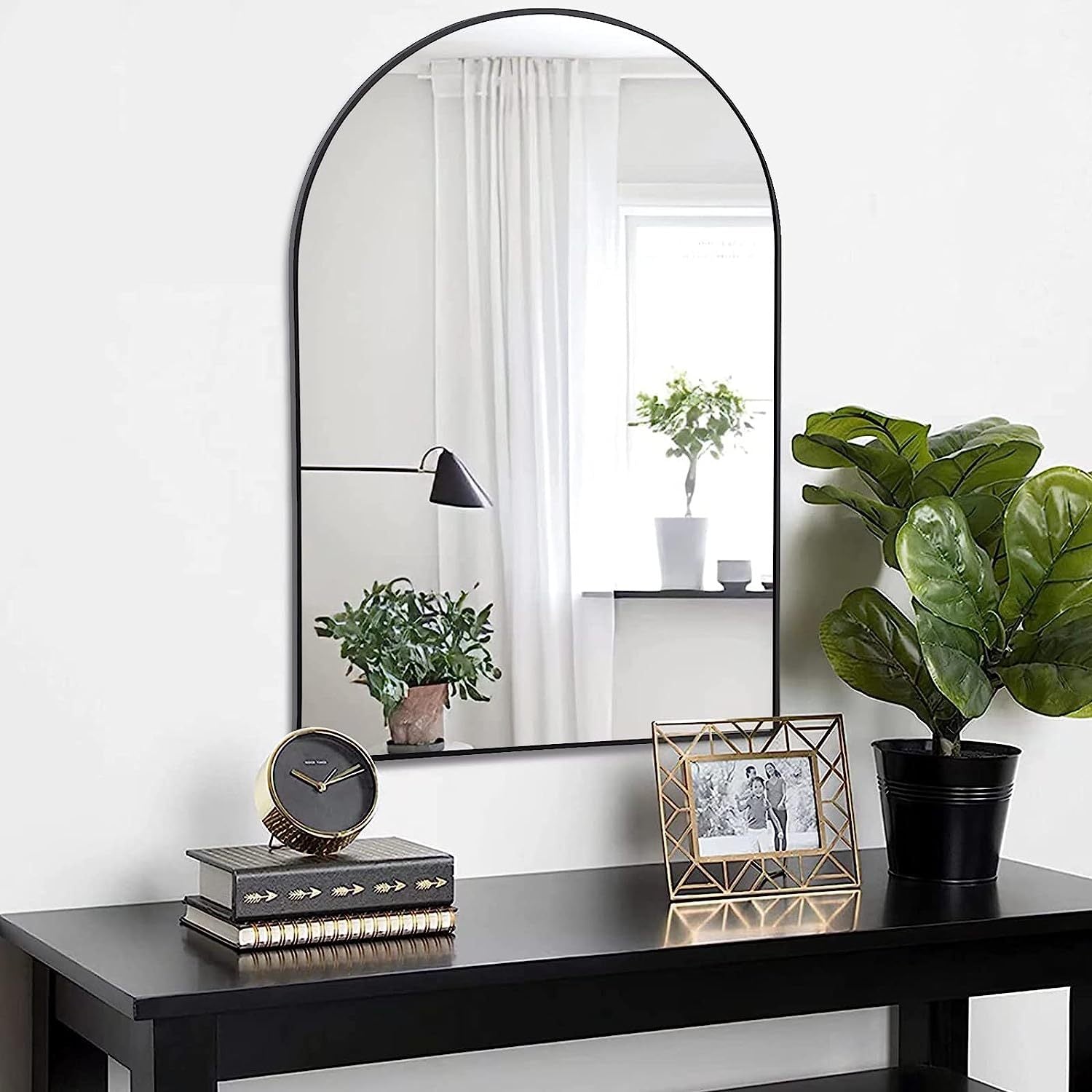
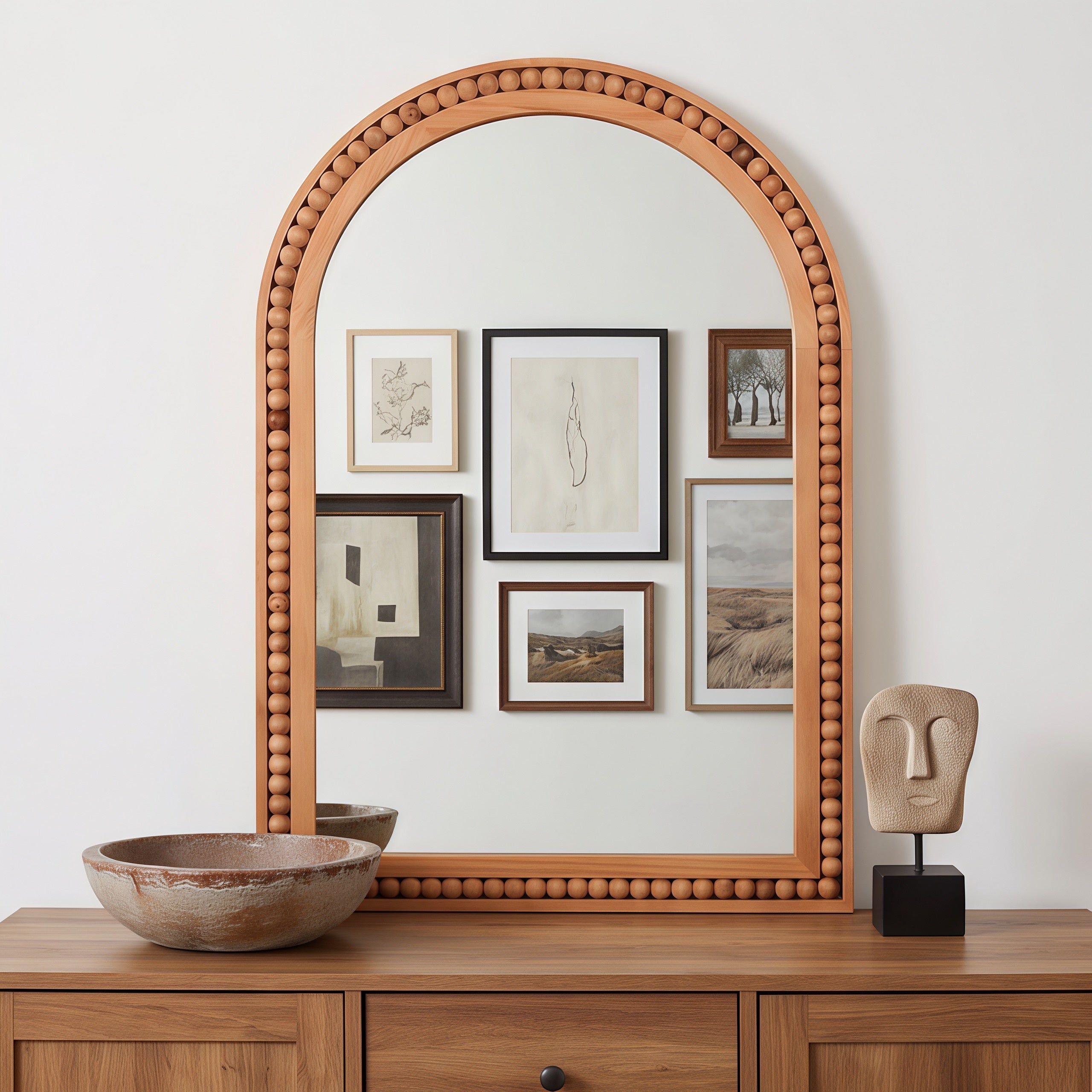
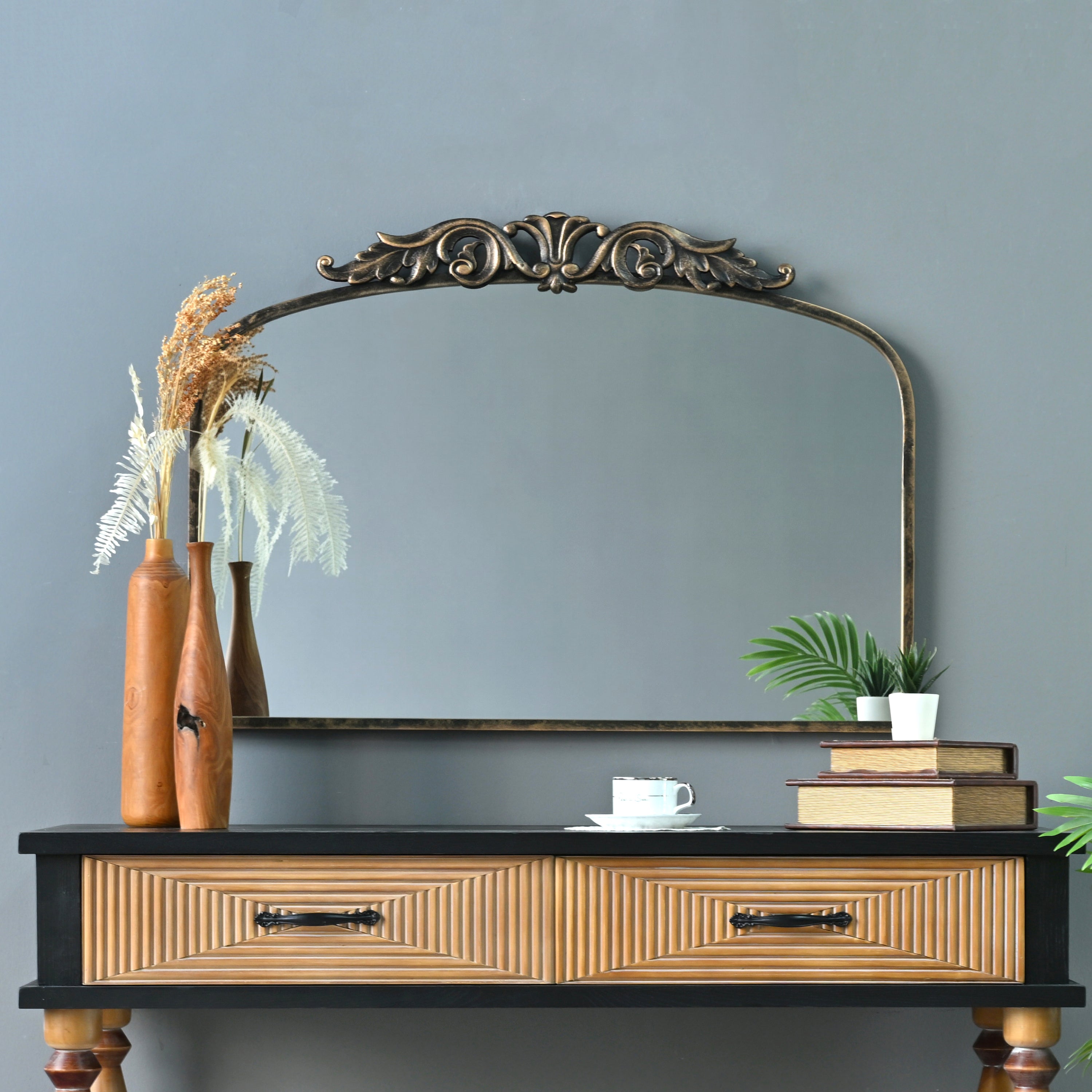
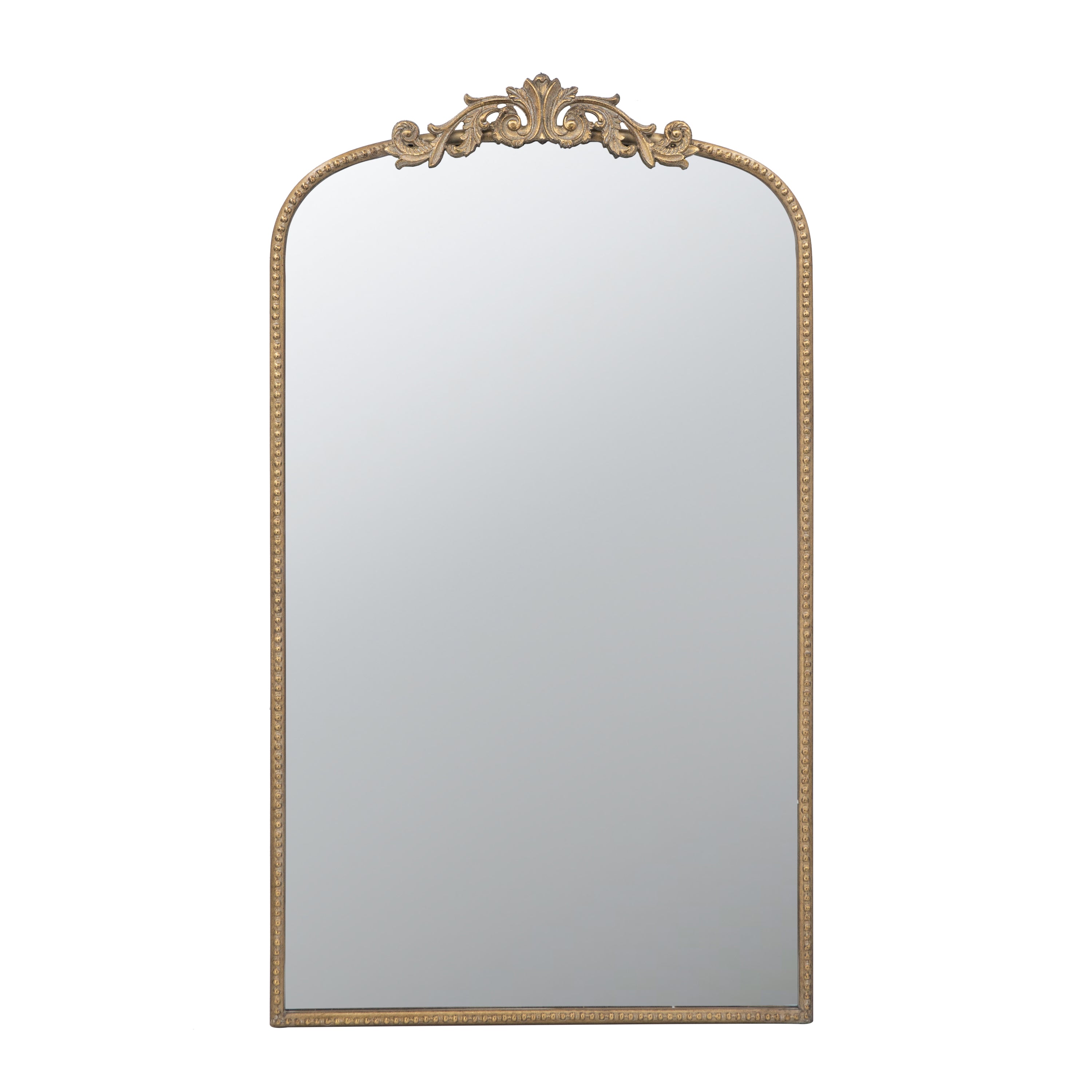
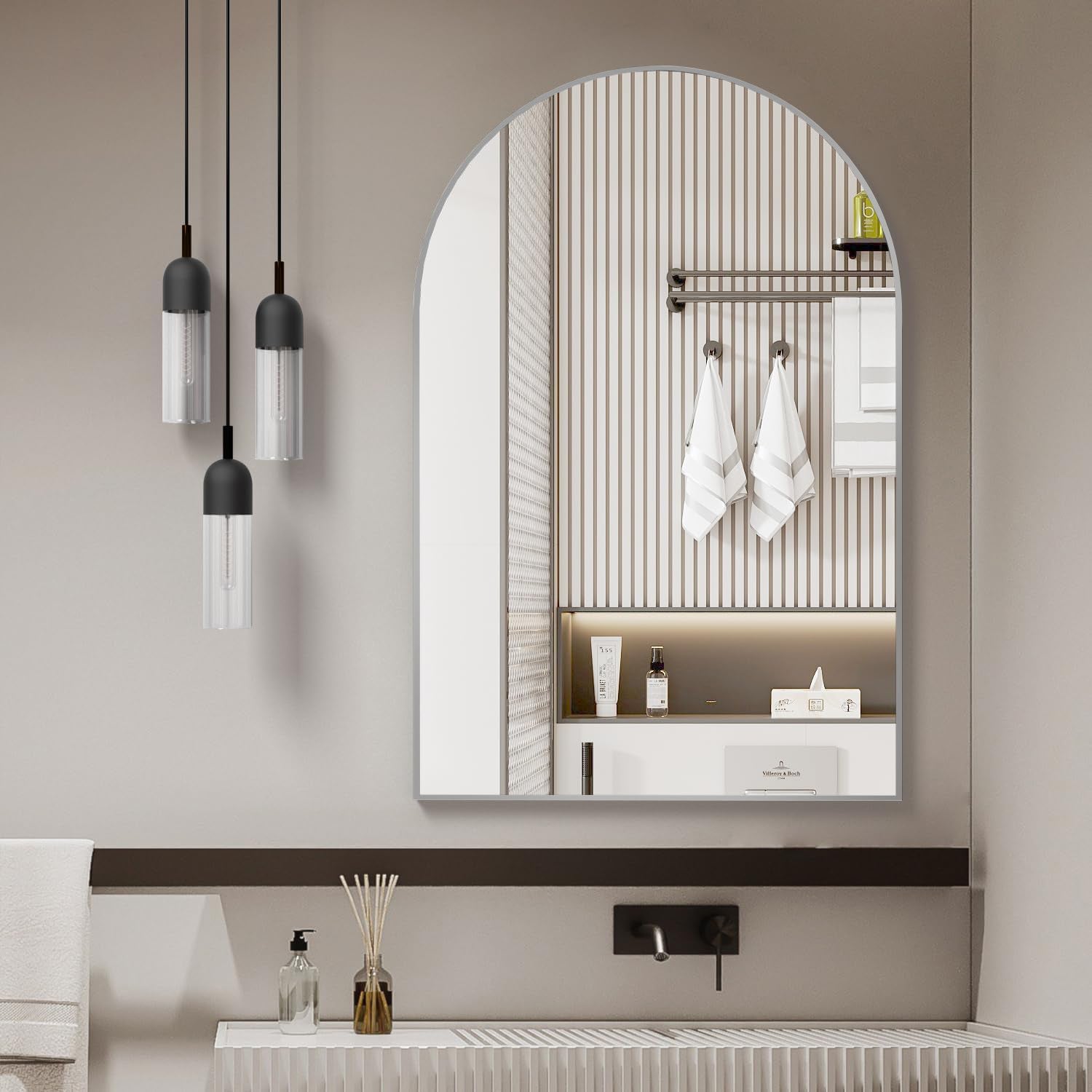
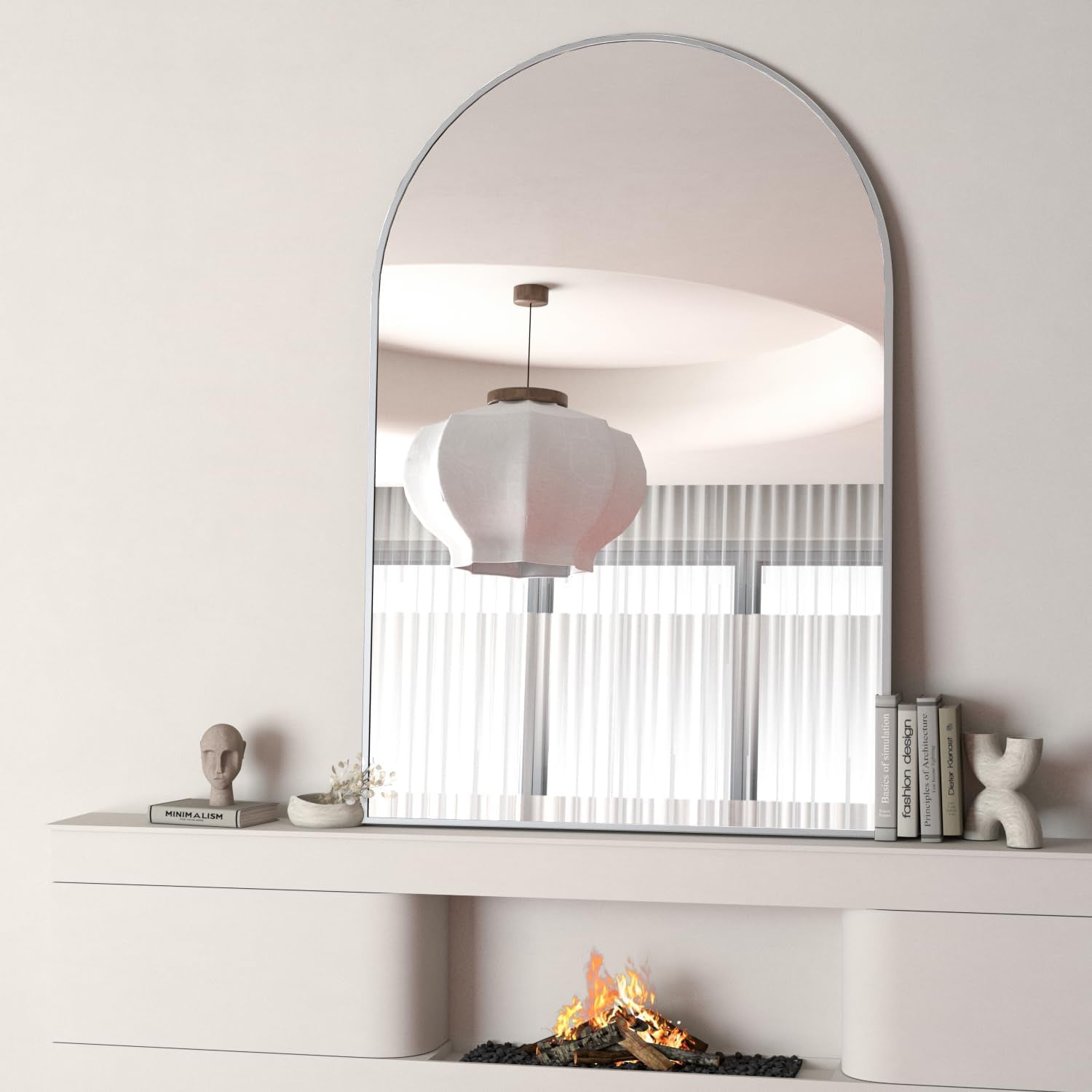
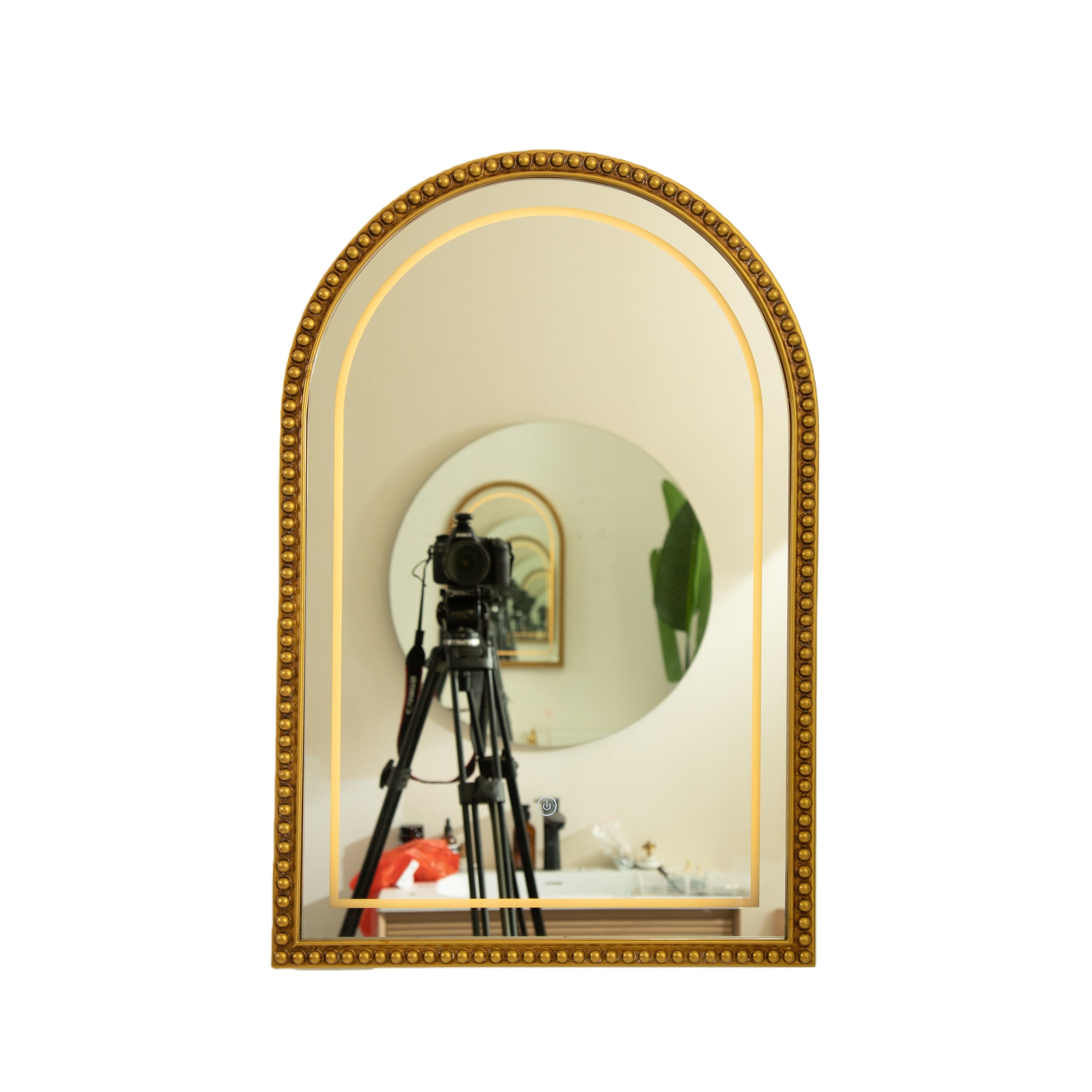
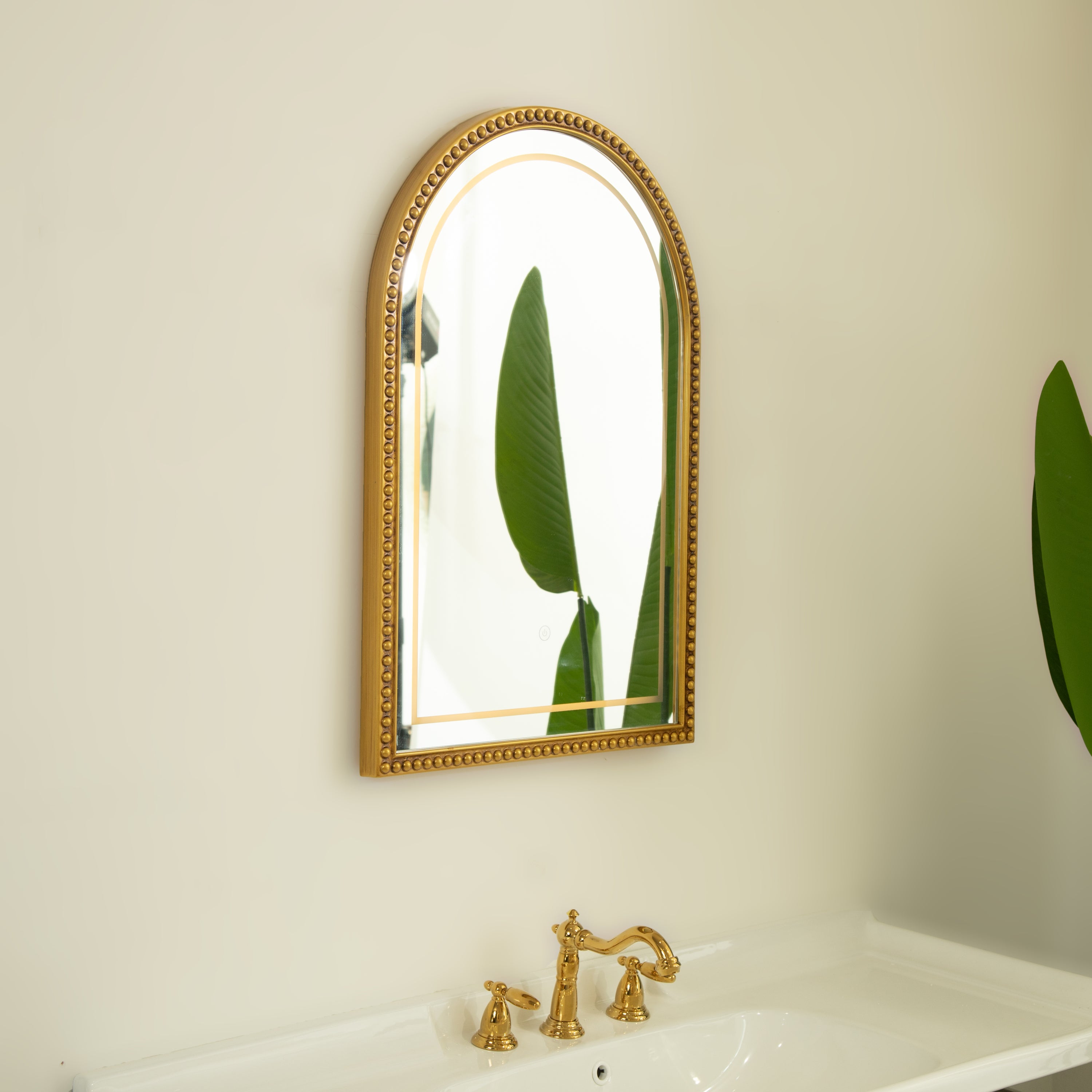
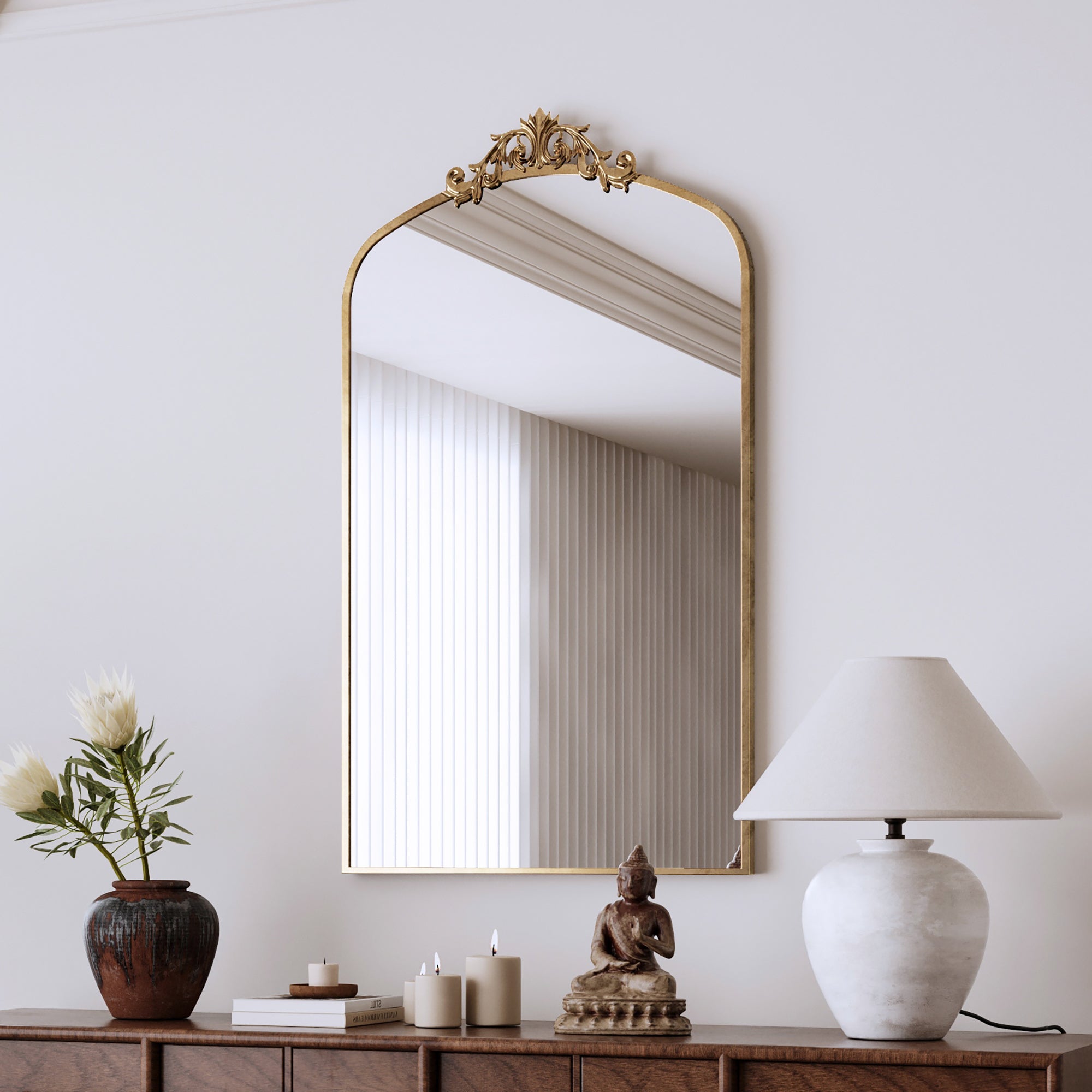
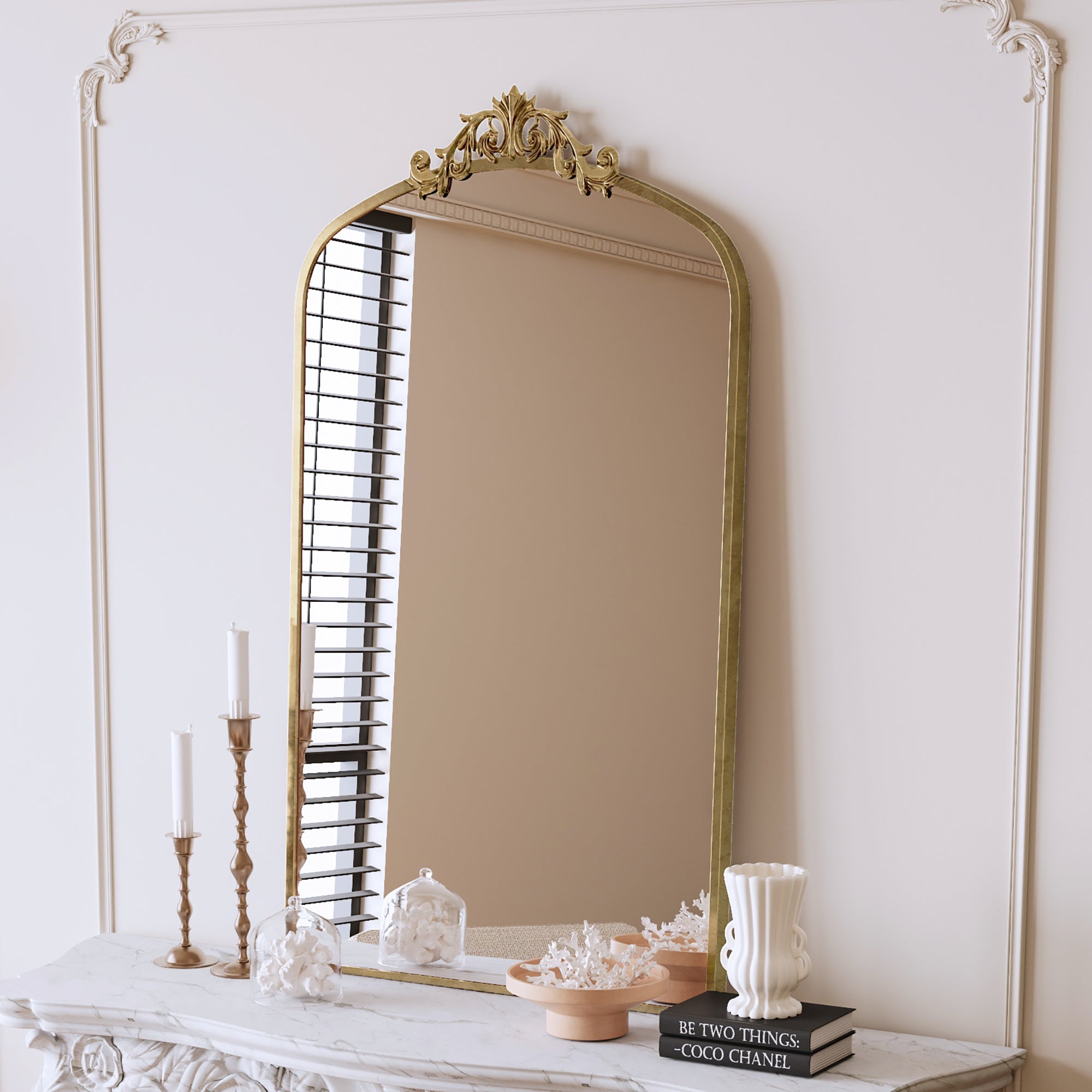
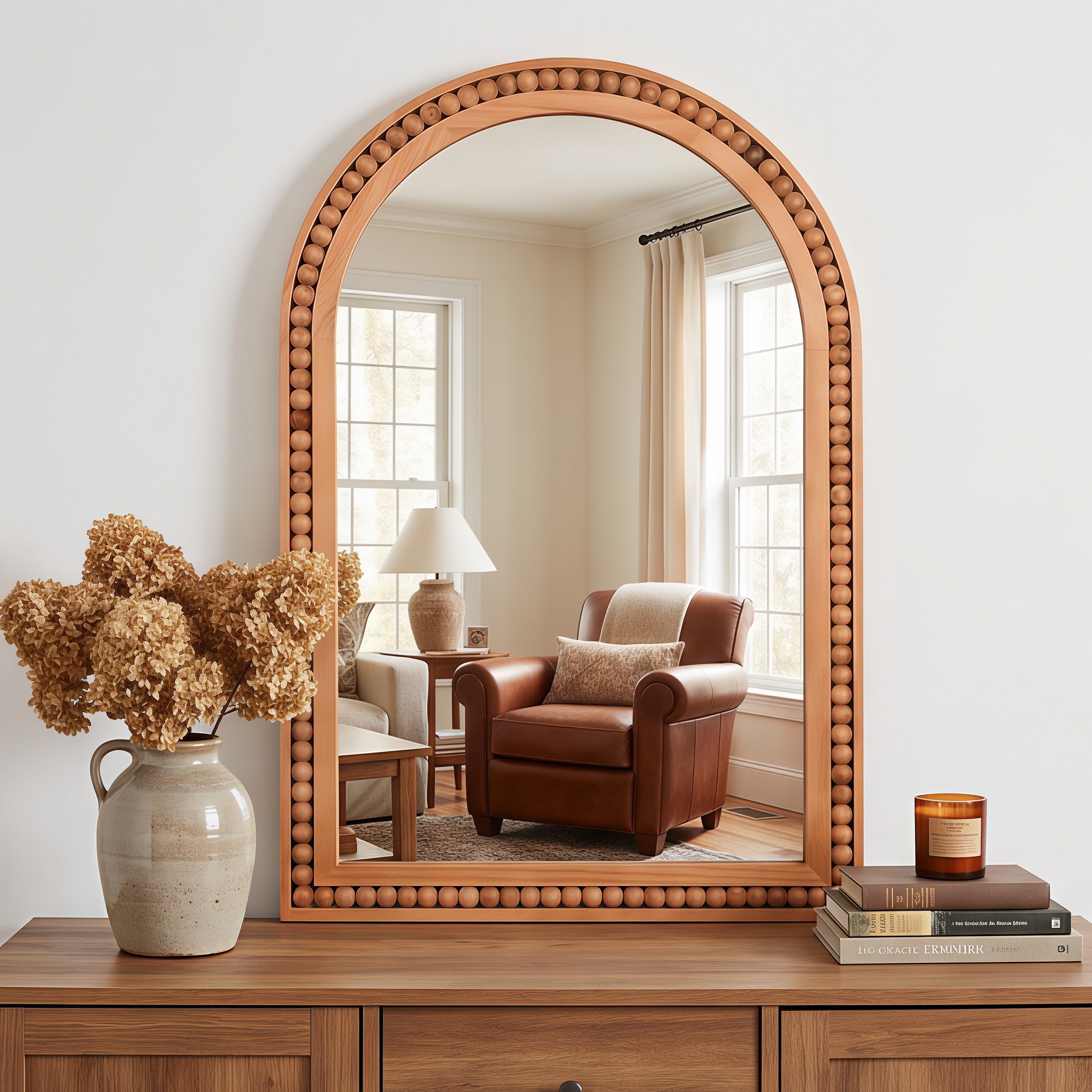
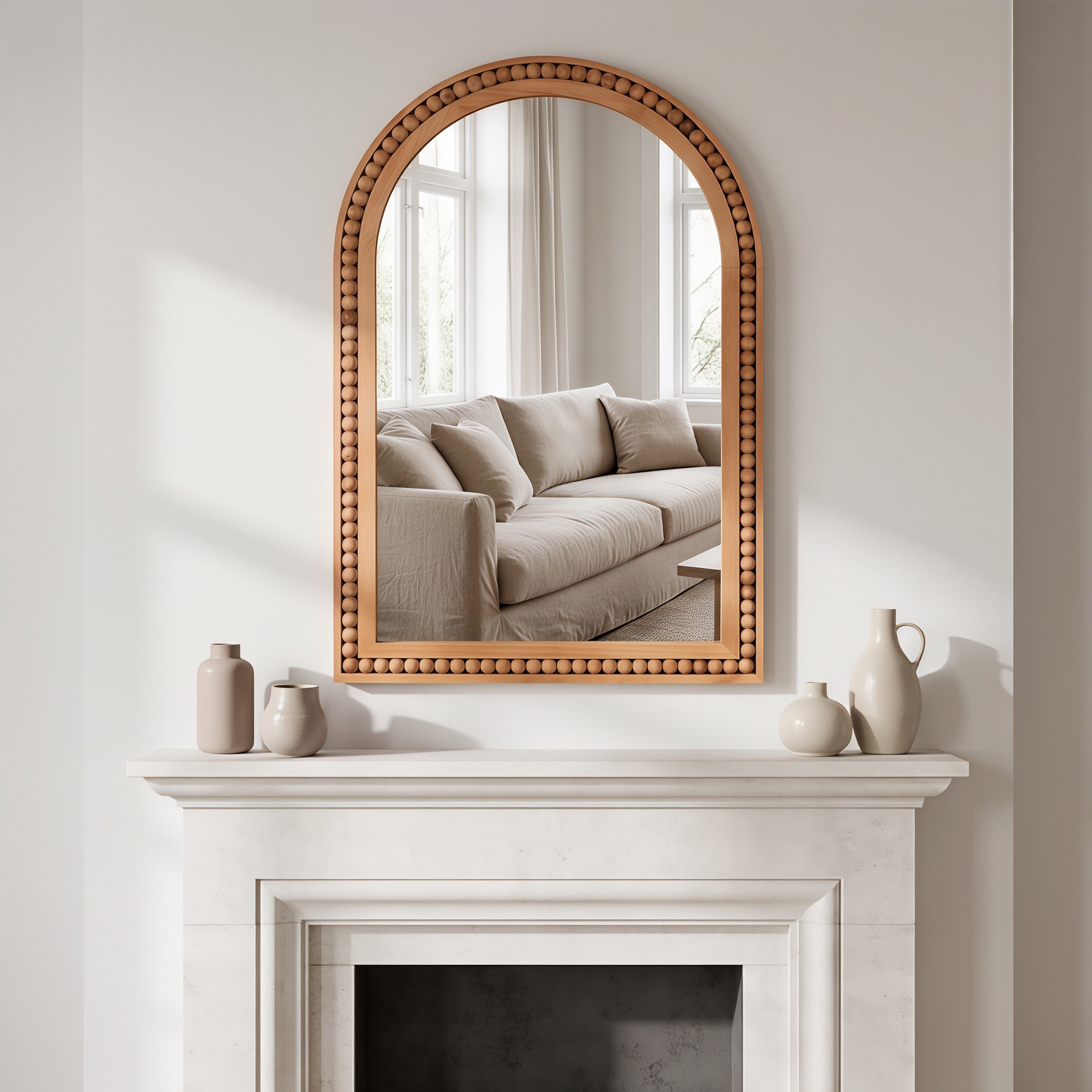
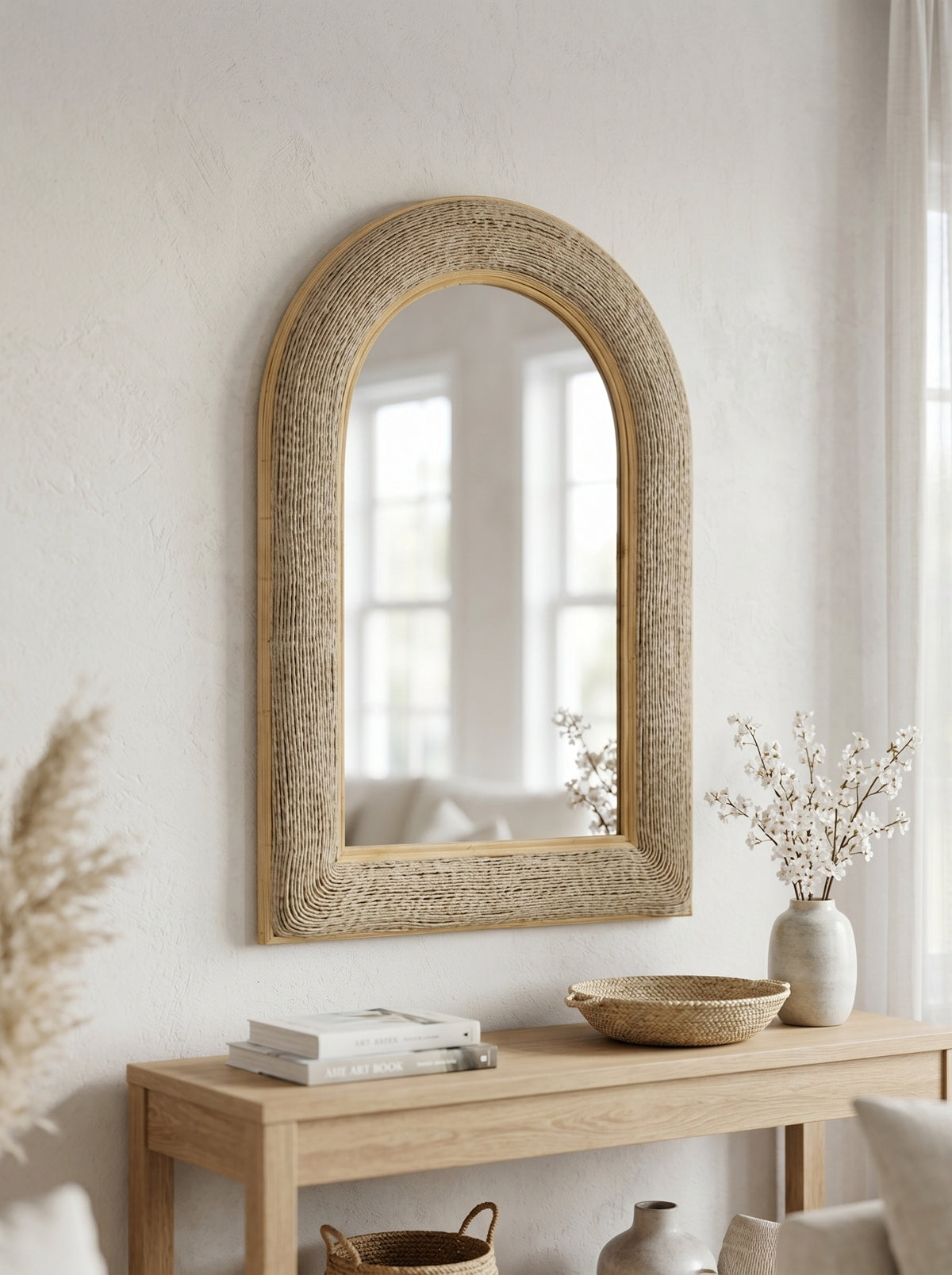
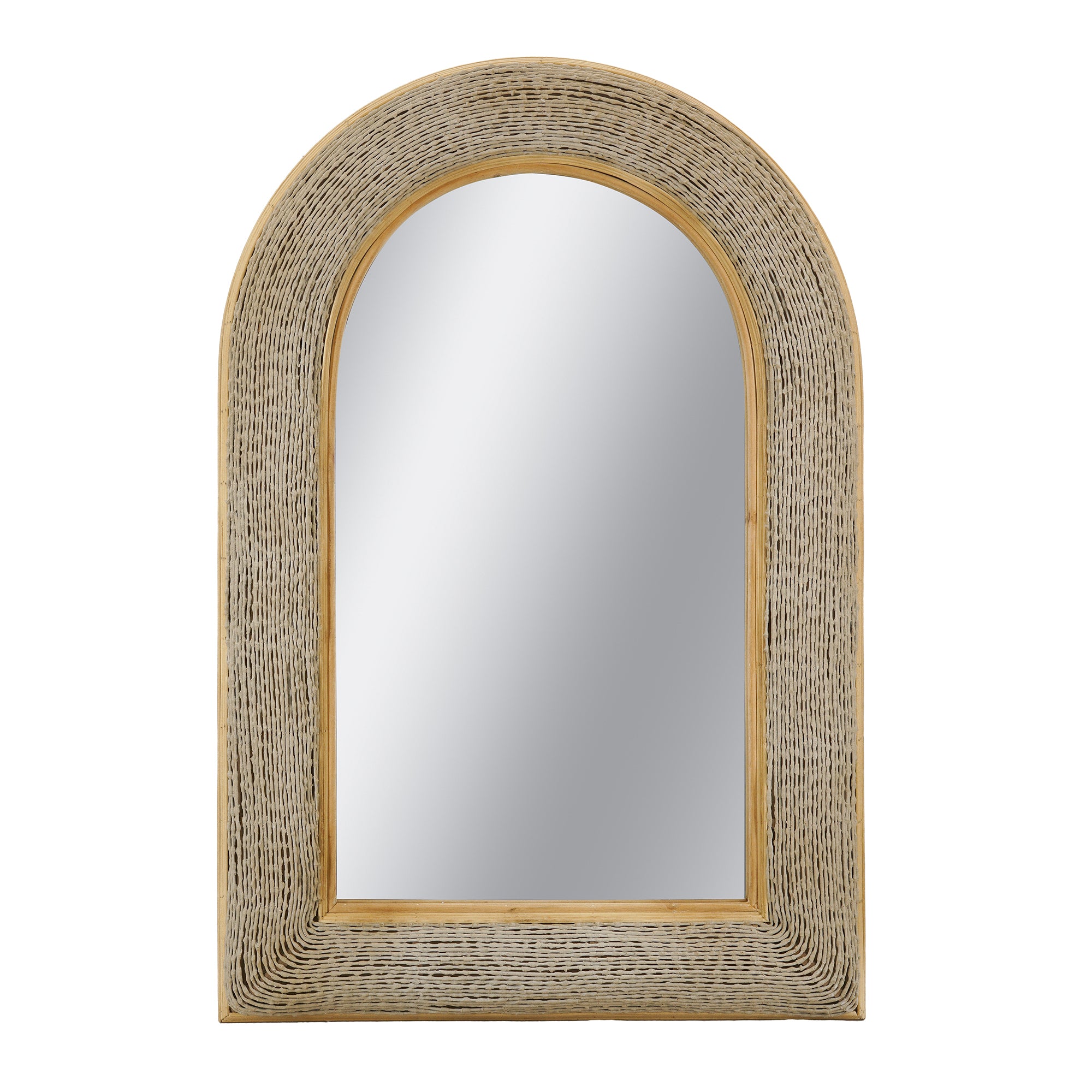
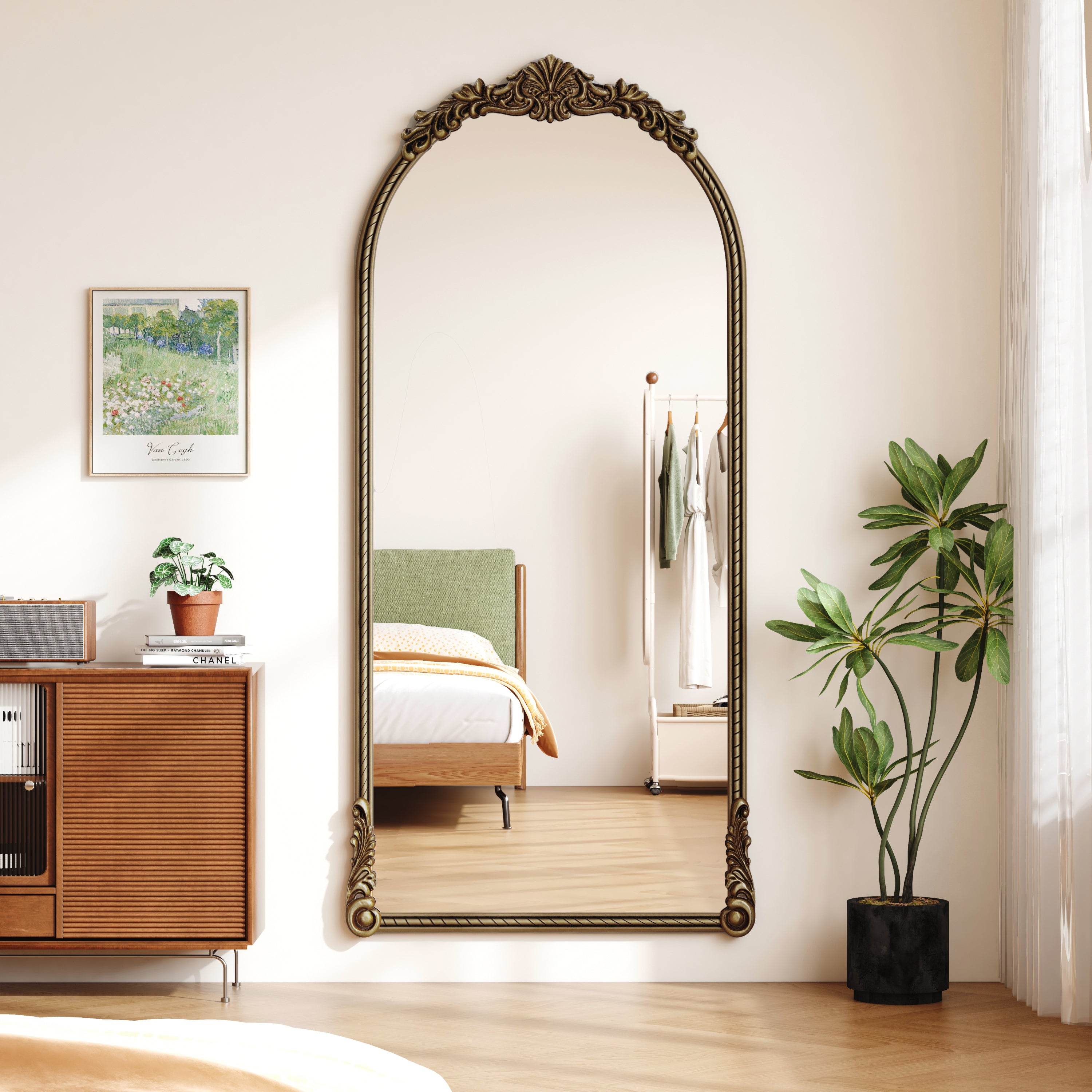
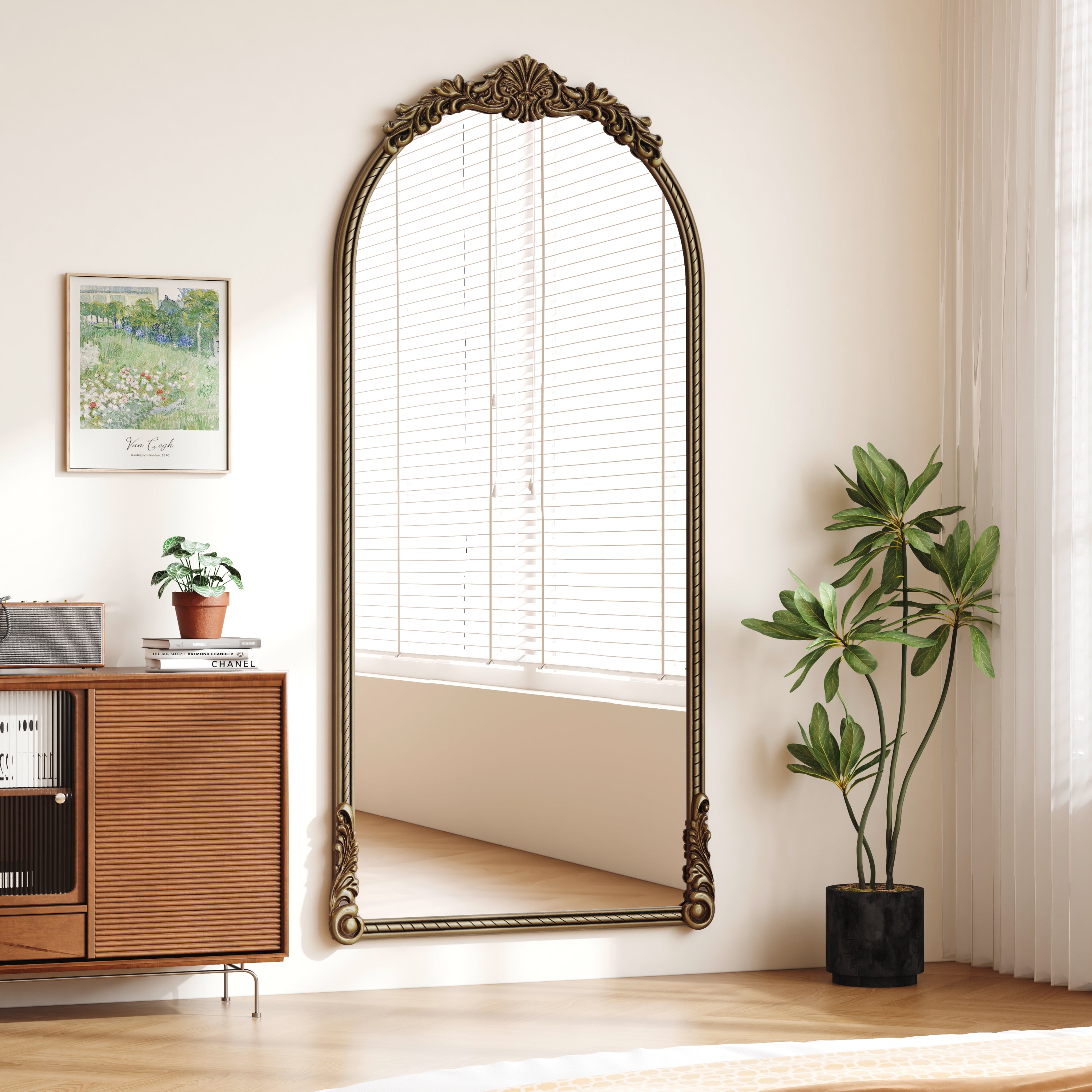
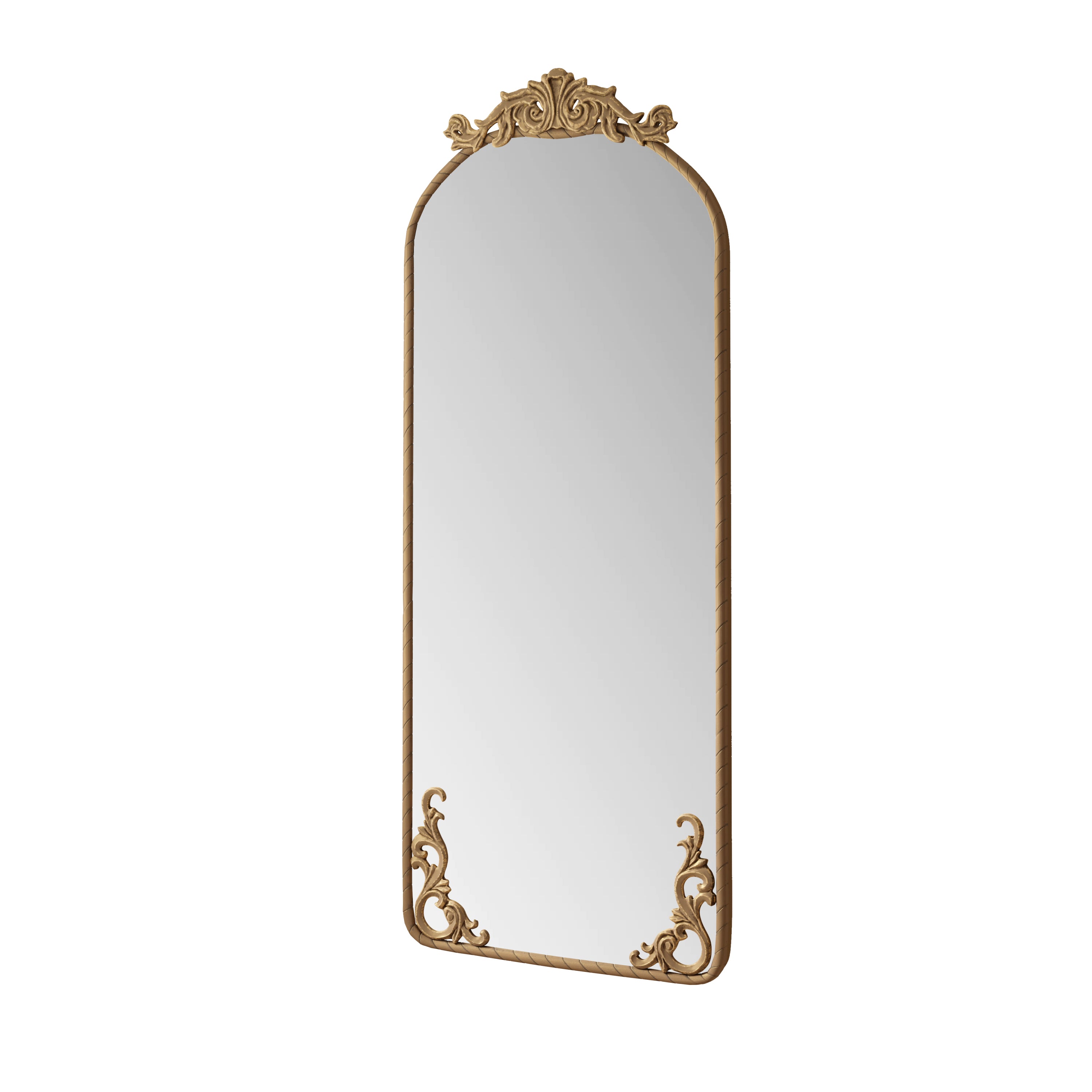
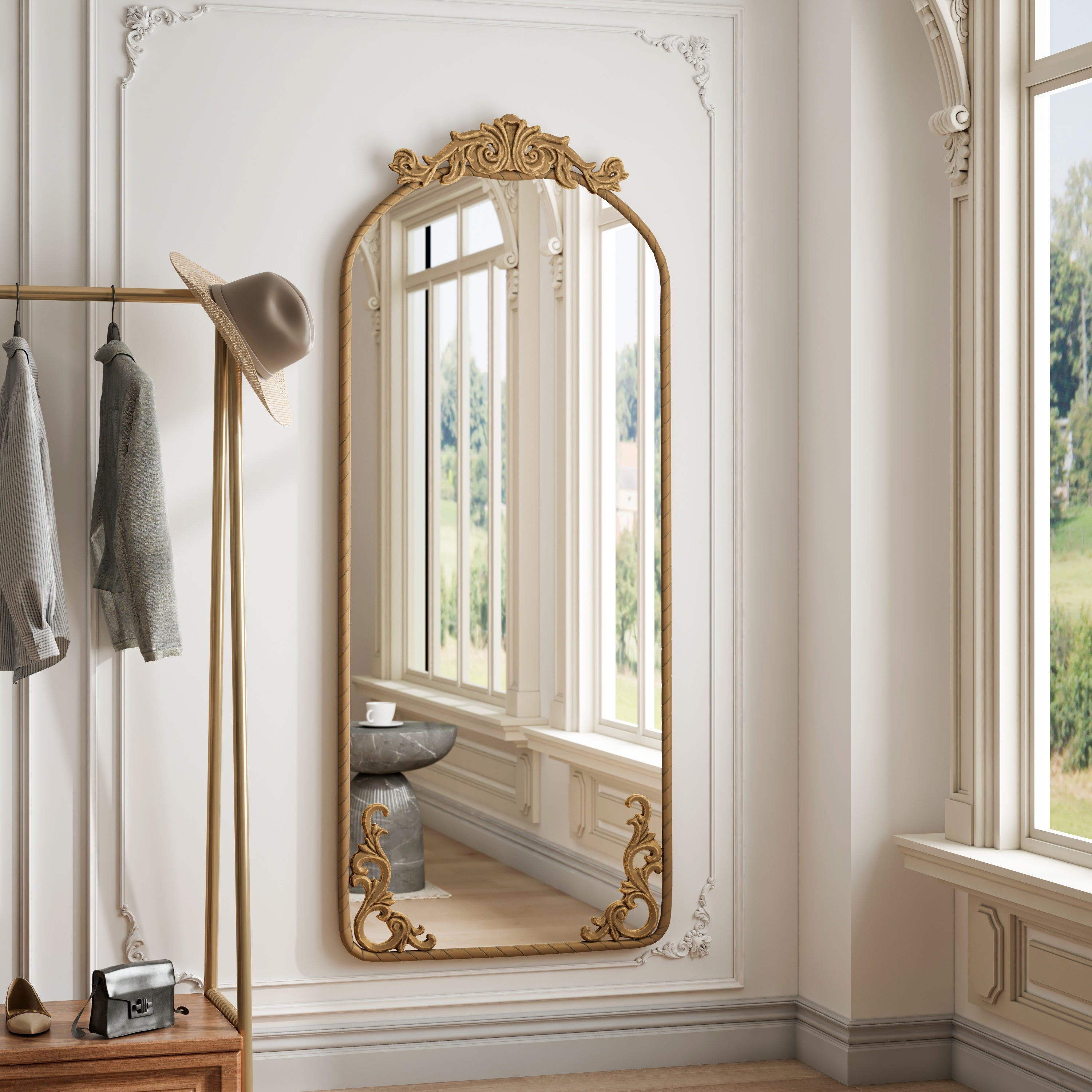
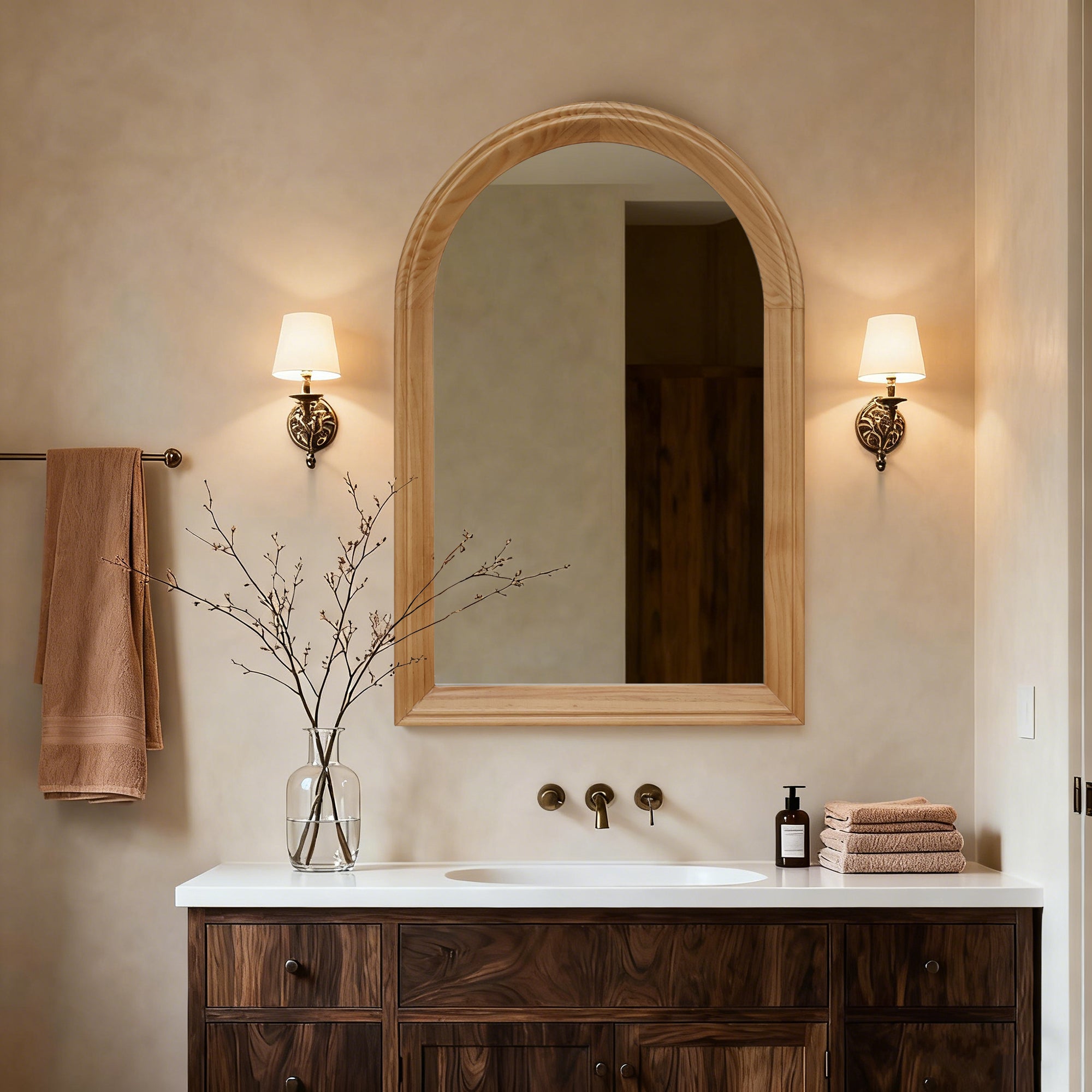
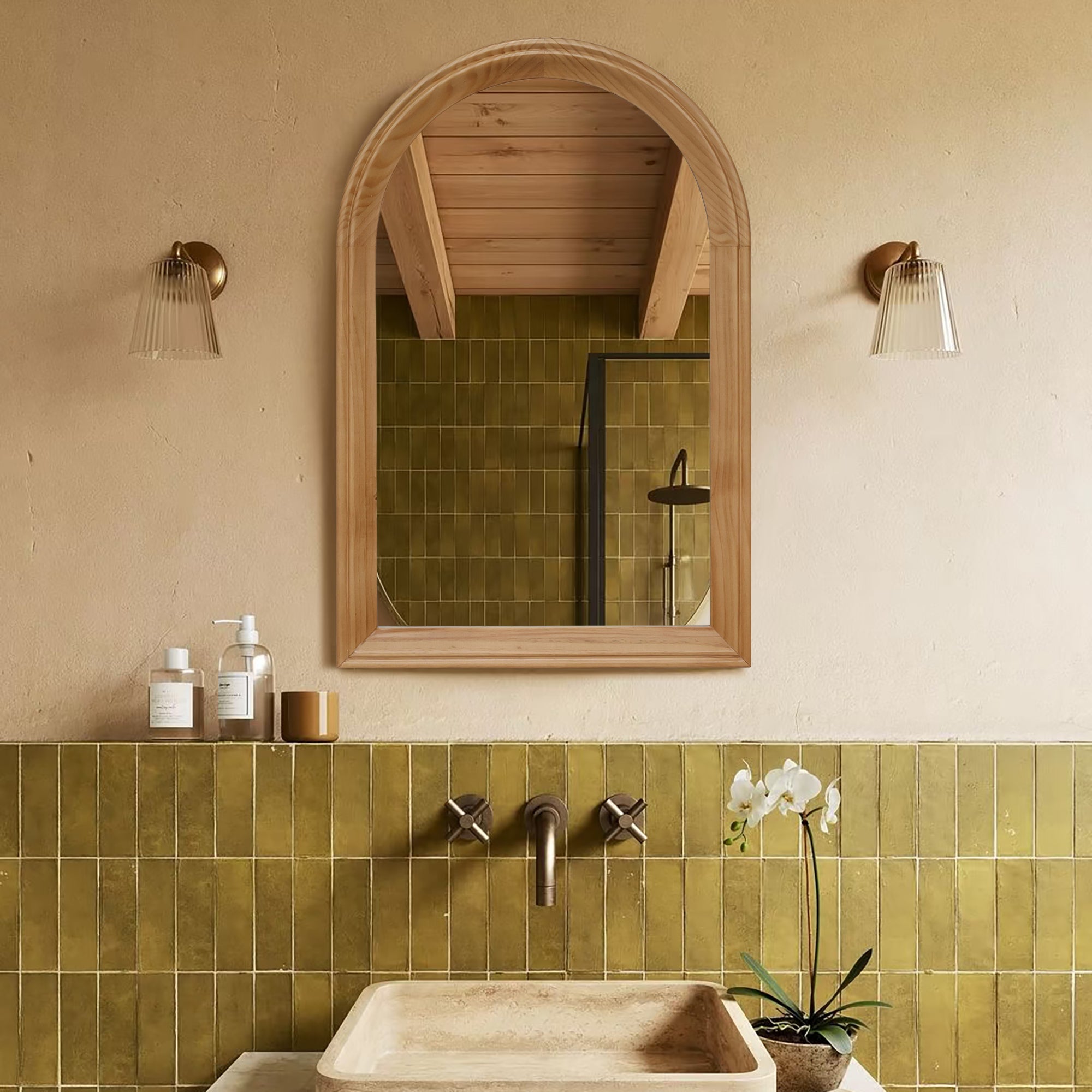
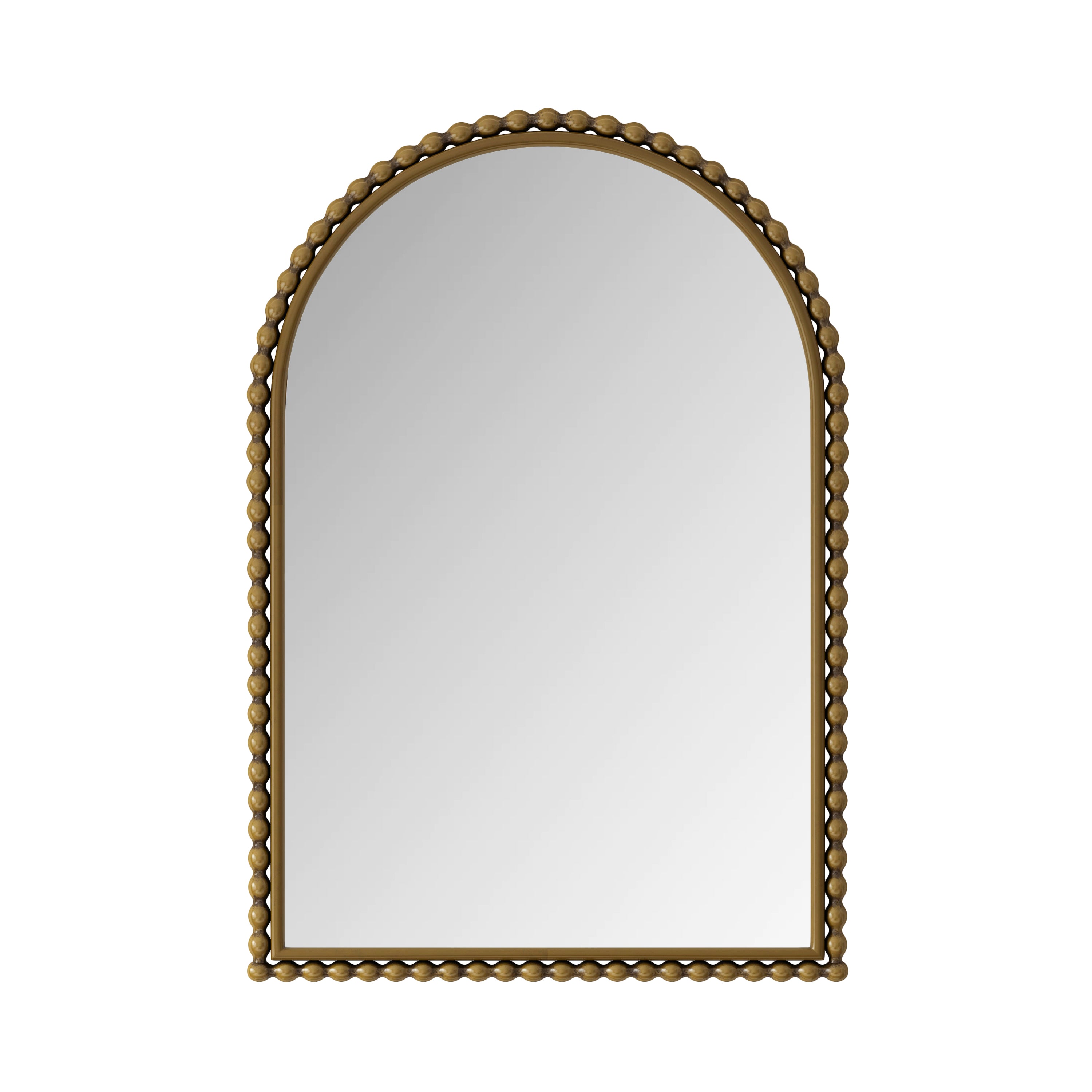
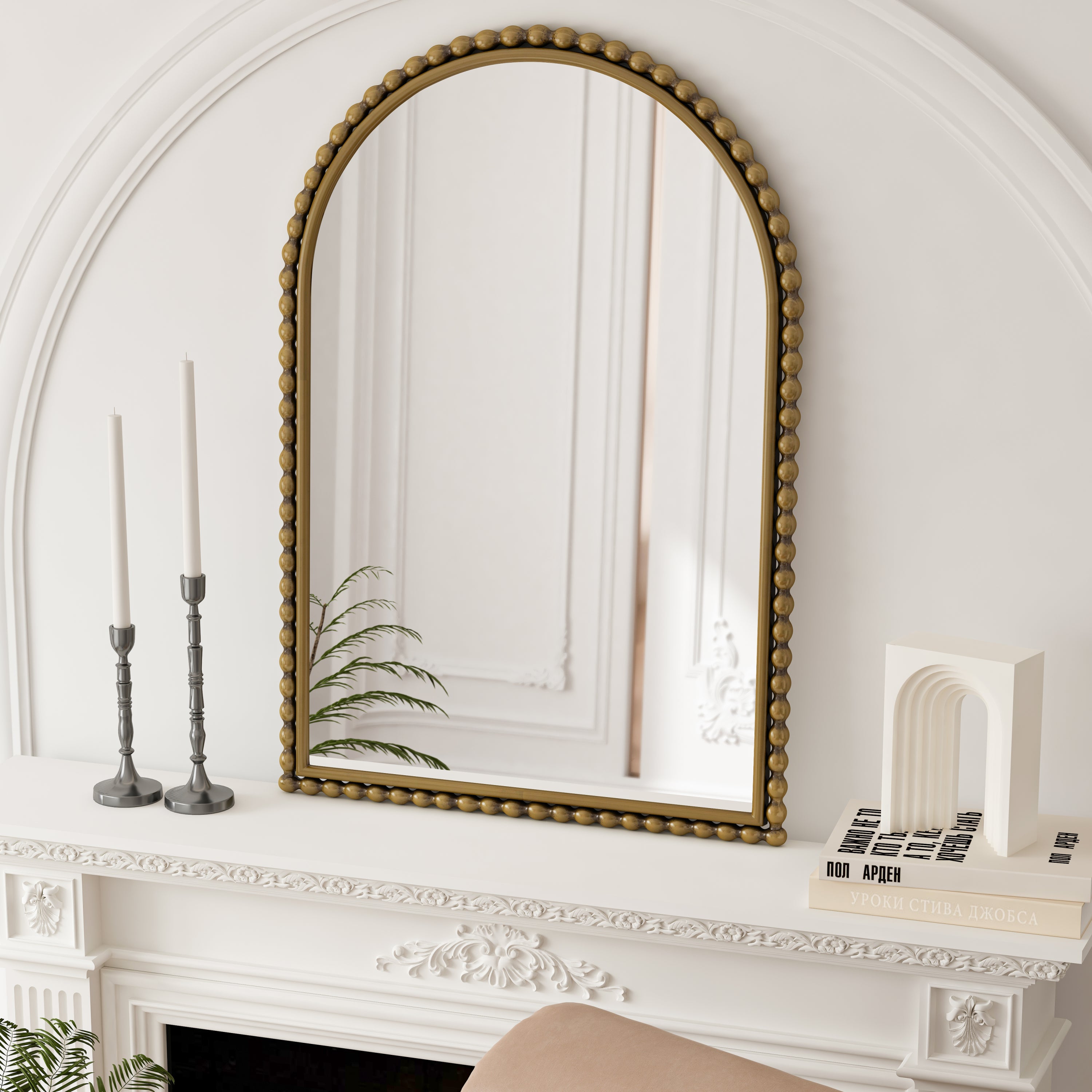
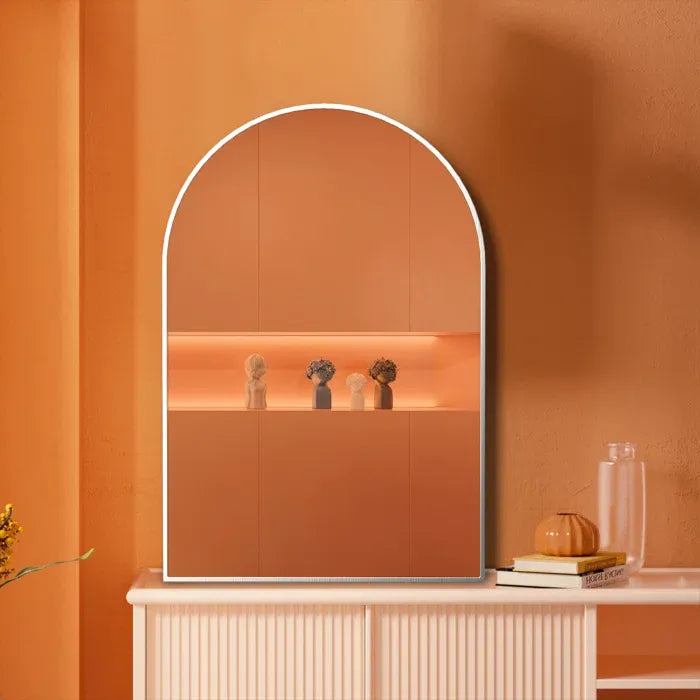
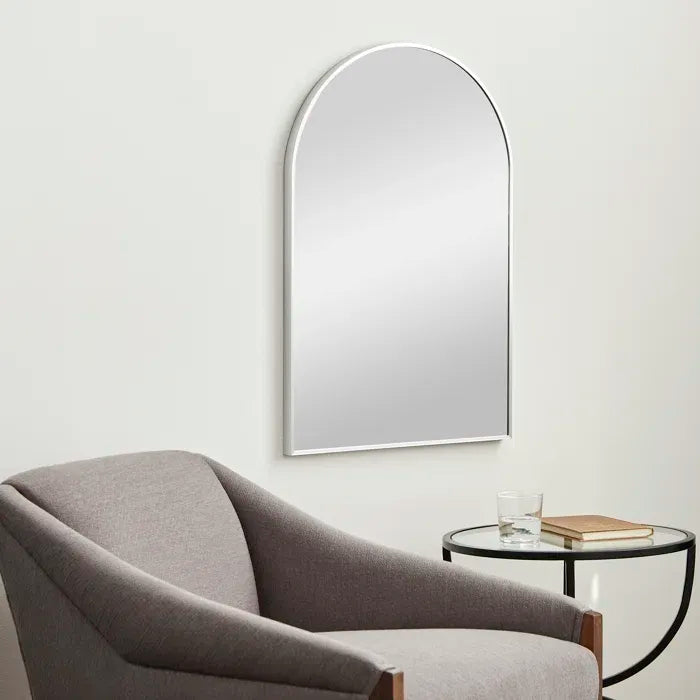
Round softens a space full of straight lines and is the shape to reach for in a room of rectangles. Arched carries height without a hard top edge, which suits a tall narrow wall. Oval gets to full length height at a width a circle never could. Rectangular is the most efficient use of glass per inch of wall and the easiest to hang square.
Where a mirror actually works
Opposite or beside a window, where it doubles daylight instead of reflecting a blank wall. Along the long side of a narrow hallway, where it makes the corridor read wider. Above a console in an entry, where it earns its place practically. What does not work is a mirror facing a cluttered corner, because a mirror shows you twice as much of whatever is in front of it.
Fixing and safety
Match the fixing to the weight, and use two points rather than one so nothing rotates or swings. Above roughly 40 pounds, use a French cleat spread across two studs. Every floor mirror should be strapped to a wall stud at the top rail whatever its weight, because a leaning sheet of glass is the one piece of furniture that comes down all at once.
What these are made from
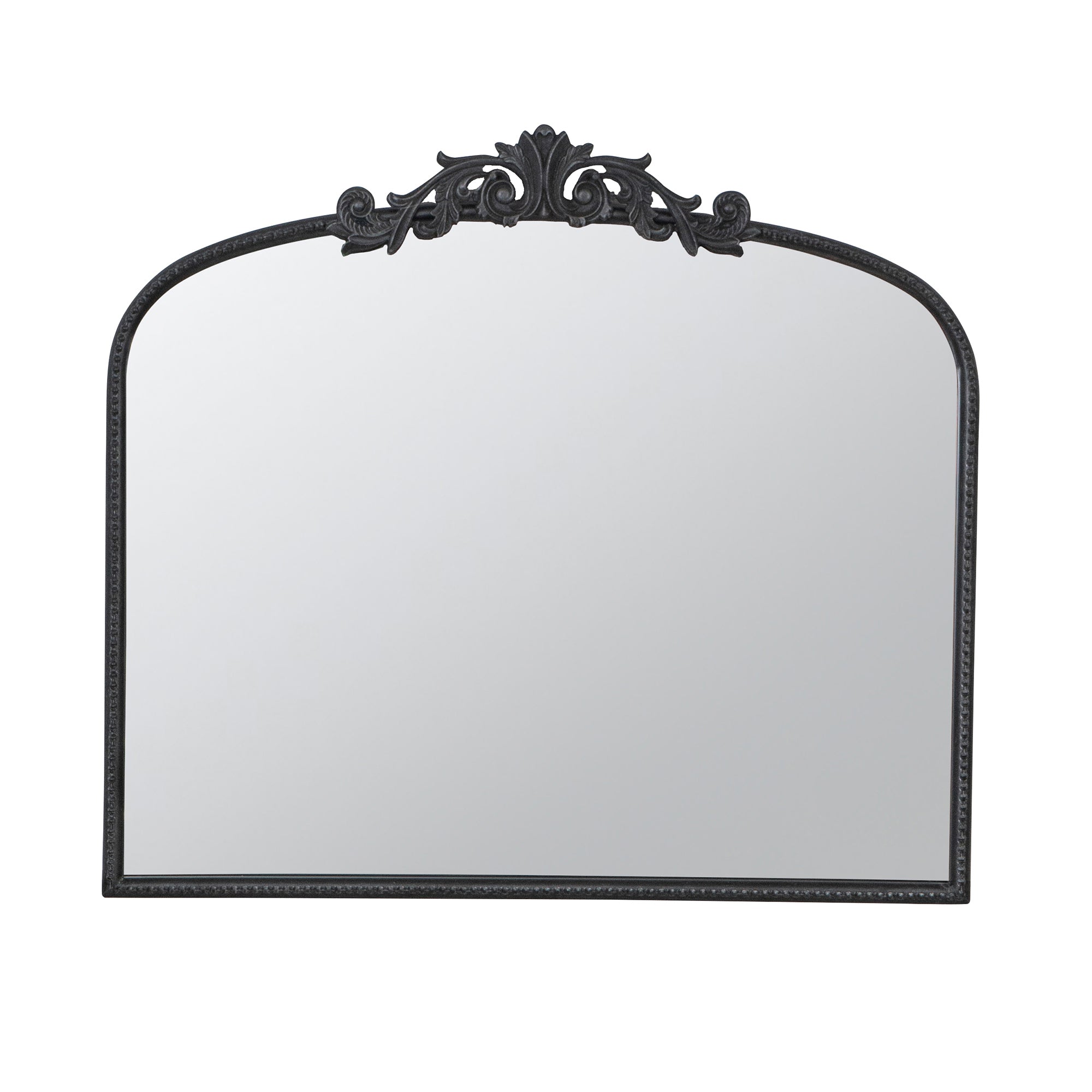
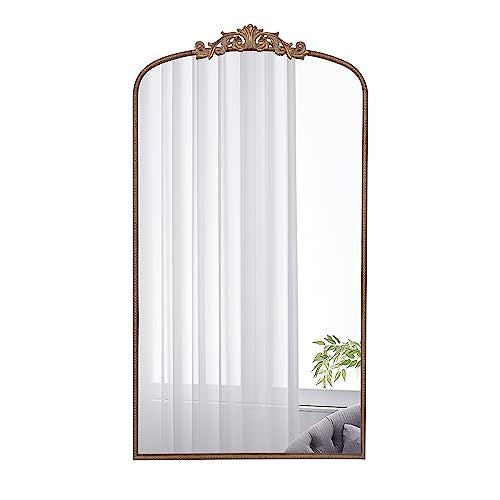
Frames run to metal, aluminum, wood and composite depending on the piece, with glass throughout. Material varies widely across this range, so check the individual listing rather than assuming from the finish: a gold frame here may be metal or a composite moulding, and both are described on their own product page.
More Mirrors
By shape: Round · Arched · Oval · Full Length
By type: Wall · Floor · Vanity
By finish: Gold · Black Framed
Specifications
- Width inches
- 16 to 40
- Height inches
- 16 to 76
- Depth inches
- 1 to 19
- Shapes
- Round, Arched, Oval, Rectangular, Irregular
- Placement
- Wall hung, Floor standing and leaning
- Frame materials
- Metal, Aluminum, Wood, Composite
- Construction
- Frame material varies by model and is stated on each product page
- Recommended hanging height
- Glass centred 57 to 60 inches from the floor; full length mirrors 12 to 18 inches off the floor
- Free shipping
- Free
- Delivery window
- 5 to 7 days
Good to know