Shop by Category












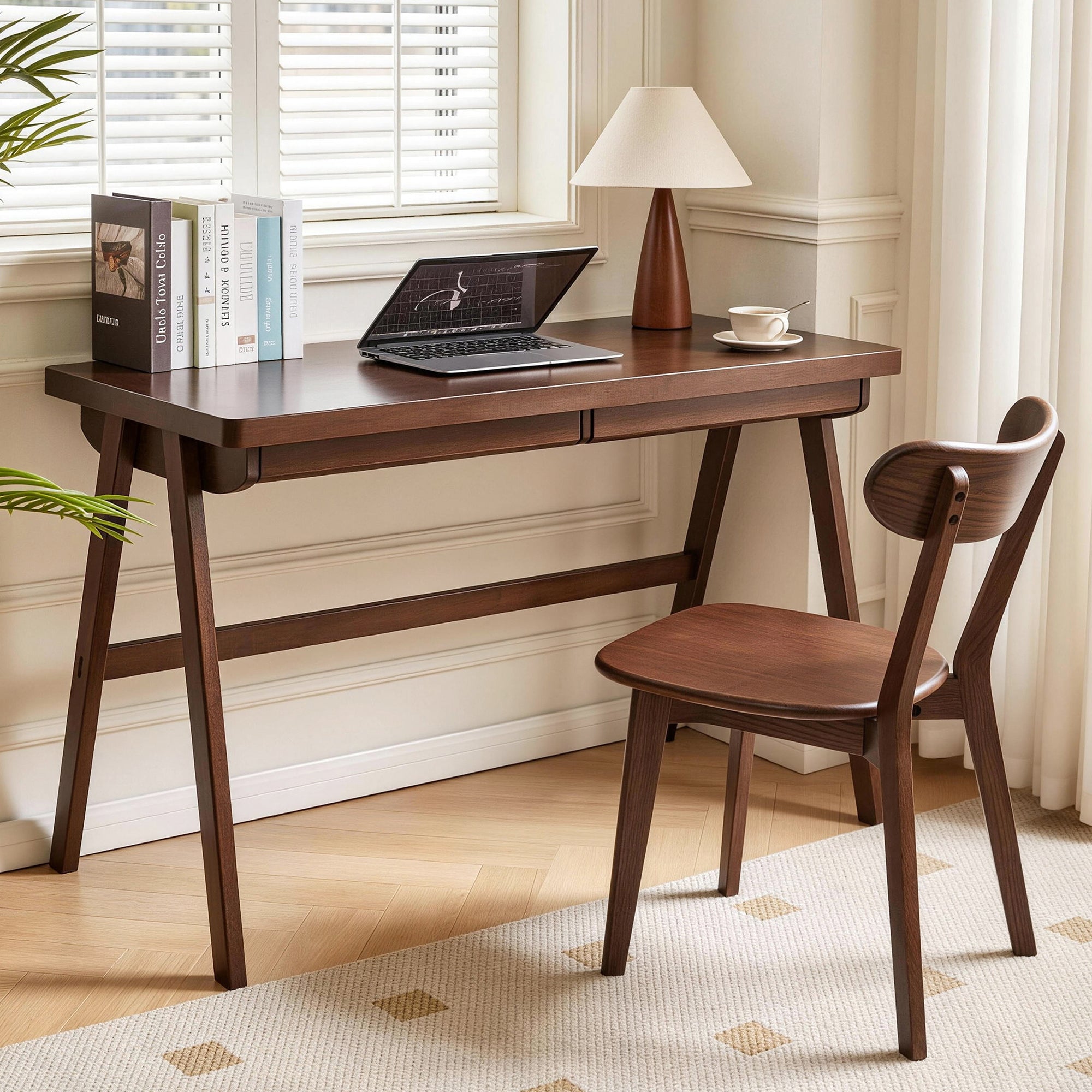
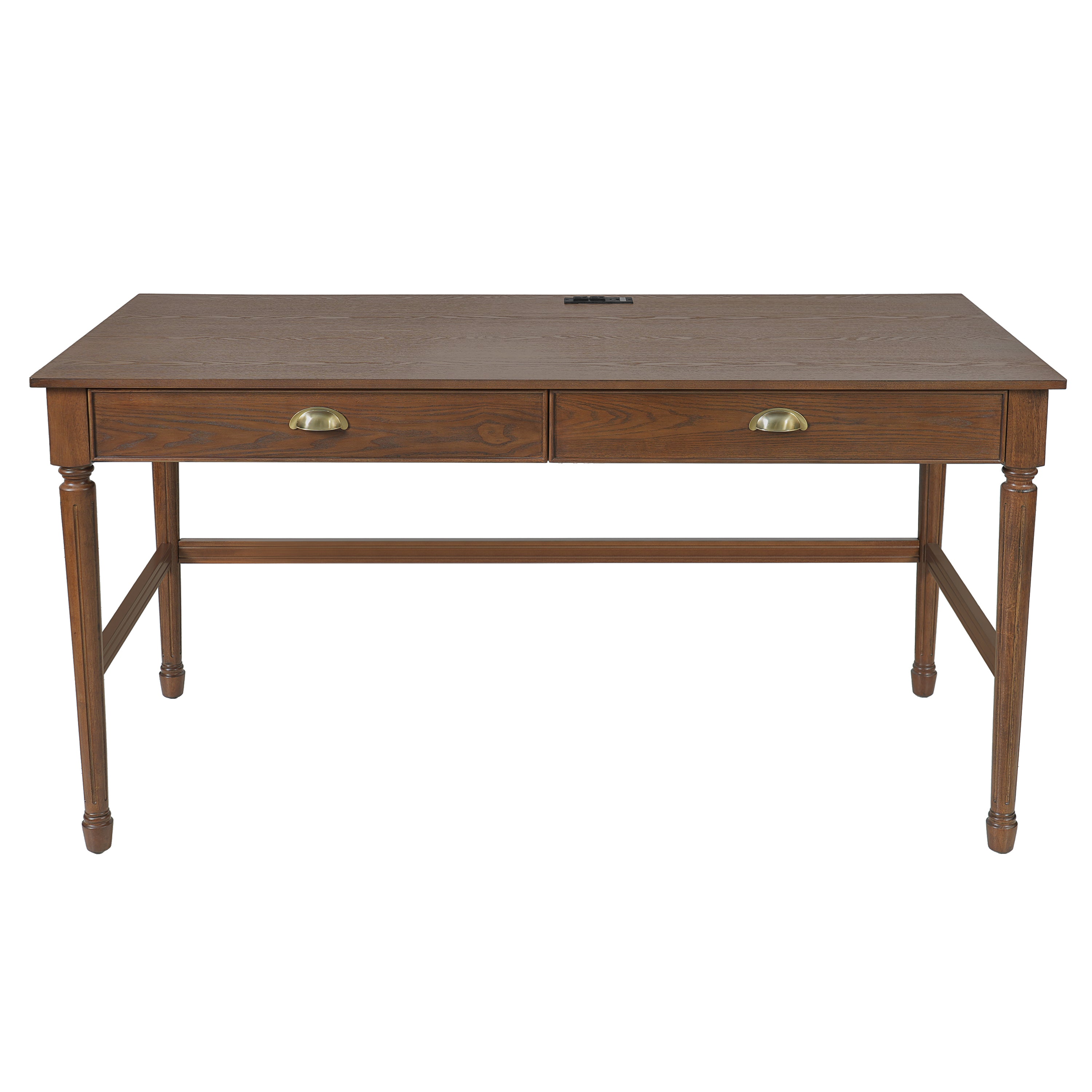
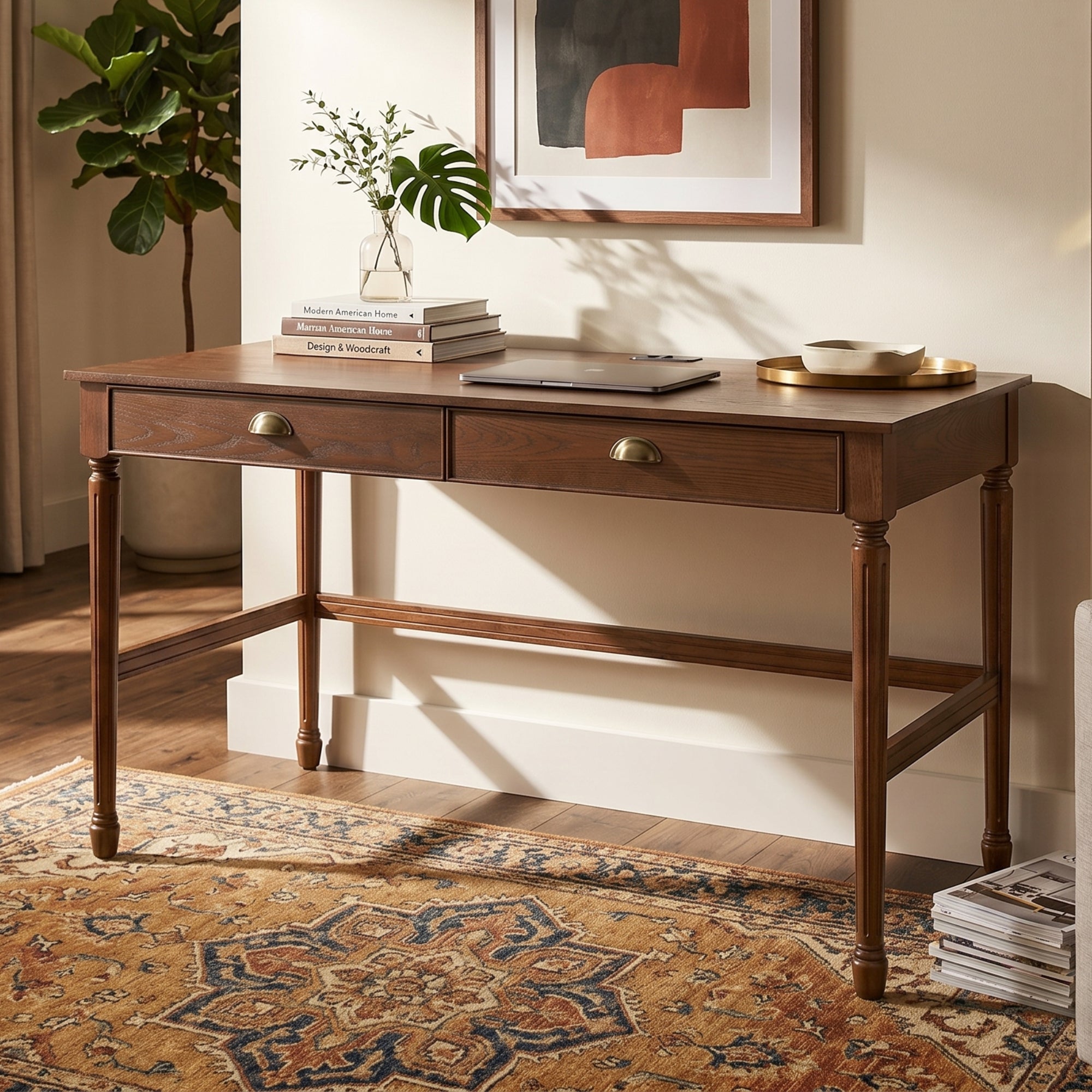
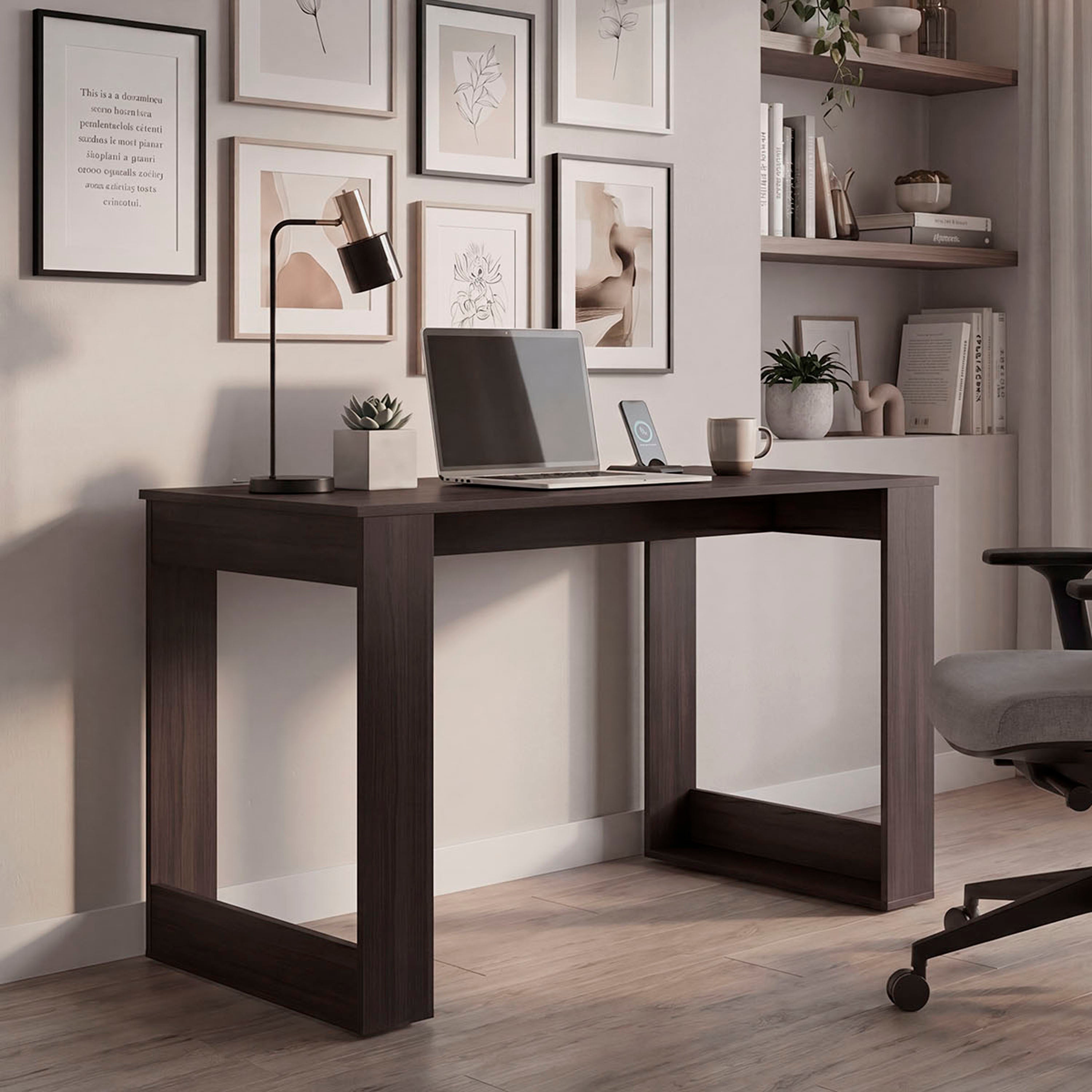






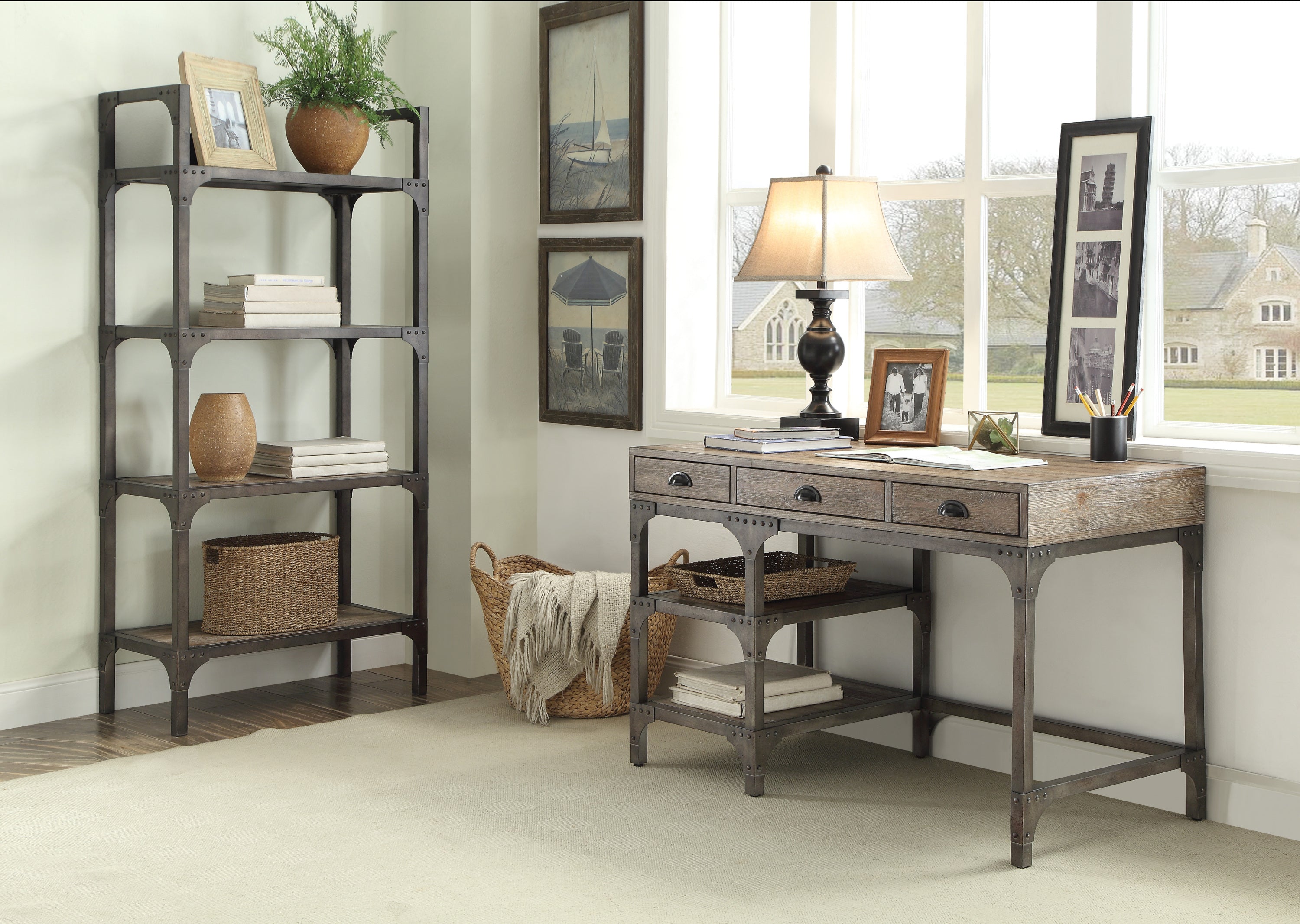
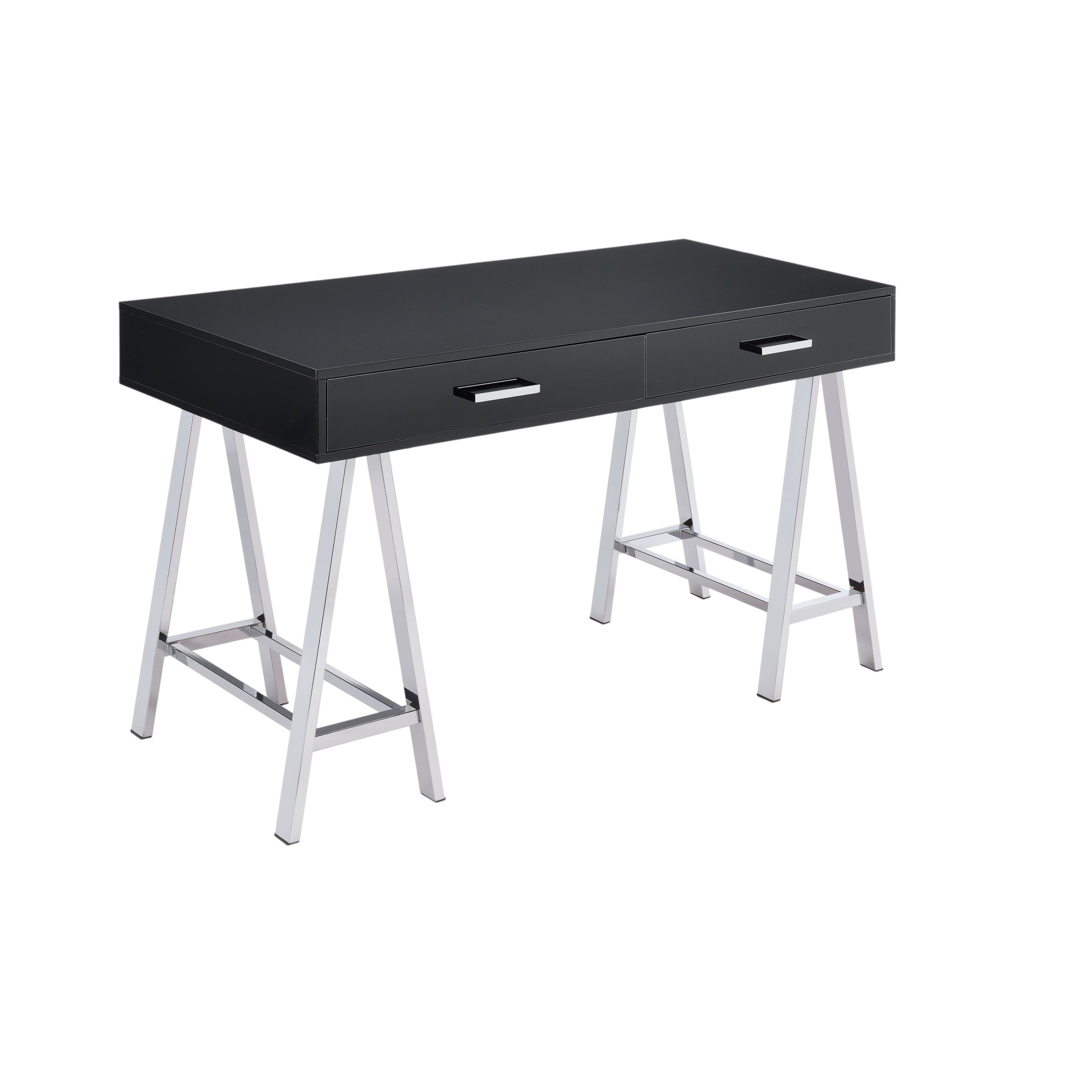


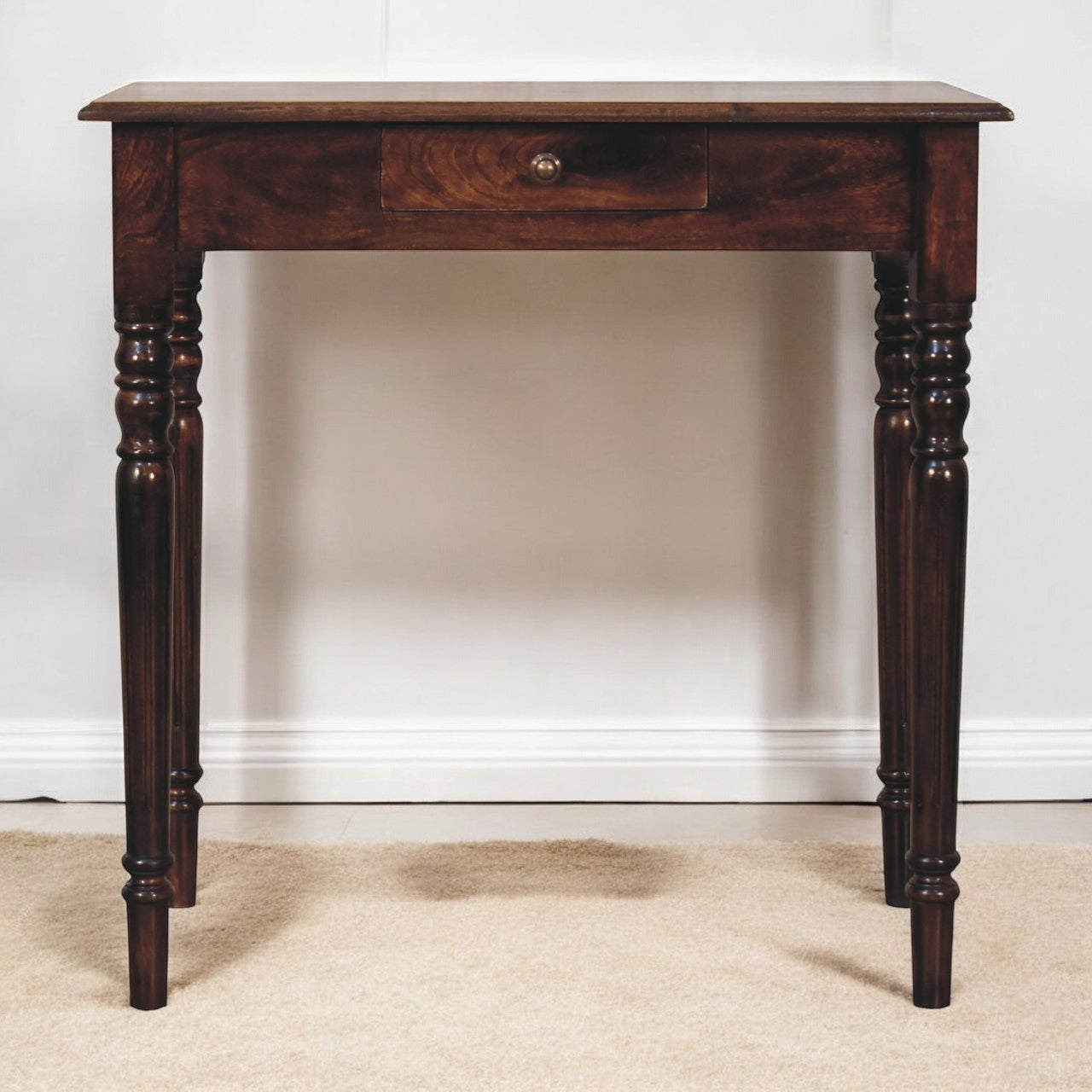
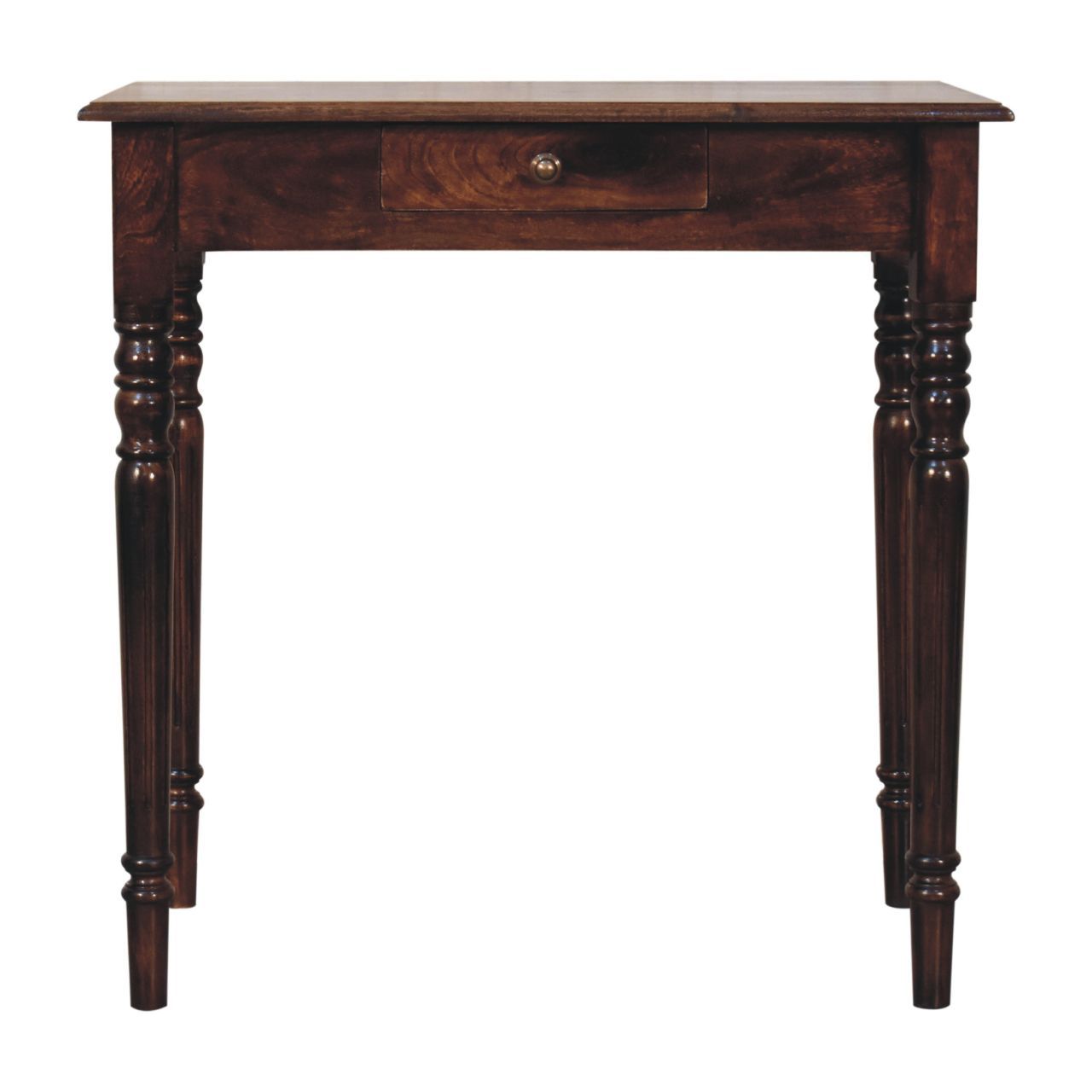









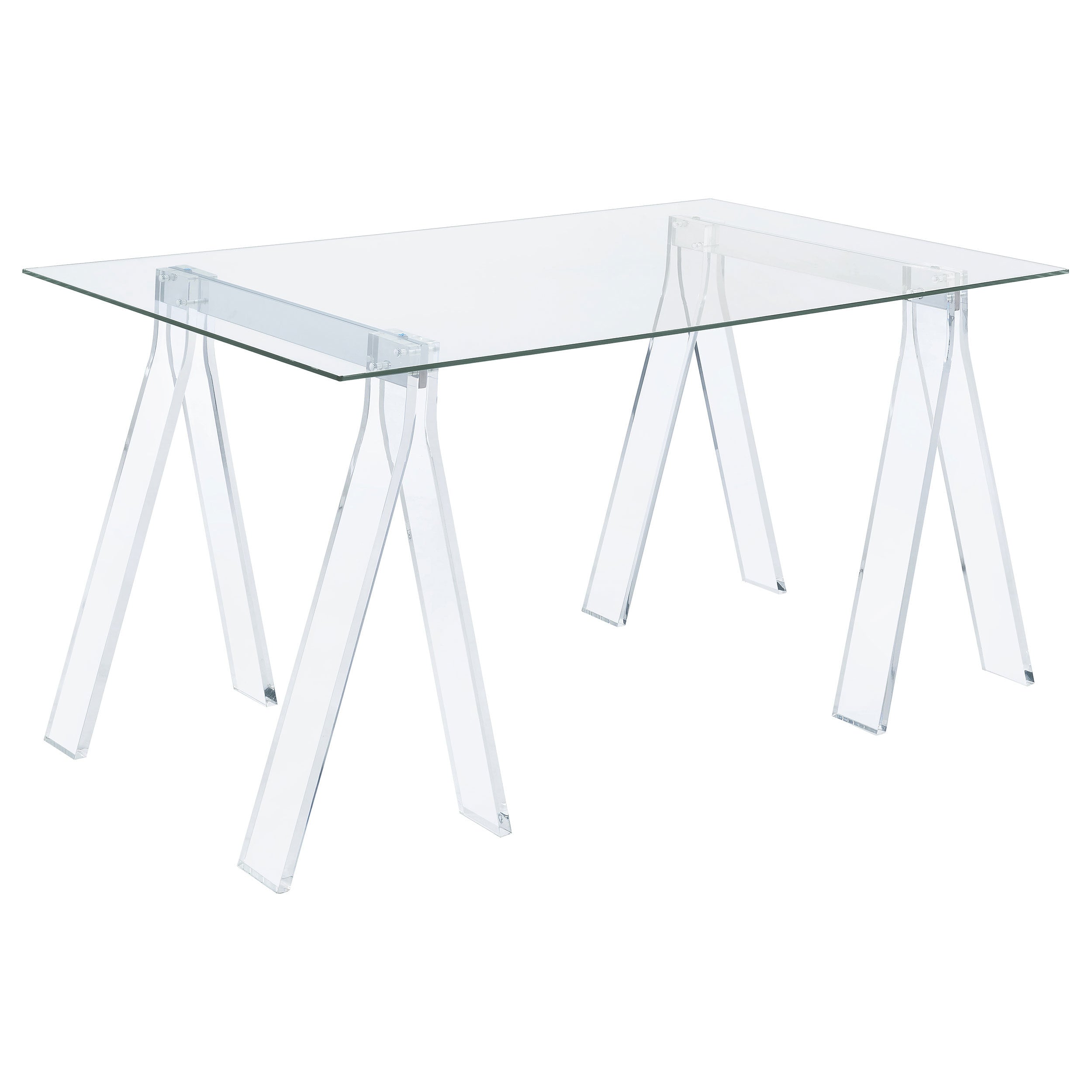


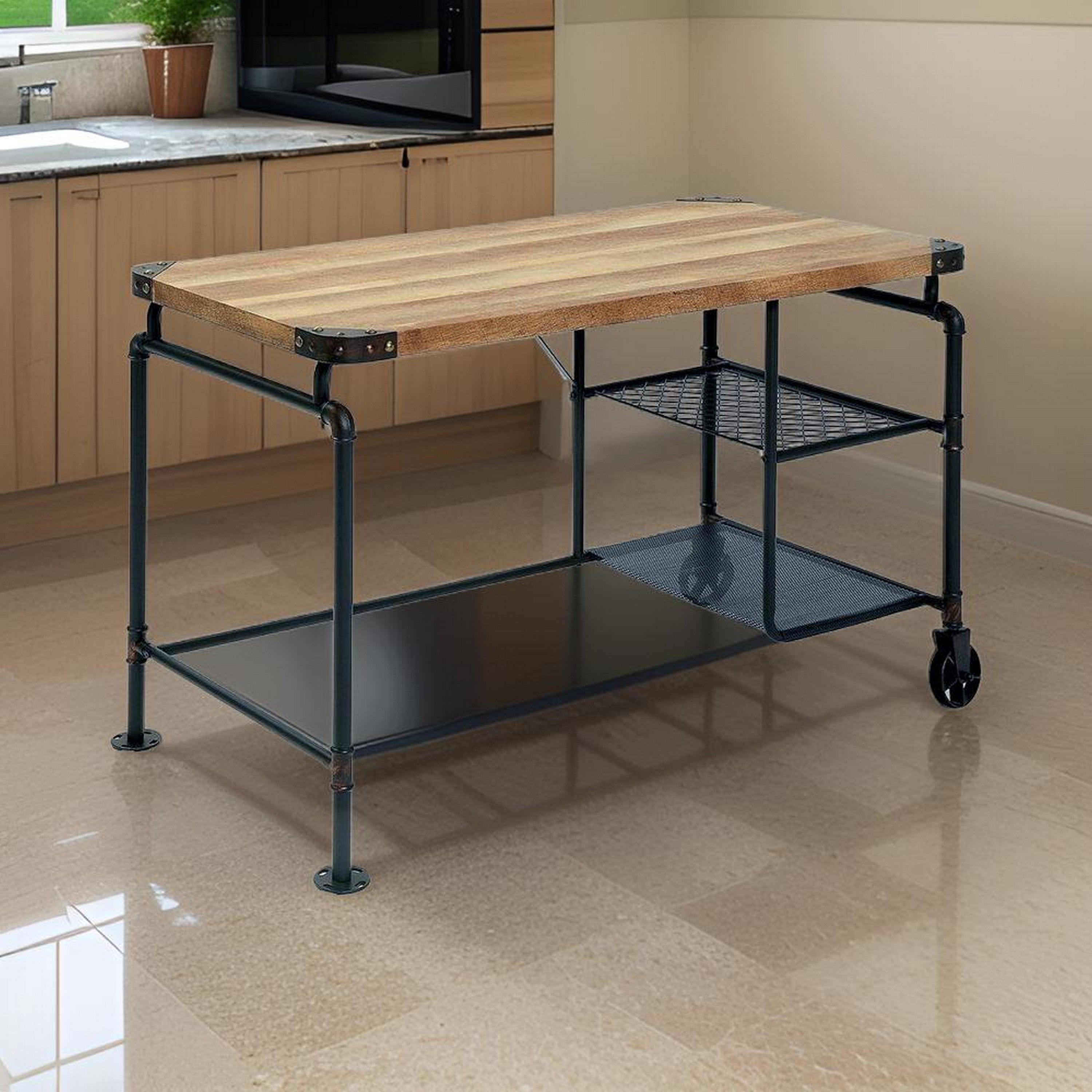

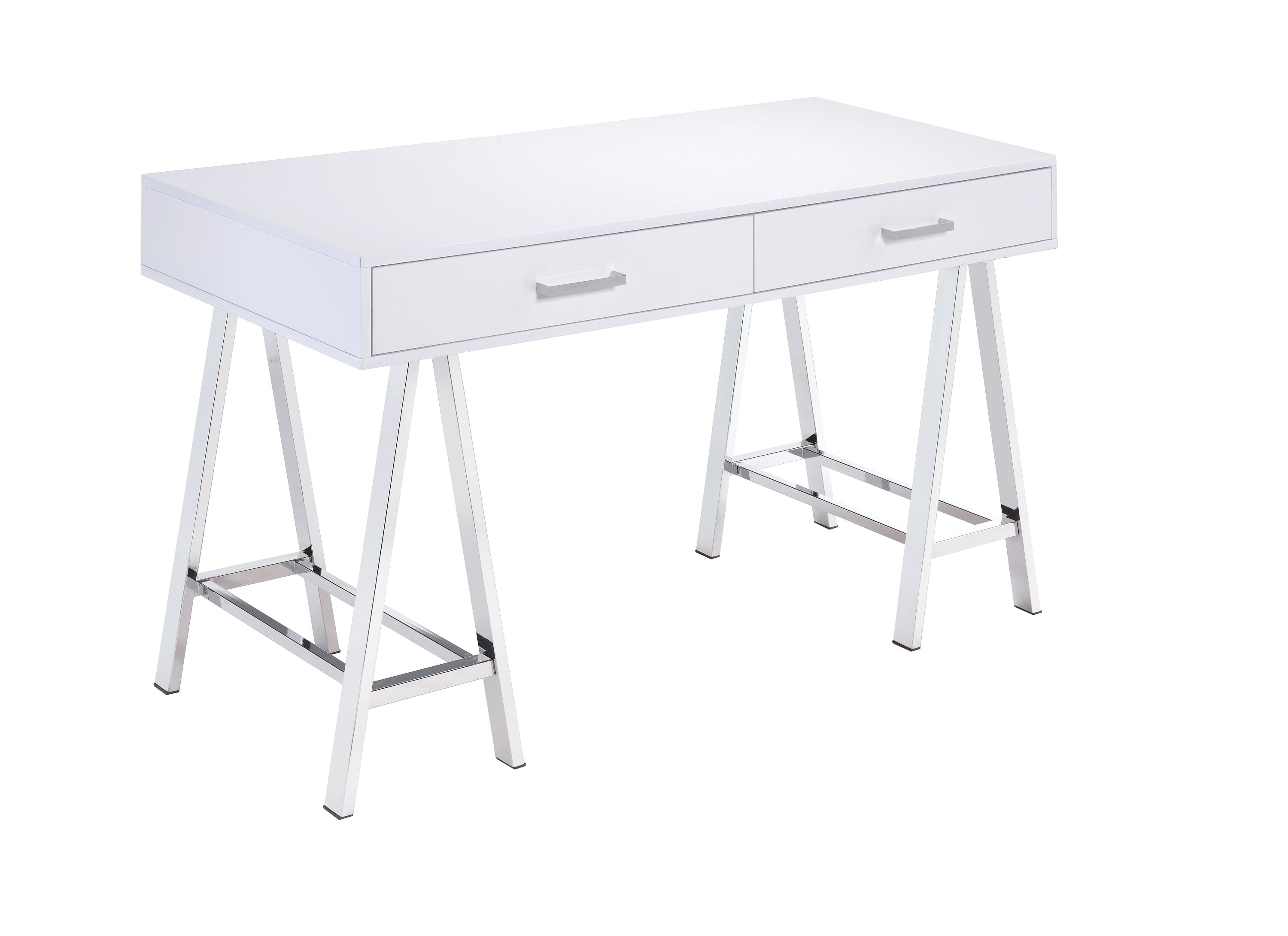


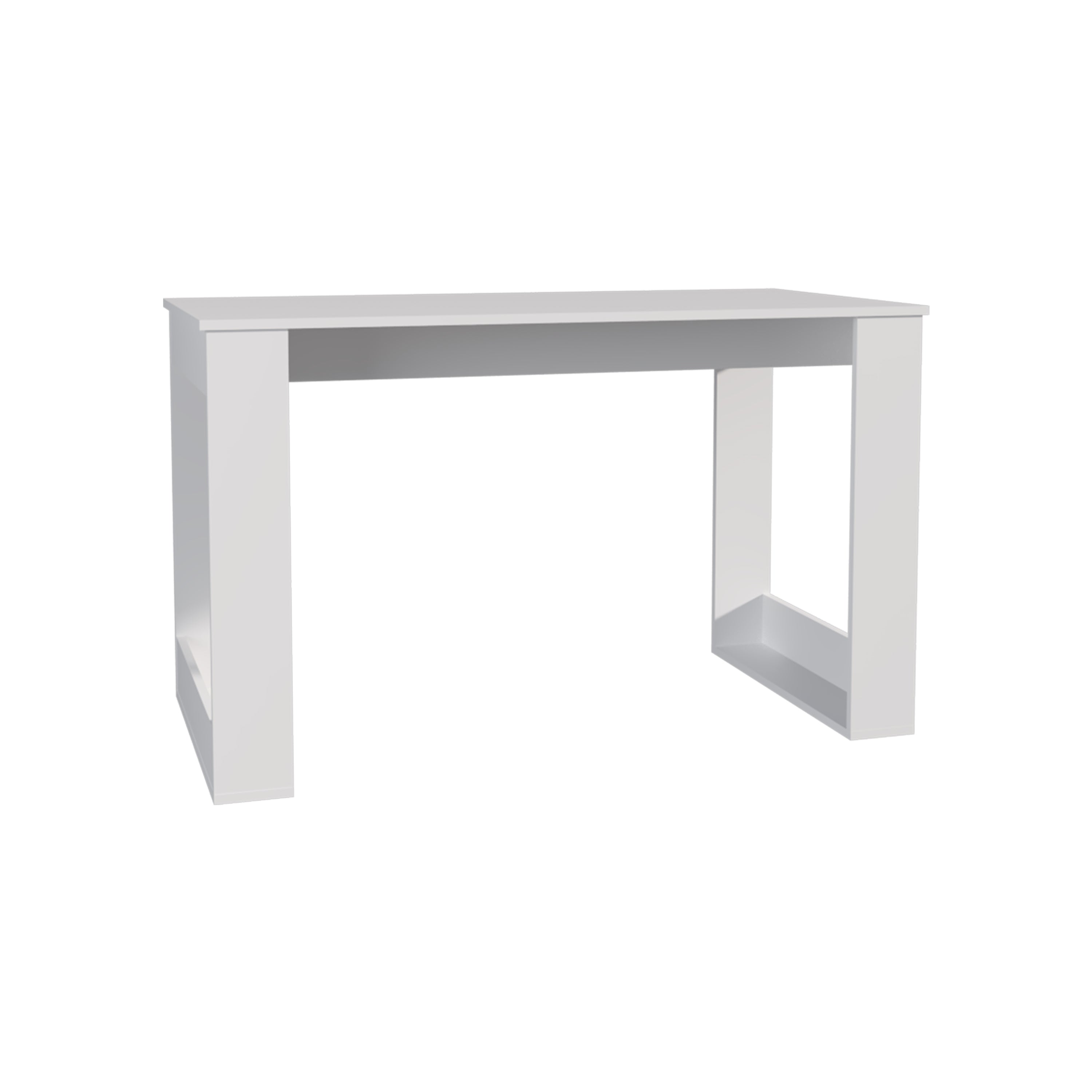






Writing desk sizes for a small room
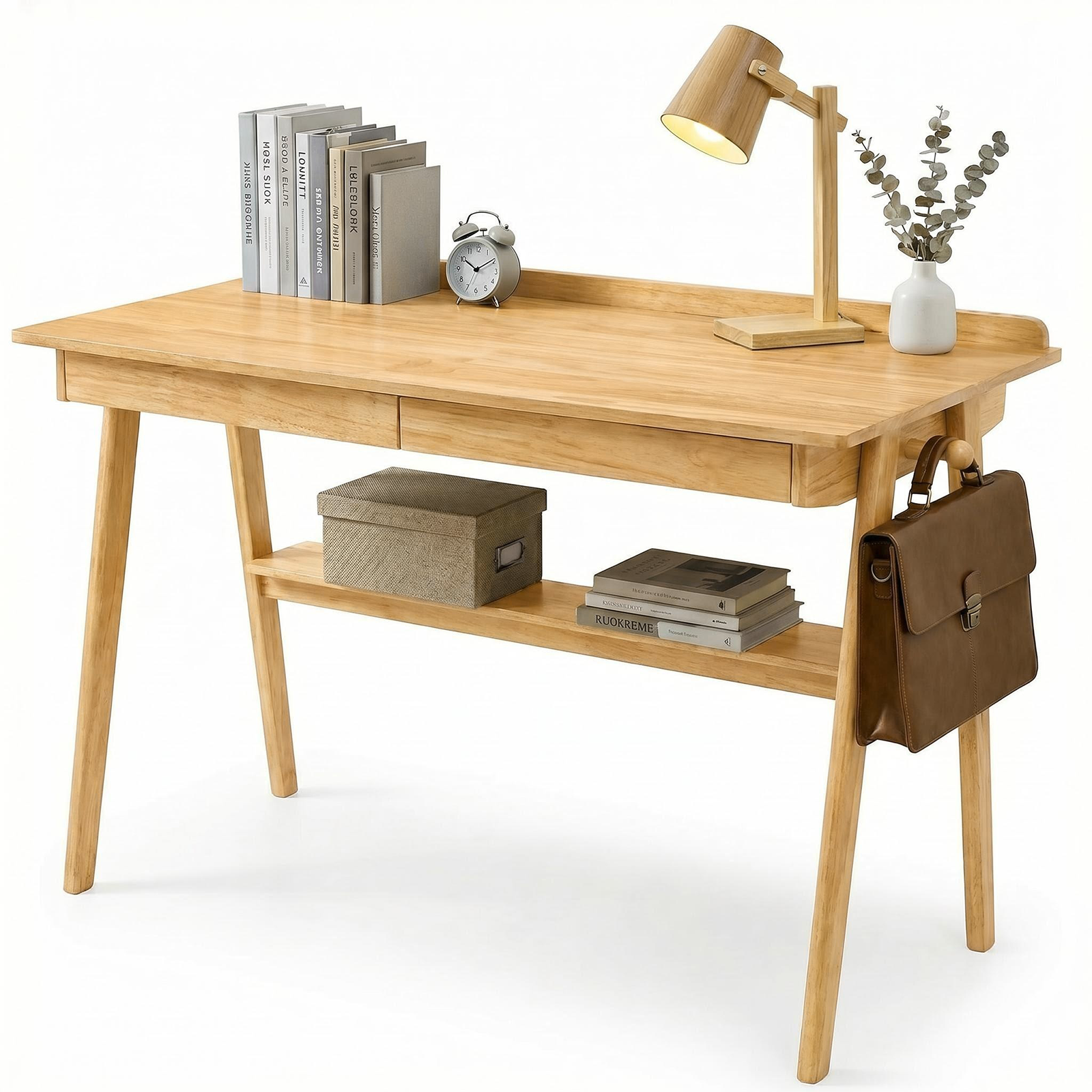
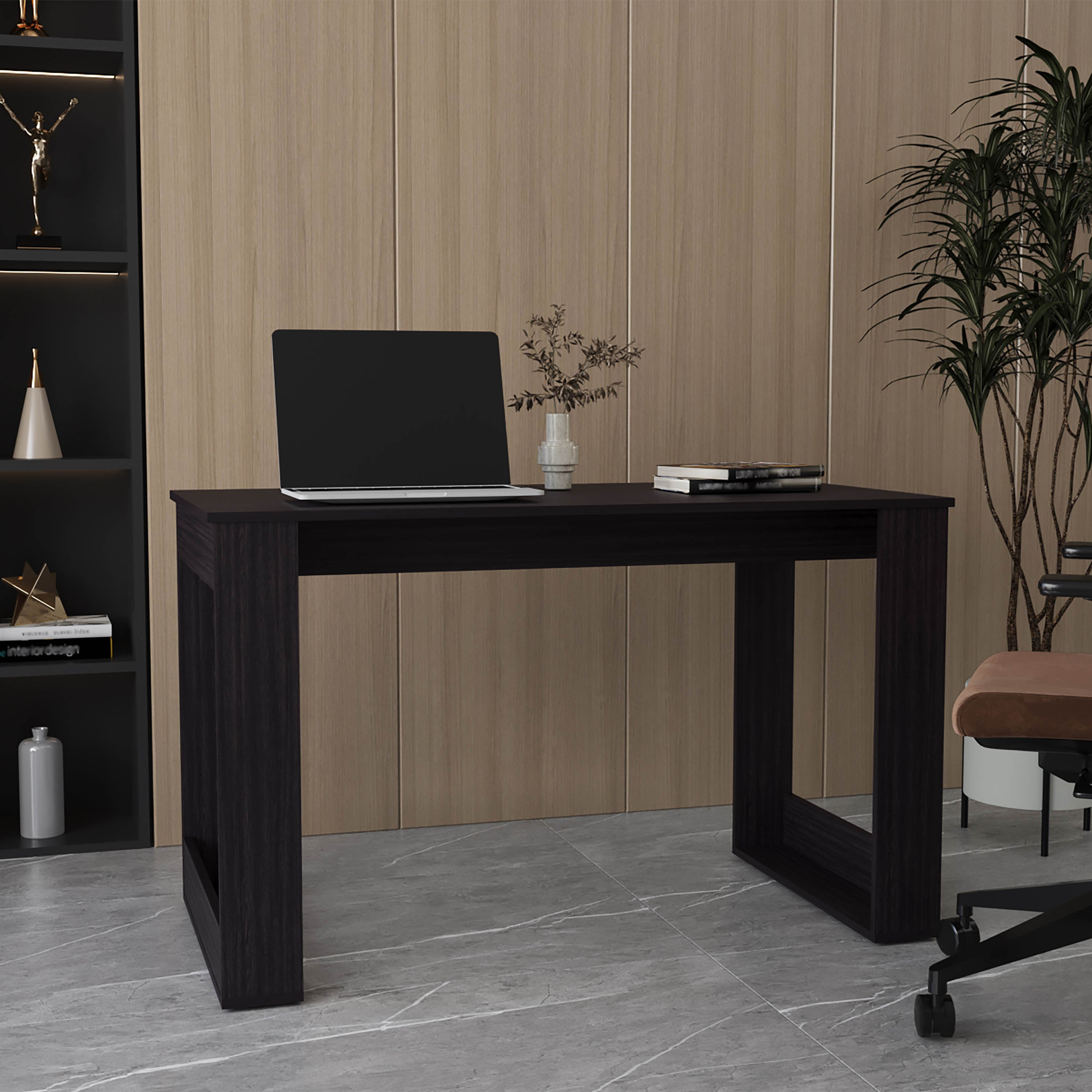
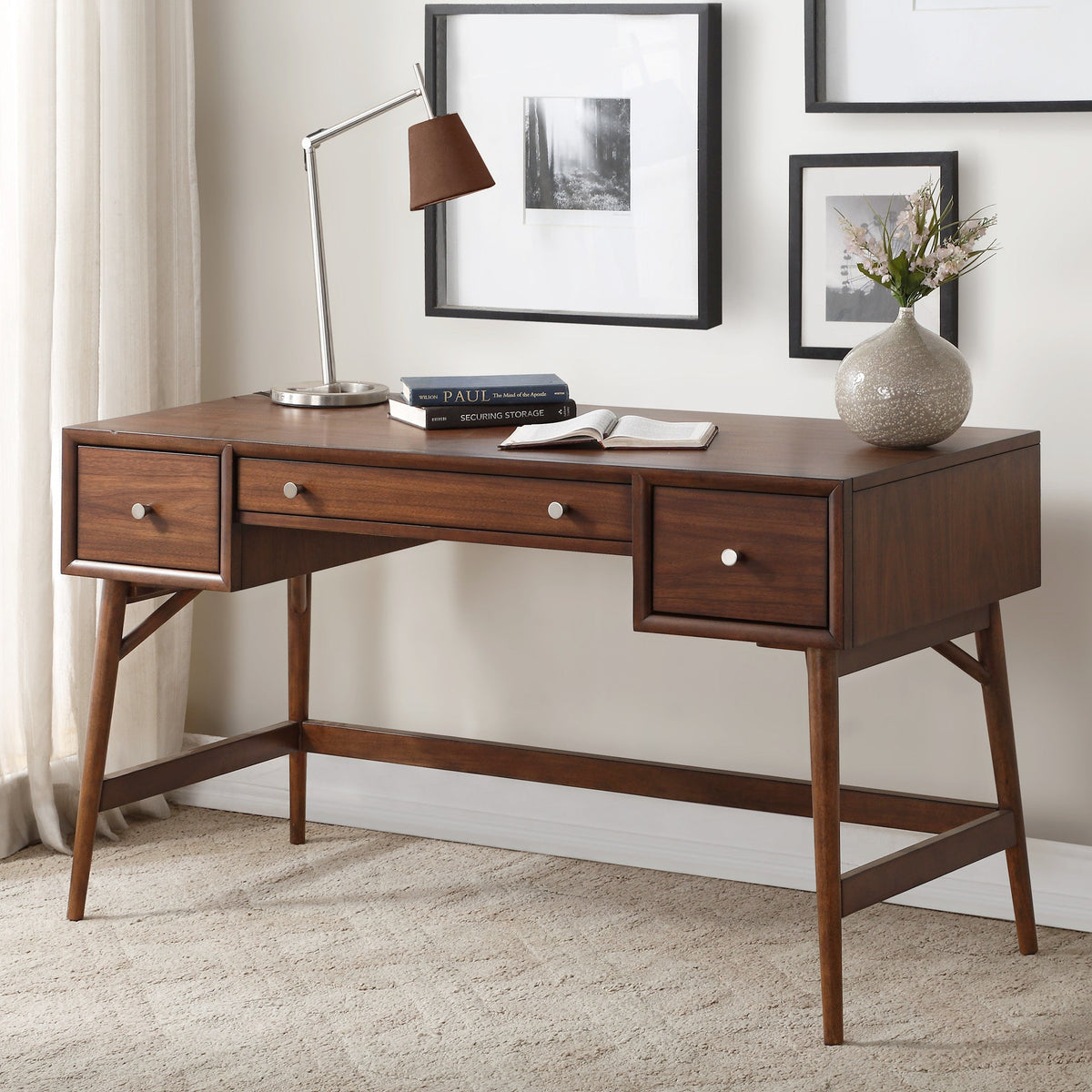
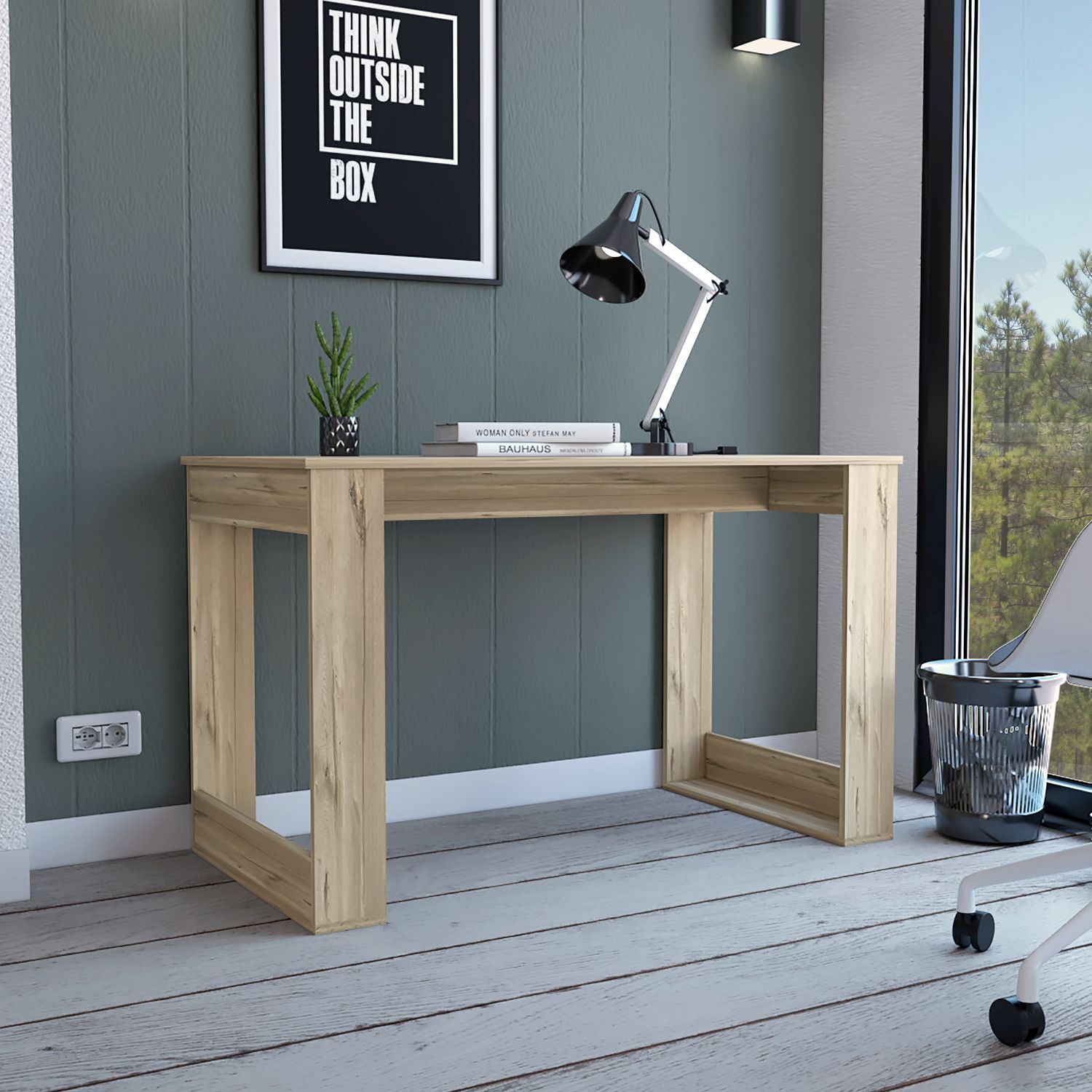
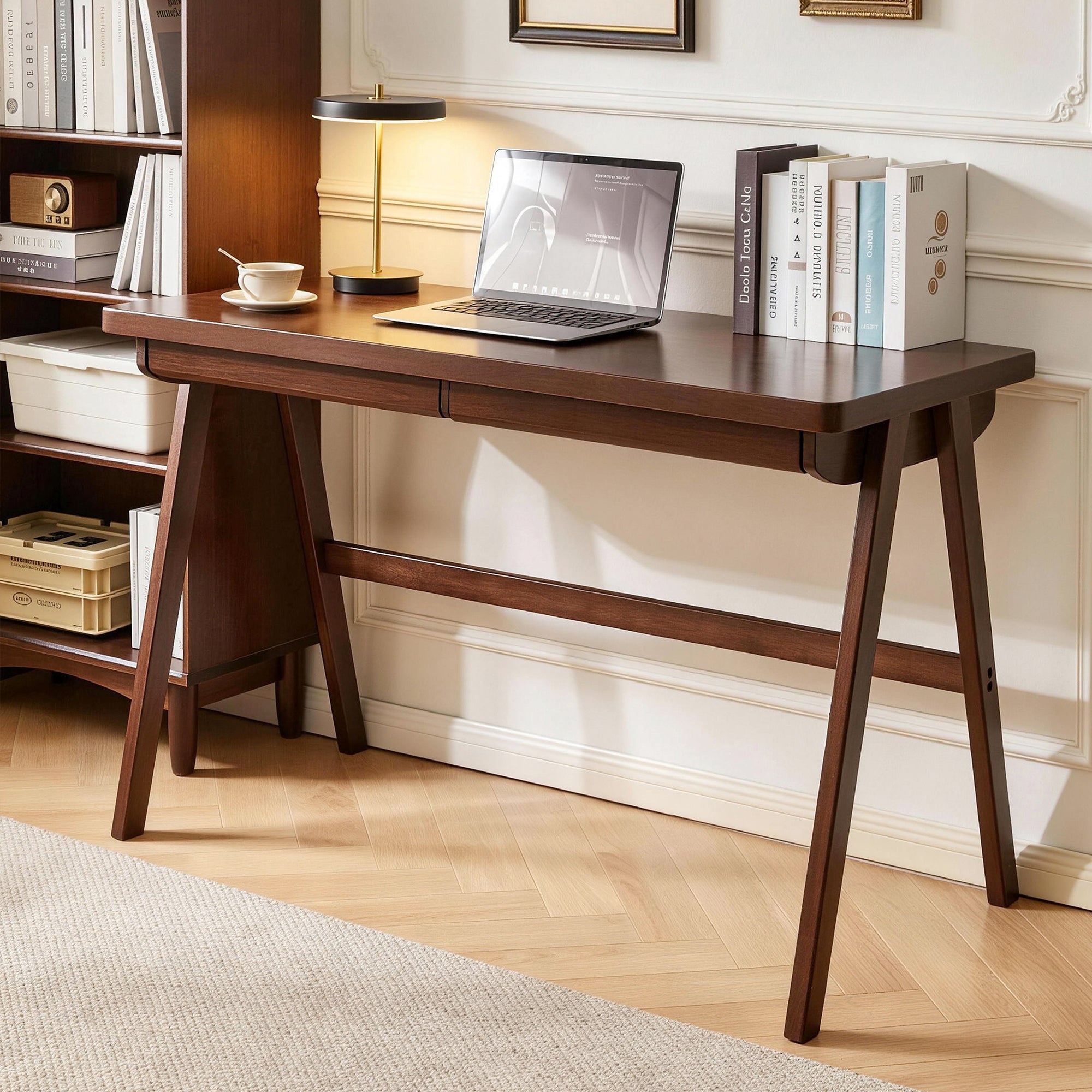
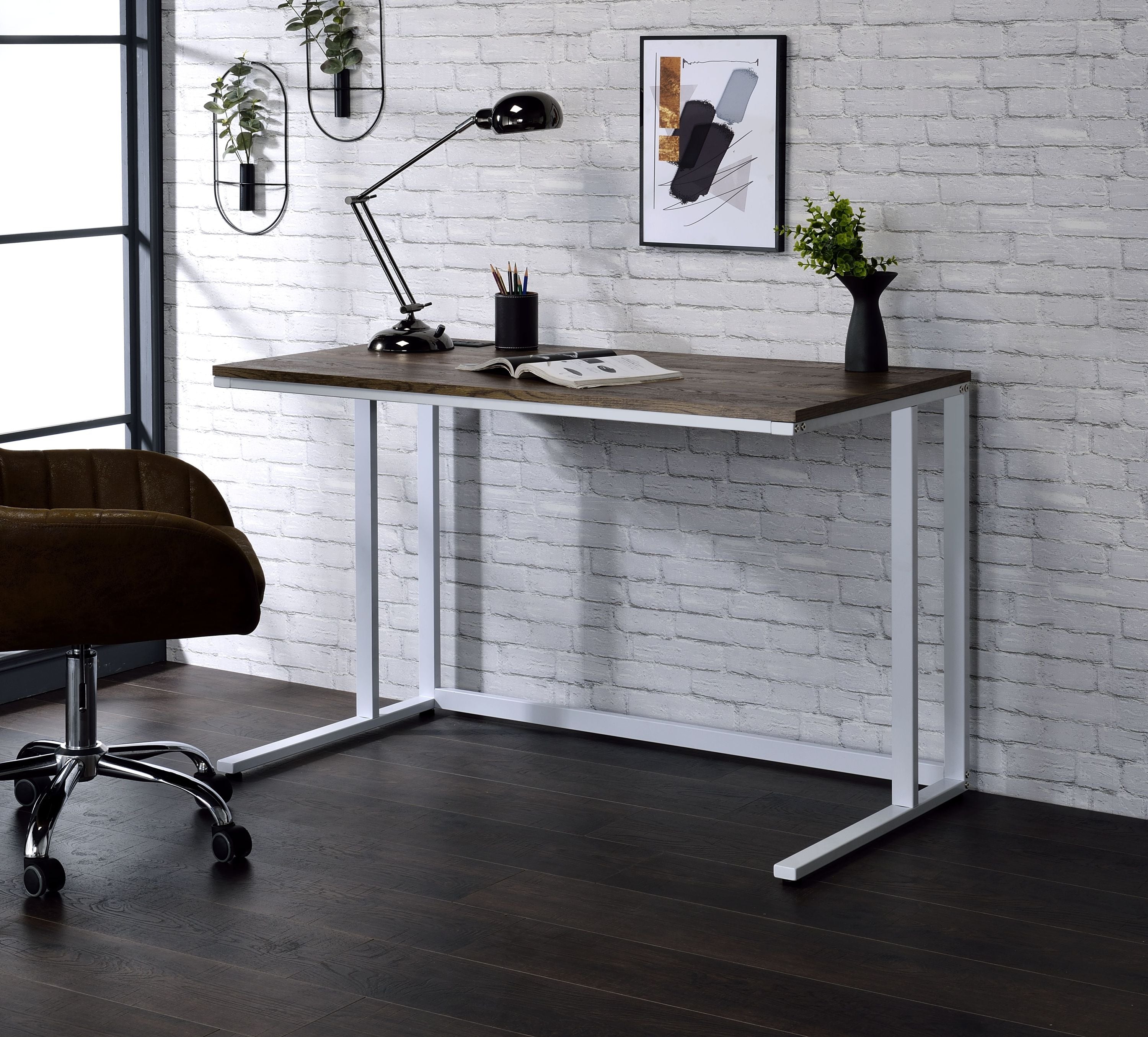
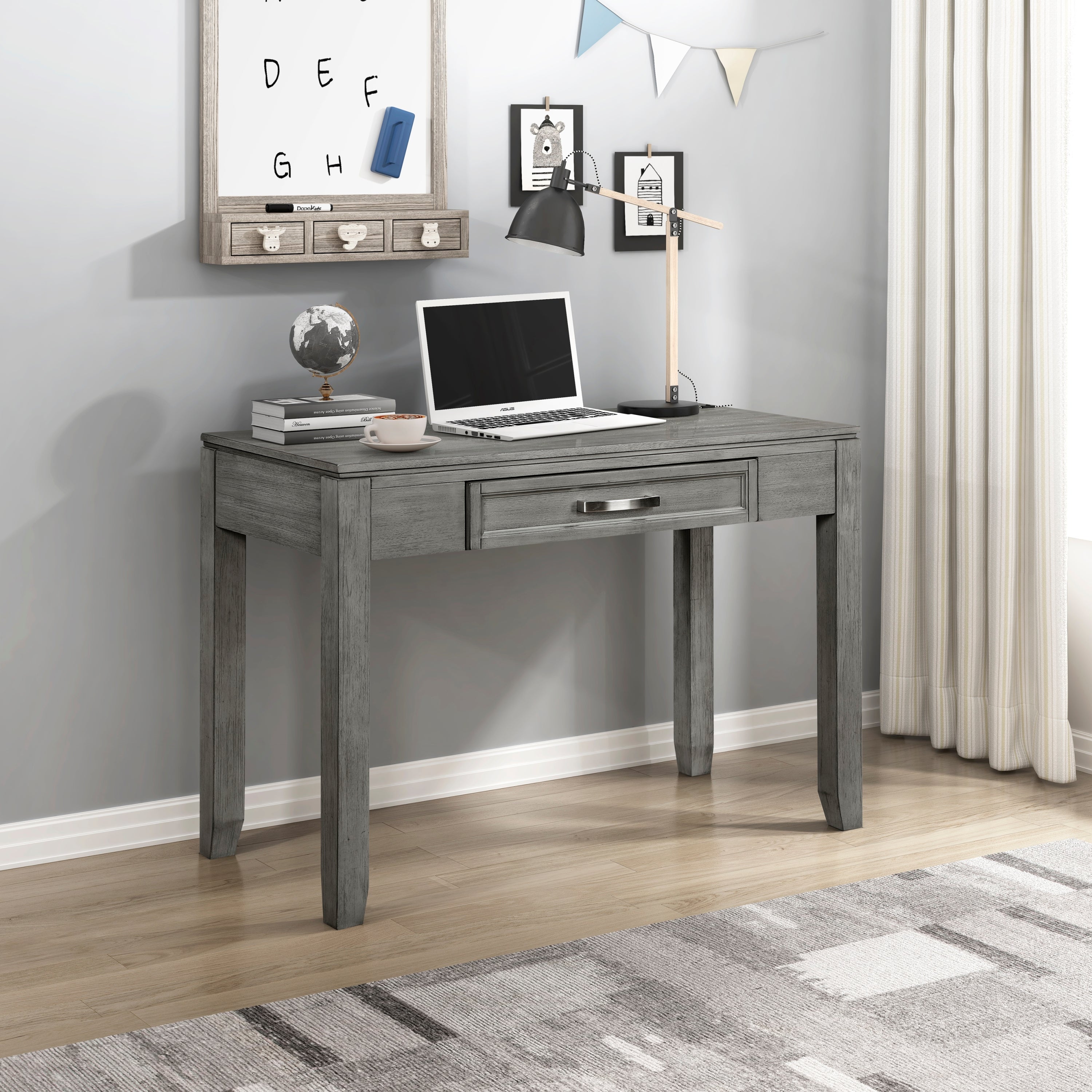
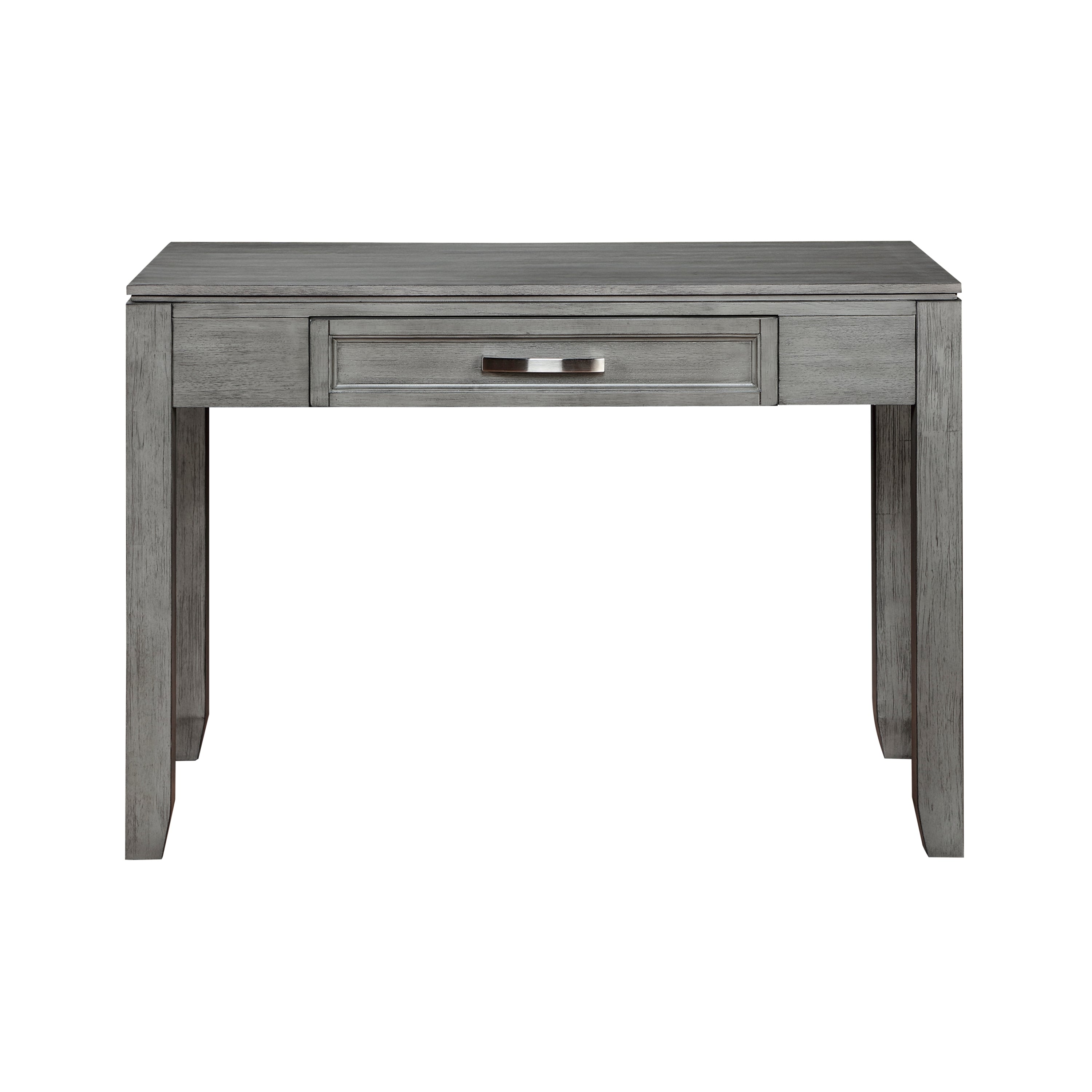
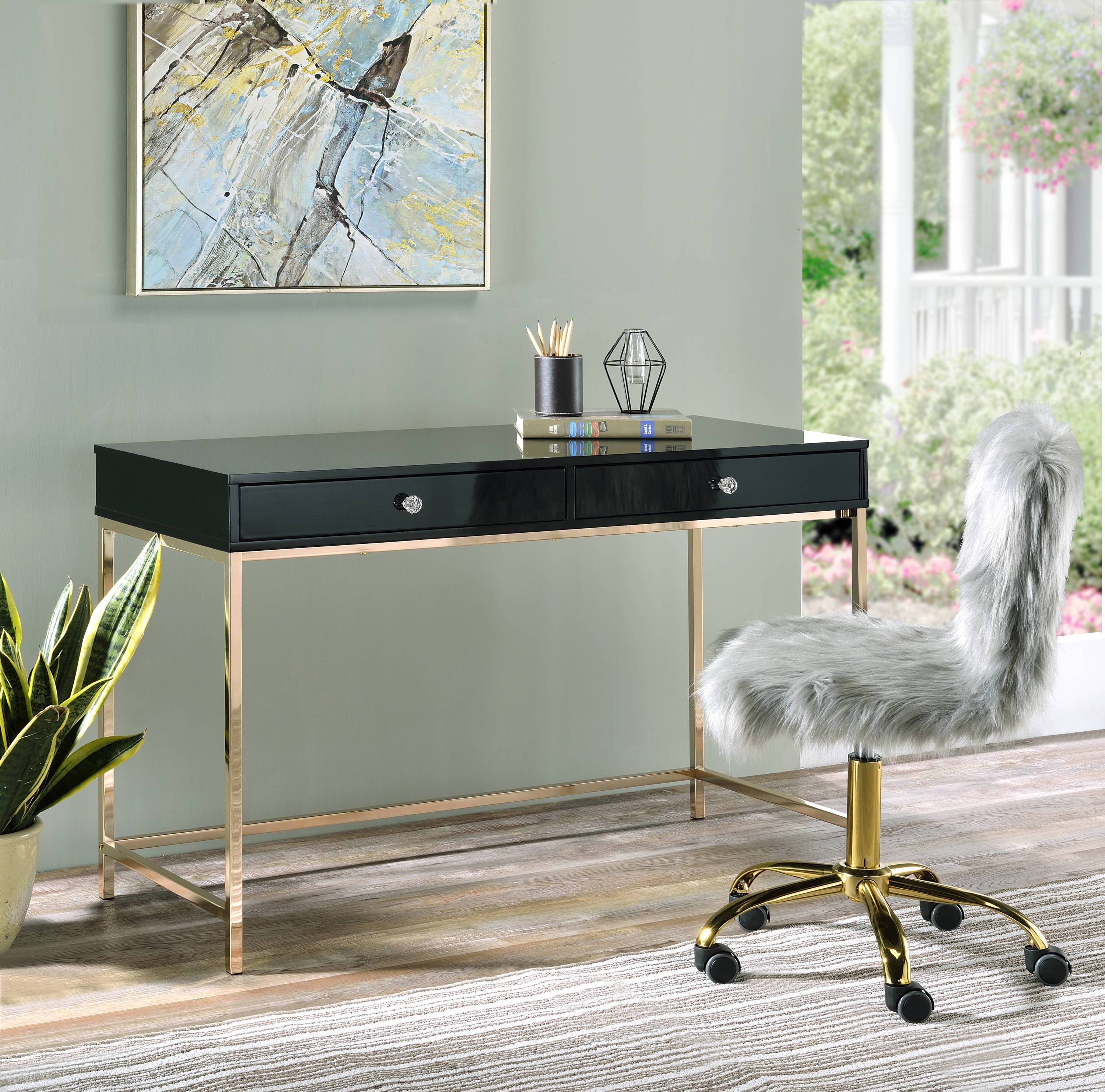
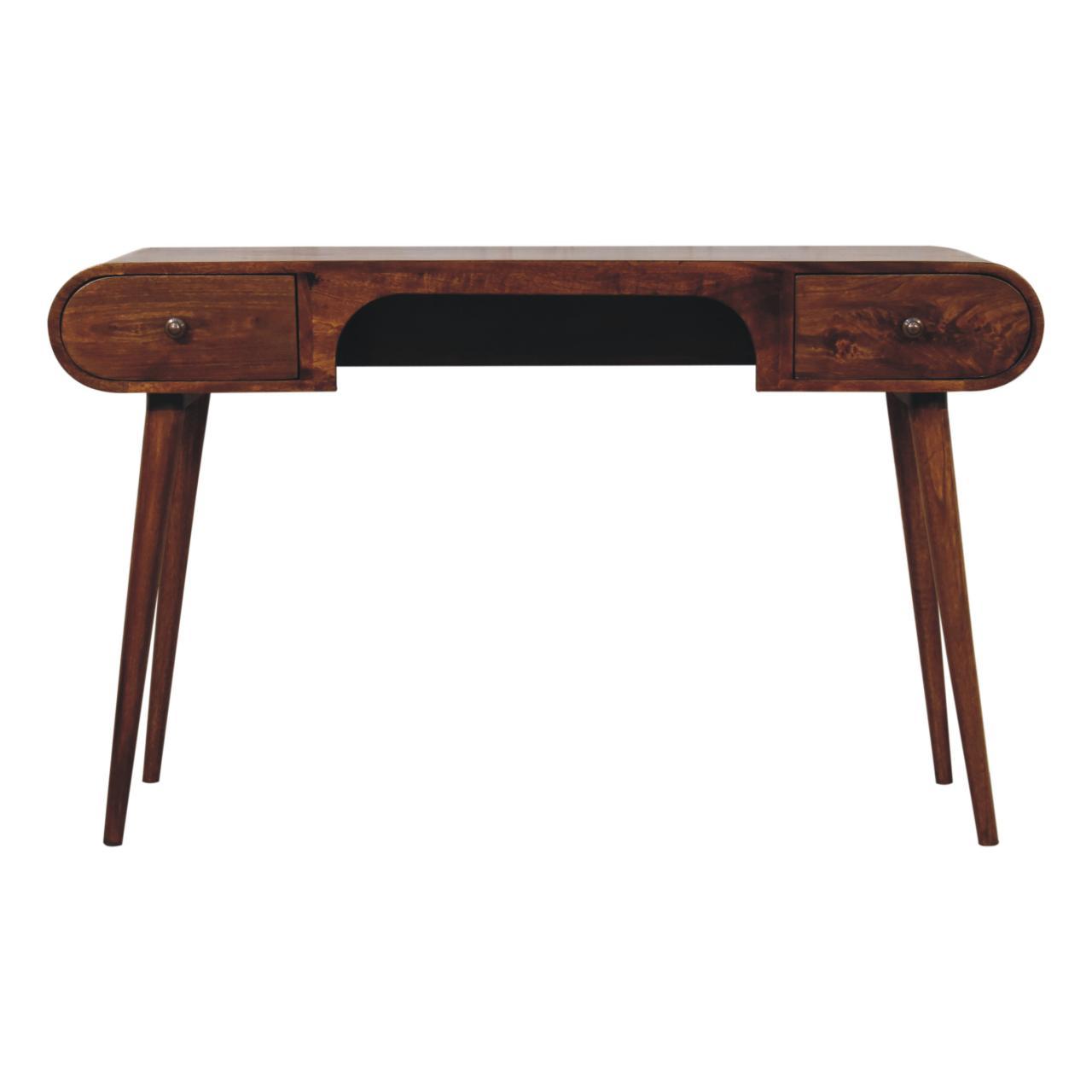
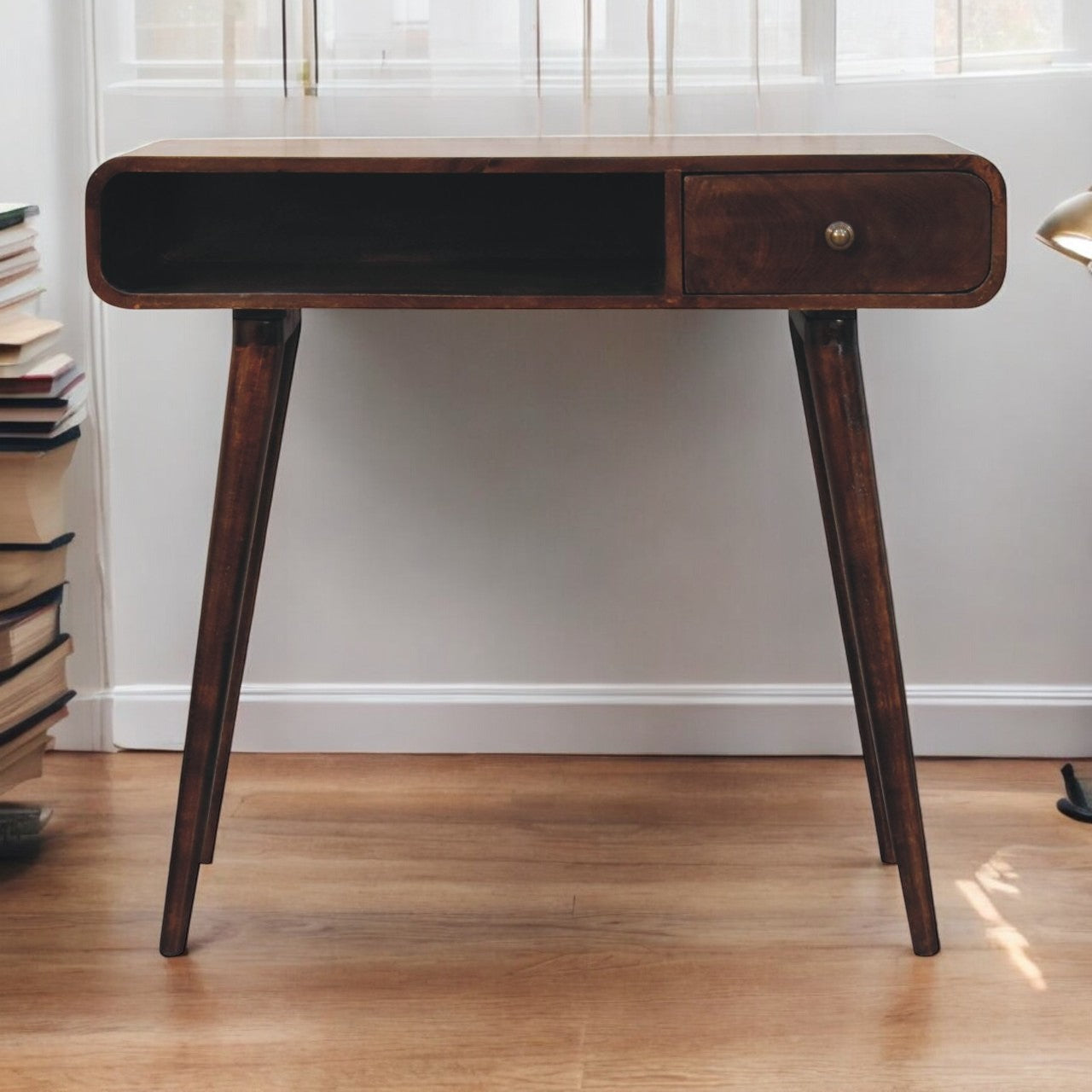
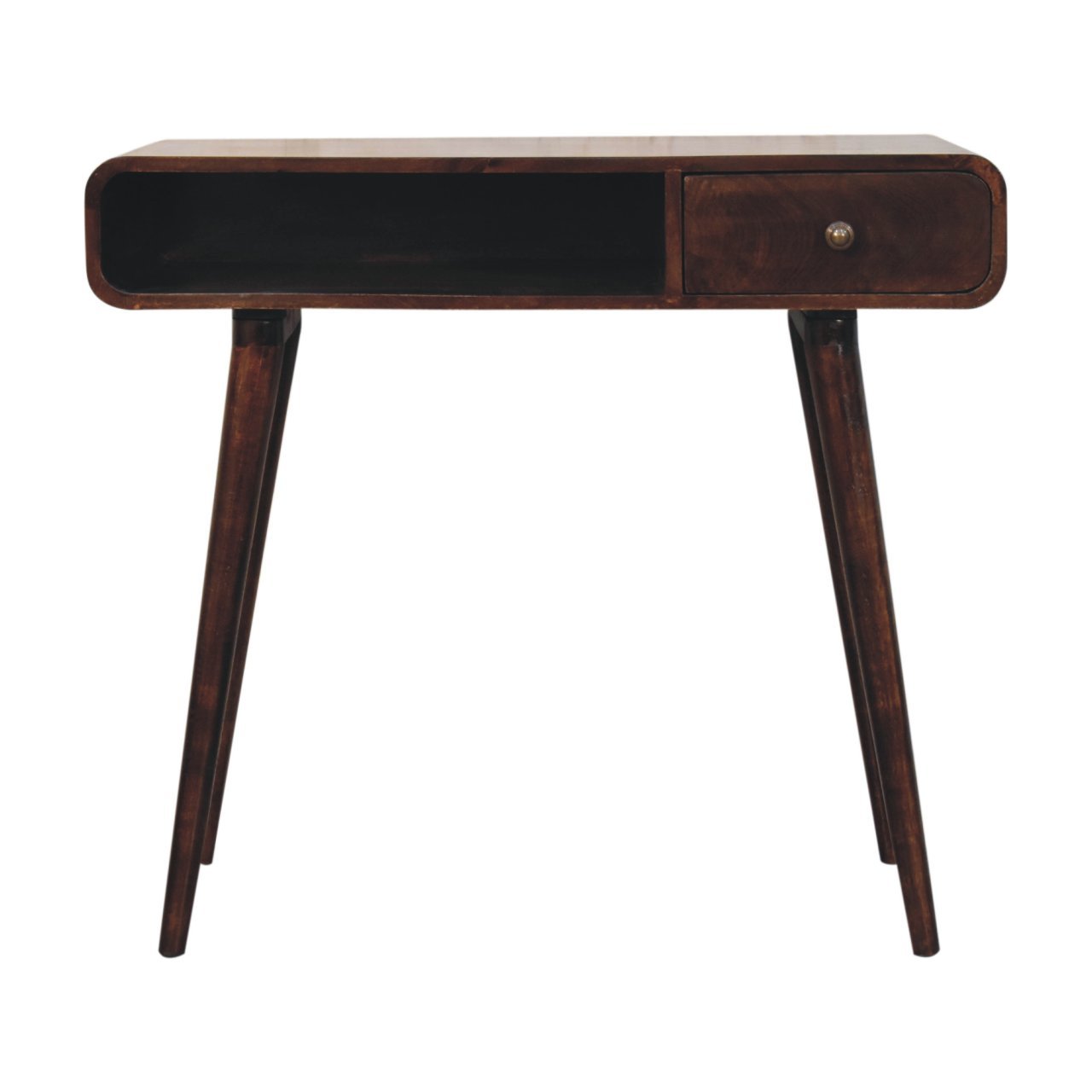
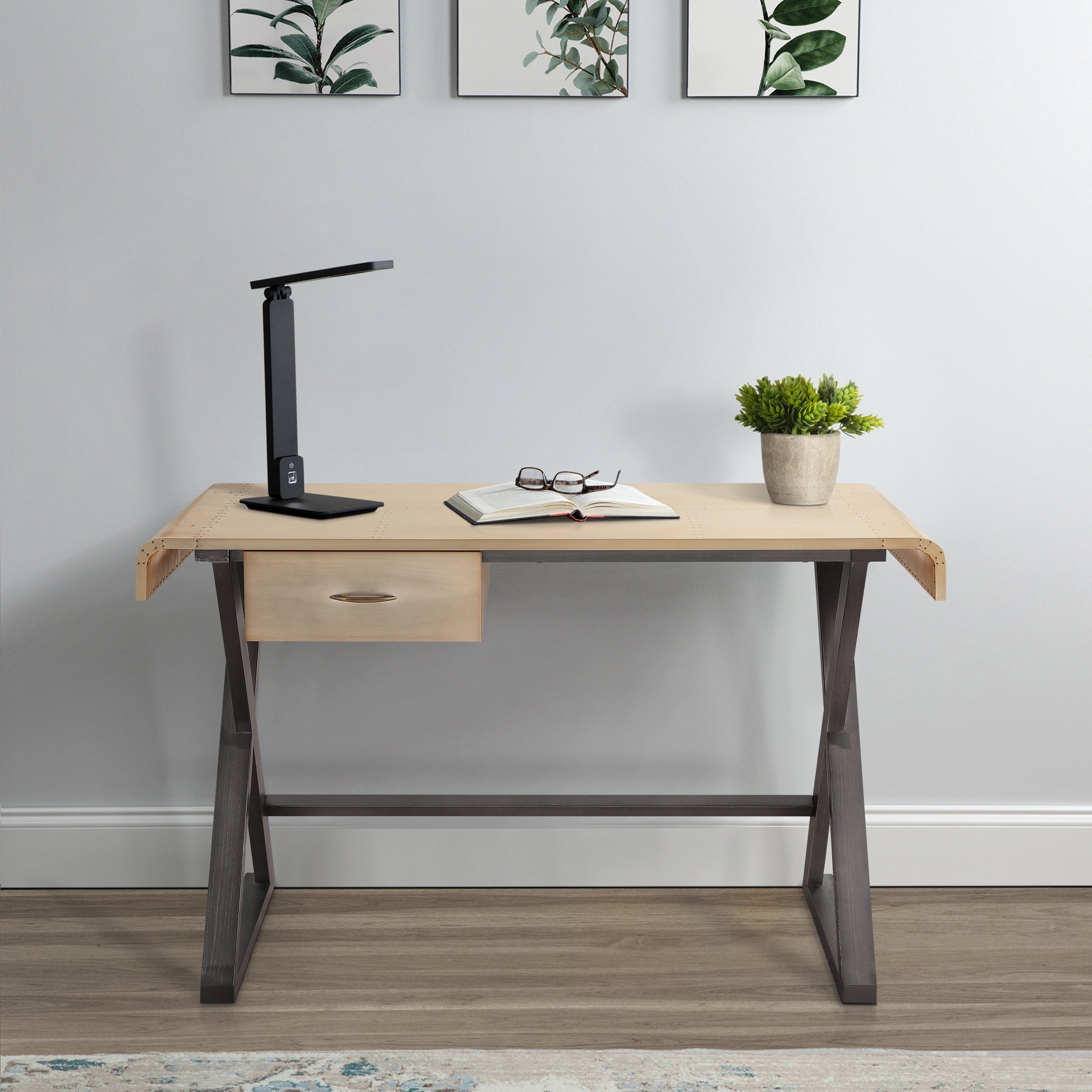
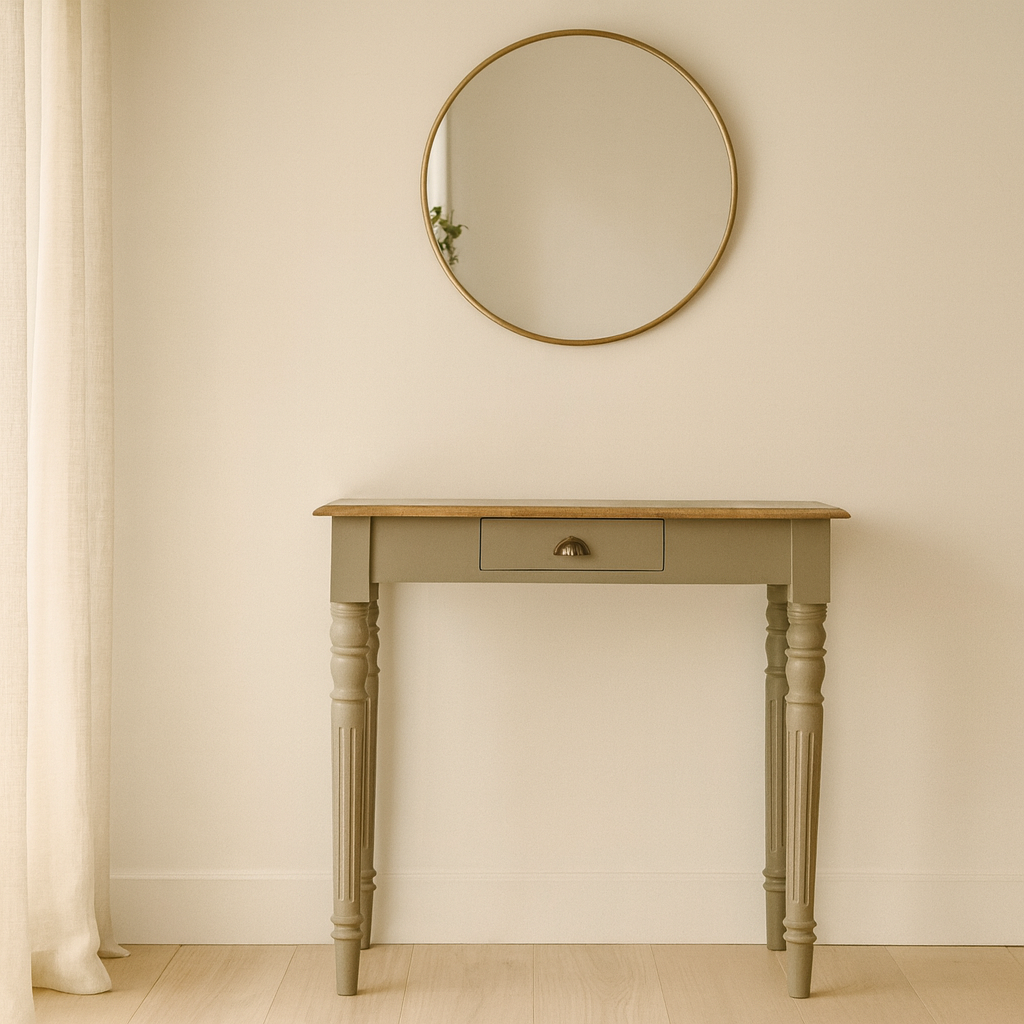
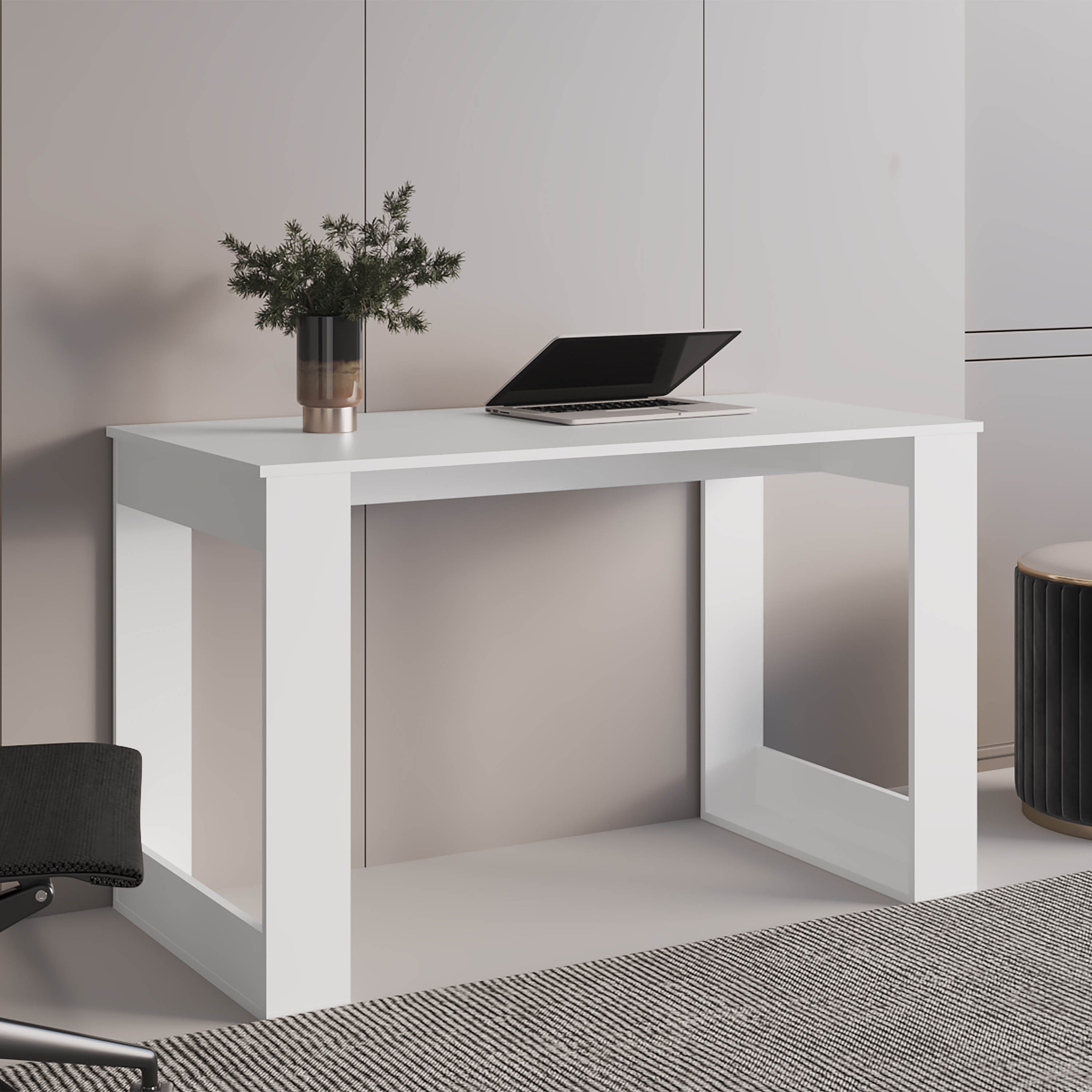
A writing desk is the plainest form the piece takes: a surface, legs you can see under, and little else. That is the appeal. It reads as furniture rather than office equipment, which is what you want when the desk lives in a bedroom, a hallway or the corner of a living room.
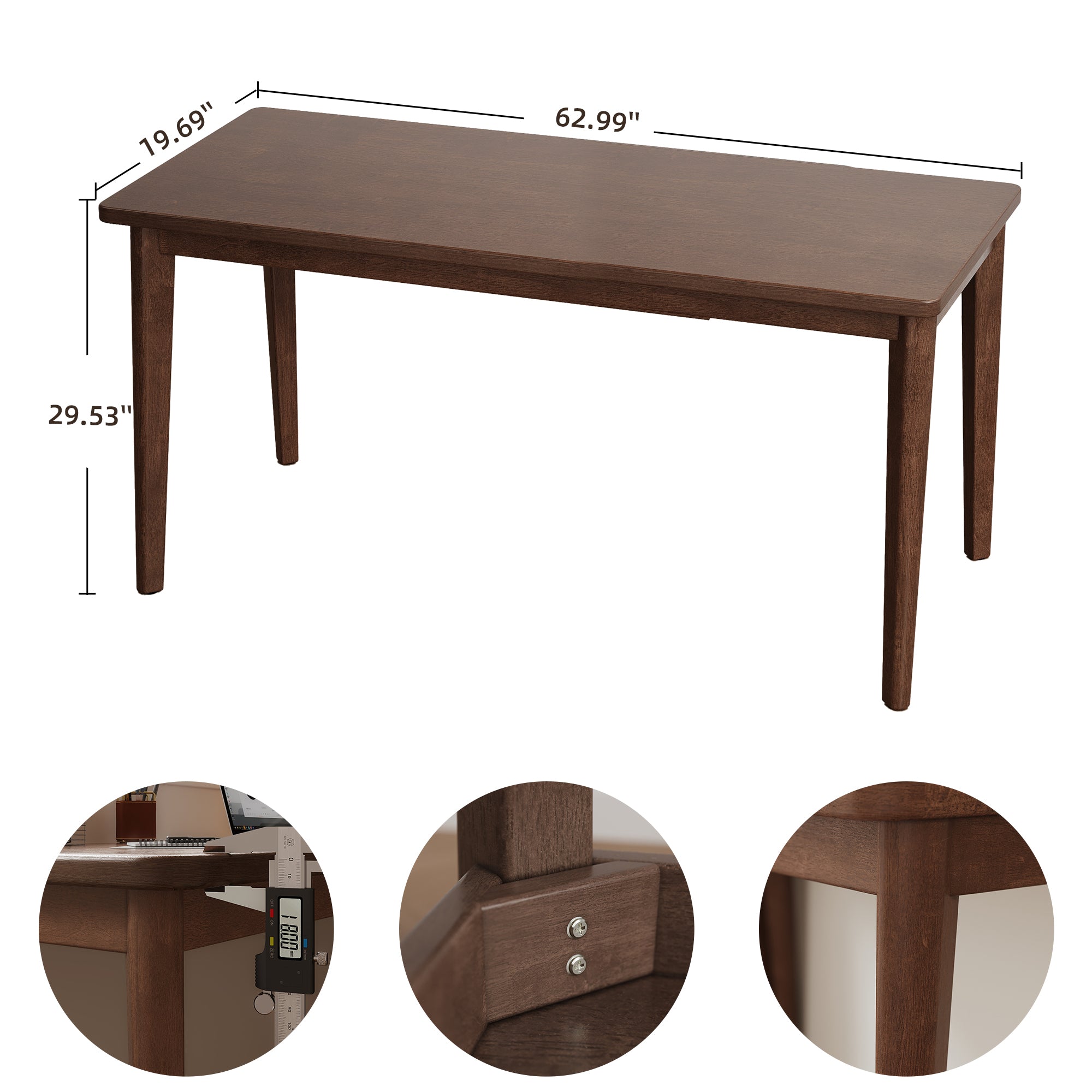
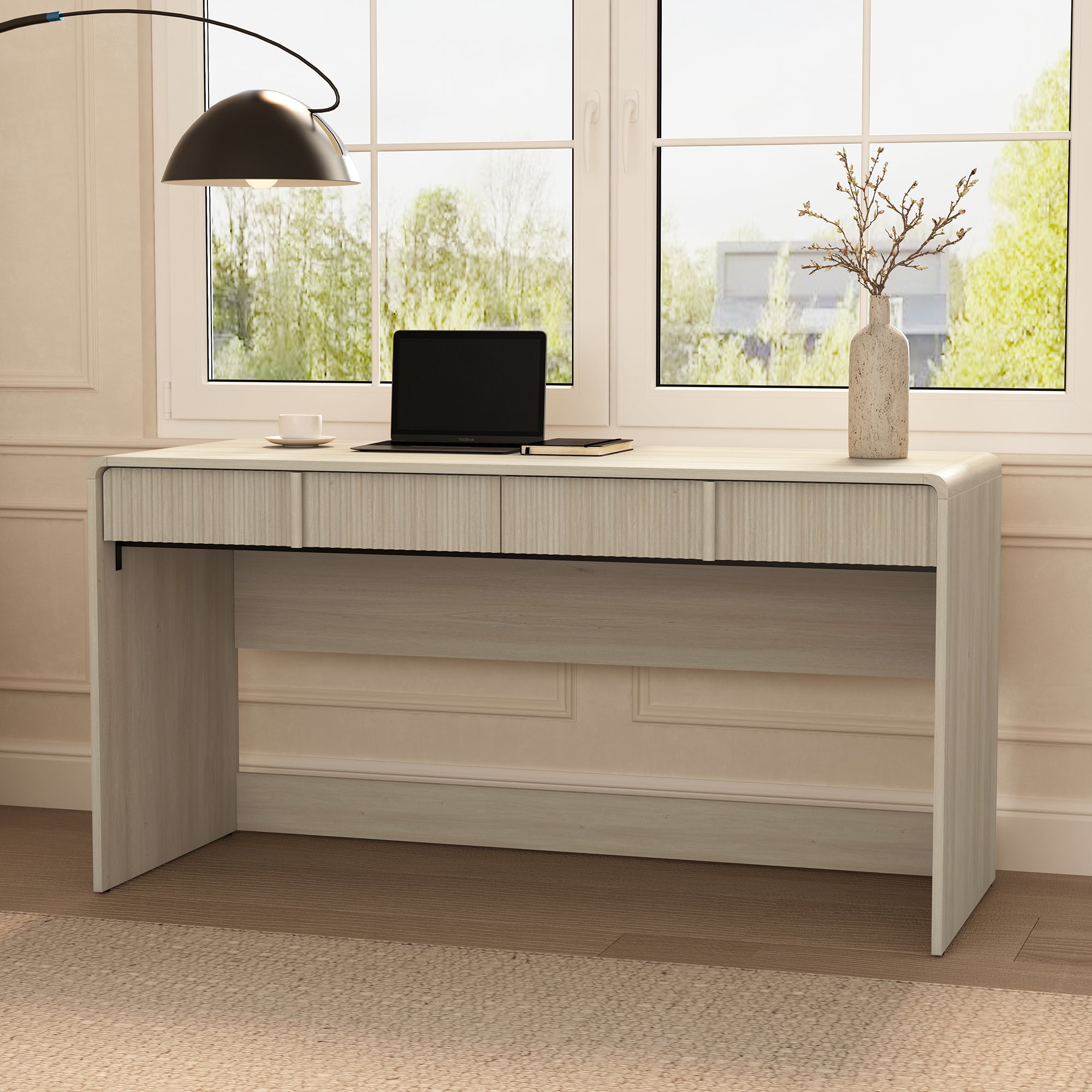
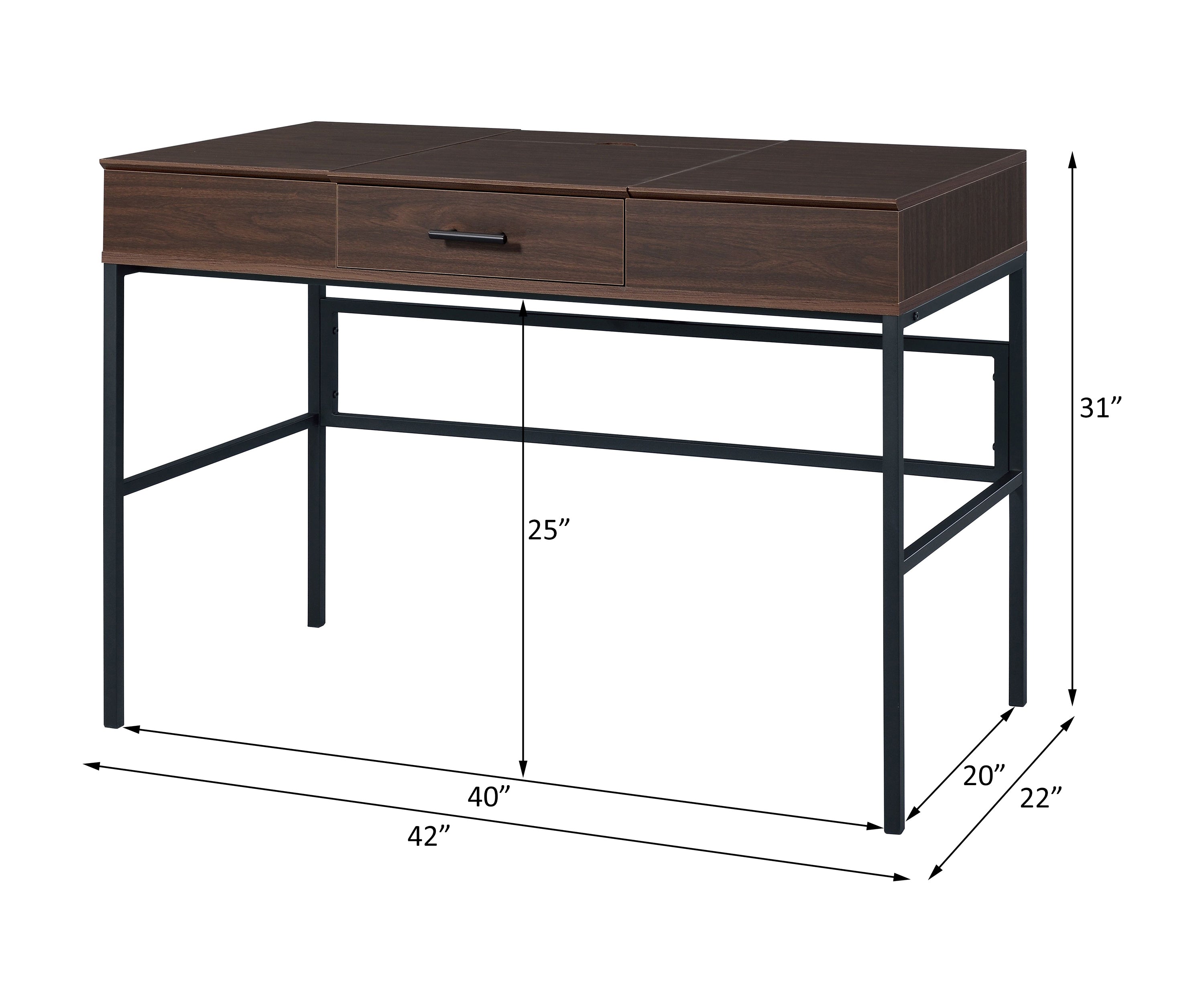
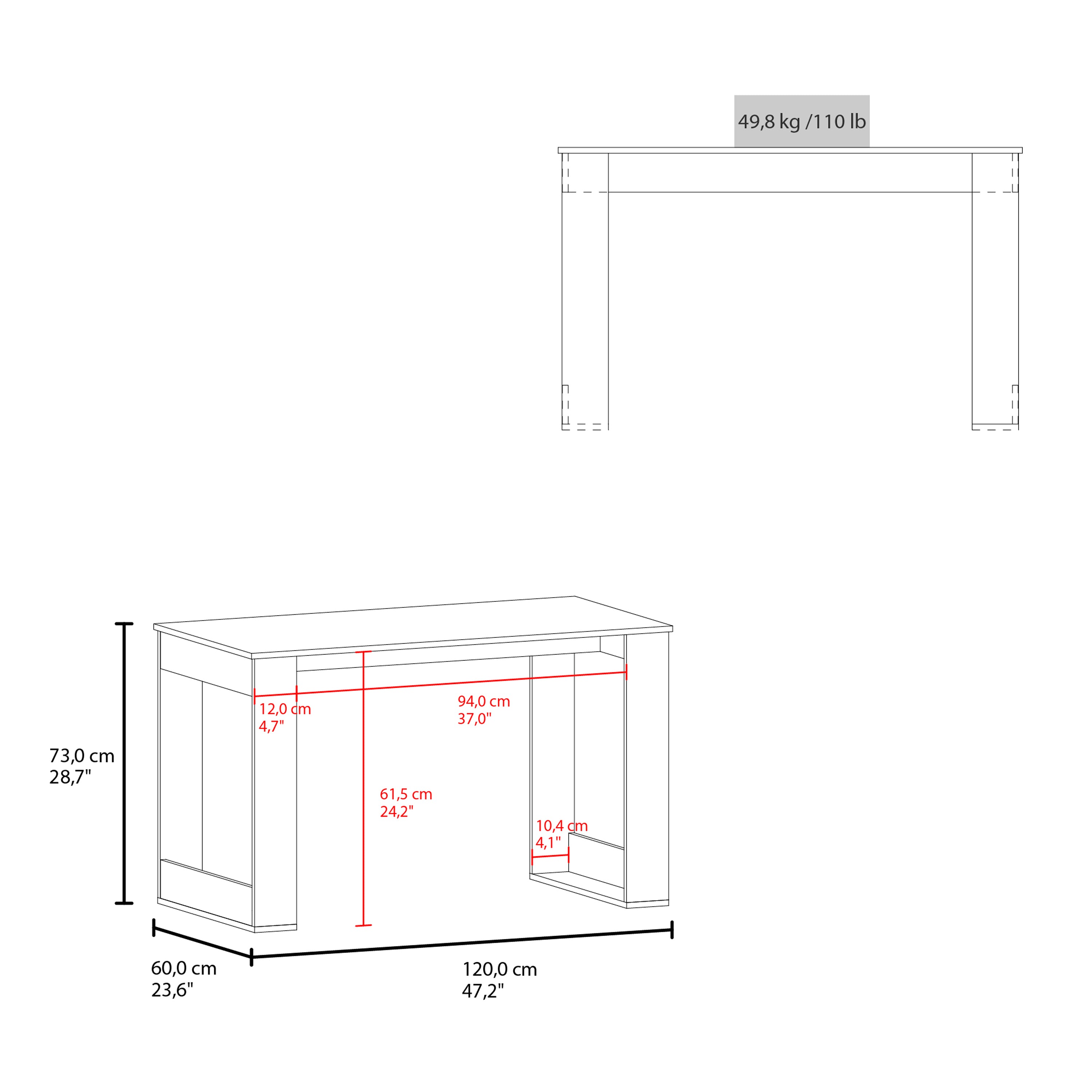
These run 31.9 to 63 inches wide and 17.7 to 31.5 deep. Under 40 inches suits a laptop, a lamp and not much more, which is honest about what most people actually put on a desk. Over 50 gives you room for a monitor and paperwork side by side.
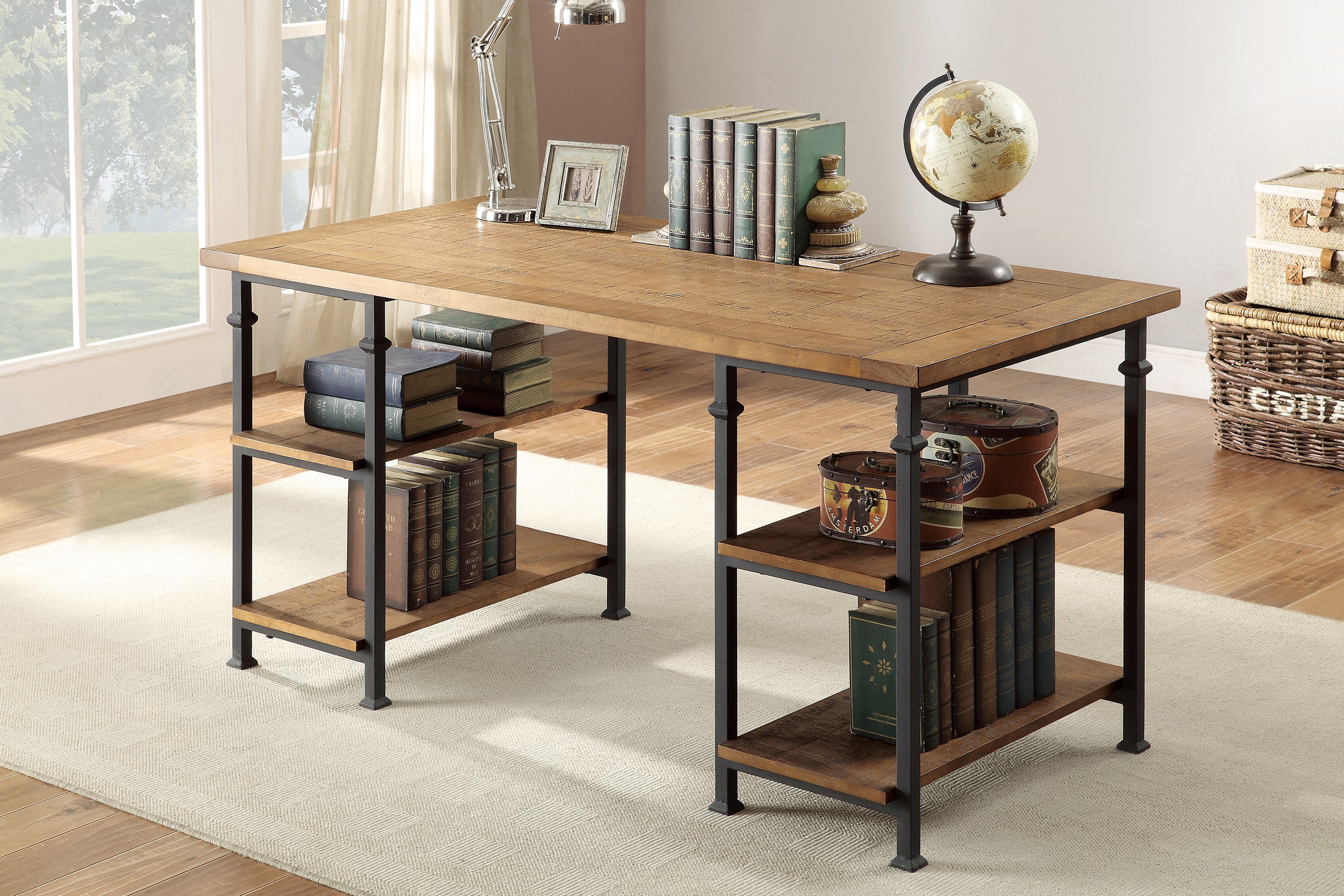
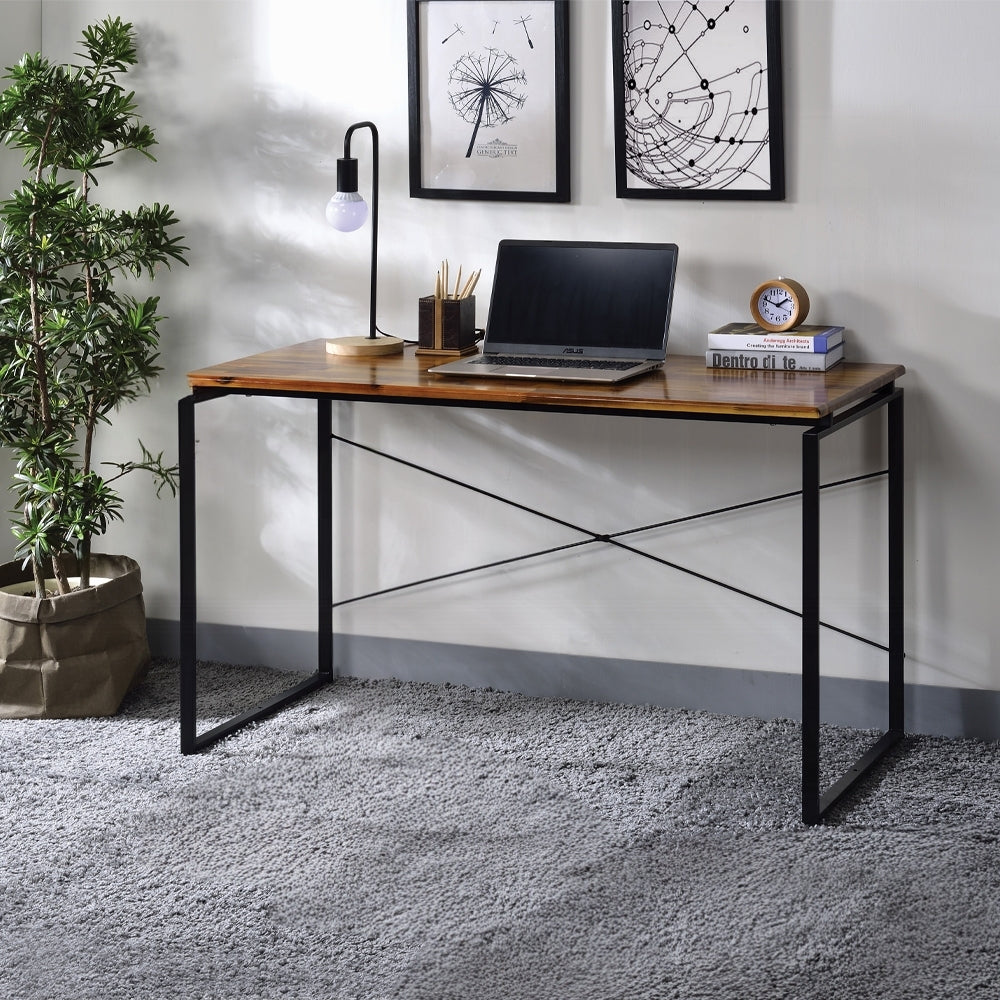
Solid wood and wood-look writing desks
Depth is what separates a desk you can work at from a console table. Under 20 inches a monitor sits too close for a full day, so if the desk is for real work rather than occasional use, take the deeper option.
Heights run 28 to 34 inches, and the standard sits at 29 to 30, which is what office chairs are built to meet.
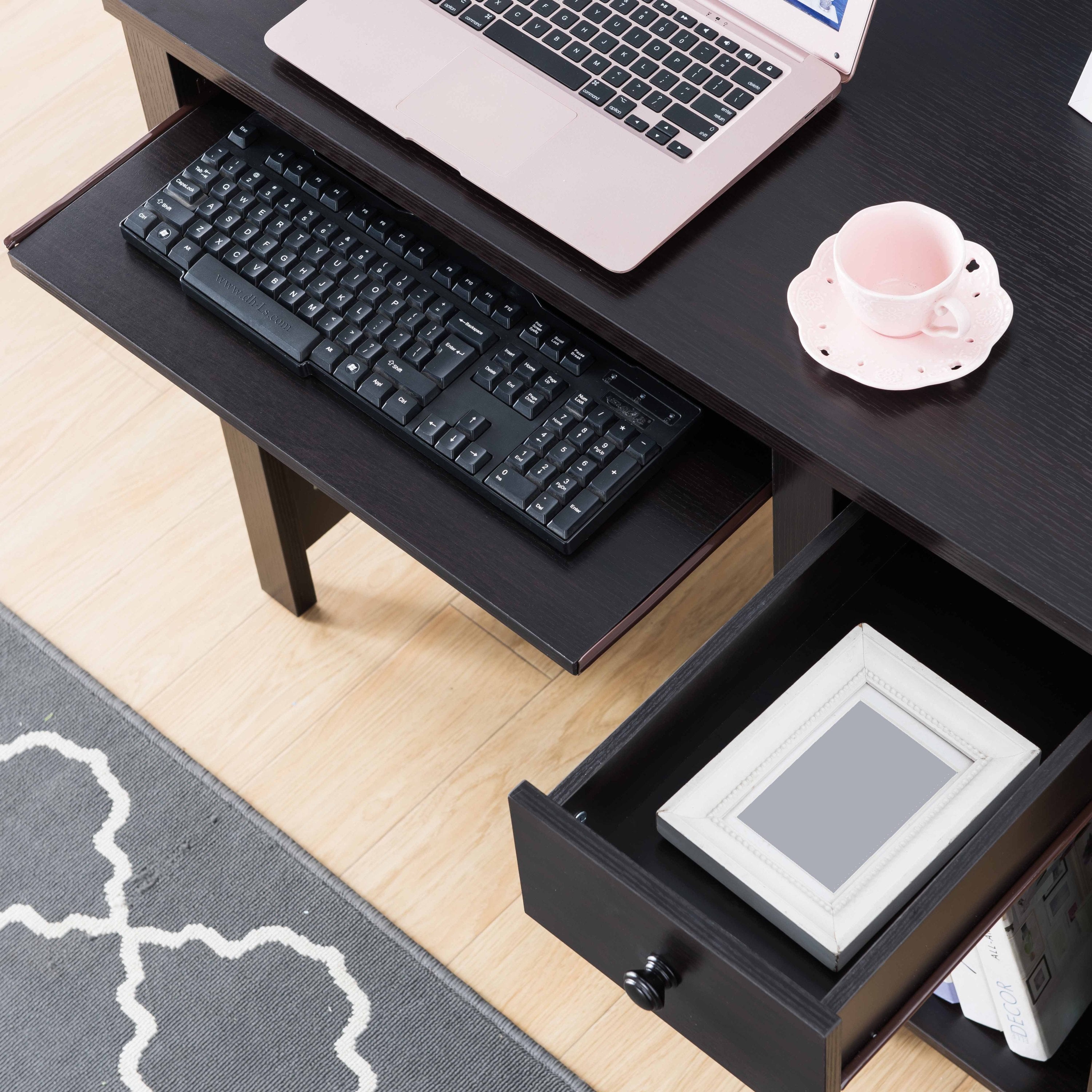
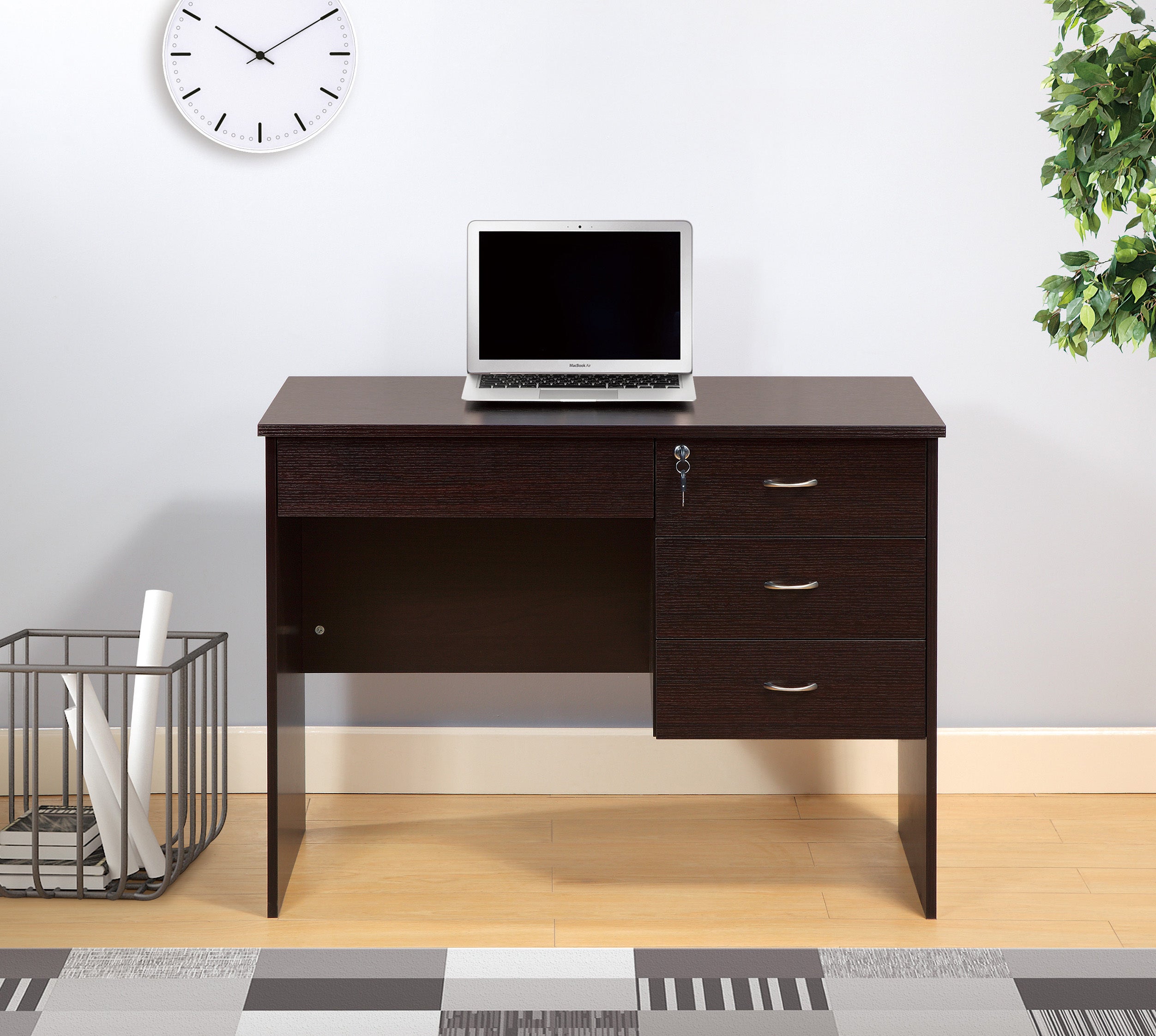
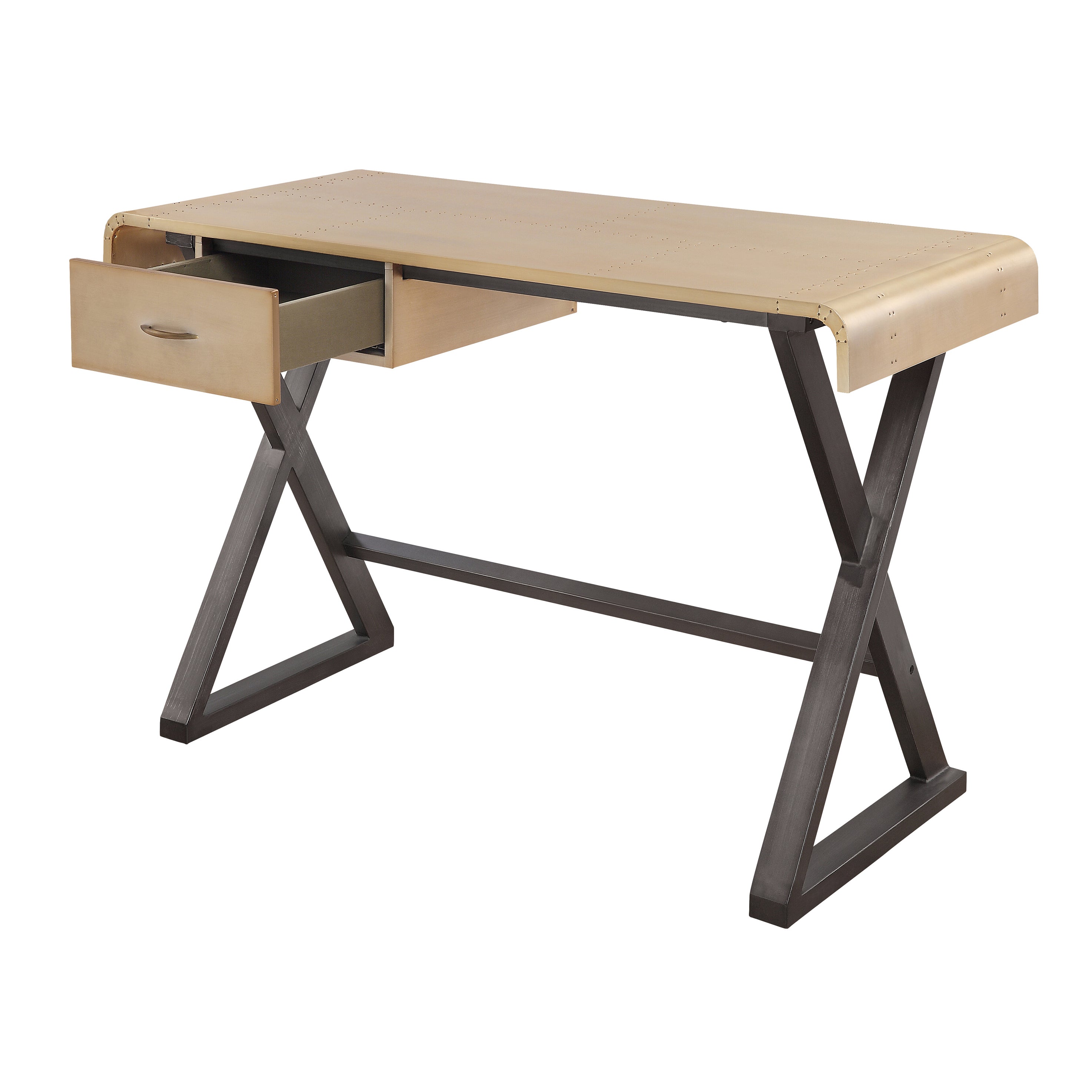
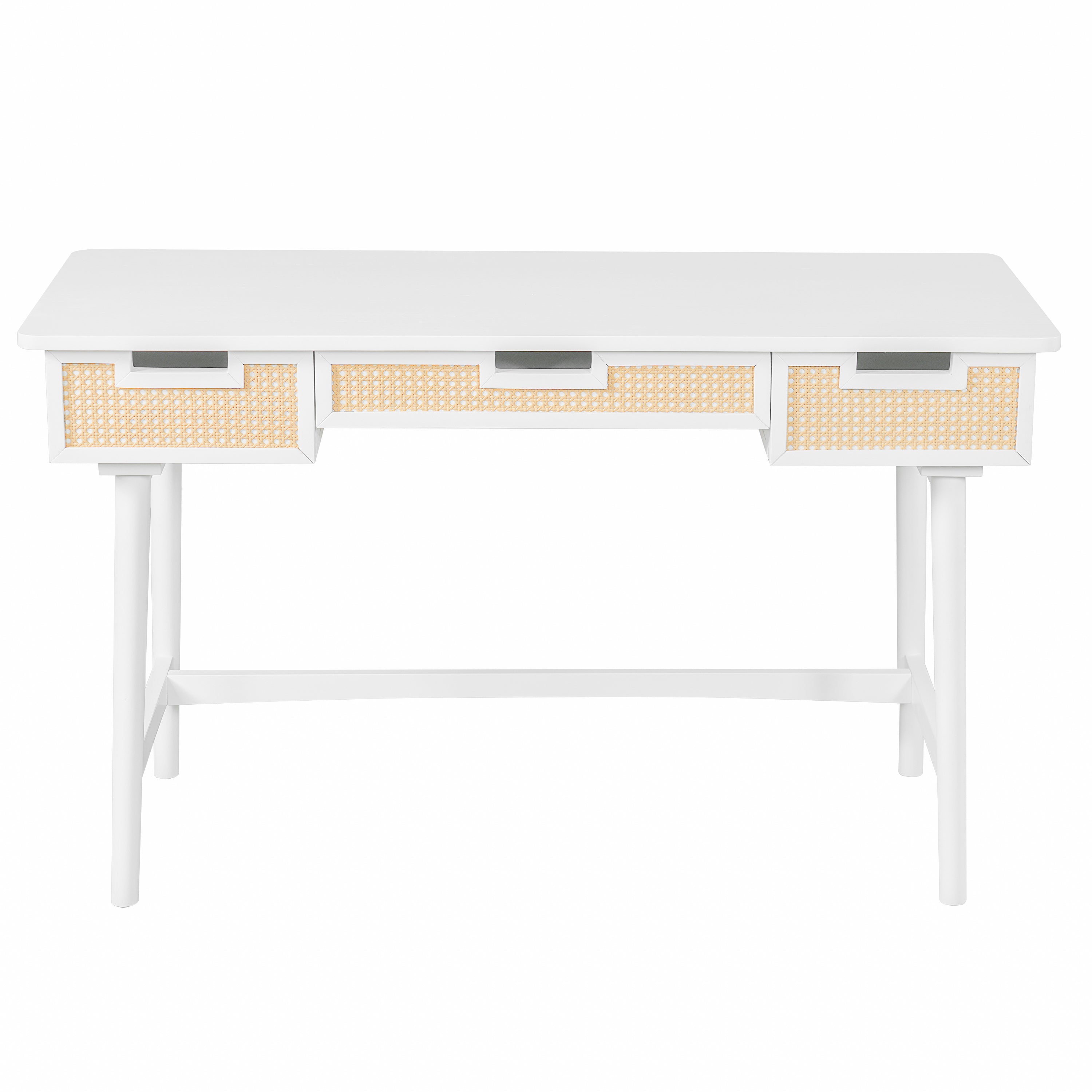
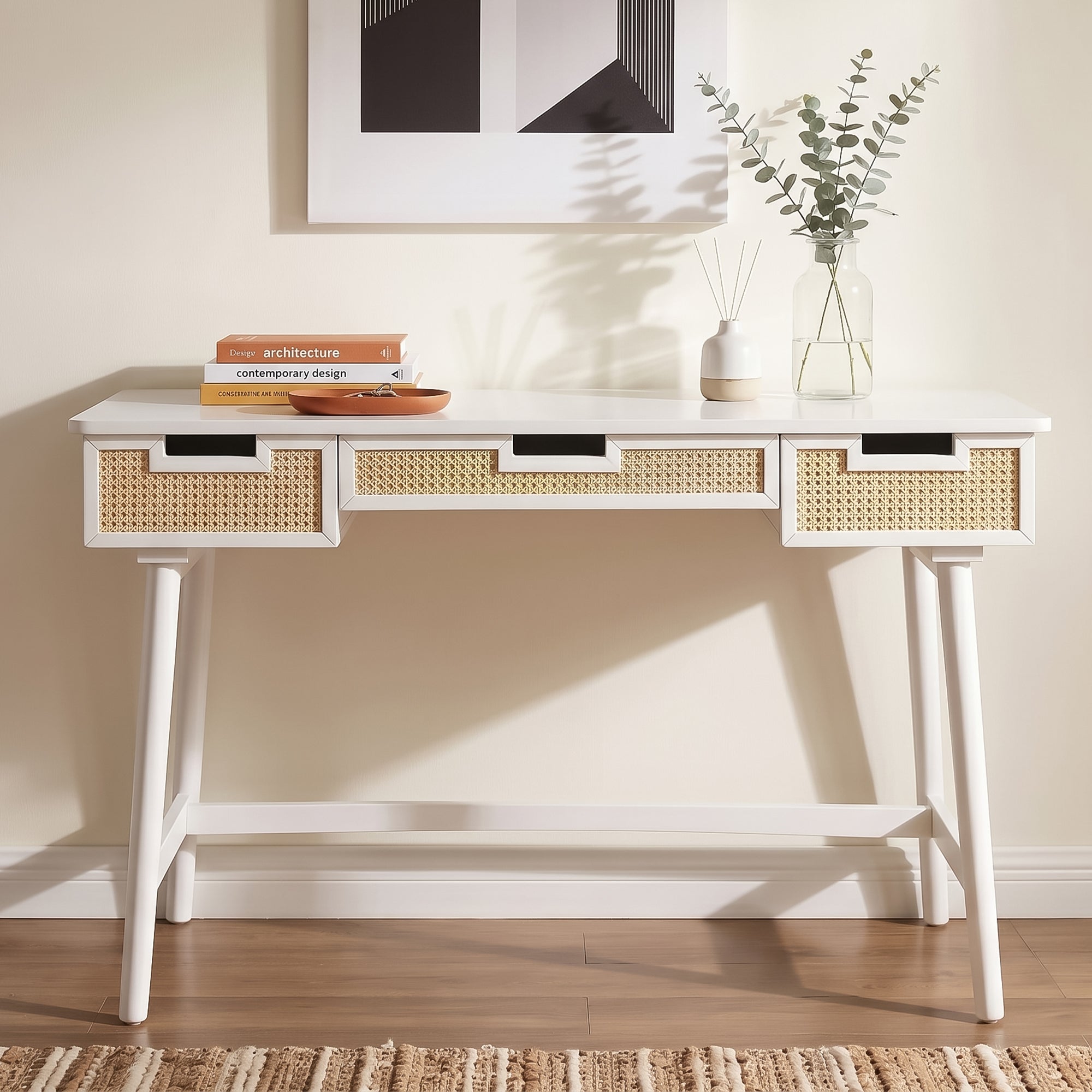
Writing desks with drawers
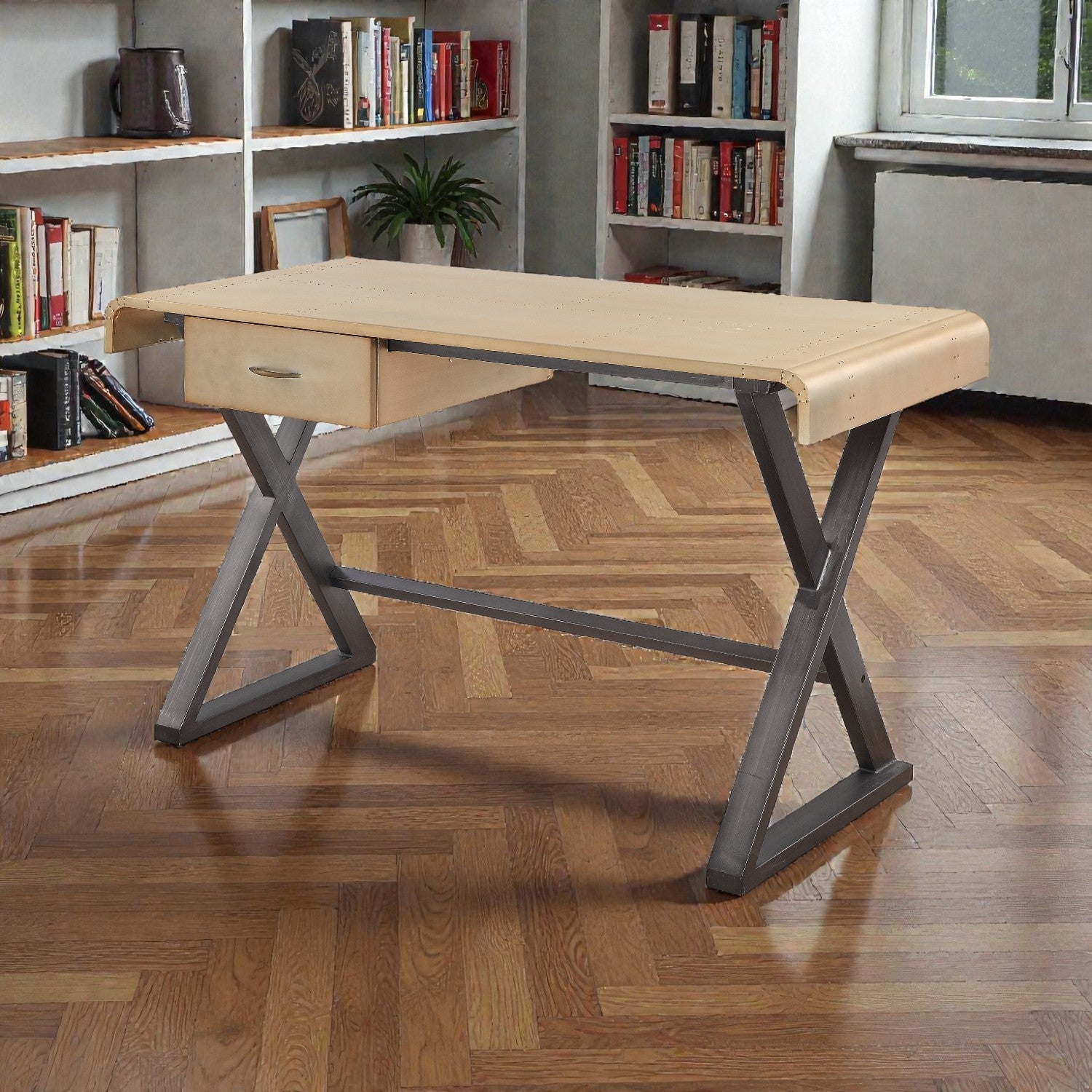
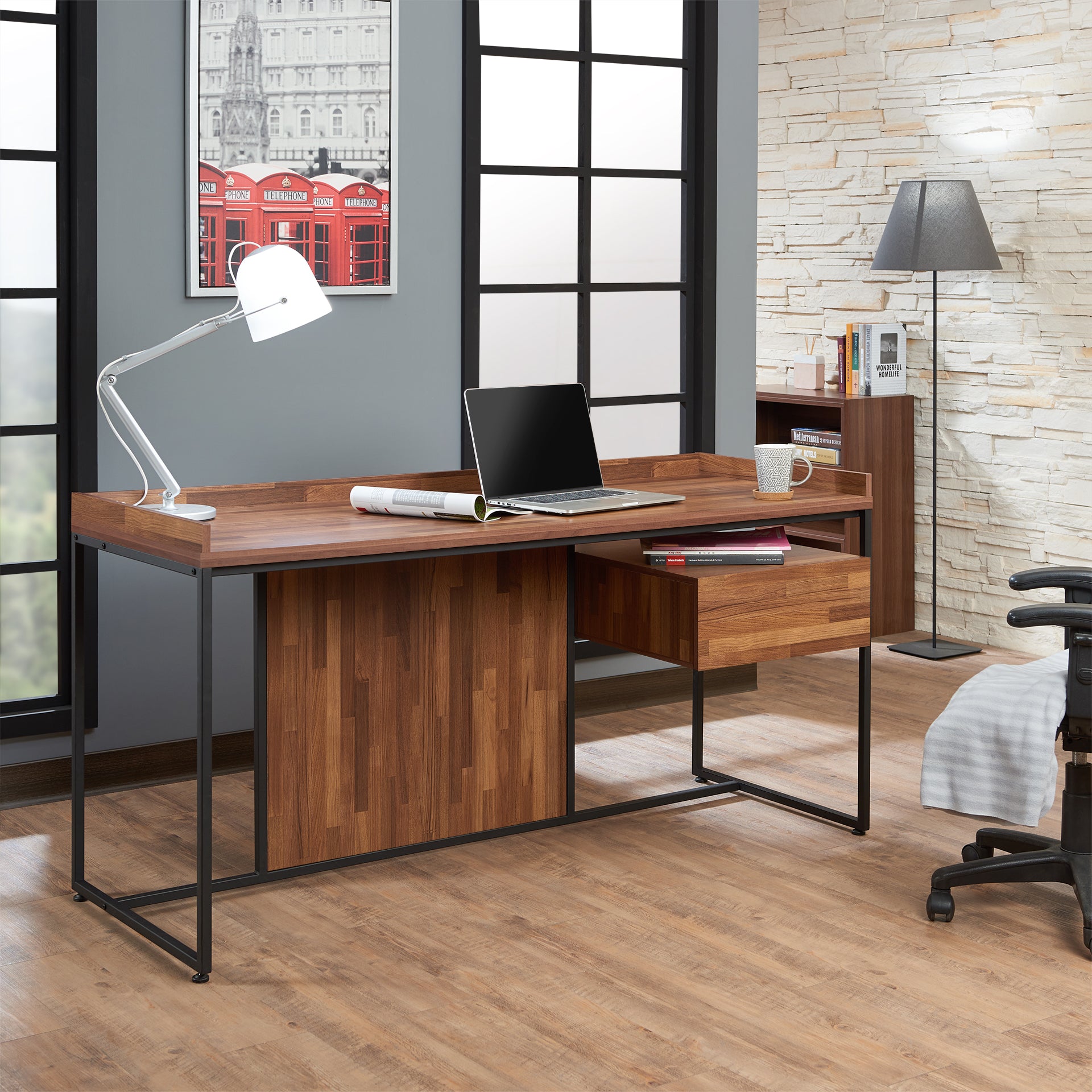
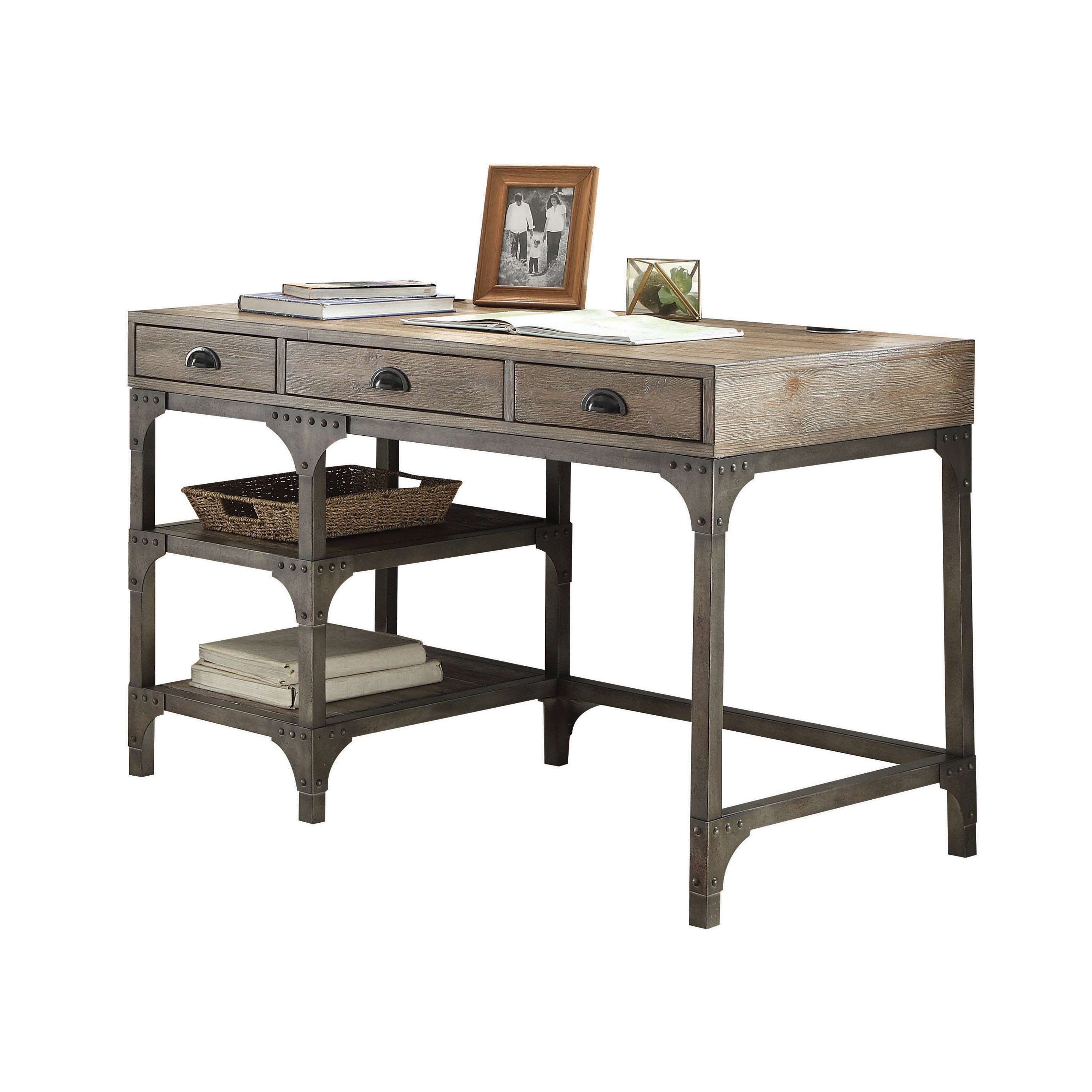
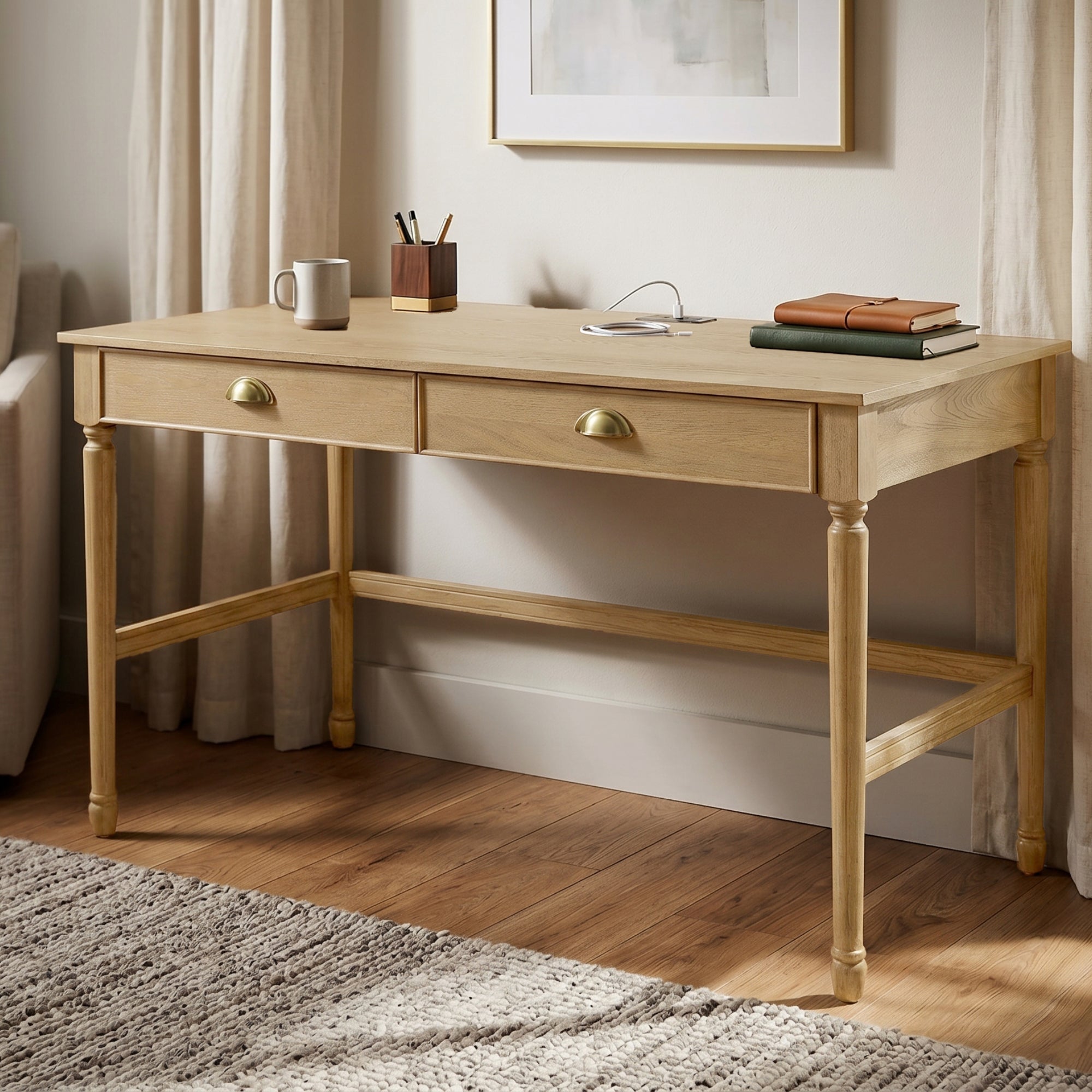
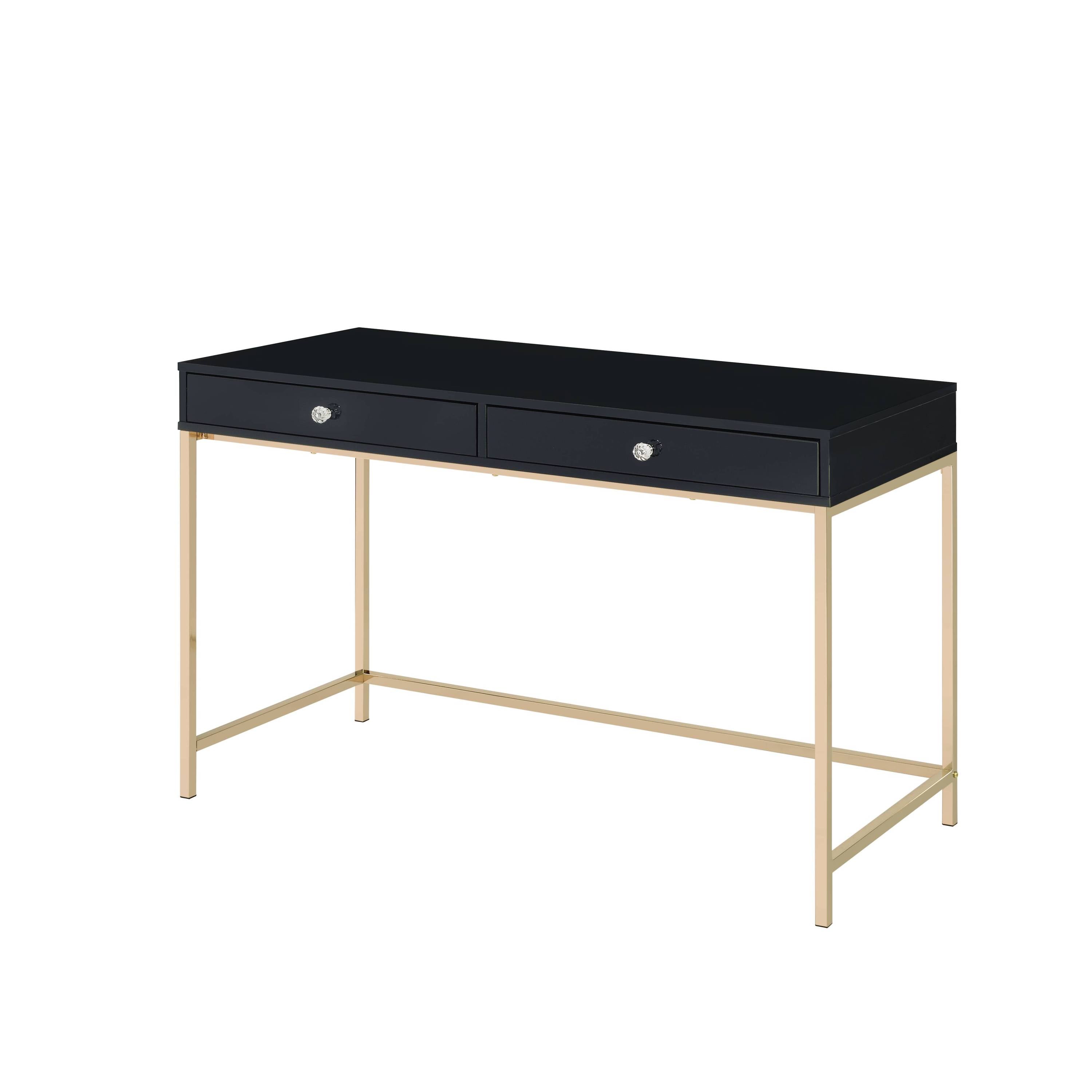
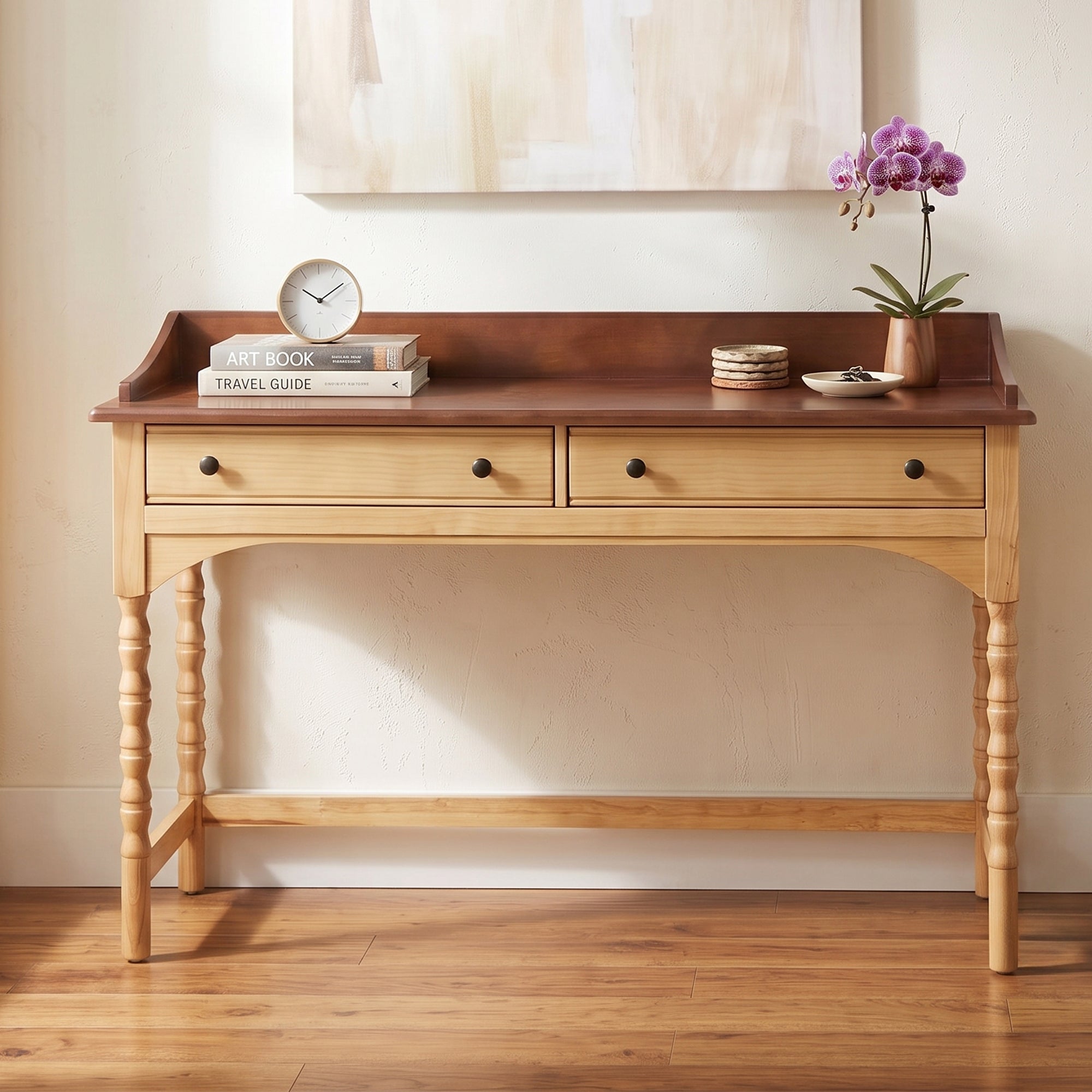
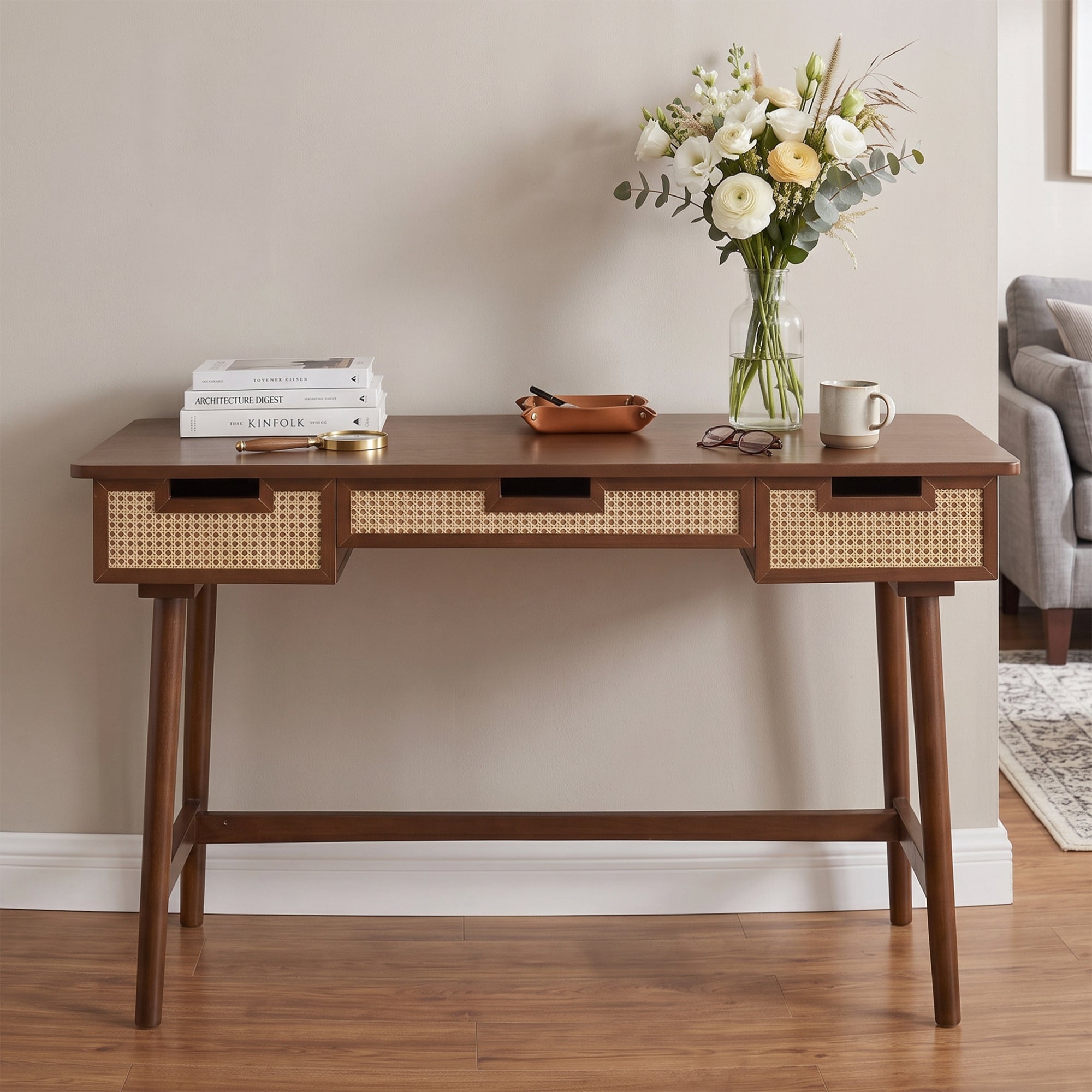
Solid wood pieces take a knock without showing it and hold a straight line under weight for years. Wood-look board gives you an even finish across a wide top, and a metal frame under either keeps the leg profile slim, which makes a small room feel less crowded.
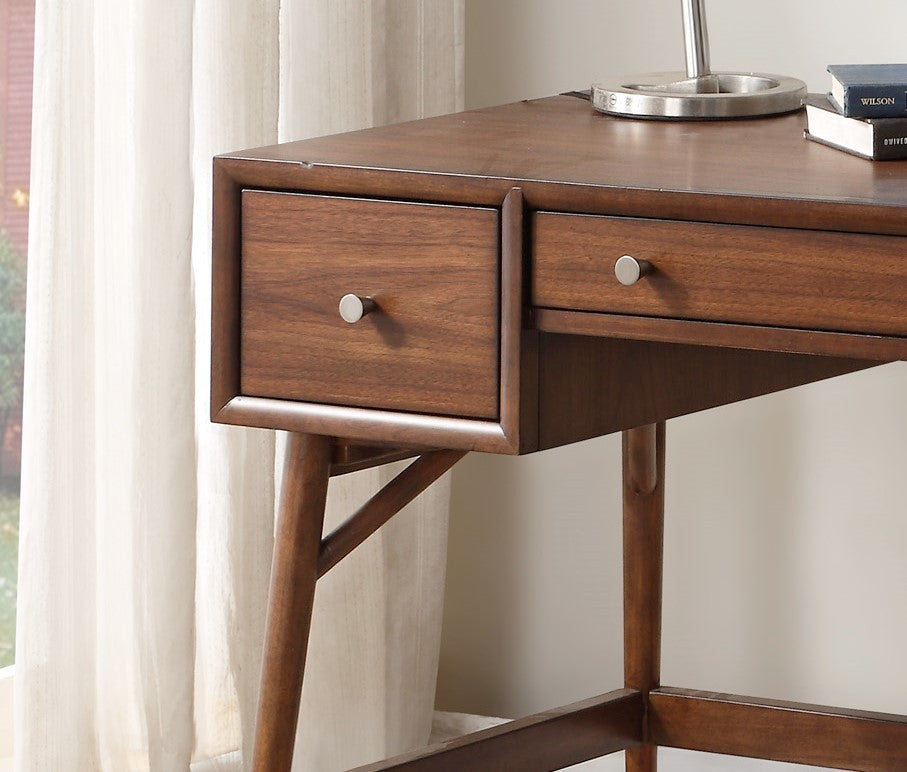
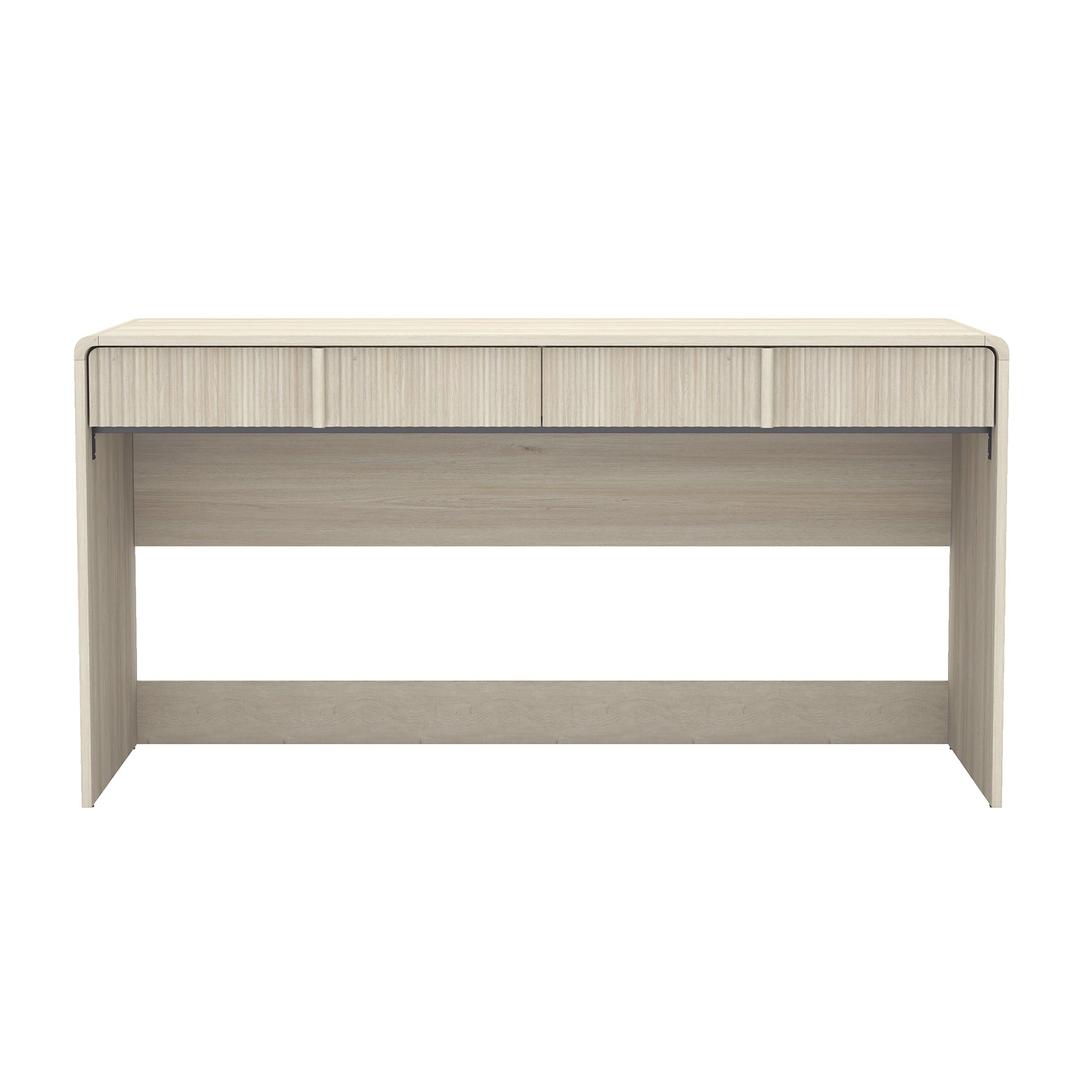
Some carry a shallow drawer for pens, chargers and the paperwork you do not want on the surface. It is not filing storage, and a writing desk with a drawer is still a writing desk rather than a pedestal desk. Wipe wood with a barely damp cloth along the grain, and keep it out of the direct path of a radiator or a sunny window.
Every order ships free with delivery in 5 to 7 days.
More Writing Desk
By material: Walnut · Oak · Solid Wood
By style: Executive · Farmhouse
By feature: With Hutch · L-Shaped · Desk Converters · Desks
Specifications
- Desk height
- 29 to 30 in
- Width range
- 23.62 to 63 in
- Depth range
- 13.78 to 31.5 in
- Surface weight capacity
- 44 to 300 lbs where stated
- Features available
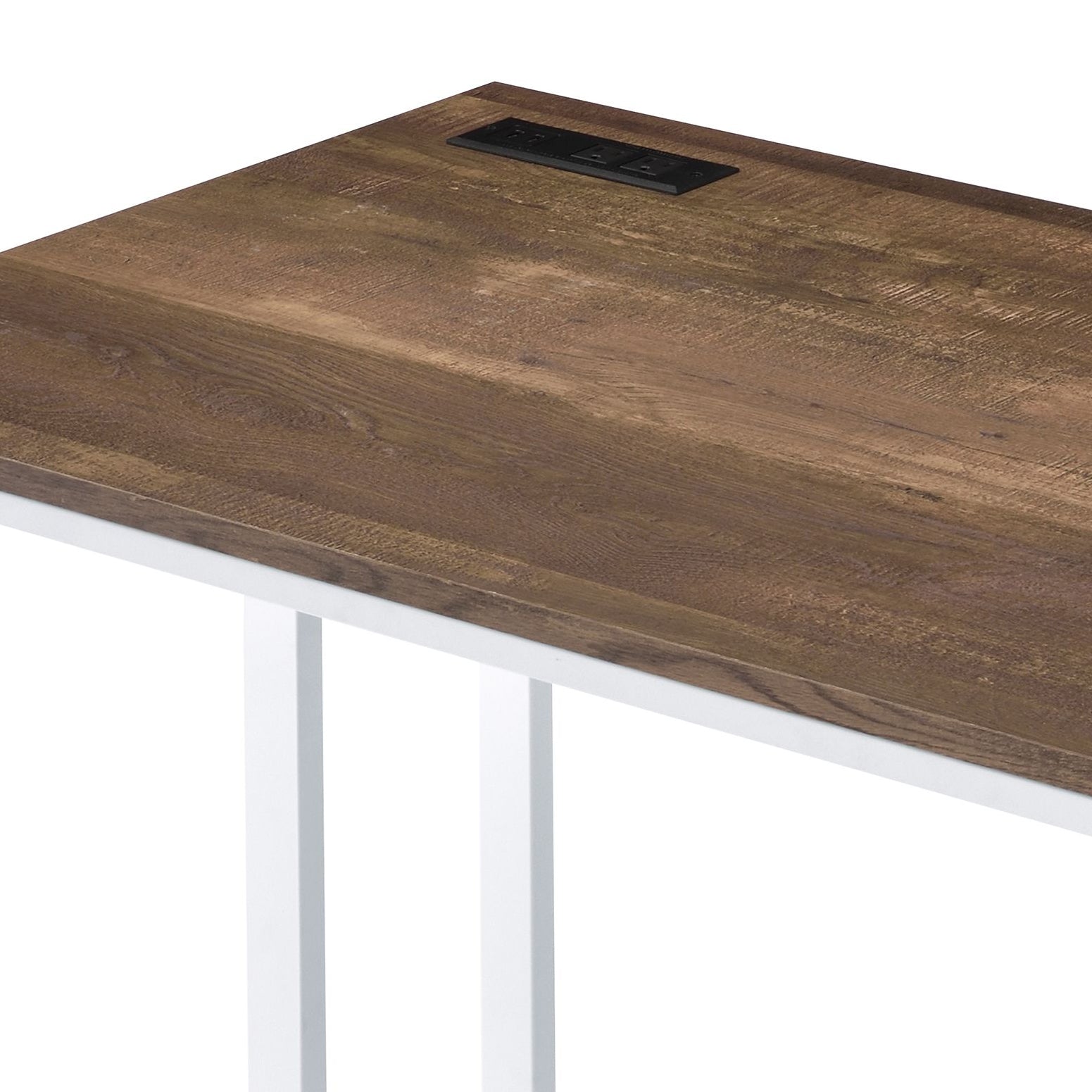
- Drawers, Charging station, Keyboard tray, Cable management
- Finishes
- Walnut, Oak, Natural
- Delivery window
- 5 to 7 days
- Free shipping
- Free
- Colors
- black, brown, cream, espresso, gold, gray, natural, oak, silver, walnut, white
- Styles
- industrial, mid century
- Materials
- glass, mdf, metal, solid wood, vegan leather, wood
- Features
- big and tall, cable management, ergonomic, height adjustable, locking, mobile, wall anchor, with charging station, with drawers, with hutch
- Weight capacity lbs
- 70 to 300
Good to know